


Neuropathic Eye Pain After LASIK or Eye Surgery
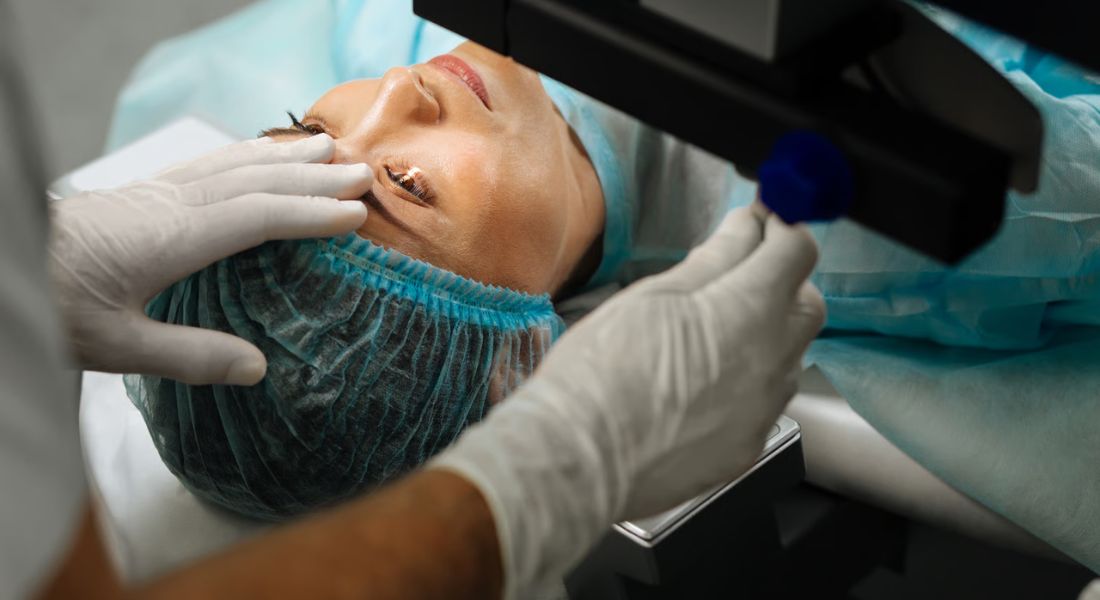
LASIK and other eye surgeries have helped millions of people safely improve their vision. For most people, recovery is smooth, and long-term outcomes are excellent. However, a small number of patients experience ongoing discomfort even after their eyes appear fully healed. This persistent pain can be confusing and worrying.
In these situations, your eye surface may look completely normal, yet you may still feel burning, irritation, or discomfort. It can be hard to understand why the pain continues, and even clinicians can find it challenging because standard examinations often show little or no visible abnormality. This mismatch between what you feel and what can be seen is a hallmark of neuropathic eye pain.
Neuropathic eye pain occurs when the nerves that sense your eye become hypersensitive or function abnormally. Surgical procedures like LASIK can sometimes alter the corneal nerve structure during healing. Even after the surface appears healthy, these altered nerves may continue sending exaggerated pain signals. Understanding this process helps explain why some people experience long-term discomfort after eye surgery.
Understanding Eye Surgery and Nerve Changes
Eye surgery involves very precise adjustments to the delicate structures in your eye. During procedures like LASIK, your corneal tissue is reshaped to improve vision, which naturally affects the tiny network of nerves in your cornea. These nerves are highly sensitive and play an important role in detecting changes on your eye’s surface.
Your corneal nerves are essential for keeping your eyes comfortable and regulating tear production. They detect dryness, temperature changes, and any foreign particles that land on your eye. These signals trigger protective reflexes, like blinking and tear secretion, helping to keep your eyes healthy and safe.
When surgery temporarily disrupts these nerves, a healing process begins. In most cases, your nerves regenerate, and normal function is restored. However, for some people, this healing process can cause abnormal nerve signalling, which may lead to persistent discomfort or neuropathic eye pain.
What Is Neuropathic Eye Pain?

Neuropathic eye pain is caused by abnormal nerve signalling rather than visible damage to your eye surface. The discomfort originates within your nervous system itself, making it different from typical dry eye or surface irritation. This is why the pain can feel intense even when your eyes look healthy.
Your cornea contains one of the densest networks of nerves in the human body. These nerves are highly sensitive and play a protective role, detecting dryness, temperature changes, and potential injury. When they become disrupted, they can generate pain signals even without any external trigger.
People with neuropathic eye pain often describe sensations such as burning, stabbing, or electric-like discomfort. These feelings may persist even when an eye examination shows no visible abnormalities. This mismatch between what you feel and what can be seen is a hallmark feature of neuropathic eye pain.
Why LASIK Can Influence Corneal Nerves
LASIK surgery can affect corneal nerves because it involves creating a thin flap in the cornea before reshaping the underlying tissue. This process inevitably intersects with the dense network of nerves in the cornea. Although the nerves usually regenerate over time, the speed and pattern of recovery can vary between individuals, which may influence how the eyes feel after surgery.
- Gradual nerve regeneration: After LASIK, the corneal nerve fibres grow back slowly. In most patients, this process restores normal structure and function, allowing sensation and tear regulation to return to pre-surgery levels.
- Variability in nerve recovery: Nerve regeneration does not always occur uniformly. Some individuals may experience irregular regrowth, which can affect how the nerves transmit sensory signals.
- Overactive nerve responses: In certain cases, the regenerated nerves may become hypersensitive instead of returning to normal. This heightened sensitivity can trigger burning, stinging, or persistent discomfort.
- Potential contribution to neuropathic pain: When nerve signalling becomes exaggerated, it can lead to neuropathic eye pain. Even if the eye surface looks healthy, abnormal nerve activity may produce ongoing sensations of pain or irritation.
Understanding how LASIK affects corneal nerves helps explain why some patients experience prolonged discomfort after surgery. Awareness of these changes allows clinicians to monitor recovery and provide targeted strategies to manage nerve-related symptoms.
Nerve Regeneration After Eye Surgery
After LASIK or other corneal procedures, nerve regeneration starts within a few weeks as the body works to restore the disrupted corneal nerve network. This healing process can take several months to complete, and the nerves may initially behave differently from their original state. Understanding this regeneration helps explain why some patients experience lingering discomfort after surgery.
- Early nerve regrowth may be irregular: During the initial stages of healing, regenerating nerve fibres can have abnormal shapes and connections. This irregularity may cause them to send stronger or erratic signals than usual.
- Signals usually stabilise over time: In most patients, nerve function gradually returns to normal. Sensation and tear regulation improve as the regenerated nerves mature, reducing abnormal sensations.
- Persistent hypersensitivity in some individuals: For a subset of patients, the nerves remain overly sensitive even after the surface has healed. This heightened sensitivity can cause ongoing burning, stinging, or irritation.
- Neuropathic eye pain may develop: When nerve hypersensitivity persists, it can result in neuropathic eye pain. The discomfort arises from altered nerve signalling rather than visible damage to the cornea.
Monitoring nerve recovery after eye surgery is important for identifying patients at risk of persistent pain. Early recognition allows clinicians to consider targeted therapies and supportive care to manage neuropathic symptoms effectively.
Persistent Symptoms After Surgery

Most people expect their eyes to feel comfortable once healing from surgery is complete. When discomfort continues for months, it can understandably be worrying. Persistent symptoms may include burning, dryness, or stabbing sensations that don’t seem to improve.
These feelings can seem out of proportion to what can be seen during an eye examination. Your eye surface may appear clear and healthy, yet you continue to experience discomfort. This mismatch between symptoms and visible findings is often confusing for both patients and clinicians.
Such a discrepancy frequently points to nerve involvement. Understanding that neuropathic eye pain is a possibility can help guide further evaluation. An accurate diagnosis is essential to ensure you receive the most appropriate and effective treatment.
Distinguishing Neuropathic Pain from Dry Eye
Dry eye is common after LASIK, as the surgery can temporarily affect tear production. Your corneal nerves play a key role in regulating tears, so disruption during healing may lead to dryness. For many people, these symptoms gradually improve as the nerves recover.
If your discomfort continues despite using artificial tears and standard dry eye treatments, another explanation may be needed. Neuropathic eye pain doesn’t arise from a lack of tears but from hypersensitive nerves. The pain comes from the nervous system itself rather than surface dryness.
People with neuropathic eye pain often find that lubrication provides little or no relief. The discomfort may remain constant, even when the surface of the eye looks healthy. This lack of response to typical dry eye therapies is an important clue that nerve involvement may be present.
Symptoms Patients Often Report
If you have neuropathic eye pain, you may notice a variety of uncomfortable sensations. Burning is one of the most commonly reported feelings, but some people also describe sharp, stabbing, or electric-like pain that can be persistent.
Light sensitivity is another frequent symptom. Even normal indoor lighting or moderate sunlight may feel uncomfortable. This happens because the nerve pathways involved in pain also influence how your eyes perceive light.
You might also experience a constant feeling of dryness, even when your tear production is normal. This sensation doesn’t come from an actual lack of tears but from altered nerve signalling in your eyes. It’s one of the ways neuropathic pain can differ from standard dry eye.
Risk Factors for Post-Surgical Neuropathic Pain
Certain factors can make you more susceptible to neuropathic eye pain after surgery. If you already have dry eye disease, your nerves may be more sensitive, and chronic irritation can affect how they respond. This can increase the risk of persistent discomfort following procedures like LASIK.
Previous eye inflammation may also contribute. Repeated irritation or infection can sensitise the corneal nerves, making them more likely to regenerate abnormally. This can result in ongoing pain even after the eye surface has healed.
Systemic conditions that affect nerve function may play a role as well. Conditions such as migraine or chronic pain syndromes can increase nerve sensitivity, making your eyes more vulnerable. Recognising these risk factors can help you and your clinician anticipate and manage potential post-surgical discomfort.
The Role of Inflammation in Nerve Sensitivity
Inflammation has a significant impact on nerve sensitivity. After surgery, your body triggers healing responses that involve inflammatory signals. These signals are essential for tissue repair but can also influence how your nerves function.
If inflammation persists, it can sensitise the nerves in your eyes. When nerve endings are exposed to inflammatory mediators for an extended period, they may become more reactive, sending exaggerated pain signals. This heightened sensitivity can lead to ongoing discomfort even after the surgical site appears healed.
Managing inflammation during recovery is therefore crucial. Anti-inflammatory treatments can help reduce nerve irritation and support proper healing. Careful postoperative management plays an important role in protecting nerve function and minimising the risk of persistent pain.
Central Sensitisation and the Brain
Pain signals from the eye travel through the nervous system to the brain, where they are normally interpreted as mild or protective sensations. In some cases, however, the brain becomes more responsive to these signals, a process called central sensitisation. This heightened sensitivity means that even minor stimuli can trigger strong discomfort, making normal sensations feel painful.
- Amplification of pain perception: Central sensitisation causes the nervous system to overreact to signals from the eye. Simple actions like blinking, light exposure, or slight dryness may produce exaggerated pain responses.
- Brain becomes more sensitive to eye signals: The pathways that transmit sensory information are altered, so the brain interprets normal signals as harmful or painful. This change can make eye discomfort feel disproportionate to visible surface findings.
- Symptoms persist despite a healthy eye surface: Even when the cornea appears normal, the nervous system may continue sending and interpreting pain signals. This explains why some patients experience ongoing discomfort after the original irritation or injury has resolved.
- Targeting central pathways may aid treatment: Effective management may require therapies that address not only the eye surface but also the nerve and brain pathways responsible for pain processing. This can include neuromodulating medications or other interventions aimed at reducing central sensitisation.
Understanding central sensitisation helps explain why neuropathic eye pain can persist long after surface healing. Addressing these altered nerve pathways is often essential for achieving meaningful symptom relief.
Why Symptoms May Appear Severe
One of the challenges of neuropathic eye pain is that symptoms can feel far more severe than what is seen during an eye examination. You may experience intense burning, stinging, or aching, even when clinical findings show minimal redness or dryness. This mismatch can make diagnosis more difficult and sometimes lead to misunderstanding or frustration.
- Pain intensity arises from nerve signalling: Unlike typical eye conditions, the discomfort originates from altered nerve activity rather than visible tissue damage. The nerves may send exaggerated pain signals to the brain, making normal sensations feel extremely uncomfortable.
- Severity does not always match clinical findings: Even when the cornea appears healthy, the nervous system can amplify pain perception. This explains why the intensity of symptoms often seems disproportionate to observable signs.
- Validating patient experiences: Recognising that severe symptoms can occur without visible damage helps reassure patients that their pain is real. The absence of obvious inflammation does not mean the discomfort is imagined.
- Neuropathic pain is a genuine medical condition: Understanding the nerve-based origin of the pain reinforces that neuropathic eye pain is a legitimate diagnosis. Awareness of this mechanism allows clinicians to focus on appropriate, targeted treatment rather than relying solely on surface therapies.
Acknowledging the severity of symptoms despite minimal clinical findings is key to accurate diagnosis and effective management. It ensures that patients receive the care and validation needed for this challenging condition.
Diagnostic Challenges
Diagnosing neuropathic eye pain can be challenging and requires careful assessment. Your doctor will review your medical history, any previous eye surgeries, and the pattern of your symptoms. Understanding when and how your discomfort started is an important part of identifying the cause.
In some cases, advanced imaging can help examine the corneal nerves. Techniques such as confocal microscopy allow clinicians to see microscopic nerve structures. Changes in nerve density or shape may provide additional evidence to support the diagnosis.
Even with these technological tools, diagnosis often relies on clinical judgement. Experienced clinicians can recognise characteristic patterns of symptoms that suggest nerve involvement. Making an accurate diagnosis is essential for guiding effective treatment and improving outcomes.
Importance of Early Recognition
Early recognition of neuropathic eye pain can significantly improve your outcomes. When nerve sensitivity is identified and addressed promptly, symptoms are often easier to manage. Timely treatment may help prevent the condition from becoming more persistent. Delayed diagnosis, however, can prolong discomfort and complicate recovery.
If you continue to experience pain months after eye surgery, seeking specialist evaluation is important. Persistent symptoms should always be carefully investigated. An experienced clinician can assess whether nerve involvement may be contributing to your discomfort. Early intervention often leads to better long-term results.
Understanding the possibility of neuropathic eye pain can also reduce frustration. When your symptoms are clearly explained, it becomes easier to understand what is happening. This reassurance can help you feel more confident about your treatment plan. Being informed allows you to make better decisions about your care.
Treatment Strategies for Neuropathic Eye Pain

Treatment for neuropathic eye pain is different from standard dry eye therapy. Instead of focusing only on tear production, the goal is to calm nerve hypersensitivity. Your doctor may prescribe medications that help regulate nerve signalling and reduce abnormal pain responses. These treatments target the nervous system rather than just the eye surface.
Certain eye drops may also support nerve healing and help reduce inflammation. By controlling irritation around the nerves, these therapies aim to stabilise nerve activity over time. Improvement may occur gradually as the nerves recover. Your treatment plan is usually tailored to your specific symptoms and medical history.
Managing neuropathic eye pain may involve collaboration between different specialists. Ophthalmologists sometimes work alongside neurologists or pain specialists to address nerve-related symptoms. This multidisciplinary approach allows multiple aspects of the condition to be treated. Working with a coordinated care team often leads to better outcomes.
Lifestyle Adjustments After Eye Surgery
Lifestyle habits can influence how comfortable your eyes feel after surgery. During the recovery period, daily routines and environmental factors may affect symptom intensity. Making small adjustments to your habits can help support healing and reduce unnecessary strain on the eyes. These practical steps often complement medical treatment and improve overall comfort.
- Limiting prolonged screen use: Extended time on digital devices can increase eye strain and reduce blinking frequency. Taking regular breaks and following simple habits, such as looking away from the screen periodically, allows the eyes to rest and recover.
- Supporting recovery with adequate sleep: Maintaining a consistent sleep schedule helps the nervous system recover more effectively. Quality sleep supports overall healing and may reduce sensitivity within the nerve pathways.
- Managing stress levels: Stress can influence how the nervous system processes pain signals. Relaxation techniques, regular physical activity, or mindfulness practices may help stabilise nerve responses and reduce discomfort.
- Improving the surrounding environment: Environmental conditions such as dry air, strong wind, or smoke can aggravate eye irritation. Using a humidifier, adjusting indoor airflow, and avoiding harsh environmental exposures may improve daily comfort.
These adjustments may seem simple, but they can make a meaningful difference during recovery. When combined with appropriate medical care, healthy habits help support nerve healing and reduce ongoing irritation.
Long-Term Outlook for Patients
The long-term outlook for neuropathic eye pain can vary from person to person. Some people notice gradual improvement as nerve function slowly stabilises over time. In other cases, symptoms may persist and require ongoing management. Your experience will depend on the underlying cause and how your nerves respond to treatment.
With appropriate care, many patients achieve meaningful relief from their symptoms. Treatment usually focuses on reducing pain intensity and improving your overall quality of life. Even when symptoms do not disappear completely, they can often be managed effectively. Long-term care aims to keep the condition stable.
Patience is often an important part of the treatment process. Nerve recovery can take time, and improvement may occur gradually rather than immediately. Regular follow-up appointments allow your clinician to monitor progress and adjust treatment if needed. Consistent care helps support long-term improvement.
The Importance of Specialist Care
Because neuropathic eye pain can closely resemble other eye conditions, specialist care is often important. Experienced clinicians are better able to recognise subtle signs that suggest nerve involvement rather than surface irritation. This expertise can improve the accuracy of diagnosis. As a result, you are more likely to receive the right treatment.
Specialists may also use advanced imaging and diagnostic techniques to assess the condition of your corneal nerves. These tools help evaluate nerve structure and function in greater detail. The additional information can support a more precise diagnosis. Accurate evaluation allows treatment to be more effectively targeted.
Seeking expert advice also ensures that your symptoms are properly understood and taken seriously. Specialist care allows treatment to be tailored to your specific situation. This personalised approach can improve both comfort and long-term outcomes. Clear professional guidance also helps you feel more confident about your care plan.
FAQs:
- Can LASIK surgery cause neuropathic eye pain?
In rare cases, LASIK surgery can contribute to neuropathic eye pain. The procedure involves creating a flap in the cornea, which temporarily affects the delicate network of corneal nerves. While these nerves usually regenerate during healing, some people may experience abnormal nerve signalling that leads to persistent burning, irritation, or discomfort even when the eye surface appears normal. - How common is neuropathic eye pain after LASIK?
Neuropathic eye pain after LASIK is considered uncommon. Most patients recover without long-term complications and experience improved vision and comfort. However, a small number of individuals may develop persistent symptoms related to nerve sensitivity or abnormal healing of corneal nerves. - What does neuropathic eye pain feel like?
People with neuropathic eye pain often describe sensations such as burning, stabbing, aching, or electric-like discomfort in the eye. You may also notice heightened sensitivity to light or a constant feeling of dryness even when tear production appears normal. These symptoms can feel intense despite the eye looking healthy during examination. - How is neuropathic eye pain different from dry eye?
Dry eye is caused by reduced tear production or poor tear quality, which leads to surface irritation. Neuropathic eye pain, on the other hand, originates from abnormal nerve signalling rather than tear deficiency. This means lubrication treatments may provide little relief because the discomfort comes from hypersensitive nerves rather than dryness on the eye surface. - Can neuropathic eye pain develop after other eye surgeries?
Yes, neuropathic eye pain can occur after other types of eye procedures as well. Surgeries such as PRK, cataract surgery, or corneal transplants can also affect corneal nerves during the healing process. Although this complication is uncommon, nerve disruption and regeneration can occasionally lead to persistent nerve sensitivity. - How is neuropathic eye pain diagnosed?
Diagnosing neuropathic eye pain involves a detailed evaluation of your symptoms, medical history, and previous eye procedures. Your clinician may perform specialised tests or imaging techniques to assess corneal nerve structure. Often, the diagnosis is based on recognising a pattern of symptoms that does not match typical surface eye conditions. - Can neuropathic eye pain improve over time?
Yes, many people experience gradual improvement as corneal nerves continue to regenerate and stabilise. Nerve healing can take several months or even longer, and symptoms may slowly reduce during this period. With appropriate treatment and monitoring, discomfort can often become more manageable over time. - What treatments are available for neuropathic eye pain?
Treatment usually focuses on calming nerve hypersensitivity rather than simply increasing tear production. Your doctor may prescribe medications that regulate nerve signalling or reduce inflammation. In some cases, specialised eye drops or multidisciplinary care involving pain specialists may also be recommended to address nerve-related symptoms more effectively. - When should you see a specialist after eye surgery?
If you continue to experience burning, pain, or severe discomfort months after your eye surgery, it is advisable to seek specialist evaluation. Persistent symptoms that do not improve with standard dry eye treatments may indicate nerve involvement. Early assessment can help identify the cause and guide appropriate management. - Can lifestyle habits influence neuropathic eye pain symptoms?
Lifestyle factors can influence how comfortable your eyes feel during recovery. Limiting prolonged screen use, maintaining good sleep habits, managing stress, and avoiding harsh environmental conditions can all help reduce irritation. While these steps may not eliminate neuropathic pain on their own, they can support nerve recovery and improve overall eye comfort.
Final Thought: Understanding Neuropathic Eye Pain After LASIK
Neuropathic eye pain after LASIK or other eye surgery can be confusing because the symptoms you feel may not always match what can be seen during a routine eye examination. Understanding that this type of discomfort is related to nerve sensitivity rather than surface damage can help explain why burning, dryness, or irritation may persist even when your eyes appear healthy. Recognising the role of corneal nerve healing, inflammation, and nervous system responses allows clinicians to evaluate symptoms more accurately and guide appropriate care.
If you continue to experience persistent eye discomfort after surgery, seeking specialist assessment can help identify whether nerve-related factors may be involved. Early diagnosis and targeted management can make a meaningful difference in improving comfort and quality of life. If you’d like to find out whether neuropathic eye pain treatment is suitable for you, feel free to contact us at Eye Clinic London to arrange a consultation.
Reference:
- Yoon, H.-J., Kim, J. and Yoon, K.C., 2020. Treatment response to gabapentin in neuropathic ocular pain associated with dry eye. Journal of Clinical Medicine, 9(11), p.3765. Available at: https://www.mdpi.com/2077-0383/9/11/3765
- Bayraktutar, B.N., Ozmen, M.C., Muzaaya, N., Dieckmann, G., Koseoglu, N.D., Müller, R.T., Cruzat, A., Cavalcanti, B.M. and Hamrah, P., 2021. Corneal nerve abnormalities in painful dry eye disease patients. Biomedicines, 9(10), p.1424. Available at: https://www.mdpi.com/2227-9059/9/10/1424
- Rosenthal, P. and Borsook, D., 2016. Ocular neuropathic pain. British Journal of Ophthalmology, 100(1), pp.128–134. Available at: https://pubmed.ncbi.nlm.nih.gov/25943558/
- Stapleton, F., et al., 2024. Corneal neuropathic pain: a review to inform clinical practice. Eye. Available at: https://pubmed.ncbi.nlm.nih.gov/38627548/
- Dieckmann, G., Goyal, S. and Hamrah, P., 2017. Neuropathic corneal pain: approaches for management. Ophthalmology, 124(11S), pp.S34–S47. Available at: https://pmc.ncbi.nlm.nih.gov/articles/PMC5743225/