


LASIK vs SMILE Eye Surgery: Key Differences, Benefits, and Limitations
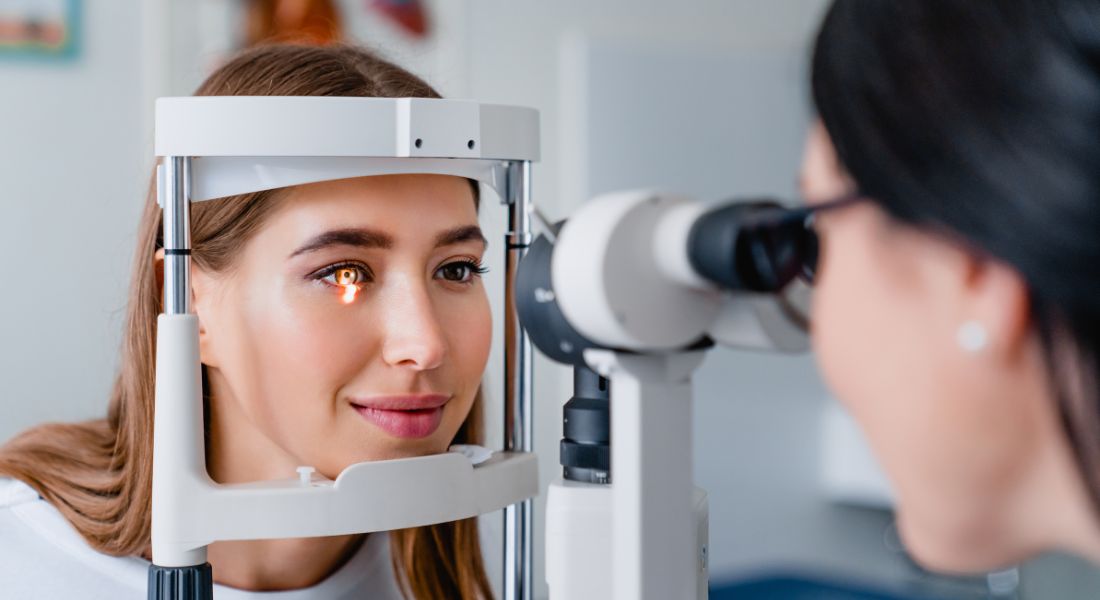
If you are thinking about laser eye surgery, LASIK and SMILE are likely the two procedures you will hear about most often. Both are well-established, widely performed, and supported by strong clinical evidence, yet they are designed in very different ways. Understanding these differences is essential if you want to feel confident that the treatment recommended to you genuinely suits your eyes.
Many patients arrive at consultations assuming that the newer procedure must automatically be better, or that LASIK is somehow outdated because it has been around longer. In reality, both LASIK and SMILE remain highly relevant, but they are not interchangeable. Each has specific strengths, limitations, and suitability criteria that matter far more than popularity or marketing.
In this article, I will explain how LASIK and SMILE work, how they differ surgically, what recovery typically feels like, how dry eye risk compares, and how surgeons decide which option is most appropriate for you. The aim is to help you understand not just what the differences are, but why they matter in real-world decision-making.
What LASIK Eye Surgery Involves
LASIK eye surgery corrects vision by reshaping the cornea so that light focuses accurately on the retina. During the procedure, a thin corneal flap is created, allowing the laser to treat the underlying corneal tissue with a high level of precision. Once the laser reshaping is complete, the flap is repositioned, where it naturally adheres as the eye heals.
One of LASIK’s biggest advantages is how quickly vision improves after surgery. Many patients notice a significant improvement within the first 24 hours, which is why LASIK is often chosen by people who want minimal disruption to work or daily routines. This rapid recovery is a major reason LASIK remains one of the most commonly performed laser eye procedures worldwide.
However, the creation of a corneal flap means that LASIK involves more structural alteration of the cornea than some newer techniques. While this is safe for the vast majority of patients, it does mean LASIK is not suitable for everyone. Factors such as corneal thickness, shape, and lifestyle are carefully assessed before recommending this option.
What SMILE Eye Surgery Involves
SMILE, or Small Incision Lenticule Extraction, is a newer type of laser eye surgery that corrects vision using a different technique from LASIK. Rather than creating a corneal flap, the laser forms a small disc of tissue (lenticule) within the cornea. This lenticule is removed through a tiny incision, leaving the surface layers largely intact. The approach is designed to preserve corneal strength while achieving refractive correction. Understanding how SMILE works helps determine whether it suits your eyes and lifestyle.
- No corneal flap required – Vision is corrected by removing a lenticule through a small incision instead of lifting a large flap.
- Preserves corneal structure – Keeping the surface layers intact helps maintain the cornea’s natural biomechanical stability.
- Smaller incision – The tiny entry point means less disruption to corneal tissue.
- Fewer corneal nerves affected – This may reduce the risk of post-operative dryness for some patients.
- Well suited to active lifestyles – Preserved corneal strength can be beneficial for contact sports or physically demanding activities.
- More limited correction range – SMILE is mainly used for short-sightedness and mild astigmatism, with less flexibility for complex prescriptions.
While SMILE offers structural advantages, it is not suitable for everyone. Its limitations in prescription range mean careful assessment is essential. Choosing the right procedure depends on balancing corneal health, visual needs, and long-term expectations.
Key Surgical Differences Between LASIK and SMILE
The most fundamental difference between LASIK and SMILE lies in how the cornea is accessed during surgery. LASIK involves creating a thin corneal flap that is lifted to allow laser reshaping of the underlying tissue. SMILE, in contrast, is performed through a much smaller keyhole-style incision without creating a full flap.
This difference affects healing and corneal biomechanics. LASIK’s flap allows excellent access and flexibility during treatment, but it temporarily disrupts more surface tissue. SMILE preserves more of the cornea’s natural structure, which may be beneficial for certain patients.
With LASIK, surgeons can apply highly customised laser profiles. This makes it suitable for a wider range of prescriptions and complex visual requirements. SMILE takes a more limited but tissue-sparing approach, which can reduce dryness for some patients.
Both procedures are extremely precise and use advanced computer-guided laser technology. Neither is inherently safer or more advanced than the other. The real difference lies in suitability, which is why personalised assessment is essential before choosing between LASIK and SMILE.
Recovery Experience: LASIK vs SMILE
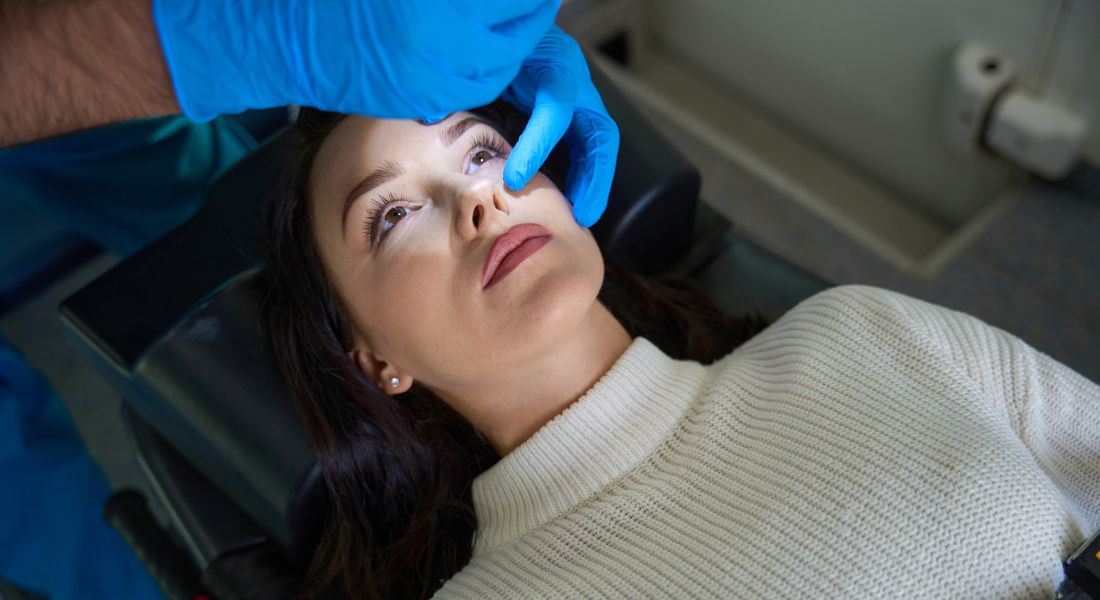
Recovery is often one of the most important factors when patients compare LASIK and SMILE. Both procedures are well established and generally comfortable, but the recovery experience differs slightly in speed and feel. Understanding these differences helps set realistic expectations.
- Speed of Visual Recovery – After LASIK, vision often improves very rapidly, sometimes within hours. Many patients feel confident returning to normal activities within a day or two, which is one of LASIK’s most appealing advantages.
- Gradual Improvement With SMILE – SMILE recovery is usually a little more gradual. Vision tends to sharpen steadily over several days rather than immediately, although most patients can function well quite quickly. The difference is subtle but noticeable when comparing the two directly.
- Comfort and Dryness – Both procedures are generally well tolerated. Some patients experience slightly less early dryness with SMILE, while others prefer the faster visual clarity associated with LASIK.
Overall, neither recovery is considered difficult when post-operative instructions are followed carefully. The best choice often depends on whether faster visual sharpness or a slightly gentler recovery profile matters more to you personally.
Dry Eye Considerations With LASIK and SMILE
Dry eye is one of the most commonly discussed side effects of laser eye surgery, and understanding how LASIK and SMILE differ in this area is important. Dry eye occurs because corneal nerves, which help regulate tear production, are temporarily affected during surgery.
LASIK involves cutting a larger corneal flap, which disrupts more nerves initially. As a result, dry eye symptoms can be more noticeable in the early months after surgery. In most cases, these symptoms gradually improve as nerve function recovers.
SMILE preserves more corneal nerves because of its smaller incision. This often leads to milder dry eye symptoms in the short term. For patients who already experience dry eye, this difference may influence which procedure is recommended.
Visual Outcomes and Quality of Vision

Both LASIK and SMILE are highly effective laser eye surgery options with excellent long-term results. When patients are appropriately selected, the majority achieve 20/20 vision or better, with high satisfaction rates. Importantly, success is measured not just by chart results but by stable, comfortable day-to-day vision. Choosing the right procedure plays a key role in visual quality.
- Excellent visual acuity with both procedures – Most patients reach 20/20 vision or better after LASIK or SMILE.
- High long-term satisfaction – Proper patient selection leads to durable results and sustained visual comfort.
- Customisation with LASIK – LASIK allows greater treatment flexibility, benefiting complex prescriptions and higher-order aberrations.
- Stable outcomes with SMILE – SMILE delivers very consistent results for straightforward short-sightedness.
- Subtle differences in visual quality – Any variation in clarity is usually patient-specific rather than procedure-dependent.
- Importance of individual matching – The best outcomes come from selecting the procedure that suits your eyes, not forcing eligibility.
Neither LASIK nor SMILE is universally superior. Visual quality depends on eye measurements, prescription complexity, and individual healing. Tailoring the procedure to the patient ensures the most reliable and satisfying results.
How Surgeons Decide Between LASIK and SMILE
Choosing between LASIK and SMILE is a clinical decision based on objective measurements, not trends or patient preference alone. Surgeons rely on detailed diagnostics to determine which procedure will be safest and most effective for each individual.
- Diagnostic Factors Come First – Corneal thickness, corneal shape, prescription range, tear film quality, and overall eye health are carefully assessed before any recommendation is made. No responsible surgeon selects a procedure based on its name alone.
- Lifestyle and Visual Demands Matter – Daily activities influence suitability. Patients involved in contact sports may benefit from a flap-free option like SMILE, while those who prioritise rapid visual recovery may be better suited to LASIK.
- Clear Explanation Builds Confidence – If you are considering LASIK surgery in London, your surgeon should explain clearly why one option is recommended over the other. Data-driven reasoning and transparency reflect a high-quality consultation, not sales pressure.
A well-informed decision balances clinical safety with lifestyle needs, ensuring the chosen procedure aligns with both your eyes and your expectations.
Limitations of LASIK
While LASIK is highly effective, it is not suitable for everyone. Patients with very thin corneas or irregular corneal shapes may face higher risk, which is why detailed screening is essential. These limitations are identified well before surgery.
Because LASIK involves a corneal flap, there is a small risk of flap-related issues, particularly in people with high-impact lifestyles. Although rare, these risks are discussed honestly during assessment. Proper patient selection minimises complications.
Temporary dry eye is also more common after LASIK. While manageable, it requires realistic expectations and proper aftercare. Being informed in advance leads to a smoother recovery experience.
Limitations of SMILE
While SMILE offers several structural advantages, it is not suitable for everyone. Its current capabilities are more limited compared to LASIK, which affects eligibility and long-term planning. Understanding these limitations helps ensure realistic expectations from the outset. Careful counselling is essential when considering SMILE as a treatment option.
- Narrower treatment range – SMILE is mainly used for short-sightedness and mild astigmatism and does not currently correct long-sightedness.
- Fewer eligible patients – Because of its limited correction range, fewer patients qualify for SMILE compared to LASIK.
- More complex enhancements – Enhancements after SMILE are possible but can be technically more challenging than LASIK refinements.
- Alternative approaches may be needed – Some enhancements require a different surgical technique, which is planned for in advance.
- Important role in counselling – These limitations are discussed early so patients understand long-term flexibility.
Although SMILE technology continues to advance, it is not yet a universal alternative to LASIK. For now, it remains a specialised procedure best suited to carefully selected patients, with LASIK offering broader versatility for complex prescriptions.
FAQs:
- Is SMILE better than LASIK because it is newer?
SMILE is often perceived as better simply because it is newer, but this assumption is not clinically accurate. Both LASIK and SMILE are modern, evidence-based procedures with excellent safety and success records. Newer does not automatically mean superior; it means different. SMILE offers advantages in terms of corneal structure preservation, while LASIK provides broader treatment flexibility and faster visual recovery. The best procedure depends on individual eye measurements, prescription type, and lifestyle needs rather than the age of the technology. - Which procedure gives faster vision recovery, LASIK or SMILE?
LASIK generally provides faster visual recovery than SMILE. Many LASIK patients experience sharp functional vision within the first 24 hours, making it appealing for those who want minimal downtime. SMILE recovery tends to be more gradual, with vision improving steadily over several days. While most SMILE patients can function well early on, the crisp clarity often takes slightly longer to stabilise compared to LASIK. - Does SMILE completely eliminate the risk of dry eye?
SMILE does not eliminate the risk of dry eye, but it may reduce its severity for some patients. Because SMILE uses a smaller incision and preserves more corneal nerves, tear film disruption is often milder in the early post-operative period. However, dry eye can still occur depending on pre-existing tear quality, screen use, hormonal factors, and healing response. A thorough dry eye assessment is essential before either procedure. - Why can LASIK treat more prescriptions than SMILE?
LASIK allows surgeons to directly reshape the cornea using highly customised laser profiles, which makes it suitable for a wider range of prescriptions, including long-sightedness, higher astigmatism, and more complex refractive errors. SMILE uses a predefined lenticule shape, which limits its flexibility. As a result, LASIK remains the preferred option for patients who fall outside SMILE’s narrower correction range. - Is SMILE safer for people who play contact sports?
SMILE can be advantageous for patients involved in contact sports because it does not involve creating a corneal flap. The absence of a flap reduces the theoretical risk of flap displacement following direct trauma. While LASIK flaps heal securely over time, surgeons may favour SMILE for individuals with high-impact lifestyles. This decision is made after balancing corneal measurements, prescription suitability, and lifestyle risks. - Can LASIK or SMILE results wear off over time?
Both LASIK and SMILE provide long-term correction of the treated refractive error, and the reshaping itself does not wear off. However, natural changes in the eye can still occur with age, such as presbyopia or prescription shifts unrelated to surgery. These changes are part of normal ageing rather than a failure of the procedure. When appropriate, enhancement procedures can be considered based on corneal health and visual needs. - Are enhancements easier after LASIK than after SMILE?
Enhancements are generally more straightforward after LASIK because the original flap can often be lifted to perform additional laser correction. After SMILE, enhancements are possible but may require a different technique, such as surface laser treatment or conversion to another procedure. This added complexity is discussed during the initial consultation so patients understand the long-term implications before choosing SMILE. - Do LASIK and SMILE feel different during surgery?
Both procedures are performed under local anaesthetic eye drops and are typically painless. LASIK involves brief pressure during flap creation, followed by laser treatment that lasts seconds. SMILE tends to involve slightly longer laser time but less pressure sensation overall. Any discomfort is minimal, and patients usually describe both experiences as manageable and much easier than expected. - How do surgeons decide which procedure is right for each patient?
Surgeons base the decision on detailed diagnostic data rather than preference or trend. Corneal thickness, shape, biomechanical strength, prescription type, tear film quality, and eye health are all evaluated carefully. Lifestyle factors and visual expectations are also considered. A responsible surgeon recommends the procedure that offers the safest and most predictable outcome for that specific patient, even if it is not the newer or more advertised option. - If both procedures are effective, why isn’t there one universal choice?
There is no universal choice because every eye is structurally unique. LASIK and SMILE are designed to solve vision problems in different ways, and their strengths apply to different patient profiles. Trying to force one procedure to fit all patients would compromise safety and outcomes. The goal of modern refractive surgery is not to choose the most popular procedure, but to match the right technology to the right eyes for long-term visual stability and comfort.
Final Thoughts: Choosing the Right Laser Eye Surgery for Your Eyes
LASIK and SMILE are both highly effective, well-established laser eye surgery procedures, but they are designed to suit different eyes, prescriptions, and lifestyles. Neither option is universally better than the other. The best outcomes come from careful assessment, realistic expectations, and selecting the procedure that aligns with your corneal structure, visual needs, and long-term eye health rather than trends or assumptions.
A thorough consultation, detailed diagnostics, and clear explanation from your surgeon are far more important than choosing the newest technique. When the procedure is matched correctly to the patient, both LASIK and SMILE deliver excellent, stable vision and high satisfaction rates. If you’d like to find out whether lasik surgery in London is suitable for you, you can contact us at the Eye Clinic London to arrange a consultation.
References:
- Alio, J.L., et al. (2022) Small incision lenticule extraction (SMILE) versus laser-assisted in situ keratomileusis (LASIK) for astigmatism: comparative outcomes, Journal of Refractive Surgery, 38(9), pp. 550–556. https://pubmed.ncbi.nlm.nih.gov/36410469/
- Xue, A. and Li, Y. (2019) Comparison of clinical outcomes of LASIK, SMILE and Trans-PRK in the correction of myopia and myopic astigmatism, Cornea, 38(10), pp. 1328–1334. https://pubmed.ncbi.nlm.nih.gov/34861667/
- Sakimoto, T., et al. (2020) Randomized clinical trial comparing femtosecond LASIK and SMILE for myopia, Journal of Cataract & Refractive Surgery, 46(4), pp. 517–524. https://www.sciencedirect.com/science/article/abs/pii/S0161642019319700
- Denoyer, A., et al. (2024) Comparison of objective and subjective outcomes after SMILE and FS-LASIK, Refractive Surgery Journal, 15(1), pp. 33–45. https://www.sciencedirect.com/science/article/pii/S2162098923004747
- Li, C.-Y. et al. (2024) Topographic and surgical risk factors for early myopic regression: SMILE vs LASIK, Diagnostics, 14(12), 1275. https://www.mdpi.com/2075-4418/14/12/1275