


LASIK Undercorrection: Causes, Symptoms, and Treatment Options
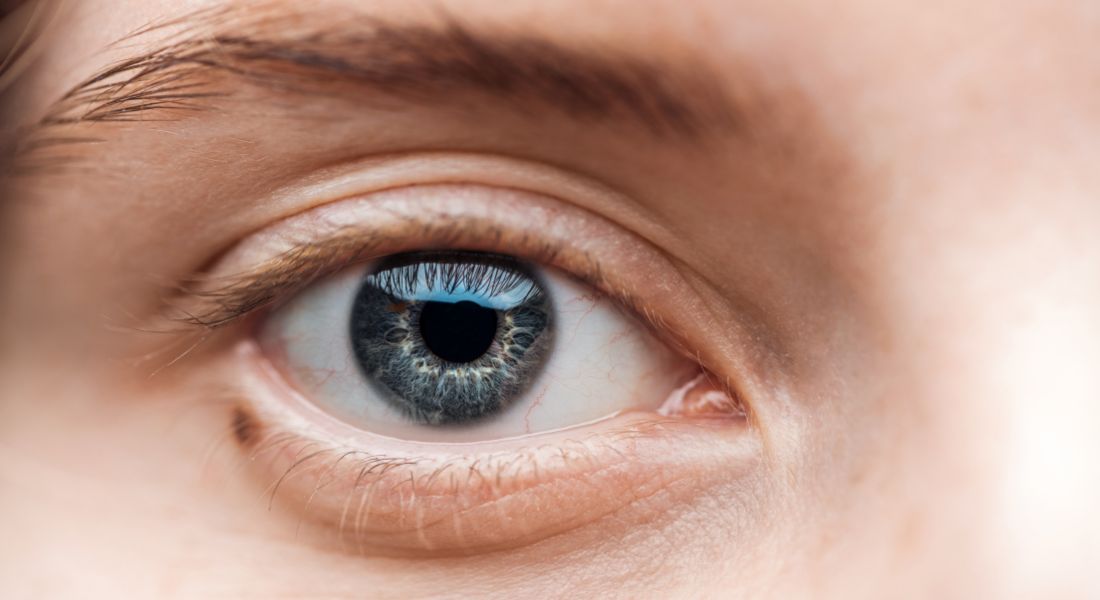
When you choose LASIK eye surgery, you’re usually expecting freedom from glasses or contact lenses. For most people, the outcome is exactly that, but in a small number of cases, vision may not be corrected fully after surgery. This situation is known as LASIK undercorrection, and while it can be frustrating, it’s important to understand that it’s usually manageable.
Undercorrection means that some degree of short-sightedness, long-sightedness, or astigmatism remains after LASIK. It does not mean the surgery failed, nor does it mean your eyes are damaged.
In most cases, it reflects how the eye healed or responded to treatment.
In this article, I’ll explain what LASIK undercorrection actually is, why it happens, how it differs from regression, what symptoms you might notice, and when observation or further treatment may be recommended. Understanding this clearly can help you approach the situation calmly and make informed decisions about next steps.
What LASIK Undercorrection Means
LASIK undercorrection occurs when the laser correction does not fully neutralise the refractive error. As a result, some blur remains, even though vision may still be better than before surgery.
This residual prescription is usually mild but noticeable in certain situations.
Undercorrection can affect any type of refractive error. You may still experience slight short-sightedness, mild long-sightedness, or remaining astigmatism. The specific effect depends on how your eye responded to the laser reshaping.
It’s important to understand that LASIK is not a one-size-fits-all procedure. Your eye’s biological healing response plays a role in the result. Undercorrection reflects variation in healing rather than surgical error in most cases.
How Common Is LASIK Undercorrection?
LASIK undercorrection is relatively uncommon with modern laser technology. Advances in eye tracking, customised treatment profiles, and detailed preoperative diagnostics have significantly reduced its frequency. Even so, undercorrection can still occur, including in well-planned and carefully executed procedures. Understanding this helps set realistic expectations before surgery.
- Most LASIK undercorrections are mild and may not require any additional treatment
- Many patients adapt easily and feel comfortable with their vision without further intervention
- Some individuals may notice blur during specific tasks, such as night driving or reading distant signs
- The likelihood of undercorrection is influenced by the original prescription, with very high refractive errors carrying a slightly higher risk
These factors are discussed in detail during the pre-surgery consultation so expectations remain realistic. With modern planning and technology, outcomes are highly predictable, and most patients achieve excellent functional vision after LASIK.
Common Causes of LASIK Undercorrection
There isn’t a single cause of LASIK undercorrection. Instead, it usually results from a combination of biological and technical factors. Understanding these causes helps explain why outcomes can vary slightly between individuals.
One key factor is the eye’s healing response. Some corneas heal in a way that partially reverses the laser effect. This is not predictable with complete accuracy before surgery.
Another factor is natural variability in corneal biomechanics. Even with precise laser delivery, the cornea may respond differently than expected. This is why surgeons build safety margins into treatment planning.
The Role of Healing and Tissue Response
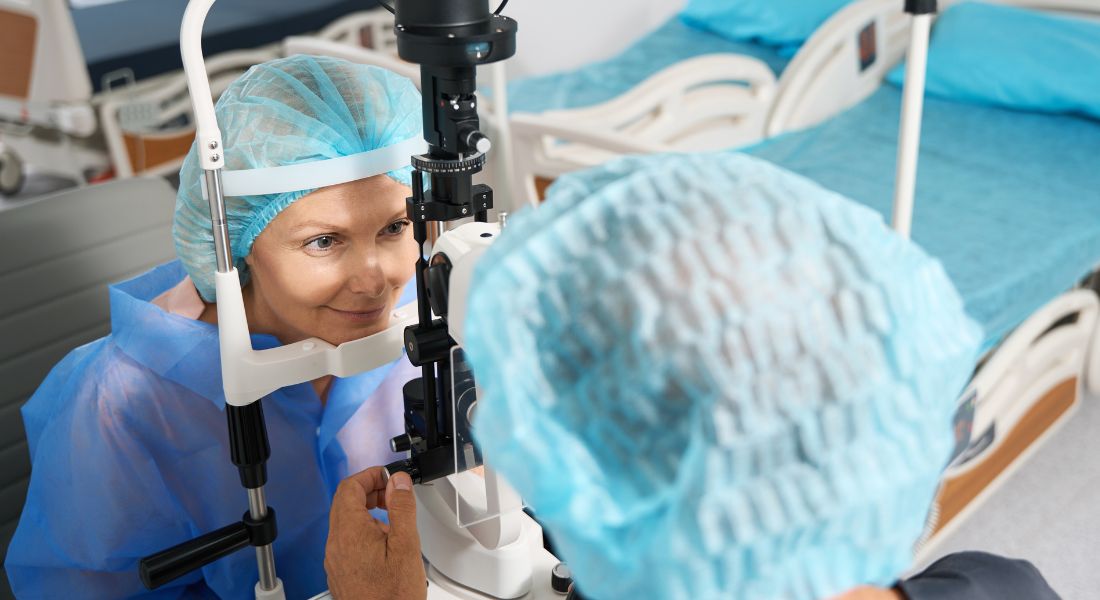
Healing is a key factor in determining final vision after LASIK. As the eye recovers, natural tissue responses can subtly influence the surgical outcome.
- Microscopic Corneal Changes – After laser reshaping, the cornea undergoes microscopic healing changes. These are a normal part of recovery and help stabilise the eye over time.
- Effect on Intended Correction – In some eyes, healing may slightly reduce the planned level of correction. This is not a complication, but a recognised biological response.
- Higher Prescriptions and Healing Variability – Patients with higher prescriptions require more tissue reshaping. As a result, individual healing responses have a greater influence on the final visual result.
- Healing Is Not “Wrong” – Variations in healing do not indicate a problem or error. They simply reflect how each person’s body naturally responds to surgery.
- Importance of Post-Operative Monitoring – Regular follow-up appointments allow your surgeon to monitor healing closely. This ensures any changes are identified early and managed appropriately.
Differences Between Undercorrection and Regression
Undercorrection and regression are often confused, but they are not the same thing. Undercorrection is present soon after healing is complete. Regression occurs later, after vision initially stabilised well. With undercorrection, the residual blur is noticeable once early recovery settles. Vision never fully reaches the intended target. This is identified during routine follow-up visits.
Regression, by contrast, involves a gradual loss of sharpness over time. This may occur months or years after initially excellent vision. Understanding this distinction helps guide appropriate management.
Symptoms You Might Notice With Undercorrection
Symptoms of LASIK undercorrection are often mild and can be easy to overlook at first. Rather than obvious vision problems, people commonly experience more subtle changes, including:
- Reduced sharpness – Vision may feel generally good but not as crisp as expected, particularly when focusing at certain distances.
- Difficulty in specific lighting – Blur is often more noticeable at night or in low-light conditions, such as when driving and reading street signs or number plates.
- Increased effort with near or distance tasks – Some people notice distance blur, while others feel near tasks require more concentration than before.
- Eye strain or visual fatigue – The eyes may feel tired or strained as they work harder to compensate for the remaining prescription.
The exact symptoms can vary depending on the amount and type of residual refractive error.
How Undercorrection Is Diagnosed
Diagnosing LASIK undercorrection involves careful assessment rather than assumptions. Your surgeon will evaluate your visual acuity, refraction, and corneal measurements. These tests determine whether a residual error is present. Timing is important. Eyes need sufficient time to heal before a diagnosis is made. Early fluctuations do not necessarily indicate undercorrection.
Multiple measurements over time help confirm stability. This ensures that any decision about further treatment is based on reliable data. Patience at this stage prevents unnecessary intervention.
When Observation Is the Best Approach
In many cases, observation is the most appropriate response to LASIK undercorrection. Mild residual prescriptions often do not interfere significantly with everyday activities. With time, vision may continue to refine naturally as healing progresses. This conservative approach helps avoid unnecessary intervention while prioritising long-term eye health.
- Mild undercorrections may not cause noticeable problems in daily life
- Many patients adapt naturally and feel comfortable without additional treatment
- Vision can continue to improve subtly over several months after surgery
- Neural adaptation allows the brain to process visual input more efficiently, reducing perceived blur
- Further treatment is only considered if symptoms persist or affect quality of life
Surgeons recommend enhancement procedures cautiously and only when clearly needed. Careful observation ensures that the eyes are fully healed before any additional steps are taken. This measured approach helps protect long-term visual stability and overall eye health.
Non-Surgical Options for Managing Undercorrection
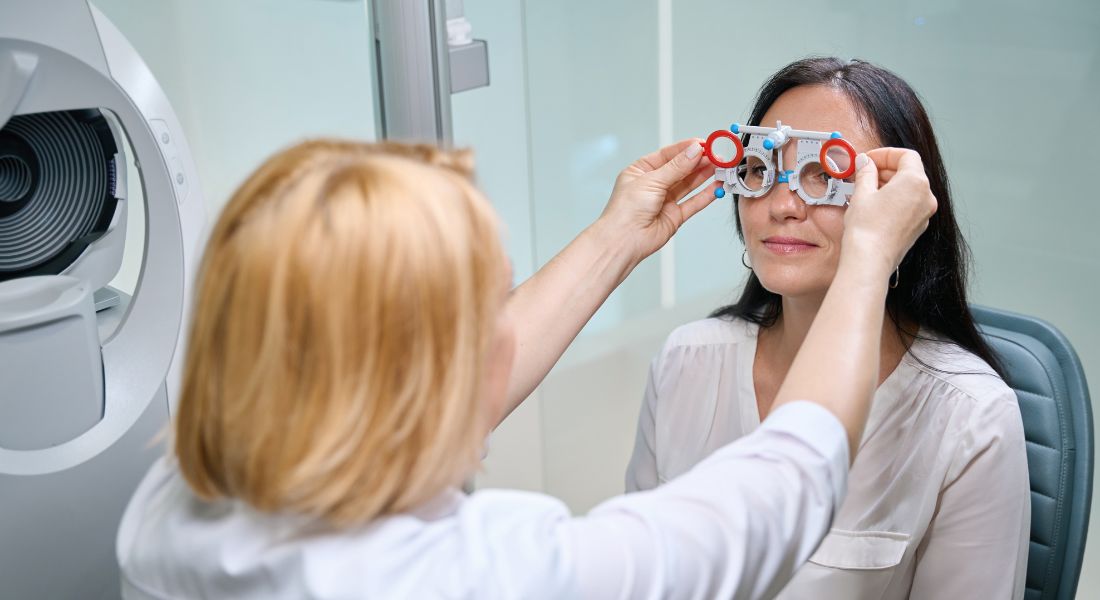
Not all undercorrections require additional surgery. Some patients are comfortable using glasses occasionally. This is often sufficient for specific tasks like night driving. Contact lenses may also be an option in selected cases. Modern lenses can correct small residual prescriptions comfortably. This approach avoids further surgical intervention.
The choice depends on your lifestyle and visual needs. There is no pressure to pursue enhancement unless you feel it’s necessary. Your comfort and satisfaction guide the decision.
LASIK Enhancement: What It Means
A LASIK enhancement is sometimes recommended when small adjustments are needed after the initial procedure. It is carefully considered and never routine.
- What a LASIK Enhancement Is: A LASIK enhancement is a secondary laser treatment designed to refine the original correction. Its goal is to improve clarity if minor residual vision issues remain.
- Timing and Healing Stability: Enhancements are not performed immediately after surgery. Surgeons wait until the eye has fully healed and vision has stabilised to ensure accuracy and safety.
- Why the Waiting Period Matters: Allowing adequate healing time reduces the risk of complications. It also ensures that any remaining vision changes are stable rather than temporary.
- Not Everyone Is a Candidate: An enhancement is only considered if the eye is healthy and stable. Some patients achieve optimal results with the initial procedure alone.
- Reassessing Corneal Thickness and Eye Health: Before proceeding, corneal thickness and overall eye health are carefully re-evaluated. This ensures there is sufficient tissue for further treatment.
- Safety as the Top Priority: Patient safety always comes first when considering an enhancement. The procedure is only offered when benefits clearly outweigh risks.
When an Enhancement May Be Recommended
Enhancement is usually considered when residual blur affects daily activities. This might include driving, work tasks, or overall visual comfort. The decision is individual rather than automatic.
Your surgeon will evaluate corneal thickness carefully. Enough tissue must remain to perform further reshaping safely. If not, alternative options are discussed. Timing is also critical. Enhancements are typically delayed for several months. This ensures the eye has fully stabilised.
Risks and Expectations With Enhancement Procedures
LASIK enhancement procedures are generally safe when performed in appropriate candidates, but they still require careful consideration. Key points to understand include:
- Low but real surgical risk – Although complication rates are low, enhancements remain surgical procedures, making thorough assessment essential.
- Importance of patient selection – Not everyone is suitable for enhancement, and careful screening helps ensure safety and predictable results.
- Faster healing and recovery – Healing is often quicker than the initial surgery, particularly when the original flap can be safely lifted, leading to smoother visual recovery.
- Realistic expectations – Enhancement aims to refine vision rather than achieve absolute perfection, and clear communication helps align expectations with likely outcomes.
Understanding these factors supports informed decisions and greater satisfaction with the final result.
Emotional Impact of LASIK Undercorrection
Experiencing undercorrection can be emotionally challenging. You may feel disappointed or anxious, especially if expectations were high. These feelings are valid and common.
Open communication with your surgeon is important. Understanding why undercorrection occurred helps reduce uncertainty. You are not alone in this experience. Most patients find reassurance in knowing options exist. Whether through observation, optical correction, or enhancement, solutions are available. Time and guidance make a significant difference.
How Clinics Aim to Reduce Undercorrection Risk
Modern LASIK planning focuses on reducing variability. Advanced diagnostics measure corneal shape, thickness, and biomechanics. These tools improve accuracy and predictability. Customised laser profiles are tailored to your eye. This allows more precise correction.
Technology continues to evolve in this area. If you’re considering Lasik surgery in London, choosing an experienced clinic matters. Comprehensive assessment and realistic counselling reduce dissatisfaction. Quality care begins long before surgery day.
Long-Term Outlook After LASIK Undercorrection
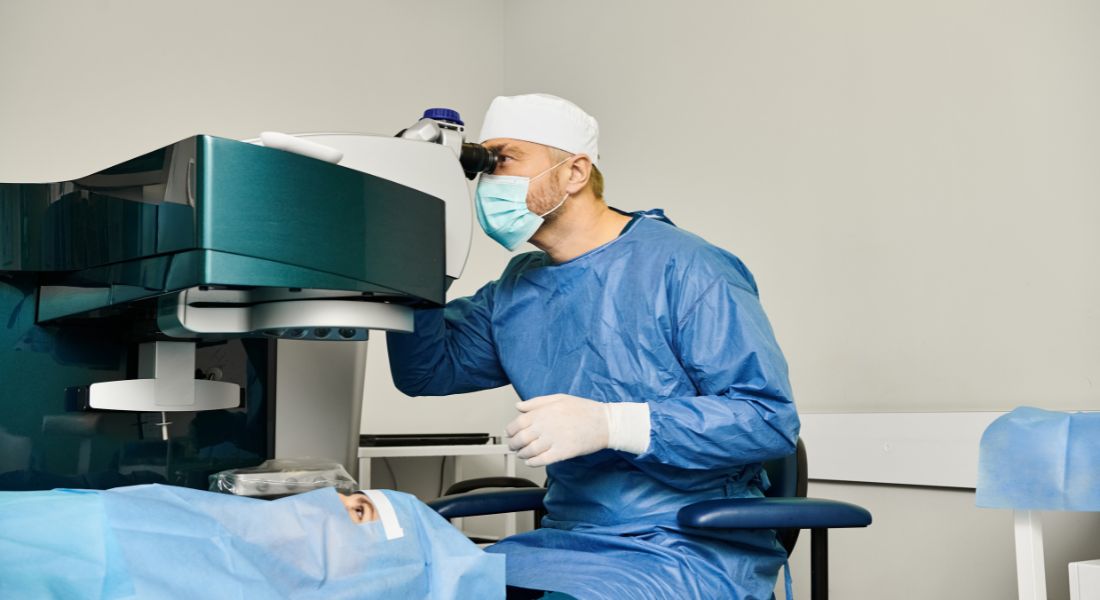
The long-term outlook after undercorrection is generally positive. Most patients achieve comfortable, functional vision. Further treatment is not always necessary. When enhancement is performed, outcomes are usually very good. Careful planning leads to stable results. Patient satisfaction remains high. Regular eye checks remain important regardless. Your vision can change naturally with age.
Ongoing care supports long-term eye health.
FAQs:
- What exactly does LASIK undercorrection mean for my vision?
LASIK undercorrection means that after surgery, a small amount of your original refractive error remains. Your vision is usually improved compared to before surgery, but it may not be as sharp as expected in certain situations. This does not mean the procedure failed or caused damage to your eyes. In most cases, it reflects how your cornea healed after the laser reshaping rather than a problem with the surgery itself. Many patients with undercorrection still function comfortably in daily life. - How soon after LASIK can undercorrection be identified?
Undercorrection is typically identified only after the eyes have completed the initial healing phase. Vision often fluctuates during the first few weeks, which is normal and does not immediately indicate a problem. Surgeons usually wait several weeks to a few months before confirming undercorrection to ensure that vision has stabilised. This waiting period prevents unnecessary concern and avoids premature decisions about further treatment. - Is LASIK undercorrection the same as regression?
LASIK undercorrection and regression are different conditions, although they are often confused. Undercorrection is present once healing settles and vision never fully reaches the intended correction. Regression, on the other hand, occurs when vision initially stabilises well and then gradually worsens months or years later. Distinguishing between the two is important because they are managed differently and occur at different stages after surgery. - Why does LASIK undercorrection happen even with modern technology?
Despite highly advanced laser systems and precise planning, individual biological healing responses can vary. Each cornea responds differently to laser reshaping, and some may partially counteract the intended correction during healing. Factors such as corneal biomechanics, tissue response, and higher original prescriptions can influence the final outcome. This variability is why LASIK outcomes, while very predictable overall, are never guaranteed to be absolutely identical for every patient. - What symptoms might suggest I have LASIK undercorrection?
Symptoms of undercorrection are often subtle rather than dramatic. You may notice that your vision feels generally good but not perfectly sharp, especially at night or in low-light conditions. Tasks such as driving, reading distant signs, or prolonged screen use may feel slightly more effortful. Some people experience mild eye strain or visual fatigue as the eyes compensate for the remaining prescription. - Can LASIK undercorrection improve on its own over time?
In many cases, vision can continue to refine gradually as healing progresses, especially during the first few months after surgery. Neural adaptation also plays a role, allowing the brain to process visual information more efficiently and reduce the perception of blur. For mild undercorrections, this natural adjustment may be sufficient, and no further treatment is needed. Surgeons often recommend observation before considering any additional intervention. - How is LASIK undercorrection properly diagnosed?
Diagnosis involves more than a single vision test. Your surgeon will assess visual acuity, perform refraction tests, and analyse corneal measurements over multiple visits. Stability over time is essential before confirming undercorrection. This careful approach ensures that temporary healing changes are not mistaken for a permanent residual error, allowing for accurate and safe decision-making. - Do all cases of undercorrection require further surgery?
No, most cases of LASIK undercorrection do not require additional surgery. Many patients are comfortable with their vision and only use glasses occasionally for specific tasks such as night driving. Others may choose contact lenses for small residual prescriptions. Further surgery is considered only when symptoms affect daily life and the eye meets strict safety criteria. - When is a LASIK enhancement considered appropriate?
A LASIK enhancement is considered only after vision has fully stabilised and the cornea has healed completely. Surgeons carefully reassess corneal thickness, eye health, and visual needs before recommending further treatment. Enhancements are never routine and are offered only when the potential benefits clearly outweigh the risks. Patient safety and long-term stability always guide the decision. - What is the long-term outlook for someone with LASIK undercorrection?
The long-term outlook is generally very positive. Most patients achieve functional, comfortable vision and remain satisfied with their results. When enhancements are performed, outcomes are usually excellent with stable vision. Regular eye examinations remain important, as natural age-related changes can still occur. With appropriate monitoring and guidance, LASIK undercorrection is usually manageable and rarely threatens long-term eye health.
Final Thoughts: Navigating LASIK Undercorrection With Confidence
LASIK undercorrection can feel disappointing at first, but it is important to remember that it is usually mild, manageable, and rarely a threat to long-term eye health. In most cases, vision remains significantly better than before surgery, and many patients adapt comfortably without needing further treatment. Careful monitoring, realistic expectations, and open discussion with your surgeon are key to deciding whether observation, optical correction, or enhancement is appropriate. With modern diagnostics, personalised planning, and ongoing follow-up, outcomes after undercorrection are generally very positive. If you’d like to find out whether lasik surgery in London is suitable for you, feel free to contact us at Eye Clinic London to arrange a consultation.
References
- Lee, C.-Y. et al. (2024) Topographic and surgical risk factors for early myopic regression between small incision lenticule extraction and laser in situ keratomileusis, Diagnostics, 14(12), p.1275. https://www.mdpi.com/2075-4418/14/12/1275
- Effect of Flat Cornea on Visual Outcome after LASIK (2015) The effect of preoperative keratometry on refractive outcome after LASIK. https://pubmed.ncbi.nlm.nih.gov/26693347/
- Miret, J. J., Rojas, E., Camps, V. J., Garcia, C., Caballero, M. T., Martín, B. and Chipont, E. (2022) Understanding the real effect of the high-order aberrations after myopic Femto-LASIK, Optics, 3(4), pp.384–399. https://www.mdpi.com/2673-3269/3/4/33
- Advances in Refractive Surgery (2023) Progress and current trends in refractive surgery, Progress in Retinal and Eye Research. https://www.sciencedirect.com/science/article/pii/S2162098923010083
- Laser in Situ Keratomileusis Outcomes and Complications A ScienceDirect article summarizing LASIK safety, stability, and visual outcomes across patient groups. https://www.sciencedirect.com/topics/nursing-and-health-professions/laser-refractive-surgery