


LASIK Eye Surgery in Patients With Sickle Cell Disease

If you have sickle cell disease and are considering LASIK, it’s completely understandable to have questions and concerns. Sickle cell disease affects blood flow and oxygen delivery throughout the body, including the eyes, which means laser eye surgery must be approached with particular care.
Many patients worry that sickle cell disease automatically rules out LASIK. The reality is more nuanced. While sickle cell disease does introduce specific risks, suitability depends on disease stability, eye health, and careful pre-operative assessment.
In this article, I’ll explain how sickle cell disease can affect LASIK safety, what surgeons look for during screening, and when LASIK may or may not be appropriate.
Why Sickle Cell Disease Matters in Eye Surgery
Sickle cell disease affects the shape and flexibility of red blood cells. In certain situations, these abnormal cells can block small blood vessels and reduce oxygen delivery to tissues. This increases the risk of complications in areas with delicate circulation, including the eyes.
The eye is highly sensitive to changes in blood flow and oxygen levels. Eye surgery can temporarily alter eye pressure or circulation, which requires extra caution in patients with sickle cell disease. Even minor disruptions can have a greater impact in these cases.
This does not mean eye surgery is unsafe or impossible. However, it does mean risks must be assessed more carefully and planning must be more thorough. With appropriate precautions, surgery can still be performed safely.
How Sickle Cell Disease Can Affect the Eyes
Sickle cell disease can affect the eyes even when vision seems normal. Changes in red blood cell shape can reduce blood flow to delicate eye tissues, including the retina and optic nerve. These effects may develop gradually and without obvious symptoms at first.
One of the most important concerns is sickle cell retinopathy. This condition involves abnormal blood vessel growth in the retina, caused by chronic reduced oxygen supply. Early stages may not affect sight but still indicate underlying vulnerability.
Over time, these retinal changes can increase the risk of bleeding, scarring, or vision loss. Even mild or stable findings are important when considering any eye procedure. The presence of retinal stress changes surgical decision-making.
Because LASIK is an elective procedure, surgeons must be especially cautious. Surgery is only considered if the eyes are stable and free from high-risk retinal changes. Careful assessment helps protect long-term vision.
Why LASIK Raises Specific Concerns
During LASIK, a suction ring is briefly applied to stabilise the eye. This causes a temporary rise in intraocular pressure during the procedure. In most patients, this pressure change is well tolerated and short-lived.
In patients with sickle cell disease, pressure changes combined with reduced oxygen delivery can be more significant. This may increase theoretical risk to the retina or optic nerve. Healing responses may also vary compared to non-affected patients.
These factors do not automatically rule out LASIK. However, they mean the eyes must be assessed more carefully before surgery. Individual risk evaluation is essential to ensure safety.
Is LASIK Automatically Contraindicated in Sickle Cell Disease?
Sickle cell disease does not automatically exclude someone from having LASIK. However, it does place patients in a higher-risk category, meaning careful specialist assessment is essential before any decision is made.
Higher-risk classification: While LASIK is not strictly contraindicated, sickle cell disease increases surgical risk. This is why a more cautious and detailed evaluation is required compared to routine cases.
Assessing disease severity: Suitability depends on how severe and well controlled the condition is. Factors such as the frequency of sickle crises and overall systemic stability play an important role in decision-making.
Evaluating eye and retinal health: Retinal health and overall eye stability must be carefully assessed. Patients with mild disease and stable ocular findings may be considered in select circumstances.
Rather than relying on blanket rules, LASIK decisions in sickle cell disease must be made on an individual basis, balancing potential benefits with safety and long-term eye health.
The Importance of Retinal Examination
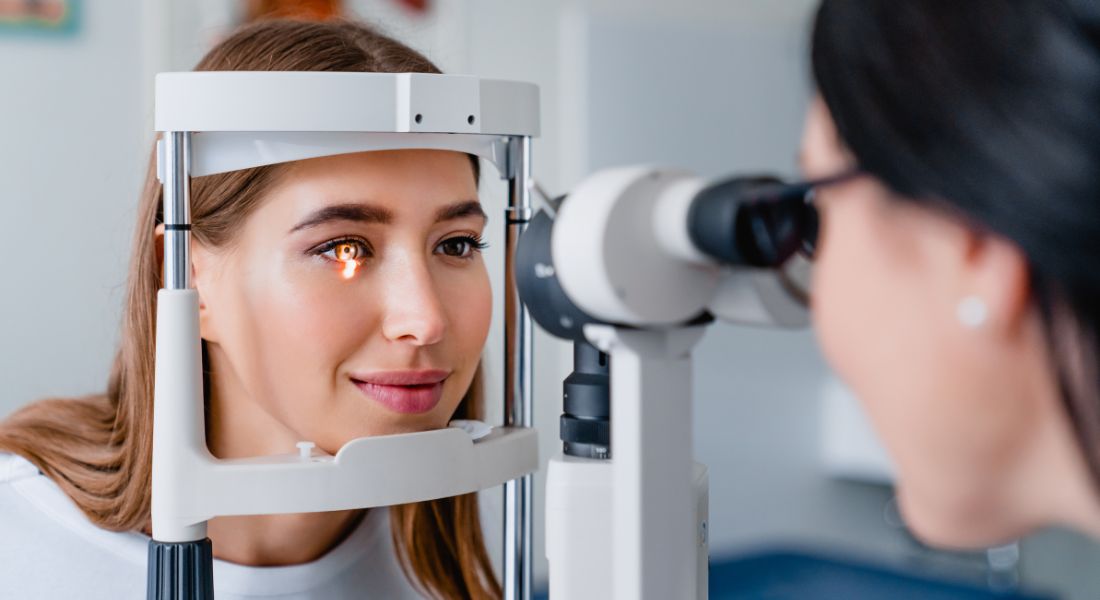
A detailed retinal examination is essential before considering LASIK in patients with sickle cell disease. It helps identify signs of sickle cell retinopathy, reduced blood flow, or other silent changes.
Additional retinal imaging is often used to assess areas not clearly visible during routine examination. Even mild or asymptomatic findings can influence whether surgery is advisable.
When the retina is stable and well assessed, surgical risk is significantly reduced. This careful evaluation supports safer decision-making.
Why Disease Stability Matters
Disease stability is a critical factor when considering LASIK in patients with sickle cell disease. Frequent sickle crises or poor disease control increase physiological stress and raise the risk of complications during and after surgery.
Surgeons look for a sustained period of stability, where symptoms are well managed and there have been no recent systemic or ocular complications. This indicates that the body is better able to tolerate surgical stress.
Elective procedures like LASIK are safest when the disease is stable and predictable. Careful timing helps reduce risk and supports safer, more reliable outcomes.
How Healing May Differ in Sickle Cell Disease
Healing after LASIK depends on healthy blood flow, oxygen delivery, and efficient tissue repair. In sickle cell disease, these processes can be slower or less predictable in some patients.
Reduced oxygen delivery may affect how the cornea recovers in the early post-operative period. This can influence comfort, visual recovery, and inflammation control.
This does not mean healing will necessarily be poor, but it does increase uncertainty. Surgeons must factor this variability into both risk assessment and follow-up planning.
Predictability is especially important in elective procedures like LASIK. When healing responses are uncertain, a more cautious approach is required.
Why Alternative Vision Correction May Be Recommended
In some cases, surgeons may advise against LASIK and suggest alternative vision correction options instead. This decision is usually based on safety rather than limitations of the procedure itself.
Certain surface laser treatments or non-surgical options may be more appropriate depending on eye health and overall risk profile. For some patients, continuing with glasses or contact lenses remains the safest choice.
Being advised against LASIK often reflects careful, responsible clinical judgement. Prioritising long-term eye health is always more important than proceeding with elective surgery.
The Role of Multidisciplinary Care

Patients with sickle cell disease often benefit from coordinated, multidisciplinary care. Collaboration between eye surgeons and your haematology or medical team ensures all aspects of your health are considered before surgery.
This approach allows clinicians to fully understand disease severity, recent crises, and overall stability. It also helps identify any systemic risks that could affect healing or surgical outcomes.
Shared decision-making between teams improves both safety and patient confidence. It ensures that recommendations are tailored to individual needs rather than based on general guidelines alone.
LASIK decisions should never be made in isolation. Multidisciplinary care provides a holistic perspective, reducing risks and supporting better long-term outcomes.
Setting Realistic Expectations
Even when LASIK is considered possible, surgeons may take a more conservative approach. This can include additional testing, longer follow-up periods, or modified surgical planning to reduce risk.
These precautions are focused on safety rather than restriction. Protecting long-term vision is always prioritised over convenience or speed of treatment.
Understanding these measures helps patients feel informed and prepared. Clear communication ensures expectations are realistic and reduces potential disappointment.
Common Concerns Patients Raise
Many patients with sickle cell disease worry about undergoing LASIK and whether it could trigger complications. Understanding these concerns helps ensure safety and builds confidence before the procedure.
- Risk of sickle cell crisis: Some patients fear that LASIK might provoke a sickle cell crisis. Although this is very rare, factors like stress, dehydration, and oxygen changes are carefully managed to minimise any risk.
- Fear of permanent vision damage: Others worry about potential long-term vision problems. Thorough screening, careful assessment, and conservative decision-making are used to protect eye health and prevent complications.
- Importance of open discussion: Talking openly about risks and expectations is an essential part of the LASIK assessment. Clear communication reassures patients and allows personalised decision-making.
By addressing concerns directly, patients can make informed choices and approach LASIK with greater confidence and safety.
Why Experience Matters Even More in These Cases

LASIK in patients with systemic conditions like sickle cell disease requires both technical skill and careful clinical judgement. Surgeons must know not only how to perform the procedure but also when it is safer to defer or avoid surgery.
Experienced clinics are better at recognising subtle risk factors that may not be obvious during a routine assessment. This attention to detail helps protect the patient’s vision over the long term.
Prioritising long-term eye health over short-term convenience reduces the likelihood of complications. It also ensures that any surgery performed is as safe and predictable as possible.
Choosing a specialist centre with experience in higher-risk cases is particularly important. Expertise, multidisciplinary collaboration, and thorough planning make a real difference in outcomes.
When LASIK May Be Considered Reasonable
LASIK may be an option for selected patients with sickle cell disease who have stable overall health, no retinal complications, and normal ocular blood flow. Careful assessment of both systemic and eye health is essential.
Even in these cases, the decision remains cautious and highly individualised. Surgeons carefully weigh the potential benefits of vision correction against the risks posed by the disease.
Patient safety always takes priority over the convenience of refractive surgery. Ensuring long-term eye health guides every step of the decision-making process.
FAQs:
- Can patients with sickle cell disease undergo LASIK surgery?
Patients with sickle cell disease are not automatically excluded from LASIK surgery. However, the condition places them in a higher-risk category due to potential complications arising from altered blood flow and reduced oxygen delivery to the eyes. Suitability depends on individual factors such as disease stability, the absence of retinal complications, and overall eye health. A thorough pre-operative assessment is essential to determine whether the procedure can be safely performed. - Why is sickle cell disease a concern for eye surgery?
Sickle cell disease affects the shape and flexibility of red blood cells, which can block small blood vessels and reduce oxygen supply to tissues. The eye, being highly sensitive to changes in circulation and oxygenation, is particularly vulnerable. Even minor disruptions in blood flow or oxygen delivery during eye surgery can increase the risk of complications, which makes careful assessment and planning crucial for patients with this condition. - How does sickle cell disease affect the eyes specifically?
Sickle cell disease can gradually impact the eyes, even when vision appears normal. One of the primary concerns is sickle cell retinopathy, where abnormal blood vessel growth occurs in the retina due to chronic reduced oxygen supply. This condition can lead to bleeding, scarring, or vision loss over time. Detecting even mild or asymptomatic retinal changes is important when considering any elective eye procedure such as LASIK. - What risks does LASIK present for patients with sickle cell disease?
During LASIK, a suction ring is applied to stabilise the eye, causing a temporary rise in intraocular pressure. In individuals with sickle cell disease, this pressure change, combined with compromised oxygen delivery, can pose theoretical risks to the retina and optic nerve. Healing responses may also vary, making post-operative recovery less predictable. These factors necessitate careful evaluation before proceeding with surgery. - Is LASIK always contraindicated for individuals with sickle cell disease?
LASIK is not automatically contraindicated for patients with sickle cell disease, but it is considered higher risk. The decision depends on the severity and control of the condition, including the frequency of sickle crises and systemic stability, as well as the current health of the retina and eyes. Each case is assessed individually to balance the potential benefits of surgery against long-term safety considerations. - How important is a retinal examination before LASIK for these patients?
A detailed retinal examination is crucial for patients with sickle cell disease. It helps identify signs of sickle cell retinopathy, reduced blood flow, or other subtle changes that may not present with symptoms. Advanced retinal imaging is often used to ensure no underlying vulnerability is overlooked. When the retina is stable and thoroughly assessed, the risk associated with LASIK is significantly reduced. - How does disease stability influence LASIK suitability?
Disease stability is a key factor when considering LASIK for patients with sickle cell disease. Individuals who experience frequent sickle crises or poor systemic control face higher risks during and after surgery. Surgeons prefer a sustained period of stability, during which symptoms are well managed and no recent ocular or systemic complications have occurred. This stability indicates that the body is better prepared to tolerate the physiological stress of surgery. - How might healing differ after LASIK for these patients?
Healing after LASIK relies on healthy blood flow and oxygen delivery. In patients with sickle cell disease, these processes can be slower or less predictable, potentially affecting corneal recovery, visual outcomes, and inflammation management. While poor healing is not inevitable, the variability requires surgeons to plan carefully and monitor patients closely during the post-operative period to ensure safe and effective recovery. - Are there alternative vision correction options if LASIK is not advisable?
In some cases, LASIK may not be recommended due to safety concerns. Alternative options may include surface laser treatments or non-surgical approaches such as glasses or contact lenses. Choosing an alternative does not indicate a limitation of LASIK itself but reflects careful clinical judgement aimed at protecting long-term eye health. Patient safety always takes precedence over elective procedures. - Why is multidisciplinary care important for LASIK in patients with sickle cell disease?
Multidisciplinary care ensures that both systemic and ocular factors are considered before surgery. Collaboration between eye surgeons and a patient’s haematology or medical team allows for a comprehensive understanding of disease severity, recent crises, and overall stability. This shared approach helps tailor recommendations to the individual, improves safety, reduces risk, and enhances patient confidence in the decision-making process.
Final Thought: LASIK Considerations for Patients With Sickle Cell Disease
LASIK surgery can be a life-changing procedure, but for patients with sickle cell disease, careful assessment is essential. Disease stability, retinal health, and overall systemic control all influence whether LASIK is a safe and suitable option. By working with experienced surgeons and incorporating multidisciplinary care, patients can make informed decisions that prioritise long-term eye health while exploring the benefits of vision correction.
Every case is individual, and safety should always guide the decision-making process. If you’d like to find out whether lasik surgery in London is suitable for you, feel free to contact us at Eye Clinic London to arrange a consultation.
References:
- Moshirfar M, et al. Controversy and Consideration of Refractive Surgery in Patients with Heritable Disorders of Connective Tissue. Journal of Clinical Medicine. https://www.mdpi.com/2077-0383/10/17/3769
- Special Issue on Refractive Surgery. Journal of Clinical Medicine. https://www.mdpi.com/2077-0383/11/3/684
- Refractive Surgery in Systemic and Autoimmune Disease. PMC. Reviews risks and outcomes of refractive surgery (including LASIK) in patients with systemic conditions. https://pmc.ncbi.nlm.nih.gov/articles/PMC3959036/
- Cobo‑Soriano R, Beltrán J, Baviera J. Outcomes of Photorefractive Surgery in Patients with Underlying Systemic Contraindications (including LASIK). https://pubmed.ncbi.nlm.nih.gov/16647130/
- LASIK Complications: Etiology, Management, and Prevention. Journal of Cataract & Refractive Surgery / ScienceDirect. https://www.sciencedirect.com/science/article/abs/pii/S0039625701002545