


LASIK Eye Surgery for Patients With Rheumatoid Arthritis
If you are living with rheumatoid arthritis and considering LASIK eye surgery, it is natural to feel uncertain. Rheumatoid arthritis is more than a joint condition, and many patients worry about how autoimmune activity could affect eye surgery and recovery. At Eye Clinic London, we regularly guide patients through these concerns with clear, balanced advice.
Rheumatoid arthritis does not automatically mean LASIK is unsuitable for you. What matters is how stable the disease is, how your eyes are affected, and how your body heals. In this article, we explain step by step how rheumatoid arthritis influences LASIK suitability, healing considerations, and when alternative procedures may be safer.
Understanding Rheumatoid Arthritis as a Systemic Autoimmune Condition
Rheumatoid arthritis is a chronic autoimmune condition where the immune system attacks healthy tissues. Although it mainly affects the joints, inflammation can extend to other organs and tissues as well. We also recognise that the eyes are one area that may be involved.
This systemic inflammation is the key reason rheumatoid arthritis needs careful evaluation before LASIK. We take it seriously because laser eye surgery relies on predictable healing and a stable ocular surface. Any immune-driven instability can introduce avoidable risk.
Healing after LASIK depends on controlled immune responses. If your immune system is more active or unpredictable, recovery can be less straightforward. That is why we assess rheumatoid arthritis thoughtfully, focusing on stability and eye health rather than assumptions.
Why Rheumatoid Arthritis Is Relevant When Considering LASIK
When you’re considering LASIK, predictable healing is essential for both comfort and visual outcomes. LASIK reshapes the cornea, and any condition that influences how tissues recover needs careful attention. That’s why rheumatoid arthritis is always taken seriously during pre-surgical screening.
Rheumatoid arthritis matters in LASIK assessment because:
- Autoimmune activity can affect healing – In some people, immune-related inflammation can interfere with how smoothly the cornea recovers after surgery.
- Eye involvement may be subtle – Rheumatoid arthritis can affect the eyes gradually, sometimes without obvious early symptoms.
- Surface changes can increase discomfort – Undetected dryness or inflammation may raise the risk of post-operative irritation or delayed healing.
- Early identification reduces avoidable risk – Recognising these factors before surgery helps us plan safely rather than reacting to problems later.
By assessing rheumatoid arthritis carefully and in context, we help protect your comfort, healing, and long-term visual outcomes.Top of FormBottom of Form
How Rheumatoid Arthritis Can Affect the Eyes
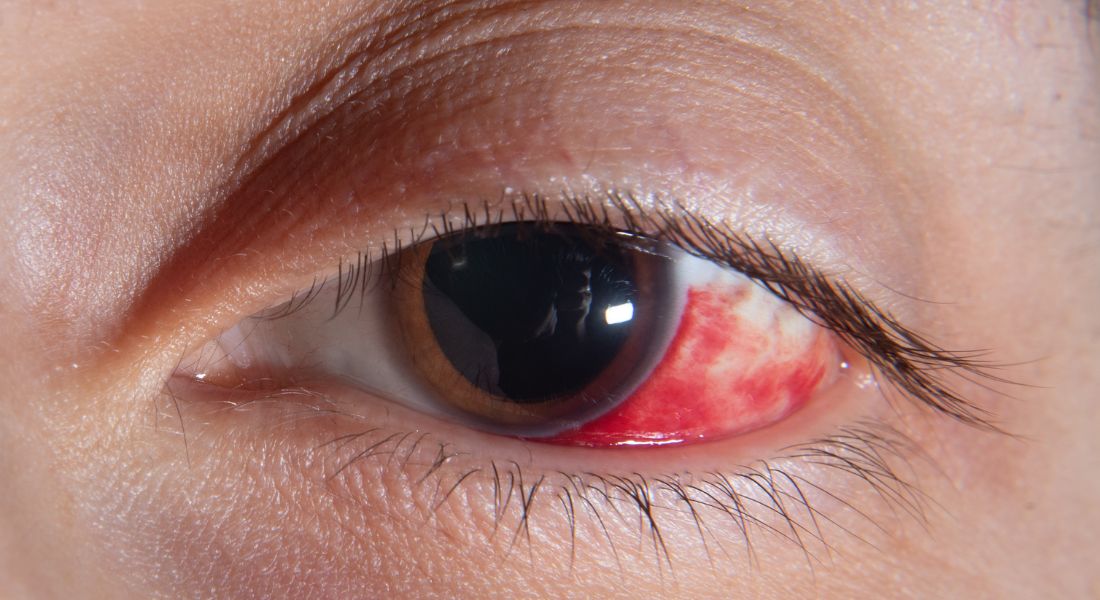
Eye involvement in rheumatoid arthritis is more common than many people realise. We know that inflammation can affect the tear glands, the ocular surface, or even deeper eye structures. These changes may develop quietly without obvious early symptoms.
Some patients notice dryness, irritation, or sensitivity to light over time. Others may experience inflammatory eye conditions during periods when the disease is more active. These symptoms can vary and may fluctuate.
These eye-related changes are important when considering LASIK. We assess them carefully because surface stability and inflammation directly influence healing and comfort after surgery. This evaluation helps us guide you safely and responsibly.
Dry Eye Risk in Patients With Rheumatoid Arthritis
Dry eye is one of the most common eye-related issues in rheumatoid arthritis. We often see autoimmune inflammation reduce tear production and affect tear quality. Even mild dryness can become more noticeable after laser eye surgery.
LASIK temporarily affects corneal nerves that help regulate tear production. If dryness is already present, symptoms may feel more pronounced during recovery. Most patients still recover well, but the risk of discomfort is higher.
That’s why dry eye assessment is a central part of our screening process. We focus on stabilising the ocular surface before considering surgery. This approach helps protect comfort, healing, and long-term results.
Why Ocular Surface Health Is So Important Before LASIK
The ocular surface includes the cornea, tear film, eyelids, and surrounding tissues, all of which work together to keep your vision clear and comfortable. LASIK directly affects this surface, so its health plays a major role in both healing and visual outcomes. We rely on a stable surface to support smooth recovery.
In rheumatoid arthritis, ocular surface instability is more likely due to inflammation and altered tear function. Even when symptoms feel mild, the surface may be more vulnerable to dryness or irritation. We take this into account when assessing suitability.
That’s why we always assess tear stability and eyelid health in detail before proceeding. Surgery is only considered when the ocular surface is comfortable and stable. This careful approach helps protect your comfort, vision, and long-term eye health.
The Importance of Disease Stability Before Surgery
When you’re considering LASIK with rheumatoid arthritis, disease stability is one of the most important factors we assess. LASIK is safest and most predictable when inflammation is well controlled. Active flare-ups tell us that the immune system is more reactive at that time.
Disease stability matters before surgery because:
- Well-controlled disease supports safer healing – When rheumatoid arthritis is stable, corneal healing tends to be more predictable.
- Active flare-ups increase inflammatory activity – This can interfere with normal recovery after LASIK.
- Unpredictable healing affects comfort – Ongoing inflammation raises the risk of prolonged dryness, irritation, or discomfort.
- Waiting protects long-term outcomes – Delaying surgery until stability is achieved often leads to better and more comfortable results.
By prioritising disease stability over speed, we help ensure LASIK is performed at the safest possible time for your eyes.
How Rheumatoid Arthritis Medications Influence LASIK Decisions

If you’re managing rheumatoid arthritis, medication plays a key role in keeping inflammation under control. These treatments are essential for your overall health, but they can also influence how your eyes heal after surgery. That’s why we always look closely at your medication history as part of the LASIK assessment.
Rheumatoid arthritis medications matter because:
- They influence healing behaviour – Immune-modulating treatments can affect how predictably the cornea heals after LASIK.
- Stability matters more than the medication itself – Long-term, consistent treatment is very different from recently started or frequently adjusted therapy.
- Recent changes may need observation – If your medication has been altered recently, we may recommend waiting to see how your body settles.
- Predictable healing supports safer outcomes – Stable treatment allows us to plan surgery with greater confidence and fewer surprises.
By understanding your medication pattern and timing surgery carefully, we help reduce risk and support smoother, more comfortable recovery.
Immunosuppressive Therapy and Healing Considerations
Some medications used in rheumatoid arthritis suppress immune activity to control joint inflammation. While these treatments are often very effective, they can slow tissue repair in certain situations. We take this into account because predictable healing is essential for safe LASIK outcomes.
Being on immunosuppressive therapy does not automatically exclude you from surgery. We focus instead on how stable your treatment has been over time and whether your condition is well controlled. Stability matters more than the medication name itself.
In some cases, coordination with your rheumatologist can be helpful. This allows us to understand your treatment plan fully and plan surgery at the safest time. By working together, we ensure decisions are made with your long-term eye health in mind.
Does Rheumatoid Arthritis Increase LASIK Risk?
If you have rheumatoid arthritis, it’s natural to wonder whether LASIK is still an option for you. The condition itself does not automatically increase risk. What really matters is how active the disease is and how your eyes are affected, which is why we focus on individual assessment rather than labels.
Here’s how rheumatoid arthritis is considered for LASIK:
- Rheumatoid Arthritis Alone Does Not Increase Risk – Simply having a diagnosis of rheumatoid arthritis does not make LASIK unsafe. Many patients with the condition undergo surgery without issues.
- Disease Activity and Eye Involvement Are Key – We look closely at whether the disease is well controlled and whether there is any eye involvement. Inflammation affecting the eyes changes how we approach surgery.
- Well-Controlled Patients Often Do Very Well – When rheumatoid arthritis is stable and eye symptoms are minimal, outcomes are usually excellent. Healing tends to be predictable and vision results remain stable.
- Active Inflammation or Untreated Dryness Raises Concern – Problems can arise when inflammation is active or dry eye is not well managed. These factors can affect comfort and recovery if surgery is done too soon.
This is why individual assessment matters more than the diagnosis itself. Careful screening allows us to protect both long-term comfort and visual outcomes. By focusing on stability and eye health, we can make safer, more confident decisions together.
What a Thorough Pre-LASIK Assessment Involves
For patients with rheumatoid arthritis, a pre-LASIK assessment goes beyond basic measurements. We carefully examine corneal health, tear stability, and eyelid function to understand how the eyes are coping. These factors are essential for safe healing and comfort after surgery.
We also review retinal and optic nerve health as part of a complete eye examination. This helps us rule out any underlying concerns that could affect outcomes. Looking at the whole eye ensures nothing important is missed.
Your medical history is equally important in our decision-making. We consider flare patterns, treatment timelines, and disease stability to provide proper context. This allows us to make personalised recommendations that prioritise safety and long-term results.Top of FormBottom of Form
When LASIK May Need to Be Delayed
There are times when delaying LASIK is simply the safest option for your eyes. This doesn’t mean surgery is ruled out forever, but rather that certain conditions need time to settle first. Our priority is always to help you proceed at the right moment, not the quickest one.
LASIK may need to be delayed when:
- Autoimmune disease is actively flaring – Ongoing inflammation increases the risk of unpredictable healing and post-operative discomfort.
- Dry eye is not well controlled – Surface instability can significantly affect comfort and visual quality after surgery.
- Inflammation needs time to settle – Allowing treatment to work often improves suitability and outcomes.
- Stability can restore eligibility – Many patients become suitable once inflammation and dryness are properly managed.
By focusing on timing rather than urgency, we help ensure that when you do proceed with LASIK, your eyes are in the best possible condition for safe and comfortable healing.
Considering Alternative Laser Eye Procedures
When LASIK is not the ideal option, we always explore safer alternatives with you. In selected cases, surface laser treatments may be more appropriate depending on eye health and healing behaviour. The decision is based on safety, not preference.
Each laser eye procedure has different healing characteristics and recovery timelines. We take time to explain how these options work and what you can realistically expect. This helps you understand why one approach may suit you better than another.
Our goal is always to protect your long-term eye health. We believe clear, honest explanations lead to informed decisions and better outcomes. When you understand your options, you can move forward with confidence.
Recovery After LASIK With Rheumatoid Arthritis
When LASIK is performed at the right time, recovery is usually straightforward, even if you have rheumatoid arthritis. What matters most is that the condition is stable and the ocular surface is well managed before surgery. With the right preparation and aftercare, outcomes are generally very positive.
Here’s what recovery typically looks like:
- Recovery Is Usually Smooth When Conditions Are Stable – If rheumatoid arthritis is well controlled, healing after LASIK tends to follow a normal pattern. We don’t usually see unexpected complications when stability has been established beforehand.
- Visual Improvement Is Often Rapid – Most patients notice clearer vision within the first few days. Visual recovery is typically similar to that seen in patients without rheumatoid arthritis.
- Surface Comfort May Take Longer to Settle – Dryness or surface irritation can take a little longer to fully stabilise. This is not unusual and is managed with supportive care.
- Post-Operative Care Is Especially Important – For patients with rheumatoid arthritis, we prioritise lubrication and close follow-up. Regular reviews allow us to address symptoms early and adjust treatment if needed.
Good recovery depends on proactive care, not just the procedure itself. By focusing on lubrication, monitoring, and early intervention, we can prevent prolonged symptoms and protect both comfort and long-term vision quality.
Long-Term Vision Stability and Autoimmune Disease
LASIK corrects refractive error but does not alter autoimmune disease activity. We always emphasise that ongoing management of rheumatoid arthritis remains important, even after surgery. Stable systemic disease supports long-term eye comfort.
Once healing is complete, vision outcomes are typically stable. Rheumatoid arthritis does not usually affect refractive stability when the condition is well controlled. We focus on ensuring healing is predictable before surgery.
Routine eye care continues to play an important role over time. We encourage regular reviews to monitor surface health and comfort. This ongoing care helps maintain both vision quality and eye wellbeing in the long term.
Addressing Common Concerns About Rheumatoid Arthritis and LASIK
If you have rheumatoid arthritis, it’s common to worry that LASIK may not be an option for you. Many people assume that having an autoimmune condition automatically excludes laser eye surgery. In reality, decisions are made on an individual basis, not by diagnosis alone.
Common concerns we address include:
- “Autoimmune disease means LASIK isn’t possible” – When rheumatoid arthritis is well controlled, LASIK can still be suitable for many patients.
- Assessment is personalised, not automatic – We look at disease stability, eye health, and healing behaviour together rather than applying blanket rules.
- Worry about LASIK worsening autoimmune disease – There is no evidence that LASIK triggers or worsens systemic autoimmune activity.
- LASIK does not affect immune regulation – The procedure is localised to the cornea and does not influence your overall immune system.
By addressing these concerns openly, we help you make decisions based on evidence and careful assessment rather than unnecessary fear.
How We Decide Whether LASIK Is Right for You
Deciding whether LASIK is right for you is always a collaborative and personalised process. We look at your eye findings, disease stability, and lifestyle together rather than focusing on a single factor. There is no one-size-fits-all answer.
If LASIK offers a clear benefit with acceptable risk, we explain our reasoning openly. We want you to understand not just the recommendation, but why it makes sense for your situation. Clear explanation supports confident decision-making.
If caution or delay is needed, we explain that with the same honesty. Transparency is central to how we work, because trust matters when decisions affect your eyes. Our goal is to guide you safely, not to push you towards surgery.
Choosing the Right Clinic Matters
Experience matters when autoimmune conditions are involved. We understand how systemic disease can influence eye health, healing, and surgical decisions. This depth of understanding helps us guide you safely and responsibly.
If you are considering Lasik surgery in London, choosing a clinic that prioritises thorough assessment over speed is essential. We believe careful evaluation leads to safer outcomes and fewer surprises. Rushed decisions rarely serve your long-term interests.
At Eye Clinic London, we focus on long-term safety and outcomes rather than shortcuts. We take time to understand your health and explain your options clearly. This approach supports confident, well-informed decisions you can trust.
FAQs:
- Does having rheumatoid arthritis automatically rule me out of LASIK eye surgery?
No, rheumatoid arthritis does not automatically rule you out of LASIK. Suitability depends on how stable your condition is and whether your eyes are affected by inflammation or dryness. Many patients with well-controlled rheumatoid arthritis safely undergo LASIK after careful assessment. - Why is rheumatoid arthritis relevant when considering LASIK?
Rheumatoid arthritis is an autoimmune condition, and immune activity can influence healing and surface comfort after surgery. LASIK relies on predictable corneal healing and a stable ocular surface. This is why rheumatoid arthritis needs thoughtful evaluation rather than assumption. - How can rheumatoid arthritis affect the eyes?
Rheumatoid arthritis can affect tear production, eyelid health, and the ocular surface, sometimes without obvious early symptoms. Some patients experience dryness, irritation, or light sensitivity over time. These changes are important to identify before planning LASIK. - Is dry eye more common in people with rheumatoid arthritis?
Yes, dry eye is one of the most common eye-related issues in rheumatoid arthritis. Autoimmune inflammation can reduce tear quality and quantity, even when symptoms feel mild. This dryness can become more noticeable after LASIK if not stabilised beforehand. - Can dry eye be treated so that LASIK becomes possible?
In many cases, yes. Dry eye does not automatically exclude LASIK, but it must be well controlled first. By improving tear stability and surface health, many patients with rheumatoid arthritis become suitable candidates for surgery. - Why is disease stability so important before LASIK?
LASIK is safest when rheumatoid arthritis is stable and not actively flaring. Active inflammation can interfere with healing and increase discomfort after surgery. Waiting for stability often leads to safer procedures and more predictable recovery. - Do rheumatoid arthritis medications affect LASIK healing?
Some medications can influence healing behaviour, particularly immunosuppressive treatments. What matters most is consistency and stability rather than the medication itself. Recently changed or fluctuating treatment plans may require a waiting period before surgery. - Does rheumatoid arthritis increase the risk of LASIK complications?
Rheumatoid arthritis alone does not increase risk when the disease is well controlled and the eyes are healthy. Higher risk is mainly associated with active inflammation or unmanaged dry eye. Careful screening helps identify and manage these factors early. - Why might LASIK be delayed for someone with rheumatoid arthritis?
LASIK may be delayed if the disease is flaring, dry eye is not controlled, or healing responses are unpredictable. Delay allows inflammation to settle and surface health to improve. This is a protective decision, not a permanent exclusion. - What are long-term vision outcomes after LASIK for patients with rheumatoid arthritis?
When LASIK is performed under stable conditions, long-term vision outcomes are usually excellent. Rheumatoid arthritis does not typically affect refractive stability once healing is complete. Ongoing disease management and routine eye care help maintain comfort over time.
Final Thoughts: Stability and Individual Assessment Come First
Living with rheumatoid arthritis does not automatically mean LASIK is unsuitable. What truly matters is how stable your condition is, how healthy your ocular surface is, and how predictably your eyes are likely to heal. In my experience, patients with well-controlled rheumatoid arthritis often do very well when decisions are based on careful screening rather than assumptions tied to an autoimmune diagnosis.
If you’re looking to find out whether lasik surgery in London is suitable for you, feel free to contact us at Eye Clinic London to arrange a consultation. With the right timing, thorough assessment, and a personalised approach, many patients with rheumatoid arthritis can move forward safely and confidently.
References:
- Dry Eye Disease after Refractive Surgery: Comparative Outcomes of SMILE vs LASIK Prospective clinical study demonstrating that LASIK is associated with a higher incidence of postoperative dry eye signs. https://www.sciencedirect.com/science/article/abs/pii/S016164201400952XBottom of Form
- Post‑Refractive Surgery Dry Eye: Systematic Review (PMC) This systematic review outlines risk factors for dry eye after corneal refractive procedures like LASIK. https://pmc.ncbi.nlm.nih.gov/articles/PMC11194137/
- The Effects of LASIK on the Ocular Surface Review article discussing how LASIK affects corneal sensation. https://www.sciencedirect.com/science/article/abs/pii/S1542012412700228
- Long‑Term Ocular Surface Changes after LASIK A matched case control study comparing post‑LASIK eyes with healthy controls showed chronic dry eye symptoms. https://pubmed.ncbi.nlm.nih.gov/39653022/
- Prevalence of Dry Eye Disease in LASIK Candidates Chart review study reported a high prevalence of preoperative dry eye disease among LASIK candidates. https://pubmed.ncbi.nlm.nih.gov/38918902/