


LASIK Regression: Why Vision Can Change Years After Surgery
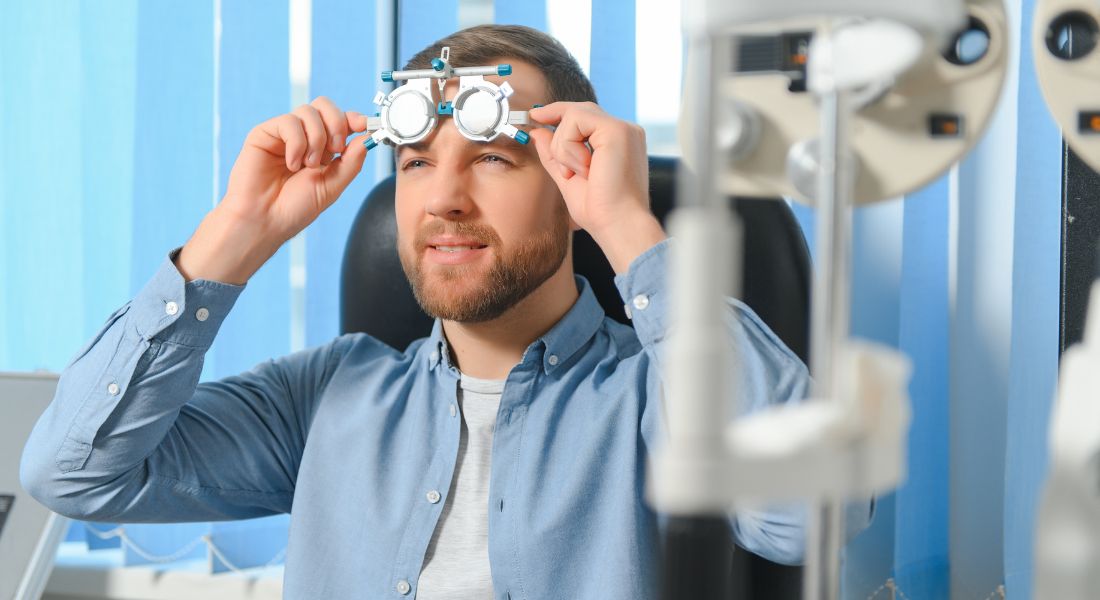
If you’ve had LASIK and noticed your vision changing months or even years later, it can be worrying. Many people assume that laser eye surgery delivers permanent results, so any shift in clarity may feel unexpected or unsettling. You might wonder whether something has gone wrong or whether the procedure has failed.
The reality is more nuanced. While LASIK permanently reshapes the cornea, your eyes and vision can still change over time. LASIK regression is a recognised phenomenon and does not necessarily mean that your original treatment was unsuccessful.
In this article, I’ll explain what LASIK regression is, why it can occur years after surgery, how it differs from undercorrection, and what monitoring or treatment options may be appropriate. The goal is to help you understand what’s happening and when, if ever, action is needed.
What Is LASIK Regression?
LASIK regression refers to a gradual return of some degree of refractive error after laser eye surgery. This means your vision may slowly become less sharp than it was shortly after treatment. The change is usually mild and develops over time rather than suddenly.
Regression does not mean your eyes are reverting completely to their pre-LASIK state. In most cases, vision remains significantly better than before surgery, even if glasses or contact lenses become helpful again for certain tasks. Understanding regression helps put changes into perspective and reduces unnecessary anxiety.
How Common Is LASIK Regression?
LASIK is a highly effective procedure for correcting vision, but like all surgeries, it isn’t entirely immune to changes over time. LASIK regression refers to a slight shift back toward your pre-surgery prescription. While relatively uncommon, understanding the risk factors and what to expect can help set realistic expectations and inform follow-up care.
Factors that influence the likelihood of LASIK regression include:
- Original prescription strength: Patients with higher myopia, hyperopia, or astigmatism before surgery have a slightly increased chance of minor regression. Even in these cases, changes are often small and gradual.
- Corneal characteristics and healing response: Variations in corneal thickness, curvature, and how the cornea heals can affect the stability of the LASIK correction over time.
- Age at the time of surgery: Younger patients may experience changes as their eyes continue to develop, while older patients typically see slower or less noticeable shifts.
- Natural age-related changes in the eye: Over the years, the lens and other internal structures of the eye can change, which may influence vision even after a successful LASIK procedure.
- Lifestyle and visual demands: Factors such as prolonged near work, screen use, or changes in overall health can subtly affect visual outcomes.
- Long-term outcomes: Despite the possibility of minor regression, the majority of patients maintain excellent vision for many years. Regression, if it occurs, is usually small, gradual, and can often be corrected with enhancement procedures if necessary.
Understanding these factors allows patients to approach LASIK with realistic expectations and ensures that follow-up care can address any minor shifts in vision effectively.
Why Vision Can Change Years After LASIK
LASIK permanently reshapes the cornea to correct refractive errors, but it cannot halt the natural ageing process of the eyes. Even with a stable cornea, changes inside the eye can gradually affect vision over the years.
One factor is the natural lens, which can develop age-related changes such as presbyopia or cataracts, affecting how clearly you see. Additionally, the length of the eye may shift slightly over time, influencing focus and visual acuity.
Age-related changes in the eye’s focusing ability also play a role. These adjustments are a normal part of ageing and are not caused by the LASIK procedure itself.
Understanding this helps patients realise that vision changes years after LASIK are normal. Such changes do not mean the surgery has “worn off,” but rather reflect the natural evolution of eye health over time.
LASIK Regression vs Undercorrection: What’s the Difference?
It’s important to understand the difference between LASIK regression and undercorrection, as the two are often confused. Undercorrection happens when the initial laser treatment does not fully correct the refractive error. This is usually apparent shortly after surgery, once the eyes have healed and vision stabilises.
Regression, in contrast, develops gradually after a period of stable, good vision. Over time, part of the refractive error can return, affecting clarity. Recognising the timing and pattern of vision changes helps surgeons determine the cause and recommend the most appropriate next steps for correction or follow-up.
The Role of Healing and Corneal Response

Every cornea heals in a slightly different way after LASIK, and these individual variations can affect the final refractive outcome. Microscopic tissue changes during the healing process may influence vision results.
The majority of healing occurs within the first few months, but subtle biological responses can continue for a longer period. In some cases, these ongoing changes may contribute to mild regression of vision.
Because of this variability, careful and regular follow-up after LASIK is essential. Monitoring allows surgeons to detect any changes early and address them appropriately. Consistent aftercare ensures that patients achieve the best possible long-term results and maintain optimal visual clarity.
Does Age Play a Role in LASIK Regression?
Age plays an important role in long-term vision changes after LASIK. As we get older, the natural lens inside the eye becomes less flexible, a condition known as presbyopia.
Presbyopia primarily affects near vision and is not a result of LASIK regression. However, it can sometimes be mistaken for regression if reading or close-up vision becomes more challenging years after surgery.
LASIK is designed to correct distance vision, but it cannot stop the natural age-related changes in focusing ability. Understanding the difference between presbyopia and true regression helps patients set realistic expectations for their vision as they age.
Can Hormones or Health Changes Affect Vision?
Yes, hormones and overall health can have a significant impact on vision stability. Events such as pregnancy, menopause, or certain medical conditions can lead to temporary or sometimes longer-lasting changes in eyesight.
Medications and systemic health issues can also affect the eye’s focusing ability or the quality of the tear film, subtly altering visual clarity even after LASIK.
These factors highlight that vision changes are not always related to the surgery itself. A comprehensive eye assessment is essential whenever changes in vision occur, ensuring the underlying cause is correctly identified and managed.
Is LASIK Regression Permanent?
LASIK regression is not always permanent or progressive. In many cases, vision stabilises once the underlying cause is identified and properly managed.
Some changes are temporary, especially those linked to dry eye, medication effects, or hormonal fluctuations. Addressing these factors can often restore visual clarity.
When permanent regression does occur, it is usually mild and can be managed effectively. Understanding that not all regression is permanent helps patients maintain realistic expectations and seek appropriate follow-up care.
How Dry Eye Can Mimic Regression
Dry eye is a common and often underappreciated cause of fluctuating vision after LASIK. While true regression involves a structural change in the cornea, dry eye affects the tear film, which can temporarily blur or distort vision. This can make it feel as though your prescription is changing, even when the cornea itself remains stable.
Key points to understand:
- Early and late onset: Dry eye often occurs in the early post-operative period but can also develop later due to age, environmental factors, or underlying conditions.
- Fluctuating vision: An unstable tear film can cause vision to blur intermittently, sometimes varying throughout the day. This can feel very similar to LASIK regression.
- Triggers for symptoms: Screen use, air-conditioned or dry environments, and prolonged reading can worsen dryness and temporary visual disturbances.
- Impact on perceived results: Patients may mistakenly assume that their LASIK results are regressing, when in fact treating dry eye restores clarity.
- Assessment and management: Clinicians usually check tear production, quality, and ocular surface health when patients report changes in vision after LASIK. Proper management of dry eye through lubricating drops, lifestyle adjustments, or targeted therapies can significantly improve visual stability and comfort.
Understanding the role of dry eye helps patients differentiate between true regression and temporary fluctuations, ensuring that appropriate treatment is provided without unnecessary concern.
When Should You Be Concerned About Vision Changes?

Not every change in vision after LASIK requires immediate intervention. Mild blurring that does not impact daily activities can often be monitored without concern.
However, you should seek an assessment if vision changes start to interfere with driving, work, or other routine tasks. Sudden changes, visual distortions, or symptoms like flashes or floaters should always be evaluated promptly.
Regular eye examinations are important to determine whether changes are harmless or need medical attention. Timely check-ups ensure any issues are addressed early, helping maintain long-term eye health and optimal vision.
How LASIK Regression Is Assessed
Assessing LASIK regression starts with a comprehensive eye examination. This typically includes evaluating your current prescription, corneal shape, tear film quality, and overall retinal health.
Your surgeon will also review your surgical history and track how your vision has changed over time. Comparing current findings with past records helps determine whether changes are due to regression, natural ageing, or another factor.
This detailed approach allows for accurate diagnosis and ensures that any management plan is appropriate for your specific situation. By carefully assessing all relevant factors, surgeons can provide targeted recommendations and avoid assumptions about the cause of vision changes.
Treatment Options for LASIK Regression
When vision changes occur after LASIK, the appropriate treatment depends on the cause, severity, and individual patient needs. Often, minor regression does not require immediate intervention and can simply be monitored over time.
Possible options include:
- Observation and monitoring: Small, gradual changes may not affect daily activities. Regular follow-ups with your eye care professional help ensure that any progression is tracked and addressed promptly.
- Glasses or contact lenses: For mild regression, temporary correction with prescription glasses or contact lenses can improve clarity for specific tasks such as reading, driving, or screen work.
- Enhancement procedures (LASIK touch-ups): In suitable candidates, an enhancement procedure may be considered to refine vision. These are only recommended after careful assessment of corneal health, stability of the original correction, and overall ocular condition. Enhancements are not routine and are undertaken only when the benefits clearly outweigh potential risks.
- Management of contributing factors: Conditions such as dry eye or fluctuating blood sugar (for patients with diabetes) may mimic regression. Treating these underlying issues can restore visual clarity without further surgery.
Understanding the range of options allows patients to make informed decisions and ensures that any intervention is safe, effective, and tailored to individual needs.
Are LASIK Enhancements Always Possible?
After LASIK surgery, most patients enjoy stable, clear vision. However, in some cases, minor changes or residual refractive errors can occur over time. This raises the question of whether a “touch-up” or enhancement procedure is appropriate. While enhancements can be highly effective for the right candidates, they are not suitable for everyone.
Key points to consider:
- Corneal thickness and integrity: Adequate corneal tissue is essential to safely perform an enhancement. Thin or irregular corneas may limit options.
- Overall eye health: Conditions such as dry eye, keratoconus, or retinal issues can affect eligibility for additional laser treatment.
- Stability of vision: Enhancements are typically only considered once vision has remained stable for a sufficient period. Rushing into further treatment can compromise outcomes.
- Individual risk assessment: Surgeons evaluate each patient’s unique anatomy and visual goals to determine whether an enhancement is safe and likely to be beneficial.
- Long-term safety: A cautious, measured approach protects the health of the eyes and helps ensure that any improvement from an enhancement is predictable and lasting.
By following these criteria, clinics prioritise both effectiveness and long-term ocular health, ensuring that enhancements are performed only when truly appropriate.
Long-Term Monitoring After LASIK
LASIK does not eliminate the need for regular eye exams. Ongoing monitoring helps detect changes early and maintain eye health.
Routine checks become even more important as you age, regardless of whether you’ve had laser eye surgery. They help distinguish between regression, presbyopia, and other eye conditions. Long-term care supports lasting visual comfort and clarity.
Managing Expectations After LASIK
LASIK offers long-lasting vision improvement, but it does not guarantee that your eyesight will never change. Understanding this helps set realistic expectations.
Most patients enjoy years of excellent vision, even if minor adjustments are needed later. Viewing LASIK as a long-term improvement rather than a lifetime guarantee leads to greater satisfaction. Clear expectations are key to peace of mind.
Choosing the Right Clinic for Ongoing Care
When vision changes occur, experience matters. You want a clinic that understands post-LASIK care and takes time to assess changes properly.
If you’re considering or have already had lasik surgery in London, choosing a clinic that offers thorough follow-up and honest advice is essential. Quick assumptions or rushed recommendations should be avoided. Good care continues long after the initial procedure.
FAQs:
- What does “LASIK regression” mean?
LASIK regression refers to the gradual return of some degree of refractive error after laser eye surgery, meaning your vision becomes slightly less sharp over time compared with the clear vision you had shortly after the procedure. - Is LASIK regression the same as the surgery failing?
No, LASIK regression does not mean the surgery failed; it simply means that some visual change has occurred, and in most cases vision remains significantly better than before the original LASIK. - How common is vision change years after LASIK?
Vision change many years after LASIK is relatively uncommon and usually mild when it does occur, but it can happen as part of natural eye changes or healing responses rather than because the procedure “wore off.” - Why can vision change many years after LASIK?
Vision can change years after LASIK because the natural ageing process affects internal eye structures such as the lens, and these age‑related changes can alter focus independent of the corneal reshaping done during surgery. - How is regression different from undercorrection?
Regression develops gradually after a period of stable, clear vision, whereas undercorrection is present soon after recovery because the original laser treatment did not fully correct the refractive error. - Can dry eye make it seem like my vision has regressed after LASIK?
Yes, dry eye can make vision appear to fluctuate or blur, which can feel like regression even though the corneal correction itself may still be stable. - Are changes in vision after LASIK always permanent?
Changes in vision after LASIK are not always permanent, as some shifts may be temporary due to factors like dry eye, hormonal changes, or environmental influences. - When should I be concerned about vision changes after LASIK?
You should seek an assessment if vision changes interfere with daily tasks such as driving or reading, if you notice sudden changes, or if you experience additional symptoms like flashes or floaters. - How do surgeons assess whether vision change is due to regression?
Surgeons assess regression by performing a comprehensive eye examination, comparing your current prescription and corneal shape with past records, and by evaluating tear film quality and overall eye health. - Can LASIK regression be treated, and if so, how?
Yes, LASIK regression can be managed depending on its cause and severity, with options including observation and monitoring, prescription glasses or contact lenses for mild changes, or carefully selected enhancement procedures when the eyes are stable and suitable.
Final Thought: Understanding and Managing Vision Changes After LASIK
Experiencing minor vision changes years after LASIK is not uncommon and usually does not indicate a failed procedure. Understanding the difference between regression, undercorrection, and normal age-related changes can help you manage expectations and make informed decisions about follow-up care. If you’re considering further correction or want to ensure your vision remains stable, choosing an experienced clinic with thorough post-LASIK care is essential. If you’d like to find out whether lasik surgery in London is suitable for you, feel free to contact us at Eye Clinic London to arrange a consultation.
References:
- Ikeda, T., Toda, I., Fukumoto, T., Watanabe, J. & Tsubota, K. (2014) Outcome of a 10‑year follow‑up of laser in situ keratomileusis for myopia and myopic astigmatism, Taiwan Journal of Ophthalmology. https://www.sciencedirect.com/science/article/pii/S2211505614000635
- Casto‑Luna, G., Jiménez‑Rodríguez, D., Pérez‑Rueda, A. & Alaskar‑Alani, H. (2020) Long‑Term Follow‑Up Safety and Effectiveness of Myopia Refractive Surgery, International Journal of Environmental Research and Public Health, 17(23), pp. https://www.mdpi.com/1660-4601/17/23/8729
- Alió, J. L. et al. (2009) Twelve‑Year Follow‑Up of Laser In Situ Keratomileusis for Moderate to High Myopia, Journal of Refractive Surgery. https://pmc.ncbi.nlm.nih.gov/articles/PMC5449750/
- Jaycock, P. et al. (2010) Long‑term refractive outcomes and stability after excimer laser surgery for myopia, Ophthalmic Surgery, Lasers and Imaging, 41(S1), pp. S1–S9. Elsevier. https://pubmed.ncbi.nlm.nih.gov/20870117/
- Laser‑Assisted In Situ Keratomileusis (LASIK) Enhancement After Primary LASIK: Safety and Predictability, Journal of Clinical Medicine, 11(16), 4832. https://www.mdpi.com/2077-0383/11/16/4832