


LASIK Flap Complications: How Safe Is Modern LASIK? (Explained)
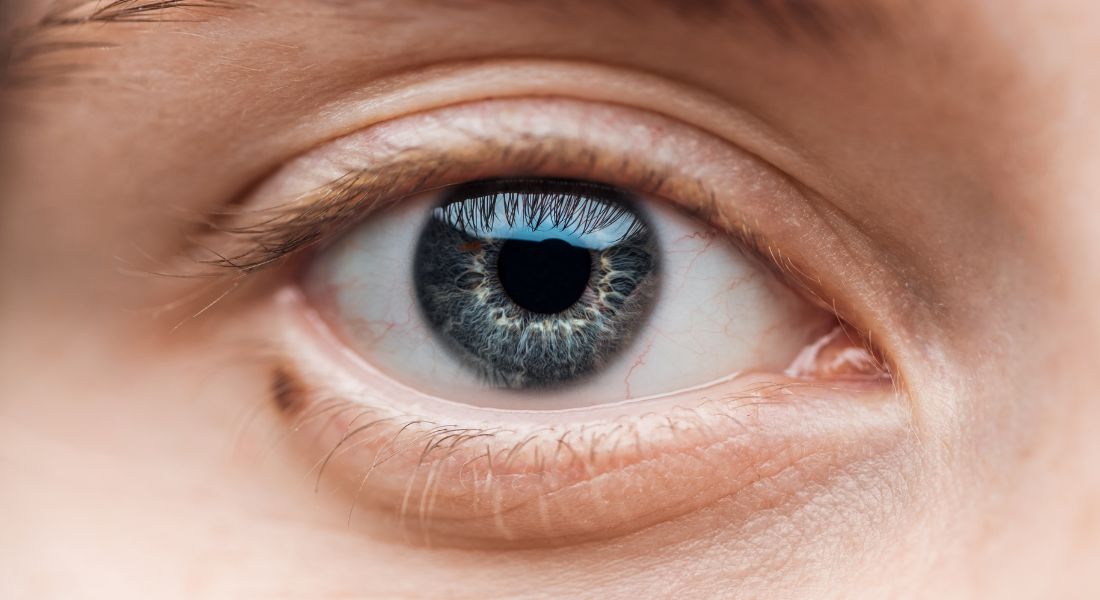
Most people considering LASIK have questions about the corneal flap. You may wonder how it is created, whether it can move, and how often flap-related problems actually occur. These concerns are completely understandable, particularly if you have come across outdated information online. Reassurance begins with accurate, up-to-date facts.
Modern LASIK differs greatly from early techniques. Today, femtosecond laser technology is used to create the corneal flap with exceptional accuracy and consistency. This level of precision has significantly improved both safety and predictability. As a result, flap-related complications are now uncommon.
In this guide, you will learn how the LASIK flap is created and what potential complications exist. We also explain how rare these issues are with current technology and how experienced surgeons minimise risk. Clear understanding helps replace anxiety with confidence. Modern LASIK outcomes are far safer than many people realise.
What Is the LASIK Flap?
During LASIK, a very thin layer of your cornea is gently lifted to allow laser reshaping of the tissue beneath. This layer is called the corneal flap. Once the correction is complete, the flap is carefully repositioned over the treated area. It sits back in its original position naturally.
The flap acts like a natural protective bandage during healing. It adheres securely without the need for stitches. Healing begins almost immediately after surgery. Most patients experience rapid visual recovery.
Creating the flap is a critical part of the LASIK procedure. Precision at this stage directly supports safety and accuracy. Modern laser technology has refined flap creation significantly. This advancement has reduced complication rates and improved outcomes.
How Femtosecond Lasers Improved Safety
Earlier LASIK techniques relied on mechanical blades to create the corneal flap. While effective, this approach involved more variability in flap thickness and shape. Femtosecond laser technology has largely replaced blades in modern practice. This change has brought far greater control and consistency.
The femtosecond laser works by creating microscopic bubbles within the cornea to gently separate tissue layers. This process forms a smooth, uniform flap with highly predictable dimensions. Thickness, diameter, and hinge position are all precisely programmed. This level of accuracy was not possible with older methods.
As a result, flap-related complications have become significantly less common. Improved precision directly enhances overall safety. Predictability has also improved, leading to more reliable visual outcomes. Modern LASIK is therefore safer than ever before.
How Common Are Flap Complications Today?
Flap-related complications are rare with modern LASIK techniques. Large clinical studies show very low incidence rates, with the vast majority of procedures completed without any flap issues. For most patients, flap creation and healing are entirely uneventful. Problems at this stage are now the exception rather than the norm.
Rates of flap complications have fallen significantly compared with earlier decades. Advances in femtosecond laser control, improved imaging, and stricter patient screening have all contributed to this improvement. Surgeon experience also plays a key role in minimising risk. Careful technique further enhances safety.
It is important to remember that no surgical procedure is completely risk-free. However, modern LASIK has an excellent overall safety record. Serious flap-related problems are uncommon. For suitable candidates, the procedure is considered highly safe and predictable.
What Is an Incomplete Flap?
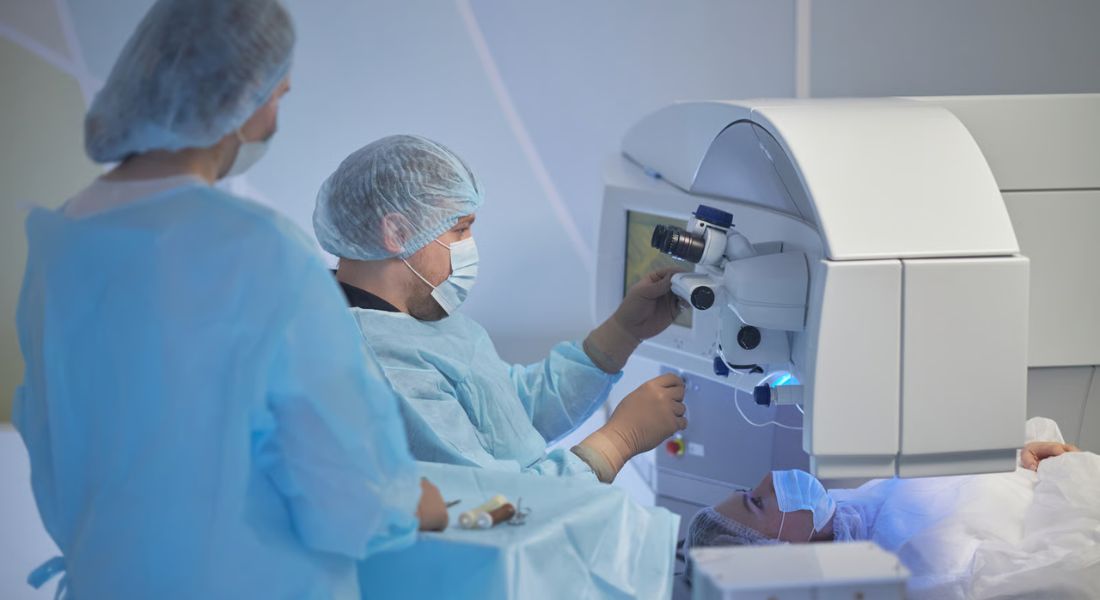
An incomplete flap occurs when the corneal layer is not fully separated during LASIK. With modern femtosecond laser technology, this situation is extremely rare. Precise programming and controlled energy delivery greatly reduce the risk. Most surgeons may never encounter this issue in routine practice.
If an incomplete flap does occur, the procedure is usually stopped immediately. This allows the cornea to heal naturally before any further treatment is considered. Surgery can often be safely rescheduled at a later date. This approach helps prevent long-term damage.
Modern laser systems continuously monitor performance throughout flap creation. Built-in safety mechanisms detect irregularities and interrupt the process if needed. These safeguards significantly reduce the chance of complications. Overall safety at this stage is very high.
Flap Displacement: Is It Still a Concern?
Flap displacement refers to movement of the corneal flap after LASIK. This risk is highest within the first 24 hours, while the flap is settling into position. Following post-operative instructions carefully reduces this risk significantly. Most patients heal without any issues.
You are advised not to rub your eyes during the early healing period. Protective eye shields are usually worn while sleeping for the first few nights. These simple precautions help protect the flap as it begins to adhere. They play an important role in safe recovery.
After the first few days, the flap bonds securely to the underlying cornea. Late flap displacement is extremely uncommon. Normal daily activities become safe quite quickly. With modern care, this concern is minimal.
What Is Flap Wrinkling?
After LASIK, it’s natural to worry about how the corneal flap heals. Flap wrinkling, also known as striae, is an occasional complication that can occur during the early healing phase. Understanding what it is and how it’s managed can be reassuring.
- Most flap wrinkles are minor: Small wrinkles in the flap often have little or no impact on your vision. In many cases, you may not notice any visual change at all.
- Significant wrinkling is uncommon and treatable: More noticeable wrinkles are rare and usually correctable if identified early. Repositioning the flap can smooth out the surface and restore clarity.
- Early detection makes a difference: Attending your scheduled follow-up appointments allows your surgeon to spot any issues quickly. Prompt monitoring ensures fast intervention if it’s needed.
Modern laser precision and surgical techniques greatly reduce the risk of irregular healing. Most patients never experience flap wrinkling at all. Structured aftercare plays a key role in protecting your results. With proper monitoring, outcomes are typically excellent.
Diffuse Lamellar Keratitis (DLK)
After LASIK, your eye goes through a healing phase, and in rare cases an inflammatory response can develop beneath the flap. This condition is called diffuse lamellar keratitis, often referred to as “sands of the Sahara” because of how it looks under the microscope. While the name can sound alarming, it is uncommon and usually very manageable.
- DLK is an inflammatory reaction, not an infection: DLK occurs when inflammation develops under the corneal flap during early healing. It is not caused by bacteria and does not mean the surgery has failed.
- Early detection leads to effective treatment: When caught early, DLK is usually treated successfully with anti-inflammatory eye drops. Most cases resolve fully without affecting your long-term vision.
- Severe cases are now very rare: With modern surgical techniques and post-operative care protocols, advanced DLK is uncommon. Close monitoring greatly reduces the risk of complications.
Routine follow-up visits are essential for early diagnosis. Prompt treatment prevents inflammation from affecting visual quality. Most patients recover fully with no lasting impact. Careful monitoring ensures your healing stays on track and your vision remains protected.
Epithelial Ingrowth
Epithelial ingrowth occurs when surface corneal cells migrate beneath the LASIK flap. This complication is uncommon and, in most cases, mild. Many instances remain stable and do not affect vision. Observation alone is often sufficient.
If epithelial ingrowth shows signs of progression, treatment is usually straightforward. Lifting the flap and removing the cells typically resolves the issue. Modern femtosecond laser flaps have cleaner, more precise edges, which reduce the risk of cell migration. Better flap sealing supports long-term stability.
Regular follow-up examinations help ensure early detection. This allows intervention before symptoms develop. In suitable cases, treatment is rarely needed. Long-term visual impact is uncommon.
How Surgeon Experience Reduces Risk
Surgeon experience plays a crucial role in the safety of LASIK. Decisions about flap thickness, diameter, and positioning rely on clinical judgement as well as technology. While advanced lasers provide precision, expertise guides how they are used. Skill and experience remain essential.
An experienced surgeon can anticipate subtle anatomical variations between patients. Technique is adjusted based on your individual eye structure and corneal characteristics. This personalised approach enhances both safety and accuracy. It also helps reduce the likelihood of complications.
Choosing a reputable clinic with an experienced surgical team is important. Expertise contributes directly to consistent outcomes. Careful planning before surgery protects your vision. This combination of skill and technology supports excellent results.
Screening and Candidate Selection
Not everyone is a suitable candidate for LASIK, and careful screening is essential. Your corneal thickness, shape, and stability are thoroughly assessed before surgery. These checks help identify potential risks early. Proper screening prevents avoidable complications.
Certain corneal irregularities may make LASIK unsuitable. In these cases, alternative vision correction options can be considered instead. Advanced preoperative imaging detects subtle risk factors that may not be obvious on routine examination. This detailed evaluation forms the foundation of safety.
Modern diagnostic tools provide highly precise information about your eyes. They allow surgeons to confidently exclude unsuitable candidates. Careful selection dramatically lowers complication rates. This cautious approach helps ensure safe and predictable outcomes.
Corneal Thickness and Flap Planning
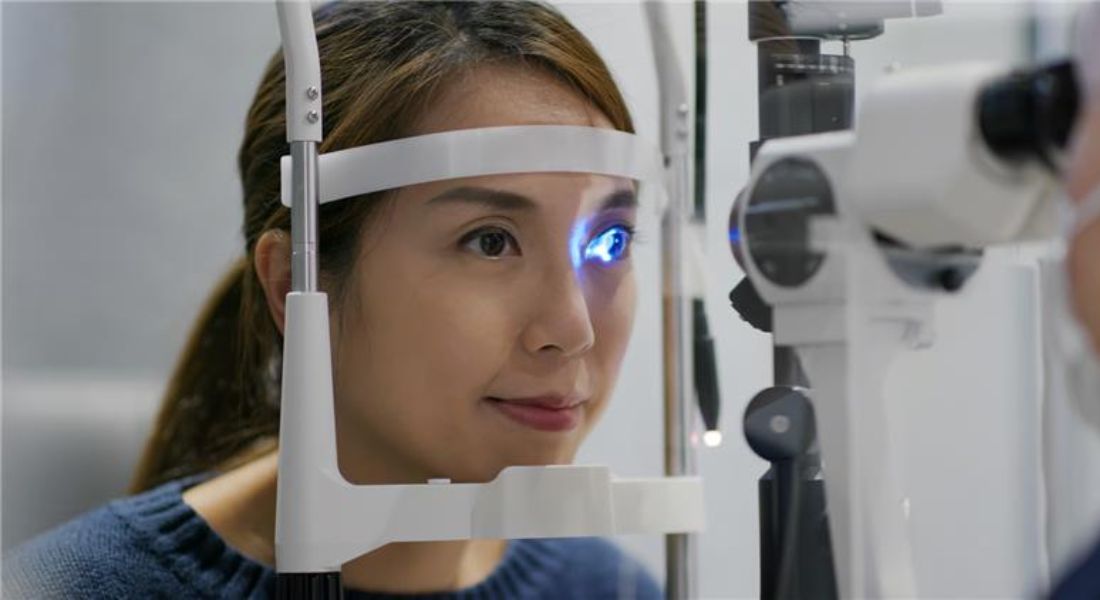
Accurate measurement of your corneal thickness is essential for safe flap creation. Modern femtosecond lasers produce flaps at a highly predictable depth. This precision helps preserve the cornea’s structural integrity. Careful planning begins well before surgery.
Your surgeon must ensure that enough residual stromal tissue remains after laser treatment. Maintaining this safety margin is crucial for long-term corneal stability. If the margin is too low, LASIK is not advised. Planning at this stage is meticulous and conservative.
Custom calculations are used to tailor treatment to your eyes. Advanced imaging allows exact and reliable measurements. This level of precision supports structural safety. It plays a key role in the excellent safety profile of modern LASIK.
Recovery Timeline After Flap Creation
Most patients experience a rapid recovery after LASIK flap creation. Vision often begins to improve within the first 24 hours. You may notice mild irritation, light sensitivity, or dryness initially. These symptoms are usually short-lived.
Protective eye shields are typically worn for the first few nights. Lubricating eye drops help support healing and comfort. Follow-up appointments confirm that the flap is stable and healing as expected. Monitoring at this stage is important.
Within a few days, you can usually return to normal daily activities. The flap adheres securely to the underlying cornea during this time. Recovery is generally smooth and predictable. Most patients are comfortable very quickly.
Long-Term Stability of the LASIK Flap
After LASIK, it’s normal to wonder how secure the corneal flap will be in the long term. While the flap never heals in exactly the same way as untouched corneal tissue, it does bond firmly to the surrounding cornea. Once healing is complete, day-to-day activities do not put your flap at risk.
- The flap becomes stable over time: As your eye heals, the flap adheres securely to the underlying tissue. This provides strong long-term stability, even though the healing process is different from a natural cornea.
- Routine activities are safe: Everyday actions such as rubbing your eyes lightly, exercising, or working do not affect the flap once recovery is complete. You can return to normal life without ongoing concern.
- Extra care is sensible for high-impact sports: Even though flap-related problems are very rare, protective eyewear is recommended if you take part in contact or high-impact sports. Simple precautions help reduce any residual risk.
Long-term flap complications are uncommon. Most patients never experience any flap-related issues years after surgery. Knowing the flap is stable helps you feel more confident about your decision. With sensible care, long-term outcomes are very reassuring.
Are Flap Complications More Common in High Prescriptions?
Higher prescriptions do require more corneal tissue to be reshaped, but this does not automatically increase the risk of flap complications. Careful planning and precise technique are particularly important in these cases. Modern LASIK is designed to accommodate a wide range of prescriptions safely.
Ensuring adequate corneal thickness is crucial for maintaining structural integrity. Advanced imaging allows surgeons to confirm safe thresholds before proceeding. Precision planning helps protect both visual outcomes and corneal health.
Having a high prescription alone does not mean you are at greater risk. Your individual anatomy, healing response, and corneal characteristics are more important factors. Thorough evaluation remains essential to ensure a safe and successful procedure.
How Technology Continues to Improve Safety
Femtosecond laser technology continues to advance, with improvements in pulse frequency and accuracy enhancing flap precision. These refinements increase safety margins and reduce the chance of complications. Each generation of laser brings more predictable outcomes.
Advanced eye-tracking systems work alongside the laser to maintain exact alignment during surgery. This reduces variability and supports consistent results across patients. Technology now allows surgeons to customise treatment with remarkable precision.
Modern LASIK is far safer than earlier techniques. Continuous innovation in lasers, imaging, and monitoring strengthens both safety and visual outcomes. Clinical evidence clearly reflects this progress, giving patients greater reassurance.
Comparing LASIK to Surface Procedures
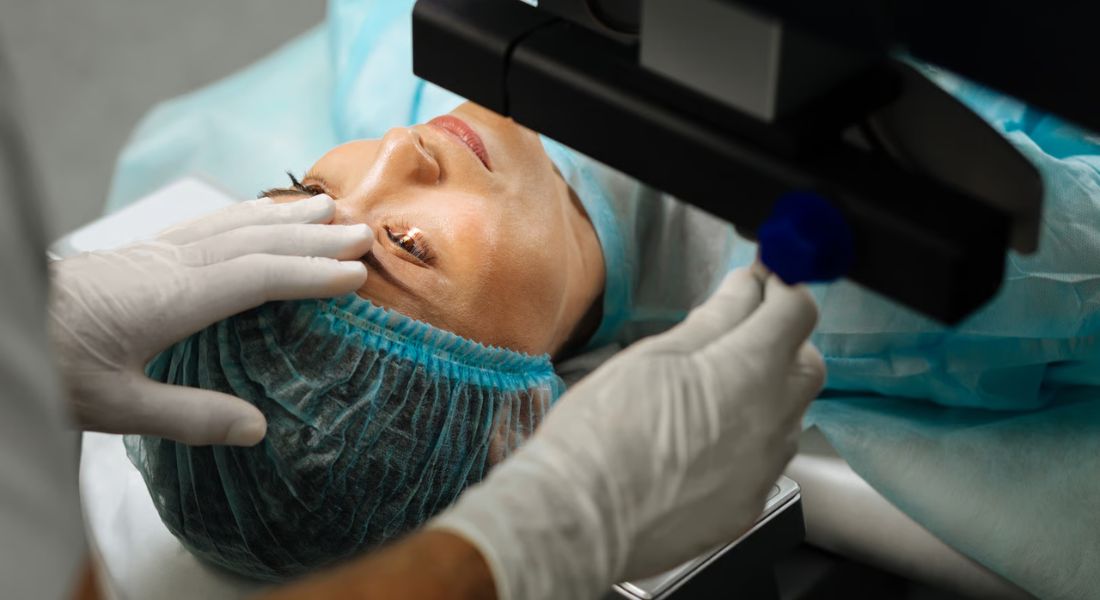
Surface procedures, such as PRK, do not involve creating a corneal flap. Instead, the laser reshapes the surface of the cornea directly. While flap-related risks are avoided, recovery is typically longer and initial discomfort can be greater. Each method has its own advantages.
LASIK, by contrast, allows for faster visual recovery and minimal early discomfort. Flap creation introduces a small risk, but most patients heal quickly and regain sharp vision within a day or two. The choice between LASIK and surface procedures depends on your individual eye anatomy and visual needs.
Your surgeon will recommend the safest and most effective option for you. Personalised assessment ensures the procedure is suitable and tailored to your eyes. Individualisation is key to achieving optimal visual outcomes and long-term safety.
Addressing Common Myths
It’s natural to have concerns about your LASIK flap, especially if you’ve read alarming stories online. Some myths suggest the flap can easily dislodge years later or that complications are common. Understanding the facts helps you feel more confident and reassured.
- Late flap displacement is extremely rare: Once your flap has fully healed, it is very stable. Years after surgery, the chance of it moving is exceptionally low.
- Flap complications are uncommon with modern LASIK: Advances in technology and surgical technique have made serious flap issues very rare. Modern data shows that most patients experience no long-term problems.
- Outdated information can cause unnecessary worry: Myths from earlier LASIK procedures often continue to circulate, but today’s protocols and precision lasers have transformed safety. Evidence-based information gives a much clearer picture of real risk.
Knowing the facts can ease your mind and reduce anxiety. Most patients never encounter flap-related issues once healing is complete. Being informed allows you to focus on enjoying the benefits of your improved vision. Trusting the evidence and your surgeon’s guidance is key to feeling confident about your long-term results.
Emotional Reassurance Before Surgery
It is completely normal to feel nervous about flap creation before LASIK. Understanding how the flap is made and how the procedure works can help reduce anxiety. Knowledge replaces uncertainty and helps you feel more in control.
Modern LASIK has an excellent safety record, and serious complications are uncommon. Careful patient screening, advanced imaging, and precise laser technology all work together to protect your eyes. Most patients heal quickly and achieve excellent vision.
Open communication with your surgeon is essential. Asking questions and discussing concerns builds confidence and trust. Being informed helps you approach surgery feeling reassured and prepared.
What You Can Realistically Expect
You can expect the corneal flap to be created with high precision and minimal discomfort. Recovery is generally rapid, with most patients noticing improved vision within the first day. Follow-up appointments ensure the flap is healing correctly and vision remains stable.
Flap-related complications are rare in carefully selected candidates. Most people experience a smooth recovery and achieve the expected visual outcome. Satisfaction rates with modern LASIK are very high.
Understanding the real risks helps prevent unnecessary worry. Modern LASIK outcomes are highly predictable, and safety remains the central focus. With proper assessment and technique, you can feel confident in the procedure.
Frequently Asked Questions:
- Can the LASIK flap move years after surgery?
Once healing is complete, the LASIK flap becomes very stable. While it never heals in exactly the same way as untouched corneal tissue, late flap movement is extremely rare. Normal daily activities, including exercise, do not pose a risk after the initial recovery period. - Is flap creation the most dangerous part of LASIK?
Flap creation is a critical step, but it is not considered dangerous with modern technology. Femtosecond lasers create highly precise and predictable flaps, which has significantly reduced complications compared with older blade-based techniques. - How soon would flap-related problems show up after surgery?
Most flap-related issues, if they occur, present within the first day or two after surgery. This is why early follow-up appointments are essential. Once the initial healing phase passes, the likelihood of flap complications drops dramatically. - Does rubbing your eyes really increase flap risk?
Yes, especially in the first 24 hours after surgery. Eye rubbing during early healing can increase the risk of flap displacement. Following post-operative instructions, including wearing protective shields, greatly reduces this risk. - Are flap complications more common with femtosecond lasers?
No, femtosecond lasers have actually reduced flap complications. They allow surgeons to control flap thickness, diameter, and position far more accurately than mechanical blades, improving overall safety. - Can flap complications affect vision permanently?
In the vast majority of cases, flap-related issues are treatable when detected early. Prompt management usually restores good visual outcomes. Permanent vision loss from flap complications is very uncommon in modern LASIK. - Is LASIK flap risk higher if you have dry eyes?
Dry eye does not directly increase flap complications, but it can affect comfort and visual quality during healing. Managing dry eye before and after surgery supports smoother recovery and clearer vision. - Do high prescriptions increase flap complication risk?
High prescriptions do not automatically increase flap-related risk. What matters more is corneal thickness and overall eye anatomy. Careful screening ensures that safe limits are respected regardless of prescription strength. - If a flap issue occurs, does LASIK have to be abandoned completely?
Not necessarily. In some cases, the procedure may be paused and safely completed at a later date once healing has occurred. Your surgeon will prioritise safety and long-term eye health when making this decision. - How can you reduce your personal risk of flap complications?
Choosing an experienced surgeon, attending all follow-up visits, and carefully following post-operative instructions are the most effective ways to reduce risk. Modern technology and proper screening already make complications rare, but patient cooperation plays an important role in safe healing.
Final Thoughts: Reassurance About LASIK Flap Safety
Concerns about the LASIK flap are completely understandable, especially if you have come across outdated or misleading information online. In reality, modern LASIK has evolved significantly, and flap-related complications are now rare due to femtosecond laser technology, advanced screening, and refined surgical techniques. When you are properly assessed and treated by an experienced surgeon, the procedure is highly predictable and safe.
What matters most is individual suitability. Careful preoperative evaluation, precise flap planning, and strict post-operative care all work together to minimise risk and support smooth healing. For the vast majority of patients, the flap remains stable long term and does not interfere with daily life or future eye health. If you’re considering lasik surgery in London and want to know if it’s the right option, you’re welcome to reach out to us at Eye Clinic London to book a consultation.
References:
- Kanclerz, P. and Khoramnia, R. (2021) ‘Flap Thickness and the Risk of Complications in Mechanical Microkeratome and Femtosecond Laser In Situ Keratomileusis: A Literature Review and Statistical Analysis’ Comparison of flap methods and uncommon LASIK flap complications. Diagnostics, 11(9), 1588. https://www.mdpi.com/2075-4418/11/9/1588
- Moshirfar, M., et al. (2021) ‘Incidence, Risk, and Visual Outcomes after Repositioning of Acute Flap Dislocations Following Femtosecond-Assisted LASIK’ Analysis of early LASIK flap dislocation incidence and outcomes after repositioning. https://www.mdpi.com/2077-0383/10/11/2478
- Santos, A.M. dos, Torricelli, A.A.M., Marino, G.K., Garcia, R., Netto, M.V., Bechara, S.J. and Wilson, S.E. (2016) ‘Femtosecond Laser-Assisted LASIK Flap Complications’ Discusses intraoperative and postoperative femto LASIK flap issues and management. https://pubmed.ncbi.nlm.nih.gov/26812715/
- Kanclerz, P. and Khoramnia, R. (2021) ‘Flap Thickness and the Risk of Complications in Mechanical Microkeratome and Femtosecond Laser In Situ Keratomileusis: A Literature Review and Statistical Analysis’ Review focusing on flap thickness differences and rare complications for both flap creation methods. https://pubmed.ncbi.nlm.nih.gov/34573930/
- ‘Femtosecond Lasers for LASIK Flap Creation: A Report by the American Academy of Ophthalmology’ Comprehensive review of safety, efficacy, and complication profiles for femtosecond-laser flap creation vs mechanical microkeratomes in LASIK. https://www.sciencedirect.com/science/article/pii/S0161642012007683