


LASIK Eye Surgery for People Who Have Never Worn Glasses Full-Time

If you’ve only ever worn glasses occasionally, you may wonder whether LASIK is even something you should consider. Maybe you only put them on for night driving, long-distance viewing, or when your eyes feel tired. You might have been told your prescription is “borderline.” Or perhaps you’ve simply adapted so well to mild blur that you forget you even have a prescription. Many people assume LASIK is only for those who wear glasses every day, but that’s not the case. In fact, if you fall into the group of occasional glasses wearers, you may be an ideal candidate.
In this guide, I’ll walk you through everything you need to know about LASIK when you don’t depend on glasses full-time. You’ll learn whether your prescription qualifies, who benefits the most, what limitations you need to understand, and when LASIK is worth considering even if you rarely feel held back by your vision. And if you’re thinking about your options, exploring Lasik surgery in London at a specialist clinic can give you access to advanced assessments and personalised guidance.
Why People Who Rarely Wear Glasses Consider LASIK
Many occasional glasses wearers find themselves in a middle ground: they don’t need glasses all the time, but their vision isn’t quite perfect. Over time, minor inconveniences can add up, making everyday tasks slightly more challenging.
You might notice issues such as struggling with clarity while driving at night, slight blurriness when reading distant signs, or needing glasses for long lectures, meetings, or screen work. Fatigue and eye strain towards the end of the day, haloes around bright lights, or frequent squinting are also common signs that your vision isn’t optimal.
While these issues may seem minor, LASIK can often correct them completely. Many people choose LASIK not out of necessity, but for the freedom, clarity, and comfort it provides. The goal is to reduce or eliminate reliance on glasses altogether, even for those who only wear them occasionally, making daily life easier and more comfortable.
What “Occasional Glasses Wearer” Really Means Clinically
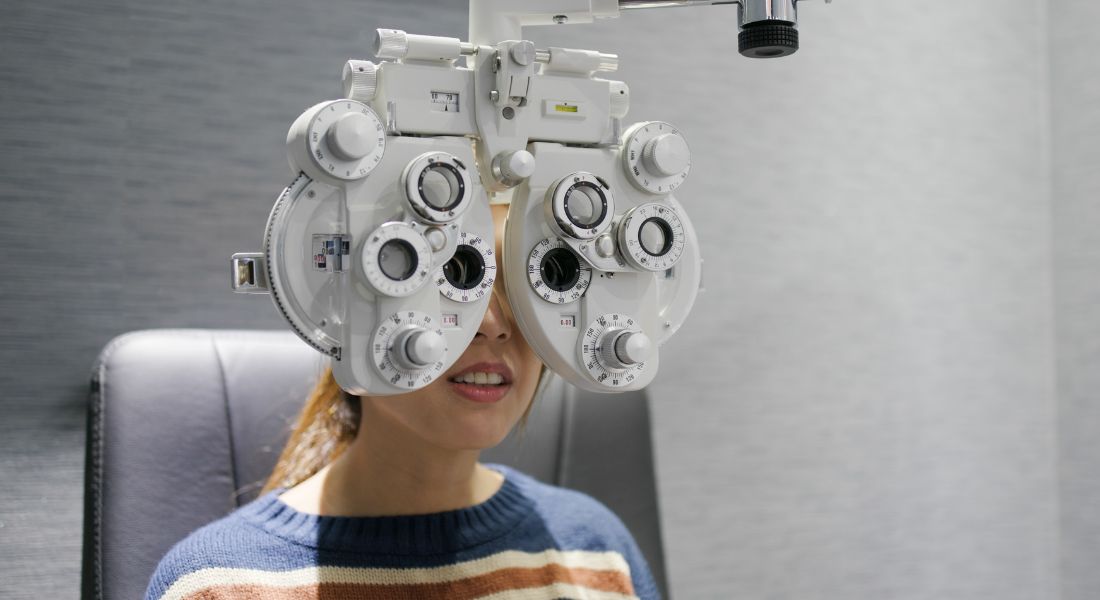
In clinical terms, an occasional glasses wearer is someone with a mild prescription who doesn’t rely on glasses for everyday activities. Their vision is generally stable, and they can function well throughout the day without corrective lenses, using glasses only for specific tasks.
This group often includes people with mild myopia (up to -1.50), low hyperopia (+0.50 to +1.75), or mild to mixed astigmatism. These prescriptions are considered borderline, but they can still affect clarity, particularly in low-light conditions or during visually demanding tasks.
Even though glasses are not worn constantly, these subtle imperfections can cause eye strain, squinting, or reduced comfort over time. Understanding this clinical definition helps explain why some people who seem to “get by” without glasses still choose LASIK for enhanced clarity and convenience.
Are You Still a Candidate for LASIK If You Rarely Wear Glasses?
Yes, many occasional glasses wearers make excellent candidates for LASIK. The procedure doesn’t require a high prescription or daily glasses use. What matters most is overall eye health, corneal thickness and curvature, prescription stability, dry eye status, and general suitability for surgery. Even low prescriptions can often be corrected with high precision.
You’re likely a good candidate if your prescription is mild but stable, your corneas are healthy, you don’t have significant dry eye, you’re over 18, and your expectations are realistic.
However, LASIK may not be suitable if your prescription is still changing, you have unstable dry eye, your cornea is too thin, you have irregular astigmatism, or you’re experiencing early presbyopia and want to avoid reading glasses.
Why Surgeons Take Extra Care With Low Prescriptions
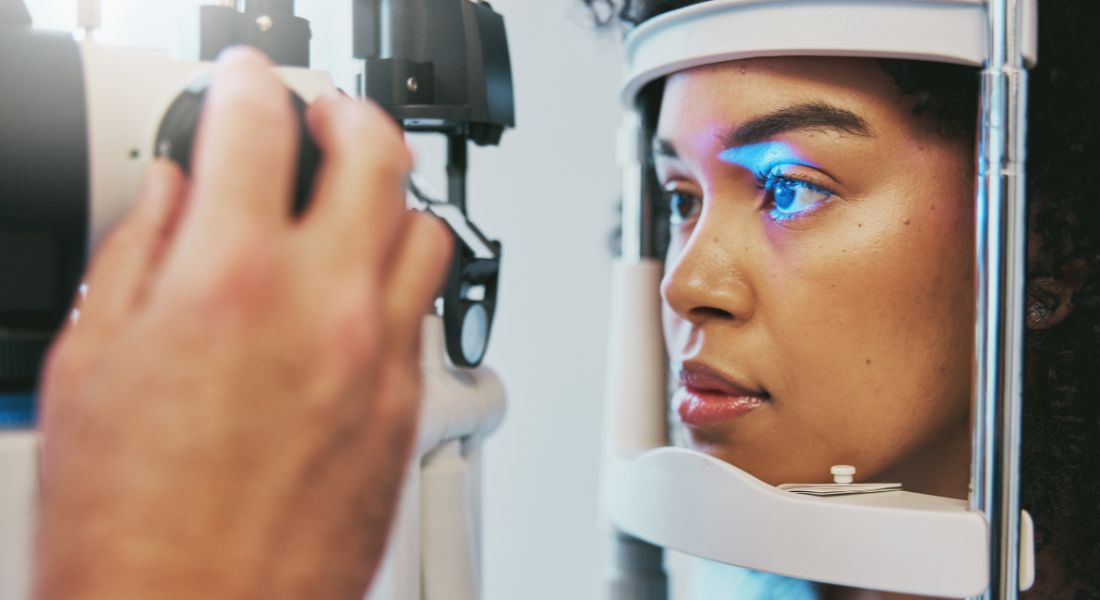
Correcting mild prescriptions requires exceptional precision. When your starting vision is already close to normal, even minor adjustments must be exact to avoid compromising clarity or comfort. Surgeons carefully evaluate several factors to ensure optimal results:
- Your optical zone: The area of the cornea responsible for clear vision is measured and considered when planning correction. Small misalignments can affect visual sharpness, particularly in low-light conditions.
- Corneal mapping: Detailed scans assess the curvature and thickness of your cornea. This ensures that laser treatment is applied precisely and safely, minimising irregularities.
- Wavefront aberrations: Advanced measurements detect subtle imperfections in how light passes through the eye. Addressing these aberrations improves overall vision quality, especially for tasks requiring high detail.
- Night-vision risks: Mild prescriptions are more sensitive to potential side effects such as halos or glare. Surgeons plan carefully to preserve low-light clarity while enhancing daytime vision.
- Post-surgery clarity in low light: Even small corrections can affect contrast sensitivity. Ensuring visual performance in dim conditions is a priority when fine-tuning mild prescriptions.
The goal is to give you sharper-than-before vision without compromising contrast or night-time quality. This is why choosing a specialist clinic for LASIK surgery in London can make a meaningful difference their advanced diagnostic equipment is designed to detect even the smallest irregularities.
Common Visual Problems LASIK Solves for Occasional Wearers
Even if you don’t wear glasses every day, subtle visual issues can affect comfort and clarity. LASIK can correct these minor frustrations, improving both sharpness and quality of vision for occasional wearers.
- Night-time softness – Blurry or haloed lights, particularly when driving at night, can make navigation uncomfortable. LASIK can sharpen low-light vision, reducing glare and halos around streetlights or headlights.
- Mild distance blur – Difficulty reading road signs, cinema screens, or presentations may occur even with occasional glasses use. Correcting these small refractive errors can make distant objects consistently clear.
- Eye strain – Eyes work harder to compensate for minor imperfections, leading to fatigue or soreness. LASIK reduces the need for constant visual adjustment, easing overall strain.
- Glare sensitivity – Transitions from bright to dark environments can be uncomfortable, causing squinting or discomfort. Smoother corneal surfaces after LASIK help minimise light scattering and improve tolerance.
- Uneven clarity – Some days your vision feels fine, while on others it seems softer or less precise. By correcting underlying refractive errors, LASIK provides consistent visual performance.
- Mild headaches – Often caused by subtle squinting to focus without realising it. Improved clarity reduces ocular effort and can decrease headache frequency.
- Occasional double-edge or ghosting – A common symptom of low astigmatism, leading to faint duplicate images. LASIK can correct astigmatism, eliminating ghosting and improving overall visual sharpness.
For many occasional glasses wearers, these “small” frustrations become increasingly noticeable over time making LASIK an appealing solution for clear, effortless vision.
Understanding Your Prescription if You’re an Occasional Wearer
If your optician has told you that you don’t need to wear glasses all the time, your prescription likely falls into the mild category. These subtle refractive errors can still affect clarity, especially in certain situations like night driving or prolonged screen use.
Mild myopia (short-sightedness) usually ranges from -0.25 to -1.50. People with mild myopia see near objects clearly, but distant objects may appear slightly blurred.
Mild hyperopia (long-sightedness) typically ranges from +0.25 to +2.00. This can cause eye strain during prolonged focus or detailed tasks. Mild astigmatism, between 0.25D and 1.00D, creates uneven clarity or shadowing, while mixed prescriptions combine elements of these conditions.
LASIK is highly effective at correcting all of these mild refractive errors, helping occasional wearers achieve clearer, more comfortable vision without relying on glasses.
Does It Make Sense to Have LASIK If Your Vision Isn’t “That Bad”?
Whether to have LASIK is a personal choice and doesn’t depend solely on the severity of your prescription. Even if your vision is relatively mild, the procedure can still offer meaningful benefits depending on your goals.
LASIK may be worth considering if you want sharper distance clarity, dislike wearing glasses, or seek consistent vision in all conditions. It’s also helpful for frequent drivers, active travellers, sports enthusiasts, or anyone sensitive to blur.
The procedure allows you to enjoy hassle-free vision without the daily reliance on glasses or contact lenses. You don’t need to be struggling with poor eyesight to gain from LASIK it’s about enhancing comfort, convenience, and overall visual quality.
How LASIK Affects People With Low Prescriptions
LASIK is particularly effective for individuals with mild prescriptions. Because less corneal tissue needs to be reshaped, the procedure can be performed with high precision, leading to excellent visual outcomes.
Healing is typically quick, and many patients notice improved clarity almost immediately, including at night. Long-term results are generally stable, with most people achieving 20/20 vision or better as soon as the day after surgery.
Overall, the combination of precision, rapid recovery, and reliable results makes LASIK an appealing option even for those whose vision isn’t severely impaired.
What Happens During the LASIK Assessment?
A LASIK suitability assessment is thorough because the surgeon needs to identify any factors that could affect your outcome and ensure the procedure is safe.
Your assessment will usually include:
- Corneal thickness scan: Measures the depth of your cornea to ensure there is enough tissue for safe reshaping during LASIK.
- Corneal topography: Maps the surface of your cornea to detect irregularities or astigmatism that may influence treatment.
- Prescription stability check: Confirms that your vision prescription has been stable for a sufficient period, which is important for long-term results.
- Tear film evaluation: Assesses the quality and quantity of your tears, as dry eyes can affect healing and comfort after surgery.
- Wavefront analysis: Detects higher-order aberrations in your vision, helping to customise the laser treatment for sharper visual outcomes.
- Retinal examination: Ensures the back of the eye is healthy and that there are no retinal issues that could complicate surgery.
- Eye pressure measurement: Checks for elevated intraocular pressure, which can be a risk factor for complications.
This comprehensive assessment allows the surgeon to create a personalised treatment plan, maximising safety and optimising visual results.
Why Some Occasional Glasses Wearers Choose Not to Have LASIK
Not everyone opts for LASIK, and that’s perfectly reasonable. Some people are happy wearing glasses occasionally and don’t feel their mild blur affects daily life.
Others may enjoy glasses as a fashion accessory, have eyes prone to dryness, or are beginning to experience early presbyopia. Some simply prefer to avoid elective procedures altogether.
Ultimately, the choice to have LASIK is personal. It’s important to make the decision based on your needs and comfort, without feeling pressured by others or external expectations.
LASIK vs PRK for People With Mild Prescriptions
For individuals with mild prescriptions, both LASIK and PRK are highly effective options for correcting vision. The key differences between the two procedures lie in recovery time, initial comfort, and suitability based on corneal thickness and structure.
LASIK generally offers a faster recovery and minimal discomfort. Most patients experience improved vision almost immediately and can return to normal activities within a day or two. This makes LASIK particularly convenient for people with mild prescriptions who want a quick, comfortable solution with minimal disruption to their daily routine.
PRK, including its variant TransPRK, is often recommended for patients with slightly thinner corneas or other corneal irregularities that make LASIK less ideal. Although the healing process is longer and may involve more initial discomfort, the procedure still provides excellent long-term visual outcomes. PRK gradually reshapes the cornea from the surface, allowing people with delicate corneal conditions to safely achieve clear vision.
Are Low Prescriptions More Likely to Regress?
Many people worry that mild prescriptions might return after LASIK. In reality, if your vision prescription is stable beforehand, regression is uncommon. The likelihood of regression depends more on individual factors rather than the size of your prescription:
- Age – Younger patients’ eyes may continue to change naturally over time, while older eyes are generally more stable.
- Hormonal changes – Pregnancy, menopause, or other hormonal fluctuations can temporarily affect vision.
- Genetics – Some people are naturally predisposed to changes in their vision over the years.
- Eye rubbing – Frequent or vigorous rubbing can alter corneal shape and affect the outcome.
- Healing profile – Each person’s corneal healing response is unique, influencing long-term stability.
It is not the size of your prescription that determines regression. Patients with low, moderate, or high prescriptions can all achieve stable, long-lasting results when their eyes are healthy and their vision is stable before surgery.
What Results Can You Expect After LASIK?
For occasional glasses wearers, LASIK can provide a noticeable improvement in daily vision. Many experience sharper distance vision, clearer night driving, and reduced glare, making everyday tasks easier and more comfortable.
Other benefits often include brighter contrast, improved visual comfort, and the elimination of frequent squinting. Your vision tends to feel more predictable and consistent throughout the day, reducing eye strain and fatigue.
Most patients describe their post-LASIK vision as “effortless,” allowing them to enjoy activities without thinking about glasses. Even those with mild prescriptions notice a marked difference in clarity and convenience.
Overall, LASIK can enhance both the quality and ease of your vision, giving occasional glasses wearers freedom from minor visual inconveniences and improving overall eye comfort.
Are There Any Risks You Need to Keep in Mind?
No surgical procedure is entirely risk-free, but LASIK is considered one of the safest elective eye surgeries. For patients with mild prescriptions, the risks are generally the same as for any LASIK candidate:
- Temporary dryness: Many patients experience mild dry eye for a few weeks after surgery, which usually improves with lubricating eye drops.
- Glare or haloes early on: Some people notice starbursts, halos, or glare around lights at night, but these symptoms typically settle as the eyes heal.
- Mild night-time sensitivity: Vision may be slightly less sharp in low-light conditions initially, improving over time.
- Rare flap complications: Very uncommon issues can occur with the corneal flap created during LASIK, but serious problems are rare with modern techniques.
- Rare need for enhancement: A small number of patients may require a follow-up procedure if minor residual prescription remains.
- Under- or over-correction: With current laser technology, this is uncommon, especially for mild prescriptions, but it can occasionally occur.
With thorough pre-operative screening and assessment, these risks remain very low, and most patients enjoy a safe, predictable, and rapid recovery.
Age Considerations: Is LASIK Worth It If You’ll Need Reading Glasses Later?
If you’re in your mid-to-late 40s, presbyopia age-related near vision loss becomes an important factor to consider. LASIK cannot prevent the eventual need for reading glasses, but it can still provide clearer and sharper distance vision, reducing reliance on distance correction.
There are several approaches to address both distance and near vision needs. Distance LASIK focuses solely on improving far vision, while blended vision or mini-monovision techniques correct one eye for distance and the other for near or intermediate tasks.
These options can help maintain functional vision across different ranges, depending on your lifestyle and visual priorities. Your surgeon will assess your eyes and daily activities to recommend the approach that best balances clarity, comfort, and convenience.
Lifestyle Benefits for Occasional Wearers
Many occasional glasses wearers opt for LASIK not out of necessity, but to simplify daily life and enhance comfort. The procedure can make sports and physical activities easier, eliminating concerns about glasses slipping or breaking.
Travel becomes more convenient, with no need to carry or remember your glasses. You can also enjoy clearer sunsets, scenery, and driving experiences without visual compromise. Other subtle benefits include improved confidence, freedom from pressure marks on your nose, and no more fogging when wearing masks or moving between temperatures.
Can LASIK Help If You Only Wear Glasses for Driving?

Absolutely. Many LASIK patients begin with the same situation only needing glasses for driving. If road signs, traffic lights, or lane markings appear slightly blurred without glasses, LASIK can often correct these issues completely. Most patients also notice an improvement in night driving, with reduced haloes and glare once their vision is fully corrected. Even occasional visual challenges while driving can be resolved, providing safer, clearer, and more comfortable vision on the road.
FAQs:
- Can LASIK correct vision for people who only wear glasses occasionally?
Yes, LASIK can effectively correct vision for those who rarely use glasses. Even mild prescriptions can be precisely adjusted, providing sharper distance clarity, reducing eye strain, and improving overall comfort. Many occasional glasses wearers notice a significant improvement in activities like driving, watching movies, or reading distant signs. - Is LASIK safe for low prescriptions?
LASIK is generally very safe for low prescriptions, provided the eyes are healthy and the cornea is suitable. Surgeons take extra care when treating mild refractive errors, as even small adjustments require high precision to ensure optimal results without compromising clarity or night vision. - Will LASIK eliminate the need for glasses entirely?
For many occasional glasses wearers, LASIK can eliminate the need for glasses for distance vision. However, it may not prevent the eventual need for reading glasses in the future due to presbyopia. The procedure can still provide clearer vision and greater convenience in day-to-day activities. - How long does it take to see results after LASIK for mild prescriptions?
Most patients notice improved clarity almost immediately after surgery, often within the first day. Vision continues to stabilise over a few days to weeks, and minor fluctuations in low-light conditions generally settle as the eyes heal. - Are there any risks associated with LASIK for mild prescriptions?
While LASIK is safe, there are some minor risks, including temporary dryness, mild glare, or halos in low-light conditions. Serious complications are rare, especially when performed by experienced surgeons with modern equipment. Careful preoperative assessment reduces these risks significantly. - How do I know if I’m a suitable candidate if I rarely wear glasses?
Suitability depends on several factors, including corneal thickness, prescription stability, eye health, and tear quality. A thorough assessment with a specialist will determine whether LASIK is appropriate and whether any additional precautions or alternative procedures might be better. - Will LASIK affect my night vision?
LASIK can improve overall visual clarity, but minor adjustments may be needed to ensure optimal performance in low-light conditions. Skilled surgeons carefully plan the procedure to preserve night vision, reduce glare, and minimise halo effects, especially in patients with mild prescriptions. - Can LASIK prevent future vision problems?
LASIK corrects current refractive errors but does not stop natural changes in the eyes due to aging, such as presbyopia. While it can provide years of clearer vision, some patients may eventually require reading glasses or additional treatments for other visual issues. - How does LASIK compare to PRK for occasional glasses wearers?
LASIK typically offers faster recovery and less initial discomfort compared with PRK. PRK is often chosen for thinner corneas or certain surface irregularities. Both procedures can achieve excellent long-term results for mild prescriptions, but LASIK is usually more convenient for those seeking rapid, hassle-free recovery. - Is LASIK worth it if my vision isn’t that bad?
Even if your prescription is mild, LASIK can provide meaningful benefits. Many occasional glasses wearers find the procedure worthwhile for sharper vision, reduced eye strain, and freedom from relying on glasses during activities like driving, sports, or travel. It is ultimately a personal decision based on lifestyle, comfort, and visual goals.
Final Thought: Is LASIK Right for Occasional Glasses Wearers?
Even if you only wear glasses occasionally, LASIK can significantly improve your daily vision, from sharper distance clarity to reduced eye strain. The procedure is highly effective for mild prescriptions, offering greater comfort, convenience, and confidence in everyday activities.
If you’d like to find out whether lasik surgery in London is suitable for you, feel free to contact us at Eye Clinic London to arrange a consultation. A specialist assessment will help determine your eligibility and ensure you get the best possible outcome tailored to your eyes and lifestyle.
References:
- Castro‑Luna, G., Jiménez‑Rodríguez, D., Pérez‑Rueda, A. & Alaskar‑Alani, H. (2020) Long Term Follow‑Up Safety and Effectiveness of Myopia Refractive Surgery demonstrates long‑term safety and effectiveness of LASIK and PRK in reducing spectacle dependence. https://pmc.ncbi.nlm.nih.gov/articles/PMC7727822/
- Castro‑Luna, G., Jiménez‑Rodríguez, D., Pérez‑Rueda, A. & Alaskar‑Alani, H. (2020) Long Term Follow‑Up Safety and Effectiveness of Myopia Refractive Surgery highlights that femtosecond LASIK shows favorable safety and effectiveness indices over a decade of follow‑up. https://www.mdpi.com/1660-4601/17/23/8729
- Hernández‑Lucena, J. (2024) Outcomes of Corneal Compound Myopic Astigmatism with Refractive Surgery reports excellent uncorrected distance visual acuity and safety profiles for excimer laser‑based refractive corrections. Journal of Clinical Medicine, 13(10), 3011. https://www.mdpi.com/2077-0383/13/10/3011
- Alió, J.L., Muftuoglu, O., Ortiz, D., Pérez‑Santonja, J.J., Artola, A., Ayala, M.J., García, M.J. and Castro De Luna, G., 2008. Ten‑Year Follow‑up of Laser In Situ Keratomileusis for Myopia of up to −10 Diopters. American Journal of Ophthalmology, 145(6), pp.893–901. https://www.sciencedirect.com/science/article/abs/pii/S0002939407008021
- Tabacaru, B. & Stanca, H.T. (2017) One‑Year Refractive Outcomes of Femtosecond‑LASIK in Mild, Moderate and High Myopia, Romanian Journal of Ophthalmology, 61(1), pp.23–31. https://pubmed.ncbi.nlm.nih.gov/29450367/