


LASIK Eye Surgery for Mild Dry Eye: Is It Still Safe?
If you’ve been thinking about getting LASIK but know you have mild dry eye, it’s completely normal to wonder whether the procedure is still safe for you. Many people worry that dry eye could disqualify them or that LASIK might make their symptoms worse. Even if your dryness is only mild, you may have questions such as: Will LASIK make my dry eye worse? Will my vision still heal well? Should I choose another procedure instead?
The truth is that mild dry eye does not automatically rule you out as a candidate for LASIK. In fact, many people with mild dryness go on to have excellent outcomes. But knowing what to expect, how surgeons manage dryness, and when another laser procedure may be more suitable will help you make the right decision.
In this guide, I’ll walk you through everything you need to know about LASIK and mild dry eye from suitability assessments to healing expectations, alternative options, and long-term comfort. By the end, you’ll know exactly what questions to ask and how to decide whether LASIK is right for you.
Understanding Dry Eye Before LASIK

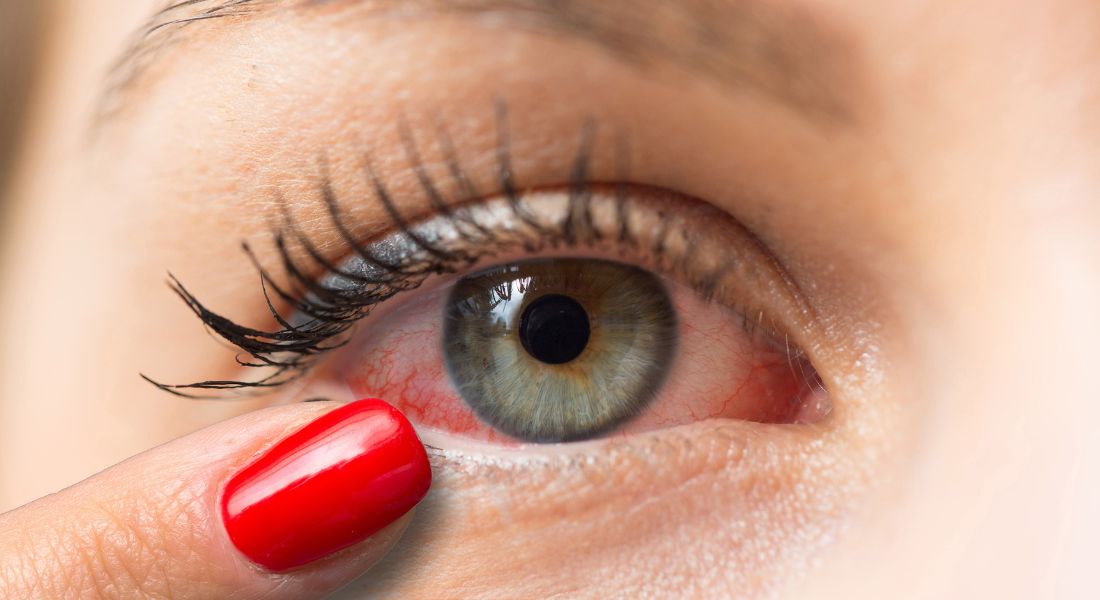
Dry eye occurs when your eyes don’t produce enough tears or when the quality of your tears is poor. Even mild cases can cause noticeable symptoms, including intermittent blurriness, burning or gritty sensations, redness, fluctuating vision, and sensitivity to wind or air conditioning. These issues can make everyday activities uncomfortable and may affect how your eyes respond to surgery.
Because dry eye can influence both comfort and visual recovery after LASIK, it’s essential for your surgeon to evaluate your eyes beforehand. Identifying and managing any tear production or quality issues prior to surgery helps ensure a smoother healing process and better overall outcomes.
Is LASIK Safe for People With Mild Dry Eye?
For many individuals, LASIK can be both safe and effective even if you have mild dry eye. When dryness is well managed prior to surgery, patients often achieve excellent visual outcomes without significant discomfort. Careful assessment and treatment of dry eye beforehand help ensure the eyes are in optimal condition for the procedure, reducing the risk of post-surgical complications or prolonged dryness.
Your suitability for LASIK depends on several factors, including the severity of your dry eye, its underlying cause, the stability of your tear film, and the function of your meibomian glands. Other important considerations include corneal nerve health, reflex tearing, and any inflammation on the eye’s surface. If your dry eye is mild and can be effectively treated or controlled, most surgeons will still consider you a good candidate for LASIK. With proper preoperative care and ongoing management, many patients with mild dry eye experience safe surgery, smooth recovery, and excellent long-term vision results.
Why LASIK Can Affect Dry Eye Even Temporarily
Even people without pre-existing dry eye often experience temporary dryness after LASIK. This occurs because the corneal flap created during the procedure can temporarily affect some of the nerves responsible for tear production, leading to reduced tear flow.
After surgery, it’s common to notice increased dryness for the first few weeks, fluctuating vision, frequent need for lubricating eye drops, and sensitivity to wind or air conditioning. This one-to-three-month period of dryness is a normal part of the healing process. The good news is that for most patients with mild dry eye, symptoms usually return to baseline or even improve once the eyes have fully healed, particularly when proper post-operative care and management strategies are followed.
How Surgeons Evaluate Mild Dry Eye Before LASIK
A thorough dry eye assessment is essential to determine whether LASIK is safe and likely to provide optimal results. This evaluation is often more detailed than patients expect and helps the surgeon understand the underlying causes of dryness, ensuring that any issues are managed before surgery.
During the assessment, your surgeon may check:
- Tear breakup time (TBUT): Measures how quickly your tears evaporate, which indicates tear film stability and how well your eyes stay lubricated throughout the day.
- Schirmer test: Assesses tear volume to determine if your eyes produce enough tears for comfort and proper healing.
- Tear osmolarity: Evaluates the concentration of your tear film, as higher osmolarity can signal inflammation or instability contributing to dryness.
- Meibomian gland imaging: Checks the function of oil glands in the eyelids, which are crucial for preventing rapid tear evaporation and maintaining a healthy tear film.
- Corneal staining: Identifies areas of dryness or damage on the cornea, helping the surgeon gauge how your eyes may respond to surgery.
- Eyelid condition: Looks for issues like blepharitis or inflammation, which can worsen dry eye symptoms if untreated.
- Environmental triggers: Considers factors such as exposure to air conditioning, prolonged screen time, or dry climates that could exacerbate dryness post-surgery.
If any issues are identified during this evaluation, they can often be treated or managed before LASIK, helping to improve comfort, healing, and visual outcomes after the procedure.
How Mild Dry Eye Is Treated Before LASIK
Treating mild dry eye before LASIK is important to ensure a smooth recovery and stable, long-lasting visual results. By addressing dryness in advance, your eyes are better prepared for surgery, which can reduce discomfort and help achieve optimal outcomes.
Common pre-LASIK dry eye treatments include:
- Regular lubricating drops: Help keep the eyes moist and comfortable throughout the day.
- Hot compresses: Improve oil flow from the meibomian glands, reducing tear evaporation.
- Omega-3 supplements: Support healthy tear production and overall eye lubrication.
- Punctal plugs: Temporarily block tear drainage to increase eye moisture.
- Eyelid hygiene: Cleansing the eyelids helps control blepharitis and inflammation that can worsen dryness.
- Anti-inflammatory eye drops: Reduce ocular surface inflammation and improve tear quality.
- Meibomian gland expression: Helps clear blocked oil glands, improving tear stability.
With these treatments, many patients notice an improvement in their dry eye symptoms even before undergoing LASIK, setting the stage for a more comfortable procedure and faster recovery.
When LASIK Is Suitable for Mild Dry Eye

LASIK can be a suitable option for patients with mild dry eye, provided certain conditions are met. You may be considered a good candidate if your dryness is mild, your tear film stabilises with pre-treatment, and there is no significant corneal staining. Healthy meibomian glands also play an important role in maintaining tear stability and ensuring a smoother recovery.
Additionally, your surgeon will consider whether your symptoms are likely to settle with proper aftercare and whether you understand that temporary dryness is normal after the procedure. The final decision always rests with your surgeon, who evaluates the overall health of your eyes to determine whether LASIK is safe and likely to provide optimal visual results.
When LASIK May Not Be Suitable
LASIK may be less suitable for individuals whose dry eye is moderate to severe or who rely heavily on artificial tears to maintain comfort. Patients with inflammatory dry eye, significant meibomian gland dysfunction, very low tear breakup time, or autoimmune-related dry eye conditions such as Sjögren’s syndrome may also be at higher risk of complications or prolonged discomfort after surgery. In these situations, your surgeon may recommend alternative vision correction procedures that are safer and less likely to exacerbate dry eye symptoms. Careful evaluation ensures that the chosen procedure aligns with your eye health and provides the best possible visual outcomes.
Alternatives to LASIK for People With Dry Eye
For patients with moderate to severe dry eye, LASIK may not be the safest option. Fortunately, there are alternative vision correction procedures that can reduce the risk of worsening dryness while still improving visual clarity.
- LASEK / PRK: LASEK is a surface laser treatment that, unlike LASIK, does not involve creating a corneal flap, which helps preserve more of the corneal nerves. This makes it a potentially better option for patients with dry eye, as it has less impact on tear production and is generally more comfortable in the long term. LASEK is also suitable for individuals with thinner corneas and carries a lower risk of worsening dry eye compared with LASIK.
- SMILE (Small Incision Lenticule Extraction): SMILE may be a suitable option for people with mild to moderate dry eye because it involves a smaller incision and affects fewer corneal nerves than LASIK. This results in minimal nerve disruption, which can lead to faster recovery from dryness and improved long-term comfort for patients concerned about tear production.
- Improving dry eye first, then reassessing: In some cases, the best approach is to focus on treating dry eye thoroughly before considering LASIK. With a few months of dedicated management using lubricating drops, eyelid hygiene, omega-3 supplements, or other therapies tear film stability can improve significantly. Once your eyes are healthier and dryness is under control, your surgeon can reassess your suitability for LASIK, increasing the likelihood of a safe procedure and a comfortable recovery.
How Dry Eye Behaves During LASIK Recovery
Even for patients with mild dry eye, the healing process after LASIK generally follows a predictable pattern. Understanding this timeline can help you manage expectations and take appropriate measures to support your eyes during recovery. Dryness, fluctuating vision, and sensitivity are normal early on, and knowing what to expect can make the first few weeks after surgery more manageable. With proper care and follow-up, most patients see gradual improvement, leading to stable vision and increased comfort over time.
Week 1: During the first week after LASIK, patients typically experience the heaviest dryness. Vision may be blurred or fluctuate throughout the day, accompanied by a burning or gritty sensation. Frequent use of lubricating eye drops is often necessary to maintain comfort and protect the healing cornea.
Weeks 2–4: During weeks two to four after LASIK, dryness typically begins to improve as tear production starts to stabilise. Vision gradually becomes clearer, and many patients notice increased comfort with everyday activities such as reading or using a computer. This period marks a significant step toward recovery, with the eyes adjusting and healing from the initial post-surgery dryness.
Weeks 4–12: Between four and twelve weeks after LASIK, most dryness usually resolves, allowing the eyes to feel more comfortable throughout the day. Night-time glare diminishes, making driving and other low-light activities easier. Reading, computer use, and other visually demanding tasks also become more comfortable as the eyes continue to heal and tear film stability improves.
Months 3–6: During months three to six after LASIK, corneal nerves continue to regenerate, which helps restore normal tear production and overall eye comfort. By this stage, many patients find their eyes feel even more comfortable than before surgery, with dryness largely resolved and vision stable for daily activities.
Tips for Managing Dry Eye After LASIK
Managing dry eye after LASIK can help speed up healing and reduce discomfort. Using preservative-free lubricating drops regularly keeps your eyes moist, while avoiding direct airflow from fans, heaters, or air conditioners prevents additional dryness. Taking regular breaks during screen time, following the “20-20-20 rule,” helps reduce eye strain, and wearing sunglasses outdoors protects your eyes from wind and sunlight.
Other helpful strategies include applying warm compresses daily to support tear gland function, blinking fully and frequently to maintain tear distribution, and staying well hydrated to support overall eye health. Consistently following these aftercare measures can significantly reduce dryness, promote faster recovery, and improve overall comfort after LASIK.
Can You Prevent Dry Eye After LASIK?
While some degree of temporary dryness is common after LASIK, there are several steps you can take to reduce both the risk and severity of dry eye. Pre-treating any existing dryness before surgery ensures your eyes are in the best possible condition, while frequent use of preservative-free lubricating drops during the first few weeks after the procedure helps maintain moisture and comfort. Avoiding environmental irritants such as smoke, direct airflow from fans or air conditioning, and harsh weather conditions can further protect your eyes as they heal.
In addition, managing screen time by taking regular breaks, following the “20-20-20 rule,” and practicing proper blinking techniques supports tear distribution and reduces strain. Nutritional support, such as omega-3 supplements, can also enhance tear quality and overall eye health. Your surgeon will develop a personalised aftercare plan tailored to your specific needs, ensuring that dryness is minimised and your recovery is as smooth and comfortable as possible.
Who Should Definitely Avoid LASIK Because of Dry Eye?
Dry eye is one of the most important factors surgeons consider before recommending LASIK. Patients with significant dryness or related eye conditions may experience prolonged discomfort, slower healing, or suboptimal results. Understanding who is at higher risk can help you choose a safer alternative for vision correction.
LASIK is not recommended if you have:
- Severe dry eye – LASIK can worsen dryness and cause prolonged discomfort, making healing slower and increasing the risk of complications.
- Significant corneal staining – Staining indicates an unhealthy corneal surface, which can compromise LASIK outcomes and delay recovery.
- Autoimmune dry eye – Conditions like Sjögren’s syndrome reduce tear production, making LASIK riskier and potentially causing persistent irritation.
- Unstable tear film – An inconsistent tear layer can lead to poor vision quality post-surgery and increase the likelihood of post-LASIK dryness.
- Severe meibomian gland dysfunction – Dysfunction of the oil glands affects tear quality, which may result in chronic dryness and poor healing after LASIK.
- Inflammatory eye disease – Active inflammation increases the risk of complications, delayed healing, and suboptimal visual outcomes.
For these patients, LASEK, SMILE, or non-surgical options may be safer, as they are less likely to exacerbate dry eye and allow the cornea to heal more gently.
Frequently Asked Questions:
- Will LASIK make my mild dry eye worse?
Even with mild dry eye, LASIK can temporarily increase dryness during the first few weeks after surgery. This happens because creating the corneal flap can affect nerves responsible for tear production, reducing tear flow. Most patients notice this temporary discomfort, but with proper preoperative treatment and diligent post-operative care including lubricating drops and eyelid hygiene the eyes usually return to their baseline level of moisture, and in some cases, symptoms improve over time. - Can I still achieve excellent vision with mild dry eye?
Yes, many patients with mild dry eye achieve excellent visual outcomes. When dryness is addressed and managed before surgery, LASIK is generally very effective. Surgeons carefully assess tear film stability, corneal health, and gland function to ensure the eyes are prepared for the procedure. This pre-treatment helps minimise complications and ensures a smoother recovery, allowing most patients to enjoy sharp, stable vision. - How do surgeons assess whether my dry eye is manageable for LASIK?
Surgeons perform a comprehensive evaluation that goes beyond simply asking about symptoms. Tests may include measuring tear production and stability, assessing corneal health for any staining or damage, checking the function of the meibomian glands, and evaluating eyelid health. They also consider environmental factors and lifestyle habits that could exacerbate dryness. By understanding the underlying causes and severity of dry eye, the surgeon can determine if LASIK is safe or if additional pre-treatment is needed. - Is there a risk of long-term worsening of dry eye after LASIK?
While temporary dryness is common, long-term worsening is uncommon in patients with mild, well-managed dry eye. Most patients find that any initial increase in dryness settles within weeks to months as the corneal nerves regenerate and tear film stabilises. Continued post-operative care, including preservative-free drops and lifestyle adjustments, can further reduce the risk of persistent symptoms. - Can LASIK be performed safely if I have environmental triggers that worsen dry eye?
Yes, but it requires careful planning. Surgeons take into account factors such as screen time, exposure to air conditioning, or living in a dry climate. They may recommend pre-treatment strategies to stabilise your tear film and advise on post-operative care to minimise irritation. With these precautions, LASIK can usually be performed safely while maintaining comfort throughout recovery. - What alternative procedures are recommended if LASIK is not suitable?
For patients whose dry eye is moderate to severe, procedures like LASEK or SMILE are often safer. LASEK does not involve creating a corneal flap, reducing disruption to tear-producing nerves. SMILE involves a smaller incision, which affects fewer corneal nerves and may lead to quicker recovery from dryness. In some cases, surgeons may suggest first treating dry eye for several months and then reassessing eligibility for LASIK once tear production stabilises. - How long does it take for dryness to improve after LASIK?
Dryness usually follows a predictable recovery pattern. The first week is often the most uncomfortable, with blurred vision and a gritty sensation. By the second to fourth week, tear production generally stabilises, and vision starts to become clearer. Between one to three months, most patients experience significant improvement, and by three to six months, corneal nerve regeneration helps restore normal tear production, leading to stable vision and comfort for daily activities. - Will using lubricating drops after LASIK make a difference?
Yes, preservative-free lubricating drops are one of the most effective tools for managing dry eye during recovery. Regular use helps maintain moisture on the ocular surface, prevents irritation, and protects the cornea as it heals. Many surgeons recommend drops multiple times a day in the early weeks and gradually tapering as symptoms improve. Combined with other strategies like eyelid hygiene and environmental adjustments, lubricating drops significantly enhance comfort and healing. - Can mild dry eye affect the quality of vision after LASIK?
Mild dry eye can cause temporary fluctuations in vision, especially in the early stages of recovery. Patients may notice intermittent blurriness or difficulty focusing. However, once tear film stabilises and corneal nerves regenerate, these fluctuations generally resolve. With proper pre-treatment and post-operative care, the majority of patients achieve stable, high-quality vision despite having mild dry eye. - Should I reconsider LASIK if I’ve had dry eye for a long time?
Not necessarily. Long-standing mild dry eye can often be managed effectively with pre-treatment strategies like lubricating drops, eyelid hygiene, omega-3 supplements, or minor procedures such as punctal plugs. What matters most is a careful evaluation by your surgeon, who will determine whether your eyes are stable enough for LASIK and whether any interventions are needed beforehand. With proper planning, even patients with a history of dry eye can achieve safe and successful outcomes.
Final Thought: Ensuring Safe and Comfortable LASIK Outcomes
Mild dry eye does not automatically disqualify you from LASIK, but a careful preoperative assessment is key to ensuring both safety and comfort. By evaluating tear film stability, corneal health, and the function of your meibomian glands, your surgeon can determine whether LASIK is a suitable option and implement strategies to reduce temporary post-surgical dryness. Proper pre-treatment, such as lubricating drops, eyelid hygiene, or minor interventions like punctal plugs, combined with diligent post-operative care, can make a significant difference in your recovery experience.
If you’re exploring whether Lasik surgery in London could benefit you, get in touch with us at Eye Clinic London to schedule your consultation. Our team can assess your eyes, discuss personalised treatment options, and help you make an informed decision about the safest and most effective way to achieve clear, comfortable vision.
References:
- Yahalomi, T., Achiron, A., Arnon, R., Stanescu, N. & Pikkel, J. (2023) ‘Dry Eye Disease following LASIK, PRK, and LASEK: An Observational Cross‑Sectional Study’, Journal of Clinical Medicine, 12(11), 3761. https://www.mdpi.com/2077-0383/12/11/3761
- Tsai, T. (2022) ‘Changes of Subjective Symptoms and Tear Film Metrics After Femto‑LASIK: A Prospective Analysis’, International Journal of Molecular Sciences, 23(14), 7512. https://www.mdpi.com/1422-0067/23/14/7512
- Shtein, R.M. (2011) ‘Post-LASIK Dry Eye’, Surv Ophthalmol, 56(6), pp. 509–514. https://pmc.ncbi.nlm.nih.gov/articles/PMC3235707/
- Nair, S. et al. (2023) ‘Refractive Surgery and Dry Eye An Update’, Eye & Contact Lens: Science & Clinical Practice, [online]. https://pmc.ncbi.nlm.nih.gov/articles/PMC10276666/
- Reilly, C., Wang, L. & Koch, D.D. (2016) ‘Short-Term Impact of FS-LASIK and SMILE on Dry Eye Metrics and Corneal Nerve Morphology’, Journal of Ophthalmology, 2016, https://pubmed.ncbi.nlm.nih.gov/32243424/