


LASIK Eye Surgery for Heavy Screen Users (Office Workers & Gamers)
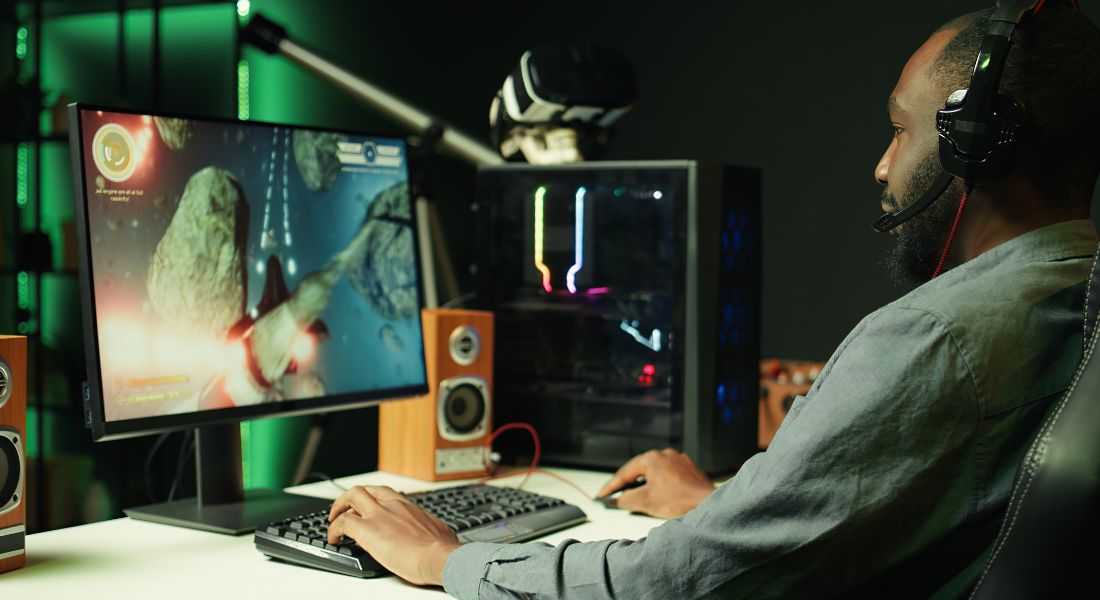
If you spend most of your day looking at screens, you’re definitely not alone. Whether you’re working long office hours, switching between multiple monitors, playing games late into the night, or scrolling on your phone, your eyes are constantly focusing, adjusting and working overtime. It’s no surprise that many heavy screen users eventually start thinking about LASIK. After all, wearing glasses during long screen sessions can be uncomfortable, and contact lenses often become dry or irritating.
The truth is this: LASIK can be an excellent option for screen-heavy lifestyles, but you need realistic expectations and a good understanding of dryness, visual fatigue and recovery. Your working habits don’t usually disqualify you, but they do affect how you prepare and how you heal.
How Heavy Screen Use Affects Your Eyes Before LASIK
Many people experience the symptoms of digital eye strain without realising it. Screens demand constant focusing and re-focusing, particularly when switching between distances. Office workers, students, and gamers often blink less, stare for long periods, and work in lighting conditions that aren’t always ideal, which can worsen eye discomfort.
Common pre-LASIK issues for heavy screen users include:
- Dryness or grittiness: Reduced blinking during screen use can leave eyes feeling dry or sandy.
- Mild blur after long sessions: Eyes can struggle to maintain focus after extended periods at close range.
- Eye strain or pressure: Muscles around the eyes may feel tired or achy after prolonged screen time.
- Headaches: Persistent near work and eye fatigue can trigger tension headaches.
- Light sensitivity: Bright screens or glare may become uncomfortable after long exposure.
- Difficulty focusing when looking away: Shifting focus from screen to distance can feel challenging or sluggish.
- Burning sensation: Dryness and strain can cause a warm, irritated feeling in the eyes.
- Redness in the evening: Prolonged screen use can lead to tired, bloodshot eyes by the end of the day.
These symptoms are behavioural and environmental, not caused by your prescription. Understanding this distinction is important before LASIK, because while the procedure corrects your vision, it does not change habits or screen-induced strain.
Does Heavy Screen Use Affect Your LASIK Suitability?

Heavy screen use doesn’t automatically make you unsuitable for LASIK, but it does mean your eyes need careful assessment. Your surgeon will examine your tear film, blink patterns, and your cornea’s ability to tolerate temporary dryness to ensure a safe procedure.
You’re likely a good candidate if your corneas are healthy, your prescription is stable, and any dryness is mild or manageable. Patients who don’t overwear contact lenses and are willing to follow post-operative dryness care usually do well. Some may need extra preparation if they have moderate to severe dryness, meibomian gland dysfunction (MGD), constant eye irritation, or conditions like blepharitis or rosacea.
LASIK may not be advisable if your dryness is severe, unresolved, or if there are corneal irregularities or a severely compromised tear film. In many cases, however, dryness and related issues can be treated first, making LASIK a safe option later on.
Will LASIK Make Dryness Worse for Heavy Screen Users?
Temporary dryness is one of the most common side effects of LASIK. For people who spend long hours on screens, it may feel more pronounced because screen use naturally reduces blink frequency, leaving eyes more prone to dryness.
After LASIK, corneal nerves are temporarily disrupted, which can slightly reduce the blink reflex. This, combined with the natural healing process, means the eyes need time to restore their normal moisture balance.
Most patients find that dryness improves gradually over weeks to months. While it can be noticeable at first, it rarely causes long-term problems when managed properly.
Proper post-operative care is key, especially during the first 4–12 weeks. Using recommended lubricating drops, taking regular breaks from screens, and following your surgeon’s guidance can make a significant difference in comfort and recovery.
Will LASIK Make Dryness Worse for Heavy Screen Users?
Temporary dryness is one of the most common side effects of LASIK, and it affects nearly everyone to some degree. For heavy screen users, it may feel more noticeable because prolonged screen time naturally reduces blink frequency, making the eyes more prone to dryness.
Dryness occurs after LASIK because corneal nerves are temporarily disrupted, which slightly reduces the blink reflex. The eyes then need time to regain their natural moisture balance as they heal.
Most patients experience improvement over weeks to months as the eyes recover. While dryness can be uncomfortable initially, it is usually temporary and resolves with proper care.
Focusing on post-operative care during the first 4–12 weeks makes a significant difference. Using lubricating drops, taking screen breaks, and following your surgeon’s instructions helps manage dryness effectively and supports a smoother recovery.
Is LASIK Safe for Gamers and Office Workers?
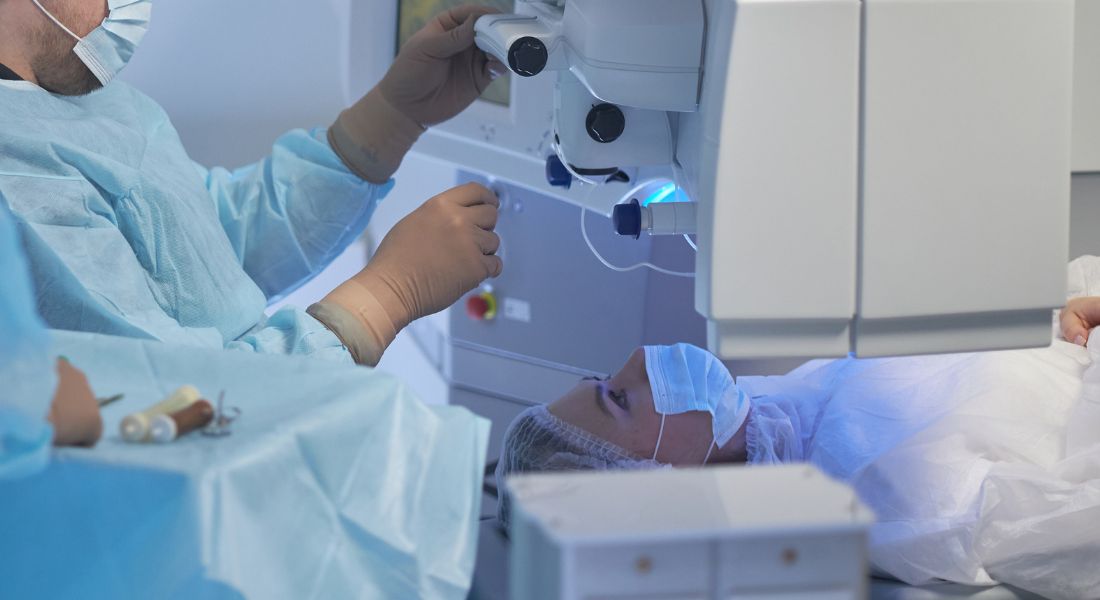
Yes, LASIK is highly safe and effective for people who spend long hours using screens. Surgeons routinely perform LASIK on software developers, designers, accountants, graphic artists, content creators, gamers, and medical professionals, all of whom rely heavily on visual precision for their work.
The most important factor is knowing how and when to resume screen activity during recovery. Eyes need time to heal and re-establish natural moisture and focus, so following your surgeon’s guidance is essential to avoid strain and support optimal healing.
For most patients, including gamers, coders, and remote workers, light screen use can safely resume within 24–48 hours after surgery. This allows them to stay productive while still protecting the healing cornea.
Screen time is then gradually increased as comfort improves. By pacing your return to intensive work or gaming, you can safely resume full routines and enjoy the visual clarity and convenience that LASIK provides, even with heavy daily screen use.
How LASIK Improves Digital Comfort for Many People
With our lives increasingly dominated by screens, many people experience eye strain, dryness, and headaches long before they consider corrective surgery. LASIK not only improves visual clarity but can also make daily screen use more comfortable by reducing the effort your eyes need to focus.
No more drying contact lenses – Contact lenses can reduce oxygen flow to the eyes and often worsen dryness, particularly during long hours at a computer or gaming. LASIK removes this dependency, helping eyes stay more comfortable.
No more foggy or smudged glasses – Glasses can create glare from monitors or reflections from overhead lights, which contributes to eye strain. With LASIK, you no longer have to contend with these visual distractions.
Reduced squinting – Clear vision means your eyes don’t have to work as hard to maintain focus, reducing tension around the eyes and decreasing fatigue.
Better long-distance to near transitions – Switching between screens, paperwork, or multiple devices becomes easier because your eyes can adjust more naturally without additional effort.
More natural blinking – When your vision is clear and eyes feel comfortable, your blink rate often improves, helping to prevent dryness and irritation during screen use.
The combination of sharper vision and reduced lens-related irritation makes daily screen use significantly easier and more comfortable for many patients, especially those who spend long hours in front of computers or digital devices.
Understanding LASIK for Different Types of Screen Users
Screen-heavy lifestyles vary widely. You might spend your day working on spreadsheets, or you could be gaming for hours at a time. Each scenario places different demands on your eyes, and LASIK can help address these challenges in ways tailored to your routine.
LASIK for Remote Workers and Office Professionals
If you spend long hours in front of a computer, you’re likely familiar with eye strain, dryness, and visual fatigue. LASIK can make a noticeable difference in daily comfort and productivity.
Benefits for office professionals:
- Better mid-range clarity for reading documents and viewing multiple screens simultaneously.
- Sharper focus across multiple monitors, reducing eye fatigue during long workdays.
- Less reliance on drying contact lenses, which can worsen digital eye strain.
- Reduced glare and reflections from glasses, improving comfort under office lighting.
- Improved comfort during long video calls or online meetings, helping you maintain focus.
- More efficient workflow, as your eyes can move naturally between tasks without extra strain.
LASIK provides vision that feels natural and consistent across your entire workday.
LASIK for Gamers
Gaming demands quick visual responses, accurate focus, and clarity in both bright and low-light conditions. LASIK can help optimise these aspects for better performance and comfort.
Benefits for gamers:
- Better sharpness, improving reaction times and visual accuracy.
- Improved motion clarity, making fast-paced gaming smoother and less fatiguing.
- Less halo effect compared with contact lenses, reducing distractions in dark or high-contrast scenes.
- Lower eye fatigue, allowing longer and more comfortable gaming sessions.
Tip: Ensure your eyes have adequate resting time during recovery to achieve optimal results.
LASIK for Designers, Editors & Creatives
Professionals in visual fields—graphic design, video editing, 3D modelling—need consistent precision across multiple distances. LASIK helps maintain clarity and visual comfort throughout the day.
Benefits include:
- Crisper detail, essential for editing or creating accurate designs.
- Better colour perception, supporting accurate work in creative projects.
- Consistent visual focus, even when switching between screens, tablets, and printed materials.
- No distortion from prescription lenses, allowing a more natural and uninterrupted workflow.
LASIK for Software Developers & Programmers
Coders often spend 8–14 hours daily staring at screens, which can lead to significant eye strain even before surgery. LASIK can enhance visual clarity and reduce the effort needed for prolonged computer work.
Benefits include:
- Sharper distance and mid-range clarity, supporting monitor use and multi-screen setups.
- Reduced reliance on corrective lenses, lowering discomfort caused by prolonged wear of glasses or contacts.
- Improved visual endurance, though careful dryness management during recovery is essential to maintain comfort.
What Happens During a LASIK Assessment for Heavy Screen Users
For heavy screen users, a LASIK assessment is thorough because eye comfort is just as important as visual clarity. The surgeon needs a complete understanding of how your eyes function and how they might respond to dryness after the procedure.
A typical assessment includes evaluating your tear film, analyzing blink patterns, and checking meibomian gland function. The shape and thickness of your cornea are measured, and your prescription stability is verified to ensure predictable outcomes.
Other checks often include assessing pupil size in dim light and conducting a retinal evaluation. These steps help the surgeon anticipate how your eyes may react to screen use post-surgery. By examining all these factors, your surgeon can tailor LASIK to your specific needs, minimising risks and optimising comfort and visual results for heavy screen users.
The Role of Dry Eye Management Before LASIK

Managing dry eye before LASIK is important to ensure your eyes are in the best possible condition for surgery. Proper preparation can make recovery smoother and reduce the risk of discomfort or complications.
Pre-surgery treatments may include warm compresses, omega-3 supplements, lubricating eye drops, and maintaining good lid hygiene. Additional interventions might involve meibomian gland dysfunction (MGD) treatments, medication for blepharitis, or short-term anti-inflammatory drops.
By addressing dryness and improving tear film quality beforehand, your eyes are better equipped to heal efficiently after LASIK. This proactive approach helps maximise comfort, visual clarity, and overall results, especially for patients who spend long hours on screens or are prone to dry eye.
What To Expect After LASIK as a Heavy Screen User
After LASIK, most patients notice improved vision almost immediately, but comfort and full visual stability take time to develop. Early symptoms are common and usually temporary.
Typical early symptoms include mild dryness, slight blurring in bright or dim light, haloes at night, a gritty sensation, and temporary light sensitivity. These effects generally improve gradually as the eyes heal.
For screen use, the recommended timeline is usually: light use only during the first 24–48 hours, longer sessions with regular breaks from days 3–7, and most people can resume normal full-time screen activity by weeks 2–4.
By months 3–6, dryness and other temporary side effects almost always stabilise fully. Following your surgeon’s post-operative instructions carefully is essential to minimise discomfort and support optimal healing.
Tips for Comfortable Post-LASIK Screen Use
After LASIK, supporting your tear film is essential, especially since blink rate naturally drops during prolonged screen use. Simple habits can make a big difference in comfort and eye health.
Use lubricating drops regularly, even if your eyes feel fine, to maintain moisture. Follow the 20-20-20 rule: every 20 minutes, look 20 feet away for 20 seconds to reduce strain. Consciously increase your blink rate during gaming, coding, or long screen sessions.
Adjust your screen setup by placing monitors slightly below eye level, avoiding harsh overhead lighting, and using warmer screen tones. Use artificial tears before extended gaming or work sessions to prevent dryness before it starts.
Take micro-breaks, even for 10 seconds, to refresh your tear film. Stay hydrated and consider using a humidifier, particularly during winter or in dry environments. Adopting these habits helps your eyes remain comfortable long-term and supports optimal recovery after LASIK.
LASIK vs SMILE vs PRK for Heavy Screen Users
For people who spend long hours on screens, your surgeon may recommend different procedures based on your tear film, corneal thickness, and lifestyle needs. Each option has unique advantages and considerations.
LASIK offers fast recovery and is suitable for most screen users. Temporary dryness is mild and typically resolves within a few weeks, making it a convenient choice for returning to work or gaming quickly.
SMILE tends to cause less postoperative dryness, making it excellent for gamers, coders, and heavy digital device users. With no flap and minimal irritation, SMILE supports a comfortable recovery while maintaining sharp vision.
PRK / TransPRK is preferred for patients with thinner corneas. Recovery is longer, but long-term dryness is usually less pronounced. Many screen-heavy patients opt for LASIK or SMILE because they provide faster results and a quicker return to digital work, while still maintaining excellent visual outcomes.
Does LASIK Affect Night Vision for Gamers?
Temporary haloes, starbursts, or glare can occur for a few weeks after LASIK, particularly in low-light conditions. These effects are usually mild and settle as the cornea heals and the eyes adjust. Gamers who play in dark rooms may notice these visual phenomena slightly more, but they generally improve over time with proper recovery.
Your surgeon takes your pupil size and specific visual needs into account during preoperative planning to minimise the risk of night vision disturbances. With careful assessment and follow-up, most patients regain clear, comfortable night vision, allowing gamers to enjoy their activities without long-term issues.
How Long Until You’re Fully Comfortable With Screens After LASIK?
Most patients notice that their vision and comfort return to normal within 2–4 weeks after LASIK. During this time, mild dryness or visual fluctuations are common but gradually improve.
Heavier screen users or those with a history of dry eyes may require a longer adjustment period, typically 6–12 weeks, as their eyes adapt and the tear film stabilises. Complete resolution of dryness and full visual comfort usually occurs within 3–6 months. Following your surgeon’s post-operative care instructions helps ensure a smoother and faster recovery.
FAQs:
- Can heavy screen use prevent me from having LASIK?
Heavy screen use by itself does not prevent you from having LASIK. What matters is the overall health of your eyes, tear film stability, and corneal condition. Surgeons will evaluate how your eyes respond to dryness and whether any pre-existing issues, such as meibomian gland dysfunction or significant dry eye, need treatment first. With proper assessment and preparation, most screen-heavy users are suitable candidates. - Will LASIK make my eyes drier if I spend a lot of time on screens?
After LASIK, temporary dryness is common, particularly for those who spend long hours looking at screens. This occurs because corneal nerves are temporarily disrupted, slightly reducing the blink reflex. However, with proper post-operative care, including lubricating drops, scheduled screen breaks, and following your surgeon’s guidance, dryness usually improves over weeks to months and rarely causes long-term problems. - How soon can I return to using screens after LASIK?
Light screen use can generally resume within 24–48 hours after surgery. Over the following days, screen time should be gradually increased with regular breaks to prevent strain and allow the eyes to adjust. Most heavy screen users can return to full-time digital work or gaming within 2–4 weeks, while complete comfort may take up to 6–12 weeks depending on individual healing and pre-existing dryness. - Does LASIK improve comfort for long hours of screen use?
Yes, LASIK can make long hours on screens more comfortable by reducing the effort your eyes need to focus. Corrected vision lessens squinting, improves clarity, and helps maintain a more natural blink rate. Many patients notice reduced tension, fewer headaches, and better visual endurance during extended computer or gaming sessions. - Are there specific LASIK options better suited for screen-heavy users?
Different procedures may be recommended depending on tear film stability, corneal thickness, and lifestyle. LASIK is convenient with fast recovery and predictable results, while SMILE tends to cause less postoperative dryness, making it suitable for heavy digital users. PRK may be considered for patients with thinner corneas, although the recovery period is longer. Surgeons tailor the choice based on your individual eye health and visual needs. - Will LASIK affect my night vision, especially in gaming or dimly lit environments?
Temporary visual effects, such as haloes or glare, can occur during the first few weeks after LASIK, particularly in low-light conditions. Most patients find that these symptoms improve naturally as the cornea heals and the eyes adapt. Careful preoperative assessment, including pupil size and visual requirements, helps minimise these issues and ensures that night vision is preserved for gaming or work. - Can LASIK prevent digital eye strain entirely?
LASIK cannot prevent all symptoms related to prolonged screen use because some eye strain comes from behavioural and environmental factors, such as lighting, screen distance, and reduced blinking. However, it does reduce the strain caused by refractive errors, making eyes work less hard to focus and improving overall comfort during screen time. Post-LASIK habits, like following the 20-20-20 rule and using artificial tears, are still important. - How does LASIK affect contact lens wearers who use screens often?
For those who rely on contact lenses, LASIK can be particularly beneficial. Contacts can worsen dryness, especially during long hours at a computer or while gaming. After LASIK, many patients enjoy clear vision without needing lenses, eliminating dryness caused by contact lens wear and reducing irritation during extended screen use. - Is there a difference in recovery between gamers and office workers?
The recovery principles are similar, but gamers and office workers may notice differences based on the intensity and type of screen use. Gamers may require more careful pacing when returning to long sessions or high-contrast environments, while office workers might adjust more quickly. In both cases, gradual screen exposure and consistent use of lubricating drops support optimal healing. - What long-term benefits can heavy screen users expect from LASIK?
Long-term, LASIK can provide sharper, more comfortable vision and reduce the reliance on corrective lenses, improving daily productivity and overall quality of life. It can help lessen eye strain, improve visual endurance, enhance clarity across multiple screens or distances, and support a more natural blink rate, making extended screen use easier and more comfortable.
Final Thought: LASIK for Heavy Screen Users
If you spend long hours in front of screens, LASIK can significantly improve both your vision and daily comfort, reducing eye strain, dryness, and reliance on corrective lenses. Understanding your unique visual needs, managing pre-existing dryness, and following proper post-operative care are essential for achieving the best results, whether you’re an office professional, gamer, or digital creative.
If you’re exploring whether lasik surgery in London could benefit you, get in touch with us at Eye Clinic London to schedule your consultation. Our specialists will assess your eyes, discuss the most suitable procedure for your lifestyle, and guide you through every step to ensure a safe and comfortable outcome.
References:
- Nair, S., Shah, P., Jumelle, C., et al. (2023) Refractive surgery and dry eye – An update, Journal of Ophthalmology. https://pmc.ncbi.nlm.nih.gov/articles/PMC10276666/
- Tamimi, A., Kramer, A., & Sabeti, S. (2023) Post‑LASIK dry eye disease: A comprehensive review, Frontiers in Medicine. https://pmc.ncbi.nlm.nih.gov/articles/PMC10126282/
- Solomon, R., Donnenfeld, E.D., & Perry, H.D. (2004) The effects of LASIK on the ocular surface, Survey of Ophthalmology. https://www.sciencedirect.com/science/article/abs/pii/S1542012412700228
- Denoyer, A., Landman, E., Trinh, L., et al. (2015) Dry eye disease after refractive surgery: Comparative outcomes of SMILE versus LASIK, Ophthalmology. https://www.sciencedirect.com/science/article/abs/pii/S016164201400952X
- Yahalomi, T., Cohen, Y., & Livny, E. (2023) Dry Eye Disease following LASIK, PRK and LASEK: A Prospective Cohort Study, Journal of Clinical Medicine, 12(11), 3761. https://www.mdpi.com/2077-0383/12/11/3761