


LASIK Eye Surgery for Diabetics: When Is It Safe?
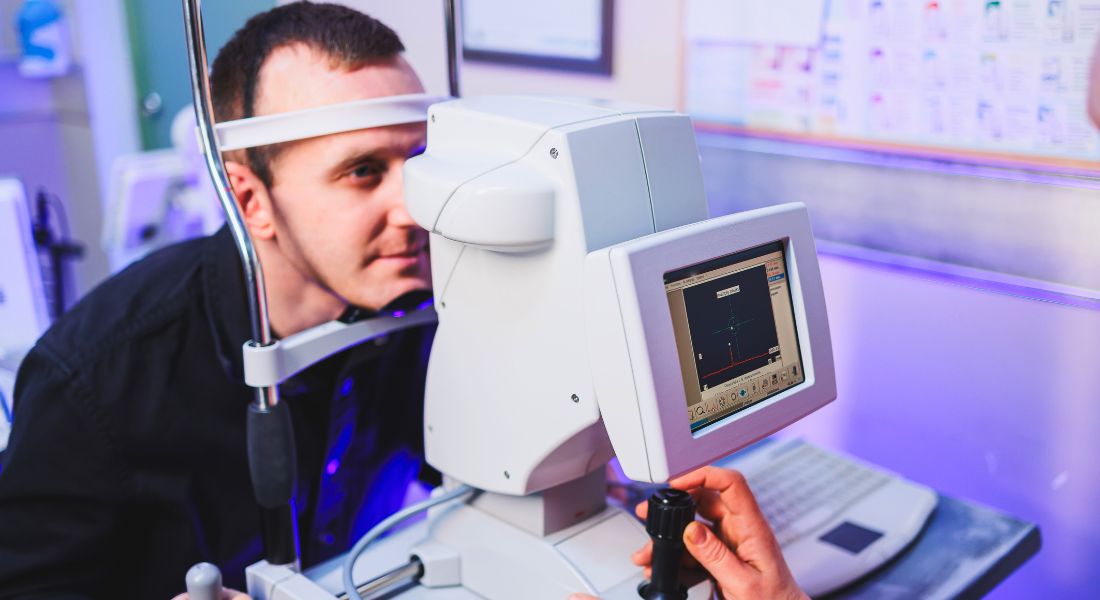
If you have diabetes and are considering LASIK eye surgery, it’s completely normal to have questions and concerns. Diabetes can affect vision stability, healing, and overall eye health, which naturally raises doubts about whether laser eye surgery is safe or appropriate for you. Many patients worry that a diabetes diagnosis automatically rules them out.
The reality is more nuanced. Diabetes does not automatically disqualify you from LASIK, but it does mean your eyes and overall health need to meet stricter criteria. Blood sugar control, eye health, and stability over time all play a crucial role in determining suitability.
In this guide, I’ll explain how diabetes affects your eyes, when LASIK may be considered safe, what risks need careful assessment, and when alternative treatments may be more appropriate. The aim is to help you make an informed decision based on facts, not assumptions.
How Diabetes Affects Your Eyes
Diabetes can affect the eyes in several ways, particularly when blood sugar levels are poorly controlled over long periods. High blood sugar can damage small blood vessels in the retina, leading to conditions such as diabetic retinopathy.
Fluctuating blood sugar levels can also cause temporary changes in vision. You may notice your eyesight becoming blurrier at times, then improving again, which indicates instability rather than a fixed refractive error. Because LASIK permanently reshapes the cornea, stable vision is essential. Any condition that causes ongoing fluctuations must be carefully evaluated before surgery is considered.
Why Vision Stability Matters for LASIK
LASIK works best when your vision prescription has remained stable for a reasonable period. Frequent changes in eyesight can make laser correction less predictable and affect long-term results. Patients with stable vision are more likely to achieve consistent outcomes.
In people with diabetes, fluctuations in blood sugar can temporarily change the shape of the cornea and the focus of the lens. These shifts may appear as a refractive error that could resolve once blood sugar levels stabilise. Understanding this is important when planning surgery.
It’s not enough for your vision to be stable only on the day of testing. True stability over several months ensures that the procedure addresses your long-term needs rather than temporary fluctuations.
Assessing vision stability is one of the most important factors in determining LASIK safety. Ensuring consistent eyesight helps protect both the effectiveness of the surgery and your overall eye health.
Is Diabetes an Automatic Contraindication for LASIK?
Having diabetes does not automatically prevent you from having LASIK. Many individuals with well-controlled diabetes safely undergo eye procedures each year.
The key factor is how well your diabetes is managed rather than the diagnosis itself. Surgeons consider blood sugar control, the presence of any diabetes-related eye complications, and your overall healing capacity.
Uncontrolled diabetes, however, can significantly increase the risk of complications during and after surgery. In such cases, LASIK is usually postponed or avoided until blood sugar levels are better controlled and the eyes are in a healthier condition.
The Role of Blood Sugar Control
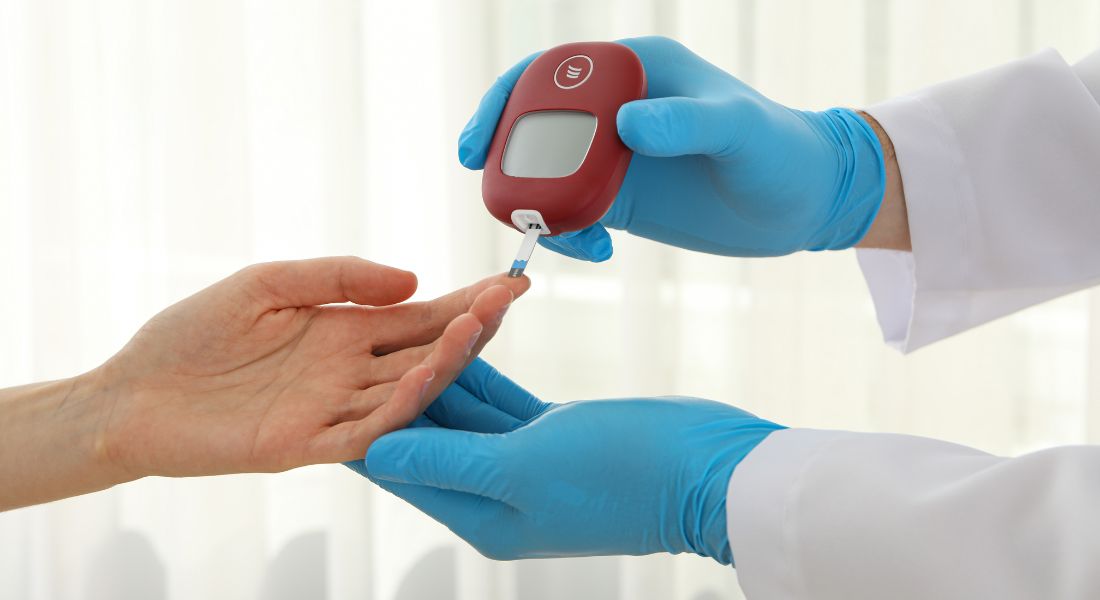
Maintaining good blood sugar control is crucial for the safety and success of LASIK surgery in patients with diabetes. Stable glucose levels help the cornea heal efficiently, reduce the risk of complications, and support reliable visual outcomes. Surgeons carefully evaluate blood sugar because even small fluctuations can affect recovery and comfort.
Poorly controlled blood sugar can increase the likelihood of:
- Slower corneal healing after surgery: Elevated glucose levels can impair cellular repair, making the cornea take longer to recover. This may prolong visual stabilisation and increase the need for additional post-operative visits.
- Increased risk of infection or inflammation: High blood sugar weakens the immune response, making the eye more susceptible to infection or excessive inflammation. Proper control reduces these risks and helps the eye respond predictably to treatment.
- Greater chance of dry eye symptoms: Diabetes can affect tear production and ocular surface health. Unstable glucose can worsen dryness, irritation, or fluctuating vision during the recovery period.
- Less predictable visual outcomes: Variability in healing can impact how the cornea reshapes after LASIK, potentially affecting final visual acuity or prolonging the adjustment period.
- Potential impact on overall comfort and recovery experience: Poor control can increase sensitivity, discomfort, and the likelihood of needing additional interventions, which may delay your return to normal activities.
Because of these risks, surgeons typically request recent HbA1c results or confirmation from your GP or diabetes specialist before proceeding. Ensuring stable blood sugar not only protects your safety but also supports smoother recovery, reduces post-operative complications, and increases the likelihood of achieving optimal, long-lasting visual results.
Diabetic Retinopathy and LASIK Eligibility
Diabetic retinopathy is one of the most important factors in determining whether LASIK is a safe option. While the condition affects the retina rather than the cornea, its presence can have a significant impact on surgical eligibility and outcomes. Eye surgeons carefully evaluate the overall health of the retina before recommending any laser eye procedure.
Active or advanced diabetic retinopathy usually rules out LASIK entirely. Because the surgery does not address retinal disease, performing it in such cases could complicate ongoing eye care and increase the risk of vision problems. Maintaining retinal health is therefore a top priority when considering candidates with diabetes.
In cases where retinopathy is mild, stable, and closely monitored, LASIK may still be considered. Surgeons will thoroughly assess the condition, ensuring that any procedure will not interfere with the management of the retina or overall eye health.
Healing After LASIK With Diabetes
Healing after LASIK is usually fast, but diabetes can sometimes slow the process. This doesn’t mean recovery will be poor, but it does make careful monitoring especially important.
The cornea relies on healthy nerve function and proper circulation to repair itself efficiently. In people with long-standing diabetes, both of these factors can be affected, which may slightly delay healing.
Maintaining stable blood sugar levels is crucial for a smooth recovery. Proper adherence to post-operative care instructions further supports the cornea’s healing process.
When these precautions are followed, most patients with diabetes recover successfully without significant complications, achieving results comparable to those without the condition.
Dry Eye Risk in Diabetic Patients
Dry eye is a common and usually temporary side effect of LASIK surgery. For patients with diabetes, the risk or severity of dry eye symptoms can be higher, making careful management important.
Diabetes can reduce corneal nerve sensitivity, which affects tear production and may lead to more persistent dryness. If not addressed, this can impact comfort and healing after surgery.
A thorough pre-operative dry eye assessment is therefore essential for diabetic patients. Identifying potential issues early allows the clinic to plan appropriate preventive measures.
Proactive treatment and monitoring can help manage symptoms effectively, supporting a smoother recovery and improving overall outcomes for patients with diabetes.
Type 1 vs Type 2 Diabetes: Does It Change Suitability?
Both Type 1 and Type 2 diabetes are assessed carefully, but the key factor remains the same: stability.
People with Type 1 diabetes may be suitable if their condition is well managed and eye health is good. People with Type 2 diabetes may also be suitable, particularly if blood sugar levels are consistently controlled.
The type of diabetes matters less than overall management, duration of the condition, and presence of complications.
How Surgeons Assess LASIK Candidacy in Diabetics
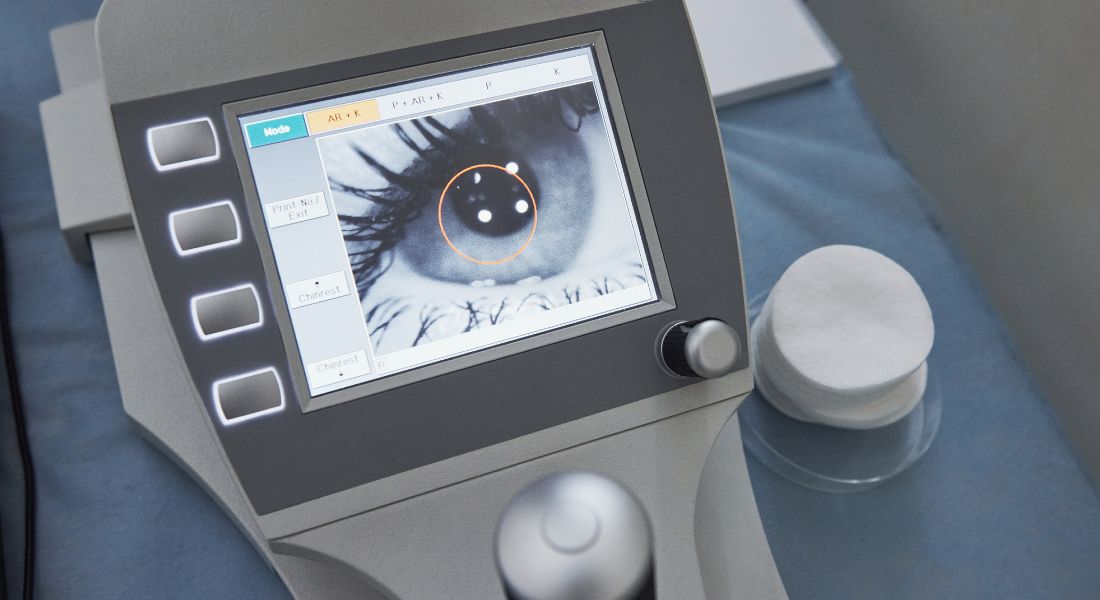
A responsible clinic does not approve LASIK based solely on your vision prescription. Surgeons carefully review your medical history, diabetes control, and overall eye health before determining suitability.
The assessment usually involves a comprehensive eye examination, corneal mapping, tear film analysis, and retinal evaluation. Blood sugar stability and overall diabetes management are also considered during the consultation.
This thorough evaluation helps identify any risks that could affect healing or outcomes. By assessing all relevant factors, surgeons aim to protect your vision and ensure that LASIK is genuinely safe and appropriate for patients with diabetes.
When LASIK May Be Considered Safe
LASIK can be a safe and effective option for patients with diabetes if certain conditions are met. Careful pre-operative assessment ensures both safety and predictable visual outcomes.
LASIK may be considered safe if:
- Your diabetes is well controlled and stable: Consistent blood sugar levels reduce the risk of delayed healing, infection, or post-operative complications.
- Your vision prescription has not fluctuated: Stable refractive error ensures that the correction achieved with LASIK remains accurate over time.
- There is no active diabetic retinopathy: Eye health must be carefully assessed because existing retinal damage can increase the risk of complications and affect visual recovery.
- Your corneal health is good: Healthy corneal thickness, shape, and surface integrity are essential for safe laser treatment and predictable healing.
- You understand the risks and limitations: Realistic expectations about outcomes, recovery, and potential side effects help ensure satisfaction and informed consent.
When these criteria are met, LASIK can provide reliable vision correction while minimising risks, offering patients a safe path to clearer vision.
When Alternative Treatments May Be Better
There are several situations where LASIK may not be the safest or most effective option. Patients with poorly controlled diabetes, unstable blood sugar levels, or existing eye health issues may face higher risks if they undergo LASIK. In these cases, pursuing alternative treatments can be a safer and more predictable approach.
Alternative options include procedures such as PRK, which reshapes the cornea without the same depth of tissue removal as LASIK, or lens-based surgeries that correct vision internally. For some patients, continuing to use glasses or contact lenses may remain the best choice.
A responsible surgeon will take the time to explain why a particular alternative is preferable, rather than pushing LASIK regardless of the risks. They will discuss potential benefits, recovery expectations, and any limitations of other treatments, ensuring patients can make fully informed decisions.
By considering alternative treatments when necessary, patients can protect their vision and overall eye health. This careful, personalised approach ensures that any procedure or solution chosen aligns with both medical safety and long-term quality of life.
Managing Expectations Realistically
LASIK can effectively improve refractive vision, but it does not treat diabetes-related eye conditions or prevent future changes caused by blood sugar fluctuations. Patients need to understand this distinction to set realistic expectations.
While LASIK can reduce dependence on glasses or contact lenses, it is not a guarantee of lifelong perfect vision. Vision may still change over time, especially if diabetes is not well controlled.
Being aware of these limitations helps patients approach the procedure with a practical mindset. Clear, realistic expectations contribute to higher satisfaction and better overall outcomes, making the experience safer and more rewarding.
The Importance of Choosing the Right Clinic
When diabetes is a factor, the experience and approach of the clinic become especially important. Patients need practitioners who carefully assess suitability and provide clear explanations of potential risks.
For those considering LASIK surgery in London, selecting a clinic that prioritises thorough medical screening and patient education is essential. Rushed consultations or unclear answers can be warning signs of inadequate care.
A cautious, detailed approach helps protect both your vision and your peace of mind. Choosing the right clinic ensures safer outcomes and a more confident experience throughout the procedure.
Emotional and Lifestyle Considerations
Living with diabetes can be emotionally demanding, and vision concerns often add to that stress. Wanting visual freedom is completely understandable.
LASIK should be considered as part of overall self-care, not a quick fix. Feeling informed and supported makes the experience healthier and more positive. Your decision should align with both your eye health and your long-term wellbeing.
FAQs:
- Can people with diabetes safely undergo LASIK eye surgery?
Yes, people with diabetes can safely undergo LASIK if their condition is well controlled and their eyes are healthy. Surgeons carefully evaluate blood sugar stability, retinal health, and corneal integrity to ensure that the procedure is appropriate and safe. - Does having Type 1 or Type 2 diabetes affect eligibility for LASIK?
The type of diabetes matters less than how well it is managed. Both Type 1 and Type 2 patients may be suitable for LASIK as long as their blood sugar is stable, vision has remained consistent, and there are no active diabetes-related complications affecting the eyes. - Why is blood sugar control important before LASIK?
Maintaining stable blood sugar levels helps the cornea heal efficiently, reduces the risk of infection or inflammation, and supports more predictable visual outcomes. Poorly controlled diabetes can slow recovery and may increase the likelihood of post-operative complications or dry eye symptoms. - How does diabetes affect healing after LASIK?
Diabetes can slightly delay corneal healing due to changes in nerve function and microvascular circulation. However, patients with well-managed diabetes generally recover successfully when they follow post-operative care instructions and maintain stable blood sugar levels. - Can diabetic retinopathy prevent someone from having LASIK?
Yes, active or advanced diabetic retinopathy typically rules out LASIK, as the procedure does not treat retinal disease. In mild, stable cases that are closely monitored, LASIK may still be considered, but retinal health must be thoroughly evaluated before proceeding. - Does LASIK improve vision permanently for diabetic patients?
LASIK can provide long-term improvement in refractive vision, but it does not prevent changes caused by diabetes. Vision may still fluctuate over time if blood sugar control is not maintained, so patients should have realistic expectations regarding the longevity of their results. - Are there increased risks of dry eye for diabetic patients after LASIK?
Yes, patients with diabetes may experience more noticeable dry eye symptoms because diabetes can reduce corneal nerve sensitivity, affecting tear production. Careful pre-operative assessment and proactive management can help mitigate these issues. - How do surgeons determine if a diabetic patient is suitable for LASIK?
Surgeons conduct a comprehensive evaluation that includes corneal mapping, retinal examination, tear film assessment, and review of blood sugar stability and overall diabetes management. This process ensures that the patient is medically stable and reduces the risk of complications. - When might alternative procedures be better than LASIK for diabetic patients?
Alternative treatments, such as PRK or lens-based procedures, may be recommended if blood sugar is poorly controlled, vision is unstable, or eye health issues such as corneal thinning or retinopathy are present. In some cases, continuing to use corrective lenses may be safer and more predictable. - What steps can diabetic patients take to ensure a safe LASIK experience?
Patients should maintain stable blood sugar, attend thorough pre-operative consultations, and follow all post-operative care instructions closely. Selecting an experienced clinic that understands diabetes-related risks and provides clear guidance ensures safer outcomes and a more confident recovery.
Final Thoughts: LASIK Eye Surgery for People with Diabetes
LASIK can be a safe and effective option for patients with well-controlled diabetes, but careful assessment and realistic expectations are essential. Ensuring stable blood sugar, evaluating eye health, and monitoring vision stability all play a key role in achieving safe and predictable results. While LASIK can reduce dependence on glasses or contact lenses, it does not treat diabetes-related eye conditions, so ongoing management of your health remains important. If you’re exploring whether lasik surgery in London could benefit you, get in touch with us at Eye Clinic London to schedule your consultation.
References:
- Halkiadakis, I., Belfair, N. & Gimbel, H.V. (2005) Laser in situ keratomileusis in patients with diabetes, Journal of Refractive Surgery, 21(5), pp. S560–S562. https://www.sciencedirect.com/science/article/abs/pii/S0886335005006164
- Fraunfelder, F.W. & Rich, R. (2002) Laser‑assisted in situ keratomileusis complications in diabetes mellitus, Journal of Refractive Surgery. https://pubmed.ncbi.nlm.nih.gov/11917170/
- Sugar, A. et al. (2005) Improved safety in contemporary LASIK, Survey of Ophthalmology. This large case series demonstrates the overall high safety and efficacy of LASIK in general populations, forming a basis for comparison when assessing risk factors like diabetes. https://www.sciencedirect.com/science/article/abs/pii/S0161642005003088
- Moshirfar, M., Basharat, N.F., Bundogji, N., Ungricht, E.L., Darquea, I.M., Conley, M.E., Ronquillo, Y.C. & Hoopes, P.C. (2022) Laser‑Assisted in Situ Keratomileusis (LASIK) Enhancement for Residual Refractive Error after Primary LASIK, Journal of Clinical Medicine, 11(16), 4832. https://www.mdpi.com/2077-0383/11/16/4832
- García‑Lázaro, G. & Pérez‑Rodríguez, A. (2024) Advances in Transepithelial Photorefractive Keratectomy versus Laser‑Assisted in Situ Keratomileusis, Diagnostics, 14(5), 481. https://www.mdpi.com/2075-4418/14/5/481