


LASIK Eye Surgery for Busy Professionals: Fast Recovery Explained
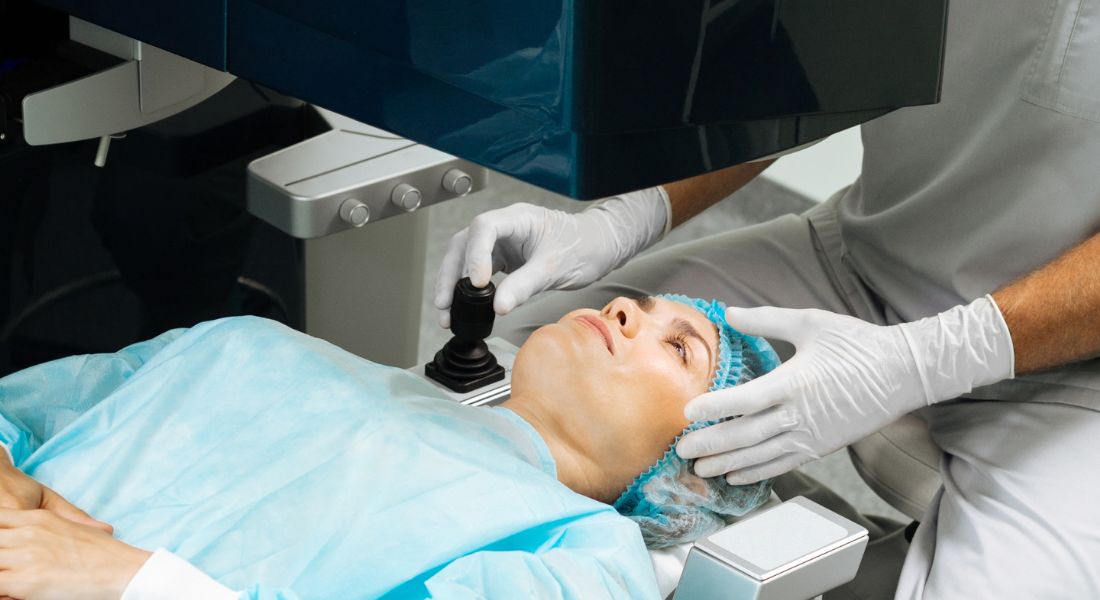
If you’re a busy professional, the idea of scheduling time for surgery may feel impossible. Between long work hours, deadlines, meetings, and screen-heavy routines, you may be wondering whether LASIK fits into your life. The good news is that LASIK recovery is much faster than most people expect, and many professionals return to work within a day or two. Whether you work in an office, run a business, manage teams, or rely on technology daily, LASIK is designed to minimise downtime.
In this guide, I’ll walk you through the complete LASIK recovery process from the perspective of someone who needs minimal disruption to work. You’ll learn how quickly vision returns, when most people resume office tasks, what to expect if you rely heavily on screens, and how to prepare your work environment for a smooth recovery. My goal is to give you practical, realistic information so you can plan your LASIK journey confidently.
Why Busy Professionals Choose LASIK
Convenience is one of the biggest reasons professionals choose LASIK. Glasses can be frustrating during presentations, business travel, workouts, or meetings. Contact lenses also take time to maintain and can feel uncomfortable during long work hours, especially if you spend your day looking at screens or working in air-conditioned environments.
LASIK offers freedom from these limitations. Many professionals appreciate waking up with clear vision, reducing the stress of carrying glasses or managing contact lenses during work trips or client-facing roles. The short recovery time is another major benefit. Most people can return to work quickly, often within 24 hours. Understanding how recovery works makes it easier to decide whether LASIK fits your busy lifestyle.
How LASIK Works: A Quick Breakdown
LASIK reshapes the cornea using a precise laser. When the cornea is reshaped, light focuses properly on the retina, giving you clearer vision. The procedure is quick, usually taking less than ten minutes per eye.
Your eyes are numbed during the surgery, so you won’t feel pain. Most people describe the sensation as mild pressure. You’ll be awake the entire time and able to go home shortly afterwards. Because LASIK is minimally invasive, the outer layer of your cornea heals rapidly. This is why recovery is so quick and why professionals experience minimal downtime.
How Quickly Does Vision Return After LASIK?
One of the main advantages of LASIK is the rapid improvement in vision, which makes it particularly appealing for people with busy work schedules or active lifestyles. Many patients notice a significant difference within just a few hours, although the exact timeline can vary depending on individual healing rates and the complexity of the correction. Understanding what to expect can help you plan your recovery and feel more confident about the procedure.
Typical vision recovery after LASIK:
- Within the first hour: Vision may feel foggy, hazy, or slightly blurred. Some patients notice light sensitivity or watery eyes as the cornea begins to heal. This initial haze is normal and usually improves quickly.
- After 3–4 hours: The foggy sensation gradually lifts, and clarity starts to improve. Colours may appear brighter and shapes sharper, though fine details may still require some focus.
- By the evening: Many patients notice significantly sharper vision and are able to comfortably perform everyday tasks, such as reading or watching TV. Minor fluctuations or intermittent blur can still occur, but the overall improvement is noticeable.
- The next morning: Vision is often clear enough to return to work, drive, or engage in routine activities. Most people find they can function without glasses for the majority of tasks.
Vision will continue to stabilise over the next few days to weeks. It’s common to experience mild fluctuations, especially after extended screen time or exposure to bright light, as your eyes adjust. These variations are usually temporary and gradually settle, allowing your eyes to achieve their optimal clarity.
How Soon Can You Return to Work?
Most people return to work the next day, especially if they have office-based or administrative roles. Even if your job involves meetings, emails, presentations, or computer work, you’ll likely feel comfortable enough to resume your routine.
However, you’ll still need to take care during the first 24–48 hours to avoid unnecessary strain. Dryness, glare, or mild blurriness may occur intermittently, especially when using screens. This improves as your eyes heal.
If your job requires perfect visual precision such as aviation, engineering, or fine-detail work you may need an extra day or two before feeling fully comfortable. Your surgeon will guide you based on your specific visual demands.
Common Concerns Busy Professionals Have Before LASIK
Many busy professionals have similar questions when considering LASIK, especially regarding how quickly they can return to work and manage their daily responsibilities. It’s normal to worry about how surgery might affect your schedule, productivity, or comfort during critical tasks. Common concerns include:
- “Will I be able to return to work quickly?” Many patients wonder if taking time off will disrupt their workflow or deadlines.
- “What if my job requires constant screen time?” Extended computer or phone use can make people worry about eye strain or fluctuations in vision during the initial recovery.
- “Will I be able to drive to work the next day?” Driving safely is a top priority, and patients often want reassurance that their vision will be adequate.
- “How will I manage meetings or presentations after surgery?” Professionals may worry about fatigue, eye irritation, or temporary visual fluctuations affecting their performance.
- “Will my eyes be too dry during long work hours?” Dryness is a common temporary side effect after LASIK, and many want to know how it will impact busy, screen-focused days.
These concerns are entirely normal. Most people are pleasantly surprised by how quickly their vision improves and how soon they feel confident returning to work. Knowing what to expect, planning ahead, and following post-operative care advice can help you navigate the recovery period smoothly and maintain productivity.
The First 24 Hours: What You Need to Know
The first day after LASIK is when your eyes do the majority of their healing, making it a crucial period for recovery. Initially, your vision may feel slightly foggy or hazy, but clarity usually improves rapidly. You may also experience mild dryness, light sensitivity, or a gritty sensation, all of which are normal and generally subside as the day progresses.
During this critical period, it’s important to follow your surgeon’s instructions carefully to support optimal healing:
- Avoid screens as much as possible: Limit computer, phone, and TV use to reduce eye strain.
- Rest your eyes frequently: Keep your eyes closed or take short naps to allow the cornea to stabilise.
- Use prescribed drops exactly as directed: Lubricating and medicated drops help prevent dryness, irritation, and infection.
- Avoid touching or rubbing your eyes: This protects the cornea and prevents accidental injury.
- Skip heavy lifting or high-energy activities: Strenuous movement can increase eye pressure and interfere with healing.
Most professionals find it beneficial to take the rest of the day off and focus on rest and recovery. By giving your eyes this initial period of care, you set yourself up for a smoother, faster return to daily activities and reduce the risk of complications.
The Next Day: Returning to Work
For many busy professionals, returning to work the day after LASIK is possible, though it’s important to approach your routine gradually. While your vision is usually clear enough for most tasks, you may still notice mild awareness, dryness, or fatigue in your eyes. Easing back into screen-heavy work helps prevent strain and supports a smoother recovery.
If your job involves prolonged use of digital devices, consider these strategies:
- Adjust screen brightness: Reduce glare and avoid overly bright monitors to minimise discomfort.
- Sit further from monitors: Increasing the distance between your eyes and the screen can help reduce eye strain.
- Use artificial tears regularly: Lubricating drops keep your eyes comfortable and hydrated throughout the day.
- Take short breaks every 20 minutes: Following the 20-20-20 rule (look at something 20 feet away for 20 seconds every 20 minutes) can reduce fatigue and support healing.
It’s normal for your eyes to tire more easily during the first few days after surgery, but with these precautions, most people notice rapid improvement and can resume work comfortably while protecting their vision.
LASIK and Screen-Based Jobs: What to Expect
For professionals in IT, finance, marketing, design, writing, programming, engineering, customer service, or any role involving extensive screen time, LASIK can still integrate smoothly into your routine. The key is understanding how screen use affects your eyes during the early recovery period.
Even before surgery, long hours on laptops, tablets, or phones can cause dryness and fatigue. After LASIK, this dryness may feel slightly more pronounced, but it is usually temporary and manageable with the right precautions. To make your return to screen-based work more comfortable, consider these strategies:
- Use lubricating eye drops every few hours: This helps keep your eyes hydrated and reduces irritation.
- Follow the “20-20-20 rule”: Every 20 minutes, look at an object 20 feet away for 20 seconds to relax your focusing muscles.
- Reduce air conditioning or direct airflow: Prevents excessive drying of the eyes.
- Increase font size or zoom in: Reduces strain from prolonged reading or detailed work.
- Use a matte screen protector if glare is an issue: Minimises reflections that can exacerbate eye fatigue.
By incorporating these small adjustments, most people with screen-intensive jobs can return to work comfortably and protect their eyes while they continue to heal.
Driving to Work After LASIK
Many patients are pleasantly surprised by how quickly they can resume driving after LASIK. Most people are able to drive the day after surgery, provided their vision meets the legal driving standards and they feel comfortable behind the wheel. It’s important to attend your follow-up appointment the next morning, as your clinician will check your healing and confirm whether it’s safe for you to drive.
While many professionals feel confident driving at this stage, it’s normal to notice minor visual effects such as glare, halos, or slight light sensitivity, especially around streetlights or headlights at night. These symptoms typically improve over the following days as your eyes continue to recover. Starting with short, familiar journeys can help build confidence, and avoiding challenging driving conditions until you feel fully comfortable is recommended. By taking these precautions, you can safely return to commuting and other daily driving activities without compromising your recovery.
Managing Meetings, Presentations, and Client-Facing Tasks
If your job involves interacting with clients or presenting, LASIK shouldn’t disrupt your schedule. You may experience mild visual fluctuations during the first few days, but this usually doesn’t interfere with speaking, presenting, or meeting with colleagues. If you’re planning a major presentation, scheduling LASIK a few days beforehand can give you extra recovery time. However, many professionals successfully return to routine meetings the very next day.
Business Travel After LASIK

If your job involves travel, you’ll be reassured that LASIK recovery typically fits well with work trips. Most patients can fly within a day or two of surgery, though it’s important to keep in mind that pressurised cabin air can dry out your eyes more quickly than usual. Using your prescribed lubricating drops more frequently during flights helps maintain comfort and prevents irritation.
For longer flights, frequent travel, or work that involves shifting between different environments, it’s helpful to prepare a small travel kit for your eyes. Include lubricating drops, sunglasses to protect against bright light, a humidifying eye spray to maintain moisture, and a lightweight eye mask to allow for restful sleep or short naps. Taking these precautions helps keep your eyes comfortable and protected, ensuring you can travel and work productively without compromising your recovery. Many professionals find that with a little planning, LASIK recovery does not interfere with business trips, meetings, or other work commitments.
Why LASIK Is a Good Option for People With Demanding Schedules
Unlike other surgical procedures, LASIK is designed with rapid healing in mind. This makes it ideal for people whose jobs don’t allow much time away. The procedure is quick, recovery is minimal, and most people feel fully functional the next day.
If you’re someone who spends long hours at a desk or constantly shifts between meetings, emails, calls, and screen time, LASIK can simplify your routine. You’ll no longer have to deal with glasses slipping during presentations or dry contact lenses during late-night work sessions.
How to Prepare for LASIK When You Have a Busy Job
Proper preparation is key to ensuring that LASIK surgery and recovery fit smoothly around a demanding work schedule. By planning ahead, you can minimise disruptions and make your return to work as comfortable as possible.
Schedule surgery on a Thursday or Friday: This allows extra recovery time over the weekend, giving your eyes a chance to rest before you resume full work duties.
Plan for minimal screen time on the first day: Let colleagues know you may be offline for a few hours, and avoid heavy digital tasks until your eyes feel comfortable.
Arrange transportation: You won’t be able to drive immediately after surgery, so make sure you have someone to take you home safely.
Stock up on lubricating drops: Keep multiple bottles at home, at work, and in your bag so you can maintain eye hydration throughout the day.
Prepare your workspace: Adjust lighting, reduce glare, and raise your monitor slightly to minimise eye strain during the early recovery period.
By taking these steps in advance, you can support a smoother recovery and make your transition back to work much easier, even with a busy schedule.
Understanding Normal Visual Fluctuations

During the first week after LASIK, it’s normal to notice slight changes in how clearly you see throughout the day. This happens as your tear film the thin layer of moisture covering your eyes adjusts and stabilises during the healing process. Activities that strain your eyes, such as prolonged screen time, reading, or focusing on fine details, can make these fluctuations more noticeable, particularly later in the day when your eyes feel tired.
These temporary changes are a normal part of recovery and do not indicate any problem with your surgery. Most patients notice gradual improvement day by day, with visual clarity becoming more consistent over time. By the end of the first month, the majority of people experience crisp, stable vision and minimal fluctuations, allowing them to comfortably resume work, parenting, and daily activities without the need for corrective lenses. Monitoring your vision and following your clinician’s post-operative instructions will help ensure the best outcomes and support a smooth recovery.
Frequently Asked Questions:
- How soon will I be able to see clearly after LASIK?
Most patients notice a difference in their vision within a few hours of the procedure, although the exact timeline varies depending on individual healing rates and the complexity of the correction. Initially, vision may feel foggy, hazy, or slightly blurred, with light sensitivity or watery eyes. By the end of the day, many people can perform everyday tasks comfortably, and by the next morning, vision is often clear enough to return to work and normal activities. It’s important to remember that minor fluctuations in clarity are normal during the first few days to weeks as the eyes adjust and stabilise. - Can I return to work immediately after LASIK?
Most professionals find that they can return to office-based or administrative work the next day. While vision is usually clear enough for routine tasks, mild dryness, fatigue, or occasional blurriness may still be noticeable. Jobs requiring high visual precision or long hours in front of screens may necessitate a slightly longer recovery period. Following your surgeon’s post-operative advice, taking regular breaks from screens, and using lubricating drops can help make the return to work more comfortable and reduce the risk of strain. - Will I experience dryness or eye irritation after surgery?
It’s common to feel some dryness, light sensitivity, or a gritty sensation in the eyes during the first few days after LASIK. These symptoms usually improve as the cornea heals. Using prescribed lubricating or medicated eye drops as directed helps maintain moisture, prevent irritation, and support proper healing. Temporary discomfort is normal and generally does not affect long-term visual outcomes. - How does LASIK affect people who work long hours on computers or devices?
Professionals with screen-intensive jobs may notice mild dryness or fatigue more than usual during the early recovery period. Following strategies such as adjusting screen brightness, sitting at a comfortable distance from monitors, using artificial tears, and taking regular breaks can help reduce eye strain. Most patients adapt quickly, and with proper care, they can resume full digital workloads within a day or two. - Is it safe to drive after LASIK?
Many patients are able to drive the day after surgery, provided that their vision meets legal standards and they feel comfortable behind the wheel. It is recommended to attend the follow-up appointment before driving to ensure healing is progressing well. Some people may experience minor glare, halos, or light sensitivity initially, which typically improves over the following days. Starting with short, familiar journeys can help build confidence before longer drives. - How long do visual fluctuations last after LASIK?
Slight changes in vision are common during the first week as the tear film stabilises and the cornea continues to heal. Vision may fluctuate slightly after prolonged screen use or exposure to bright light, especially later in the day. These variations are temporary, and most patients notice steady improvement with consistent clarity over the first month. By this time, visual fluctuations are minimal, allowing normal activities without corrective lenses. - Can I travel or fly shortly after LASIK?
Most patients can fly within a day or two of surgery, though pressurised cabin air can increase dryness in the eyes. Using lubricating drops more frequently and keeping a small travel kit with sunglasses, eye spray, and an eye mask can help maintain comfort during flights. With these precautions, LASIK recovery rarely interferes with work travel or professional commitments. - Are there any precautions for meetings or client-facing tasks?
Mild visual fluctuations during the first few days rarely interfere with presentations, client meetings, or speaking engagements. Professionals may want to schedule major presentations a few days after surgery if possible, but routine meetings can usually resume the day after LASIK. Following care instructions and giving the eyes brief rest periods helps maintain comfort and visual clarity. - What should I do if I notice blurred vision or discomfort during recovery?
Some temporary blurring, glare, or light sensitivity is expected, especially in the first 24–48 hours. Using lubricating drops, resting the eyes, and avoiding rubbing or touching them can help manage these symptoms. Persistent discomfort or sudden changes in vision should be reported to your surgeon immediately, but minor fluctuations are typically part of the normal healing process and resolve naturally. - How can I prepare my work environment for LASIK recovery?
Planning ahead can make the return to work smoother. Scheduling surgery on a Thursday or Friday allows recovery over the weekend, limiting disruption to work. Minimising screen time initially, arranging transportation for the day of surgery, and having multiple bottles of lubricating drops accessible are recommended. Adjusting lighting, reducing glare, and positioning monitors to reduce eye strain further support healing. With these preparations, professionals can maintain productivity while protecting their eyes during the early recovery period.
Final Thought: Planning Your LASIK Recovery with a Busy Schedule
LASIK offers a fast, minimally disruptive way for busy professionals to achieve clearer vision without the ongoing hassle of glasses or contact lenses. With proper preparation, adherence to post-operative care, and small adjustments to your work environment, most people find they can return to office tasks, meetings, and screen-heavy work the very next day. Visual fluctuations are normal initially, but clarity usually stabilises quickly, allowing you to resume daily activities confidently. If you’re considering Lasik surgery in London and want to know whether it’s the right option for your lifestyle, you’re welcome to reach out to us at Eye Clinic London to book a consultation and discuss your personalised treatment plan.
References:
- Shetty, R., Khamar, P., Kannan, R., Thacker, P., Kumar, N.R., Ghosh, A. & Deshpande, V., 2025. Epigenetic Modulation Directs Recovery Post LASIK and SMILE Surgery: An Experimental Study. Life, 15(2), 246. https://www.mdpi.com/2075-1729/15/2/246
- Dry Eye Disease following LASIK, PRK, and LASEK: An Observational Cross‑Sectional Study (2023). Journal of Clinical Medicine, 12(11), 3761. https://www.mdpi.com/2077-0383/12/11/3761
- Comparative Analysis of Corneal Wound Healing: Differential Molecular Responses in Tears Following PRK, FS‑LASIK, and SMILE Procedures. https://pmc.ncbi.nlm.nih.gov/articles/PMC11505177/
- Dry Eye Post‑Laser‑Assisted In Situ Keratomileusis: Major Review and Latest Updates. https://pmc.ncbi.nlm.nih.gov/articles/PMC5829349/
- Stulting, R.D., Kronish, R., Bowers, W., Denoyer, K., Whipple, D., Thornton, I. & Cummings, A., 2013. The recovery of optical quality after laser vision correction. Journal of Refractive Surgery, 29(10), pp. 712–718. https://pubmed.ncbi.nlm.nih.gov/23908570/