


What New LASIK Complication Management Techniques Were Discussed at International Conferences?

LASIK is a well-established refractive surgery procedure, but like any surgery, it can involve possible complications. This is why complication management remains an important topic at international ophthalmology conferences. These meetings help specialists share real experiences, review difficult cases, and improve how problems are prevented and treated.
Recent meetings such as ESCRS and ASCRS continue to include sessions on refractive surgery complications, dry eye, corneal healing, visual quality concerns, and complex post-operative cases. You can see that these discussions are not only about new technology, but also about safer care. Experts present research, techniques, and management strategies that help clinical practice improve over time.
ESCRS 2025, for example, featured a main symposium focused on managing challenging corneal refractive complications. ASCRS 2025 also included dedicated refractive surgery complication sessions in Los Angeles. These sessions looked at recognising early warning signs, improving patient selection, managing unexpected outcomes, and supporting better recovery after surgery.
This can be reassuring if you are considering LASIK. It shows that LASIK specialists are not only focused on achieving sharper vision or using the latest equipment. They are also working to recognise complications earlier, reduce risks where possible, and improve treatment options when problems do occur.
Why Complication Management Matters in LASIK
LASIK is usually an elective procedure, which means you choose it to reduce your dependence on glasses or contact lenses. Because of this, safety expectations are naturally high. You want clearer vision, but you also want the treatment to be carefully planned and managed.
Complication management matters because even uncommon problems can affect your comfort, vision quality, and confidence. These may include dry eye, epithelial ingrowth, flap-related issues, glare, haloes, infection, inflammation, haze, regression, or corneal instability. Even when complications are rare, surgeons still need clear strategies to prevent and manage them.
International conferences help surgeons discuss these problems openly and learn from difficult cases. They also support better decision-making before and after surgery. For you as a patient, this means LASIK care continues to improve not only in terms of results, but also in safety, follow-up, and long-term support.
Earlier Diagnosis of Complications
One major theme at recent meetings is early diagnosis. The sooner a LASIK complication is recognised, the easier it may be to manage. This is why careful follow-up and detailed assessment are so important after surgery.
ESCRS guidance on post-operative corneal complications notes that assessment may include best-corrected vision using rigid gas permeable contact lenses, slit-lamp examination, corneal topography, and anterior segment OCT. These tests help specialists look at your vision, corneal surface, and deeper corneal structure in more detail. They can also help identify whether symptoms are linked to healing, shape changes, or another post-operative issue.
Follow-up after LASIK is not just a routine formality. It gives your clinical team the chance to detect small issues before they become more serious. Attending appointments and reporting new symptoms early can make complication management safer and more effective.
Better Use of Corneal Imaging
Corneal imaging plays a central role in managing LASIK-related problems. Technologies such as corneal topography, tomography, epithelial thickness mapping, and anterior segment OCT can help identify irregular healing, corneal shape changes, interface issues, or early signs of ectasia. These tools allow specialists to investigate visual symptoms in much greater detail than a standard eye examination alone.
At international conferences, specialists are increasingly discussing how different imaging technologies can be used together rather than relying on a single test. One scan may show the surface shape of your cornea, while another may reveal deeper structural changes or provide a detailed view of the LASIK interface. Combining information from multiple sources can create a more complete picture of what is happening.
For you as a patient, this layered approach can help improve diagnostic accuracy when symptoms occur after LASIK. Instead of making assumptions based on one finding, your surgeon can use several imaging techniques to understand the underlying cause more precisely. This may lead to earlier diagnosis, more targeted treatment, and better long-term management of complications.
Managing Post-LASIK Dry Eye
Dry eye remains one of the most common concerns after LASIK. You may notice burning, irritation, fluctuating vision, light sensitivity, or discomfort during screen use. These symptoms can affect your comfort even when your vision result is otherwise good.
A comprehensive review of post-LASIK dry eye explains that detecting and treating dry eye before surgery is important. Continuing care after surgery and starting treatment early can also support faster healing, fewer complications, and better visual outcomes. This means dry eye care should be part of the full LASIK journey, not only something treated after symptoms appear.
Conference discussions often focus on improving the ocular surface before LASIK and identifying patients who may be at higher risk. Specialists also discuss more structured aftercare plans to support healing and comfort. Good LASIK care should include both visual correction and careful dry eye management.
Ocular Surface Optimisation Before Surgery
One of the best ways to manage LASIK complications is to prevent them where possible. This is why ocular surface optimisation before surgery has become such an important topic. If your eye surface is not healthy before treatment, it can affect both measurements and recovery.
If you have dry eye, blepharitis, meibomian gland dysfunction, allergy, or contact lens-related irritation, your surgeon may recommend treatment before LASIK. This may include lubricating drops, lid hygiene, anti-inflammatory treatment, warm compresses, or delaying surgery until the surface is more stable. These steps help prepare your eyes properly before laser treatment.
A healthier eye surface can make your pre-operative measurements more reliable. It can also make recovery more comfortable and reduce the chance of avoidable irritation after surgery. For you, this means good LASIK planning should begin before the laser is ever used.
Epithelial Ingrowth Management
Epithelial ingrowth happens when surface cells grow into the LASIK flap interface. It is relatively uncommon, but it can become important if it progresses or starts affecting your vision. This is why careful monitoring after LASIK matters.
The American Academy of Ophthalmology’s EyeWiki describes post-LASIK epithelial ingrowth as an uncommon complication. It explains that mild cases may only need observation, while visually significant or progressive ingrowth may need surgical intervention. This shows why the severity and behaviour of the ingrowth are important.
At conferences, this topic is often discussed because correct grading, timing, and follow-up can influence outcomes. For you as a patient, the key point is that not every case needs immediate treatment. However, if symptoms change or vision is affected, your surgeon needs to assess it promptly.
Flap-Related Complication Management
LASIK involves creating a corneal flap, which means flap-related complications remain an important area of discussion. These can include flap folds, flap displacement, inflammation, epithelial ingrowth, or debris trapped within the flap interface. Although these problems are uncommon, they can affect healing and visual quality if they occur.
The way these complications are managed depends on the type and severity of the problem. Some issues may only require careful observation and follow-up, while others may need flap lifting, irrigation, smoothing of the flap, or medical treatment. The goal is always to protect vision while avoiding unnecessary intervention.
Conference case discussions help surgeons refine their decision-making in these situations. By reviewing real patient cases, specialists can better understand when early intervention is beneficial and when careful monitoring may be the safer approach. For you as a patient, this ongoing exchange of knowledge helps support more consistent and effective complication management.
Diffuse Lamellar Keratitis
Diffuse lamellar keratitis, often called DLK, is an inflammatory reaction that can occur in the flap interface after LASIK. It needs prompt recognition because untreated inflammation may affect your vision. This is why early follow-up after surgery is important.
Management usually depends on how severe the inflammation is. In milder cases, treatment may involve topical steroid drops and close monitoring. In more serious cases, your surgeon may need to lift the flap and irrigate the area.
The key message is early detection. You should attend your follow-up appointments and report worsening pain, light sensitivity, or blurred vision promptly. This helps your clinical team manage inflammation before it causes more serious visual problems.
Interface Complications
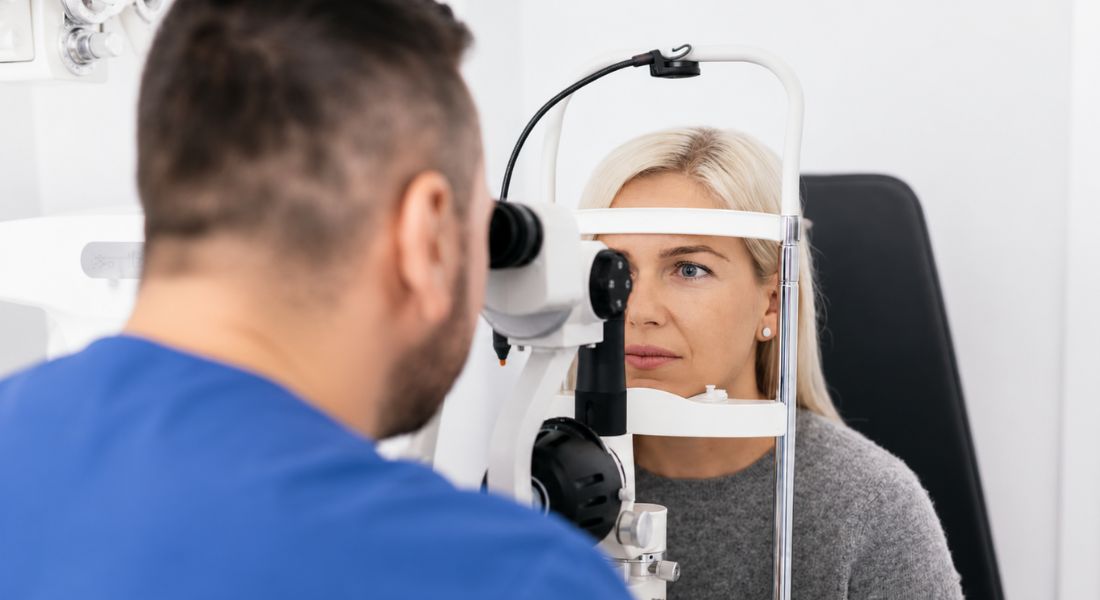
The LASIK interface is the area created between your corneal flap and the underlying corneal tissue during surgery. Because this space has a unique structure, different types of complications can develop within it, sometimes with very similar appearances despite having very different causes. This is why careful assessment and accurate diagnosis are essential when postoperative symptoms or interface changes occur.
- Different complications can look similar: Inflammation, infection, epithelial ingrowth, interface debris, scarring, and other flap-related problems may share overlapping clinical features during examination.
- Correct diagnosis guides the right treatment: Some interface problems require anti-inflammatory treatment, while others may need antimicrobial therapy or even surgical management. Misdiagnosis can delay appropriate care.
- Importance of detailed clinical examination: Careful slit lamp examination and follow-up assessment help surgeons identify the specific cause of interface changes and monitor healing over time.
- Role of advanced imaging technologies: Modern imaging systems may help visualise subtle interface abnormalities more clearly, supporting earlier detection and more accurate treatment planning.
Understanding interface complications is an important part of LASIK education because safe refractive care depends not only on performing surgery well, but also on recognising and managing postoperative problems appropriately if they occur.
Managing Visual Quality Problems
Some patients may have technically good vision on an eye chart but still notice glare, haloes, starbursts, ghosting, or reduced night vision quality. These symptoms can be frustrating because they affect your real-life vision, especially when driving at night, using screens, or being in bright lighting.
ESCRS has highlighted post-operative visual complications after corneal laser surgery. It notes that early diagnosis and tailored treatment can help restore excellent vision, even years after surgery. This shows why visual quality concerns should be taken seriously, even if your basic vision test looks good.
Management depends on the cause of the symptoms. Your treatment may involve dry eye care, glasses, contact lenses, enhancement surgery, topography-guided treatment, or careful observation. The aim is to understand what is causing the problem and choose the safest, most suitable way to improve your vision.
Treating Residual Refractive Error
Sometimes LASIK does not fully correct your prescription, or the result may shift slightly over time. This can lead to undercorrection, overcorrection, or regression. You may notice that your vision is not as sharp as expected or that certain tasks still need extra visual support.
Management depends on several factors, including healing stability, corneal thickness, symptoms, and your expectations. Some patients may only need glasses for specific tasks, such as night driving or detailed close work. Others may be suitable for an enhancement if the eye has healed well and the measurements are stable.
Conference discussions often stress that enhancement decisions should be cautious and data-led. Your surgeon needs to confirm that your prescription and corneal measurements are stable before recommending further treatment. This helps reduce unnecessary risk and supports a safer, more predictable outcome.
Topography-Guided Enhancement
Topography-guided enhancement may be considered when an irregular corneal shape is affecting your visual quality. It uses detailed corneal surface maps to guide a more customised correction. This can help your surgeon plan treatment around the actual shape of your cornea.
This approach can be helpful in selected cases, but it is not suitable for every patient or every symptom. You need careful imaging, realistic counselling, and enough safe corneal tissue before it can be considered. Your surgeon also needs to understand whether the corneal shape is truly causing the visual problem.
The main goal is to treat the cause of the visual issue, not simply repeat laser treatment. This is why topography-guided enhancement should be planned carefully and only when the benefits are clear. The safest approach is one based on detailed measurements, stable findings, and realistic expectations.
Managing Corneal Haze and Opacity
Corneal haze is more commonly linked with surface laser procedures such as PRK. However, opacity and scarring can also be discussed as part of wider corneal refractive surgery complications. These changes may affect your vision if they interfere with the clarity or smoothness of the cornea.
ESCRS has noted that significant residual opacities, with or without surface irregularities, account for many severe complications after corneal refractive surgery. Assessment may include slit-lamp examination, corneal topography, anterior segment OCT, and evaluation with rigid contact lenses. These tests help your surgeon understand the depth, shape, and visual effect of the opacity.
Treatment depends on where the opacity is, how deep it is, and how much it affects your vision. Some cases may be monitored, while others may need more active treatment. For you, the safest plan should be based on detailed imaging, careful examination, and realistic expectations about visual improvement.
Post-LASIK Ectasia Prevention and Management
Post-LASIK ectasia is a rare but serious complication where the cornea becomes progressively weaker and more irregular. This can affect your vision over time and may require specialist treatment. Prevention through careful screening before surgery remains the most important strategy.
Recent conference discussions continue to focus on corneal tomography, biomechanics, epithelial mapping, and AI-supported risk detection. These tools can help surgeons identify patients who may not be safe candidates for LASIK. For you, this means the pre-operative assessment is just as important as the laser treatment itself.
If ectasia does occur, management depends on how severe it is and how much it affects your vision. Treatment may include glasses, specialist contact lenses, corneal cross-linking, or other corneal procedures. The aim is to stabilise the cornea, improve vision where possible, and prevent further progression.
Cross-Linking in Corneal Stability
Corneal cross-linking is a treatment designed to strengthen your cornea by increasing the stability of its collagen fibres. It is commonly used in conditions such as keratoconus and progressive corneal ectasia, where the cornea becomes thinner or weaker over time. Although cross-linking is not a routine part of standard LASIK treatment, it can play an important role in the management of corneal instability and postoperative complications.
- Used to strengthen weakened corneas: Cross-linking helps improve corneal stability in conditions where the cornea shows signs of progressive thinning or structural weakness.
- Relevant in keratoconus and ectasia management: Patients with keratoconus or post-LASIK ectasia may require specialist evaluation to determine whether cross-linking is appropriate.
- Discussed within refractive surgery safety research: Modern ophthalmology meetings continue to explore how cross-linking fits into corneal complication management and long-term refractive surgery safety strategies.
- Supports long-term corneal monitoring: Even when treatment is successful, unstable corneas still require careful follow-up to monitor progression and maintain visual stability.
For you as a patient, the most important message is that corneal stability must always be taken seriously before and after refractive surgery. If there are concerns about corneal weakness or abnormal healing, specialist assessment and long-term monitoring are essential to protect both your vision and corneal health.
Infection Prevention and Management
Infection after LASIK is rare, but it can be serious if it occurs. Prevention includes sterile surgical technique, appropriate post-operative medication, careful hygiene advice, and prompt review if symptoms develop. These steps help reduce risk and support safer healing after surgery.
You should be told what warning signs to look for after LASIK. Increasing pain, worsening redness, discharge, or sudden vision reduction should be treated as urgent symptoms. You should not ignore these changes or wait for them to settle on their own.
Conference discussions often reinforce the importance of early diagnosis and timely treatment. Corneal infections can progress quickly, so fast action matters. For you, this means following aftercare instructions and contacting your clinic promptly if anything feels unusual.
Inflammation and Healing Control
Inflammation after LASIK needs careful management because it can affect comfort, healing, and visual quality. Mild inflammation may respond well to topical medication, but more significant inflammation may need closer monitoring. Your surgeon will usually decide the plan based on how the eye looks and how your symptoms are changing.
Surgeons often discuss steroid use, follow-up timing, epithelial healing, and inflammation within the LASIK interface. They also need to distinguish inflammatory problems from infection because the treatments can be very different. This is why proper examination is important before changing or starting treatment.
Good complication management depends on recognising the pattern correctly. For you as a patient, this means you should report worsening pain, redness, light sensitivity, or blurred vision promptly. Early review helps your clinical team manage healing safely and reduce the risk of more serious problems.
Improving Patient Communication
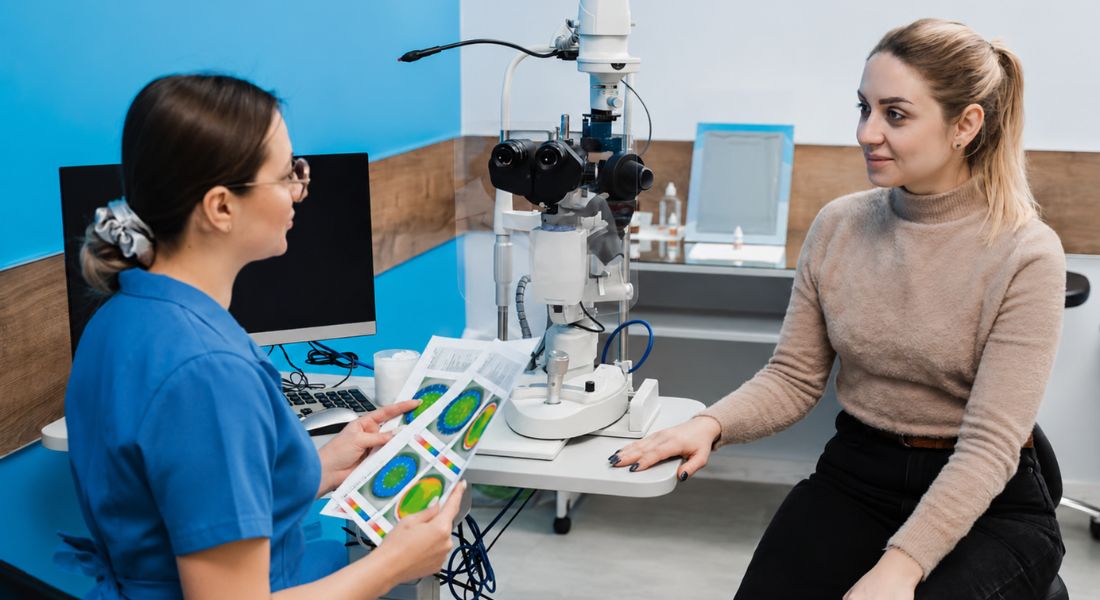
Complication management is not only about clinical treatment. It also depends on how clearly you are informed before and after LASIK. When you understand what to expect, recovery can feel less confusing and less stressful.
You should be told about normal recovery symptoms, warning signs, drop instructions, follow-up schedules, and when to contact the clinic. Clear communication helps reduce anxiety and makes it easier for you to act quickly if something feels wrong. It also helps avoid delays in getting advice.
Good counselling also makes your expectations more realistic before LASIK is chosen. You should understand both the benefits and possible risks before making a decision. This helps you feel more prepared, more confident, and better supported throughout the treatment journey.
Learning From Conference Case Discussions
International conferences often use case-based teaching because complications are easier to understand through real clinical scenarios. Surgeons can review what happened, how the problem was diagnosed, and which treatment decisions were made. This helps turn complex situations into practical learning.
ESCRS 2025 coverage described sessions focused on complex corneal refractive complications, including epithelial issues, haze, hydration concerns, and ectasia risk. These discussions help surgeons think through diagnosis, treatment timing, and decision-making. They also show that complication management is a skill that continues to develop.
For you as a patient, this kind of professional learning supports safer care. It means specialists are not only learning from routine outcomes, but also from difficult cases. This can help improve how complications are recognised, prevented, and managed in the future.
What This Means for Patients Considering LASIK

If you are considering Lasik surgery in London, complication management should be part of the conversation. You should understand not only the possible benefits, but also the risks and how the clinic manages them. This helps you make a more informed and confident decision.
A good consultation should include detailed scans, dry eye assessment, suitability checks, realistic counselling, and clear aftercare instructions. Your clinic should also explain what symptoms are normal after surgery and what signs need urgent attention. This gives you a clearer idea of what to expect before and after treatment.
Safe LASIK is not only about the operation itself. It is about the full journey, from careful screening before surgery to proper support afterwards. For you, the safest choice is a clinic that takes planning, communication, and follow-up seriously.
The Future of LASIK Complication Management
The future of LASIK complication management is likely to involve better imaging, earlier detection, AI-supported scan review, improved dry eye prediction, customised enhancement planning, and more structured aftercare. These developments may help surgeons recognise problems sooner and understand them in greater detail. This could support safer follow-up and more personalised support if symptoms appear.
Technology may play a larger role in analysing scans, identifying risk patterns, and guiding treatment decisions. However, advanced tools should support clinical judgement, not replace it. Experience, careful assessment, and clear communication with patients will still remain essential.
The best future is not complication-free marketing. It is honest, careful, evidence-led management when problems do occur. This means you should look for LASIK care that values safety, realistic expectations, and proper aftercare as much as visual results.
FAQs:
- What are the most common LASIK complications discussed at international conferences?
International ophthalmology conferences frequently discuss dry eye, flap-related complications, epithelial ingrowth, diffuse lamellar keratitis (DLK), glare, haloes, regression, infection, corneal haze, and post-LASIK ectasia. Specialists also focus on how these complications can be recognised earlier and managed more safely. - How do surgeons detect LASIK complications early?
Early diagnosis often involves detailed follow-up examinations, slit-lamp assessment, corneal topography, anterior segment OCT, and epithelial thickness mapping. These tests help identify subtle healing problems or corneal changes before symptoms become more serious. - Why is corneal imaging important after LASIK?
Corneal imaging allows surgeons to examine the shape, thickness, and structure of the cornea in greater detail. Technologies such as tomography and OCT can help identify interface issues, irregular healing, or early signs of ectasia that may not appear during a standard eye examination. - How is post-LASIK dry eye managed?
Management may include lubricating eye drops, anti-inflammatory treatment, warm compresses, lid hygiene, and improving the ocular surface before surgery. International conferences continue to emphasise that dry eye management should begin before LASIK and continue throughout recovery. - What is epithelial ingrowth after LASIK?
Epithelial ingrowth occurs when surface cells grow underneath the LASIK flap. Mild cases may only need monitoring, while progressive or vision-affecting cases may require surgical treatment to remove the ingrowth and protect visual quality. - What is diffuse lamellar keratitis (DLK)?
DLK is an inflammatory reaction that can develop beneath the LASIK flap after surgery. It is sometimes called “sands of the Sahara” because of its appearance. Early treatment with steroid drops or flap irrigation is important to prevent vision problems. - Can LASIK complications affect vision quality even if eyesight seems clear?
Yes. Some patients may still experience glare, haloes, ghosting, starbursts, or reduced night vision despite having good visual acuity on an eye chart. Specialists often investigate dry eye, corneal irregularities, or healing changes when these symptoms occur. - What is post-LASIK ectasia?
Post-LASIK ectasia is a rare complication where the cornea becomes progressively thinner and weaker after surgery. Modern conferences focus heavily on prevention through detailed screening, corneal tomography, biomechanics, and AI-assisted risk analysis. - Is corneal cross-linking used in LASIK complication management?
Yes. Corneal cross-linking may be used to strengthen unstable corneas in cases such as keratoconus or post-LASIK ectasia. It is not a routine part of standard LASIK treatment, but it can play an important role in corneal stability management. - What should patients look for when choosing a LASIK clinic?
You should look for a clinic that performs detailed suitability testing, offers comprehensive corneal imaging, explains risks clearly, provides structured aftercare, and takes complication management seriously. Good LASIK care involves careful planning, communication, and long-term follow-up, not just the laser procedure itself.
Final Thoughts: Safer and More Personalised LASIK Care
LASIK complication management continues to evolve as specialists share research, clinical experience, and difficult case discussions at international ophthalmology conferences. Modern meetings such as ESCRS and ASCRS show that refractive surgery is no longer focused only on achieving clearer vision. There is also strong attention on patient safety, earlier diagnosis, customised treatment planning, dry eye management, corneal stability, and long-term follow-up care.
For you as a patient, this is important reassurance. Advances in corneal imaging, AI-supported screening, ocular surface optimisation, and personalised enhancement planning are helping surgeons recognise potential problems earlier and manage them more effectively. At the same time, conference discussions continue to emphasise that careful patient selection, realistic expectations, and structured aftercare remain essential parts of safe LASIK treatment.
If you are considering treatment, it is important to choose a clinic that values safety, detailed assessment, and ongoing support throughout your journey. Whether discussing dry eye, flap complications, ectasia prevention, or visual quality concerns, the overall message from international experts is clear: successful LASIK care depends on both excellent surgical technique and responsible complication management. If you’d like to find out whether lasik surgery in London is suitable for you, feel free to contact us at Eye Clinic London to arrange a consultation.
References:
- Reinstein, D.Z., Archer, T.J. and Randleman, J.B., 2013. Mathematical model to compare the relative tensile strength of the cornea after PRK, LASIK, and small incision lenticule extraction. Journal of Refractive Surgery, 29(7), pp.454–460. Available at: https://pubmed.ncbi.nlm.nih.gov/23820227/
- Lu, L. and Manche, E., 2025. Prospective, randomized, contralateral eye comparison of wavefront-guided and topography-guided LASIK. Journal of Cataract & Refractive Surgery, 51(10), pp.889–894. https://pmc.ncbi.nlm.nih.gov/articles/PMC12447821/
- Schallhorn, S.C. et al., 2021. Wavefront-guided and Wavefront-optimized LASIK: Visual and Military Task Performance Outcomes. Military Medicine, 186(7-8), pp.e 714–e721. Available at: https://academic.oup.com/milmed/article/186/7-8/e714/5997695
- Brunson, P.B., Mann, P.M. and Hall, B., 2025. Patient Reported Visual Outcomes, Dry Eye Symptoms, and Satisfaction Following Topography-Guided LASIK. Clinical Ophthalmology, 19, pp.3363–3369. Available at: https://pmc.ncbi.nlm.nih.gov/articles/PMC12439825/
- Khoramnia, R. et al., 2025. Prospective Intraindividual Comparison of Automated Customized Ray-Tracing–Guided versus Wavefront-Optimized LASIK. Ophthalmology, 132(10), pp.1169–1179. Available at: https://www.sciencedirect.com/science/article/pii/S0161642025003410