


LASIK and Pregnancy: Can You Have LASIK While Pregnant or Breastfeeding? (Guide)
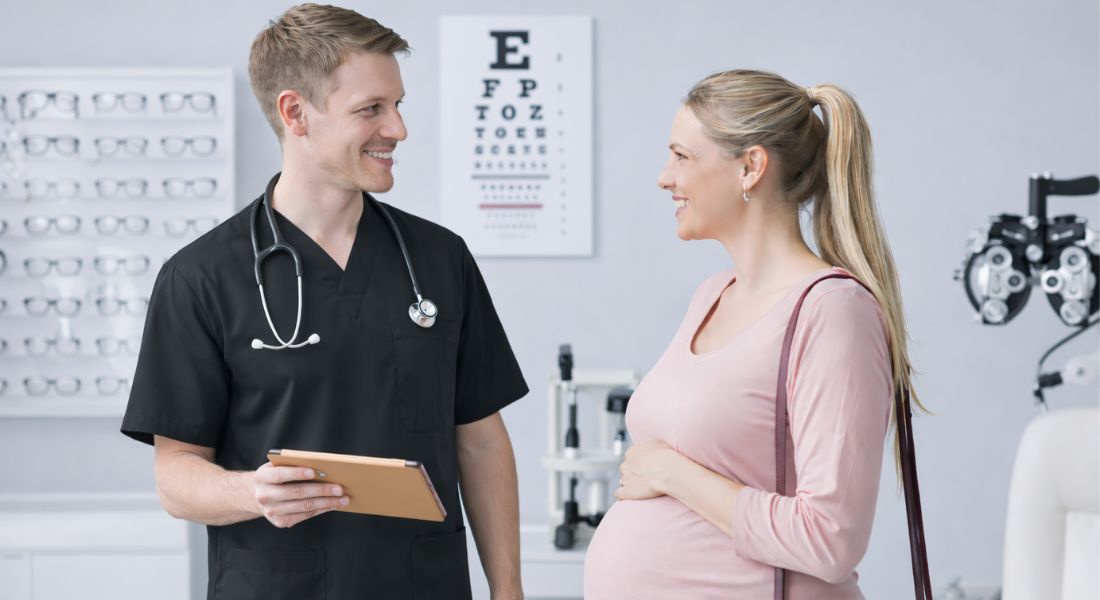
You may be considering LASIK but feel uncertain once pregnancy or breastfeeding becomes part of the picture. During this time, many women notice changes in how their vision feels and begin to question whether laser eye surgery is still suitable. These concerns are common and completely valid, especially when eyesight seems less predictable.
We recognise that pregnancy brings rapid physical and hormonal changes that can affect vision. When clarity fluctuates, it naturally raises questions about the safety and reliability of permanent correction. Clear, accurate guidance helps reduce confusion and prevents unnecessary worry during an already demanding phase.
This article explains how pregnancy and breastfeeding can influence LASIK eligibility. It outlines why treatment is usually delayed and how temporary changes can affect measurements used for surgery. Understanding these factors helps place timing advice in context rather than seeing it as a restriction.
We also clarify when LASIK is typically safe to consider once stability returns. Knowing what to expect allows decisions to be made with confidence rather than urgency. When timing is understood, informed choices feel calmer and more assured.
How Hormonal Changes Affect Vision During Pregnancy
Pregnancy brings significant hormonal shifts that influence fluid balance throughout the body, including the eyes. These changes can subtly affect the cornea, which is central to how laser vision correction works. When precision is required, even small variations become important.
You may notice blurred vision, fluctuating focus, or increased sensitivity during pregnancy. These symptoms are often temporary, but they can alter the measurements used to plan laser treatment. Because accuracy determines long-term satisfaction, timing plays a crucial role.
We focus on treating eyes that have reached a stable baseline rather than those influenced by short-term hormonal change. Correcting vision that may later settle can lead to unpredictable outcomes. Permanent correction should always be guided by stability, not temporary variation.
Why Vision Stability Is Essential Before LASIK
LASIK permanently reshapes the cornea using measurements taken before surgery, and those measurements rely on vision being stable over time. When vision is fluctuating, there is a higher risk of under- or over-correction. Predictable results depend on the eye being in a settled state, not a temporary phase of change.
You may feel that your vision seems good enough during pregnancy, which is completely understandable. However, even small or unnoticed prescription shifts can influence surgical accuracy. LASIK corrects the eye exactly as it measures on that specific day, not how it will behave once hormonal changes settle.
We aim to perform surgery only when the eye has clearly returned to its baseline condition. This approach protects long-term satisfaction and reduces the likelihood of needing further procedures. Stable vision supports accuracy, confidence, and predictable outcomes.
Corneal Changes That Can Occur During Pregnancy
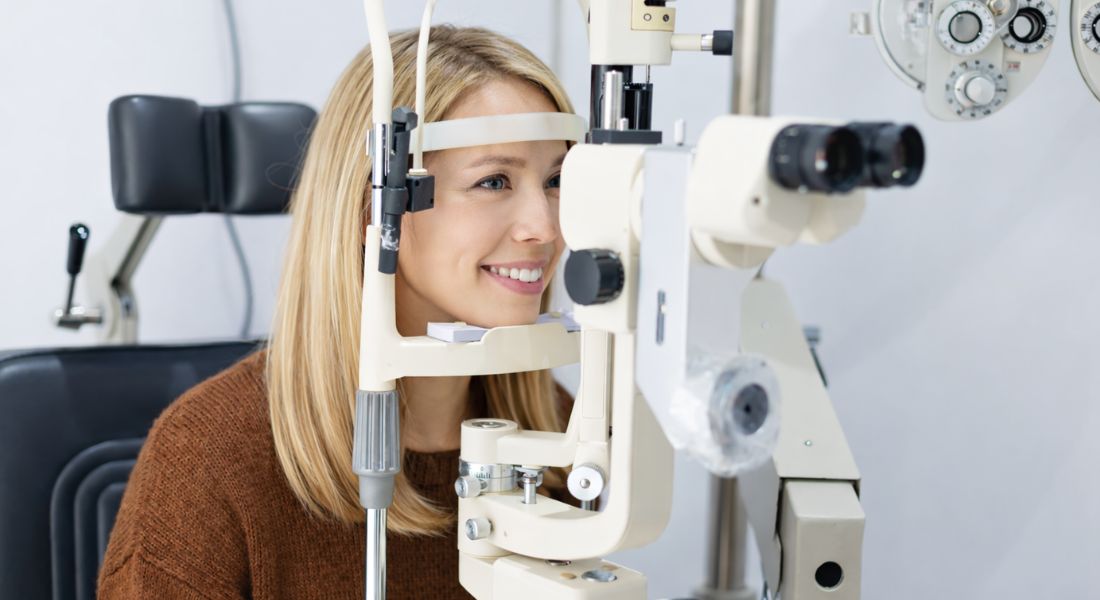
Hormonal changes can cause the cornea to retain extra fluid, which may subtly increase thickness or alter its curvature. These shifts are usually temporary, but they are clinically important when planning laser correction. LASIK depends on the cornea having a stable and predictable shape.
You may not notice any difference yourself, as these changes are often too subtle to feel. They are usually detected only through detailed measurements taken during assessment. When shape or thickness is fluctuating, accuracy becomes harder to guarantee.
We avoid performing surgery while the cornea may still be influenced by pregnancy-related fluid changes. Treating a temporary condition risks correcting something that will later resolve on its own. Corneal stability is essential for precise planning and reliable outcomes.
Why LASIK Is Classified as Elective Surgery
LASIK is classed as an elective procedure rather than a medical necessity, which shapes how it is approached during pregnancy. When surgery is optional, caution naturally becomes the priority. This classification allows timing to be chosen for safety and predictability rather than urgency.
You may wish to proceed for lifestyle reasons or added convenience, which is completely understandable. However, delaying elective treatment during a period of significant physiological change helps avoid unnecessary risk. Waiting supports more accurate measurements and steadier conditions for planning.
We take a conservative approach that prioritises both safety and outcome quality. If surgery can be delayed without harm, it is usually the better option. Elective timing helps protect long-term results and supports confident decision-making.
Medication Use and Pregnancy Considerations
LASIK requires short-term use of post-operative eye drops, including antibiotics and anti-inflammatory medication. Although systemic absorption is very low, it is not completely absent. For many people, this small uncertainty is enough to influence timing decisions.
You may prefer to avoid any medication exposure during pregnancy, even when the risk is only theoretical. This preference is entirely reasonable and commonly shared. Choosing caution during this period often feels more comfortable than weighing probabilities.
We aim to remove uncertainty wherever possible when advising on treatment timing. Delaying LASIK during pregnancy avoids questions around medication exposure altogether. Reducing variables supports peace of mind and helps decisions feel clear and confident.
Why LASIK Is Usually Delayed During Pregnancy
Most specialists advise postponing LASIK until after pregnancy as a precaution rather than due to proven harm. This approach focuses on predictability and safety, recognising that pregnancy can introduce temporary variables that affect measurements. Waiting allows decisions to be based on stable, reliable data.
You may feel reassured knowing this guidance is widely accepted and rooted in careful practice. It helps protect the accuracy of vision correction while also supporting emotional wellbeing during a demanding period. Clarity in timing often brings confidence and peace of mind.
We prioritise performing LASIK under optimal conditions, where outcomes can be planned with greater control. Pregnancy can reduce that control by affecting vision and surface stability. Delaying treatment supports clearer decisions and more dependable results.
Do Vision Changes After Pregnancy Usually Resolve
In many cases, vision changes that appear during pregnancy settle naturally after delivery. As hormonal levels gradually return to baseline, fluid balance in the eyes normalises and measurements become more consistent. This natural adjustment is an expected part of recovery rather than a cause for concern.
You may notice that your eyesight stabilises on its own without any intervention. This resolution supports reassessing vision after recovery instead of making decisions during a fluctuating phase. Waiting allows a clearer picture of your true visual baseline.
We encourage patience during this period so the eyes have time to stabilise fully. Allowing this process to complete improves accuracy when surgery is considered later. With time, clarity often returns and planning becomes more reliable.
Breastfeeding and Ongoing Hormonal Effects

Breastfeeding continues to involve hormonal shifts, particularly related to prolactin, which can affect fluid balance and corneal stability. These influences may subtly alter how your eyes behave from day to day. Understanding this helps explain why timing remains important beyond pregnancy alone.
You may assume that delivery resolves all vision-related changes, but some effects can persist while breastfeeding continues. During this phase, measurements may fluctuate even when vision feels mostly settled. Recognising this prevents premature decisions based on temporary stability.
We generally advise waiting until breastfeeding has finished or until vision has clearly stabilised on repeated testing. This approach ensures that measurements reflect your true long-term baseline rather than a transitional state. When hormonal effects are allowed to settle, planning becomes clearer and more reliable.
Medication Considerations While Breastfeeding
LASIK recovery involves short-term use of medicated eye drops to support healing and reduce inflammation. Although many of these medications are considered low risk, uncertainty during breastfeeding can still cause understandable concern. This is why timing is often discussed carefully rather than rushed.
You may prefer to avoid even minimal exposure to medication while feeding, and that preference is entirely valid. Choosing to wait can feel more comfortable than navigating mixed advice or lingering doubt. Peace of mind plays an important role in how confident you feel about the process.
We take both vision stability and medication considerations into account when offering timing guidance. Waiting often simplifies decision-making and reduces unnecessary anxiety. When clarity replaces uncertainty, comfort and confidence naturally improve.
When Vision Typically Stabilises After Pregnancy
Vision often becomes more stable several months after delivery as hormonal levels settle and the eyes return to a more consistent state. During this period, corneal measurements tend to even out, making assessment more reliable. This natural settling phase supports safer and more predictable planning.
You may feel ready to explore LASIK once daily routines feel calmer and more predictable. That sense of readiness is important, but it is always supported by clinical assessment rather than assumption. Testing helps confirm whether visual stability has truly returned.
We rely on repeated measurements over time instead of fixed timelines. Objective data guides decisions and reduces uncertainty around timing. When readiness is confirmed through evidence, planning feels clearer and more reassuring.
How Long to Wait After Breastfeeding Ends
There is no single rule that applies to everyone, but many specialists suggest allowing a short period after breastfeeding ends for hormonal effects to settle. This pause helps ensure that vision and tear stability have genuinely returned to baseline. The aim is not delay for its own sake, but greater predictability.
You may feel that your vision already seems stable, which is a reasonable assumption. Objective testing over time helps confirm whether measurements remain consistent rather than temporarily settled. Repeated assessments provide clarity that feeling alone cannot offer.
We tailor recommendations based on examination findings instead of fixed waiting periods. Individual eye behaviour matters more than arbitrary timelines. When assessment replaces guesswork, decisions feel more confident and outcomes are better supported.
Why Rushing LASIK Can Lead to Disappointment
Proceeding with LASIK before your vision has stabilised can increase the risk of a small residual refractive error. When correction is planned on fluctuating measurements, outcomes may not fully match expectations. This can affect satisfaction and, in some cases, lead to further treatment.
You may feel frustrated if results fall short of what you were hoping for, especially after committing to surgery. Waiting until vision is stable greatly reduces this risk and improves predictability. Time allows your eyes to reach a reliable baseline before permanent correction is considered.
We prioritise long-term satisfaction over speed or convenience. Careful timing plays a central role in the quality and durability of outcomes. When patience guides decisions, results are better protected and confidence is stronger.
Enhancement Risk and Hormonal Instability
Enhancement procedures can refine results when truly necessary, but they are generally best avoided if possible. Hormonal instability can increase the likelihood that an additional procedure may be needed later. Choosing the right timing helps reduce this risk from the outset.
You may prefer a single, definitive procedure rather than further intervention down the line. When vision and eye health are stable, outcomes are more predictable and durable. This stability supports the goal of achieving the best possible result in one step.
We plan surgery carefully to minimise the chance of further treatment being required. Thoughtful timing reduces complexity and supports long-term satisfaction. When conditions are right, the pathway tends to be smoother and more reassuring.
Why Temporary Vision Correction Is Preferred
During pregnancy and breastfeeding, glasses or contact lenses are usually the preferred options. They allow vision to be adjusted easily while natural fluctuations settle, without making a permanent change at an unstable time. This flexibility supports comfort and safety during a temporary phase.
You may find these options inconvenient, especially if you are eager for long-term freedom from visual aids. However, they provide a practical way to manage changing vision without committing to correction too early. This adaptability often reduces frustration rather than increasing it.
We see this stage as transitional rather than restrictive. Permanent correction can be planned once vision has stabilised and eye health is optimal. Temporary solutions work best when changes are temporary, supporting better outcomes later.
Dry Eye Changes During Pregnancy and Breastfeeding
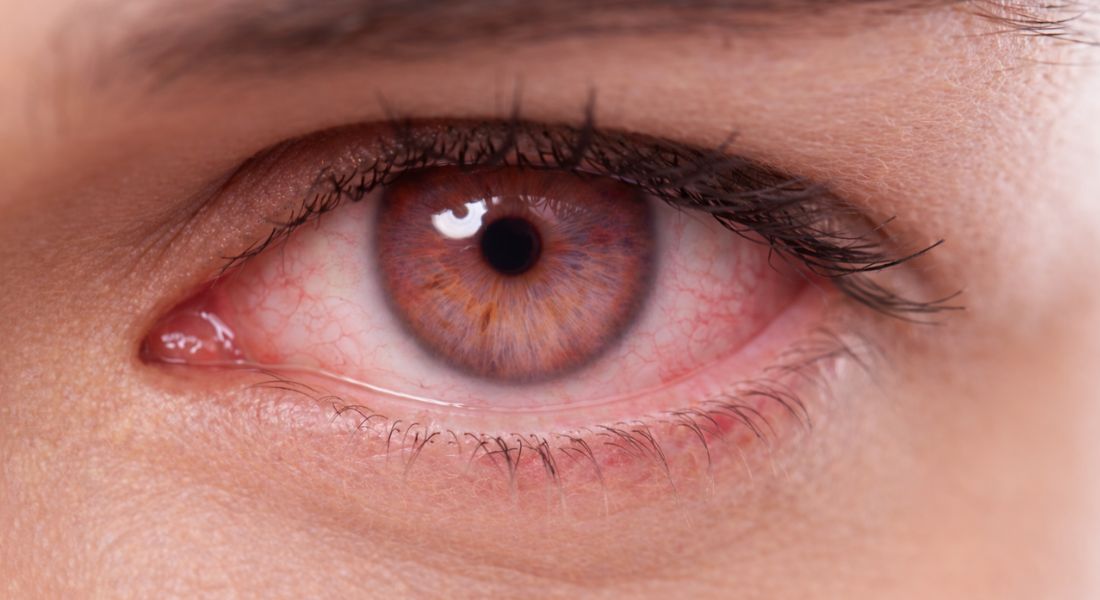
Hormonal changes can influence tear production and surface stability, particularly during pregnancy or breastfeeding. These changes affect how comfortable and predictable eye surgery feels rather than whether it is possible. We consider surface health a key part of planning because it directly shapes recovery and visual clarity. Understanding this explains why timing matters.
- Hormonal shifts can reduce tear stability: Changes in hormone levels may affect tear quantity and quality. This can make the ocular surface more sensitive and prone to dryness.
- Temporary dryness can affect recovery comfort: You may notice fluctuating clarity or irritation during this phase. Performing LASIK when surface stability is reduced can temporarily worsen dry eye symptoms.
- Optimising surface health improves outcomes: We prioritise restoring good tear quality before considering surgery. Stable surface conditions support smoother healing and clearer vision after treatment.
Surface stability plays an important role in surgical comfort and predictability. By waiting until tear quality has normalised, we reduce avoidable irritation and uncertainty. This careful timing supports a more comfortable recovery and more reliable long-term results.
Emotional Readiness and Surgical Timing
Pregnancy and early parenthood can place significant emotional and physical demands on you. Stress, fatigue, and disrupted routines may influence how recovery feels, even when healing itself is uncomplicated. Recognising this helps place timing decisions in a broader, more realistic context.
You may prefer to consider surgery when life feels more settled and predictable. Even a straightforward recovery benefits from adequate rest, consistency, and the space to focus on aftercare. Choosing a calmer period can make the experience feel easier and more positive overall.
We take emotional readiness into account alongside physical suitability. Surgery tends to fit best into stable phases of life, where recovery can be supported properly. When wellbeing is prioritised, the recovery process is often smoother and more reassuring.
Planning LASIK Around Family Life
Many women choose to plan LASIK once daily routines have settled, which may be months or even years after childbirth. This approach allows vision to be assessed in a stable phase rather than during periods of rapid change. Flexibility in timing helps ensure decisions feel calm and considered.
You may want freedom from glasses while caring for a child, and this motivation is both understandable and common. Clear vision can make everyday tasks feel easier and more comfortable. Wanting convenience does not mean rushing the process.
We help plan treatment around your lifestyle instead of forcing it into an unsuitable window. Timing is shaped by your reality, priorities, and readiness. When care adapts to real life, outcomes tend to feel more satisfying and sustainable.
When LASIK Is Usually Appropriate After Pregnancy
LASIK is usually considered once your vision has stabilised, breastfeeding has finished or reached a steady stage, and overall eye health is optimal. These conditions help ensure that measurements are reliable and that results can be planned with confidence. Timing is chosen to support predictability rather than speed.
You may undergo repeated measurements to confirm that results are consistent over time. This process helps distinguish temporary fluctuation from true stability. When patterns remain steady, readiness becomes clearer and more reassuring.
We base all recommendations on clinical evidence rather than urgency or external pressure. Careful assessment guides suitability and protects long-term outcomes. When decisions are grounded in data, confidence naturally follows.
The Importance of Post-Pregnancy Assessment
After pregnancy, a thorough assessment helps confirm suitability before any treatment is planned. Corneal shape, thickness, and tear film quality are examined carefully to ensure the eyes have returned to a stable baseline. This detailed approach supports safe and predictable outcomes.
You may find reassurance in comprehensive testing, as it provides clear answers rather than assumptions. Knowing that readiness has been confirmed reduces uncertainty and builds confidence in the decision-making process. Assessment turns questions into clarity.
We use these evaluations to personalise guidance rather than rely on general rules. Individual factors always matter when planning vision correction. Careful preparation helps protect outcomes and supports long-term success.
Common Myths About LASIK and Pregnancy
There are many misconceptions about LASIK and pregnancy, and these often create unnecessary anxiety. Some people believe LASIK is dangerous during pregnancy, while others assume pregnancy permanently removes eligibility. In reality, neither is true. The issue is timing rather than risk or exclusion.
- Pregnancy does not make LASIK dangerous: LASIK is not considered unsafe because of pregnancy itself. The concern relates to temporary changes in vision and measurements, not harm.
- Pregnancy does not remove future eligibility: You are not ruled out from LASIK because you are pregnant. Suitability usually remains the same once vision returns to a stable baseline.
- Timing improves accuracy and predictability: Stable measurements allow more reliable assessment and planning. You benefit when treatment decisions are based on consistent data rather than temporary change.
Clear, evidence-based information helps dispel unnecessary fear. By understanding that pregnancy affects timing rather than suitability, decisions feel more balanced and reassuring. When facts replace speculation, confidence grows and choices feel informed rather than restricted.
Does Waiting Reduce LASIK Success
Delaying LASIK does not reduce the likelihood of a successful outcome. In many situations, waiting actually improves predictability by allowing vision and measurements to stabilise fully. Decisions made at the right time tend to deliver more reliable results.
You may worry about missing an ideal window for treatment, but stable eyes matter far more than age alone. When the eye is in a steady state, outcomes are easier to plan and sustain. This focus helps protect long-term clarity rather than rushing short-term change.
We always place eye health ahead of urgency. Careful timing supports safer decisions and stronger results. When waiting is chosen for the right reasons, outcomes are often better supported.
If Pregnancy Occurs After LASIK
If pregnancy occurs after LASIK, long-term outcomes are usually unaffected. You may experience temporary visual fluctuations during this period, but these changes often settle once hormonal levels stabilise. The underlying surgical correction typically remains unchanged.
You might notice dryness or mild blurring at times, particularly as hormonal shifts can influence tear production and visual comfort. These effects are generally short lived and reversible with appropriate care. They do not indicate damage or loss of correction.
We monitor any concerns closely and provide reassurance when questions arise. The surgery itself remains stable, even if symptoms vary temporarily. For most people, post-LASIK pregnancy is uneventful and vision returns to its usual baseline.
Why Open Communication Matters
Discussing pregnancy plans helps ensure that timing advice is accurate and appropriate. When information is shared openly, recommendations can be aligned with both safety and long-term outcomes. Transparency allows care to be planned around real-life circumstances rather than assumptions.
You may feel hesitant about delaying surgery, especially if vision correction feels important right now. When the reasons behind timing advice are clearly explained, confidence tends to grow. Understanding how temporary changes can affect results makes waiting feel purposeful rather than frustrating.
We encourage open and honest discussion at every stage. Your priorities, plans, and concerns all matter when decisions are being made. Clear communication helps align care with reality and supports outcomes that feel right for you.
Specialist Advice and Individualised Planning
Specialist guidance looks at hormonal changes, visual stability, and lifestyle demands together rather than in isolation. This holistic approach recognises that no two situations are identical. When advice is personalised, it becomes more relevant and easier to trust.
You benefit far more from recommendations shaped around your own circumstances than from generic rules or blanket restrictions. Tailored guidance helps you understand what applies to you and why. This clarity supports better decisions and realistic expectations.
We focus on helping you make informed and confident choices based on expert assessment. When guidance is specific and evidence led, uncertainty reduces naturally. The right expertise replaces doubt with reassurance.
Optimising Timing Rather Than Restricting Choice
Delaying LASIK during pregnancy is about choosing the most reliable timing rather than restricting access to treatment. During pregnancy, vision and eye measurements can fluctuate, which makes precise planning more difficult. We prioritise accuracy because permanent correction should be based on stable data. Waiting helps ensure decisions are made under the right conditions.
- Pregnancy can temporarily affect eye measurements: Hormonal changes may influence vision and corneal readings. We avoid planning treatment while these temporary shifts are still present.
- Correct timing supports long-term accuracy: You deserve results that are consistent and built to last. Allowing your eyes to return to a stable baseline improves precision and durability.
- Delay is about optimisation, not denial: We view waiting as a way to align treatment with long-term visual goals. When timing is right, outcomes feel more predictable and confidence grows.
Choosing the right moment for LASIK protects both accuracy and long-term satisfaction. By waiting until eye measurements stabilise, we reduce uncertainty and support dependable outcomes. This careful approach ensures treatment is planned for lasting success rather than short-term convenience.
When to Book a Consultation After Pregnancy
Consultation can be arranged once your vision feels stable, allowing testing to confirm suitability at the right time. This step helps ensure decisions are based on how your eyes are performing now, not assumptions. Clear assessment supports confident next steps.
You may want reassurance even if surgery is still months away. An early discussion can provide clarity about options, timing, and expectations, helping you feel informed rather than uncertain. Knowing where you stand often reduces unnecessary worry.
We welcome planning conversations as part of a calm, structured approach. Preparation helps reduce stress and sets realistic expectations from the outset. When assessment starts the process, confidence tends to follow.
Choosing Trusted Care
Selecting an experienced centre supports thorough assessment and structured follow-up over time. Expertise becomes especially important when planning treatment around different life stages. Careful evaluation helps ensure decisions are made with long-term vision in mind.
You benefit from care that recognises how hormonal changes can influence visual comfort and clarity. These factors are often overlooked but play a meaningful role in how vision feels at different points in life. When they are considered properly, outcomes feel more predictable and reassuring.
We believe that trusted, informed guidance helps you make confident decisions. Experience supports not only treatment quality but also timing and long-term planning. With the right expertise, clarity extends beyond vision alone.
FAQs:
- Can you safely have LASIK while you are pregnant?
LASIK is usually postponed during pregnancy because vision and eye measurements can fluctuate. These changes can affect accuracy rather than safety. Permanent correction works best on stable eyes. Waiting supports more predictable outcomes. - Why does pregnancy affect whether you are suitable for LASIK?
Hormonal changes can influence corneal shape and vision clarity. These shifts are often temporary but clinically important for planning. LASIK relies on precise measurements. Stability is essential for reliable results. - Can pregnancy-related vision changes settle on their own for you?
Vision changes during pregnancy often resolve naturally after delivery. As hormones stabilise, eye measurements usually return to baseline. This process takes time. Reassessment is clearer once settling occurs. - Why is LASIK usually delayed while you are breastfeeding?
Breastfeeding involves ongoing hormonal effects that may influence eye stability. Measurements can still fluctuate even if vision feels mostly normal. Waiting helps ensure consistency. Stable readings support accurate correction. - Do LASIK eye drops matter if you are pregnant or breastfeeding?
LASIK involves short-term medicated eye drops after surgery. Even minimal exposure can raise understandable concerns. Delaying treatment removes this uncertainty. Caution supports peace of mind. - Can having LASIK too early lead to disappointing results for you?
Surgery performed during unstable vision increases the risk of residual error. Correction may not fully match long-term needs. Waiting improves predictability. Careful timing protects satisfaction. - How long should you usually wait after pregnancy before considering LASIK?
There is no fixed timeline that suits everyone. Vision should show consistent stability across repeated tests. Assessment matters more than the calendar. Evidence guides readiness. - Does waiting reduce your chances of successful LASIK later?
Delaying LASIK does not reduce success rates. In many cases, waiting improves outcome reliability. Stable eyes are easier to correct accurately. Timing supports durability. - What vision correction options work best for you during pregnancy?
Glasses or contact lenses offer flexibility during temporary changes. Prescriptions can be adjusted easily if vision shifts. These options avoid permanent decisions too early. Temporary solutions suit temporary phases. - When should you arrange a LASIK consultation after pregnancy?
You can book a consultation once vision feels settled and routine has stabilised. Testing confirms whether measurements are consistent. Early discussion brings clarity. Assessment supports confident planning.
Final Thoughts on LASIK, Pregnancy, and Breastfeeding:
LASIK is usually delayed during pregnancy and breastfeeding because hormonal changes can temporarily affect vision stability, corneal measurements, and eye comfort. These recommendations are precautionary and focused on achieving predictable, long-term outcomes rather than responding to short-term convenience.
Waiting allows the eyes to return to a stable baseline, supporting both safety and satisfaction. We believe informed timing leads to better results and peace of mind. If you are considering lasik surgery in London, you can contact us at Eye Clinic London.
References:
- Moshirfar, M., Rosen, D.B., Heiland, M.B., Ronquillo, Y.C. & Hoopes, P.C., 2019. Should I Get LASIK If I’m Breastfeeding? — This review explains why refractive surgery (including LASIK) is not recommended during pregnancy or lactation and discusses hormonal effects on corneal stability. Available at: https://pubmed.ncbi.nlm.nih.gov/31254257/
- Wilkinson, J.M., 2017. Helping patients make informed decisions about LASIK Review summarising contraindications for LASIK including pregnancy and lactation, alongside general refractive surgery considerations. Available at: https://pubmed.ncbi.nlm.nih.gov/28671403/
- Huang, T.Z. et al., 2022. Bilateral Corneal Ectasia Developed during Pregnancy after LASIK (case report). A PMC case report showing how pregnancy-related hormonal change can influence corneal biomechanics and potentially lead to complications after previous LASIK, illustrating why timing and stability matter. Available at: https://www.ncbi.nlm.nih.gov/pmc/articles/PMC9169746/
- López-Prats, M.J., Cardona, G., Muñoz, G., et al. (2012) – Influence of pregnancy on refractive parameters after LASIK. Available at: https://www.sciencedirect.com/science/article/abs/pii/S2173579412001211
- Said, A. (2011) Late onset corneal ectasia after LASIK surgery. Available at: https://www.ncbi.nlm.nih.gov/pmc/articles/PMC3729525/