


Can You Have LASIK Surgery If You Are HIV Positive?
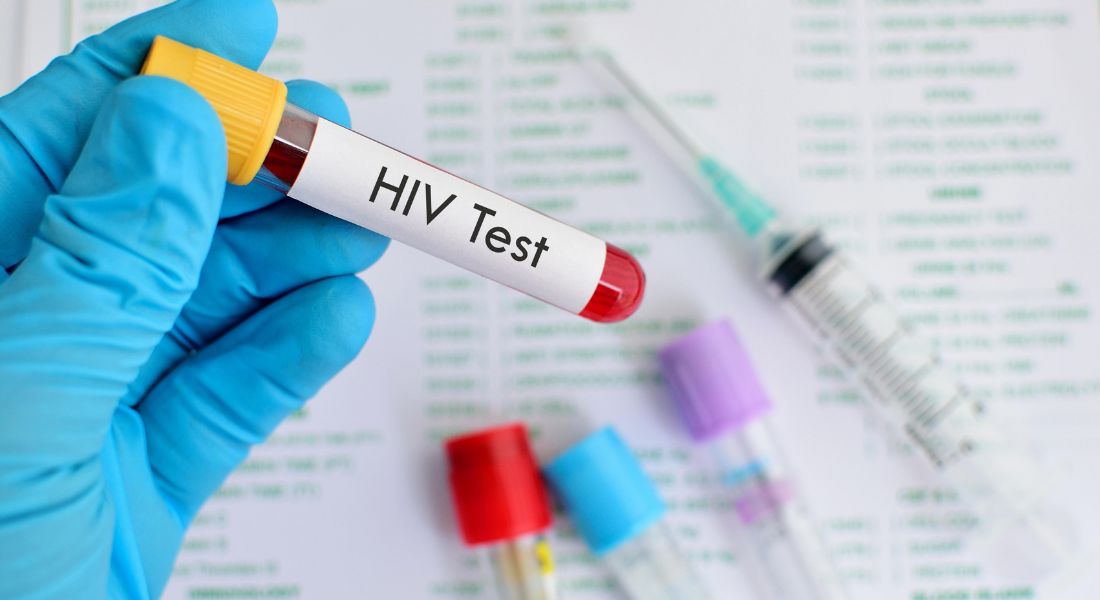
If you are living with HIV and considering LASIK surgery, it’s completely natural to wonder whether your condition affects your eligibility. The reassuring news is that being HIV positive does not automatically exclude you from having laser eye surgery. What matters most is how well your condition is controlled, including your immune status and viral load. Your overall eye health also plays an important role in determining suitability.
LASIK works by reshaping the cornea to correct common vision problems such as short-sightedness, long-sightedness, and astigmatism. While the procedure is generally safe, your body’s ability to heal is an important factor in achieving a good outcome. Because HIV can affect the immune system, your surgeon will carefully assess whether your eyes can heal properly after surgery. In many cases, patients with stable and well-managed HIV can safely undergo the procedure.
Understanding how HIV interacts with surgical healing can help you make a confident and informed decision. Your surgeon may work alongside your healthcare provider to review your medical history and current treatment. This personalised assessment ensures that any potential risks are carefully managed. With the right evaluation and preparation, many people living with HIV can still benefit from LASIK surgery.
How LASIK Surgery Works
LASIK uses a highly precise laser to reshape the cornea, improving how light focuses on your retina. By adjusting the cornea’s shape, the procedure helps correct vision problems such as short-sightedness, long-sightedness, and astigmatism. The treatment itself is quick, usually taking around 15-20 minutes per eye. Most people notice clearer vision within just a few days as the eyes begin to heal.
Your eye’s healing response plays an important role in the success of the procedure. Factors such as tear film quality, corneal health, and immune function all influence how well your eyes recover. If you are living with HIV, your surgeon will carefully consider how your immune system may affect healing. This is why a thorough pre-surgery assessment is essential.
Modern LASIK technology allows treatments to be tailored specifically to your eyes. Advanced imaging and mapping systems help create a personalised treatment plan for each patient. This level of precision reduces risks and improves visual outcomes. Even if you have an underlying condition, customised care can support safe and effective results.
HIV and Immune Function
If you are living with HIV and considering LASIK surgery, understanding how your immune system works is essential. HIV can affect immune function by lowering CD4 cell counts and increasing susceptibility to infections. For surgery to be considered safe, your viral load should be well controlled and your immune system stable. Your surgeon will rely on this information to assess your suitability and minimise risks. A stable immune system plays a key role in how well your eyes heal after the procedure.
- Impact of CD4 count on healing: Your CD4 count reflects how strong your immune system is. When levels are within a healthy range, your body is better able to heal after surgery, reducing the risk of complications.
- Importance of viral load control: Keeping your viral load undetectable or well managed helps maintain overall health. This stability supports a smoother recovery and lowers the likelihood of post-operative infections.
- Pre-surgical medical evaluation: Your surgeon will review your medical history and may request recent blood tests. These checks ensure your immune system is in a suitable condition before proceeding with LASIK.
- Ongoing monitoring for safety: Regular follow-up before and after surgery helps track your health status. Close monitoring allows any concerns to be addressed early, ensuring a safer experience.
By understanding how your immune status influences recovery, you can approach LASIK surgery with realistic expectations. With proper medical management and careful evaluation, many patients with well-controlled HIV can achieve outcomes similar to those without the condition.
Eligibility Considerations
Being HIV positive does not automatically disqualify you from LASIK surgery. Instead, your overall health is assessed alongside your eye condition to determine whether the procedure is suitable for you. Stable control of HIV, including a healthy immune system and well-managed viral load, are key factors. These indicators help your surgeon understand how well your body is likely to heal.
If your CD4 count is low or your HIV is not well controlled, you may be advised to delay surgery. This is because a weakened immune system can increase the risk of infection or slow down the healing process. Your ophthalmologist will carefully review your medical history, medications, and recent lab results. This thorough evaluation ensures that any risks are properly considered before proceeding.
Eligibility is always determined on an individual basis. Your surgeon will balance your eye health, overall medical condition, and treatment goals before making a recommendation. This personalised approach helps ensure the safest possible outcome. With the right assessment, many people living with HIV can still be suitable candidates for LASIK.
Eye Health Assessment
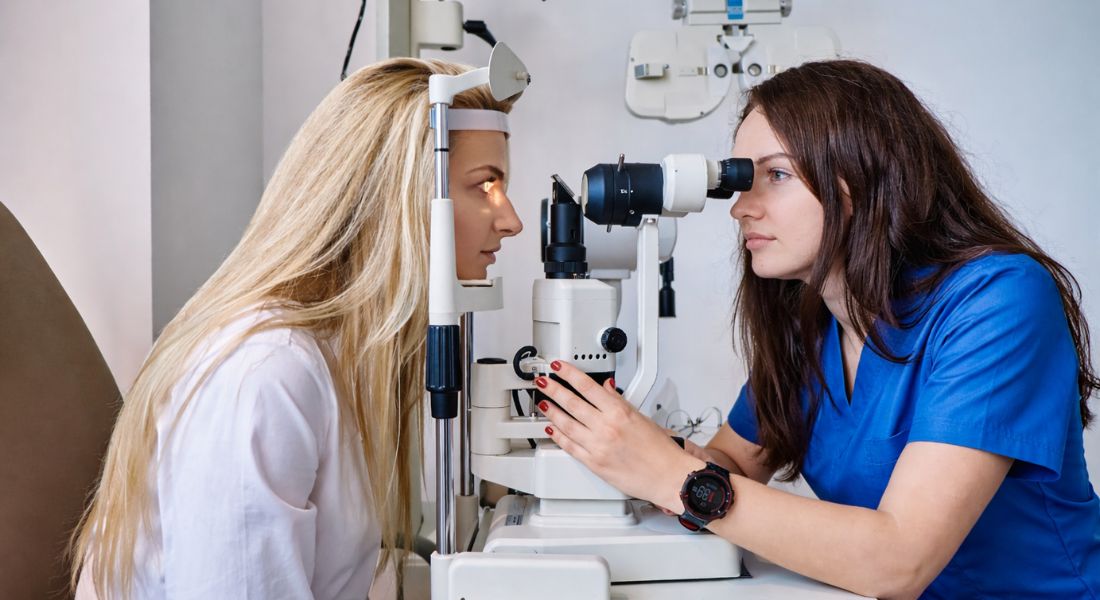
Before LASIK, your surgeon will carry out a detailed assessment of your eyes. This includes measuring corneal thickness, evaluating your tear film, and checking overall eye health. If you are living with HIV, there may be a slightly higher risk of dry eye or certain ocular surface issues. These factors are carefully reviewed during your pre-operative tests.
Your surgeon will also look for any pre-existing eye conditions that could affect the outcome of the procedure. Issues such as inflammation, infection, or severe dryness need to be treated before surgery can go ahead. Managing these conditions in advance helps reduce potential complications. It also improves the chances of a smoother healing process.
Ensuring your eyes are in good condition before LASIK is essential for safe and effective results. A healthy ocular surface supports faster recovery and better visual outcomes. Your surgeon will guide you on any treatments needed before proceeding. This careful preparation helps create the best possible environment for successful surgery.
Viral Control and Timing
If you are considering LASIK surgery while living with HIV, ensuring your viral load is well controlled is a crucial first step. Patients with an undetectable viral load are generally less likely to experience complications, as their immune system is better equipped to handle healing. Staying consistent with your treatment helps create the right conditions for a safe and successful procedure. Careful timing of surgery can make a meaningful difference to your outcome.
- Importance of an undetectable viral load: When your viral load is well managed, your body is in a more stable state. This reduces the risk of infection and supports smoother recovery after surgery.
- Stability of ongoing treatment: Adhering to your prescribed HIV treatment ensures your immune system remains balanced. Consistent control improves your overall suitability for elective procedures like LASIK.
- Timing surgery with immune health: In some cases, your surgeon may recommend waiting until key immune markers, such as CD4 count, reach a stable level. This precaution helps maximise safety and healing potential.
- Coordinated medical planning: Your eye surgeon may work alongside your healthcare provider to determine the best timing. This collaborative approach ensures that both your eye health and general health are fully considered.
By aligning surgery with stable viral control and immune health, you give yourself the best chance of a smooth procedure and strong visual outcome. Careful planning ensures that LASIK is performed at the safest possible time for you.
Risk of Infection
LASIK involves creating a thin corneal flap or performing surface ablation, which temporarily disrupts the eye’s natural protective barrier. A healthy immune system plays an important role in reducing the risk of infection during this period. If you are living with HIV, having the condition well controlled helps your body respond effectively during healing. This is why your immune status is carefully assessed before surgery.
Modern clinics follow strict sterilisation and infection control protocols to keep the procedure as safe as possible. Each step of the surgery is performed in a controlled, sterile environment. These measures significantly reduce the risk of post-operative complications. Your surgical team is trained to maintain high safety standards throughout the process.
After the procedure, you will be given clear instructions on how to care for your eyes. This usually includes using prescribed eye drops and avoiding activities that may increase the risk of infection. Following these guidelines closely is essential for a smooth recovery. Good post-operative care plays a key role in protecting your eyes and achieving the best possible outcome.
Healing After LASIK
Healing after LASIK is usually quick, especially if your health is stable. If you are living with HIV and your condition is well controlled, your recovery can be similar to that of other patients. The cornea begins to regenerate soon after the procedure, and your vision gradually improves. Many people notice clearer vision within a few days, while full stabilisation may take several weeks.
Your immune function plays an important role in how efficiently your eyes heal. A strong and well-managed immune system supports normal recovery and reduces the likelihood of complications. If your immune status is stable, your body can usually respond well to the healing process. This is why your surgeon carefully evaluates your overall health before proceeding.
Regular follow-up appointments are an essential part of your recovery. During these visits, your surgeon will check how your eyes are healing and ensure your vision is improving as expected. Any concerns can be addressed early, helping to prevent potential issues. Ongoing monitoring provides reassurance and supports a smooth recovery.
Dry Eye Considerations
After LASIK surgery, it is quite common for you to experience temporary dry eye symptoms. If you are living with HIV, you may be slightly more prone to dryness due to certain medications or subtle changes to the ocular surface. While this can sound concerning, the condition is usually manageable and improves with proper care. Taking early steps to manage dryness can make your recovery more comfortable.
- Why dryness may occur: LASIK temporarily affects the nerves that help regulate tear production. In some patients with HIV, existing factors such as medication side effects can make this dryness more noticeable.
- Managing symptoms with lubricating drops: Using artificial tears regularly helps keep your eyes moist and reduces irritation. Your surgeon will recommend suitable drops based on your needs.
- Maintaining good eye hygiene: Keeping your eyes clean and avoiding irritants such as dust or smoke can support healing. Simple habits, like avoiding eye rubbing, also help protect the ocular surface.
- Early management improves outcomes: Addressing dryness promptly helps maintain clear vision and prevents discomfort from interfering with daily activities. Consistent care supports smoother healing.
In most cases, dry eye symptoms improve within a few weeks as your eyes recover. By following aftercare instructions and staying consistent with treatment, you can maintain comfort and support the best possible visual outcome.
Medication Management
If you are taking antiretroviral therapy (ART) for HIV, it’s important that your surgeon understands your medication routine. Some medicines can influence tear production, healing speed, or how your immune system responds after surgery. Sharing this information helps your ophthalmologist plan your treatment safely. It also allows them to tailor the procedure to your individual needs.
In some cases, small adjustments to your eye drops or the timing of your medications may be recommended. These changes are designed to support healing and reduce the risk of side effects. Your surgeon will explain any modifications clearly so you know what to expect. Following these instructions carefully helps ensure a smooth recovery.
Coordination between your eye surgeon and your HIV specialist is an important part of the process. This team approach ensures that your overall health is fully considered. Being open and honest about your medications allows your doctors to make informed decisions. Transparency plays a key role in achieving the best possible outcome from LASIK surgery.
Pre-Surgery Blood Tests
Before LASIK, blood tests are often used to assess your overall health. If you are living with HIV, these tests typically measure your CD4 count, viral load, and general immune status. This information helps your surgeon understand how well your body is likely to respond to surgery. Stable results usually indicate a lower risk of complications and a smoother recovery.
These tests also play an important role in confirming whether you are ready for the procedure. By reviewing your results, your surgeon can decide if it is the right time to proceed or if it would be safer to wait. This careful evaluation reduces potential risks. It ensures that your treatment is planned at the most appropriate stage of your health.
Routine monitoring before surgery helps identify any concerns early. If anything needs attention, it can be managed before the procedure takes place. This proactive approach supports a safer and more predictable recovery. Your safety and long-term eye health remain the top priority throughout the process.
Chronic Conditions and LASIK
If you are living with HIV, you may also have other chronic health conditions that need to be considered before LASIK surgery. Conditions such as Diabetes Mellitus, Hypertension, or liver-related issues can influence how your body heals after the procedure. Your surgeon will take a full view of your health to determine whether LASIK is safe and suitable for you. A thorough, personalised assessment helps ensure the best possible outcome.
- Impact of coexisting conditions: Chronic conditions can affect blood flow, immune response, and tissue healing. For example, uncontrolled diabetes may slow recovery, while hypertension can influence overall eye health.
- Comprehensive pre-surgical evaluation: Your surgeon will review your medical history, medications, and recent test results. This detailed evaluation helps identify any risks and ensures that your body is ready for surgery.
- Importance of managing underlying health issues: Keeping chronic conditions well controlled improves healing and reduces the likelihood of complications. Working closely with your healthcare provider is an important part of preparation.
- Holistic approach to patient care: LASIK suitability is not based on one factor alone. By considering your overall health, your surgeon can recommend the safest and most effective treatment plan for you.
By addressing all aspects of your health before surgery, you can improve both short-term recovery and long-term visual results. A well-managed medical profile gives you greater confidence in achieving a safe and successful LASIK experience.
Benefits of LASIK for Patients With HIV
If your HIV is well controlled, LASIK surgery can offer meaningful improvements to your daily life. Many patients enjoy greater independence from glasses or contact lenses, making everyday activities more convenient and comfortable. With modern techniques and careful screening, outcomes are often very positive. When your overall health is stable, the benefits of LASIK are similar to those seen in people without HIV.
- Greater freedom from visual aids: You may no longer need to rely on glasses or contact lenses for most activities. This can make routines such as travelling, exercising, or working more convenient.
- Improved confidence in daily life: Clear vision without corrective lenses can boost your confidence in both personal and professional settings. Many patients feel more comfortable engaging in social and active lifestyles.
- High levels of visual accuracy: Most patients achieve excellent visual acuity after LASIK. Results are typically comparable to those in individuals without HIV when proper medical criteria are met.
- Safe outcomes with proper assessment: A thorough pre-surgical evaluation ensures that any risks are minimised. When your immune status and overall health are stable, LASIK can be performed safely and effectively.
By choosing surgery at the right time and following professional guidance, you can experience long-term visual clarity and improved quality of life. With careful planning, LASIK can be a safe and rewarding option for patients living with HIV.
Psychological Considerations
Living with HIV can sometimes bring added stress or anxiety, especially when you are thinking about surgery. It’s completely normal to feel uncertain or cautious about undergoing LASIK. Understanding that the procedure is generally safe for people with well-managed HIV can help ease some of these worries. Having clear, accurate information allows you to approach the decision with more confidence.
Open communication with your surgeon plays an important role in reducing anxiety. You should feel comfortable asking questions and discussing any concerns you may have. Knowing that your condition is being carefully considered during planning can be reassuring. Your surgeon’s goal is to ensure both your safety and your peace of mind.
Emotional readiness is just as important as physical preparation. Feeling informed and supported can make the experience much more comfortable. Taking the time to understand the process helps you feel more in control. This balanced approach contributes to a positive overall experience with LASIK surgery.
Advances in LASIK Technology
Modern LASIK uses highly advanced laser systems and detailed mapping of your cornea. Techniques such as wavefront-guided treatment allow your surgeon to customise the procedure to your exact visual needs. This level of precision helps reduce common side effects and improve the quality of your vision. As a result, the procedure has become safer and more predictable for a wide range of patients.
Technological improvements have also helped lower the risk of complications. Faster lasers, better eye-tracking systems, and refined surgical techniques all contribute to a smoother experience. If you are living with HIV and your condition is well controlled, you can benefit from these advancements in the same way as other patients. Careful planning ensures that your treatment is both safe and effective.
These innovations have made LASIK outcomes more reliable and long-lasting. Many patients achieve clear, stable vision with minimal disruption to their daily lives. Ongoing research continues to improve safety and performance even further. With modern technology, LASIK remains a trusted option for vision correction.
Post-Operative Monitoring
Regular follow-up appointments after LASIK are an essential part of your recovery. During these visits, your surgeon will check how well your eyes are healing, monitor your vision, and look for any signs of infection. If you are living with HIV, you may be advised to attend slightly more frequent reviews. This closer monitoring helps ensure your recovery stays on track.
These follow-ups also give your surgeon the chance to address any minor issues early. Small concerns, such as dryness or mild irritation, can be managed quickly with the right treatment. Early intervention helps prevent complications and supports better visual outcomes. You will also receive guidance on adjusting your aftercare routine if needed.
Your involvement in post-operative care plays a key role in your recovery. Attending all scheduled appointments and following your surgeon’s advice can make a noticeable difference. This proactive approach helps protect your eye health and supports long-term results. With proper monitoring, most patients achieve a smooth and successful recovery.
Lifestyle and Recovery

After LASIK surgery, the way you care for your body can directly influence how well and how quickly your eyes heal. If you are living with HIV, maintaining overall health becomes even more important during recovery. Simple lifestyle choices can support healing, reduce discomfort, and help you achieve the best possible visual outcome. Making a few practical adjustments can significantly improve your recovery experience.
- Prioritising rest and recovery: Giving your body enough rest allows natural healing processes to work effectively. Try to avoid late nights and allow your eyes regular breaks, especially in the first few days after surgery.
- Maintaining proper nutrition: A balanced diet rich in vitamins and hydration supports tissue repair and immune function. Eating well helps your body recover more efficiently after the procedure.
- Staying consistent with your ART regimen: Continuing your prescribed HIV treatment without interruption is essential. Stable viral control supports your immune system and reduces the risk of post-operative complications.
- Limiting alcohol and avoiding irritants: Avoiding alcohol during early recovery can help prevent dehydration and support healing. You should also protect your eyes from smoke, dust, and other environmental irritants.
- Practising good eye hygiene and screen habits: Keep your eyes clean and use prescribed drops as directed. Limiting screen time and taking frequent breaks can reduce strain and dryness during recovery.
Your commitment to these lifestyle habits plays an important role in your results. By taking care of your overall health and following aftercare guidance closely, you can support a smoother recovery and enjoy clear, comfortable vision in the long term.
When LASIK May Not Be Suitable
In some situations, LASIK may not be the best option. If you are living with HIV and your condition is not well controlled, or if there is significant immune suppression, your surgeon may advise delaying the procedure. This is because a weakened immune system can increase the risk of infection and slow healing. Your safety will always be the top priority when making this decision.
Delaying surgery until your health becomes stable can greatly improve both safety and outcomes. Once your immune function and viral control are well managed, you may become a suitable candidate for LASIK. Your surgeon will reassess your condition and guide you on the right timing. This careful approach helps ensure the best possible results.
If LASIK is not suitable, alternative vision correction options may be considered. For example, PRK is sometimes recommended depending on your eye health and medical status. Your specialist will explain the benefits and limitations of each option. The goal is always to find the safest and most effective solution for your vision.
Patient Responsibility
Being open about your health is an essential part of preparing for LASIK. If you are living with HIV, sharing accurate details about your condition, medications, and overall health allows your surgeon to plan your treatment safely. This transparency helps reduce risks and ensures that your care is tailored to your specific needs. Your involvement begins well before the procedure itself.
Following all pre- and post-operative instructions is equally important. This includes using prescribed eye drops, protecting your eyes, and avoiding activities that could interfere with healing. Attending scheduled follow-up appointments allows your surgeon to monitor your progress closely. These steps play a key role in achieving a smooth recovery.
Your proactive approach can make a meaningful difference to your results. Reporting any unusual symptoms or concerns early helps prevent complications. Staying engaged throughout the process supports both your safety and your long-term vision outcomes. By taking an active role, you help ensure the best possible experience with LASIK.
When to Seek Expert Advice
If you are unsure whether LASIK is suitable for you, the best step is to arrange a consultation with a qualified eye specialist. A detailed assessment allows your surgeon to evaluate your eye health, medical history, and HIV status. This personalised approach gives you clear, reliable guidance tailored to your situation. Relying on professional advice helps you make safe and confident decisions.
- Comprehensive eye examination: Your ophthalmologist will perform detailed tests to assess your vision, corneal thickness, and overall eye health. These checks determine whether LASIK is an appropriate option for you.
- Individualised medical assessment: Your general health, including immune status and any other conditions, will be carefully reviewed. This ensures that all risk factors are considered before proceeding.
- Clarifying doubts and expectations: A consultation gives you the opportunity to ask questions and understand the procedure fully. Knowing what to expect before, during, and after surgery helps reduce uncertainty.
- Avoiding assumptions or outdated information: Every patient’s situation is different, especially when managing HIV. Personalised advice is far more reliable than general information found online or through others’ experiences.
Seeking expert guidance ensures that your treatment plan is both safe and effective. With the right evaluation and support, you can move forward with confidence and achieve the best possible outcome for your vision.
Practical Tips During Recovery
During the initial healing phase after LASIK, it’s important to avoid rubbing your eyes, even if they feel slightly irritated. You should also protect your eyes from dust, smoke, and water exposure, as these can increase the risk of infection. Using your prescribed eye drops consistently helps keep your eyes lubricated and supports healing. Following all aftercare instructions carefully makes a real difference to your recovery.
Good lighting can help reduce eye strain, especially when reading or using screens. Wearing sunglasses outdoors protects your eyes from bright sunlight and helps minimise discomfort. If you are living with HIV, maintaining good eye care habits is particularly important to support your immune response during healing. Small adjustments in your daily routine can improve comfort.
It’s best to return to your normal activities gradually rather than rushing back too quickly. Give your eyes time to adjust as your vision improves over the first few days and weeks. Taking short breaks and avoiding overexertion can help prevent strain. These simple steps support a smooth and comfortable recovery process.
FAQs:
- Can you have LASIK surgery if you are HIV positive?
Yes, you can have LASIK surgery if your HIV is well controlled. Your eligibility depends on your immune system health, viral load, and overall eye condition. Being HIV positive alone does not prevent you from having the procedure. A detailed consultation helps determine if it is safe for you. - Does HIV affect the healing process after LASIK?
HIV can affect healing if your immune system is weakened. However, if your condition is stable and well managed, your recovery is usually similar to other patients. Your surgeon will monitor your healing closely after the procedure. Following aftercare instructions plays an important role in recovery. - What CD4 count is considered safe for LASIK surgery?
There is no strict cut-off, but a stable and healthy CD4 count is important. Higher CD4 levels generally indicate better immune function and healing ability. Your surgeon will review your recent blood test results before making a decision. This helps ensure the procedure is as safe as possible. - Is there a higher risk of infection after LASIK if you have HIV?
If your HIV is well controlled, the risk of infection is not significantly higher. Clinics follow strict hygiene and sterilisation protocols to maintain safety. You will also be given antibiotic eye drops to prevent infection. Careful aftercare further reduces any potential risks. - Do you need special tests before LASIK if you have HIV?
Yes, additional tests are usually required to assess your readiness for surgery. These include blood tests to check your CD4 count and viral load. Your eye health will also be evaluated thoroughly. This comprehensive approach helps your surgeon plan your treatment safely. - Can antiretroviral therapy (ART) affect LASIK results?
Some ART medications may affect tear production or healing. This does not usually prevent you from having LASIK, but it may influence your care plan. Your surgeon will take your medication into account when planning treatment. Sharing accurate information about your medication is essential. - Are there alternative procedures if LASIK is not suitable?
Yes, alternatives such as PRK may be recommended if LASIK is not ideal for you. These procedures can be safer in certain situations, depending on your eye and overall health. Your surgeon will explain the differences and benefits. The goal is to choose the safest and most effective option. - Will you need a longer recovery time if you are HIV positive?
Not necessarily, especially if your immune system is stable. Most patients experience a similar recovery timeline to those without HIV. However, you may have more frequent follow-up appointments. This ensures any concerns are addressed early. - Can HIV cause eye problems that affect LASIK eligibility?
Yes, HIV can sometimes be associated with eye conditions such as dry eye or infections. These issues may affect your suitability for LASIK. Your surgeon will check for any underlying problems during your assessment. Treating these conditions beforehand improves safety and outcomes. - How do you know if LASIK is right for you?
The best way is to attend a detailed consultation with an experienced eye specialist. They will review your medical history, blood test results, and eye health. This personalised assessment helps determine if LASIK is safe and suitable for you. It also gives you the opportunity to ask questions and understand the process fully.
Final Thoughts: Making an Informed Decision About LASIK with HIV
Living with HIV does not automatically prevent you from having LASIK surgery. What matters most is how well your condition is managed, including your immune status, viral load, and overall eye health. With proper evaluation and modern surgical techniques, many patients with stable HIV can safely achieve excellent visual outcomes.
Taking a personalised approach is essential. By working closely with your ophthalmologist and ensuring your health is well controlled, you can minimise risks and support a smooth recovery. Understanding the process, following medical advice, and staying consistent with your treatment all contribute to a successful experience. If you’d like to find out whether lasik surgery in London is suitable for you, feel free to contact us at Eye Clinic London to arrange a consultation.
References:
- AlKharashi, M., Bower, K.S., Stark, W.J. and Daoud, Y.J. (2014) ‘Refractive surgery in systemic and autoimmune disease’, Middle East African Journal of Ophthalmology, 21(1), pp. 18–24. https://pmc.ncbi.nlm.nih.gov/articles/PMC3959036/
- Pérez-Santonja, J.J. et al. (2006) ‘LASIK outcomes in patients with underlying systemic contraindications’, Ophthalmology, 113(7), pp. 1118.e1–1118.e8. https://pubmed.ncbi.nlm.nih.gov/16647130/
- Jabs, D.A. et al. (2019) ‘Refractive surgery in HIV-positive patients: outcomes and complications’, Ophthalmology. https://pubmed.ncbi.nlm.nih.gov/31585850/
- AlKharashi, M., Bower, K.S., Stark, W.J. and Daoud, Y.J. (2014) ‘Refractive surgery in systemic and autoimmune disease’, Middle East African Journal of Ophthalmology, 21(1), pp. 18–24. https://pmc.ncbi.nlm.nih.gov/articles/PMC3959036/
- Moshirfar, M., Kelkar, N., Ronquillo, Y.C. and Hoopes, P.C. (2022) ‘Assessing patients with alpha-1 antitrypsin deficiency for corneal refractive surgery: A review and clinical experience’, Journal of Clinical Medicine, 11(14), p. 4175. https://www.mdpi.com/2077-0383/11/14/4175