

Can You Have LASIK Surgery If You Have Hepatitis?
If you have hepatitis and are thinking about LASIK surgery, it’s completely natural to wonder whether the procedure is safe for you. Your overall health is a key factor in determining whether you’re a suitable candidate for any elective eye treatment. Knowing how hepatitis might affect the process can help you make a well-informed decision.
Hepatitis is inflammation of the liver, often caused by viral infections such as hepatitis A, B, or C. Each type behaves differently and may influence your body’s ability to heal after surgery. Because LASIK involves precise reshaping of the cornea, your surgeon will take a detailed look at your medical history and current liver health before recommending treatment.
In this article, you’ll discover how hepatitis can affect LASIK eligibility, the potential risks involved, and the steps surgeons take to ensure your safety. With careful evaluation and proper guidance, many patients with hepatitis can still achieve excellent visual outcomes.
Understanding Hepatitis and Its Types
Hepatitis isn’t just one condition it’s a group of diseases that affect the liver. Hepatitis A is usually short-term and often resolves without causing long-term problems. Hepatitis B and C, on the other hand, can become chronic and may have a broader impact on your overall health.
Chronic hepatitis can affect how your body heals and responds to surgery. Your liver plays a crucial role in metabolism and immune function, both of which are important for recovery after procedures like LASIK. These factors are carefully considered when evaluating your suitability for eye surgery.
Understanding the type and severity of hepatitis you have is the first step in assessing whether LASIK is appropriate. Your surgeon will take these details into account during your consultation to ensure the safest possible outcome.
How LASIK Surgery Works
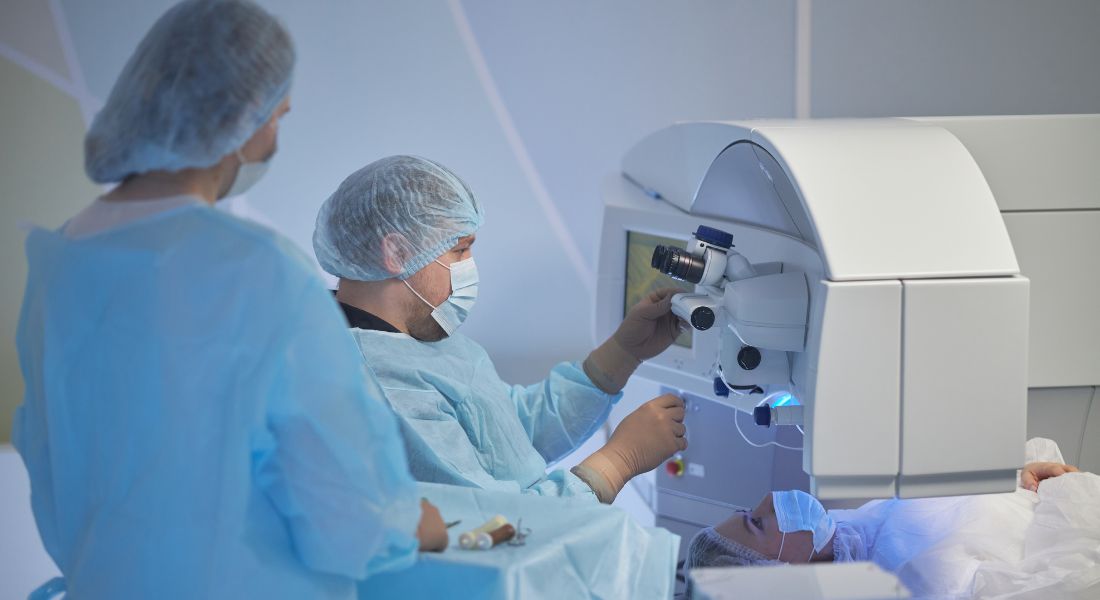
LASIK surgery works by reshaping your cornea, the clear front surface of your eye, to correct refractive errors like short-sightedness, long-sightedness, and astigmatism. A specialised laser creates a precise change in the corneal curvature, allowing light to focus correctly on the retina and giving you clearer vision without glasses or contact lenses. Understanding the process can help you feel more prepared and confident about the procedure.
- Precision corneal reshaping: The laser removes tiny amounts of corneal tissue to adjust its shape. This change improves the way light enters your eye, which enhances visual clarity and focus.
- Quick and generally safe procedure: LASIK is usually completed within minutes and is considered safe for healthy individuals. Most patients notice improved vision within a day or two.
- Fast recovery, but individual factors matter: While recovery is often rapid, the healing process depends on your overall health and eye condition. Factors like existing eye disease, chronic conditions, or systemic illnesses such as hepatitis need careful evaluation before surgery.
- Optimising outcomes through assessment: Preoperative screening helps identify potential risks and ensures that the procedure is tailored to your eyes. This preparation improves both safety and long-term results.
With careful planning and proper aftercare, LASIK can provide lasting vision improvement and reduce dependence on corrective lenses.
Is Hepatitis a Contraindication?
Having hepatitis doesn’t automatically mean you can’t have LASIK surgery. Many people with well-managed or stable hepatitis undergo the procedure safely. The most important consideration is how well your condition is controlled at the time of surgery. Understanding this can help you approach your consultation with realistic expectations.
- Stable hepatitis may not prevent surgery: If your liver function is normal and your overall health is good, you could still be a suitable candidate for LASIK. Proper management of your condition is key to minimising risk.
- Active or severe liver disease requires caution: Patients with uncontrolled or severe liver problems may face higher risks during surgery and recovery. Surgeons assess these risks carefully to protect your health.
- Case-by-case assessment: The decision to proceed is always personalised. Your surgeon will review your medical history, current liver function, and overall health to determine whether LASIK is safe for you.
- Ensuring safety and optimal results: By tailoring the approach to your individual situation, your eye specialist aims to achieve the best possible visual outcomes while keeping you safe.
With careful evaluation and management, many patients with hepatitis can successfully undergo LASIK, enjoying improved vision without compromising their health.
Importance of Liver Function

Your liver is central to both healing and immune function. If your liver isn’t working optimally, your body may take longer to recover from surgery, which can affect how well your eyes heal after LASIK. Proper liver function is therefore a key consideration when assessing your suitability for the procedure.
Blood tests are commonly used to check liver health. These tests give your surgeon valuable insight into whether your body can safely handle the surgery. Stable results are generally a good indicator that you’re ready for LASIK.
Maintaining good liver health can improve your chances of a smooth and successful recovery. Eating well, staying hydrated, and following medical advice all support your liver’s function and, in turn, your overall healing.
Risk of Infection
Patients with a weakened immune system may face a higher risk of infection. Chronic hepatitis can sometimes affect how your body responds to pathogens, making this an important factor to consider before any surgical procedure. Understanding your immune status helps your surgeon plan for a safer outcome.
LASIK is carried out in a highly sterile environment, with strict safety protocols in place to minimise the risk of infection. Despite these precautions, your surgeon will carefully evaluate your individual risk profile before proceeding. This personalised assessment ensures that any potential concerns are identified early.
Proper pre-operative evaluation and planning help address these risks in advance. By taking these steps, your surgical team can provide a safer procedure and support a smooth recovery.
Healing After LASIK
Healing after LASIK is generally quick, but it relies on a healthy biological response. If you have hepatitis, particularly with reduced liver function, this process may be affected. Slower healing can influence how your vision stabilises after the procedure.
Most patients with well-managed hepatitis still experience normal recovery. Following your post-operative care instructions carefully is essential. This includes using prescribed eye drops, avoiding rubbing your eyes, and attending all scheduled follow-up appointments.
Your surgeon will monitor your recovery closely to ensure everything progresses as expected. Regular check-ups allow any issues to be addressed promptly, helping you achieve the best possible visual outcome.
Dry Eye Considerations
Dry eye is a common and usually temporary side effect after LASIK. If you have hepatitis, you might already experience some dryness due to medications or general health factors. This pre-existing dryness can influence how comfortable your eyes feel during recovery. Being aware of this possibility beforehand helps you set realistic expectations and plan for proactive management.
Using lubricating eye drops regularly is one of the most effective ways to maintain comfort and support clear vision during the healing process. Proper management of dryness can also help your eyes recover more efficiently. Most patients notice that these symptoms gradually improve over a period of weeks to a few months. Consistency with eye care routines can make a noticeable difference in comfort and visual clarity.
Addressing dry eye early is key to achieving the best possible outcomes. Your surgeon can recommend tailored strategies or specific products to keep your eyes comfortable throughout recovery. Following these recommendations supports smoother healing and helps you feel more confident in your visual results.
Hepatitis A and LASIK
Hepatitis A is usually an acute infection and rarely causes long-term liver damage. Once you have fully recovered, it generally does not affect your eligibility for LASIK surgery. Most patients with a past hepatitis A infection can safely proceed with the procedure without additional concerns or modifications. Being aware of your recovery status helps you and your surgeon plan appropriately.
Before surgery, your surgeon will confirm that you are no longer experiencing any active symptoms of hepatitis A. Ensuring that your health is stable is a crucial step before any elective procedure. With a full recovery, your body is typically capable of healing normally after LASIK, supporting a smooth post-operative experience.
For many patients with a history of hepatitis A, LASIK remains a safe and effective option for vision correction. A thorough pre-operative assessment helps ensure the procedure goes smoothly and that recovery is as uncomplicated as possible. Careful planning provides reassurance and contributes to successful visual outcomes.
Hepatitis B and LASIK
Hepatitis B can occur as either an acute or chronic condition. If you have chronic hepatitis B that is well controlled, you may still be considered a candidate for LASIK surgery. The most important factor is that your liver function is stable and effectively managed before you undergo the procedure. Ensuring this stability helps reduce potential complications during recovery.
Regular medical monitoring and careful management of your condition are key to improving safety both during and after LASIK. Your surgeon may request recent blood test results to evaluate liver function and overall health. These tests provide essential information to determine whether it is safe for you to proceed with the surgery.
With a thorough evaluation and proper medical oversight, many patients with hepatitis B can successfully undergo LASIK. When your condition is well controlled and your surgeon has all the necessary information, the procedure can achieve excellent visual outcomes. Careful planning and monitoring are central to a smooth recovery.
Hepatitis C and LASIK
Hepatitis C is often a chronic condition and can affect your overall health more broadly than other types of hepatitis. However, having hepatitis C does not automatically exclude you from LASIK surgery if your condition is well-managed. The most important factor is that your general health and liver function are stable, ensuring your body can handle the procedure safely.
Before recommending surgery, your surgeon will carefully assess your liver function, overall health, and any complications that might affect healing. This thorough evaluation helps ensure that LASIK can be performed safely and effectively. Advances in hepatitis C treatments have also improved the outlook for patients considering elective procedures like LASIK.
With careful planning, ongoing monitoring, and adherence to medical guidance, many individuals with hepatitis C can undergo LASIK safely. These patients often achieve excellent visual outcomes while maintaining a smooth and well-managed recovery process.
Pre-Surgery Assessment

Before undergoing LASIK surgery, a thorough pre-operative assessment is especially important if you have hepatitis. Your surgeon will review your full medical history, current medications, and recent test results. In some cases, they may also coordinate with your GP or liver specialist to ensure all aspects of your health are considered. This careful approach helps your surgeon plan the safest procedure and optimise your results.
- Comprehensive medical review: Your doctor will evaluate your overall health, liver function, and any medications that could affect healing. This step ensures potential risks are identified early.
- Coordination with other healthcare providers: Working with your GP or hepatologist allows your surgeon to have a complete picture of your health. Collaboration ensures that any medical concerns are managed appropriately before surgery.
- Reducing risks and improving outcomes: By assessing all factors in advance, your surgeon can tailor the procedure to your needs. This reduces complications and supports smoother healing.
- Honesty about your health: Being open about your condition, symptoms, and medications helps your surgeon make the best decision for you. Clear communication is essential for safe and successful surgery.
A personalised pre-surgery assessment gives you confidence that your LASIK procedure is planned with your unique health needs in mind, helping you achieve the best possible visual outcome.
Safety for Medical Staff
Modern LASIK clinics maintain strict infection control protocols to protect both patients and medical staff. These measures ensure that every procedure is conducted in a safe and hygienic environment, reducing the risk of cross-contamination. Understanding these safety practices can reassure you that both you and the medical team are well-protected.
- Sterilisation of equipment: All surgical instruments and equipment are thoroughly sterilised before use. Disposable tools are often used for parts of the procedure where single-use is safest.
- Safe management of hepatitis: Clinics are trained to manage patients with hepatitis safely. When proper precautions are followed, there is no increased risk to medical staff.
- Strict hygiene standards: High standards of cleanliness are maintained throughout the clinic, including hand hygiene, protective gear, and surface disinfection.
- Protecting everyone involved: These protocols ensure a safe experience for both you and the surgical team, allowing the procedure to be performed confidently and securely.
By following these rigorous safety measures, LASIK clinics create an environment where patients with hepatitis can undergo surgery without compromising the safety of staff or themselves.
Lifestyle and Recovery
Your lifestyle can have a significant impact on how well you recover after LASIK surgery. Eating a balanced diet rich in nutrients and staying well hydrated supports your body’s natural healing processes. If you have liver disease, it’s particularly important to avoid alcohol, as it can interfere with recovery and overall health, potentially slowing down the healing of your eyes.
Getting enough rest and taking good care of your eyes are also essential for a smooth recovery. Following your surgeon’s post-operative instructions such as using prescribed eye drops consistently, avoiding rubbing your eyes, and limiting exposure to irritants helps protect your vision and supports healing. These steps are simple but crucial for optimal results.
Even small adjustments to your daily routine can make a noticeable difference. By taking proactive measures to support both your body and your eyes, you give yourself the best chance for a safe, smooth, and successful recovery after LASIK. Consistency and care in these early weeks can have lasting benefits for your vision.
Emotional Considerations
It’s completely normal to feel uncertain or anxious about undergoing surgery, especially if you have an underlying health condition like hepatitis. Worries about healing, complications, or long-term outcomes are natural. Understanding the potential risks and benefits of the procedure can help you feel more confident and prepared. Taking the time to ask questions and discuss your concerns with your surgeon can ease anxiety and provide clarity.
Clear and open communication with your surgeon is essential for building trust and reassurance. Sharing your medical history, concerns, and expectations allows your surgeon to give personalised advice. Detailed discussions about safety measures, recovery timelines, and possible outcomes help you know exactly what to expect. This transparency can significantly reduce stress and uncertainty.
Most patients report feeling reassured after a thorough, individualised consultation. Knowing that your case is assessed on a personal basis, rather than treated as routine, provides real peace of mind. Feeling informed and supported can positively influence your overall experience and even contribute to a smoother recovery.
Advances in LASIK Technology
Modern LASIK technology has made the procedure safer, more precise, and more personalised than ever before. Innovations such as wavefront-guided treatments allow your surgeon to customise the procedure to the unique shape of your eyes, improving accuracy and reducing potential side effects. These technological improvements have a real impact on both safety and visual outcomes, giving you greater confidence in the results.
- Wavefront-guided treatments: This advanced technology maps your eye in incredible detail, allowing the laser to correct even subtle imperfections. The result is sharper vision and reduced risk of visual disturbances such as glare or halos.
- Enhanced safety measures: Modern LASIK systems include built-in safeguards to ensure precise laser delivery. These advancements minimise the chance of errors and support smoother, faster recovery.
- Predictable results for patients with medical conditions: People with controlled health conditions, such as hepatitis, can benefit from these improvements. Customised procedures help achieve reliable visual outcomes while maintaining safety.
- Wider accessibility: With better technology, LASIK can be safely offered to a broader range of patients, making effective vision correction more widely available.
Thanks to these advances, LASIK today is more accurate, safer, and capable of delivering excellent long-term vision for many patients, including those with certain medical considerations.
When LASIK May Not Be Suitable
In certain situations, LASIK may not be the best option. If you have active liver disease, uncontrolled hepatitis, or poor overall health, the risks associated with surgery can increase. Your surgeon’s top priority is always your safety, and they will carefully weigh any potential complications before recommending the procedure.
When LASIK isn’t suitable, your eye specialist may suggest alternative vision correction options. These could include implantable lenses, PRK, or other non-surgical treatments that are safer given your health condition. Even if LASIK isn’t possible, there are still ways to significantly improve your vision and quality of life.
The ultimate goal is always to find the safest and most effective solution for your eyes. By exploring all available options and tailoring recommendations to your individual health, your surgeon ensures that you achieve the best possible visual outcome while minimising risk.
Alternative Procedures
If LASIK isn’t suitable for you, there are other vision correction treatments that may be considered. Procedures like PRK (photorefractive keratectomy) or implantable lenses can be effective alternatives. These options often provide similar visual benefits and can be safer for patients with certain health conditions, including liver-related concerns.
Your surgeon will guide you through the different choices, explaining how each procedure works and what results you can expect. They will take into account your eye health, prescription, and overall medical condition to recommend the most appropriate option.
Personalised care is key to achieving the best outcome. By selecting the procedure that matches your individual needs and health status, your surgeon helps ensure both safety and the highest chance of excellent visual results.
Medications and Their Impact
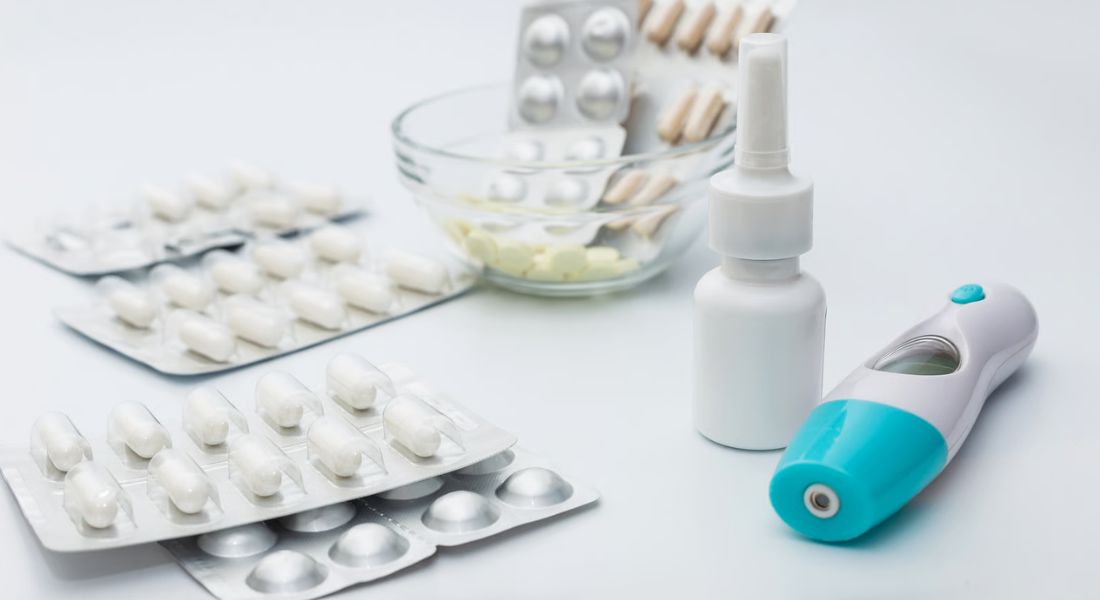
If you have hepatitis, you may be taking antiviral or other medications to manage your condition. It’s important to inform your surgeon about every medication you use, as some drugs can influence healing, immune response, or overall recovery after LASIK. Being upfront about your medications helps your eye specialist tailor your care safely.
- Influence on healing and immunity: Certain medications may slow tissue repair or affect your immune system. This could slightly change how your eyes recover after surgery, so your surgeon needs to plan accordingly.
- Effect on tear production: Some drugs can reduce tear production, which can cause dry eyes. Dryness may affect both comfort and visual clarity in the early stages of recovery.
- Managing potential side effects: Your surgeon may recommend lubricating drops, adjustments in timing, or additional monitoring to manage these effects and support smooth healing.
- Personalised care plan: By reviewing your medication history, your eye specialist can adapt your treatment and aftercare to maximise safety and visual outcomes.
Sharing complete medication information ensures your LASIK procedure is both safe and effective, while helping your eyes heal comfortably and predictably.
Monitoring Long-Term Health
Effectively managing hepatitis is important not only for your general well-being but also for maintaining long-term eye health. Regular medical check-ups help ensure that your liver function remains stable and that any potential complications are addressed promptly. Keeping on top of your health allows your body to respond better to procedures like LASIK or other vision correction treatments.
Maintaining good control of your condition can also improve surgical outcomes and reduce the risk of complications during recovery. Your surgeon may coordinate with your GP or liver specialist to ensure that your health is optimised before and after any procedure.
A holistic approach that combines ongoing medical care with eye health monitoring provides the safest pathway. By collaborating with all your healthcare providers, you can protect both your liver and your vision over the long term, ensuring better overall results.
Patient Responsibility
Your role in a successful LASIK outcome is just as important as the surgeon’s expertise. Being completely honest about your medical history including hepatitis, current medications, and lifestyle factors allows your surgeon to make informed decisions and tailor the procedure safely to your needs. Taking responsibility for your care helps ensure the best possible results.
- Full disclosure of medical history: Sharing details about your health, medications, and previous eye conditions ensures your surgeon can anticipate potential risks and adjust the treatment plan accordingly.
- Adhering to instructions: Following all pre- and post-operative instructions, from medication schedules to activity restrictions, supports optimal healing and reduces the risk of complications.
- Active participation in recovery: Monitoring your own vision, attending follow-up appointments, and reporting any unusual symptoms allows timely interventions if needed.
- Commitment improves outcomes: Your engagement and cooperation throughout the process play a key role in achieving clear, stable, and long-lasting vision.
By taking an active, honest, and responsible approach, you help create the conditions for a safe procedure and a smooth, successful recovery.
When to Seek Advice
If you’re unsure whether LASIK is suitable for you, scheduling a consultation with a qualified surgeon is the best first step. During this appointment, your surgeon can evaluate your medical history, liver function, and overall health. They can also answer any questions you have, helping you make a well-informed decision.
It’s important not to rely on assumptions or outdated information when considering surgery. Every patient’s situation is unique, and what works for one person may not be safe for another. Getting personalised advice ensures your choices are based on accurate, up-to-date knowledge.
Expert guidance provides clarity and peace of mind. By consulting a professional, you can make decisions safely and confidently, knowing that your health and long-term eye care are prioritised.
FAQs:
- Can you have LASIK surgery if you have hepatitis?
Yes, you can have LASIK surgery if your hepatitis is stable and well-managed. The key factor is your overall health and liver function. Your surgeon will assess your condition carefully before recommending treatment. A personalised evaluation ensures the procedure is safe for you. - Is hepatitis a contraindication for LASIK?
Hepatitis is not an automatic contraindication for LASIK. Many patients with controlled hepatitis can safely undergo the procedure. However, active or severe liver disease may increase risks. Your suitability will depend on your individual medical condition. - How does hepatitis affect healing after LASIK?
Hepatitis can affect healing if it impacts your liver function or immune response. In some cases, recovery may be slightly slower. However, most patients with stable hepatitis heal normally. Following post-operative care instructions helps ensure a smooth recovery. - Do you need medical clearance before LASIK if you have hepatitis?
Yes, medical clearance is often required if you have hepatitis. Your surgeon may request recent blood tests or consult your GP or specialist. This helps confirm that your condition is stable. It ensures that LASIK can be performed safely. - Is LASIK safe for patients with hepatitis B or C?
LASIK can be safe for patients with hepatitis B or C if the condition is well-controlled. Stable liver function is the most important factor. Your surgeon will review your health status and any ongoing treatments. Careful planning helps minimise risks and improve outcomes. - Can hepatitis medications affect LASIK results?
Some medications used to manage hepatitis may influence healing or tear production. This can lead to temporary dry eye or slower recovery. It is important to inform your surgeon about all medications you are taking. They can adjust your treatment plan accordingly. - Does hepatitis increase the risk of infection after LASIK?
In some cases, hepatitis may slightly affect immune response, which could increase infection risk. However, LASIK is performed in a sterile environment with strict safety protocols. These measures significantly reduce the likelihood of complications. Individual risk is assessed before surgery. - Can dry eyes be worse after LASIK if you have hepatitis?
Yes, dry eyes may be more noticeable if you already have dryness related to medications or health factors. LASIK can temporarily worsen this condition. Using lubricating eye drops helps maintain comfort and clarity. Most symptoms improve within a few weeks or months. - What happens if LASIK is not suitable for you?
If LASIK is not suitable, your surgeon will recommend alternative treatments. Options such as PRK or implantable lenses may be considered. These can still provide excellent vision correction. The goal is to find the safest and most effective solution for you. - When should you speak to a surgeon about LASIK and hepatitis?
You should speak to a surgeon as soon as you start considering LASIK. Early consultation allows for a thorough assessment of your condition. It also gives you time to address any health concerns. Getting expert advice helps you make a confident and informed decision.
Final Thoughts: Is LASIK Safe If You Have Hepatitis?
Having hepatitis does not automatically prevent you from undergoing LASIK surgery, but it does require careful evaluation. Your overall health, liver function, and how well your condition is managed all play a role in determining whether the procedure is suitable for you. With proper assessment and modern techniques, many patients with stable hepatitis can safely achieve excellent visual outcomes.
The most important step is a thorough consultation, where your surgeon can review your medical history and tailor the treatment to your needs. This ensures both safety and realistic expectations for your recovery and results. If you’d like to find out whether lasik surgery in London is suitable for you, feel free to contact us at Eye Clinic London to arrange a consultation.
References:
- Castro-Luna, G., Jiménez-Rodríguez, D., Pérez-Rueda, A. and Alaskar-Alani, H. (2020) ‘Long-term follow-up safety and effectiveness of myopia refractive surgery’, International Journal of Environmental Research and Public Health, 17(23), p. 8729. https://www.mdpi.com/1660-4601/17/23/8729
- Moshirfar, M., Fuhriman, D.A., Ali, A., Odayar, V., Ronquillo, Y.C. and Hoopes, P.C. (2022) ‘Inflammatory bowel disease guidelines for corneal refractive surgery evaluation’, Journal of Clinical Medicine, 11(16), p. 4861. https://www.mdpi.com/2077-0383/11/16/4861
- Almutairi, M.N. et al. (2025) ‘Meta-analysis: clinical outcomes of LASIK and PRK in hyperopia’, BMC Ophthalmology, 25(1), p. 140. https://pubmed.ncbi.nlm.nih.gov/40102791/
- Moshirfar, M. et al. (2023) ‘Corneal epithelial-related complications after LASIK, PRK, and SMILE’, Cureus, 15(8). https://pubmed.ncbi.nlm.nih.gov/37614825/
- AlKharashi, M., Bower, K.S., Stark, W.J. and Daoud, Y.J. (2014) ‘Refractive surgery in systemic and autoimmune disease’, Middle East African Journal of Ophthalmology, 21(1), pp. 18–24. https://pmc.ncbi.nlm.nih.gov/articles/PMC3959036/