


LASIK and Autoimmune Conditions: Is It Safe? (Explained)

You may be thinking about LASIK but feel uncertain because you live with an autoimmune condition. Many people receive mixed or conflicting messages and are left unsure whether laser eye surgery is safe or even possible. This uncertainty can create unnecessary anxiety and hesitation.
We recognise that autoimmune conditions influence how the body manages healing and inflammation. Because LASIK depends on predictable recovery, it is reasonable to question whether results could differ in this context. Clear, accurate explanation helps replace worry with informed understanding.
This article explains how autoimmune conditions are evaluated during LASIK planning. It outlines the factors that are assessed, including disease stability, medication use, and ocular surface health. Understanding this process helps you see why screening is detailed rather than restrictive.
We also clarify when LASIK may still be considered and why careful assessment matters so much. Knowing how risk is managed allows decisions to feel confident rather than uncertain. When understanding improves, anxiety reduces and choice feels more controlled.
What Autoimmune Conditions Mean for the Body
Autoimmune conditions involve an altered immune response that can influence healing, inflammation, and tissue stability. How this affects the body varies widely, even among people with the same diagnosis. Understanding this variability is essential when considering any elective procedure.
You may experience long periods of stability with very few symptoms, while others notice fluctuations or occasional flare-ups. These differences matter because healing and recovery depend more on current immune behaviour than on a condition’s name. Timing decisions are shaped by how your body is responding now, not by labels alone.
We focus on how your immune system behaves in practice rather than relying on broad categories. Stability and control are the key factors that guide safe planning. When behaviour is understood, decisions become clearer and outcomes more predictable.
Why Healing Is Central to LASIK Outcomes
LASIK reshapes the cornea and relies on controlled healing to achieve stable, clear vision. For results to remain predictable, both the corneal flap and the underlying tissue need to heal smoothly. Any disruption to this process can influence comfort or visual clarity over time.
You may understandably worry that an autoimmune condition could interfere with healing. This concern is valid and is exactly why healing behaviour is assessed so carefully before any decision is made. The goal is to understand how your eyes are likely to respond, not to assume risk without evidence.
We aim to proceed only when healing is expected to be reliable and consistent. This approach protects safety while also supporting long-term satisfaction with the outcome. When predictability is prioritised, success becomes far more likely.
Are Autoimmune Conditions an Automatic Barrier
Autoimmune conditions are not an automatic reason to rule out LASIK. Many people with autoimmune disease undergo surgery safely when their condition is stable and well controlled. What matters most is individual assessment rather than diagnosis alone.
You may have been told that LASIK is never possible if autoimmune disease is present. This is an oversimplification that overlooks important factors such as disease activity, medication use, and ocular surface health. Risk is influenced by context, not labels.
We avoid blanket exclusions and instead focus on personalised evaluation. This approach allows safety to be prioritised without unnecessary restriction. When assessment replaces assumptions, decisions become fairer, clearer, and more confident.
Why Disease Stability Matters Most
Stable autoimmune disease behaves very differently from active disease, with symptoms controlled and inflammation kept to a minimum. During these periods, healing tends to be more predictable and recovery more comfortable. This distinction plays a key role in determining surgical readiness.
You may feel well even if there has been recent fluctuation in disease activity. However, recent flares or changes in medication can still influence healing and timing decisions. Feeling better does not always mean stability has been sustained long enough.
We usually look for a consistent period of stability before considering LASIK. This approach reduces the risk of complications and supports reliable outcomes. When stability is maintained over time, it becomes a clear signal that readiness has been achieved.
Medication Use and Surgical Planning
Many autoimmune conditions are treated with medications that alter immune response, such as steroids or immunomodulating therapies. This context matters when planning elective surgery because healing and infection resistance depend on immune balance. Medication is therefore assessed as part of overall health, not viewed in isolation.
- Medication type and dosage matter more than the label: Not all immune-modifying treatments carry the same risk. Suitability depends on the specific drug, dose, and duration of use.
- Medication use does not automatically exclude LASIK: You may assume treatment rules surgery out entirely. In reality, many patients remain suitable with careful evaluation.
- Healing and infection risk guide planning decisions: We assess how medication may affect recovery and surface healing. This influences timing and preparation rather than leading to outright refusal.
We approach eligibility with nuance rather than assumption. When medication is understood in the proper context, decisions become more precise and less restrictive. Care is guided by balance, safety, and long-term outcomes rather than blanket exclusion.
Dry Eye and Autoimmune Disease

Dry eye is common in several autoimmune conditions, and tear film quality has a major influence on comfort and visual clarity after LASIK. When dryness is already present, the risk of post-operative discomfort increases. Surface health therefore becomes a central factor in planning treatment safely.
You may already experience irritation, fluctuating clarity, or sensitivity to light as part of everyday vision. If the ocular surface is compromised, LASIK can temporarily intensify these symptoms during recovery. Understanding this link helps explain why dryness is taken seriously rather than viewed as a minor issue.
We prioritise treating dry eye thoroughly before considering surgery. Improving surface stability supports smoother healing, better comfort, and more reliable outcomes. When surface health is addressed first, long-term satisfaction is far more likely.
Why Ocular Surface Health Is Critical
A stable tear film is essential for accurate measurements and a smooth recovery process. When the ocular surface is well balanced, vision assessment becomes more reliable and healing is more comfortable. Surface stability plays a key role in long-term satisfaction.
You may feel that dryness is mild or easy to manage, but even subtle surface instability can affect both measurements and recovery quality. Small disruptions can distort vision temporarily and influence surgical planning. Recognising this helps explain why surface health is taken seriously.
We delay surgery if the ocular surface is not in optimal condition. This preparation protects accuracy, comfort, and long-term results. When preparation is prioritised, problems are prevented rather than managed later.
Inflammation and Surgical Risk
Autoimmune conditions often involve inflammatory processes that can affect healing and comfort after surgery. When inflammation is active, recovery may be slower and post-operative discomfort more likely. This is why understanding inflammatory behaviour is essential when planning elective procedures.
You may go through periods where inflammation is well controlled and symptoms feel settled. These stable phases are generally safer for considering surgery, as the body is better positioned to heal predictably. Timing treatment around control rather than activity supports better outcomes.
We avoid surgery during periods of active inflammation to reduce risk and uncertainty. Waiting allows recovery to proceed more smoothly and with fewer complications. When inflammation is controlled, safety and predictability are better supported.
When LASIK May Be Considered
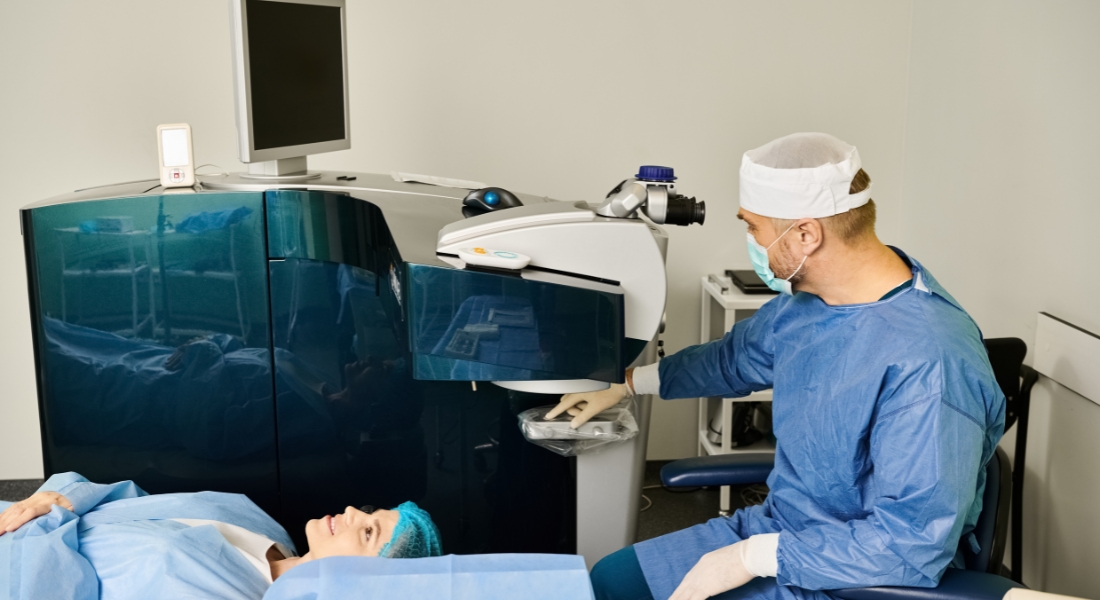
LASIK may be considered when autoimmune disease is stable, medication is well managed, and ocular surface health is in good condition. All of these factors need to align to support safe and predictable outcomes. Suitability is determined by overall balance rather than a single criterion.
You may meet these conditions even with a long-standing autoimmune diagnosis. What matters most is stability and control at the time of assessment, not how long the condition has been present. When health is well managed, options often remain open.
We proceed only when the potential benefits clearly outweigh the risks. This balance guides ethical and responsible care. Because suitability is individual, decisions are always personalised rather than assumed.
Why Timing Is So Important
Timing LASIK during a stable phase helps reduce risk and improves predictability. When surgery is performed during flares, outcomes become less reliable and the chance of complications can increase. Stability creates the conditions needed for accurate planning and safer results.
You may feel eager to proceed when symptoms seem controlled or vision feels good. Confirming that stability is sustained over time supports better outcomes than acting on a brief improvement. Consistency matters more than a single good moment.
We often recommend waiting rather than rushing into treatment. Patience protects results and supports long-term satisfaction. When timing is right, outcomes tend to be clearer, safer, and more dependable.
Why LASIK Is Sometimes Deferred
In some situations, LASIK is deferred rather than ruled out completely. Deferral allows time for disease control, surface treatment, or overall eye stability to improve. This pause helps ensure that decisions are made under the safest and most predictable conditions.
You may feel disappointed when surgery is delayed, especially if you were hoping to proceed sooner. However, deferral often leads to better and more satisfying outcomes later by reducing avoidable risk. Waiting can transform uncertainty into readiness.
We see deferral as optimisation rather than rejection. Allowing the right conditions to develop supports long-term success and confidence. When timing improves, options often reopen with greater clarity.
Alternative Procedures and Considerations
In some situations, surface-based laser procedures may be discussed instead of LASIK. These options involve different healing profiles and recovery experiences, which can make them more suitable for certain eyes. The choice depends on how your eyes are expected to heal rather than a single fixed rule.
You may wonder whether these alternatives are safer or more appropriate for you. Each option carries its own advantages and limitations, especially in relation to healing behaviour and surface sensitivity. Understanding these differences helps you see why one approach may be recommended over another.
We discuss all available options transparently so choices are guided by safety and predictability rather than assumption. Clear explanation allows you to weigh benefits and risks with confidence. When safety leads to the decision, outcomes tend to feel more secure and reassuring.
Managing Expectations Carefully
Expectation management becomes especially important when autoimmune disease is part of the picture. Understanding potential risks and limitations early helps reduce disappointment later. Clear context allows decisions to feel informed rather than hopeful alone.
You may naturally hope for perfect or effortless outcomes. Realistic expectations support long-term satisfaction by aligning results with what is clinically achievable. When outcomes match understanding, confidence tends to remain strong over time.
We place emphasis on shared decision-making and clarity before moving forward. Open discussion ensures risks, benefits, and boundaries are fully understood. When clarity leads the process, the overall experience feels more secure and positive.
Long-Term Stability After LASIK
When LASIK is performed during a period of disease stability, long-term refractive results are usually reliable. Stability at the time of treatment supports durability and predictable outcomes. This is why timing plays such an important role in planning surgery.
You may worry that future disease flares could undo the results. In most cases, refractive correction itself remains unchanged even if other symptoms vary over time. Knowing this helps separate long-term vision from temporary health changes.
We clearly differentiate refractive stability from surface comfort issues. Understanding this distinction reduces unnecessary worry and helps you focus on what truly affects outcomes. When expectations are aligned with how the eye behaves, confidence grows.
What Happens if Disease Activity Changes Later
Changes in autoimmune activity years after LASIK rarely affect the corneal reshaping that was achieved during surgery. In most cases, vision itself remains stable even if general health fluctuates. Understanding this separation helps reduce unnecessary concern about long-term outcomes.
You may notice periods of dryness, irritation, or surface discomfort during disease flares. These symptoms relate to surface health rather than refractive change and are managed independently. Addressing them early usually restores comfort without altering visual correction.
We monitor ocular surface symptoms and provide appropriate management when needed. This ongoing care supports comfort while preserving stable vision. Even with changes elsewhere in health, refractive stability typically persists.
The Role of Ongoing Eye Care
Regular eye checks remain important after LASIK, particularly when autoimmune disease is part of your health background. Ongoing monitoring helps identify surface changes early, before they affect comfort or vision quality. This proactive approach supports long-term eye health rather than reacting to symptoms later.
You may feel that follow-up is less necessary once vision feels clear and stable. However, autoimmune conditions can influence the ocular surface over time, even when eyesight seems unchanged. Regular reviews help protect comfort and detect subtle issues that may not be immediately noticeable.
We encourage routine eye care as part of wider long-term wellbeing. Continued monitoring supports both vision quality and confidence in your outcomes. Care does not end with surgery, and ongoing attention helps maintain stability over time.
How Specialist Assessment Reduces Risk
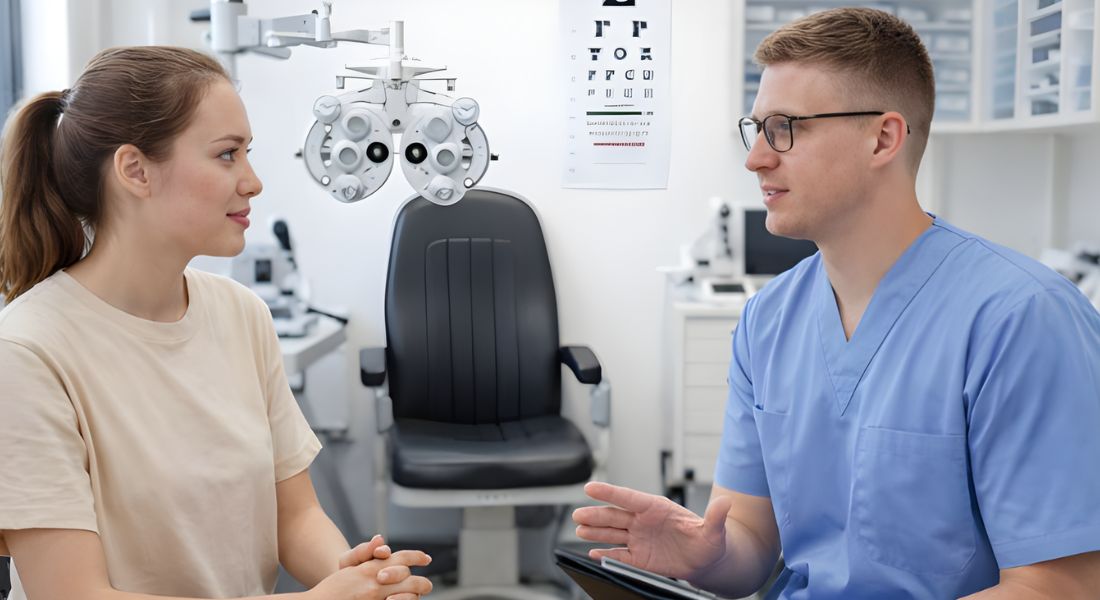
Specialist assessment brings together disease history, current medication use, and detailed ocular findings to guide safe decisions. Looking at these factors as a whole provides a clearer picture than relying on isolated criteria. This integrated approach supports accuracy and reduces avoidable risk.
You benefit from expertise that understands how autoimmune conditions behave as well as how refractive surgery works in practice. When both areas are considered together, advice becomes more relevant to your situation. This depth of understanding helps replace uncertainty with informed confidence.
We believe careful assessment prevents unnecessary exclusion while still prioritising safety. Decisions are shaped by evidence and individual response rather than rigid assumptions. When expertise guides the process, outcomes feel more secure and appropriate.
Emotional Impact of Uncertainty
Living with an autoimmune condition often means navigating ongoing uncertainty, and surgical decisions can add to that emotional weight. When vision correction is considered, the stakes can feel higher because the change is permanent. Recognising this context is important when planning care.
You may worry about making the wrong choice or regret later decisions. Clear, honest explanation helps reduce this burden by replacing fear with understanding. When you know why certain recommendations are made, decisions feel less overwhelming.
We focus on supporting confidence rather than creating pressure to proceed. Guidance is offered to help you feel secure in whatever choice aligns with your health and priorities. When support is consistent, trust grows naturally.
Why Conservative Advice Is Often Best
Conservative recommendations place long-term wellbeing ahead of speed or convenience. When permanent change is involved, taking time helps reduce the risk of regret later. Decisions made with patience tend to feel more secure years down the line.
You may naturally prefer a cautious approach when outcomes cannot be easily reversed. This preference is valid and deserves respect, especially when vision and comfort are at stake. Choosing care over urgency often leads to greater peace of mind.
We focus on outcomes that continue to feel positive long after the initial decision. Prioritising caution helps protect satisfaction and confidence over time. When wellbeing leads the process, results are more likely to stand the test of time.
When LASIK Is Not Recommended
In some situations, LASIK is not recommended because of active disease, significant dryness, or risks linked to certain medications. This guidance is given to protect your vision rather than restrict your options. Avoiding surgery in these cases helps prevent harm that could outweigh any potential benefit.
You may feel disappointed or frustrated when surgery is not advised. Those feelings are completely understandable, especially if you were hoping for a permanent solution. However, not proceeding is often the safest way to preserve long-term eye health and future possibilities.
We make it a priority to explain the reasons behind this decision clearly and honestly. Where appropriate, we also explore alternative options that better suit your situation. Transparency builds trust and ensures choices are made with full understanding.
Temporary Vision Correction Options
When LASIK is not appropriate, glasses or contact lenses remain effective and reliable options. These solutions offer flexibility when eye health or disease activity is not fully stable. We see adaptability as an advantage during periods where permanent correction may not be the safest choice.
- Non-surgical options allow flexibility during fluctuation: Glasses and contact lenses can be adjusted as vision changes. This adaptability is valuable when long-term stability cannot be guaranteed.
- Safety can outweigh convenience in uncertain periods: You may feel limited by ongoing dependence on lenses. However, avoiding permanent intervention protects future treatment options.
- Eye health takes priority over timing: We advise caution when conditions are evolving or unpredictable. Preserving ocular health supports confidence in future decisions.
We place long-term protection ahead of short-term convenience. Choosing a reversible option during instability does not close doors—it keeps them open. When eye health is safeguarded first, confidence in future outcomes is stronger and more secure.
Future Reassessment Possibilities
Autoimmune conditions can behave differently over time, with periods of activity and stability. Being unsuitable for LASIK today does not mean you will always remain so. Changes in disease control can alter what is safely possible in the future.
You may be able to revisit LASIK eligibility once stability has been achieved and maintained. When symptoms are well controlled and eye health is steady, new options can open up. Timing often makes the difference rather than the diagnosis itself.
We encourage periodic reassessment rather than permanent exclusion. Reviewing suitability as circumstances change allows decisions to evolve alongside your health. When options are revisited thoughtfully, choice remains open and informed.
Why Individualised Advice Matters Most
No two autoimmune conditions behave in exactly the same way, which is why rigid rules are rarely helpful. Personalised guidance allows care to reflect how your condition behaves rather than how it is labelled. This approach leads to decisions that feel more relevant and reliable.
You deserve advice that is based on your specific health profile, not broad assumptions. When recommendations are shaped around your medical history and current stability, confidence increases. Individual detail matters far more than general trends.
We tailor recommendations to suit your situation rather than applying fixed criteria. This focus on individual care supports safer planning and better outcomes. When guidance is personalised, decisions feel clearer and more supportive.
When to Book a Consultation
A consultation can be valuable even when surgery is not planned right away. Assessment helps clarify your current eye health and provides guidance for future planning. Having this information early supports calm, informed decisions.
You may appreciate understanding your options without feeling rushed into treatment. Early discussion allows questions to be answered and expectations to be set clearly. This clarity often reduces uncertainty and unnecessary worry.
We welcome planning conversations at any stage. When knowledge is shared openly, choice feels empowered and confident.
Choosing Experienced Care
Experience becomes especially important when autoimmune conditions are part of your medical background. Careful screening and structured follow-up help identify risks early and support safer, more predictable outcomes. This level of attention reduces uncertainty and protects long-term eye health.
You benefit from care that prioritises thorough assessment rather than speed or volume. Detailed evaluation allows individual factors to be properly understood instead of overlooked. When decisions are based on depth rather than throughput, confidence naturally increases.
We believe that trusted, experienced care plays a central role in how secure you feel about treatment choices. Expertise reassures by showing that your situation is fully considered. When experience guides care, confidence follows.
LASIK as Part of Overall Health
LASIK decisions are best considered within the context of your overall health and wellbeing. Vision matters, but it is only one part of a much broader picture. When eye care choices are aligned with wider life priorities, outcomes often feel more balanced and sustainable. We take this integrated view when discussing timing and suitability.
- Eye care should align with overall health priorities: Vision correction is important, but it should not be considered in isolation. We recognise that physical health, lifestyle, and life stage all influence decision-making.
- Stability is often more valuable than convenience: You may prefer to prioritise consistency during periods of change. This approach often leads to greater long-term satisfaction and comfort.
- Thoughtful timing supports better outcomes: Decisions guided by long-term wellbeing tend to feel more reassuring. We see timing as a way to support confidence rather than rush convenience.
LASIK planning works best when it reflects the whole person rather than a single goal. By integrating eye care into broader health considerations, decisions feel more supportive and realistic. This balanced approach helps ensure outcomes remain aligned with real life, not just short-term expectations.
Shared Decision-Making
Shared decision-making ensures that risks and benefits are clearly understood before any choice is made. You remain central to the process, with your priorities, concerns, and goals shaping the discussion. When understanding is shared, decisions feel more confident and grounded.
We provide clear information, clinical insight, and practical guidance to support you. You decide what feels right once you have the full picture, without pressure or assumption. This balance respects both expertise and personal choice.
Collaboration builds trust and leads to better outcomes. When decisions are shared rather than directed, confidence grows on both sides. Care feels more supportive, and choices feel genuinely aligned with you.
When Benefits Outweigh Risks
LASIK may be appropriate when eye health is stable, the ocular surface is in good condition, and expectations are realistic. At that point, the potential benefits clearly outweigh the risks. Careful assessment helps ensure this balance is properly understood.
You deserve clear information about how benefits and risks compare in your individual situation. When this balance is explained transparently, decisions feel more confident and less pressured. Understanding replaces uncertainty.
We support choices that are grounded in evidence and informed discussion rather than assumptions. When balance guides action, outcomes are safer, more predictable, and better aligned with long-term satisfaction.
FAQs:
- Can you have LASIK if you have an autoimmune condition?
LASIK is not automatically ruled out if you have an autoimmune condition. Suitability depends on how stable your condition is at the time of assessment. Healing predictability matters more than the diagnosis itself. Careful evaluation guides safe decision-making. - Why does your autoimmune condition affect LASIK suitability?
Autoimmune conditions can influence inflammation and healing behaviour. LASIK relies on consistent recovery for stable results. If healing responses are unpredictable, outcomes may be less reliable. Stability helps reduce this uncertainty. - Does having an autoimmune condition always mean LASIK is unsafe for you?
Having an autoimmune condition does not automatically make LASIK unsafe. Many people proceed safely when disease activity is well controlled. Individual assessment replaces blanket rules. Safety is based on current health, not labels. - Why is disease stability so important before you consider LASIK?
Stable disease usually means calmer immune activity and more predictable healing. Recent flare-ups can increase recovery risks. Consistency over time matters more than how you feel on one day. Stability supports safer outcomes. - Can the medication you use affect whether you can have LASIK?
Some immune-modifying medications can influence healing or infection risk. The type, dose, and duration of treatment all matter. Medication does not automatically exclude surgery. Context determines suitability. - How does dry eye related to autoimmune disease affect LASIK?
Dry eye can worsen after LASIK if surface health is already compromised. Tear stability affects comfort and visual clarity during recovery. Managing dryness first improves outcomes. Surface preparation is essential. - Why is LASIK screening more detailed for you if you have an autoimmune condition?
Extra screening helps understand healing potential and surface stability. Additional testing protects safety rather than limiting access. More information allows better planning. Care becomes more precise and personalised. - Can LASIK be delayed for you rather than ruled out completely?
LASIK is often deferred rather than permanently excluded. Waiting allows disease control or surface health to improve. Timing can change suitability. Deferral supports better long-term results. - If your autoimmune condition changes later, will LASIK results be affected?
Later changes in disease activity rarely alter the corneal correction itself. Vision usually remains stable even if surface symptoms fluctuate. Comfort issues can be managed separately. Refractive results typically persist. - When should you consider booking a LASIK consultation?
You can book a consultation even if surgery is not planned immediately. Assessment helps clarify current suitability and future options. Early guidance reduces uncertainty. Information supports confident planning.
Final Thoughts on LASIK and Autoimmune Conditions:
Autoimmune conditions do not automatically rule out LASIK, but they do require careful, individualised assessment to ensure healing is predictable and risks are minimised. Disease stability, medication use, and ocular surface health are far more important than diagnosis alone. A cautious, informed approach protects both safety and long-term visual satisfaction.
We believe clear guidance supports confident decision-making. If you are considering lasik surgery in London and would like personalised advice based on your autoimmune condition, you can contact us at Eye Clinic London.
References:
- AlKharashi, M., 2014. Refractive Surgery in Systemic and Autoimmune Disease. Available at: https://www.ncbi.nlm.nih.gov/pmc/articles/PMC3959036/
- Moshirfar, M., et al., 2021. Controversy and Consideration of Refractive Surgery in Patients with Heritable Disorders of Connective Tissue and Autoimmune Conditions. Available at: https://www.ncbi.nlm.nih.gov/pmc/articles/PMC8432249/
- Chen, T.Y., Awadein, A. and Alió, J.L. (2020) Refractive surgery for the patient with autoimmune diseases: Risks and considerations. Journal of Refractive Surgery. Available at: https://pubmed.ncbi.nlm.nih.gov/32412958/
- Cobo-Soriano, R., Beltrán, J. and Baviera, J. (2006) LASIK outcomes in patients with underlying systemic autoimmune diseases. Ophthalmology. Available at: https://pubmed.ncbi.nlm.nih.gov/16647130/
- Radwan, A., et al. (2022) Inflammatory Bowel Disease Guidelines for Corneal Refractive Surgery: Outcomes of LASIK, PRK and SMILE in Patients with Ulcerative Colitis and Crohn’s Disease. Journal of Clinical Medicine, 11(16), 4861. Available at: https://www.mdpi.com/2077-0383/11/16/4861