


LASIK Surgery After Retinal Tears or Retinal Laser Treatment
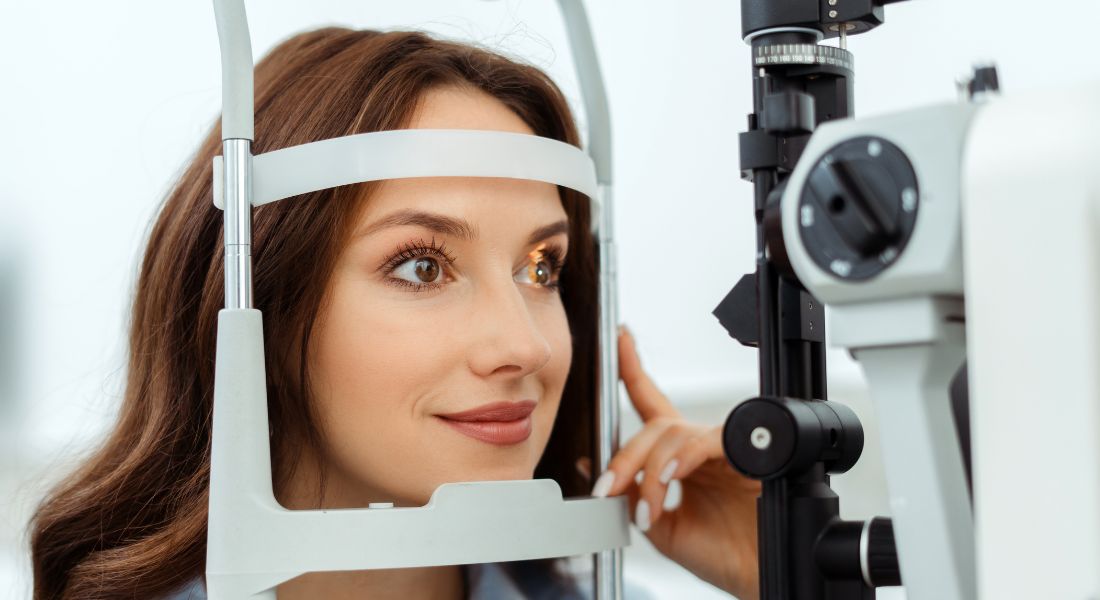
If you’ve had a retinal tear or previous retinal laser treatment, it’s completely normal to question whether LASIK is still safe for you. Any history involving the retina can feel serious, especially when you’re considering a procedure to improve vision.
Many patients worry that past retinal issues automatically rule out laser eye surgery. In reality, the answer is more nuanced and depends on retinal stability, healing, and careful pre-operative assessment. In this article, I’ll explain when LASIK may still be possible after retinal tears or laser treatment, what surgeons look for before proceeding, and how risks are assessed to protect your long-term eye health.
Why Retinal History Matters Before LASIK
LASIK reshapes the cornea, which is the front surface of the eye responsible for focusing light. Retinal tears and laser treatments involve the back of the eye, where visual signals are processed. Because these areas are anatomically separate, it’s natural to question how they are related. However, the eye functions as a single connected system.
While LASIK does not directly affect the retina, temporary changes in eye pressure occur during the procedure. In most healthy eyes, this has no lasting impact. However, in eyes with pre-existing retinal weakness, these pressure changes may be relevant. This is why surgeons remain cautious.
The natural structure of certain eyes also plays a role in retinal risk. Highly myopic or longer eyes may be more prone to retinal thinning or tears over time. A detailed retinal history helps identify these vulnerabilities early. This allows surgeons to plan safely and responsibly.
The goal of retinal screening is not to exclude patients unnecessarily. Instead, it ensures that the retina is stable and well protected before proceeding. Proper assessment reduces the risk of future complications. This careful approach supports both safety and long-term visual outcomes.
What Retinal Tears Are and Why They Occur
A retinal tear occurs when the retina develops a small break, most often due to traction from the vitreous gel as it shifts or shrinks. This process is commonly linked to ageing changes within the eye. People who are short-sighted, have had eye trauma, or have underlying retinal thinning are at higher risk. In many cases, the tear itself causes few symptoms initially.
If a retinal tear is left untreated, fluid can seep through the break and collect beneath the retina. This can cause the retina to lift away from the back of the eye, leading to retinal detachment. Retinal detachment is a serious condition that can threaten vision if not treated promptly. Early detection of a tear helps prevent this progression.
Fortunately, many retinal tears are diagnosed early and treated successfully. Laser treatment is often used to seal the tear and prevent further complications. Once stabilised, most treated tears do not cause long-term vision problems. With proper follow-up, patients can continue normal visual activities safely.
What Retinal Laser Treatment Actually Does
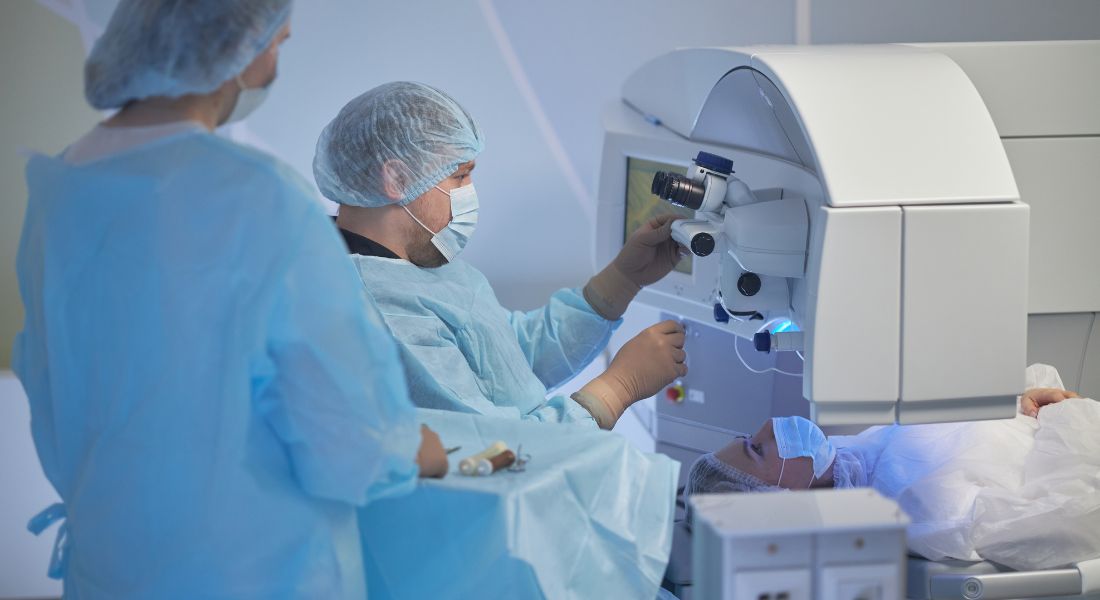
Retinal laser treatment is a preventative procedure designed to protect the retina from more serious complications. It is commonly used when weak areas or small retinal tears are detected early, helping to stabilise the retina and preserve long-term vision.
- Seals retinal tears and weak areas: The laser delivers precise, controlled energy around the affected part of the retina. This creates tiny burns that later form scar tissue, which acts like a natural weld to secure the retina firmly to the underlying tissue.
- Reduces the risk of retinal detachment: By strengthening the retina at vulnerable points, laser treatment significantly lowers the chance of fluid passing underneath the retina. Once healing is complete, the treated area is usually stable and does not require further intervention.
- Provides long-term stability when applied early: Retinal laser treatment does not mean the retina is fragile or failing. In many cases, it indicates that a potential problem was identified promptly and managed effectively, preventing more serious retinal damage in the future.
Can LASIK Be Done After Retinal Tears or Laser Treatment?
In many cases, LASIK can still be considered after retinal tears or retinal laser treatment, as long as the retina is stable. The key concern is not the fact that treatment was done in the past, but whether the tear has healed completely and the laser scars are secure. A stable retina reduces the risk of complications during or after LASIK.
Eye surgeons carefully assess the overall health of the retina before recommending LASIK. They look for any signs of ongoing weakness, new tears, or areas that may need further preventive laser treatment. A detailed dilated retinal examination is an essential part of this assessment.
The time elapsed since the retinal treatment also matters, as the retina needs time to strengthen after laser therapy. Every case is assessed individually based on risk factors and eye health. A previous retinal problem means extra caution is needed, but it does not automatically rule out LASIK.
How Long After Retinal Laser Treatment Do Surgeons Wait?
Surgeons usually recommend a waiting period after retinal laser treatment before considering LASIK. This allows the laser scars to mature and the retina to stabilise properly. Ensuring retinal stability helps reduce the risk of complications during refractive surgery.
In most cases, the waiting period is several months, though the exact duration depends on individual healing and follow-up findings. Regular retinal examinations during this time confirm that there is no new tearing or progression of the previous problem.
Rushing into LASIK before the retina has fully settled is not advisable, as it could increase the risk of retinal issues. Each patient is assessed individually, and the surgeon will decide the safest timing for surgery.
Why Retinal Stability Is the Most Important Factor
Retinal stability is a key consideration for eye health, particularly if you are planning procedures such as LASIK. A stable retina ensures that there are no new changes or risks that could compromise vision or surgical outcomes.
Indicates no new tears or progression: A stable retina shows no signs of new tears, ongoing traction, or other changes that could threaten vision. Symptoms like flashes or floaters are either resolved or remain consistent, providing reassurance that the retina is not actively deteriorating.
Reduces the risk of complications during surgery: Stability lowers the likelihood of retinal issues being triggered by refractive surgery or other eye procedures. This means that interventions like LASIK can often be performed safely once stability is confirmed by an eye specialist.
Old laser scars are usually not a barrier to LASIK
If the retina is stable, previous laser treatment scars do not typically interfere with LASIK eligibility. Their presence simply reflects successful early management of retinal problems rather than ongoing fragility. Overall, retinal stability is the cornerstone of long-term eye health. Ensuring the retina is stable allows for safe vision correction procedures and provides peace of mind that future complications are less likely.
How Surgeons Assess Retinal Risk Before LASIK

Before LASIK, a thorough eye examination is carried out, usually including a dilated retinal check. This helps the surgeon examine the peripheral retina carefully for any weak spots or previous tear sites.
In certain cases, additional retinal imaging or a specialist retinal review may be advised. This is particularly important for patients with high myopia or a history of retinal problems. The main goal of these assessments is to identify any areas that may require treatment before LASIK. Ensuring retinal stability helps make the surgery safer and reduces the risk of complications.
Does LASIK Increase the Risk of Retinal Detachment?
LASIK itself does not cause retinal detachment, as the surgery only reshapes the cornea and does not directly affect the retina. The procedure is generally safe for the retina when proper precautions are taken.
Many patients who undergo LASIK are short-sighted, and myopia naturally increases the lifetime risk of retinal problems. This means that these patients already have a higher baseline risk, independent of surgery.
Careful preoperative screening is therefore essential to identify any existing retinal weaknesses or previous tears. Surgeons assess the retina thoroughly to ensure it is stable before proceeding with LASIK.
If the retina is unstable or has untreated issues, LASIK may be deferred until these are managed. Proper assessment and management help minimise any potential complications and make the surgery safer.
Why Eye Pressure Changes Are Considered
During LASIK, a suction ring is applied to the eye for a short period, which temporarily raises intraocular pressure. For most patients, this increase is well tolerated and does not cause harm.
However, in eyes with a fragile or previously treated retina, even brief pressure changes could pose a risk. Surgeons need to ensure the retina is stable enough to withstand this temporary stress.
This highlights why thorough retinal assessment and confirmation of stability are crucial before LASIK. Careful evaluation helps minimise potential complications related to pressure changes during surgery.
What If New Retinal Weakness Is Found During Screening?
Sometimes, pre-LASIK screening uncovers retinal weak spots that were previously undetected. Finding these does not automatically mean LASIK is permanently off the table.
In many cases, surgeons can perform preventive retinal laser treatment to strengthen the retina. This reduces the risk of complications during subsequent LASIK surgery. After the retina has fully stabilised and healed, LASIK can often be reconsidered safely. The timing of surgery will depend on follow-up examinations and confirmation of retinal stability.
This staged approach prioritises safety while still allowing patients the opportunity for vision correction. It ensures that LASIK is only performed when the retina can tolerate the procedure safely.
Are Alternatives to LASIK Sometimes Recommended?
LASIK is not suitable for everyone, and in some cases, alternative vision correction options may be safer and more effective. Eye specialists consider a range of factors before recommending the most appropriate procedure.
- Other procedures may be safer: When LASIK isn’t ideal, alternatives such as surface laser treatments (PRK or LASEK) or lens-based procedures may be suggested. These options can achieve excellent vision correction while minimising risk to the eyes.
- Decision depends on overall eye health: Recommendations take into account corneal thickness, retinal stability, and the general anatomy of the eye. The safest, most suitable procedure is always prioritised, even if it is less commonly performed.
- Consultation focuses on what’s right for you: A thorough consultation is centred on your individual eye needs rather than convenience or popularity. The goal is to ensure the chosen procedure provides the best long-term outcome and protects your vision.
Ultimately, exploring alternatives ensures that everyone has access to safe and effective vision correction, tailored to their unique eye health.
The Importance of Ongoing Retinal Monitoring
Even after LASIK, patients with a history of retinal tears should continue routine eye checks. These appointments focus on long-term eye health rather than the surgery itself. Regular monitoring helps detect any new problems early.
LASIK does not remove the underlying risks linked to myopia or previous retinal events. Patients may still experience flashes, floaters, or other changes in vision. Being alert to these symptoms is important for maintaining eye health.
Regular retinal examinations provide reassurance to patients. They also allow ophthalmologists to intervene quickly if new issues arise. This early detection can prevent more serious complications. Continuing follow-up care ensures that both the retina and overall vision remain well monitored. It is a key part of preserving sight over the long term. Patients with prior retinal concerns benefit most from this ongoing vigilance.
Common Fears Patients Have and What to Know
Many patients worry that LASIK could “undo” the effects of previous retinal laser treatment. In reality, the two procedures affect different parts of the eye and do not interfere with each other.
Once retinal laser scars have fully matured, they remain stable and continue to protect the retina. Corneal reshaping during LASIK does not compromise these scars. The main consideration for surgeons is ensuring the retina is stable before performing LASIK. Timing and retinal health are far more important than any interaction between treatments.
Understanding this helps ease patient concerns. Proper assessment and planning allow LASIK to be performed safely, even in eyes with prior retinal treatment.
Why Experience Matters in These Cases
Patients with a history of retinal problems benefit greatly from surgeons who are experienced in complex pre-LASIK screening. Assessing retinal stability and determining whether LASIK can be safely performed requires clinical judgement, not just reliance on test results. An experienced surgeon can interpret subtle findings, recognise early warning signs, and make informed decisions tailored to each patient’s eye health.
Clinics with a strong track record in managing patients with retinal histories approach these cases with extra caution. They never rush the decision and ensure that every necessary examination, imaging study, and follow-up review is completed before proceeding. Clear communication is also key, as patients need to understand their risks, the recommended waiting period, and any additional preventive treatments.
This careful, measured approach protects both vision and peace of mind. By prioritising safety and thorough assessment, experienced surgeons reduce the risk of complications and help patients achieve the best possible outcomes from LASIK.
Setting Realistic Expectations

Even when LASIK is considered safe, surgeons may take a more conservative approach for patients with a retinal history. This could mean additional retinal checks, longer follow-up periods, or delaying the procedure until the retina is fully stable. These measures are not limitations of LASIK itself but are intended to ensure the safest possible outcome. Prioritising retinal health over convenience helps prevent complications and preserves long-term vision.
Patients benefit from understanding why these precautions are necessary. Knowing that extra steps are part of responsible care can help reduce anxiety and build confidence. Clear communication from the surgeon ensures that patients feel informed and supported throughout the decision-making and treatment process.
FAQs:
- Is LASIK safe if I’ve had a retinal tear or retinal laser treatment?
LASIK can often still be performed after retinal tears or laser treatment, provided the retina is stable. The key factor is not the history of treatment itself, but whether the retina has healed completely and whether any laser scars are secure. A stable retina allows surgeons to perform LASIK safely while minimising the risk of complications. - Why does retinal history matter before LASIK?
Even though LASIK only reshapes the cornea and does not directly affect the retina, temporary pressure changes occur during surgery. In eyes with pre-existing retinal weaknesses, such as previous tears or thinning, these pressure changes may be relevant. Assessing retinal history helps identify vulnerabilities and ensures the retina is stable before surgery. - What is a retinal tear and how does it occur?
A retinal tear is a small break in the retina, often caused by traction from the vitreous gel as it shifts or shrinks. Retinal tears can occur naturally with age, in highly myopic eyes, or after eye trauma. If left untreated, a tear can allow fluid to accumulate under the retina, potentially leading to retinal detachment, which is a serious threat to vision. - What does retinal laser treatment do?
Retinal laser treatment stabilises weak areas or small tears in the retina. The laser creates tiny burns that form scar tissue, effectively “welding” the retina to the underlying tissue. This prevents fluid from seeping under the retina, reducing the risk of detachment, and provides long-term retinal stability once healing is complete. - How do surgeons decide when LASIK is possible after retinal laser treatment?
Surgeons assess retinal stability through a thorough dilated retinal examination, sometimes supplemented with imaging or a specialist retinal review. They check for new tears, ongoing weakness, or areas that might require further treatment. The time since laser therapy is also considered, as the retina needs months to fully stabilise before LASIK can be safely performed. - Does LASIK increase the risk of retinal detachment?
LASIK itself does not cause retinal detachment because it only reshapes the cornea. However, patients who were highly myopic before surgery have a naturally higher baseline risk for retinal problems. Preoperative screening is essential to identify any existing retinal weaknesses and ensure the retina is stable before proceeding. - Why are pressure changes during LASIK important for retinal health?
During LASIK, a suction ring temporarily raises intraocular pressure. While most eyes tolerate this well, eyes with fragile or previously treated retinas may be more sensitive. Ensuring retinal stability before surgery minimises any risk associated with these temporary pressure changes. - What happens if new retinal weakness is found during LASIK screening?
If screening uncovers previously undetected retinal weak spots, surgeons may perform preventive laser treatment before LASIK. Once the retina has fully stabilised and healed, LASIK can often be reconsidered safely. This staged approach prioritises safety while still allowing patients the opportunity for vision correction. - Are there alternatives to LASIK if retinal stability is a concern?
Yes, when LASIK is not ideal, alternatives such as surface laser procedures like PRK or LASEK, or lens-based surgery, may be safer. The choice depends on corneal thickness, retinal stability, and overall eye anatomy. - Why is ongoing retinal monitoring important after LASIK?
Even after LASIK, patients with a history of retinal tears should continue routine eye exams to monitor long-term eye health. Regular check-ups help detect new problems early, including flashes, floaters, or other retinal changes.
Final Thoughts: LASIK After Retinal Treatment
Having a history of retinal tears or laser treatment does not automatically rule out LASIK. The most important factor is retinal stability, which ensures the eye can safely tolerate the procedure. With thorough preoperative assessment, careful timing, and ongoing monitoring, many patients can successfully undergo LASIK without compromising their retinal health. Understanding your retinal history and following your surgeon’s recommendations helps reduce risks and supports long-term vision safety. If you’re considering lasik surgery in London and want to know if it’s the right option, you’re welcome to reach out to us at Eye Clinic London to book a consultation.
References:
- Moshirfar, M., et al. (2023) Refractive Surgery: Current Practice and Future Trends, Journal of Clinical Medicine (special issue on refractive surgery). https://www.mdpi.com/journal/jcm/special_issues/refractive_surgery
- Payne, C.J., Webster, C.R., Moshirfar, M., Handlon, J.J. and Hoopes, P.C. (2023) One‑Year Visual Outcomes. https://www.mdpi.com/2077-0383/11/3/684
- Wang, D.Y., et al. (2025) ‘Laser in Situ Keratomileusis Outcomes and Complications: 2016 to 2023’, Journal of Refractive Surgery, 41(4), pp. e391–e403. https://pubmed.ncbi.nlm.nih.gov/40197080/
- Almutairi, M.N., et al. (2025) ‘Meta‑analysis: clinical outcomes of LASIK vs PRK in hyperopia’, BMC Ophthalmology. https://pubmed.ncbi.nlm.nih.gov/40102791/
- ScienceDirect Topics (n.d.) ‘LASIK an overview’, Medicine and Dentistry Topics, ScienceDirect. https://www.sciencedirect.com/topics/medicine-and-dentistry/lasik