

LASIK Eye Surgery After Recent Eye Allergies or Irritation
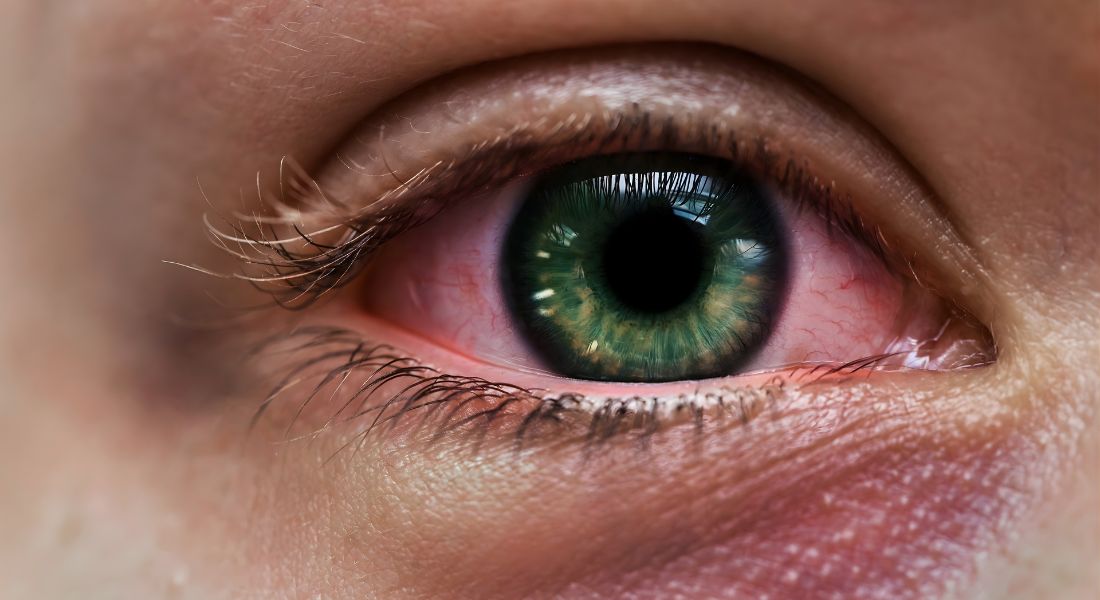
If you’ve recently experienced eye allergies or irritation, you may be wondering whether it’s safe to go ahead with LASIK or whether you should postpone the surgery. It’s a very common concern, especially if you rely on glasses or contact lenses and have been waiting for the right moment to finally enjoy clear vision. Allergies can make your eyes itchy, watery, red, or swollen and all these symptoms can influence when LASIK is appropriate.
In this guide, I’ll walk you through everything you need to know about LASIK after eye allergies or irritation. I’ll explain which symptoms must settle down first, how long to wait, how surgeons decide when it’s safe, and how you can prepare your eyes for the smoothest possible treatment. Whether your allergies are seasonal, contact-lens related, environmental, or part of a chronic condition, you’ll find guidance here that helps you feel confident and well informed.
Why Allergies and Irritation Affect LASIK Timing
LASIK works by precisely reshaping your cornea, so any inflammation or instability on the eye’s surface can affect both safety and outcomes. Allergies can trigger changes in the eyes that may temporarily interfere with accurate measurements and the healing process.
During allergy flare-ups, your tear film can become less stable, making it harder for your eyes to stay properly hydrated. The cornea may also swell slightly, and itchiness can increase the likelihood of rubbing, which can worsen surface irregularities.
This doesn’t mean you’re unsuitable for LASIK if you have allergies. It simply means it’s best to avoid booking surgery during or immediately after an allergy flare, allowing your eyes to settle fully.
Common Types of Eye Allergies That Affect LASIK
Before undergoing LASIK, it’s important to understand that certain eye conditions can influence both the safety and comfort of the procedure. Allergies and irritations can make the eyes more sensitive, potentially affecting healing and visual outcomes.
Seasonal Allergic Conjunctivitis: Often triggered by pollen, this type of allergy is most active in spring and summer. Symptoms include itchiness, redness, tearing, and mild swelling, which can temporarily affect vision comfort.
Perennial Allergic Conjunctivitis: Caused by dust mites, mould, or pet dander, this allergy persists year-round, with symptoms that may fluctuate depending on exposure levels. It often leads to chronic redness, watery eyes, and irritation.
Contact Lens-Induced Allergy: Long-term contact lens wear can result in giant papillary conjunctivitis (GPC), where the inner eyelid becomes irritated and inflamed. This can cause discomfort, redness, and excessive mucus production.
Environmental Irritation: Factors such as smoke, pollution, chlorine, and chemicals can irritate the eyes without being true allergies. Even mild exposure can exacerbate dryness or redness, affecting comfort before surgery.
Dry Eye-Triggered Irritation: Dryness itself can act as a form of irritation, worsening other allergy symptoms and making the eyes more sensitive during healing.
While LASIK is often still possible with these conditions, the priority is to stabilise and hydrate the eyes beforehand. Proper management ensures the best possible surgical outcome and reduces post-operative discomfort.
Which Symptoms Need to Clear Before LASIK?
Before undergoing LASIK, your eyes must be in a stable and healthy condition. Any active irritation, inflammation, or dryness can affect measurements, surgical accuracy, and healing. Surgeons carefully evaluate your eyes to ensure they are fully ready for the procedure.
They typically look for four key signs that your eyes are prepared:
- No redness: Redness signals inflammation or irritation. Your eyes should return to a normal white appearance before surgery to reduce the risk of complications.
- No itchiness: Itchy eyes increase the likelihood of rubbing, which can disrupt corneal healing and compromise results. Eliminating itch is essential for a safe procedure.
- No excessive tearing or watering: Watery eyes indicate an unstable tear film, which can distort measurements and affect laser accuracy. Eyes should be comfortably hydrated but not overly watery.
- A smooth, healthy corneal surface: The cornea must be clear, even, and free from swelling or microscopic inflammation. A healthy corneal surface ensures precision during LASIK and smooth post-operative recovery.
Your surgeon will check all of these factors during your assessment to confirm your eyes are ready for the safest and most effective results.
How Long Should You Wait After an Allergy Flare?
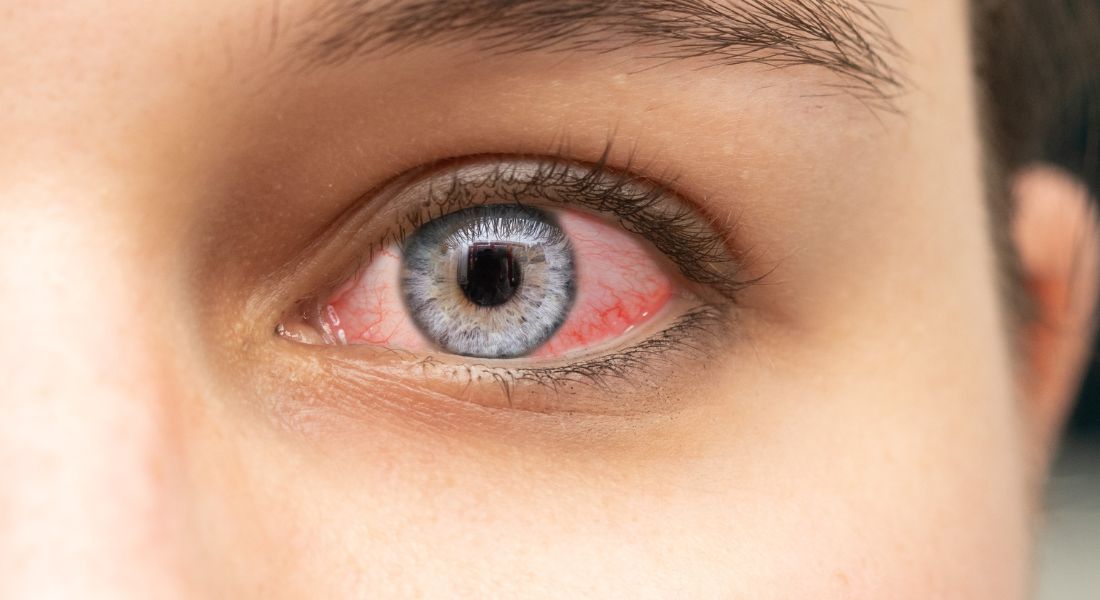
One of the most common questions patients ask is how long to wait after an allergy flare before LASIK. The answer depends on the type and severity of your symptoms, as each case affects the eyes differently.
For mild irritation, it’s usually safe to wait 1–2 weeks after symptoms have settled. Moderate allergies often require a 2–4 week waiting period to ensure the eyes are stable.
Severe flare-ups, or conditions like giant papillary conjunctivitis (GPC), may need 4–12 weeks of recovery depending on how the eyes respond. During this time, the cornea, tear film, and eyelids gradually return to a healthy, stable state.
You don’t need to be completely symptom-free for months before surgery. Your surgeon will determine the safest timing based on a full assessment, ensuring your eyes are stable and fully recovered from the most recent flare.
The Role of the Tear Film in LASIK Suitability
Your tear film is a thin layer of moisture that covers the eye each time you blink. It plays a crucial role in maintaining corneal health and ensuring accurate LASIK measurements. Allergies can disrupt this tear film in several ways. They increase inflammation, change the composition of your tears, and create instability on the eye’s surface.
Because an unstable tear film can affect outcomes, surgeons often recommend optimising it before the procedure. Ensuring your eyes are properly hydrated and stable helps achieve the safest and most predictable results.
What If You Have Dry Eyes as Well as Allergies?
It’s common for patients with eye allergies to also experience dry eyes, because inflammation can affect the glands that produce tears. Having both conditions can increase discomfort and temporarily affect corneal measurements, so your surgeon will usually want to stabilise your eyes before proceeding with LASIK.
Treatment options may include:
- Lubricating drops – Keep your eyes moist and comfortable throughout the day.
- Warm compresses – Improve oil gland function and tear quality.
- Omega-3 supplements – Support natural tear production and reduce inflammation.
- Anti-allergy drops – Control itchiness and redness from allergens.
- Occasional steroid drops – Short-term use can calm inflammation if necessary.
- Eyelid hygiene routines – Remove debris and maintain healthy glands.
- Temporary punctal plugs – Help retain moisture by blocking tear drainage temporarily.
These treatments do not delay LASIK long term; they simply create the optimal environment for accurate measurements, safe surgery, and smooth post-operative healing.
Why Eye Rubbing Is a Major Concern Before LASIK
If allergies make your eyes itchy, you may rub them frequently without even noticing. This can be a concern when preparing for LASIK because eye rubbing affects the cornea in important ways. Rubbing can temporarily warp or distort the cornea, making measurements less accurate. It also increases the risk of keratoconus-like changes, which weaken the corneal structure over time.
LASIK is safe only when the cornea is strong, stable, and healthy. Because rubbing can mask subtle weaknesses, your surgeon will carefully assess the cornea before proceeding. For patients with a long history of eye rubbing, alternative procedures like SMILE or PRK may be recommended. These options can be safer in cases where the cornea may be more vulnerable.
Can LASIK Make Allergies Worse?
No, LASIK does not make allergies worse or increase sensitivity. What can happen is that temporary dryness after the procedure may make allergy symptoms feel more noticeable during the recovery period. This heightened sensation is only temporary and usually resolves as the eyes heal. The cornea and tear film gradually stabilise, reducing discomfort over time.
Once healing is complete, LASIK does not affect the severity or frequency of your allergies. Your eyes return to their normal baseline without additional sensitivity. Many patients actually find allergies easier to manage after LASIK. Without the need for contact lenses which can be a major trigger for irritation daily comfort often improves.
How Surgeons Assess LASIK Readiness After Allergies
A comprehensive assessment is essential to determine whether your eyes are ready for LASIK. Surgeons need to confirm that your cornea and tear film are stable, and that there is no ongoing inflammation or irritation. This ensures both the safety of the procedure and the accuracy of the laser treatment.
During the exam, your surgeon will carefully evaluate multiple factors. These include corneal thickness, tear film stability, signs of inflammation, corneal curvature, and detailed topography and tomography. Eyelid health, redness or irritation, and surface regularity are also assessed to make sure your eyes can safely undergo surgery.
They may also review how recently your symptoms have fully settled. Gathering this information helps the surgeon determine the safest and most effective timing for your LASIK procedure. By addressing these details, your surgeon can minimise risks and optimise the likelihood of a smooth, successful recovery.
Diagnostic Tests That Matter Most After Allergies
If you’ve recently experienced eye irritation or allergies, it’s crucial to ensure your eyes are fully ready for LASIK. Certain diagnostic tests provide your surgeon with detailed information about tear quality, corneal health, and overall ocular stability, which helps guarantee a safe and precise procedure.
The most important tests include:
- Tear Break-Up Time (TBUT) – Measures how quickly your tear film evaporates, indicating whether your eyes are adequately lubricated.
- Ocular Surface Staining – Highlights areas of inflammation or damage on the cornea that might affect healing or visual outcomes.
- Topography – Maps the exact shape of your cornea to ensure accurate laser correction.
- Meibomian Gland Assessment – Evaluates the glands that produce oils for your tear film, essential for maintaining eye comfort and stability.
These tests help your surgeon confirm that your cornea is healthy, stable, and ready for LASIK, reducing risks and improving the chances of a smooth recovery.
Managing Allergies Before Your LASIK Appointment
If you’re preparing for LASIK and are prone to allergies, it’s important to optimise your eye health beforehand. Small steps can make a big difference in stabilising your cornea and tear film before your consultation.
Using preservative-free lubricating drops and avoiding rubbing your eyes are simple but effective ways to reduce irritation. Taking antihistamines or using anti-allergy eye drops, if recommended by your doctor, can also help manage symptoms.
Using an air purifier at home or work can help maintain a cleaner environment for your eyes. While these steps won’t completely eliminate allergies, they significantly improve eye comfort and create a more stable surface for LASIK assessment.
What If Your Allergies Flare During LASIK Recovery?
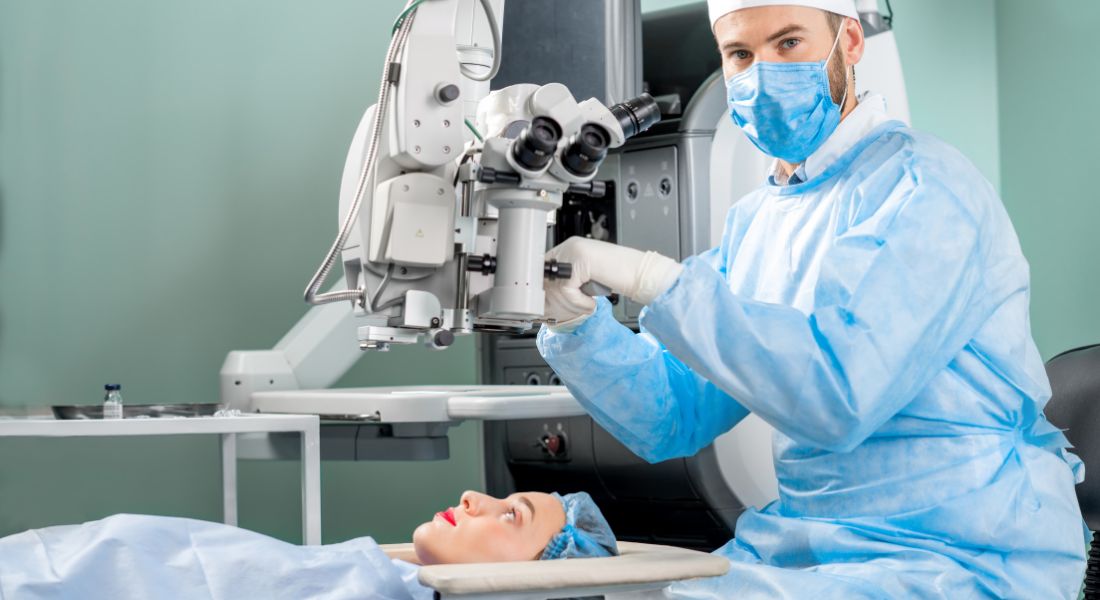
Occasional allergy flare-ups can happen during LASIK recovery. If your eyes become itchy due to pollen or other irritants while your cornea is healing, it’s important to manage symptoms carefully.
Using lubricating drops frequently helps keep your eyes comfortable and hydrated. Avoid rubbing your eyes, as this can interfere with healing and affect your results. If your surgeon has prescribed anti-inflammatory drops, use them as directed. Wearing wraparound sunglasses can protect your eyes from allergens when outdoors.
Keeping indoor air clean with purifiers also reduces exposure to irritants. Temporary redness or discomfort is normal and does not harm your LASIK outcome, as long as you avoid pressing or rubbing your eyes.
Contact Lens Wearers: A Special Consideration
For patients who wear contact lenses, managing allergies and irritation requires extra attention. Contacts sit directly on the cornea, which can exacerbate dryness, inflammation, and surface changes, making pre-LASIK assessment especially important.
Wearing lenses can worsen:
- Dryness – Lenses can reduce oxygen flow and tear stability.
- Protein deposits – Build-up can cause discomfort and inflammation.
- Irritation – Constant friction may make the eyes more sensitive.
- Giant Papillary Conjunctivitis (GPC) – Long-term lens wear can trigger this inflammatory reaction.
- Inflammation – Chronic irritation may affect corneal measurements.
Your surgeon will usually ask you to stop wearing contacts for a certain period before LASIK scans. This “lens holiday” allows your cornea to return to its natural shape, ensuring accurate measurements.
If you recently experienced contact-lens–related irritation, your surgeon may simply allow extra time for inflammation to settle, creating the best possible conditions for a safe and effective LASIK procedure.
Why Accurate Measurements Matter After Allergies
LASIK relies on extremely precise measurements to achieve predictable results. Even small changes in the eye’s surface can affect how the laser reshapes the cornea.
Allergy symptoms can temporarily alter key factors such as your refraction, corneal curvature, tear film, and surface smoothness. These changes can make measurements less reliable if surgery is performed too soon.
If any measurements are off, the surgeon will delay the procedure until your eyes return to a stable state. This ensures that the laser can be programmed accurately for your specific corneal shape.
Rushing LASIK after allergies can compromise outcomes and safety. Waiting until your eyes are fully recovered allows for the best possible results and a safer procedure overall.
Is PRK or SMILE Better Than LASIK After Allergies?
Some patients wonder if PRK or SMILE might be safer alternatives to LASIK after recent eye irritation. The choice depends largely on the current condition and stability of your cornea.
PRK may be considered if your corneal surface experienced significant irritation or instability. This approach allows the surface to heal gradually while reshaping the cornea.
SMILE might be preferred if your cornea is slightly irregular, as it can be gentler on certain areas of the eye. Both PRK and SMILE offer effective vision correction when LASIK may not be ideal immediately after allergies.
How LASIK Recovery Interacts With Allergies
Recovering from LASIK requires your eyes to heal steadily, restore tear film stability, and recalibrate nerve sensation. If you have allergies, these processes can be affected, making careful management even more important. Understanding how allergies interact with healing helps ensure a smoother recovery and better visual outcomes.
Common ways allergies can influence LASIK recovery include:
- Dryness – Allergies can worsen dry-eye symptoms, making your eyes feel more irritated, especially during pollen season or in dusty environments.
- Light Sensitivity – Redness, swelling, or irritation from allergies can increase sensitivity to light and glare during the healing period.
- Inflammation – Any inflammation must be monitored and treated carefully to avoid interfering with corneal healing.
The key to a successful recovery is managing both LASIK healing and allergy symptoms simultaneously using lubricating drops, anti-allergy treatments, and consistent aftercare habits. This ensures comfort while supporting the cornea’s natural recovery process.
What About Allergy Medications Before LASIK?
If you take allergy medications, it’s important to understand how they may interact with your eyes during LASIK preparation and recovery. Some oral antihistamines, for example, can reduce tear production and worsen dry-eye symptoms, which could affect both comfort and corneal measurements.
To manage this, your surgeon may recommend:
- Hydrating eye drops – Keep your eyes moist and comfortable before and after surgery.
- Anti-allergy drops – Target inflammation and irritation locally without systemic side effects.
- Cold compresses – Reduce redness and soothe irritated eyes.
- Specific antihistamines that cause less dryness – Minimise impact on tear production while controlling allergy symptoms.
You don’t need to stop all allergy medication before LASIK. The key is to have a tailored plan with your surgeon to manage hydration, reduce inflammation, and ensure your eyes are in the best possible condition for accurate measurements and safe surgery.
How to Know When You’re Truly Ready for LASIK After Allergies
You’ll know your eyes are ready for LASIK after allergies when your symptoms have been gone for at least one to four weeks. It’s important that your eyes no longer itch and any redness has completely resolved.
A stable tear film and the absence of eye rubbing are also key indicators of readiness. These factors help ensure that the cornea is in the best condition for accurate measurements. When LASIK is scheduled at the right time, it is extremely safe and effective. Waiting until your eyes are fully recovered maximises comfort, healing, and the predictability of results.
Can You Have LASIK If You Have Chronic Allergies?
Yes you can still have LASIK if you live with chronic, mild-to-moderate allergies. Many LASIK patients have seasonal allergies or occasional irritation. The important part is having your symptoms under control before treatment. If you have severe allergic disease, your surgeon may recommend treatments to improve your ocular surface before proceeding.
Allergies During LASIK Season: What to Do
If your allergies tend to peak during certain seasons, such as spring, you can still have LASIK. The key is choosing the right timing to minimise irritation and ensure stable measurements. Many patients schedule LASIK during autumn or winter when pollen counts are low. Early spring can also work if symptoms are mild and manageable.
It’s helpful to plan your procedure during periods when work stress is reduced. This allows you to focus on recovery without added strain on your eyes. Your surgeon can review your allergy patterns and help tailor the best date for your LASIK. Proper timing improves comfort, safety, and the predictability of your results.
LASIK Is Still Possible Even If You Have Allergies
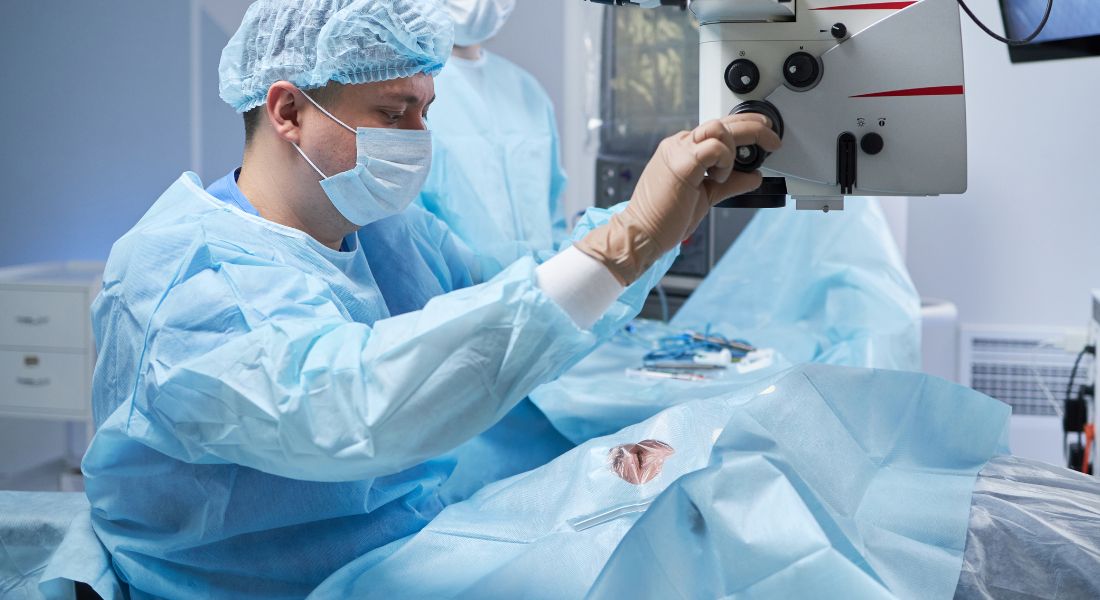
It’s important to remember that allergies don’t disqualify you from having LASIK. They simply influence when you should have your procedure. Once your eye surface is calm and healthy, LASIK becomes just as safe and predictable as it is for anyone else. The key is being honest with your surgeon about symptoms. With the right preparation, allergy management, and assessment, you can enjoy clear vision without compromising healing.
FAQs:
- Can I have LASIK surgery if I’ve just had an eye allergy flare‑up?
You can have LASIK after an eye allergy flare‑up, but only once your symptoms such as redness, itchiness, and tearing have fully settled and your surgeon confirms that your eyes are calm and stable. Scheduling surgery too soon can compromise measurement accuracy and healing, so waiting ensures the best possible visual outcome and comfort during recovery. - How long should I wait after an allergy flare before LASIK?
The waiting period depends on the severity of your allergy symptoms, ranging from one to four weeks for mild to moderate cases, and up to 12 weeks for more severe flare-ups such as giant papillary conjunctivitis. Your surgeon will evaluate your tear film stability, corneal surface health, and overall ocular comfort before confirming the safest timing for your procedure. - Will LASIK make my allergies worse?
LASIK does not worsen allergies or increase sensitivity in the long term. Temporary dryness or mild irritation may make allergy symptoms feel more noticeable during the early recovery phase, but these effects subside as your eyes heal, and most patients actually find managing daily eye discomfort easier without contact lenses. - Can I have LASIK if I wear contact lenses and get allergies?
Yes, LASIK is possible even for contact lens wearers who experience allergies, but your surgeon will usually recommend a “lens holiday” before the procedure. Allowing your cornea to return to its natural shape ensures more accurate measurements, safer surgery, and a smoother recovery without the interference of lens-related irritation. - What if I have chronic seasonal allergies?
LASIK can still be performed safely for patients with chronic, mild-to-moderate seasonal allergies, provided the symptoms are well controlled at the time of surgery. Planning the procedure during a low-pollen season or when your symptoms are minimal helps avoid irritation, ensures better measurement accuracy, and promotes a more comfortable recovery. - Are there alternatives to LASIK if my eyes are still irritated?
If your cornea shows surface irregularities or instability, your surgeon may recommend PRK or SMILE as alternative refractive procedures. These methods can be gentler on the corneal surface, allow gradual healing, and may be safer for patients who are recovering from recent allergies or irritation. - How do surgeons assess readiness for LASIK after allergies?
Surgeons assess corneal thickness, tear film stability, surface regularity, eyelid health, and the absence of redness or inflammation. They also review your allergy history, recent flare-ups, and contact lens use to ensure your eyes are fully prepared for a safe and precise LASIK procedure. - Can allergy medications affect LASIK preparation or recovery?
Certain oral or topical antihistamines can reduce tear production and increase dryness, which may affect comfort and corneal measurements. Your surgeon will advise on which medications are safe to continue and may recommend additional eye hydration strategies to support accurate measurements and optimal healing. - What precautions should I take if my allergies flare during LASIK recovery?
During recovery, it’s important to manage symptoms carefully by using lubricating drops regularly, avoiding rubbing your eyes, and following your surgeon’s instructions for anti-inflammatory treatments. Protecting your eyes from allergens with wraparound sunglasses and maintaining a clean indoor environment also helps minimise irritation without affecting your healing. - How do I know I’m truly ready for LASIK after allergies?
You’re ready when your eyes are free from redness, itchiness, and excessive tearing, and your tear film is stable and healthy. Confirming readiness with your surgeon ensures accurate measurements, reduces the risk of complications, and maximises the likelihood of a smooth, predictable recovery and excellent visual outcomes.
Final Thought: Preparing Your Eyes for Safe and Effective LASIK
If you’re exploring whether Lasik surgery in London could benefit you, understanding how recent eye allergies or irritation may affect timing and recovery is crucial. With proper assessment, eye preparation, and allergy management, LASIK remains a safe and highly effective option for achieving clear vision. Your surgeon will guide you on the ideal timing and any necessary precautions, helping ensure a smooth procedure and optimal results. If you’re exploring whether lasik surgery in London could benefit you, get in touch with us at Eye Clinic London to schedule your consultation.
References:
- Bielory, B. (2011) Allergic complications with laser‑assisted in‑situ keratomileusis, Current Opinion in Allergy and Clinical Immunology, 11(5), pp. 478–483. https://pubmed.ncbi.nlm.nih.gov/21822133/
- Tamimi, A. (2023) Post‑LASIK dry eye disease: A comprehensive review, The Ocular Surface, 27, pp. 1‑18. https://pmc.ncbi.nlm.nih.gov/articles/PMC10126282/
- Yahalomi, T. (2023) Dry Eye Disease following LASIK, PRK, and LASEK, Journal of Clinical Medicine, 12(11), 3761. https://www.mdpi.com/2077-0383/12/11/3761
- Kaštelan, S. (2024) The Influence of Tear Film Quality on Visual Function, Vision, 8(1), 8. https://www.mdpi.com/2411-5150/8/1/8
- Stapleton, F., et al. (2019) Dry eye after refractive surgery: a meta‑analysis, Ocular Surface, 17, pp. https://www.sciencedirect.com/science/article/abs/pii/S0008418219302790