


What Tests Are Done Before Laser Eye Surgery? (Explained)
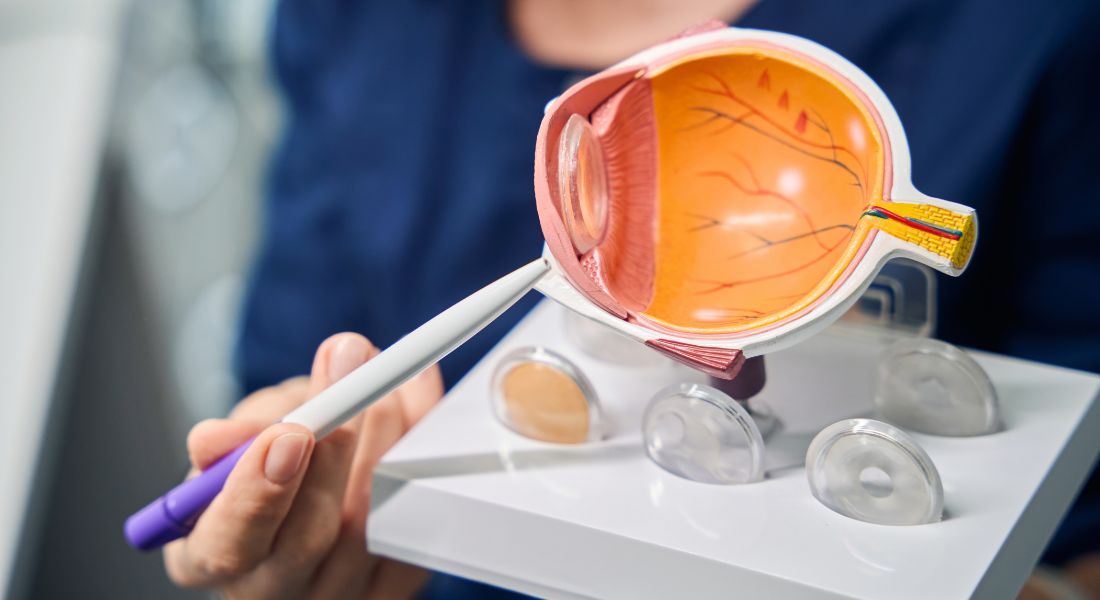
Before undergoing laser eye surgery, a detailed assessment is essential. While the procedure may seem straightforward, careful evaluation is needed to ensure both safety and accuracy. These checks allow your surgeon to fully understand your eye health. A thorough approach helps reduce risks and improve outcomes.
These tests are used to determine whether you are a suitable candidate for treatment. Not everyone is eligible, as factors such as corneal thickness, prescription stability, and overall eye health must be considered. Your surgeon will assess each of these elements carefully. This personalised evaluation ensures the procedure is appropriate for you.
Understanding the testing process can help you feel more confident about your decision. It also prepares you for what to expect during your consultation. Knowing how your eyes are assessed can make the experience feel more reassuring. Being informed plays an important role in your treatment journey.
Why Pre-Surgery Testing Is Important
Pre-surgery testing is essential to ensure that laser eye surgery is safe for your eyes. These checks help identify any potential risks before the procedure takes place. By understanding your eye health in detail, your surgeon can protect your vision. This careful approach helps minimise complications.
You may have underlying eye conditions that could affect your suitability for treatment. These issues are not always obvious without detailed testing. Early detection allows your surgeon to make informed decisions about your care. Screening plays a key role in reducing potential risks.
Accurate testing also improves the overall results of your surgery. The information gathered allows your surgeon to plan the procedure with precision. This leads to more predictable and effective outcomes. Proper preparation is an important part of achieving the best possible vision correction.
Overview of the Assessment Process
Before you undergo ICL surgery, you will go through a detailed assessment process designed to fully evaluate your eye health. This is not just a single test, but a series of examinations that look at different aspects of your vision and eye structure. Each test provides important information that helps your surgeon understand your eyes more clearly.
You will usually attend a dedicated consultation appointment for this assessment. It may take some time, as several tests are carried out during the visit. This thorough approach ensures that nothing is overlooked and that your eyes are carefully evaluated from every angle.
- Multiple detailed eye tests: You will undergo a range of tests that assess your vision, corneal shape, eye pressure, and internal eye structures. Each test contributes valuable data that supports safe and accurate surgical planning.
- A focused consultation appointment: The assessment is typically done during a dedicated visit rather than a quick check-up. This allows enough time for all necessary measurements and for your surgeon to review the results in detail.
- Building a complete picture of your eyes: By combining the results from different tests, your surgeon can develop a full understanding of your eye health and anatomy. This helps determine whether ICL surgery is suitable for you.
- Guiding treatment decisions: The information gathered during the assessment directly influences the surgical plan, including lens sizing and technique. Careful evaluation helps ensure the safest approach and the best possible visual outcome.
A comprehensive assessment is a key step in the process. By taking the time to evaluate your eyes thoroughly, your surgeon can plan your treatment with precision and confidence.
Measuring Your Prescription
As part of your assessment, your current prescription is measured carefully to understand the exact level of refractive error in your eyes. This step is essential because even small inaccuracies can affect your final visual outcome. By taking precise measurements, your surgeon can plan your treatment with greater confidence and accuracy. You will usually undergo more than one test to confirm your prescription. This helps ensure that the results are consistent and reliable before moving forward.
- Assessing your refractive error: Your prescription shows whether you are short-sighted, long-sighted, or have astigmatism. Measuring this accurately allows your surgeon to understand how light is currently focusing inside your eye.
- Repeating tests for consistency: You may notice that similar tests are performed more than once. This is done to confirm that your prescription is stable and consistent, which is important for safe treatment planning.
- Using precise diagnostic equipment: Modern instruments are used to measure your vision with a high level of accuracy. These tools help detect even small variations that might not be obvious during a routine eye test.
- Guiding treatment decisions: The final prescription measurements are used to plan your procedure, including selecting the correct lens power or adjusting laser settings if applicable. Accurate data helps achieve the best possible visual results.
Taking the time to measure your prescription thoroughly ensures that your treatment is tailored to your eyes. This careful approach plays a key role in achieving clear, stable vision after surgery.
Checking Prescription Stability
Having a stable prescription is an important requirement before laser eye surgery. Your vision should not have changed significantly over a period of time. This helps ensure that your results are long-lasting. Treating unstable vision may lead to less predictable outcomes.
During your assessment, you will be asked about any recent changes in your eyesight. Your previous prescriptions may also be reviewed to track any variations over time. This allows your surgeon to assess whether your vision has stabilised. A consistent prescription is a key factor in planning treatment.
If your prescription is still changing, your surgeon may recommend delaying the procedure. Waiting allows your vision to settle before treatment is performed. This improves the chances of achieving a stable and effective result. Proper timing plays an important role in successful outcomes.
Corneal Topography (Corneal Mapping)
Corneal topography is a key test that maps the surface of your cornea in detail. It creates a precise image of its shape and curvature. This information is essential for planning your laser eye surgery. It helps your surgeon understand how light is focused in your eye.
The test can also detect any irregularities in the cornea. Conditions such as Keratoconus may be identified during this assessment. These conditions can affect whether laser eye surgery is suitable for you. Early detection is important for protecting your eye health.
Understanding the exact shape of your cornea allows your surgeon to customise your treatment. This ensures that the laser correction is accurate and tailored to your eyes. Precise mapping improves both safety and visual outcomes. It is an essential step in the pre-surgery evaluation process.
Measuring Corneal Thickness
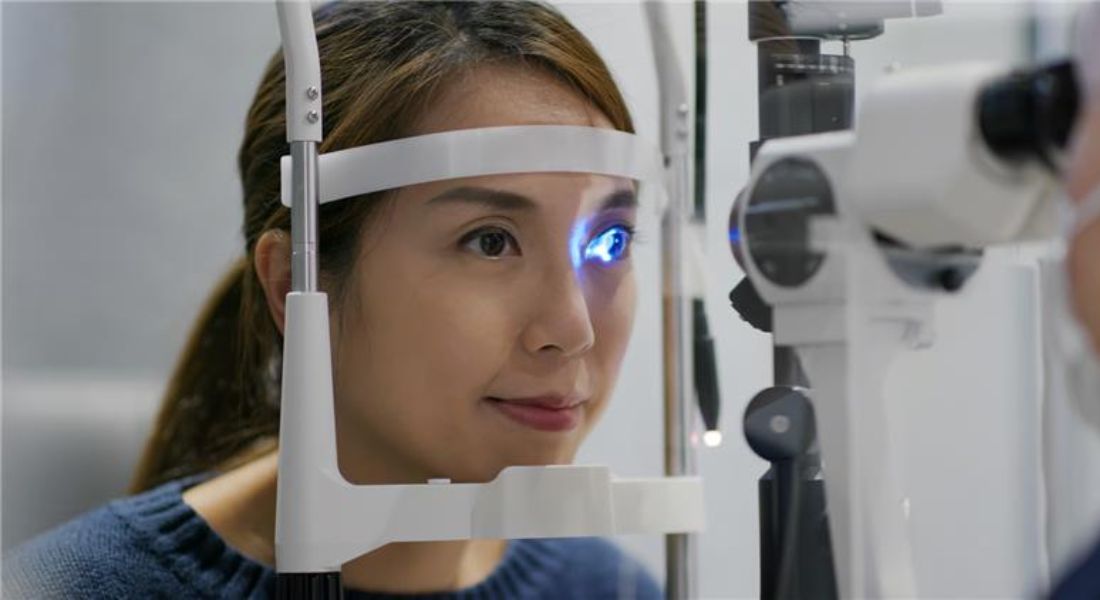
Your corneal thickness is measured using specialised equipment as part of your pre-surgery assessment. This test helps determine whether your cornea is suitable for laser treatment. The thickness of your cornea plays an important role in how safely the procedure can be performed. It also helps guide the type of treatment recommended.
If your cornea is too thin, laser eye surgery may not be the safest option for you. In such cases, your surgeon may discuss alternative treatments that are more suitable. Prioritising safety is always the main concern. This ensures your long-term eye health is protected.
Accurate measurement of corneal thickness supports careful decision-making. It allows your surgeon to plan the procedure with confidence and precision. This reduces the risk of complications during and after surgery. A thorough evaluation is essential for achieving safe and effective results.
Assessing Corneal Health
The overall health of your cornea is examined carefully before laser eye surgery. Your surgeon will check for any scars, infections, or structural abnormalities. Healthy corneal tissue is essential for safe and effective treatment. This assessment helps ensure your eyes are suitable for the procedure.
You may undergo a slit-lamp examination during your consultation. This test allows your surgeon to view the front structures of your eye in high detail. It helps detect subtle issues that may not be visible otherwise. Careful examination supports accurate diagnosis.
Corneal health plays an important role in deciding the most appropriate treatment for you. Any underlying concerns must be identified before proceeding. This helps reduce risks and improve surgical outcomes. A thorough assessment is a key part of safe vision correction.
Tear Film and Dry Eye Assessment
As part of your pre-surgery evaluation, your tear film is carefully checked to see how well your eyes stay moist and comfortable. A healthy tear film is essential for clear vision and smooth healing after the procedure. If your eyes are dry, it can affect both the accuracy of measurements and your recovery, so this step is very important. During the assessment, your doctor may carry out a few simple tests to understand how your eyes produce and maintain tears.
- Checking for signs of dry eye: Your specialist will look for symptoms such as irritation, redness, or a gritty feeling. These signs can indicate that your tear film is not stable enough, which may need attention before surgery.
- Measuring tear production: You may have tests that measure how much tear fluid your eyes produce and how quickly it evaporates. This helps identify whether dryness is mild, moderate, or more significant.
- Planning treatment if needed: If dryness is detected, your doctor may recommend lubricating drops or other treatments before surgery. Managing dry eye early helps create a healthier surface for the procedure.
- Supporting healing and comfort: Treating dryness in advance improves the stability of your tear film. This supports clearer vision, reduces irritation, and helps your eyes heal more comfortably after surgery.
By addressing any dry eye issues before your procedure, you give your eyes the best possible start. Proper preparation helps improve both your surgical outcome and your overall comfort during recovery.
Pupil Size Measurement

Your pupil size is measured under different lighting conditions as part of your assessment. This helps your surgeon understand how your eyes respond to changes in light. It is an important factor when planning laser eye surgery. The way your pupils behave can influence your visual results.
If you have larger pupils, there may be a slightly higher risk of visual side effects after surgery. You might notice issues such as glare or halos, particularly in low-light conditions. Identifying this in advance allows your surgeon to take it into account. This helps reduce the likelihood of unwanted effects.
Understanding your pupil size helps guide a more personalised treatment plan. Your surgeon can adjust the laser settings to suit your eye characteristics. This improves both safety and visual quality. Accurate measurement plays an important role in achieving the best possible outcome.
Eye Pressure Testing
Your eye pressure is measured as part of the pre-surgery assessment to check for signs of Glaucoma. This is a routine and important step that helps ensure your overall eye health is suitable for treatment. Maintaining normal eye pressure is essential for protecting the optic nerve. It also supports safe surgical planning.
If your eye pressure is found to be elevated, further tests may be recommended. This allows your surgeon to investigate the cause and rule out any underlying concerns. Early detection is important in preventing potential complications. Addressing these issues before surgery helps protect your vision.
Monitoring eye pressure plays a key role in ensuring safe and effective treatment. It helps your surgeon make informed decisions about your care. Regular checks also support your long-term eye health. Careful evaluation is essential for achieving the best outcomes.
Retinal Examination
As part of your assessment, your retina is carefully examined to ensure it is healthy and suitable for surgery. The retina plays a vital role in vision, so any underlying issues must be identified beforehand. To allow a clear and detailed view, your doctor will usually use special dilating eye drops to widen your pupils.
Once your pupils are dilated, the specialist can examine the back of your eye in much greater detail. This helps detect any conditions that might otherwise go unnoticed during a routine check.
- Using dilating drops for a clearer view: The drops temporarily enlarge your pupils, allowing your doctor to see the retina more thoroughly. Your vision may be slightly blurred and sensitive to light for a few hours afterwards.
- Checking for retinal conditions: Your specialist will look for any signs of problems such as weak areas, tears, or other abnormalities. Identifying these early is important, as some conditions may need treatment before surgery.
- Assessing suitability for surgery: Certain retinal issues can affect whether vision correction surgery is appropriate. This examination helps ensure that the procedure is safe for your eyes.
- Supporting long-term visual outcomes: A healthy retina is essential for achieving good vision after surgery. Careful screening helps protect your eyesight and reduces the risk of complications.
This step is a crucial part of the overall assessment. By thoroughly evaluating your retina, your surgeon can make informed decisions and ensure the safest possible approach to your treatment.
Wavefront Analysis
Wavefront analysis measures how light travels through your eye in detail. It detects subtle optical imperfections that standard vision tests may not identify. This provides a more complete understanding of your visual system. It allows your surgeon to assess the quality of your vision, not just the prescription.
You may benefit from a customised treatment plan based on this information. The data helps guide highly precise laser adjustments tailored to your eyes. This can improve visual quality, including contrast and clarity. Greater precision often leads to better overall results.
This advanced test supports a personalised approach to laser eye surgery. It refines the treatment plan to match your individual eye characteristics. Modern technology plays an important role in achieving accurate outcomes. Detailed analysis helps maximise the effectiveness of your procedure.
Evaluating Eye Alignment
Your eye alignment is assessed to ensure both eyes work together properly. Good coordination between your eyes is important for clear and comfortable vision. If there is any misalignment, it could affect your results after laser eye surgery. Identifying this early helps guide safe treatment planning.
You may undergo a few simple tests to check how well your eyes coordinate with each other. These tests are quick and painless but provide valuable information. They help your surgeon understand how your visual system functions as a whole. This is an important part of your overall assessment.
Proper alignment supports balanced vision after surgery. It helps both eyes focus together without strain or discomfort. Ensuring this balance improves the quality of your visual outcome. Careful evaluation is essential for achieving the best possible results.
Checking Overall Eye Health
A comprehensive eye health check is carried out before laser eye surgery. This involves examining all parts of your eye, including the cornea, lens, retina, and optic nerve. Your surgeon assesses the overall condition of your eyes to ensure they are healthy. This step is essential for safe and effective treatment.
Any existing eye conditions, such as Cataract or Glaucoma, must be identified during this stage. Detecting these issues early allows your surgeon to plan your treatment appropriately. In some cases, alternative approaches may be recommended. Early diagnosis plays a key role in protecting your vision.
Healthy eyes are important for achieving successful surgical outcomes. This final check ensures that you are fully prepared for the procedure. It also helps minimise potential risks. Thorough evaluation provides confidence in both safety and results.
Medical History Review
Your medical history is carefully reviewed as part of your pre-surgery assessment. Certain health conditions can affect whether laser eye surgery is suitable for you. This includes both eye-related and general health issues. Understanding your overall health helps your surgeon plan safely.
You will be asked about any medications you are taking and any previous treatments you have had. This information provides important context for your care. Some medications or conditions may influence healing or surgical outcomes. Being open and thorough is essential during this stage.
Understanding your medical history allows your surgeon to make informed decisions about your treatment. It helps ensure that the procedure is safe and appropriate for your needs. This personalised approach supports better results. Careful evaluation is a key part of successful vision correction.
Lifestyle and Visual Needs Assessment
During your consultation, your lifestyle and visual needs are carefully discussed to ensure the treatment suits your daily routine. Vision correction is not just about improving eyesight on a chart, but about helping you see comfortably in real-life situations. Because everyone’s habits and priorities are different, this step plays an important role in choosing the most appropriate approach. You will have the opportunity to talk openly about your expectations and what you hope to achieve from the procedure. This helps your surgeon recommend a solution that aligns with your goals.
- Understanding your daily activities: Your doctor will ask about your work, hobbies, and screen use. For example, night driving, sports, or long hours on digital devices may influence the choice of treatment.
- Discussing your visual goals: You may want to reduce or eliminate your dependence on glasses or contact lenses. These goals are explored in detail so your expectations are realistic and achievable.
- Clarifying expectations: Your surgeon will explain what results you can expect based on your eyes and lifestyle. This ensures you have a clear understanding of the potential benefits and any limitations.
- Personalising your treatment plan: By combining your eye measurements with your lifestyle needs, your surgeon can recommend the most suitable option. This tailored approach helps achieve practical, long-lasting results.
Taking the time to assess your lifestyle ensures that your treatment is designed around you. Personalised planning not only improves visual outcomes but also enhances your overall satisfaction after surgery.
Discussing Risks and Expectations
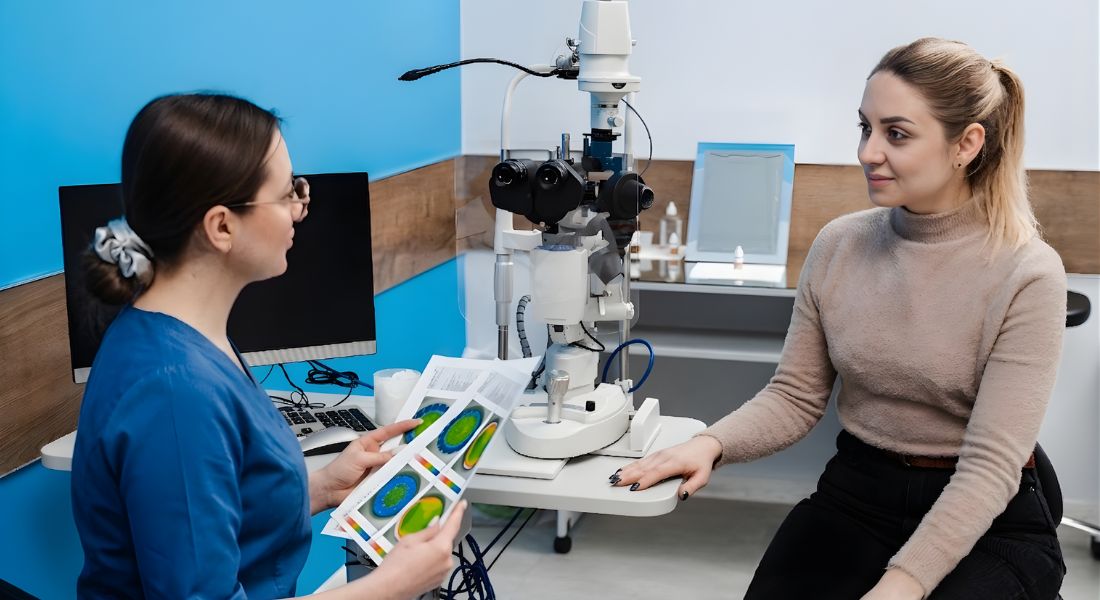
You will have a detailed discussion with your surgeon about the potential risks and benefits of laser eye surgery. This ensures you are fully informed before making a decision. Transparency is an important part of the process. It helps you understand both the advantages and possible limitations of treatment.
Setting realistic expectations is essential for your overall satisfaction. While many patients achieve excellent vision, results can vary and perfect vision is not always guaranteed. Understanding what the procedure can and cannot achieve helps you feel prepared. This clarity supports a more positive experience.
Open and clear communication builds trust between you and your surgeon. It also gives you the opportunity to ask questions and address any concerns. Being well-informed allows you to make confident decisions about your care. Preparation plays a key role in a successful outcome.
Determining Suitability for Surgery
All of your test results are reviewed together to determine whether laser eye surgery is suitable for you. This is a comprehensive decision that takes multiple factors into account, including your eye health, prescription stability, and corneal measurements. Your surgeon uses this information to form a complete picture of your suitability. Careful analysis helps ensure the procedure is both safe and effective.
In some cases, you may be advised that laser eye surgery is not the best option for you. If this happens, your surgeon will explain the reasons clearly and may suggest alternative treatments. These alternatives are chosen to better suit your eye condition and long-term vision needs. Prioritising safety is always the main focus.
Assessing suitability is an important step in protecting your vision. It helps avoid unnecessary risks and improves the likelihood of a successful outcome. You can feel reassured that every aspect of your eye health has been carefully considered. A thorough evaluation ensures the best possible results for your vision.
When You May Not Be Suitable
Some patients are not suitable for laser eye surgery. This may be due to factors such as thin corneas, unstable prescriptions, or certain eye conditions. Other health issues can also influence whether the procedure is appropriate for you. These factors are carefully assessed during your evaluation.
If you are advised against surgery, it is not a setback. This decision is made to protect your eye health and ensure your long-term vision remains safe. Your surgeon will always prioritise safety over convenience. It is an important part of responsible care.
In many cases, alternative treatments are available that may better suit your needs. Your specialist will guide you through these options and explain what may work best for your eyes. You will still have choices for improving your vision. Personalised advice helps you move forward with confidence.
FAQs:
- Why do you need tests before laser eye surgery?
You need tests to make sure the procedure is safe and suitable for your eyes. These checks help identify any underlying issues that could affect results. They also allow your surgeon to plan your treatment accurately. Proper assessment reduces risks and improves outcomes. - How long does the pre-surgery assessment take?
Your assessment may take around one to two hours. This depends on the number of tests required. Some tests also involve eye drops that take time to work. A thorough evaluation ensures nothing is overlooked. - Are the tests for laser eye surgery painful?
Most tests are completely painless and non-invasive. You may feel slight discomfort during certain measurements, but it is minimal. Eye drops may be used for comfort or to dilate your pupils. Overall, the process is well tolerated. - Do you need to stop wearing contact lenses before testing?
Yes, you will usually need to stop wearing contact lenses before your assessment. This is because lenses can temporarily alter the shape of your cornea. Your clinic will advise how long you should avoid them. Following this guidance ensures accurate results. - What happens if your prescription is not stable?
If your prescription is still changing, you may be advised to wait before having surgery. Stability is important for long-term results. Proceeding too early could affect the outcome. Your specialist will guide you on the right timing. - Can dry eyes affect your suitability for surgery?
Yes, dry eyes can influence both the procedure and your recovery. If dryness is detected, it may need to be treated first. Managing this condition helps improve comfort and healing. In some cases, it may affect whether surgery is recommended. - Why is corneal thickness important?
Corneal thickness determines whether your eye can safely undergo laser treatment. If your cornea is too thin, removing tissue may not be safe. In such cases, alternative options may be considered. Safety is always the priority. - What is corneal topography used for?
Corneal topography maps the shape of your cornea in detail. It helps detect irregularities such as early signs of conditions that could affect surgery. This information allows your treatment to be customised. It is a key part of planning. - Will you be told straight away if you are suitable?
In many cases, you will receive an initial opinion during your consultation. However, final decisions are made after reviewing all test results. This ensures nothing is missed. You will then be advised on the best option for you. - What happens if you are not suitable for laser eye surgery?
If you are not suitable, your specialist will explain why. This is to protect your eye health and vision. You may be offered alternative treatments instead. There are often other safe and effective options available.
Final Thoughts: Preparing for Safe and Successful Laser Eye Surgery
Pre-surgery testing plays a crucial role in ensuring your laser eye treatment is both safe and effective. By carefully assessing every aspect of your eye health, your specialist can identify potential risks and tailor the procedure to your individual needs. This thorough approach helps maximise accuracy, improve outcomes, and protect your long-term vision.
Understanding the purpose of each test can also give you greater confidence as you move forward. Rather than being a routine step, this detailed evaluation is what makes modern laser eye surgery so precise and reliable. It ensures that only suitable candidates proceed, while others are guided towards safer alternatives if needed. If you’d like to find out whether laser surgery in London is suitable for you, feel free to contact us at Eye Clinic London to arrange a consultation.
References:
- Kijonka, M., Nowińska, A., Wylęgała, A., Orzechowska-Wylęgała, B., Dugiełło, B., Kryszan, K. and Wylęgała, E., 2025. https://www.mdpi.com/2077-0383/14/4/1038
- Vinciguerra, R. et al., 2021. Current developments in corneal topography and tomography. Diagnostics, 11(8), p.1466. https://www.mdpi.com/2075-4418/11/8/1466
- Tăbăcaru, B. and Stanca, T.H., 2020. Romanian Journal of Ophthalmology, 64(4), pp.333–341. https://pmc.ncbi.nlm.nih.gov/articles/PMC7739023/
- Juda, M., Bedliński, M., Roszkowska, A.M. and Wierzbowska, J., 2024. Journal of Clinical Medicine, 13(6), p.1665. https://www.mdpi.com/2077-0383/13/6/1665
- Zhao, P.F., Zhou, Y.H., Hu, Y.B., Cao, K., Qi, Y., Guo, N., Gao, X., Zhang, Q.W. and Zhai, C.B., 2021. International Journal of Ophthalmology, 14(7), pp.1047–1051. https://pubmed.ncbi.nlm.nih.gov/34282390/