


Laser Eye Surgery Risks: How Common Are Complications?

If you are considering laser eye surgery, it is completely natural to ask about risks. Every surgical procedure carries some level of potential complication, even when performed with modern technology. Understanding those risks clearly helps you make a confident and informed decision.
Laser eye surgery has evolved significantly over the past two decades. Advances in laser precision, eye tracking, and patient screening have improved safety outcomes dramatically. Today, complication rates are low when patients are appropriately selected.
In this guide, we break down the most common risks, explain how often they occur, and describe how modern techniques minimise them. Transparent information reduces anxiety and replaces uncertainty with facts. Informed patients make safer choices.
Is Laser Eye Surgery Safe Overall?
Laser eye surgery is widely regarded as a safe and effective option for suitable candidates. Millions of procedures have been performed worldwide, with most patients achieving excellent results and high satisfaction. Modern safety data shows strong outcomes when proper protocols are followed.
However, no procedure is completely risk-free. Minor side effects, such as temporary dryness, light sensitivity or mild irritation, are relatively common during the early recovery period. Serious complications, such as infection or significant vision changes, are very rare.
Careful suitability screening is crucial to maintaining safety. Assessing your eye health, prescription and corneal thickness helps reduce the risk of complications. Safety starts before the procedure and continues through careful planning and follow-up care.
Dry Eye Symptoms
Dry eye is one of the most common temporary side effects after laser eye surgery. You may experience irritation, a gritty sensation, or fluctuating vision during the first few weeks. For most patients, these symptoms gradually improve as the eyes heal.
Modern surgical techniques are designed to preserve corneal nerves and minimise dry eye risk. For instance, SMILE procedures often cause less disruption than older methods, reducing the likelihood of prolonged dryness. Using lubricating eye drops as prescribed also supports comfort and recovery.
Severe or persistent dry eye is uncommon. Most cases resolve within a few months with proper care and adherence to post-operative instructions. Following aftercare guidance makes a meaningful difference in comfort and healing.
Halos and Night Glare
Some patients notice halos or glare around lights, particularly at night, during the early healing phase. These visual effects are usually temporary and tend to fade gradually as your eyes recover. It is a normal part of the adjustment period following surgery.
Modern wavefront-guided technology has helped reduce this risk significantly. Personalised treatment allows for greater optical precision, and larger optical zones can further minimise the appearance of glare or halos. These advancements make night vision more predictable.
Persistent or severe glare is rare. Careful pre-operative measurements and planning reduce the likelihood of lasting issues. For most patients, night vision stabilises within weeks to months, leaving clear, comfortable vision in all lighting conditions.
Undercorrection or Overcorrection
Occasionally, the initial laser correction may not be perfectly precise. You might be left with a small residual prescription, which can affect clarity at certain distances. In some cases, a follow-up enhancement procedure may be recommended to fine-tune your vision.
Enhancement procedures are generally straightforward and quick. Many reputable clinics include them as part of their aftercare policy, so any minor adjustments are covered. Careful pre-operative measurements and planning help reduce the likelihood that additional treatment will be needed.
Accuracy depends on having a stable prescription before surgery. Thorough pre-operative testing and personalised treatment planning improve predictability. Precision in the planning stage minimises the risk of undercorrection or overcorrection, giving you the best chance of optimal results.
Infection Risk
It’s natural to worry about infection after laser eye surgery, but the good news is that it’s very rare. Modern clinics follow strict sterile protocols, and your prescribed antibiotic drops add another layer of protection. Understanding the risk and how to minimise it helps you feel confident during recovery.
- Most infections appear early: The few reported infections usually occur within the first few days after surgery. Early detection allows your clinic to act quickly and manage the issue effectively.
- Aftercare compliance is key: Using your drops exactly as prescribed and following hygiene instructions significantly reduces infection risk. Avoid rubbing your eyes or touching them with unwashed hands, as this can introduce bacteria.
- Prevention is the best defence: Sterility measures in the clinic, combined with careful at-home care, create a very low likelihood of infection. Staying vigilant during the first week is usually sufficient to protect your eyes.
By following aftercare instructions carefully, you are actively protecting your vision. Infection after surgery is uncommon, but prompt reporting of any unusual symptoms ensures safety. Most patients recover without any issues when they comply with guidance. Taking these precautions allows you to focus on healing and enjoying improved vision.
Corneal Flap Complications (LASIK)

LASIK requires the creation of a thin corneal flap to access the underlying tissue. On rare occasions, flap-related issues such as incomplete lifting or minor displacements can occur. Modern femtosecond lasers have greatly improved the precision and consistency of flap creation.
Thanks to advanced technology, flap complications are now uncommon. Proper post-operative healing and adherence to aftercare instructions further reduce the risk of long-term concerns. Wearing protective shields as recommended supports safe recovery during the early days.
Choosing an experienced surgeon also lowers the likelihood of flap problems. Surgical expertise plays a key role in creating a precise, well-positioned flap. When combined with modern methods, this ensures that LASIK remains a safe and reliable option.
Corneal Haze (PRK)
If you have PRK, it’s normal to wonder about the risk of corneal haze. PRK treats the surface layer of your cornea, which means healing is slightly different from LASIK. In some cases, a temporary haze may appear as your eye recovers, but it usually clears with time.
- Haze is usually temporary: A small number of patients may notice mild cloudiness during the healing process. This is typically temporary and resolves as the cornea regenerates.
- Medication and follow-up help: Anti-inflammatory drops reduce the risk of haze formation. Regular follow-up appointments allow your clinician to monitor corneal clarity and intervene early if needed.
- Modern protocols lower the risk: Advances in PRK techniques and post-operative care have made haze much less common. While recovery may take slightly longer than LASIK, outcomes are highly reliable with proper management.
Most patients find any haze improves steadily over a few weeks to months. Following your drop regimen and attending check-ups supports smooth recovery. While temporary cloudiness can feel concerning, it rarely affects long-term vision. With modern care, PRK provides excellent visual outcomes once healing is complete.
Ectasia Risk
Corneal ectasia is a rare complication in which the cornea gradually weakens or bulges after surgery. Careful pre-operative screening significantly reduces this risk. Patients with thin, irregular, or otherwise unsuitable corneas are generally excluded from treatment.
Advanced corneal mapping and imaging allow surgeons to detect subtle irregularities that might increase risk. These diagnostic tools make patient selection far more accurate than in the past. By identifying potential concerns early, surgeons can prevent complications before they occur.
For screened candidates, ectasia remains very uncommon. Proper evaluation and adherence to safety protocols protect your long-term vision. Responsible clinics prioritise thorough assessment and patient safety above all else.
Regression of Vision
Regression occurs when a small amount of your original prescription gradually returns after surgery. This is more likely in patients with higher prescriptions or very strong corrections. Ensuring your prescription has been stable for a period before surgery helps reduce the likelihood of regression.
If regression does occur, enhancement procedures can usually correct it. Regular post-operative monitoring allows your surgeon to detect any changes early and intervene promptly. With timely care, most patients maintain clear, stable vision over the long term.
Long-term regression rates remain low with modern laser techniques. Individual factors, such as healing response and corneal biology, can influence outcomes. Honest discussion with your surgeon helps set realistic expectations and ensures you are fully informed.
Light Sensitivity

Temporary light sensitivity is common following laser eye surgery. You may notice discomfort in bright sunlight or artificial lighting. Wearing sunglasses outdoors and in well-lit environments helps manage this sensation. For most patients, sensitivity fades quickly within days to weeks.
Early glare and light discomfort are often linked to mild post-operative inflammation. Anti-inflammatory eye drops prescribed by your surgeon help reduce these symptoms. Recovery progresses steadily when drops are used as directed and your eyes are protected.
Persistent or severe light sensitivity is uncommon. Gradual improvement is expected as your eyes heal. Attending follow-up appointments provides reassurance and allows your surgeon to monitor progress, ensuring your recovery remains on track.
Double Vision or Ghosting
Some patients notice temporary ghosting or double images during the early healing period. This occurs because the cornea is still settling and minor optical irregularities can cause brief visual effects. In most cases, these sensations stabilise naturally as the eye heals.
Modern topography-guided and wavefront-guided treatments help reduce the risk of irregular outcomes. Precision mapping ensures the corneal surface is reshaped smoothly, enhancing overall visual quality. Technology plays a key role in minimising temporary visual disturbances.
Persistent double vision or ghosting is very rare. Careful pre-operative planning and thorough measurements further minimise this risk. If any concerns arise, early review with your surgeon allows prompt reassurance and management.
Vision Not Meeting Expectations
It’s natural to hope for perfect vision immediately after surgery, but sometimes things don’t look as sharp as you expected straight away. Healing varies from person to person, and your eyes need time to stabilise. Understanding this can help you stay patient and confident during recovery.
- Immediate results may vary: Your visual sharpness can be affected by temporary dryness, minor swelling, or the cornea still settling. Most patients notice gradual improvement over the first few weeks.
- Realistic expectations matter: While surgery aims to reduce dependence on glasses or contacts, perfection cannot be guaranteed. Knowing the typical healing process helps prevent disappointment.
- Clear communication with your surgeon helps: Discussing your prescription, eye characteristics, and potential outcomes beforehand ensures you have a balanced perspective. Honest advice builds trust and supports informed decisions.
Most patients find their vision continues to improve for several weeks after the procedure. Patience is key as your eyes fully recover. By understanding typical healing patterns, you can avoid unnecessary worry. Open communication and realistic expectations help you feel reassured and satisfied with your results.
How Common Are Serious Complications?
Serious, vision-threatening complications after laser eye surgery are very rare. Published studies indicate they occur in only a tiny fraction of cases. Careful pre-operative screening and suitability assessment dramatically reduce the likelihood of problems.
Advances in technology have also improved safety. Modern eye-tracking systems, customised treatment planning and precision lasers increase accuracy and control. These innovations have steadily lowered complication rates over time.
Statistics consistently show safe outcomes when surgery is performed by experienced surgeons in reputable clinics. Choosing a trusted provider matters, as expertise reduces variability and ensures adherence to high standards. Proper planning and skill are key to minimising risk.
Importance of Patient Selection
Not everyone is suitable for laser eye surgery. Candidates need a stable prescription, healthy corneas, and adequate tear film. Carefully excluding those who do not meet these criteria helps protect both safety and long-term outcomes.
Comprehensive pre-operative assessment reduces the risk of preventable complications. Honest evaluation ensures that surgery is only offered when appropriate. Responsible screening is central to maintaining high standards of care and patient safety.
Proper patient selection benefits both you and your surgeon. Suitable candidates are more likely to experience predictable, successful results. Screening is the foundation of a safe and effective laser eye procedure.
Role of Modern Technology
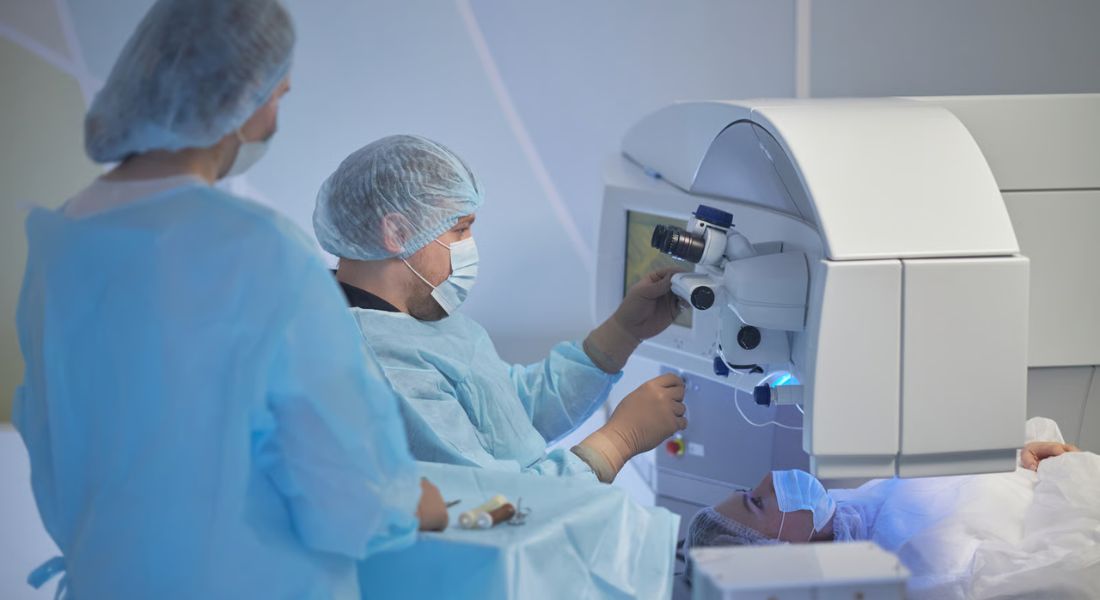
When you consider laser eye surgery, the technology used plays a huge role in your safety and outcomes. Modern systems allow surgeons to deliver treatment with extraordinary precision, even if your eyes move slightly during the procedure. Understanding how technology contributes can give you confidence in the process.
- Real-time eye tracking enhances accuracy: Advanced lasers monitor your eye movements continuously and adjust automatically. This ensures that the treatment is delivered exactly where it’s needed, reducing the chance of errors.
- Wavefront-guided systems improve vision quality: These systems measure subtle optical imperfections in your eyes and guide the laser to correct them. The result is sharper vision with fewer side effects like glare or halos.
- Investment in updated technology increases safety: Clinics using the latest platforms can offer more predictable outcomes. Innovation in laser technology continues to raise the standard of care and protects your long-term vision.
Modern technology not only improves precision but also enhances overall safety during surgery. By using advanced lasers and measurement systems, clinics can deliver excellent results with fewer complications. Understanding these tools helps you appreciate the value behind the procedure. With the right technology, your eyes are in the safest possible hands.
Surgeon Experience and Risk
When you’re planning laser eye surgery, the experience of your surgeon has a major impact on your results. A skilled, experienced surgeon not only performs the procedure with precision but also knows how to manage unexpected situations. Understanding the role of expertise can help you make an informed choice.
- Experience improves outcomes: Surgeons who have performed many procedures develop refined technique and consistency. Their judgement and ability to respond to complications reduce variability in results.
- High-volume surgeons recognise warning signs quickly: Frequent practice allows surgeons to spot subtle issues before they become serious. Early recognition and intervention help prevent problems during and after surgery.
- Choosing a qualified specialist lowers risk: Selecting a surgeon with appropriate training, certification, and a strong track record enhances both safety and confidence. You can feel reassured that your procedure is in expert hands.
Surgeon skill is one of the most important factors in achieving optimal results. Experience translates into smoother procedures, fewer complications, and better visual outcomes. By prioritising expertise over cost or convenience, you protect your long-term vision. Confidence grows when you know your surgeon has the knowledge and experience to guide your care safely.
Managing Complications if They Occur
Even though complications after laser eye surgery are rare, it’s important for you to know that they are usually manageable when detected early. Understanding how your clinic handles these situations can give you reassurance and confidence. Knowing what to expect helps you feel prepared without unnecessary worry.
- Early detection is key: Routine follow-up appointments allow your surgeon to spot any issues before they become serious. Prompt intervention significantly reduces the risk of long-term problems.
- Emergency support is available: Clinics provide emergency contact details so you can reach them quickly if something feels wrong. Rapid access to professional guidance ensures your recovery stays on track.
- Transparency builds trust: Responsible clinics explain potential risks clearly and outline how complications would be managed. Being informed helps you feel involved and reassured throughout the process.
Even rare complications can be addressed effectively with timely care. Knowing your clinic has systems in place to respond quickly adds peace of mind. Open communication ensures you are supported at every stage of recovery. Being prepared and informed helps protect your vision and maintain confidence in your treatment.
Comparing Risk to Contact Lens Wear
Long-term contact lens use carries its own risks. Poor lens hygiene can lead to infections, and chronic dryness or irritation may develop over time. Even with careful use, some people experience discomfort or occasional complications from daily lens wear.
Laser eye surgery, by contrast, involves only a short-term recovery period. Once healed, you are largely free from the ongoing risks associated with daily contact lenses. Comparing the relative risks of both options can help you make a more informed decision and put potential complications into perspective.
Every vision correction method has advantages and disadvantages. A balanced comparison supports thoughtful, informed decision-making. Understanding the context of each option can reduce anxiety and help you choose the approach that best suits your lifestyle and eyes.
Psychological Impact of Risk Awareness
Fear of potential complications can increase anxiety before surgery. Clear, factual information helps replace exaggerated perceptions with realistic expectations. Understanding the actual statistics of risk can significantly reduce worry and promote calm.
Discussing your concerns openly with your surgeon improves confidence. A professional team should welcome questions and provide honest answers. Transparency and clear communication create reassurance and help you feel supported throughout the process.
Knowledge is empowering. Patients who are well-informed tend to feel more in control of their decisions and their recovery. Education reduces uncertainty and makes the entire experience less intimidating.
FAQs:
- How risky is laser eye surgery?
Laser eye surgery is considered very safe for most suitable candidates. Modern techniques, advanced laser systems, and careful patient selection dramatically reduce the likelihood of serious complications. While minor side effects like temporary dryness or light sensitivity can occur, vision-threatening issues are extremely rare. - Can laser eye surgery cause permanent vision loss?
Permanent vision loss is exceptionally uncommon with contemporary laser procedures. Most cases of concern are prevented by thorough pre-operative screening, experienced surgeons, and strict adherence to post-operative care. Rare complications are usually identified early and managed successfully. - What are the most common complications after laser eye surgery?
The most frequently observed side effects include temporary dry eyes, mild light sensitivity, halos or glare, and minor fluctuations in vision during early recovery. These are usually transient and resolve within days to weeks as the eye heals. - How likely is infection after laser eye surgery?
Infection following laser eye surgery is extremely rare because of stringent sterile techniques and the use of antibiotic eye drops. Most infections, when they occur, are identified within the first few days post-surgery and respond well to treatment if managed promptly. - What is the risk of undercorrection or overcorrection?
There is a small chance that the initial vision correction may not be perfect. Some patients may require an enhancement procedure to fine-tune their prescription. Modern diagnostic tools and precise measurement reduce the likelihood of significant undercorrection or overcorrection. - Can LASIK cause flap complications?
Flap complications are uncommon in LASIK surgery today due to the use of femtosecond lasers and experienced surgeons. Rare issues may include partial flaps or delayed healing, but protective measures and proper aftercare generally prevent long-term problems. - Is there a risk of corneal haze with PRK?
Corneal haze can develop after PRK, particularly in higher prescriptions, but it is usually temporary and resolves with anti-inflammatory medication and proper follow-up care. Modern PRK protocols have further reduced the incidence of persistent haze. - What is corneal ectasia, and how common is it?
Corneal ectasia is a rare complication in which the cornea gradually weakens and bulges over time. Proper screening, including corneal thickness mapping and exclusion of high-risk patients, makes this complication very uncommon in modern laser eye surgery. - Will my vision regress after surgery?
Some patients may experience minor regression, especially those with higher prescriptions. Most of the time, this can be addressed with enhancement procedures. Long-term regression is unusual when pre-operative planning is thorough and patients follow post-operative instructions. - How does laser surgery risk compare to wearing contact lenses long-term?
Long-term contact lens use carries its own risks, including chronic dryness, irritation, and infection if lenses are not properly maintained. Laser surgery generally has short-term recovery and transient side effects, providing long-term freedom from daily lens risks while maintaining overall safety.
Final Thought: Understanding the Risks and Reassuring Facts
Laser eye surgery carries some risks, but modern techniques, careful patient screening, and experienced surgeons make serious complications extremely uncommon. Awareness of potential side effects and realistic expectations help reduce anxiety and make the decision to undergo surgery easier. If you’d like to find out whether Laser surgery in London is suitable for you, feel free to contact us at Eye Clinic London to arrange a consultation.
References:
- Wu, P.-L., Lee, C.-Y., Cheng, H.-C., Woung, L.-C., & Lin, K.-K. (2020) ‘Correction of Myopic Astigmatism with Topography‑Guided Laser In Situ Keratomileusis (TOPOLINK)’, Healthcare, 8(4):477. Available at: https://www.mdpi.com/2227-9032/8/4/477
- Janiszewska‑Bil, D., Grabarek, B. O., Lyssek‑Boroń, A., Kiełbasińska, A., Kuraszewska, B., Wylęgała, E., & Krysik, K. (2024) ‘Comparative Analysis of Corneal Wound Healing: Differential Molecular Responses in Tears Following PRK, FS‑LASIK, and SMILE Procedures’, Biomedicines, 12(10):2289. Available at: https://www.mdpi.com/2227-9059/12/10/2289
- Del Barrio, J.L. Alió, R., Milán‑Castillo, R., Canto‑Cerdán, M., Molina‑Lespron, A. & Alió, J.L. (2023) ‘FS‑LASIK for the treatment of moderate‑to‑high hyperopia’, Journal of Cataract & Refractive Surgery, 49(6), pp. 558‑564. Available at: https://pubmed.ncbi.nlm.nih.gov/36745850/
- Wallerstein, A., et al. (2020) ‘Refractive, visual, and subjective quality of vision outcomes for very high myopia LASIK from ‑10.00 to ‑13.50 diopters’, BMC Ophthalmology, 20(1):234. doi:10.1186/s12886‑020‑01481‑2. Available at: https://pubmed.ncbi.nlm.nih.gov/32552787/
- Singh, G. (2022) ‘Refractive corrective surgery for highly myopic eyes’, Annals of Translational Medicine, 10:730. Available at: https://www.ncbi.nlm.nih.gov/pmc/articles/PMC9372691/