


Can Laser Eye Surgery Treat Both Eyes Differently? (Monovision Explained)
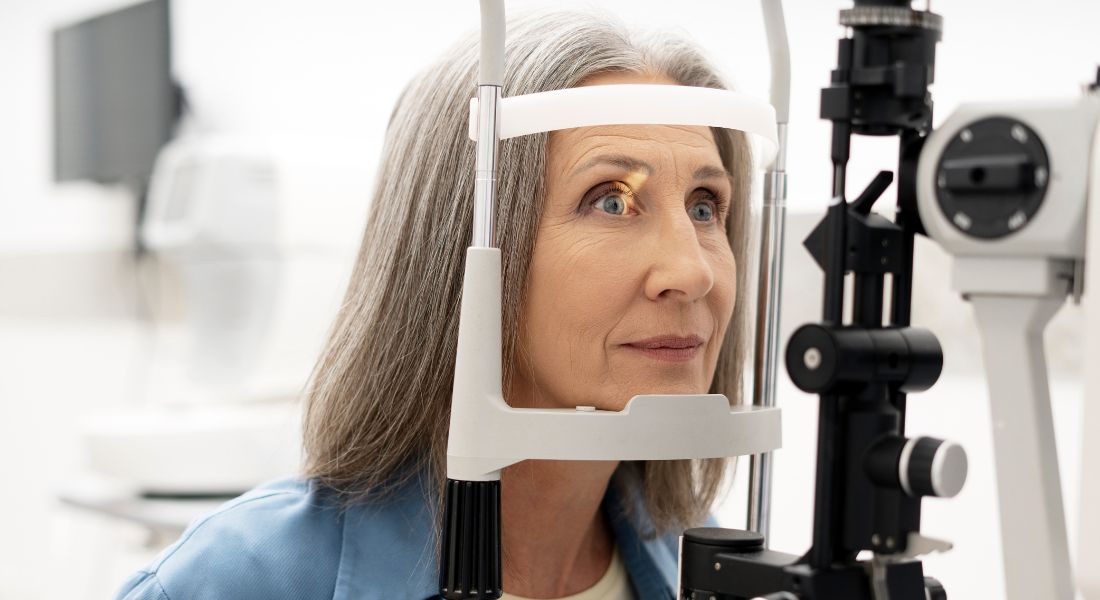
Laser eye surgery is usually performed to correct both eyes in a similar way, giving you balanced vision. However, in some cases, your surgeon may treat each eye differently. This approach is known as monovision. It is carefully planned to suit your individual visual needs.
Monovision is designed to help you see clearly at both near and far distances. One eye is adjusted for distance vision, while the other is set for close-up tasks such as reading. Your brain then learns to use each eye for different purposes. This can reduce your dependence on glasses in everyday situations.
Understanding how monovision works can help you decide whether it fits your lifestyle. Some people adapt to it quickly, while others may need time or find it less comfortable. Your specialist may suggest a trial, often with contact lenses, before surgery. Careful consideration ensures the best outcome for your vision.
What Is Monovision?
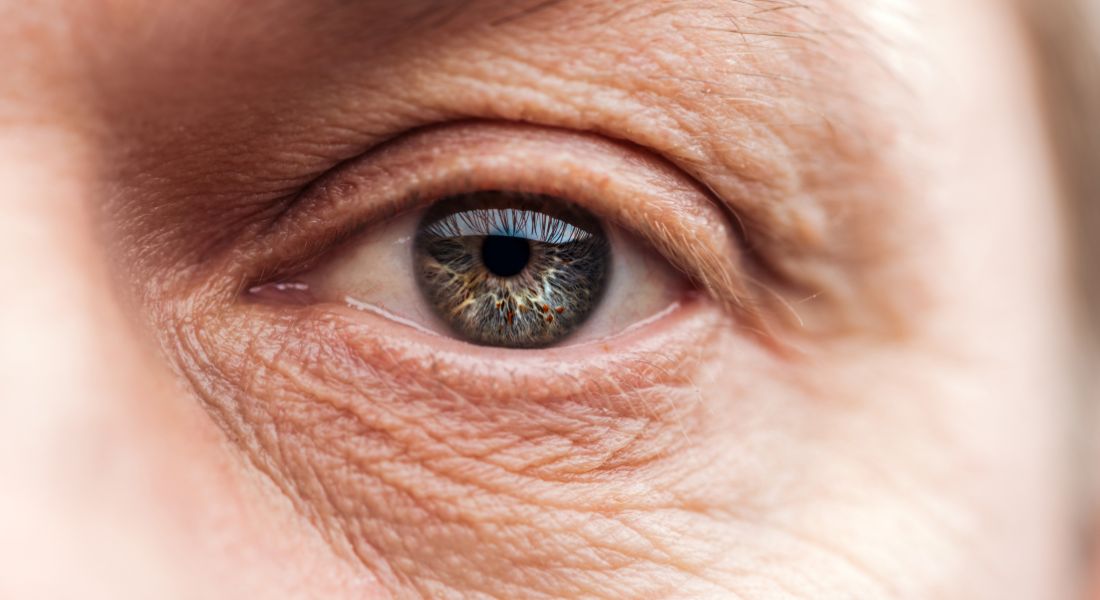
Monovision is a vision correction approach that helps you see clearly at different distances without relying heavily on reading glasses. Instead of correcting both eyes in exactly the same way, each eye is adjusted for a different focus. This creates a balance between near and distance vision, allowing you to manage everyday tasks more comfortably. With this technique, your eyes work together in a slightly different way than before. It may feel unusual at first, but most people adapt well over time as the brain learns to combine the images effectively.
- Different focus for each eye: One eye is corrected for distance vision, helping you see clearly when driving or watching television. The other eye is adjusted for near tasks such as reading or using your phone.
- How your brain adapts: Your brain gradually learns to prioritise the image from the eye that is best suited for the task. This process happens naturally and improves with time.
- Balancing daily visual needs: Monovision can reduce your dependence on glasses by allowing you to switch between near and distance tasks more easily. It provides a practical solution for many everyday activities.
- Adjustment period: You may need a short period to get used to the difference between your eyes. During this time, your vision may feel slightly unusual, but this typically improves as your brain adapts.
Monovision is designed to offer greater visual flexibility. With proper adaptation, it can provide a convenient and effective way to manage both near and distance vision in daily life.
Why Monovision Is Used
Monovision is often used to reduce your need for reading glasses. It can be particularly helpful as you get older, when near vision naturally begins to decline. You may find it harder to focus on close objects such as text or small details. This is a common part of the ageing process.
This age-related change is known as Presbyopia. It affects your ability to see clearly at close range, even if your distance vision remains good. Monovision is designed to help compensate for this change. By adjusting each eye differently, it supports both near and distance vision.
With monovision, one eye focuses on distance while the other handles close-up tasks. Your brain learns to use each eye where it performs best. This can reduce your reliance on glasses for everyday activities. For many people, it offers a practical and convenient solution.
How Monovision Works
In monovision, your dominant eye is usually corrected for distance vision, while your non-dominant eye is adjusted for near tasks. This creates a balanced visual system that allows you to manage different viewing distances. Each eye is given a specific role to support your everyday activities. The aim is to provide functional vision without relying heavily on glasses.
Your brain gradually learns to use the appropriate eye depending on what you are doing. For example, it will rely more on one eye for reading and the other for distance tasks. This process happens naturally over time as your visual system adapts. With practice, the coordination between your eyes becomes more seamless.
At first, the difference between the eyes may feel unusual. You might notice a slight imbalance or need time to adjust. However, most people adapt well with a little patience. As your brain becomes used to the change, your vision typically feels more comfortable and natural.
Who May Benefit from Monovision
Monovision is often most suitable if you have Presbyopia. If you rely on reading glasses for close tasks, this approach may offer a helpful alternative. It is designed to support both near and distance vision in everyday life. For many people, it can reduce the need for additional eyewear.
You may benefit from monovision if you would like greater independence from glasses. Your lifestyle plays an important role in this decision. Activities such as reading, using screens, or driving can influence whether this option suits you. Considering how you use your vision day to day is essential.
Your specialist will assess your eyes carefully before recommending monovision. They will consider factors such as eye health, prescription, and visual needs. Not everyone adapts comfortably to this approach. A personalised evaluation helps ensure the best possible outcome.
Testing Monovision Before Surgery
Before choosing monovision, you will usually be offered a trial to see how it feels in real life. This is most often done using contact lenses that temporarily simulate the effect of having one eye focused for distance and the other for near tasks. It’s a simple and effective way to understand how your vision might work after treatment. This trial period allows you to experience monovision in your normal daily routine. It helps you decide whether the balance between near and distance vision feels natural and comfortable for you.
- Simulating monovision with contact lenses: Specially fitted lenses are used to mimic the outcome of monovision. This gives you a realistic preview without making any permanent changes.
- Experiencing day-to-day vision: You can test how your vision performs during activities such as reading, using screens, and driving. This helps you assess comfort in real-life situations.
- Assessing your ability to adapt: Some people adjust quickly, while others may find the difference between the eyes more noticeable. The trial helps determine how well your brain adapts.
- Supporting confident decision-making: If you feel comfortable during the trial, you are more likely to be satisfied with the final result. This reduces uncertainty and helps you make an informed choice.
Trying monovision before surgery is a valuable step. It ensures the approach suits your visual needs and gives you confidence in your treatment plan.
Advantages of Monovision
One of the main advantages of monovision is that it can reduce your reliance on glasses. You may find that you no longer need reading glasses for many everyday tasks. This added convenience can make daily routines feel simpler. It allows you to move between activities more easily.
Monovision can also help you manage a range of tasks without constantly switching between different types of eyewear. Activities such as reading, checking your phone, or working on a computer can become more comfortable. You may notice greater independence in your day-to-day life. This flexibility is a key benefit for many people.
It can provide a practical balance between near and distance vision. This approach suits a variety of lifestyles, especially if you prefer fewer visual aids. However, the benefits can vary from person to person. Your experience will depend on how well your eyes adapt to the change.
Limitations of Monovision
Monovision does not suit everyone, and some people find the difference between their eyes difficult to adjust to. You may notice that one eye feels stronger for certain tasks, which can take time to get used to. This initial imbalance can affect comfort, especially in the early stages. In some cases, adaptation may feel less natural.
You may also experience a slight reduction in depth perception. This can make activities such as night driving or tasks requiring precise judgement of distance a bit more challenging. Being aware of these changes helps you adjust your habits if needed. Most people learn to manage this over time.
In certain situations, you may still need glasses for specific tasks. For example, very fine detail work or prolonged reading may require additional support. Understanding these limitations helps set realistic expectations. Finding the right balance is important for long-term satisfaction.
Impact on Depth Perception
Depth perception relies on both of your eyes working together to judge distance accurately. With monovision, each eye is set for a different focus, which can slightly reduce this ability. This effect is expected and part of how the technique works. You may notice small changes in how you perceive distance at first.
You might become more aware of this during activities such as driving, sports, or tasks that require precise hand eye coordination. It can take a little time for your brain to adjust to the new visual setup. During this period, certain activities may feel slightly different. Your level of adaptation can vary depending on your visual needs.
Most people gradually adapt as the brain learns to compensate for the difference between the eyes. Over time, your visual system becomes more efficient at switching between near and distance focus. With regular use, your comfort typically improves. Practice and patience both play an important role in this adjustment.
Adaptation Period
Adjusting to monovision takes time, as your brain learns to use each eye for a different purpose. This process is gradual and can vary from person to person. At first, the change in how your eyes work together may feel unfamiliar. Giving yourself time to adapt is important.
You may notice mild discomfort or that your vision feels slightly unusual in the early days. Some tasks might seem less clear or take a bit more effort. These sensations are usually temporary and part of the adjustment period. Most people find that this improves steadily.
With time, your brain naturally adapts to the new visual system. It becomes better at switching between near and distance focus without you noticing. As this happens, your comfort and confidence increase. Patience plays a key role in achieving a successful outcome.
Types of Laser Surgery Used
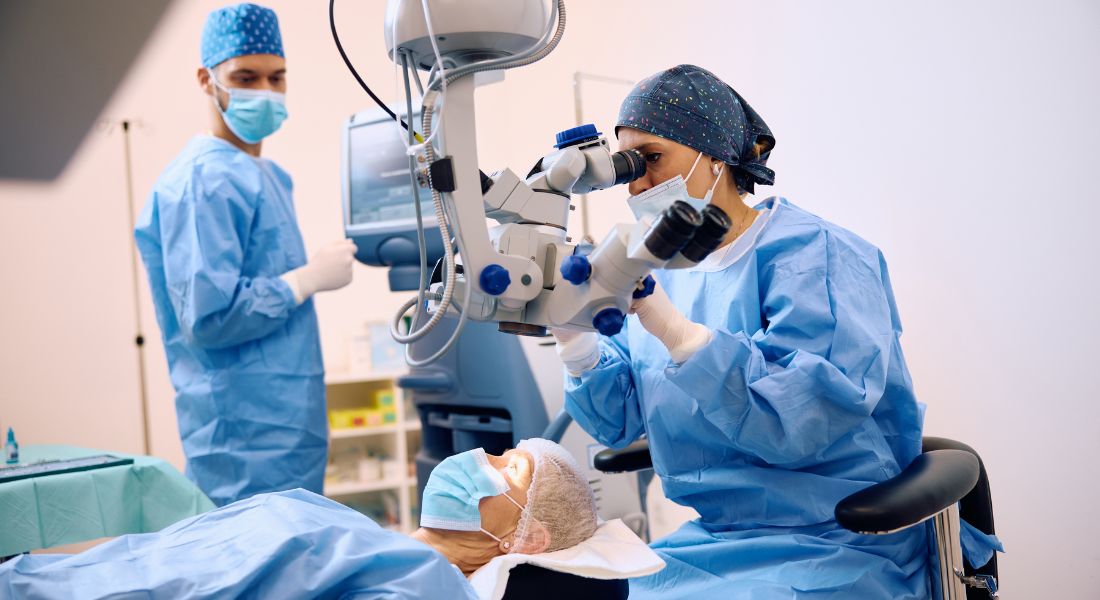
Monovision can be achieved using different types of laser eye surgery, depending on your individual eye characteristics. Common techniques include LASIK and surface-based procedures such as PRK. Each method reshapes the cornea in a precise way to create the desired balance between near and distance vision. Your specialist will recommend the most suitable technique based on a detailed assessment of your eyes. Factors such as corneal thickness, prescription, and overall eye health all play a role in this decision.
- Using LASIK for monovision: LASIK is often chosen for its quick recovery time and rapid visual improvement. It allows precise adjustment of each eye to achieve the required focus.
- Surface procedures as an alternative: Techniques like PRK may be recommended if your cornea is thinner or if LASIK is not suitable. These procedures achieve similar visual outcomes but involve a longer healing period.
- Personalised treatment planning: Your surgeon tailors the procedure to your specific needs, ensuring that the correction in each eye is balanced and effective.
- Focusing on safety and precision: Careful measurements and planning ensure that the treatment is accurate. This helps deliver a safe procedure and reliable long-term results.
By selecting the right surgical method, your specialist can create a monovision outcome that suits your lifestyle. Personalised care and precise treatment planning are key to achieving comfortable, functional vision.
Suitability Assessment
Before considering monovision, you will need a thorough eye assessment. Your specialist will evaluate your eye health, prescription, and lifestyle needs. These checks help ensure the procedure is safe and appropriate for you. Careful planning supports better outcomes.
Monovision is not suitable for everyone. Certain eye conditions or visual requirements may affect how well you adapt. For this reason, detailed screening is essential before making a decision. This helps identify whether the approach is likely to work well for you.
Your specialist will guide you through each step of the decision-making process. They will consider your individual needs and expectations. Personalised advice ensures that your treatment plan is tailored to you. This approach helps you make a confident and informed choice.
Risks of Monovision
As with any vision correction approach, monovision comes with some potential risks and limitations. While many people adapt well, the adjustment process can vary from person to person. Understanding these possibilities helps you set realistic expectations and feel more prepared before treatment. Most side effects are temporary and improve as your eyes heal and your brain adapts to the new visual balance. However, it’s important to be aware of how monovision may affect your day-to-day vision.
- Visual imbalance during adaptation: Because each eye is focused differently, you may initially notice an imbalance in how clearly you see. This can feel unusual, especially in the early days.
- Difficulty adapting for some individuals: While most people adjust over time, a small number may find it harder to adapt. This can affect tasks that require sharp depth perception or precise focus.
- Dryness and light sensitivity: As with other forms of laser eye surgery, you may experience temporary dryness or increased sensitivity to light. These symptoms are common and usually settle with proper care.
- Reduced depth perception in certain situations: Some people notice a slight change in depth perception, particularly in low-light conditions or when performing detailed tasks.
Discussing these risks with your specialist is an important part of the decision-making process. By understanding the possible challenges, you can approach monovision with confidence and choose the option that best suits your visual needs.
Can Monovision Be Reversed?
In some cases, monovision can be adjusted or reversed if it does not feel comfortable for you. This may involve additional treatment to rebalance how each eye is corrected. The exact approach will depend on your eye health and the type of procedure you had. Your specialist will assess what is safe and appropriate in your situation.
However, it is important not to rely on reversal as a guaranteed option. Not every case is suitable for further adjustment, and results can vary. Careful planning before your initial treatment is essential. Taking time to consider your options helps reduce the likelihood of needing changes later.
You should always discuss all possibilities with your specialist before deciding on monovision. They can explain the potential benefits, limitations, and alternatives based on your needs. Clear understanding helps you feel more confident in your decision. Making an informed choice from the start is key to long-term satisfaction.
Alternatives to Monovision
If monovision is not suitable for you, there are several other options to consider. Glasses or contact lenses remain simple and effective ways to correct your vision. They offer flexibility, as you can adjust your prescription depending on your needs. Many people find these options reliable for both near and distance tasks.
Lens-based procedures may also be an option in certain cases. These treatments involve placing or replacing a lens inside the eye to improve vision. The suitability of this approach depends on your eye health and prescription. Your specialist will explain whether this is appropriate for you.
Exploring different options helps you find the solution that best fits your lifestyle. Each method has its own advantages and considerations. Your specialist will guide you through the choices based on your individual needs. Personalised care ensures you achieve the best possible outcome for your vision.
Recovery After Monovision Surgery

Recovery after monovision surgery is generally similar to standard laser eye procedures. You may notice mild discomfort, dryness, or slight irritation in the early days. These symptoms are usually temporary and improve as your eyes heal. Taking things gently at the start can help you feel more comfortable.
Your vision will gradually stabilise over time. During this period, your brain continues to adapt to the difference between the two eyes. You may notice small fluctuations as this adjustment takes place. Patience is important while your visual system settles.
Following your aftercare instructions carefully supports a smooth recovery. Using prescribed eye drops and attending follow-up appointments helps ensure everything is progressing well. Consistency with your care routine can make a noticeable difference. This approach helps you achieve the best possible outcome.
Lifestyle Considerations
Your lifestyle plays an important role in deciding whether monovision is the right choice for you. Vision correction is not just about seeing clearly on a chart it’s about how well your eyes support your everyday activities. Tasks such as reading, driving, working on screens, or playing sports can all influence which approach suits you best. Taking time to think about your daily routine helps your specialist recommend a treatment that aligns with your needs. Everyone’s priorities are different, so this step is highly individual.
- Considering your daily activities: Think about how often you perform tasks that require near or distance vision. For example, frequent reading or computer work may influence how your eyes should be corrected.
- Balancing work and leisure needs: Your job, hobbies, and lifestyle habits all matter. Activities such as night driving or sports may require specific visual clarity that needs to be taken into account.
- Identifying your priorities: You should consider what matters most whether it’s reducing dependence on glasses, improving convenience, or achieving the sharpest possible vision in certain situations.
- Choosing a personalised approach: By combining your lifestyle needs with your eye measurements, your specialist can recommend a tailored solution that works practically in your daily life.
Matching your treatment to your lifestyle helps ensure that your vision correction feels natural and effective. Personalised planning plays a key role in achieving long-term satisfaction with monovision.
Long-Term Vision Expectations
Monovision can provide lasting benefits, helping you manage both near and distance vision in your daily life. However, your eyes will continue to change over time as part of the natural ageing process. This means your vision may gradually shift in the years after treatment. Understanding this helps you set realistic expectations.
You may still need glasses for certain tasks, especially those requiring very sharp or detailed vision. For example, prolonged reading or fine work may need additional support. This is completely normal and does not mean the procedure has failed. It simply reflects how vision evolves over time.
Regular eye check-ups remain important even after successful treatment. These visits allow your specialist to monitor any changes in your vision and overall eye health. Early detection of any issues helps ensure timely care. Ongoing attention supports long-term visual comfort and stability.
FAQs:
- What is monovision in laser eye surgery?
Monovision is a technique where each eye is corrected differently to handle separate visual tasks. One eye is adjusted for distance vision, while the other focuses on near tasks like reading. This approach helps reduce your reliance on glasses. Over time, your brain learns to combine the input from both eyes effectively. - Can laser eye surgery treat each eye differently?
Yes, laser eye surgery can treat each eye differently using the monovision approach. This is carefully planned based on your visual needs and lifestyle. It is often used to help manage age-related near vision changes. Your suitability will depend on a detailed eye assessment. - Who is a good candidate for monovision?
You may be a good candidate if you have presbyopia and want to reduce your dependence on reading glasses. Your daily activities and visual priorities play an important role in the decision. Not everyone adapts comfortably to monovision. A trial and specialist evaluation help determine suitability. - Will you still need glasses after monovision?
You may still need glasses for certain tasks, such as prolonged reading or night driving. Monovision reduces dependence on glasses but does not always eliminate them completely. Your visual needs and expectations influence the outcome. It is important to have realistic expectations before treatment. - How does your brain adapt to monovision?
Your brain gradually learns to rely on the appropriate eye depending on the task you are performing. At first, this may feel unusual or slightly uncomfortable. With time, your brain adjusts naturally to the difference. Most people find the process becomes easier with consistent use. - How long does it take to adjust to monovision?
Adjustment can take anywhere from a few weeks to several months. During this time, your brain adapts to using each eye for different purposes. You may notice mild visual imbalance initially. Patience is important as adaptation improves gradually. - Does monovision affect depth perception?
Yes, monovision can slightly reduce depth perception because both eyes are not focused the same way. You may notice this during activities like driving or sports. However, most people adapt over time. Your brain often compensates for the difference effectively. - Can you try monovision before surgery?
Yes, you can usually try monovision using contact lenses before committing to surgery. This allows you to experience how your vision will feel in everyday situations. It is a useful way to test your comfort and adaptability. A successful trial often predicts a good outcome after surgery. - Can monovision be reversed if you don’t like it?
In some cases, monovision can be adjusted or reversed with further treatment. However, this is not always guaranteed and depends on your individual eye condition. That is why careful planning is essential from the start. Discussing all possibilities with your specialist is important. - What are the alternatives to monovision?
Alternatives include wearing glasses or contact lenses for near or distance vision as needed. Lens-based procedures may also be considered depending on your eye health. Each option has its own advantages and limitations. Your specialist will guide you towards the most suitable choice.
Final Thoughts: Is Monovision the Right Choice for You?
Monovision offers a practical way to manage both near and distance vision, particularly if you are experiencing age-related changes such as presbyopia. By correcting each eye differently, it can reduce your reliance on reading glasses and improve day-to-day convenience. However, adapting to this approach takes time, and it may not feel natural for everyone at first.
It is important to consider your lifestyle, visual needs, and expectations before deciding on monovision. Activities such as driving, reading, or using digital devices can influence how well this approach suits you. A trial using contact lenses and a thorough assessment with your specialist can help you feel more confident in your decision. Personalised guidance ensures the best possible outcome. If you’d like to find out whether laser surgery in London is suitable for you, feel free to contact us at Eye Clinic London to arrange a consultation.
References:
- Almutairi, M.N., Alshehri, A.M., Alhoumaily, A.Y., Alnahdi, O., Taha, M.A. and Gangadharan, S. (2025) ‘Meta-analysis: clinical outcomes of laser-assisted in situ keratomileusis (LASIK) and photorefractive keratectomy (PRK) in hyperopia’, BMC Ophthalmology, 25(1), p. 140. https://pubmed.ncbi.nlm.nih.gov/40102791/
- Moshirfar, M., Santos, J.M., Wang, Q., Stoakes, I.M., Porter, K.B. and Hoopes, P.C. (2023) ‘A literature review of corneal epithelial-related complications after LASIK, PRK, and SMILE’, Cureus, 15(8), e43926. https://pubmed.ncbi.nlm.nih.gov/37614825/
- Edge, R. and Argáez, C. (2017) ‘Laser eye surgery for vision correction: A review of clinical effectiveness and guidelines’, CADTH Rapid Response Reports. https://www.ncbi.nlm.nih.gov/books/NBK488018/
- Moshirfar, M. and Ronquillo, Y.C. (2022) ‘Refractive surgery: Current practice and future trends’, Journal of Clinical Medicine, 11(3), p. 684. https://www.mdpi.com/2077-0383/11/3/684
- Peñarrocha-Oltra, S., et al. (2022) ‘Laser-based refractive surgery techniques to treat myopia in adults: An overview of systematic reviews’, Acta Ophthalmologica, 100(8), pp. 878–893. https://pmc.ncbi.nlm.nih.gov/articles/PMC9790262/