

Can Laser Eye Surgery Affect Future Eye Health?
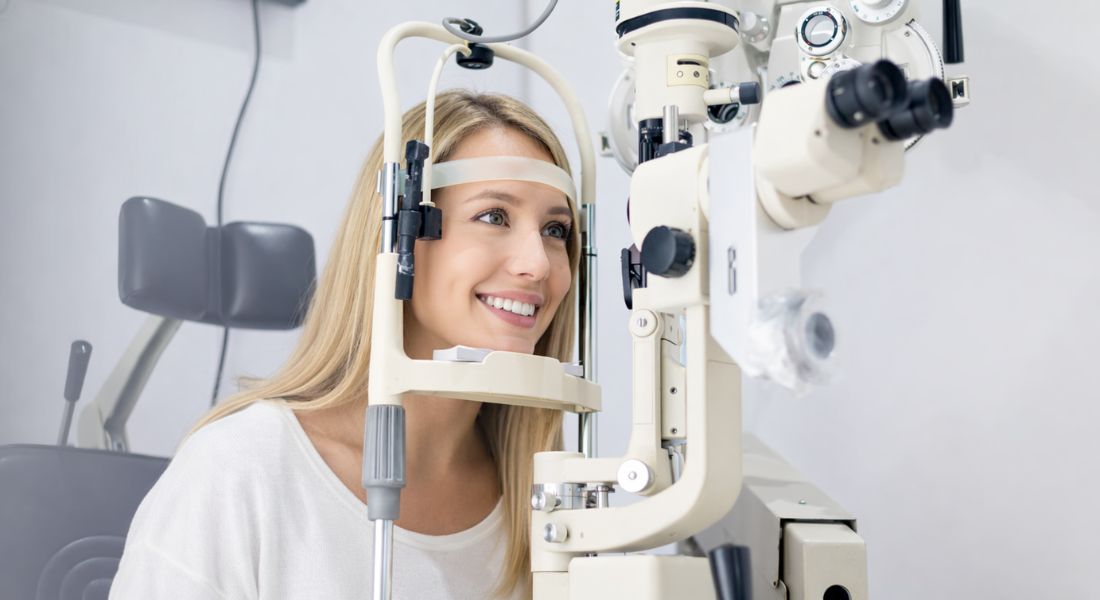
Laser eye surgery, such as LASIK or PRK, has helped millions achieve clearer vision. If you’re thinking about these procedures, it’s natural to wonder how they might affect your eyes in the long term. Many patients ask whether permanent changes to the cornea could influence future eye health or treatments.
While laser surgery is generally safe and effective, it’s important to understand its lasting implications. The corneal reshaping done during the procedure is permanent, which can sometimes affect diagnostic tests or the management of eye conditions later in life. Being aware of these possibilities helps you make informed decisions about your care.
This article explores how laser eye surgery can influence future eye health, including its effects on conditions like glaucoma, cataracts, and retinal problems. We’ll also cover important considerations if you ever require additional eye procedures down the line.
How Laser Eye Surgery Works
Laser eye surgery works by reshaping the cornea to correct refractive errors. By changing its curvature, the eye can focus light more accurately onto the retina, which improves vision. LASIK involves creating a flap in the cornea before reshaping, while PRK removes the outer layer to access and adjust the underlying tissue.
The procedure is highly precise and minimally invasive, with most patients noticing clearer vision within days to weeks. Because the cornea is permanently reshaped, the improvements are long-lasting. However, these changes can influence how the eye is assessed in future examinations.
Understanding how the cornea is altered is important because some eye tests rely on corneal thickness and shape. Being aware of this helps you and your ophthalmologist interpret results accurately and plan any future treatments appropriately.
Implications for Cataract Surgery
Cataracts are a common part of ageing, and most people will need surgery at some point. While laser eye surgery doesn’t increase your risk of developing cataracts, it can slightly affect the measurements used for lens implants. Corneal reshaping may alter standard calculations, so surgeons need to account for this to ensure accurate outcomes. Knowing this in advance can help you plan for the long term.
- No increased cataract risk: Having laser surgery doesn’t make cataracts more likely; your natural lens will age normally.
- Impact on lens measurements: Corneal changes from laser procedures can affect the calculations used for implanting lenses during cataract surgery.
- Experienced surgeons matter: Surgeons familiar with post-laser eyes can adjust techniques and use special formulas to achieve precise results.
- Modern technology aids accuracy: Advanced imaging and measurement tools help compensate for prior laser reshaping, making cataract surgery just as effective.
- Planning ahead is beneficial: Discussing your future cataract surgery needs with your laser surgeon ensures a smooth transition when the time comes.
By understanding the implications of laser surgery on future cataract procedures, you can make more informed decisions about your eye care. Most patients still achieve excellent vision outcomes when surgery is performed by an experienced ophthalmologist. Being proactive and discussing your long-term needs helps avoid surprises decades later. With careful planning, you can enjoy both the benefits of laser vision correction now and successful cataract surgery in the future.
Effects on Glaucoma Screening
Glaucoma is a condition that can damage the optic nerve, often linked to high intraocular pressure (IOP). After laser eye surgery, standard glaucoma tests may be affected because the cornea has been permanently reshaped. Thinner corneas can sometimes give readings that underestimate the true eye pressure.
It’s important to inform your optometrist or ophthalmologist about any previous laser procedures. They can adjust measurements or use alternative testing methods to ensure accurate monitoring. Regular eye exams remain crucial for early detection of glaucoma, even years after surgery.
Although laser surgery does not cause glaucoma, understanding its impact on test results helps maintain reliable long-term eye care. Being proactive and keeping your eye care provider informed ensures accurate monitoring and ongoing protection of your vision.
Impact on Retinal Health
Laser eye surgery does not directly affect the retina. However, people with high myopia naturally have a higher risk of retinal tears or detachment, regardless of surgery. While the procedure itself doesn’t increase this risk, regular retinal checks are recommended if you fall into this category.
If you experience flashes of light, new floaters, or sudden changes in vision, it’s important to seek prompt evaluation. Early detection of retinal problems can make a significant difference in treatment outcomes. Always inform your eye specialist about your surgery history during these assessments.
Maintaining retinal health relies on regular monitoring and being aware of your personal risk factors. Combining vigilance with routine eye care helps ensure your long-term vision remains protected.
Importance of Regular Eye Exams

Even after successful laser eye surgery, regular eye exams remain essential. Conditions like glaucoma, cataracts, and retinal disease can develop independently of prior surgery. Routine check-ups allow early detection and timely intervention, protecting long-term vision.
Your history of laser surgery should always be documented in your medical records. This helps your optometrist or ophthalmologist interpret diagnostic readings more accurately. Accurate records ensure that any subtle changes in your eyes are noticed promptly.
Staying consistent with eye exams also provides reassurance. Knowing your eyes are monitored helps you enjoy the benefits of surgery safely. Regular care supports clear vision and overall eye health for years to come.
Considerations for Future Vision Correction
Even after laser eye surgery, you may need additional vision correction later in life. Age-related changes, like presbyopia which makes it harder to focus on near objects commonly appear in your 40s or 50s. Laser surgery doesn’t prevent these natural changes, so understanding this helps set realistic expectations. Being aware of potential future needs allows you to plan ahead for continued clear vision.
- Presbyopia development: Difficulty focusing on close objects is a normal part of ageing and isn’t prevented by laser procedures.
- Possible need for reading glasses: Many patients eventually use reading glasses to address near-vision changes, even if distance vision remains excellent.
- Contact lenses or enhancements: Additional options, such as specialised contact lenses or minor corrective procedures, may be considered if needed.
- Impact of previous surgery: Your prior laser treatment can influence the choice or approach for any enhancement, so consultation with a specialist is important.
- Maintaining realistic expectations: Understanding that laser surgery improves current vision but doesn’t stop ageing helps you make informed decisions and plan future care.
By keeping these considerations in mind, you can enjoy the benefits of your laser treatment while staying prepared for natural changes over time. Many patients find that minor adjustments or corrective aids are straightforward and maintain excellent overall vision. Consulting with an eye specialist ensures that any future procedures or enhancements are safe and effective. Planning ahead gives you confidence that your vision can remain sharp well into later life.
Safety for Future Eye Procedures
Most future eye procedures are still safe after laser surgery. Surgeons are experienced in working with eyes that have undergone LASIK or PRK, and modern techniques are designed to accommodate the changes made to the cornea.
It’s important to share your surgical history and records with any eye care provider. This allows interventions to be planned with full knowledge of your previous procedures, ensuring safer and more predictable outcomes.
Being informed and proactive about your eye health helps maximise the success of any future treatments. Clear communication with your specialist ensures that your eyes continue to receive the best possible care.
Corneal Health and Longevity
After laser eye surgery, the cornea keeps its reshaped form permanently, but this generally does not affect long-term eye health. Modern procedures and careful patient selection make complications rare. With proper care, post-laser corneas can remain strong and stable for many years.
It’s important to protect your eyes from trauma and maintain good ocular hygiene. Regular check-ups allow your eye specialist to monitor corneal health and catch potential issues early. Simple precautions go a long way in keeping your eyes safe.
Maintaining corneal stability plays a key role in long-term vision quality. A healthy, resilient cornea supports clear vision for decades. By following guidance from your eye care provider, you can help ensure lasting visual results.
Potential Dry Eye Concerns
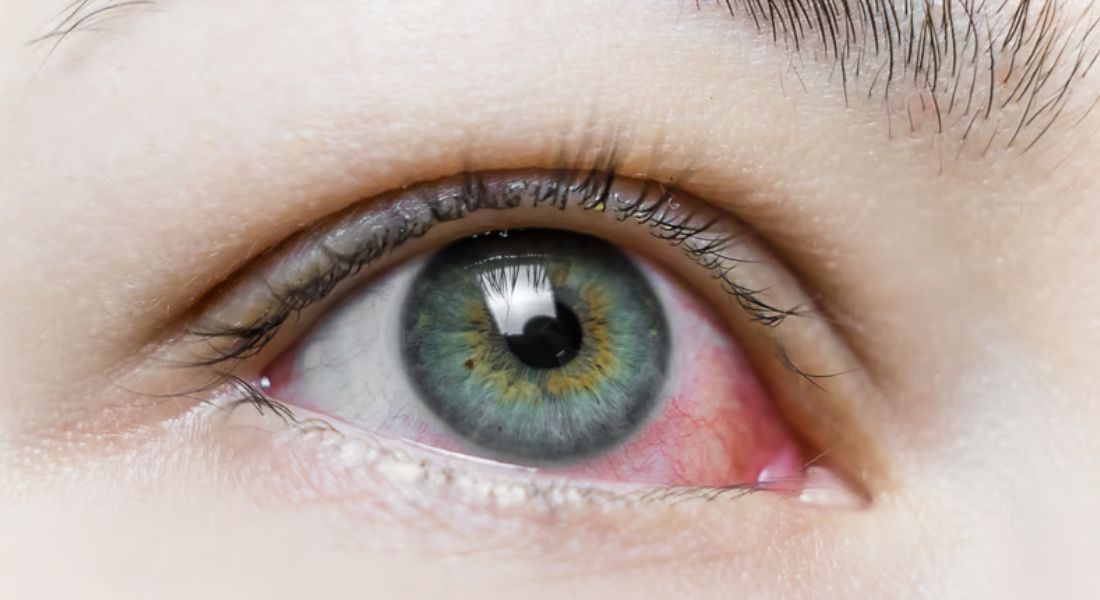
Dry eye is a fairly common temporary side effect after laser eye surgery. Most people notice improvement within a few months as the eyes heal and adjust. Chronic or long-term dryness is less common, but it can be managed effectively with modern therapies. Knowing what to expect helps you maintain comfort and protect your vision.
- Temporary dryness: Mild irritation, stinging, or a gritty sensation is normal in the weeks following surgery and usually resolves naturally.
- Impact on comfort and activities: Persistent dryness can affect daily comfort, reading, or wearing contact lenses, so early attention is important.
- Management options: Ophthalmologists can recommend lubricating eye drops, gels, or specialised treatments to restore moisture and support healing.
- Protecting vision quality: Keeping the ocular surface healthy ensures that vision remains sharp and clear over the long term.
- Proactive care matters: Recognising dryness early and following recommended treatment helps minimise long-term effects and enhances overall eye comfort.
By monitoring for dry eye and following your ophthalmologist’s advice, you can keep your eyes comfortable and your vision clear. Most patients see symptoms resolve within a few months, and any persistent issues can be managed successfully. Maintaining a healthy ocular surface supports long-term visual quality and comfort. With simple preventative steps and timely care, dry eye rarely interferes with enjoying the benefits of laser vision correction.
Ageing and Vision Changes
Natural ageing affects all eyes, whether or not you’ve had laser surgery. Changes like lens stiffening, reduced tear production, and gradual decline in retinal function can alter vision over time. Laser surgery corrects refractive errors but does not stop these natural processes.
It’s important to understand that additional vision correction may be needed later in life. Many people enjoy excellent unaided vision for years after surgery, but glasses or enhancements can become necessary eventually. Being prepared helps you maintain clear vision comfortably.
Planning ahead allows you to address age-related changes without worry. Regular eye exams and awareness of your visual needs ensure your eyes stay healthy and your vision remains sharp over time.
Lifestyle Considerations
Your daily habits play an important role in maintaining long-term eye health. UV protection, a balanced diet, and avoiding smoking all help preserve both natural vision and the benefits of surgery. Staying hydrated and taking regular breaks from screens also supports comfort and reduces eye strain. Being mindful of these factors enhances the longevity of your results.
- UV protection: Wearing sunglasses and using appropriate sun protection shields delicate eye tissues from harmful rays and slows age-related changes.
- Healthy diet: Nutrient-rich foods, especially those containing vitamins A, C, E, and omega-3 fatty acids, support eye health and visual function.
- Avoiding smoking: Smoking accelerates oxidative damage, increasing the risk of cataracts and other eye conditions.
- Hydration and screen breaks: Keeping eyes well-hydrated and limiting prolonged screen time reduces dryness and visual fatigue.
- Consistent preventive habits: Small, daily lifestyle choices combined with surgical improvements maximise long-term vision quality and overall eye comfort.
By combining preventive lifestyle habits with the benefits of laser or corrective surgery, you give your eyes the best chance of staying healthy for years to come. Even with excellent surgical outcomes, neglecting basic care can affect comfort and vision. Maintaining these habits helps protect your eyes from environmental and age-related stressors. Over time, consistent attention to lifestyle can make a meaningful difference in how well your eyes function and feel.
Enhancement Procedures
Some patients may need enhancement procedures after their initial laser surgery. These are typically minor adjustments designed to fine-tune vision and achieve the best possible results. Surgeons carefully assess corneal thickness, topography, and healing before recommending any enhancements.
Enhancement procedures are generally safe and predictable when properly planned. Your previous surgery provides a clear baseline, allowing for precise adjustments. Timing and technique are tailored to your individual needs to maximise effectiveness.
By carefully considering each patient’s history, surgeons can ensure enhancements complement the original procedure. This approach helps maintain long-term vision clarity and overall eye health.
Communicating Your Surgical History
Keeping a clear record of your laser surgery is essential for your ongoing eye care. Your ophthalmologist and optometrist should be aware of your procedure so they can interpret tests accurately and plan future treatments safely. Even years down the line, having this information readily available ensures your eyes are cared for properly. Being proactive about sharing your history helps protect both your vision and your options.
- Informing your eye care team: Letting your specialists know about previous procedures ensures accurate measurements and reduces the risk of complications.
- Saving documentation: Keeping procedure notes, post-op records, and follow-up reports makes it easy to provide details when needed.
- Safe future treatments: Knowledge of your surgical history helps guide enhancements, cataract surgery, or other interventions safely.
- Continuity of care: Consistently communicating your history ensures that any changes in your eyes are evaluated in the correct context.
- Peace of mind: Transparency with your healthcare providers protects your vision and allows you to make informed decisions about future care.
By maintaining and sharing your surgical history, you ensure that your eyes receive the most precise and safe care possible. Many patients find that having these records on hand reduces uncertainty during check-ups or future procedures. It also empowers you to participate actively in decisions about your eye health. Simple steps, like keeping copies of your procedure notes, provide long-term benefits for your vision and peace of mind.
Eye Conditions Unaffected by Surgery
Certain eye conditions, such as retinal disease, diabetic retinopathy, and age-related macular degeneration, are generally unaffected by laser eye surgery. The procedure does not increase the risk of developing these issues. Regular monitoring is still important, depending on your personal risk factors and overall eye health.
Laser surgery mainly alters the shape of the cornea to correct refractive errors. It does not change the internal structures of the eye, which is why many conditions remain unaffected. Understanding this distinction helps set realistic expectations for your long-term eye health.
You can enjoy the vision benefits of laser surgery while continuing routine eye care. Maintaining regular check-ups ensures that any unrelated eye conditions are detected and managed promptly.
Technology and Future Treatments
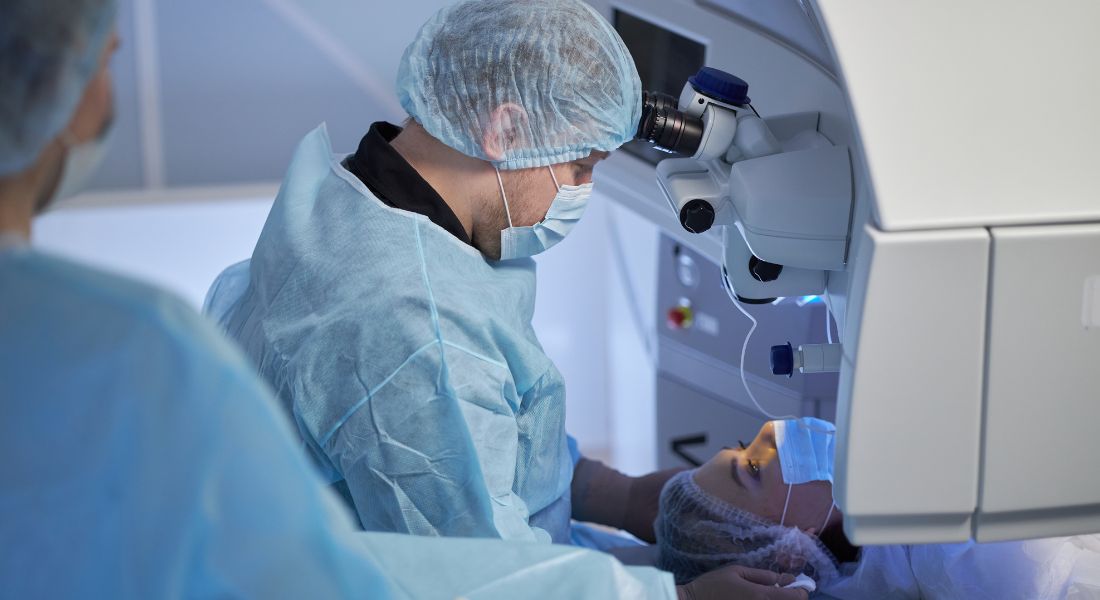
Ophthalmology continues to advance, offering a growing range of treatment options. Even if you’ve had laser eye surgery, modern techniques are designed to work with altered corneas. From premium intraocular lenses to advanced retinal therapies, your surgical history is taken into account but rarely limits your options.
Being informed about evolving technology can provide reassurance. Most new procedures remain accessible to patients with prior laser surgery. Knowledge of your previous treatment helps ophthalmologists plan safely and effectively.
A well-documented surgical history ensures the best outcomes for future care. Staying updated on technological advances allows you to benefit from the latest vision treatments with confidence.
When to Seek Advice
If you experience sudden changes in vision, eye pain, or flashes of light, you should contact an eye specialist immediately. These symptoms are rarely related to previous laser surgery and may indicate a new condition. Prompt evaluation ensures that any potential issues are addressed quickly. Early intervention often leads to better outcomes and prevents complications.
Being proactive helps you differentiate between normal post-surgery effects and new eye problems. If you notice unusual symptoms, acting quickly can protect your long-term vision. Regular awareness of your eye health allows issues to be caught before they worsen. Quick action can save both vision and peace of mind.
Staying informed about warning signs is an important part of ongoing eye care. Understanding what symptoms require attention helps you respond appropriately. Combining vigilance with routine check-ups ensures your eyes remain healthy. This proactive approach supports clear, safe vision for years to come.
Psychological Benefits and Quality of Life
Laser eye surgery often boosts confidence and reduces reliance on glasses or contact lenses. Many patients feel more comfortable in social and professional situations as a result. Knowing that the procedure does not compromise future eye health adds an extra layer of reassurance. This combination of improved vision and safety contributes to overall well-being.
Feeling more in control of your vision can enhance daily life. Activities like driving, reading, or exercising often feel easier and more enjoyable. The convenience of clear vision without corrective lenses can reduce stress and frustration. Small improvements can have a surprisingly big impact on how you feel day to day.
Understanding the long-term implications of surgery supports informed decision-making. Patients who are aware of potential future needs often feel more empowered and satisfied with their results. This balance between immediate benefits and careful planning maximises overall satisfaction. Clear vision, confidence, and peace of mind all contribute to an improved quality of life.
FAQs:
- Does laser eye surgery affect long-term eye health?
Laser eye surgery is generally safe and does not compromise long-term eye health. The cornea is permanently reshaped, but most people maintain strong and stable vision for decades. Regular eye exams help monitor overall ocular health. Staying proactive ensures any issues are detected early. - Can I have cataract surgery after laser eye surgery?
Yes, having had laser eye surgery does not prevent cataract surgery. However, corneal reshaping may slightly affect standard measurements for lens implants. Surgeons use specialised formulas and modern technology to ensure accurate results. Discussing future cataract needs with your ophthalmologist beforehand is recommended. - How does laser surgery impact glaucoma tests?
Laser surgery can change corneal thickness, which may affect intraocular pressure readings. Thinner corneas may give readings that underestimate true eye pressure. Informing your eye specialist about your surgical history allows for accurate adjustments. Regular monitoring is still crucial to detect glaucoma early. - Does laser eye surgery increase the risk of retinal problems?
No, laser eye surgery does not directly affect the retina. People with high myopia may have a naturally higher risk of retinal tears or detachment, but surgery does not add to this risk. Routine retinal checks are advised for high-risk individuals. Immediate evaluation is necessary if symptoms like flashes or floaters occur. - Will I still need glasses as I age after laser surgery?
Yes, age-related presbyopia can still develop, usually in your 40s or 50s. Laser surgery does not prevent natural lens stiffening. Reading glasses, contact lenses, or additional procedures may be required for near vision. Understanding this helps set realistic expectations for future vision needs. - Can laser surgery cause long-term dry eyes?
Temporary dry eye is common after laser surgery, typically improving within a few months. Chronic dryness is less frequent but can be managed with lubricating drops or other treatments. Maintaining ocular surface health ensures comfort and good vision quality. Consulting your ophthalmologist if dryness persists is important. - Are future eye procedures safe after laser surgery?
Yes, most future procedures remain safe after laser surgery. Surgeons are experienced with altered corneas and adapt techniques accordingly. Sharing your surgical history allows precise planning and safer outcomes. Advances in technology make interventions predictable and effective. - Does laser surgery prevent age-related eye conditions?
No, laser surgery does not prevent conditions like cataracts, glaucoma, or macular degeneration. These can develop independently of surgery. Regular eye examinations remain essential to monitor and detect such conditions early. Maintaining overall eye health is key even after successful laser surgery. - Can I have vision enhancement procedures after laser surgery?
Yes, enhancement procedures are possible and generally safe. They are minor adjustments to fine-tune vision based on corneal measurements and healing patterns. Surgeons plan enhancements carefully to ensure optimal outcomes. These procedures help maintain clear and comfortable vision if needed. - Why is it important to keep records of my laser surgery?
Keeping your surgical records ensures your eye care providers understand your corneal history. This helps with accurate interpretation of tests and planning future treatments. Even decades later, having detailed records improves safety and effectiveness. Transparency protects both your vision and treatment options.
Final Thoughts: What to Know About Your Eyes After Laser Surgery
Laser eye surgery is a safe and effective way to improve vision, but it’s important to understand how it may interact with your eyes over time. While it doesn’t prevent natural ageing or eye conditions like cataracts or glaucoma, it generally does not compromise long-term eye health. Being aware of potential impacts helps you plan for future vision needs and ensures ongoing eye care is accurate.
Most future eye procedures remain safe after Laser surgery, especially when your surgical history is shared with your ophthalmologist. Regular check-ups, lifestyle care, and monitoring for conditions unrelated to surgery are essential for maintaining optimal eye health. Knowing what to expect can give you confidence in both your current results and long-term vision. If you’d like to find out whether laser surgery in London is suitable for you, feel free to contact us at Eye Clinic London to arrange a consultation.
References:
- Packer, M. (2018) The implantable collamer lens with a central port: review of the literature, Clinical Ophthalmology. https://pmc.ncbi.nlm.nih.gov/articles/PMC6267497/
- Kamiya, K., Shimizu, K., Takahashi, M., Ando, W., Hayakawa, H. and Shoji, N. (2021) Eight‑year outcomes of EVO‑ICL implantation in patients with myopia, Frontiers in Medicine. https://pmc.ncbi.nlm.nih.gov/articles/PMC8716586/
- Moshirfar, M., Santos, J.M., Wang, Q., Stoakes, I.M., Porter, K.B., Theis, J.S. and Hoopes, P.C. (2023) ‘A literature review of corneal epithelial-related complications after LASIK, PRK, and SMILE’, Cureus, 15(8), e43926. https://pubmed.ncbi.nlm.nih.gov/37614825/
- Gurnani, B. and Patel, B.C. (2026) ‘Photorefractive keratectomy’, StatPearls Publishing. https://pubmed.ncbi.nlm.nih.gov/31751077/
- Edge, R. and Argáez, C. (2017) Laser eye surgery for vision correction: a review of clinical effectiveness and guidelines. Ottawa: Canadian Agency for Drugs and Technologies in Health. https://www.ncbi.nlm.nih.gov/books/NBK488025/