


Laser Eye Surgery for Students and Young Professionals
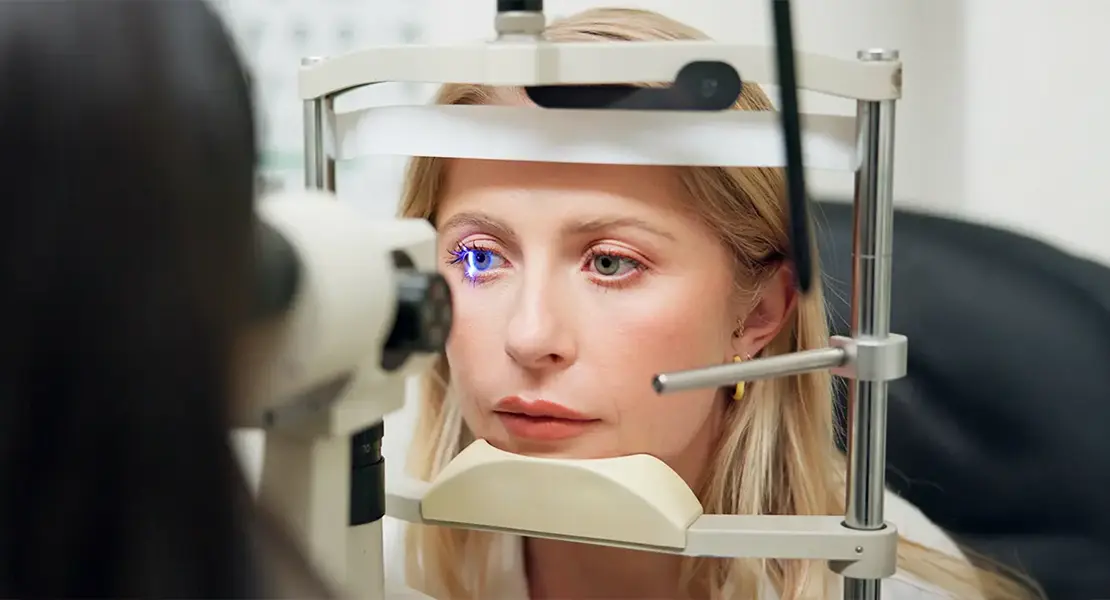
If you’re studying, travelling or beginning your career, you already have enough on your plate without worrying about glasses or contact lenses. Whether you’re running between classes, working long shifts, commuting, using digital screens all day or travelling internationally, everything feels easier when your vision is clear and independent of eyewear. That’s why so many students and young adults look into laser eye surgery as a long-term solution.
You might be wondering whether you’re the right age, whether your prescription is suitable or whether it’s worth the investment this early in life. The truth is that laser eye surgery is one of the most empowering things you can do if you have a stable prescription and want more freedom in your routine. From studying without eye strain to feeling confident during presentations or enjoying spontaneous adventures, clear natural vision can make a huge difference to your daily life.
In this article, I want to walk you through why laser eye surgery is genuinely ideal for young adults, how to know if you’re eligible, the safety standards you should expect, and what your life might look like after treatment. If you’re tired of juggling glasses or dealing with contact lens dryness, this guide will help you understand your options and decide whether the time feels right.
Why Students and Young Professionals Consider Laser Eye Surgery
Students and young professionals often choose laser eye surgery to improve both convenience and overall performance. Clear vision without glasses or contacts can make studying, working, and socialising easier, allowing them to focus fully on tasks without constant adjustments or interruptions.
Long hours on laptops, tablets, or other digital devices can strain eyes, especially when combined with contact lenses. Laser surgery eliminates the need for lenses, reducing dryness and irritation, and providing more comfort during extended screen time.
Frequent travel and active lifestyles also make glasses or contacts inconvenient. Whether commuting, attending events, or engaging in sports and outdoor activities, freedom from eyewear gives young adults more flexibility and confidence in all environments.
Finally, many choose laser correction for long-term independence from glasses. Being able to rely on naturally clear vision supports career goals, academic performance, and social confidence. For students and professionals, laser surgery helps ensure vision is an asset, not a limitation, as they build their future.
Are You the Right Age for Laser Eye Surgery?

Laser eye surgery is most suitable once your eyes have fully stabilised. This is typically when your prescription is no longer changing, which for most people occurs between the ages of 20 and 35, although individual cases can vary. Ensuring stability helps achieve long-lasting, predictable results.
General guidelines suggest a minimum age of 18 for laser treatment, with the ideal age range being 20–40. Your prescription should have remained stable for at least 12 months before surgery. These criteria help minimise the risk of needing additional corrections in the future.
If your vision is still fluctuating, your surgeon may recommend waiting until it settles. Once your prescription is stable, however, you are likely an excellent candidate for laser eye surgery, making it a safe and effective option for long-term vision correction.
Daily Struggles That Laser Eye Surgery Can Solve
Daily life can be full of small visual challenges that often go unnoticed until they start affecting comfort, productivity, and confidence. From glasses fogging up during a morning jog to contact lenses drying out in an air-conditioned office, these minor irritations can accumulate and make routine tasks unnecessarily stressful. Laser eye surgery offers a solution by eliminating the need for glasses or contact lenses, providing clear, stable vision in almost every situation. For seniors, active adults, and professionals alike, this procedure can simplify daily routines and reduce the small but constant annoyances associated with corrective eyewear.
Glasses fogging, slipping or getting damaged: Glasses can be a constant nuisance in daily life, especially during sports, exercise, laboratory work, or rainy weather. Fogging obstructs vision at crucial moments, frames can slip during movement, and lenses may get scratched or damaged. Laser eye surgery eliminates these problems, allowing for clear, uninterrupted vision in all conditions without the need to constantly adjust or protect eyewear.
Contact lens dryness: Extended screen use, long study sessions, or air-conditioned environments can exacerbate contact lens dryness, causing discomfort, irritation, or blurred vision. Over time, this can lead to eye fatigue and reduced concentration. By removing the need for corrective lenses, laser eye surgery provides consistently comfortable vision, allowing eyes to stay naturally hydrated and reducing dependence on artificial tears.
Last-minute travel stress: Forgetting glasses, contact lenses, solutions, or spares can create last-minute panic and inconvenience, especially during travel or business trips. Laser vision correction removes the reliance on external eyewear, giving seniors and active adults the confidence to travel freely, pack lightly, and handle unexpected situations without visual disruptions.
Discomfort during long workdays: Eyewear can become irritating during busy, mobile workdays. Glasses may slip or press against the nose, and contacts can dry out or cause eye strain. Laser eye surgery eliminates these sources of discomfort, allowing individuals to focus fully on tasks without distraction or physical irritation from their corrective devices.
Lack of confidence during presentations or interviews: For some, constantly adjusting glasses or dealing with blurred contact lenses can undermine confidence during presentations, meetings, or interviews. Clear, natural vision without corrective devices often improves self-assurance, making communication smoother and allowing people to project professionalism and confidence in social and work situations.
Types of Laser Eye Surgery Suitable for Young Adults

Several modern laser eye surgery options are available for young adults, each tailored to different eye conditions, lifestyles, and visual goals. LASIK, PRK, and LASEK are the most common procedures, all of which can correct myopia, hyperopia, and astigmatism with high precision. The choice depends on factors like corneal thickness, dry-eye levels, and how quickly you want to recover.
Your lifestyle also plays a role in selecting the right procedure. LASIK offers fast recovery and minimal discomfort, making it ideal for students or professionals with busy schedules. PRK or LASEK may be better for those with thinner corneas or those involved in contact sports, as they avoid creating a flap and provide long-term stability. Consulting with a surgeon ensures the best option for your eyes and daily life.
LASIK (Laser-Assisted In Situ Keratomileusis): LASIK is the most popular laser eye surgery choice among young adults because it provides rapid recovery, minimal discomfort, and excellent visual clarity often within 24 hours. It is particularly suitable for people with active lifestyles, busy work schedules, students preparing for exams, or anyone who cannot afford extended downtime. LASIK allows patients to resume daily routines almost immediately, offering clear vision the next day with little to no pain. The procedure is highly precise, effectively correcting mild to moderate prescriptions while supporting a smooth transition back to normal activities. Its combination of speed, comfort, and predictability makes it ideal for those who value efficiency in their vision correction.
SMILE (Small Incision Lenticule Extraction): SMILE is a flap-free alternative to LASIK that has grown increasingly popular among young professionals and athletes. Because the procedure involves a very small incision, it preserves more of the natural cornea, resulting in excellent corneal stability and minimal postoperative dryness. Recovery is fast, and patients can return to work, sports, or fitness activities quickly. SMILE is particularly advantageous for people with hands-on jobs, active lifestyles, or contact sports participation, providing a low-risk, long-lasting solution for vision correction while maintaining the integrity of the cornea.
PRK (Photo-Refractive Keratectomy): PRK is often chosen for individuals with thinner corneas or when LASIK is not recommended. Unlike LASIK, PRK does not create a flap, which gives the cornea maximum long-term stability and makes it highly resistant to impacts, ideal for high-contact or high-risk sports. While the recovery period is longer and initial discomfort may be more noticeable, PRK delivers excellent long-term visual outcomes. For those prioritising durability and safety over rapid recovery, PRK remains a reliable and highly effective option for long-lasting vision correction.
What Vision Problems Can Laser Eye Surgery Fix?
Laser eye surgery can effectively correct most common vision problems, including short-sightedness (myopia), long-sightedness (hyperopia), and astigmatism. It can also address mild mixed prescriptions that combine multiple refractive errors. By reshaping the cornea, the procedure improves how light focuses on the retina, giving clearer vision without glasses or contact lenses.
Young adults are usually ideal candidates because their eyes are healthy and their prescriptions are stable. Stability is key to achieving long-term, predictable results and minimising the need for future adjustments. Modern laser technology allows for highly precise corrections tailored to each individual’s eyes.
When performed under the right conditions, laser eye surgery can significantly reduce dependence on eyewear. It enhances both distance and overall visual clarity, making everyday activities like studying, working, sports, or socialising much easier. Many young adults enjoy long-term freedom and confidence in their vision after the procedure.
Lifestyle Benefits for Students and Young Professionals
Laser eye surgery doesn’t just improve clarity it makes daily life easier for students and young professionals. Clear vision without glasses or contacts reduces distractions during lectures, meetings, or long hours on computers and devices. It also eliminates the hassle of constantly cleaning, adjusting, or replacing lenses, giving more time and freedom to focus on studies, work, and social activities.
The procedure also enhances comfort and convenience in active lifestyles. Students and professionals who play sports, travel frequently, or attend events benefit from sharper vision and fewer interruptions caused by eyewear. Overall, laser surgery provides practical, long-term advantages that go beyond vision, improving confidence, performance, and quality of life.
Improved Study Comfort: Laser vision correction allows students and young professionals to switch seamlessly between the board, laptop, and handwritten notes without constantly adjusting glasses or rubbing tired eyes. This reduces eye strain, enhances concentration, and makes long study or work sessions far more comfortable. Clear vision without corrective lenses means less distraction and more efficient learning or task completion.
Seamless Digital Workflows: Many modern jobs involve extended screen time, from coding and designing to writing reports or attending virtual meetings. Clear, unaided vision reduces digital eye strain, improving focus and productivity throughout the day. Eliminating the need for glasses or contact lenses makes multi-screen workflows smoother, as there is no glare, fogging, or discomfort disrupting tasks.
Freedom During Sports and Activities: Whether it’s going to the gym, running, playing football, doing yoga, swimming, hiking, or travelling, laser eye surgery provides the freedom to participate fully without worrying about eyewear. Athletes and active individuals no longer have to adjust glasses, deal with fogging or slipping frames, or risk losing or damaging contacts. This freedom enhances performance, safety, and enjoyment in both recreational and professional activities.
Confidence During Interviews and Presentations: Clear, unaided vision often boosts confidence, especially in professional settings such as interviews, presentations, or customer-facing roles. Many young adults report feeling more self-assured and focused after laser vision correction, as they are no longer distracted by adjusting glasses or dealing with visual discomfort. This enhanced confidence can positively impact career performance and professional interactions.
Easier International Travel: Travel becomes much simpler without the need to carry spare glasses, contact lenses, or solutions. Laser vision correction allows for hassle-free international travel, eliminating concerns about losing lenses, running out of solutions, or dealing with prescription mismatches abroad. Travellers enjoy the convenience of packing light and navigating airports, sightseeing, or professional trips with clear, reliable vision.
Long-Term Financial Savings: Although laser eye surgery requires an upfront investment, it can save thousands of pounds over time by reducing or eliminating ongoing costs for contact lenses, solutions, routine eye exams, new frames, and prescription sunglasses. For young professionals and students, the financial and practical benefits make laser vision correction a valuable long-term investment in both convenience and quality of life.
Are Students Suitable for Laser Eye Surgery?

Are Young Professionals Suitable for Laser Eye Surgery?
Young professionals are often excellent candidates for laser eye surgery, particularly if they have healthy eyes and stable prescriptions. The procedure offers convenience, allowing them to focus on work without worrying about glasses slipping, contacts drying out, or frequent lens adjustments. Quick recovery times also mean minimal disruption to busy schedules.
Many professionals in fast-paced roles benefit greatly from improved vision. Healthcare workers, teachers, engineers, hospitality staff, creative professionals, office employees, and security or emergency personnel all rely on sharp, reliable eyesight for performance and safety. Laser correction ensures they can work efficiently and comfortably, even during long or demanding shifts.
Beyond performance, laser eye surgery provides practical lifestyle advantages. Clear vision reduces distractions and eye strain, enhances confidence in professional settings, and makes daily tasks from presentations to commuting easier. For young professionals, the combination of improved vision, convenience, and long-term independence from eyewear makes laser surgery a highly valuable investment.
Safety Standards and Modern Laser Technology
Modern laser eye surgery has advanced far beyond its early days, offering highly precise and safe procedures for vision correction. Today’s technology incorporates multiple layers of safety and customization, from real-time eye tracking to detailed corneal mapping, ensuring that each treatment is tailored to the patient’s unique eyes. These innovations not only enhance the accuracy and predictability of the procedure but also significantly reduce risks, making laser vision correction safer and more reliable than ever before.
Modern safety features include:
Iris tracking: Iris tracking technology ensures the laser precisely follows the natural movements of your eye during treatment. Even tiny, involuntary eye movements are monitored and corrected in real time, preventing misalignment and improving the accuracy of the procedure. This results in safer, more reliable outcomes.
Corneal mapping: Advanced corneal mapping creates a detailed topographical image of your cornea, highlighting its shape, thickness, and any irregularities. This allows the surgeon to plan the procedure with precision, ensuring optimal tissue removal while maintaining structural integrity.
Wavefront-guided treatment: Wavefront-guided lasers measure subtle optical imperfections beyond standard prescriptions, known as higher-order aberrations. Correcting these irregularities improves visual quality, contrast, and night vision, reducing the risk of post-operative halos or glare.
Femtosecond precision: Femtosecond lasers allow the surgeon to create flaps or incisions with microscopic precision. This level of accuracy minimises tissue trauma, enhances safety, and ensures predictable outcomes for each patient.
Individualised profiles: Modern laser systems can tailor treatment to each patient’s unique eye characteristics. Individualised profiles account for corneal shape, thickness, and optical aberrations, providing highly personalised correction and maximising visual quality.
Low-risk flap creation: For procedures that involve a corneal flap, such as LASIK, modern lasers create flaps with controlled thickness and shape, reducing the risk of complications during surgery and ensuring faster, safer recovery.
Real-time safety cut-offs: Modern systems are equipped with automatic safety cut-offs that pause the laser if the eye moves excessively or if other parameters fall outside safe limits. This real-time monitoring adds an extra layer of protection and ensures the procedure is carried out under optimal conditions.
What to Expect During Your Consultation
During your consultation, your surgeon will conduct a thorough evaluation to determine if you are a suitable candidate for laser eye surgery. They will check prescription stability, corneal thickness, and dry eye levels to ensure your eyes are healthy and ready for treatment. These factors are crucial for achieving safe and predictable results.
Other measurements include eye dominance, pupil size, and corneal shape. Understanding these details helps the surgeon choose the procedure that will provide the best visual outcomes and reduce the risk of complications. Every aspect of your eyes is carefully assessed to tailor the treatment to your unique needs.
Overall eye health is also reviewed, including retinal condition and the presence of any ocular diseases. By evaluating all these factors, your surgeon can recommend the safest, most effective procedure for long-term clarity and comfort. The consultation ensures your treatment plan is personalised and precise.
What Happens During Laser Eye Surgery?
Laser eye surgery is a quick, precise, and generally painless procedure designed to minimise discomfort. Patients lie down comfortably while the surgeon applies numbing drops to ensure the eyes remain relaxed and fully desensitised. Most people find that the drops and careful preparation make the procedure surprisingly comfortable, with very little pain or irritation during the treatment itself.
Once your eyes are ready, a highly accurate laser reshapes the cornea to correct your vision. Depending on the type of surgery and your prescription, each eye typically takes just a few minutes. The laser adjusts the way light focuses on the retina, providing clearer vision almost immediately. For many, the improvement is noticeable right after the procedure, although vision continues to stabilise over the following days.
It’s common for patients especially young adults to feel more nervous beforehand than during the surgery itself. The short duration, minimal discomfort, and reassuring environment usually help calm anxiety. Most patients leave the clinic with noticeably sharper vision and experience gradual improvement in clarity, contrast, and overall visual comfort as their eyes heal fully in the days and weeks ahead.
Recovery Timeline for Students and Professionals
For students and professionals, quick recovery and minimal disruption to daily routines are often top priorities when considering laser eye surgery. Modern procedures like LASIK, SMILE, and PRK offer effective vision correction, but their recovery timelines differ. Understanding how soon you can return to classes, office work, or study sessions, and when your vision will stabilise, helps plan your schedule and ensures a smooth transition back to normal activities.
LASIK & SMILE:
– Most people notice significantly clearer vision within the first 24 hours, often waking up the next morning with dramatically improved clarity.
– You can usually return to university, office work or light tasks within 1–2 days, as these procedures involve minimal discomfort and fast surface healing.
– Vision continues to sharpen over the next few days, with night-glare, halos or mild dryness gradually reducing.
– Full visual stability typically settles within a few weeks, depending on your prescription and natural healing speed.
– Because downtime is so short, LASIK and SMILE are ideal for students with upcoming exams and professionals who cannot pause their schedules.
PRK:
– The first 3–5 days can be blurry because the surface layer of the cornea needs to regrow, and a bandage lens is usually worn during this time.
– Comfort improves gradually, with most people feeling noticeably better after the first week as the surface heals.
– Vision sharpens in stages, often becoming functional enough for routine tasks within 7–10 days, though fine clarity continues to improve.
– Full visual stability usually develops over several weeks, sometimes up to a few months for high prescriptions.
– PRK is still a strong option for those with thinner corneas, high-impact sports lifestyles or jobs where a corneal flap isn’t advisable.
How Long Do the Results Last?
Laser eye surgery permanently reshapes your cornea, meaning the correction itself does not fade over time. For most young adults, the results remain stable for many years often decades. Your vision may still change naturally as you age, but these age-related changes don’t undo or reverse the accuracy of your original laser treatment. In most cases, people continue to enjoy long-lasting clarity with only minimal adjustments needed later in life.
Over time, some people may notice small shifts in their prescription as part of the eye’s normal ageing process, but this is not a sign that the surgery has worn off. Instead, it’s simply the natural evolution of vision that everyone experiences. If needed, minor enhancements or alternative treatments later in life can fine-tune your eyesight, ensuring you continue to see comfortably and clearly for years to come.
Frequently Asked Questions:
- Is laser eye surgery safe for young adults?
Yes, laser eye surgery is considered extremely safe for young adults, especially those with stable prescriptions and healthy eyes. Modern technology uses advanced mapping systems, real-time tracking and customised treatment profiles to ensure maximum accuracy. Complications are very rare, and most issues that do occur are mild and temporary, such as dryness or temporary glare at night. Because younger eyes typically heal faster, students and young professionals often experience particularly smooth recoveries and excellent long-term outcomes. - How do I know if my prescription is stable enough?
You can usually tell your prescription is stable if it hasn’t changed significantly in the past 12 months. Your optometrist or surgeon will confirm this during your consultation by comparing your older eye test records with your current measurements. Stability is important because laser treatment reshapes the cornea according to your existing prescription, and any major changes after surgery can affect your clarity. Most people between 20 and 35 naturally experience stable vision, making them strong candidates. - Does laser eye surgery hurt?
The procedure itself is painless because numbing drops are applied before anything begins. Most patients are surprised by how comfortable and quick the experience is. You may feel light pressure for a few seconds, but there is no sharp pain. After LASIK or SMILE, you might experience mild dryness or a gritty sensation for a short time, which usually settles within hours. PRK has more initial discomfort because the surface cells need time to heal, but this is temporary and well-managed with medication. - How long does recovery take for busy students or professionals?
The recovery is usually fast, especially with LASIK and SMILE, where most people see clearly within a day and return to routine activities within 24–48 hours. This quick turnaround is one of the main reasons young adults choose these procedures they fit seamlessly into busy schedules without requiring time off from classes, internships or work shifts. PRK has a longer healing time, but once the surface layer recovers, the vision results are just as good as other methods. - Can laser eye surgery fix high prescriptions?
In many cases, yes. Modern lasers can correct a wide range of short-sighted, long-sighted and astigmatic prescriptions. The exact limit depends on your corneal thickness, curvature and overall eye health, which will be thoroughly assessed during your consultation. Even if your prescription is higher than average, your surgeon may still offer solutions such as customised LASIK, SMILE or PRK, or recommend alternative procedures that can deliver equally strong outcomes. - Will I still need glasses in the future?
You may not need glasses for many years after surgery, but it’s important to understand that natural ageing affects everyone’s eyes even those who have never worn glasses before. Presbyopia, which usually starts after age 40, makes near tasks like reading slightly harder over time. This does not mean the laser treatment has faded; it’s simply a normal part of ageing. Many people choose minor enhancements or reading glasses later in life, but their distance vision usually stays crisp and stable for decades. - Is laser eye surgery worth the cost for students or early-career professionals?
For many young adults, the investment pays off quickly because it replaces years of spending on lenses, cleaning solutions, eye tests, broken frames and prescription sunglasses. When calculated over 10–20 years, these costs often exceed the price of surgery. Beyond the financial aspect, the convenience, comfort and confidence that come with clear unaided vision make the treatment feel even more worthwhile. For those with active, social or demanding academic schedules, the everyday freedom is a major advantage. - Can I travel after laser eye surgery?
Yes, you can travel after surgery, and most people feel comfortable flying within a few days. The only essential requirement is to attend your early follow-up appointment so your surgeon can ensure the eyes are healing properly. Once cleared, you can resume travel without worrying about packing extra lenses, backup glasses or cleaning kits. Many young adults find that laser vision makes travel simpler, lighter and more enjoyable, especially during spontaneous or long-distance trips. - What if I have dry eyes already can I still get laser surgery?
Having dry eyes doesn’t automatically rule you out. Your surgeon will first test the severity of your dryness and identify the cause. Many people experience dryness from long screen hours or regular contact lens wear, and this can often improve once lenses are discontinued before surgery. SMILE is a particularly good option for those with dry eye tendencies because it involves a smaller incision and preserves more corneal nerves. In many cases, dryness after surgery is temporary and improves with lubricating drops. - How long will the results realistically last?
The vision correction itself is permanent because the corneal reshaping does not reverse. Most young adults enjoy stable, clear eyesight for many years and often decades. While age-related changes may appear later such as presbyopia in your 40s or natural lens changes in your 50s these do not undo the original treatment. Your cornea remains corrected, and only minor adjustments may be needed as part of normal ageing. Overall, laser surgery provides one of the longest-lasting vision solutions available today.
Final Thought: Choosing Laser Eye Surgery
Laser eye surgery can be a life-changing decision for students and young professionals who want more freedom, better comfort and long-term clarity without relying on glasses or contact lenses. When your days are filled with studying, travelling, working long shifts or managing early career responsibilities, having clear, effortless vision can genuinely transform how you feel and perform. If your prescription is stable and your eyes are healthy, this stage of life is often one of the best times to consider treatment because you’ll enjoy the benefits for many years ahead. If you’re exploring whether laser eye surgery in London could benefit you, get in touch with us at Eye Clinic London to schedule your consultation.
References:
- Nagy, Z.Z. (2019) ‘New technology update: Small incision lenticule extraction (SMILE)’, Journal of Clinical Medicine, 8(6), p. 792. Available at: https://www.mdpi.com/2077-0383/8/6/792
- Yu, M., Chen, M. & Wang, Y. (2022) ‘Comparative outcomes of SMILE and LASIK: A systematic review’, Applied Sciences, 12(4), p. 1785. Available at: https://www.mdpi.com/2076-3417/12/4/1785
- Sandoval, H.P. et al. (2016) ‘LASIK for myopia and astigmatism: safety outcomes and patient satisfaction’, Clinical Ophthalmology, 10, pp. 2021–2034. Available at: https://www.ncbi.nlm.nih.gov/pmc/articles/PMC5070563/
- O’Brart, D.P.S. (2018) ‘Refractive surgery: evolution, outcomes and future directions’, Eye, 32, pp. 253–260. Available at: https://www.ncbi.nlm.nih.gov/pmc/articles/PMC5811730/
- Reinstein, D.Z., Archer, T.J. & Randleman, J.B. (2020) ‘Outcomes of SMILE compared with LASIK’, Journal of Refractive Surgery, 36(5), pp. 270–276. Available at: https://pubmed.ncbi.nlm.nih.gov/32343308/