


Laser Eye Surgery for Sensitive or Allergy-Prone Eyes
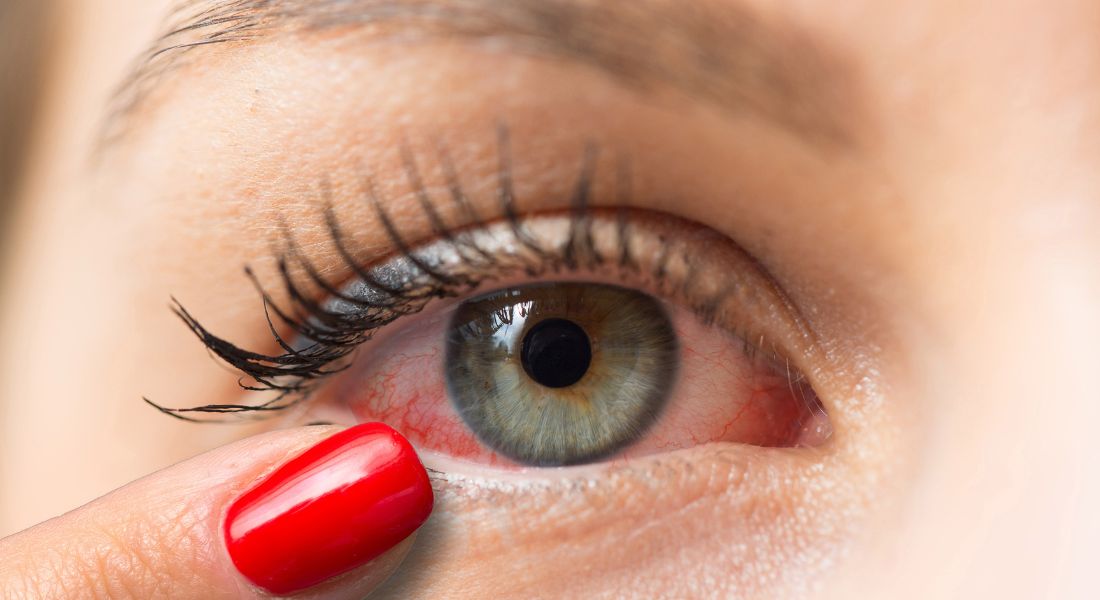
Many people assume that sensitive eyes make them unsuitable for laser eye surgery, yet this isn’t necessarily true. In fact, thousands of patients with allergies or sensitive corneas undergo procedures such as LASIK, LASEK, PRK, and SMILE every year with excellent outcomes. What matters most is understanding how your eyes behave, learning the precautions you need to take, and working with a surgeon who tailors the treatment to suit your sensitivities.
In this guide, I’ll walk you through everything you need to know about laser eye surgery when you have sensitive or allergy-prone eyes. I’ll explain why allergies affect your vision in the first place, how they influence recovery, and what surgeons do to keep your eyes safe before, during, and after treatment.
Why Sensitivity and Allergies Matter When Considering Eye Surgery
Your eyes are incredibly delicate, and if you already experience symptoms such as dryness, redness, itchiness, or irritation, it’s natural to wonder how they will respond to laser surgery. Allergies and sensitivities affect the tear film and surface of the eye, and both play a crucial role in healing after treatment. When your tears aren’t functioning properly or your eyes overreact to environmental triggers, you may feel uncomfortable even on an ordinary day, let alone during recovery from a procedure.
People with allergies often report the following issues:
- Itching during pollen season
- Redness after exposure to dust mites or pet dander
- Dryness caused by air pollution, central heating, or windy weather
- Burning after rubbing the eyes
- Watering that alternates with dryness
All these symptoms relate to your ocular surface health, which is an important factor in the success of laser eye surgery. But sensitivity doesn’t automatically disqualify you from treatment. Instead, it signals the need for more personalised preparation.
Your surgeon’s goal is to ensure that your cornea, tear film, and eyelids are in the best condition before treatment begins. When your eyes are assessed properly and any issues are managed in advance, you can enjoy the same excellent results as someone without allergies. The key is making sure nothing is overlooked during evaluation.
Understanding How Allergies Affect Your Eyes
To appreciate how laser eye surgery fits into your experience, it helps to understand why allergies affect your eyes so intensely. When you come into contact with triggers such as pollen, dust, animals, or mould, your immune system responds by releasing substances like histamine.
Your eyelids become more reactive when allergens touch your skin or when you rub them. The moisture on the surface of your eyes becomes unstable, and your tears evaporate faster. This makes your eyes feel dry even though they may produce excess water as a reflex.
But this doesn’t mean that you can’t have surgery. Instead, it means that your surgeon takes extra steps to stabilise your tear film, calm inflammation, and strengthen the surface of your eyes before treatment.
Are You a Suitable Candidate If You Have Sensitive Eyes?
One of the most common misconceptions is that sensitive eyes automatically rule you out of laser eye surgery. The truth is far more reassuring. Many people with ocular allergies or heightened sensitivity are still excellent candidates for treatment, provided their symptoms are understood and well managed.
When your surgeon evaluates you, they look at several key factors:
Your Tear Film Quality: If your tear film is unstable, this can increase dryness after surgery. Surgeons can test your tear volume, evaporation rate, and quality to determine whether you need lubricating drops or short-term treatments beforehand.
Your Eyelid Health: Some allergies cause swelling or inflammation along your eyelid margins. These issues can influence healing if not treated beforehand. Identifying them early allows your surgeon to recommend warm compresses, lid hygiene, or anti-inflammatory drops.
Your Corneal Thickness and Shape: Laser procedures require a certain level of corneal strength. Allergies don’t usually affect this directly, but people who rub their eyes frequently may be at higher risk of subtle corneal changes. A detailed scan ensures nothing is missed.
Your History of Eye Rubbing: This is one of the most important factors. Eye rubbing doesn’t seem dangerous, but it can weaken the cornea over time. If you rub your eyes because of allergies, your surgeon will help you manage the itchiness before treatment so that you’re less likely to rub during recovery.
Your Allergy Triggers: Knowing whether your symptoms worsen in spring, indoors, or around animals helps your surgeon plan the timing of your surgery. You may be advised to schedule treatment outside peak allergy seasons to ensure smoother healing.
By assessing all these factors, your surgeon builds a full picture of your eye health. Many people with allergies and sensitive eyes enjoy successful surgeries once their symptoms are controlled and stabilised.
Laser Eye Surgery Options for Sensitive Eyes
Different types of laser eye surgery interact with your eyes in different ways. If you have sensitive or allergy-prone eyes, your surgeon may recommend one procedure over another based on how your eyes behave.
LASIK – LASIK involves creating a thin flap in the cornea before using the laser. It offers the quickest recovery and the least discomfort after surgery. However, if you rub your eyes frequently due to allergies, LASIK may not be ideal because the flap is vulnerable in the early stages of healing.
LASEK / PRK – These surface-based treatments don’t involve creating a corneal flap. Instead, the surface layer is gently moved aside and replaced after laser treatment. Because there is no flap, these procedures are often recommended for people who rub their eyes or have thinner corneas.
Recovery is longer and may involve more early discomfort, but the long-term safety for sensitive eyes is excellent.
SMILE – SMILE uses a tiny incision and avoids creating a flap. It often causes less post-operative dryness than LASIK, making it a strong option for people with dry or sensitive eyes. Because the incision is small, it also reduces the likelihood of irritation.
Your surgeon will help you understand which option fits your eye shape, prescription, and sensitivity level. The choice depends on your individual eye anatomy rather than your allergy history alone.
Preparing Your Sensitive Eyes Before Surgery
Getting your eyes into a calm, stable condition before surgery is especially important if you’re prone to allergies. A bit of extra preparation not only improves comfort but also helps ensure a smoother recovery and clearer long-term results.
Managing allergies in advance is often the first step. Your surgeon may advise avoiding surgery during peak seasonal allergy periods and starting treatment early with lubricating drops, antihistamines, cold compresses, or avoidance of known triggers. Surgery is postponed if your eyes are already irritated or inflamed, so early control gives you the best chance of healing well.
Strengthening your tear film also plays a key role. You may be asked to use preservative-free lubricants, take omega-3 supplements, apply warm compresses, or follow eyelid-care routines to improve tear quality. Surgeons sometimes use diagnostic scans to monitor tear film stability before confirming the surgery date.
It’s equally important to stop rubbing your eyes, especially if itching is triggered by allergies. Rubbing can disrupt healing and affect corneal shape, so your surgeon will help manage the underlying causes early. Choosing the right timing—often avoiding high-allergy seasons—further supports a smoother and more comfortable recovery.
How Surgeons Protect Sensitive Eyes During the Procedure
When you hear about laser eye surgery, it might sound like a complex or intimidating process. But modern technology is gentle, precise, and highly controlled. Surgeons who treat patients with sensitive eyes follow specific protocols to keep your eyes as protected and comfortable as possible.
Using Gentle Laser Technology – Modern lasers reshape the cornea using cool, precise beams that don’t generate heat. This reduces inflammation and keeps your eye more comfortable after treatment.
Avoiding Excessive Tissue Removal – If your eyes are sensitive, your surgeon will pay extra attention to conserving tissue. This makes recovery smoother and reduces your risk of dryness or irritation afterwards.
Minimising the Risk of Flare-Ups – If you have itchy or inflamed eyes on the day of surgery, it may not be safe to proceed. Surgeons check for redness, dryness, or irritation to ensure nothing triggers a flare-up during treatment.
Protecting the Corneal Surface – In surface-based procedures like LASEK or PRK, a protective bandage contact lens is used to shield your eye as the epithelium heals. This reduces discomfort and protects the cornea from environmental triggers.
Monitoring Your Tear Film – During your procedure, your surgeon keeps your eyes hydrated and examines the clarity of your tear film. This helps ensure the laser works smoothly and accurately.
All these steps create a calmer, more controlled environment for your sensitive eyes and allow you to focus on your recovery with confidence.
Common Post-Surgery Side Effects for Sensitive Eyes
Even with good preparation, your eyes may feel more reactive during the healing process than someone without allergies. Understanding what’s normal helps you feel less anxious and more in control.
Dryness – Dryness is one of the most common side effects of laser eye surgery, especially in people whose eyes were already dry beforehand. Your corneal nerves temporarily reduce tear production after treatment, which makes dryness more noticeable.
Using lubricating drops regularly helps restore comfort and clarity.
Itchiness – Allergy-prone patients may feel more itchiness during the first few weeks. This is usually a sign of healing rather than an allergy flare-up. It’s important not to rub your eyes, as rubbing can interfere with recovery.
Sensitivity to Light – Bright lights may feel uncomfortable as your cornea heals. Wearing sunglasses outdoors helps reduce strain and protects your eyes during early recovery.
Fluctuating Vision – Your vision may vary from day to day. This is normal because the corneal tissue needs time to stabilise. People with sensitive eyes may notice these fluctuations more acutely.
Occasional Watering – Your eyes may water more than usual as they try to compensate for dryness or irritation. This isn’t normally a sign of a complication.
By understanding these temporary sensations, you can approach your recovery with patience and reassurance.
How to Look After Your Eyes After Surgery
Aftercare is especially important when you have sensitive or allergy-prone eyes. Your routine should support healing and protect your cornea while keeping your symptoms under control.
Follow Your Drop Schedule – Your clinic will give you a personalised drop routine to reduce inflammation, prevent infection, and support tear production. Using these drops exactly as instructed is one of the most important parts of recovery.
Avoid Rubbing Your Eyes – Even if your eyes itch, rubbing them can slow healing and affect the surgical results. Instead, use cold compresses or lubricating drops to relieve itchiness safely.
Protect Your Eyes from Allergens – Try to minimise exposure to your triggers during recovery. If pollen affects your eyes, avoid opening windows on windy days and use sunglasses outdoors.
Stay Hydrated – Drinking water throughout the day helps your natural tear production. This is especially beneficial if you were prone to dryness before surgery.
Use a Humidifier Indoors – Indoor heating or air conditioning can make your eyes feel drier. A humidifier keeps the air moist, which supports your tear film and makes you more comfortable.
Limit Screen Time Initially – Screens can reduce your blink rate, which makes dryness feel more intense. Taking frequent breaks gives your eyes time to rest.
These steps help your recovery progress more smoothly and reduce the chance of discomfort.
Your Long-Term Outlook
People with sensitive or allergy-prone eyes often wonder whether their symptoms will worsen in the long term. The good news is that most patients experience stable results once their eyes have fully healed.
Many even find that their allergies feel more manageable after surgery because they’re no longer dealing with irritation from contact lenses.
Once your cornea settles and your tear film stabilises, your vision becomes clearer, and your eyes often feel more comfortable than they did before treatment. Long-term dryness, itching, and discomfort are uncommon when your eyes have been properly assessed and prepared beforehand.
Laser eye surgery can be a life-changing experience, including for those with sensitive eyes—as long as the journey is planned carefully and guided by an experienced surgeon.
FAQs:
- Can I have laser eye surgery if I have very sensitive or allergy-prone eyes?
Yes, you usually can. Having sensitive eyes doesn’t automatically make you unsuitable for laser eye surgery. What matters is whether your allergies are active, how stable your tear film is, and whether your eyes are calm at the time of surgery. Surgeons often treat patients with hay fever, dust allergies, or general sensitivity by first managing any inflammation and stabilising the ocular surface. Once your eyes are comfortable and well controlled, you can safely undergo LASIK, PRK, LASEK, or SMILE with excellent outcomes. The key is proper assessment and preparation rather than avoiding surgery due to sensitivity alone. - Will my allergies make the recovery period more difficult?
You may feel some additional dryness, itchiness, or irritation during recovery because sensitive eyes react more easily. This does not mean your recovery will be unsafe or problematic; it simply means you’ll need more lubrication and careful aftercare. Surgeons often prescribe soothing drops, anti-inflammatory medication, and protective routines that help keep your eyes comfortable. As long as you avoid rubbing your eyes and follow your instructions closely, your recovery can be just as smooth as someone without allergies. Any temporary symptoms gradually settle as the cornea heals. - Is there a best type of laser eye surgery for people with sensitive eyes?
There isn’t one single best procedure, but some options are more suitable depending on how your eyes behave. If you frequently rub your eyes because of itchiness, flap-free surgeries such as PRK, LASEK, or SMILE may be safer because they avoid the vulnerability of a corneal flap. If dryness is your main issue, SMILE is often preferred because it tends to cause less post-operative dryness than LASIK. On the other hand, if your allergies are mild and well controlled, LASIK may still be perfectly appropriate. Your surgeon will determine the safest option based on your scans, tear film, and symptoms. - Should I avoid surgery during pollen or allergy season?
It’s generally better to schedule your procedure at a time when your symptoms are minimal. If spring or early summer worsens your allergies, you may find recovery easier in autumn or winter when the triggers are lower. Surgery can still be done during allergy season, but only if your eyes look calm and stable at the time of the procedure. Surgeons aim for the eye surface to be as quiet as possible because this leads to a smoother healing process and reduces the urge to rub your eyes afterward. - What if I accidentally rub my eyes after surgery because of itchiness?
A gentle accidental touch usually isn’t harmful, but firm rubbing can interfere with healing, especially during the first few weeks. Surgeons help prevent this by prescribing anti-itch medication, lubricating drops, and sometimes cold compresses to ease discomfort. If you feel an intense urge to rub your eyes, it’s important to blink, apply drops, or use another soothing method instead. Most patients find that itchiness decreases quickly as long as they follow their aftercare routine and keep their allergies under control. - Will laser eye surgery make my dry or sensitive eyes worse in the long term?
Most people with dryness or sensitivity notice an improvement several months after surgery because their ocular surface becomes more stable and they no longer rely on contact lenses, which can irritate the eyes. Some dryness is expected in the first few weeks, but this usually improves steadily as the nerves in the cornea regenerate. Long-term worsening of dryness is uncommon when patients are properly screened and prepared. Surgeons only proceed with surgery once your tear film shows signs of stability, so future issues are less likely. - How do surgeons prepare sensitive eyes before surgery?
Surgeons take several steps to calm and strengthen the ocular surface before your procedure. They check your tear film, eyelid health, and allergy triggers, then recommend treatments such as lubricating drops, warm compresses, antihistamines, or short courses of anti-inflammatory medication if needed. You may be advised to avoid allergens, reduce screen dryness, or follow a simple lid-care routine to ensure your eyes are in the best possible condition. This preparation often lasts a few weeks and greatly improves your comfort after surgery. - What side effects should I expect after laser eye surgery if my eyes are sensitive?
You may experience dryness, mild irritation, light sensitivity, watery vision, or occasional itchiness. These sensations are normal signs of healing, especially for people whose eyes are already reactive. Vision may fluctuate for several weeks before becoming steady. Sensitive patients sometimes notice these fluctuations more intensely, but they settle naturally as the cornea stabilises. Regular use of drops and avoiding allergens helps keep these symptoms manageable, and most people feel significantly more comfortable within a few weeks. - Do allergies increase the risk of complications?
Allergies themselves do not raise the risk of surgical complications as long as they are controlled before treatment. The biggest risk comes from rubbing the eyes aggressively during recovery, which is why surgeons focus heavily on itch-management beforehand. As long as you follow aftercare instructions, use your medication correctly, and avoid rubbing, the risk remains extremely low. Sensitive or allergy-prone patients achieve the same long-term success rates as those without sensitivities once their eyes are properly evaluated. - Will I still experience allergy symptoms after laser eye surgery?
Yes, you will still be sensitive to allergens because the surgery doesn’t change how your immune system responds to triggers. However, many people feel that their eyes are less irritated overall because they no longer wear contact lenses, which can trap allergens on the surface of the eye. After your eyes heal fully, allergies typically feel easier to manage because your tear film becomes more stable and less reactive. You’ll still need to follow good allergy-control habits, but most patients find the symptoms less disruptive than before.
Final Thought: Your Path to Safe Laser Eye Surgery with Sensitive Eyes
Having sensitive or allergy-prone eyes doesn’t mean you have to rule out the possibility of clearer, more comfortable vision through laser eye surgery. What matters most is careful assessment, proper preparation, and choosing a surgeon who understands how your eyes behave. When your tear film is stabilised, your allergies are under control, and the timing is right, you can expect safe, predictable results and a smooth recovery. If you’d like to find out whether laser eye surgery in London would be suitable for your specific sensitivities, feel free to contact us at Eye Clinic London to arrange a consultation.
References:
- Kwon, J., & Lee, M.-A. (2025). Overview of Dry Eye Disease for Primary Care Physicians. Journal of Clinical Medicine https://www.mdpi.com/1648-9144/61/3/460
- Mikalauskiene, L. et al. (2021). Ocular Surface Changes Associated with Ophthalmic Surgery. Journal of Clinical Medicine https://www.mdpi.com/2077-0383/10/8/1642
- Gong, Q. et al. (2022). Evaluation of Dry Eye After Refractive Surgery According to Preoperative Status: A Prospective Study. https://pmc.ncbi.nlm.nih.gov/articles/PMC9082069/
- Yahalomi, T. et al. (2023). Dry Eye Disease following LASIK, PRK, and LASEK: A Prospective Study. https://pmc.ncbi.nlm.nih.gov/articles/PMC10253504/
- Cartes, C. et al. (2024). “Prevalence of Dry Eye Disease in Laser-Assisted In Situ Keratomileusis (LASIK) Candidates.” https://pubmed.ncbi.nlm.nih.gov/38918902/