


Laser Eye Surgery for Pilots and Military Personnel
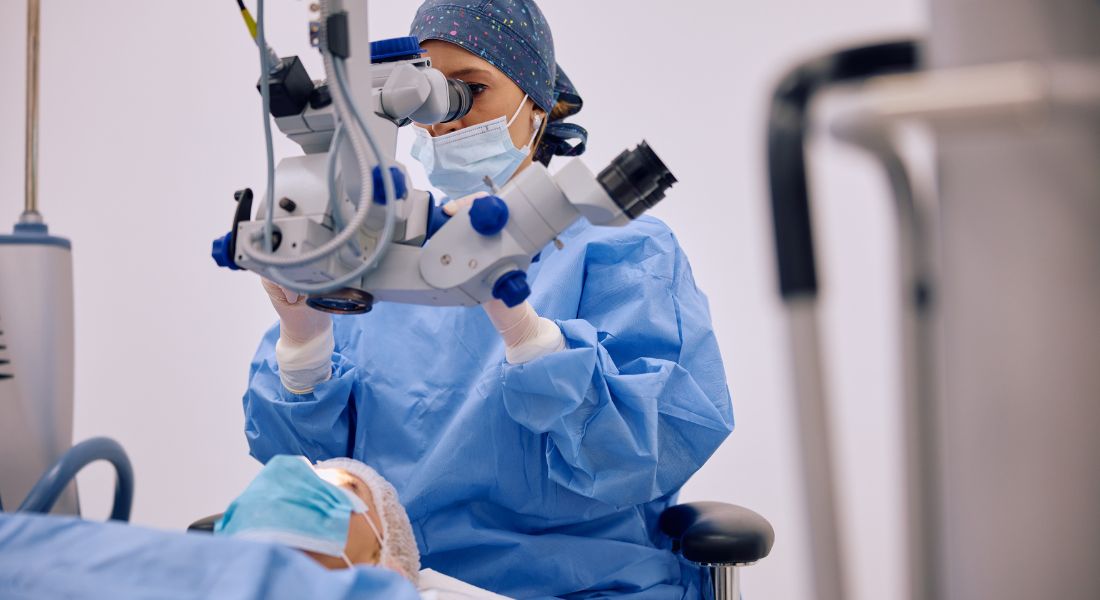
But you also have a unique set of challenges. You need excellent visual performance, you need predictable healing, and you need to make sure the procedure you choose meets the standards required by aviation authorities, military units or professional regulators. Not every laser technique is approved for everyone, and some jobs have strict medical guidelines you must follow to stay fully certified.
In this article, I want to walk you through everything you need to know from the safest and most approved procedures to the eligibility rules, downtime, recovery expectations and documentation you’ll need. If you’re thinking about laser eye surgery to support your career in aviation, defence or emergency services, this guide will help you feel informed, confident and fully prepared.
Why Pilots and Military Personnel Choose Laser Eye Surgery
Pilots and military personnel rely on exceptionally precise vision to perform safely and effectively under demanding conditions. Glasses or contact lenses can pose practical challenges, from slipping and fogging to discomfort in extreme environments. For these professionals, laser eye surgery offers a reliable solution, providing clear, uninterrupted vision that supports both safety and peak performance.
Benefits include:
- Freedom from glasses during critical tasks
- No risk of contact lens dryness in dry or harsh environments
- No fogging, slipping or visual distortion
- Better peripheral vision without frames
- More comfort during night missions and low-visibility operations
- More reliable focus during sudden movements or rapid head turns
- No risk of losing a lens during high-stress activity
Are Pilots and Military Personnel Allowed to Have Laser Eye Surgery?
Yes, many pilots, military personnel, and emergency service workers are allowed to undergo laser eye surgery, provided they meet the specific medical and visual standards set by their organisations. Modern laser procedures such as LASIK, PRK, and SMILE are generally recognised for their safety, precision, and predictable outcomes, making them acceptable for professional use in high-stakes roles.
In the UK, organisations that permit laser correction include the Civil Aviation Authority (CAA), Military Aviation Authority (MAA), British Army, Royal Air Force (RAF), Royal Navy, as well as police forces and fire and rescue services. Each organisation evaluates applicants individually, considering factors like prescription stability, overall eye health, and visual acuity to ensure readiness for operational duties.
Although standards differ between bodies, most accept fully healed results from modern laser procedures. This allows pilots, military members, and emergency responders to benefit from improved vision, reduce reliance on glasses or contacts, and maintain safety and performance in demanding environments.
Why Some Procedures Are Preferred Over Others
For high-performance professionals, corneal stability is often the primary concern when choosing a laser procedure. Procedures that involve creating a corneal flap, like LASIK, may be scrutinised more closely due to theoretical risks in environments with high wind speeds, rapid pressure changes, or potential facial impacts. Ensuring the long-term strength and stability of the cornea is critical in demanding roles.
Modern LASIK, however, is extremely safe, and complications related to the flap are very rare. Advances in technology and surgical techniques have made the procedure predictable and reliable, with most patients experiencing excellent outcomes and rapid recovery. Despite this, the presence of a flap can be a deciding factor for certain high-risk professions.
As a result, some organisations and professionals prefer flap-free procedures such as PRK or SMILE. These options preserve corneal integrity while still providing excellent visual correction, making them particularly appealing for pilots, military personnel, and emergency responders who require maximum safety and stability in their vision.
Approved Laser Procedures for Pilots and Military Personnel
PRK (Photo-Refractive Keratectomy): PRK is one of the oldest and most trusted laser eye procedures, often preferred in military and aviation settings due to its safety and reliability. Unlike LASIK, PRK does not create a corneal flap, which reduces the risk of flap-related complications during high-impact or physically demanding activities. The procedure provides excellent long-term corneal stability, making it ideal for soldiers, pilots, and other professionals who operate in harsh environments. The main downsides are a longer recovery period, as vision may take several weeks to fully sharpen, and more initial discomfort compared with flap-based procedures. Despite these factors, PRK remains a historically favoured option for defence forces worldwide.
LASIK (Laser-Assisted In Situ Keratomileusis): Modern LASIK is safe, predictable, and delivers rapid results, which makes it extremely popular among pilots and military personnel. Patients typically achieve clear vision within 24–48 hours with minimal discomfort, high precision, and excellent night vision. The procedure allows a quick return to duties, which is crucial in high-performance careers. Earlier LASIK techniques involved thicker flaps, which were considered vulnerable in extreme situations, leading some branches to hesitate. However, advances such as micro-thin flaps and femtosecond lasers have dramatically improved safety, making LASIK an acceptable option for most aviation and defence roles today.
SMILE (Small Incision Lenticule Extraction): SMILE is a newer laser technique that combines the benefits of both PRK and LASIK. Like PRK, it is flap-free, which preserves corneal stability, but it also offers fast recovery similar to LASIK. Minimal dryness, excellent corneal stability, and a rapid return to functional vision make SMILE highly suitable for high-performance professionals such as military personnel, pilots, and police officers. Its safety profile and durability under extreme conditions have led many defence departments to accept SMILE as a reliable alternative to older procedures.
Vision Requirements for Pilots and Military Professions
Civilian Pilots (CAA UK): For civilian pilots holding a Class 1 or Class 2 licence in the UK, laser eye surgery is allowed under strict conditions. Pilots must have stable refraction, be free from significant glare or night-vision problems, have no corneal haze or complications, and meet standard visual acuity requirements typically 6/6 or better. The Civil Aviation Authority (CAA) generally requires a waiting period after surgery, often several weeks to a few months, before pilots can resume flying duties. This ensures vision has fully stabilised and there are no post-operative complications that could affect flight safety.
RAF & Military Aviation Personnel: The Royal Air Force permits laser eye surgery for certain roles if the chosen procedure is PRK, LASIK, or SMILE, vision is stable post-operatively, corneal thickness remains adequate, and there are no complications. Maintaining night vision is particularly critical for operational flying. Specific flying roles may have stricter requirements, so each candidate undergoes individual assessment to ensure safety in demanding aviation conditions.
British Army, Royal Navy & Royal Marines: Laser eye surgery is permitted for personnel in the British Army, Royal Navy, and Royal Marines provided an approved procedure is used, the cornea remains structurally sound, and unaided or corrected visual acuity standards are met. Healing must be complete before training or deployment begins. PRK and SMILE are often viewed favourably because they avoid flap-related concerns, offering long-term corneal stability and reducing the risk of complications in physically demanding environments.
Police, Fire & Emergency Services: Emergency service personnel including police officers, firefighters, and paramedics generally have more flexible eligibility for laser eye surgery, with LASIK, PRK, and SMILE all considered suitable. Requirements typically include stable vision, adequate night vision, absence of complications, and a medical declaration from the operating surgeon confirming the individual is fit for duty. This ensures that vision correction does not compromise operational performance in critical, high-stakes scenarios.
Recovery Times and When You Can Return to Duty

PRK Recovery Timeline: PRK recovery is slower compared with flap-based procedures, but it is extremely reliable for long-term corneal stability. Most patients can return to light activity within 3–7 days, though functional vision typically takes 2–3 weeks to become comfortable for reading, driving, or work tasks. Full stabilisation of vision may take 6–12 weeks, depending on individual healing. For professionals in physically demanding roles, such as military or emergency services, a return to full duty often ranges from 4–8+ weeks. Despite the slower recovery, PRK is highly valued for its durability and low risk of flap-related complications.
LASIK Recovery Timeline: LASIK offers one of the fastest recoveries among laser procedures, making it ideal for professionals who need quick visual clarity. Functional vision usually returns within 24–48 hours, allowing patients to resume normal activities within 2–3 days. Full stabilisation occurs over 1–4 weeks, while return to high-impact duty is typically possible after 2–4 weeks. Modern LASIK techniques, with micro-thin flaps and femtosecond precision, combine rapid recovery with excellent accuracy and night vision, making it highly suitable for pilots, athletes, and active professionals.
SMILE Recovery Timeline: SMILE combines the benefits of PRK and LASIK, offering both fast recovery and excellent corneal stability. Functional vision generally returns within 1–2 days, and most patients can resume normal activities within 2–4 days. Full stabilisation of vision occurs over 1–4 weeks. SMILE also preserves more corneal nerves, resulting in minimal dryness and stronger long-term structural integrity. These advantages make SMILE an excellent choice for soldiers, pilots, or other active-duty personnel who require both rapid visual recovery and maximum corneal resilience.
Performance Factors Pilots and Military Personnel Must Consider
Pilots, military personnel, and other high-performance professionals require vision that is not only sharp but also reliable under extreme conditions. Factors such as night-time clarity, corneal stability, dryness, pressure changes, and exposure to impacts are critical for operational safety and performance. Surgeons carefully evaluate these specialised considerations to ensure that laser eye surgery delivers both excellent vision and durability in challenging environments.
Night Vision: For professionals such as pilots, military personnel, and emergency responders, excellent night vision is essential. Tasks often require clear sight in low-light conditions, with minimal glare, halos, or starbursts around lights. Modern laser systems can be customised to preserve night-time visual clarity, using wavefront-guided or topography-guided treatments to reduce optical aberrations and maintain sharp, reliable vision in challenging environments.
Corneal Stability: In physically demanding environments, corneal strength is critical. Procedures like SMILE and PRK are favoured in these settings because they avoid flap creation (PRK removes only the surface layer, SMILE uses a small incision), which preserves the biomechanical stability of the cornea. A strong, stable cornea reduces the risk of post-operative complications during high-impact activities, making these procedures safer for soldiers, police officers, and adventure sports professionals.
Dry Eye Risk: Professionals working in dry, windy, or air-conditioned environments often find contact lenses uncomfortable or impractical. Laser eye surgery can reduce dependency on lenses and improve comfort. SMILE, in particular, minimally disrupts corneal nerves, resulting in less post-operative dryness and better tear-film stability, which is crucial for individuals in harsh conditions.
High Altitude or Pressure Exposure: Pilots, divers, and high-altitude personnel experience significant pressure changes that can affect ocular structures. Approved laser techniques take these factors into account, ensuring that corneal reshaping maintains integrity and reduces the risk of visual distortion under variable pressure conditions.
Impact or Trauma Risk: Soldiers, rescue teams, and other high-risk professionals may face sudden impacts or trauma. Flap-free techniques, such as SMILE and PRK, provide extra reassurance because there is no flap that could dislodge or weaken, making vision correction safer in unpredictable and high-stress environments.
Documentation and Certification After Surgery
After laser eye surgery, documentation and certification are essential for pilots, military personnel, and other high-performance professionals. Your surgeon will provide a detailed report outlining the procedure, recovery, and current visual status. This ensures that your organisation has accurate medical records for operational approval.
Evidence of a stable prescription and measurements of corneal thickness are usually required, along with topography scans to confirm the shape and health of your cornea. These tests help demonstrate that your eyes have fully healed and are safe for duty.
Finally, a sign-off letter from your surgeon confirming that you have no complications is often needed. Most clinics experienced in treating aviation and military personnel are familiar with the documentation requirements and can provide all necessary paperwork to satisfy your organisation’s standards.
Who Is Not a Suitable Candidate?

FAQs:
- Can I have laser eye surgery if I’m a pilot in the UK?
Yes, you can, but it depends on your licence type and the procedure you choose. Civil aviation authorities usually allow pilots to undergo modern laser treatments like LASIK, PRK, or SMILE, provided your vision is stable and your eyes meet medical standards. After surgery, you’ll need to wait a certain period before resuming flying duties, during which your vision must stabilise and your corneas must be healthy. Your ophthalmologist will provide documentation for the Civil Aviation Authority to verify that you are fit to fly. - How long will it take to return to my duties after surgery?
The recovery timeline depends on the procedure you choose. If you go for LASIK, you might notice clear vision within one to two days and can often return to regular activity in a few days, while SMILE offers similarly quick functional vision with minimal dryness. PRK, on the other hand, takes longer to stabilise, and you may need several weeks before your vision is fully sharp. Your surgeon will advise you on when it’s safe to resume professional tasks, especially if your job involves high-impact activities or critical visual performance. - Which laser eye procedure is safest for military personnel?
For military roles, flap-free procedures such as PRK or SMILE are often preferred because they reduce theoretical risks associated with trauma or extreme physical conditions. PRK has a long history of reliability in defence forces, while SMILE combines quick recovery with excellent corneal stability. LASIK is also safe, particularly with modern micro-thin flaps, but some units may initially scrutinise flap-based procedures for certain high-risk positions. - Will laser eye surgery affect my night vision?
Laser eye surgery is designed to maintain or improve your night vision, but individual outcomes vary. Modern laser systems customise the treatment to preserve clarity in low-light situations, minimise glare, and reduce halos or starbursts. It’s important to discuss any night-vision demands with your surgeon, especially if your profession requires excellent vision in darkness, such as flying or night operations. Surgeons can evaluate your pre-existing night vision and adjust your procedure accordingly. - Are there risks if I have dry eyes or work in harsh environments?
If you experience dry eyes, wind, or air-conditioned environments, laser surgery can actually help you avoid the limitations of contact lenses. Some procedures, like SMILE, minimise dryness and ensure your eyes remain comfortable even in challenging conditions. However, if you already have severe dry eye, active inflammation, or other corneal problems, your surgeon might recommend treating those first before considering surgery. - How do organisations like the RAF or British Army approve laser eye surgery?
Organisations such as the RAF, British Army, and Royal Navy allow laser surgery if the procedure is approved, your vision is stable, and your corneal thickness and structural integrity remain adequate. Each flying role or position may have stricter rules, so your case is often assessed individually. After surgery, you’ll need a detailed report from your surgeon and confirmation that your vision and night performance meet the organisation’s medical standards. - Can I lose my certification if I have surgery and complications occur later?
Complications are very rare with modern procedures, but if any issues arise that affect vision stability or corneal integrity, your professional body may require reassessment. That’s why documentation after surgery is so important. You need confirmation that your prescription is stable, your cornea is structurally sound, and your night vision remains unaffected. Staying in close contact with both your surgeon and your professional regulator ensures you maintain your certification. - Am I too old or too young for laser eye surgery?
Age plays a role because your eyes must have a stable prescription. Most adults in their 20s and older are suitable candidates, but you might be too young if your prescription is still changing. Older adults can also have laser surgery, but any age-related eye conditions need to be evaluated first. Your surgeon will check that your eyes are healthy and your vision stable before confirming whether you’re a suitable candidate. - Can I have laser surgery if I have an autoimmune condition or keratoconus?
If you have keratoconus, extremely thin corneas, active autoimmune conditions affecting the eyes, or severe night-vision issues, you may not be suitable for laser surgery. These conditions can affect healing or corneal stability, making surgery risky. A thorough preoperative assessment will help determine whether any procedure is safe for you, or if alternative vision correction options might be more appropriate. - What documentation will I need after surgery to return to work?
After your procedure, you’ll need detailed records from your surgeon. This usually includes a full report, confirmation that your prescription is stable, corneal thickness measurements, topography scans, and a statement confirming that no complications occurred. These documents are crucial for aviation authorities, military branches, or emergency service organisations to officially clear you for work. Your clinic will guide you through what each organisation requires to ensure your career is not interrupted.
Final Thought: Choosing Laser Eye Surgery for Your Career
If you’re considering improving your vision to meet the demands of aviation, military service, or any high-performance safety profession, it’s important to understand your options and the rules that apply to your role. Modern laser techniques like PRK, LASIK, and SMILE offer reliable, safe ways to correct your vision, but choosing the right procedure depends on your job requirements, corneal health, and recovery expectations.
If you’d like to find out whether laser eye surgery in London is suitable for you, feel free to contact us at Eye Clinic London to arrange a consultation. Our team can guide you through eligibility, recovery timelines, and the documentation you’ll need to ensure your vision and certification remain uncompromised. Taking a proactive approach to your eye health means you can perform at your best with clarity, comfort, and confidence.
References:
- Van De Pol, C., Greig, J.L., Estrada, A., Bissette, G., Bower, K.S. & Hemphill, D., 2007. Visual and flight performance recovery after PRK or LASIK in helicopter pilots. Aviation, Space, and Environmental Medicine, 78(6), pp.547–553. https://pubmed.ncbi.nlm.nih.gov/17571652/
- Rivers, B.A. et al., 2024. Quality of Vision and Patient Satisfaction After Refractive Surgery: A Comparative Analysis of LASIK, SMILE, and PRK in Active‑Duty Military Servicemembers. Journal of Special Operations Medicine. https://pubmed.ncbi.nlm.nih.gov/39641610/
- Wang, Y., Zhang, Y., Yu, S., et al., 2024. Factors affecting long-term myopic regression after corneal refractive surgery for civilian pilots in southwest China. BMC Ophthalmology, 24, 339. https://pmc.ncbi.nlm.nih.gov/articles/PMC10985992/
- Martínez‑Cortés, A., Alió del Barrio, J., Rodríguez, A. E. & de Benito‑Llopis, L., 2022. Surface Refractive Surgery Outcomes in Israeli Combat Pilots. MDPI, Vision, 2(4), p. 46. https://www.mdpi.com/2673-7426/2/4/46
- Pang, Y., Zhou, Y. & Fan, S., 2020. Long Term Follow‑Up Safety and Effectiveness of Myopia Refractive Surgery. MDPI, International Journal of Environmental Research and Public Health, 17(23), p. 8729. https://www.mdpi.com/1660-4601/17/23/8729