


Laser Eye Surgery for Low Prescriptions: Is It Worth It?
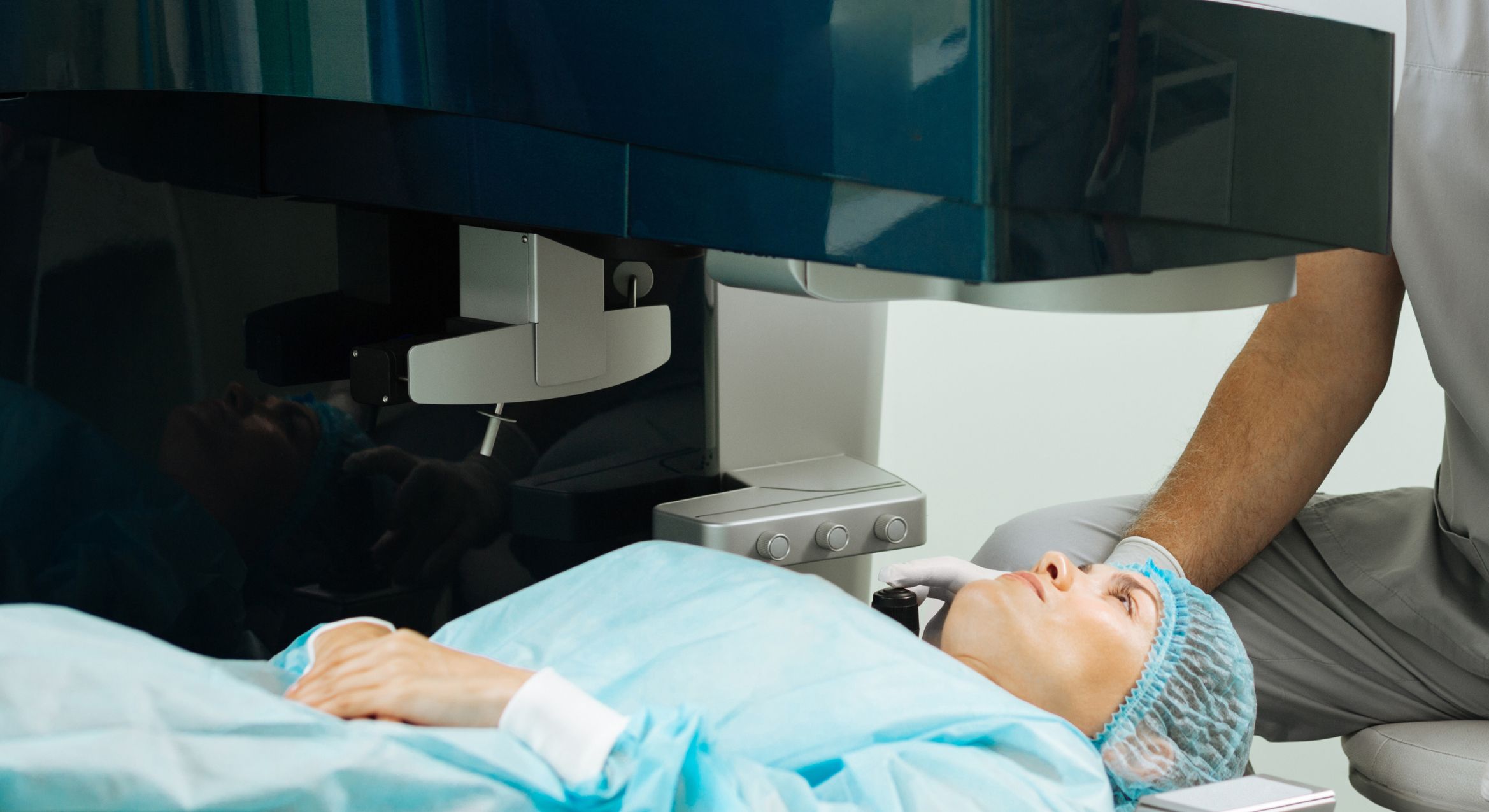
Low prescriptions can sometimes feel like a grey area. They’re not severe enough to disrupt every aspect of daily life, yet they’re inconvenient enough to cause frustration, especially during activities like driving, using digital screens, or navigating in low light. You might be able to function without glasses for short periods, but the moment clarity really matters, you find yourself reaching for them again. That stop-start dependency itself can become tiring over time.
This leads many people to question whether investing in a permanent vision correction solution could provide more comfort, convenience, and visual freedom. And the truth is, laser eye surgery isn’t just for people with high prescriptions. Modern techniques are incredibly precise, safe, and effective even for mild refractive errors.
As someone who has explored this topic in depth reviewing clinical research, speaking with ophthalmologists, and hearing real patient experiences I want to walk you through what really matters when deciding whether laser eye surgery is the right choice for low prescriptions. By the end of this guide, you’ll have a clearer understanding of your options, what results to expect, and whether the benefits outweigh the investment for your lifestyle and vision needs.
Understanding Low Prescriptions
A low prescription typically refers to mild short-sightedness, long-sightedness, or mild astigmatism. In numerical terms, this usually means up to -3.00 diopters for myopia, up to +3.00 diopters for hyperopia, and around ±1.50 diopters for astigmatism. People within this range often find they can manage many daily tasks without glasses or contact lenses, particularly for short periods or less visually demanding activities. However, even mild refractive errors can still cause noticeable symptoms such as eye strain after screen use, headaches from prolonged focusing, or subtle blurring that becomes more obvious in low-light situations especially when driving at night or trying to read fine text.
This raises a key question: if your prescription is on the lower side, is laser eye surgery actually worth considering? For some, the inconvenience of occasional blur or reliance on glasses is minor, making surgery feel unnecessary. For others, even small visual imperfections can disrupt comfort, confidence, or the ability to perform certain tasks with ease. Ultimately, the value of laser surgery for low prescriptions depends on how much your current vision impacts your lifestyle, how motivated you are to reduce your dependence on corrective lenses, and whether the benefits outweigh the cost and recovery time for you personally.
Suitability for Laser Eye Surgery with Low Prescriptions
When I first considered this, I realised suitability isn’t just about your prescription strength. Several factors come into play:
Age and Eye Stability: Laser eye surgery works best when your prescription has remained stable for at least 12–24 months, because even small shifts especially in a low prescription can affect how long your results last. If your vision is still changing, the benefits of surgery may be short-lived, which is why most clinics recommend waiting until your eyes have settled. For many people, this point is reached at around age 21 or later, when prescription changes naturally slow down and long-term stability becomes more reliable.
Overall Eye Health: Even with a low prescription, overall eye health plays a major role in determining suitability for laser eye surgery. Conditions such as keratoconus, significant dry eye disease, or any active ocular infections can make the procedure unsafe or reduce the quality of the outcome. This is why a thorough pre-operative assessment is essential, and reputable clinics offering laser eye surgery in London will carefully screen for these issues to ensure the treatment is both safe and appropriate for your eyes.
Lifestyle Considerations: Lifestyle plays a big part in deciding whether laser eye surgery is worthwhile for someone with a low prescription. While mild refractive errors may cause only occasional inconvenience, the benefits of clearer unaided vision can become much more noticeable if you regularly participate in sports, swimming, gym workouts, or outdoor activities where glasses or contact lenses feel restrictive or impractical. In these situations, even a small prescription can interfere with comfort and performance, making laser eye surgery a meaningful upgrade to daily life rather than just a minor convenience.
Expected Visual Gains
Many people assume that having a low prescription means laser eye surgery won’t make much difference, but this isn’t always true. In reality, most patients regardless of whether their prescription is mild or moderate achieve 20/20 vision or better after treatment. The improvement is often more noticeable than expected, especially when it comes to everyday tasks like reading signs while driving, using screens for long periods, or enjoying crisp distance vision without needing glasses at all.
Modern techniques such as LASIK, LASEK, and PRK have also reduced concerns about night-time glare and halo effects, making these side effects far less common and usually temporary. For many people with low prescriptions, the biggest benefit isn’t just sharper vision it’s the freedom from relying on glasses or contacts. This added convenience often boosts confidence, comfort, and overall quality of life, even if the starting prescription was only mildly disruptive.
Types of Laser Eye Surgery Suitable for Low Prescriptions
Several procedures are available, each with pros and cons for low prescriptions:
LASIK: LASIK is the most popular laser eye surgery option, largely because it offers rapid recovery often allowing patients to return to normal daily activities within 1–2 days with very little discomfort. Its accuracy is excellent, even for low prescriptions, which helps minimise the risk of under- or over-correction. For anyone looking for fast visual improvement and minimal downtime, LASIK is often an ideal choice due to its reliability and consistently strong outcomes.
PRK (Photorefractive Keratectomy): PRK is a surface-based laser procedure where no corneal flap is created, making it structurally different from LASIK. Because the surface layer of the cornea needs time to heal, recovery tends to be slower typically taking 1–2 weeks for comfortable, stable vision. While it delivers excellent long-term results, PRK is generally less suitable for those who want rapid visual recovery or minimal downtime.
LASEK: LASEK blends elements of both PRK and LASIK, making it a useful option for people with thin corneas who may not be suitable for traditional LASIK. The recovery period is moderate typically several days to about a week as the surface layer of the cornea heals. For patients with low prescriptions who value corneal safety and long-term stability more than immediate visual improvement, LASEK can be an excellent and balanced choice.
Cost Considerations
Cost is often a major factor when considering laser eye surgery, and the investment can be substantial. In the UK, prices usually range between £2,000 and £4,000 per eye depending on the clinic, surgeon experience, and the type of technology used. For those with low prescriptions, this can feel like a big expense, especially if glasses or contact lenses don’t cause major day-to-day inconvenience.
However, it’s important to consider the long-term benefits. Many people find that lifelong savings on glasses, contact lenses, solutions, frames, and routine eye appointments help offset the initial cost over time. Beyond the financial aspect, the convenience, confidence, and lifestyle improvements that come with clear, unaided vision often make the investment worthwhile even for individuals with only mild refractive errors.
Risks and Complications
Laser eye surgery is generally very safe, but it’s important to acknowledge that it does come with potential risks. Some patients experience dry eyes during the healing period, and while this usually improves, a small number may notice longer-lasting symptoms. Night-time glare or halos can occur as well, although these effects are less common in people with low prescriptions. There is also a small chance of under- or over-correction, though modern techniques have made these variations minimal and often easily managed.
More serious complications such as infection or flap-related issues in LASIK are possible but extremely rare. The key to reducing these risks is choosing a reputable, well-established clinic with thorough screening protocols. Proper evaluation ensures that only suitable candidates move forward with surgery, significantly improving safety and long-term outcomes.
When Surgery Is Most Worthwhile for Low Prescriptions
When your prescription is on the milder side, it’s easy to assume that laser eye surgery won’t make a significant difference. But for many people, even small refractive errors can affect comfort, convenience, and day-to-day activities more than expected. Surgery becomes particularly worthwhile when certain lifestyle factors or visual symptoms start to impact your routine making the benefits of clear, unaided vision far more noticeable.
You are tired of the inconvenience of glasses or contacts: For many people, even a mild prescription becomes frustrating when glasses constantly smudge, fog up, or get misplaced. Contact lenses can also feel inconvenient due to dryness, long wear times, or the daily maintenance they require. If these small hassles add up and begin affecting your routine, laser surgery can offer lasting relief.
You experience eye strain, especially during extended screen use: Low prescriptions can still cause subtle focusing effort, which becomes more noticeable during long hours on computers or phones. This strain can lead to headaches, blurred vision, or fatigue by the end of the day. Surgery may help eliminate the constant need to refocus, making screen-heavy work far more comfortable.
You are active in sports or outdoor activities: Whether you enjoy running, gym workouts, swimming, or team sports, glasses and contact lenses can get in the way. Glasses may slip, fog up, or feel unstable, while contacts can dry out or cause irritation during movement. Laser eye surgery provides the freedom to move without worrying about safeguarding your vision aids.
Your lifestyle makes glasses or contact lenses restrictive: Some people work in environments where glasses are impractical such as kitchens, medical settings, or outdoor jobs. Others travel frequently or simply prefer a minimalist routine without carrying spare lenses or cleaning solutions. If your daily life feels easier without corrective eyewear, surgery can offer long-term convenience.
Even mild prescriptions can interfere with daily comfort more than people realise. For many individuals, the freedom of clear, unaided vision outweighs both the cost and the short recovery period involved in laser eye surgery.
Long-Term Visual Benefits
One of the strongest reasons people with low prescriptions choose laser eye surgery is the long-term improvement it brings to everyday life. Even if your refractive error is mild, the cumulative benefits of clearer, unaided vision can be far more meaningful than expected. Here’s how:
Less reliance on corrective lenses reduces daily stress: Not having to search for glasses, replace lost lenses, or deal with fogging and smudges removes a surprising amount of daily frustration. The freedom to move through your day without worrying about eyewear maintenance brings a sense of ease that many patients appreciate more than they anticipated. Over time, this reduction in small, repeated inconveniences significantly reduces mental load.
Clear vision can enhance work performance and recreational enjoyment: Whether you work long hours at a screen, drive frequently, or read for extended periods, consistently sharp vision can make these tasks far smoother. Recreational activities like hiking, sports, or photography also become more enjoyable when you don’t have to rely on glasses or contacts. This improvement often results in better focus, comfort, and overall productivity.
Reduced risk of lens-related infections: People who use contact lenses regularly face an ongoing risk of irritation, dryness, or even serious infections caused by improper cleaning, overwear, or environmental exposure. Eliminating the need for lenses reduces these risks entirely. For many patients, especially those prone to discomfort or allergies, this health benefit alone becomes a key motivator.
Improved confidence and self-image: or some, glasses are simply a practical tool; for others, they can feel restrictive or affect how they perceive themselves. Clear, unaided vision can boost confidence not just in appearance, but in the ability to move freely, engage in activities spontaneously, and rely on your natural vision throughout the day.
I’ve spoken to many patients who initially doubted whether surgery was necessary for a low prescription, only to later describe a significant improvement in their daily comfort, confidence, and overall quality of life. For them, the subtle benefits added up to a transformative long-term change.
Preparing for Surgery
Proper preparation can significantly improve your experience and outcomes:
Pre-Op Assessment: A detailed pre-operative evaluation allows your surgeon to assess corneal thickness, tear film quality, prescription stability, and overall eye health. This step is essential because even mild issues like subtle dry eye or early corneal irregularities can influence which procedure is safest. The assessment also helps create a customised treatment plan tailored to your eyes.
Avoid Contact Lenses: Contact lenses can temporarily alter the natural shape of the cornea, which may affect pre-surgery measurements. Giving your eyes time to return to their natural curvature ensures the laser treatment is precisely calibrated. Hard or RGP lenses may require an even longer break, so following your clinic’s guidance is crucial.
Plan Recovery Time: Although LASIK often allows patients to resume daily activities within 24–48 hours, your eyes still need time to settle. Taking a short break from work or screen-heavy tasks can minimise strain and help stabilise vision more smoothly. For procedures like PRK or LASEK, extra downtime will be even more beneficial.
Ask Questions: Understanding the benefits and limitations of each procedure helps set realistic expectations. A transparent conversation about potential risks, visual outcomes, and candidacy ensures you feel fully informed. This communication also helps build trust and confidence in your surgeon’s recommendations.
Preparation isn’t just about physical readiness; mental readiness is equally important. Understanding what to expect helps reduce anxiety and enhances satisfaction.
Recovery and Aftercare
Recovery after laser eye procedures depends on the type of surgery performed. LASIK patients often experience rapid improvement, with most able to resume normal activities within 24–48 hours. In contrast, PRK or LASEK typically require a longer healing period of 1–2 weeks, during which vision may fluctuate as the eyes gradually recover. Individual factors, such as age, overall eye health, and the strength of the prescription, can also influence the speed and comfort of recovery.
Post-operative care plays a crucial role in ensuring optimal outcomes and reducing the risk of complications. Patients are advised to use prescribed eye drops regularly to prevent dryness, irritation, or infection. It’s also important to avoid swimming pools, hot tubs, or dusty environments for a period of time to protect healing eyes. Attending all scheduled follow-up appointments allows the surgeon to monitor progress and address any concerns promptly. For patients with low prescriptions, the recovery process is generally smoother, and results tend to be highly predictable, often leading to excellent visual outcomes with minimal discomfort.
Alternatives to Surgery for Low Prescriptions
Not everyone with a low prescription needs or wants laser eye surgery. Several non-surgical options can effectively correct vision while avoiding procedural risks, each with its own advantages and considerations.
Glasses: Glasses remain the easiest and most affordable way to correct mild refractive errors. They require no invasive procedures and can be updated as your prescription changes. Modern styles also allow for a personalised look, making them both functional and fashionable.
Contact Lenses: Contacts provide clear vision without altering your appearance and allow for greater freedom in sports or outdoor activities. However, they demand careful cleaning and regular replacement to avoid discomfort or eye infections, which can be a daily commitment.
Orthokeratology: Orthokeratology lenses are worn overnight to gently reshape the cornea, allowing for clear vision during the day without glasses or contacts. The effect is temporary and requires consistent use, making it a non-permanent but convenient alternative for some people with low prescriptions.
These non-surgical options may be more suitable if your vision is still changing, if you prefer to avoid surgery, or if you want a reversible solution. They can provide effective visual correction while giving you flexibility and control over your eye health.
Personal Experiences: Is It Worth It?
Many patients who initially questioned the need for laser eye surgery, even those with low prescriptions, often report feeling extremely satisfied after the procedure. The convenience of no longer needing glasses or contact lenses can have a meaningful impact on daily life. Activities such as exercising, swimming, travelling, or simply getting ready in the morning become easier and more enjoyable. Even minor improvements in vision clarity can reduce eye strain, headaches, and visual fatigue, making day-to-day tasks more comfortable and less tiring.
The benefits extend beyond the physical. Patients frequently highlight the psychological impact of clearer vision, including increased confidence, a stronger self-image, and a sense of freedom. Being able to see clearly without reliance on corrective lenses can improve mood, reduce stress, and enhance overall quality of life. Many people also appreciate the spontaneity and flexibility it provides no more worrying about losing glasses or dealing with uncomfortable contact lenses. Ultimately, whether laser eye surgery is worth it comes down to personal priorities, lifestyle, and comfort with undergoing a medical procedure. For those who value convenience, independence, and improved visual comfort, the procedure often proves to be a highly rewarding decision.
Cost-Benefit Analysis
Even for people with low prescriptions, it’s important to weigh the costs and benefits before deciding on laser eye surgery. In the UK, the procedure typically costs between £2,000 and £4,000 per eye, depending on the clinic, surgeon, and technology used. While this may seem like a significant upfront expense, it’s only one part of the financial picture.
When considering long-term savings, many patients find that eliminating the need for glasses and contact lenses can save over £10,000 across a lifetime, depending on prescription strength and how often lenses or frames are replaced. Beyond monetary savings, the convenience of clear vision without corrective lenses, the comfort during daily activities, and the confidence it brings often outweigh the initial cost. For many people, these combined financial and lifestyle benefits make the investment in laser eye surgery worthwhile, even with a mild refractive error.
Long-Term Satisfaction
Research and patient feedback consistently show that people with low prescriptions who undergo laser eye surgery report high levels of satisfaction. More than 90% of patients say they are satisfied or very satisfied with their results, and most achieve 20/20 vision without the need for corrective lenses. Many also notice improvements in daily comfort, confidence, and convenience that extend well beyond the immediate recovery period.
Long-term complications are rare, and the majority of patients experience none. Satisfaction tends to be highest among those who have realistic expectations about the procedure and its outcomes, and who complete a thorough pre-operative assessment to ensure suitability. By understanding the risks, benefits, and likely results beforehand, patients can make informed decisions that lead to lasting visual and lifestyle benefits.
Who Might Not Benefit
Laser eye surgery isn’t suitable for everyone, even with a low prescription. It may not be the best option if your vision is still changing, as ongoing fluctuations can affect the long-term stability of the results. People with certain eye health conditions such as keratoconus, severe dry eyes, or active infections may also be advised against surgery due to increased risks or reduced effectiveness.
Additionally, surgery may not be ideal if you’re uncomfortable with medical procedures or if the cost outweighs the benefits you expect to gain. In these situations, non-surgical alternatives like glasses, contact lenses, or orthokeratology or simply delaying surgery until your vision stabilises can provide safe and effective visual correction without the risks associated with a procedure.
Tips for Choosing a Clinic
If you decide to go ahead with laser eye surgery, selecting the right clinic is one of the most important steps. Look for experienced surgeons who have a strong track record and consistently positive patient reviews. Make sure the clinic uses modern, FDA- or CE-approved technology, as up-to-date equipment can improve both precision and safety during the procedure.
It’s also essential to confirm that the clinic provides comprehensive pre-operative and post-operative care, including thorough assessments and follow-up appointments. Transparency about costs, potential risks, and realistic expected outcomes is equally important. In the UK, clinics offering laser eye surgery in London often adhere to these standards, giving patients confidence in both the quality of care and the results they can expect.
FAQs:
- Is laser eye surgery necessary for low prescriptions?
Laser eye surgery isn’t strictly necessary for mild refractive errors, as glasses or contact lenses often suffice. However, it can improve convenience, reduce eye strain, and provide freedom from corrective lenses. Even low prescriptions can affect night vision or cause headaches over time. Surgery is most beneficial when your vision is stable and daily life is impacted. Ultimately, it depends on personal priorities and lifestyle needs. - What types of laser eye surgery are suitable for low prescriptions?
LASIK, PRK, and LASEK are all options for mild myopia, hyperopia, or astigmatism. LASIK offers quick recovery and minimal discomfort, while PRK and LASEK are better for thin corneas. Each procedure has its pros and cons regarding healing time and precision. Low prescriptions generally respond well to all modern techniques. A consultation with a qualified surgeon can determine the best choice. - How much improvement can I expect with low prescription surgery?
Most patients with mild prescriptions achieve 20/20 vision or better after surgery. Even small improvements can reduce eye strain and enhance clarity for reading, driving, or screen use. Night-time glare or halo effects are usually minimal with modern techniques. While results vary, the majority experience noticeable daily benefits. Realistic expectations are essential for satisfaction. - Are there risks with laser eye surgery for low prescriptions?
While generally safe, laser eye surgery carries some risks such as temporary dry eyes or mild night glare. Over- or under-correction is rare with low prescriptions due to modern precision. Serious complications like infection or flap issues (LASIK) are extremely uncommon. Proper screening and a reputable clinic reduce most risks. Understanding potential side effects ensures informed decisions. - How long does recovery take?
Recovery depends on the procedure type. LASIK patients usually resume normal activities within 24–48 hours. PRK and LASEK may take 1–2 weeks, with vision fluctuating initially. Follow-up appointments and prescribed eye drops are important for healing. With low prescriptions, recovery tends to be smoother and highly predictable. - How do I know if I’m a suitable candidate?
Suitability is not just about prescription strength. Factors include age, eye stability for 12–24 months, corneal thickness, and overall eye health. Conditions like keratoconus or severe dry eyes can prevent surgery. A comprehensive pre-operative assessment identifies risks and ensures safety. Your lifestyle and daily vision needs also play a role in candidacy. - Will laser eye surgery save money in the long term?
Although surgery can cost £2,000–£4,000 per eye, it may save thousands over a lifetime. Expenses for glasses, contact lenses, lens solutions, and check-ups add up over the years. The convenience and lifestyle benefits often outweigh the financial investment. Low prescription patients may notice subtle, but cumulative, savings. Cost-effectiveness depends on personal habits and visual needs. - Can low prescription surgery correct astigmatism?
Yes, LASIK, PRK, and LASEK can treat mild astigmatism effectively. Precision is high, and most patients achieve significant improvement or full correction. Night glare or halo effects are usually minimal when astigmatism is low. Even patients with combined myopia or hyperopia benefit from enhanced clarity. Regular follow-ups ensure long-term stability of results. - Are there alternatives if I don’t want surgery?
Non-surgical options include glasses, contact lenses, and orthokeratology (overnight corneal reshaping). These are low-risk and effective for low prescriptions but require ongoing maintenance. Glasses remain the simplest solution, while contacts provide flexibility. Orthokeratology temporarily reshapes the cornea for daytime clarity. The choice depends on lifestyle, convenience, and willingness to undergo surgery. - How do I choose the right clinic for laser eye surgery?
Look for experienced surgeons with strong patient reviews and modern, FDA/CE-approved technology. Verify that pre-op assessments and post-op care are comprehensive. Transparency in pricing, risks, and expected outcomes is essential. Reputable London clinics typically meet these standards. Visiting multiple clinics and asking questions ensures confidence in your decision.
Final Thoughts: Is Laser Eye Surgery Worth It for Low Prescriptions?
Deciding whether to undergo laser eye surgery when you have a low prescription isn’t always clear-cut. Even if your refractive error is mild and glasses or contact lenses seem manageable, the procedure can still offer meaningful benefits greater day-to-day convenience, reduced eye strain, and long-term freedom from corrective lenses. From what I’ve seen, many people with low prescriptions find the results genuinely worthwhile, especially if they lead an active lifestyle, struggle with visual discomfort, or simply prefer a glasses-free life.
The key to a successful outcome lies in proper assessment, realistic expectations, and choosing a trusted clinic that offers laser eye surgery in London, where advanced technology and experienced specialists ensure a safe and tailored approach. If you’re exploring whether laser eye surgery in London could benefit you, get in touch with us at Eye Clinic London to schedule your consultation.
Reference:
- Korányi, G., Berta, A., Marten, A., Szalai, E., Berta, J. & Kolozsvari, B. (2019) ‘Long Term Follow‑Up Safety and Effectiveness of Myopia Refractive Surgery’, International Journal of Environmental Research and Public Health, 17(23). https://www.mdpi.com/1660-4601/17/23/8729
- Taneri, S. et al. (2022) ‘Long-term outcomes of PRK, LASIK and SMILE’, Journal of Refractive Surgery. https://pubmed.ncbi.nlm.nih.gov/34241701/
- Seven‑year refractive outcomes comparing SMILE and FS‑LASIK for myopia and myopic astigmatism (2024). https://pubmed.ncbi.nlm.nih.gov/39373787/
- Long-Term Visual Quality and Pupil Changes after Small-Incision Lenticule Extraction for Eyes without Preoperative Cylinder Refraction (2024). https://pmc.ncbi.nlm.nih.gov/articles/PMC10821807/
- Margarit, D.-A., Stanca, H. T., Mocanu, V. et al. (2024) ‘Short‑Term Visual and Refractive Outcomes of Single‑Step Transepithelial Photorefractive Keratectomy with Amaris 750S and SmartSurfACE in Myopia and Astigmatism: A 6‑Month Follow-Up Study’, Life, 14(10), 1288.: https://www.mdpi.com/2075-1729/14/10/1288