


Can Laser Eye Surgery Correct Astigmatism?
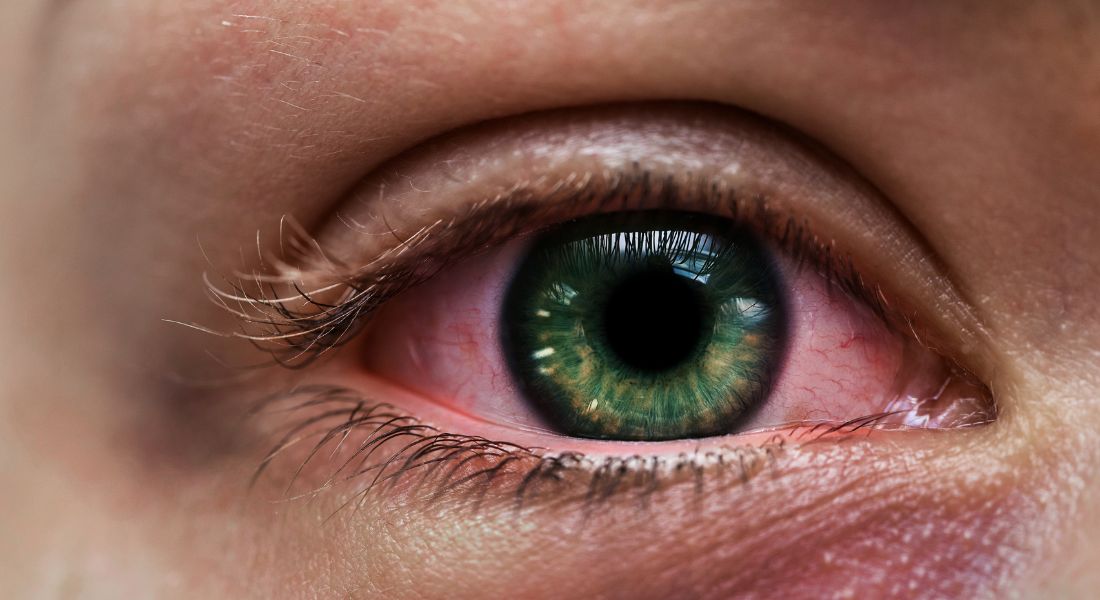
If you’ve been living with blurred vision, distorted shapes or difficulty focusing at different distances, there’s a good chance astigmatism is part of the problem. Many people assume astigmatism disqualifies them from laser eye surgery, or that it’s far more complicated to treat than short-sightedness or long-sightedness. But the truth is, modern technology has made correcting astigmatism not just possible, but incredibly precise.
Astigmatism happens when your cornea or lens isn’t perfectly round. Instead of having a smooth, even curve, it bends light unevenly. This means your eyes struggle to bring things into crisp focus, leading to smudged or shadowed vision. Glasses and contact lenses can help, but they aren’t always ideal especially if you want long-term clarity without relying on lenses every day.
Laser eye surgery can correct astigmatism by reshaping your cornea into a more regular shape. Today’s methods are extremely accurate and tailored to your unique eye profile. Whether your astigmatism is mild or higher than average, there’s likely a safe treatment option available.
In this guide, I’ll walk you through how laser eye surgery corrects astigmatism, what types of astigmatism respond well, the technologies involved, recovery expectations and when alternatives such as ICLs may be better. If you’re exploring advanced treatment options, you’ll also discover how clinics offering modern laser surgery in London use the latest scanning systems to produce life-changing results.
What Exactly Is Astigmatism?
Astigmatism is a common refractive error that affects how your eye bends and focuses light. Instead of having a perfectly curved cornea or lens, the surface is uneven one area may be steeper or flatter than another. This irregular shape prevents light from focusing at a single point on the retina, leading to blurred or distorted vision.
Typical symptoms of astigmatism include blurred or shadowed vision, ghosting of letters or shapes, and eye strain. People may notice difficulty reading or focusing, especially when switching between near and far objects. Poor night vision is also a common complaint, as light scatters unevenly on an irregular corneal surface.
Many individuals remain unaware they have astigmatism because they assume mild distortions are normal. Routine eye exams are essential for detecting astigmatism, even in people with no obvious visual complaints, as early correction can significantly improve comfort and clarity.
Types of Astigmatism Laser Surgery Can Treat
Astigmatism is a common refractive error that causes blurred or distorted vision due to irregularities in the eye’s focusing structures. Fortunately, modern laser eye surgery offers highly effective solutions for most types of astigmatism. By precisely reshaping the cornea, these procedures can correct visual distortions, reduce dependence on glasses or contact lenses, and provide sharper, clearer vision. Understanding the different types of astigmatism helps determine which laser treatment is most suitable for each patient.
Not all astigmatism behaves the same way, but most types respond very well to modern laser techniques are:
Corneal Astigmatism: This is the most common type. It occurs when your cornea has an irregular curvature. Laser eye surgery is highly effective for this type because the laser reshapes the cornea directly.
Lenticular Astigmatism: This comes from your internal lens rather than your cornea. Laser surgery can still help by improving the corneal optics, but in some cases, lens-based surgery is preferred.
Regular Astigmatism: The cornea has two main curves think of a rugby ball shape. This is the easiest to correct.
Irregular Astigmatism: This is caused by uneven or distorted corneal surfaces. It may be due to injury, genetics or previous eye surgery. Correction is still possible but usually requires topography-guided laser treatment.
How Laser Eye Surgery Corrects Astigmatism
LASIK for Astigmatism: LASIK is one of the most widely used procedures for correcting mild to moderate astigmatism because it offers rapid recovery and precise visual outcomes. The procedure begins with the creation of a thin corneal flap, under which the excimer laser reshapes the underlying tissue to correct the irregular curvature. Once the reshaping is complete, the flap is repositioned and naturally adheres without the need for stitches. LASIK is particularly effective for astigmatism as it allows highly customised correction based on detailed corneal mapping. Typically, LASIK is suitable for patients with up to 4.00 dioptres of astigmatism, provided the corneal thickness is adequate and topography maps confirm a stable, regular curvature. Many patients achieve functional vision within hours and full clarity within a few days.
LASEK / PRK for Astigmatism: When corneal thickness is insufficient or the eye’s shape is not suitable for a LASIK flap, surface-based procedures like LASEK or PRK are excellent alternatives. These techniques do not require a corneal flap, preserving tissue and offering long-term stability. The laser reshapes the cornea from the surface, meaning the epithelium must regrow during the healing process, which makes recovery slower than LASIK. LASEK and PRK can be suitable for higher astigmatism, generally up to 4.00–5.00 dioptres depending on corneal topography and biomechanical strength. These procedures are ideal for patients seeking a flap-free approach with predictable, durable results over the long term.
SMILE for Astigmatism: SMILE is a minimally invasive, flap-free procedure that involves removing a small lenticule of tissue through a tiny incision. This method maintains corneal biomechanical strength and reduces the risk of post-operative dry eye. SMILE is most suitable for myopic astigmatism and is typically effective for up to around 3.00 dioptres, depending on the laser system and the complexity of the cornea. Recovery is fast, and patients often experience minimal discomfort, making SMILE a popular choice for those seeking stable vision with fewer surface complications.
Topography-Guided Laser Treatments for Irregular Astigmatism
If your cornea has irregular patterns due to previous surgery, keratoconus, or injury, standard laser correction may not fully address visual distortions. Uneven corneal surfaces can cause blurred or shadowed vision, ghosting of letters or objects, and poor night vision, which conventional treatments often cannot correct effectively. For these patients, a more customised approach is needed to restore clarity and comfort.
Topography-guided laser treatments, such as PRK or LASIK, use highly detailed corneal maps to guide the laser with precision. By targeting the exact irregularities in the cornea, these procedures can smooth the surface, reduce higher-order aberrations, and significantly improve the overall quality of vision. The laser reshapes the cornea in a personalised way that standard treatments cannot achieve.
This advanced technique allows for precise correction of asymmetric corneal shape patterns, offering hope to patients who were previously considered unsuitable for laser surgery. As a result, many achieve clearer, sharper, and more stable vision, with improved comfort during activities like reading, driving at night, or using digital devices. Topography-guided treatments provide a reliable solution for enhancing visual performance even in complex cases.
Who Is a Good Candidate for Astigmatism Laser Surgery?
Surgeons consider:
Your corneal thickness: Your corneal thickness is essential because it determines how much tissue can be safely removed or reshaped. Thicker corneas allow for higher prescriptions to be corrected safely, while thinner corneas may limit options or require flap-free procedures like PRK or SMILE. Ensuring sufficient thickness helps prevent long-term complications, such as corneal weakening or ectasia.
The type and degree of astigmatism: The specific nature of your astigmatism affects treatment choice. Regular astigmatism, where the cornea curves evenly, is easier to correct with standard laser procedures. Irregular astigmatism, caused by uneven corneal surfaces or previous eye conditions, often requires advanced topography-guided treatments for optimal clarity. Higher degrees of astigmatism also need careful planning to achieve precise visual results.
Corneal stability: A stable cornea is crucial for predictable outcomes. If your cornea is gradually changing shape, as with keratoconus or progressive astigmatism, reshaping surgery may be unsafe until the cornea is stabilised. Treatments such as corneal cross-linking can help strengthen and stabilise the cornea before corrective surgery, ensuring long-term results.
Corneal biomechanics: This refers to the cornea’s structural strength and elasticity. Even a thick cornea might not be ideal if its biomechanical properties are weak. Surgeons assess how your cornea responds to stress and reshaping to reduce the risk of long-term complications, ensuring that it maintains its shape after surgery.
Eye health: Overall eye health influences both safety and outcomes. Conditions such as dry eye, scarring, previous infections, or inflammation can affect healing and comfort. Addressing these issues before surgery helps maximise success and reduces post-operative complications, such as prolonged dryness or fluctuating vision.
When these factors are favourable, outcomes for astigmatism correction are excellent.
Can Laser Eye Surgery Correct High Astigmatism?
Laser eye surgery can correct high astigmatism in many patients, but suitability depends on individual corneal characteristics such as thickness, shape, and overall health. Your surgeon will carefully evaluate these factors to determine which procedure can safely achieve the best visual outcome.
Different laser techniques have varying correction limits. LASIK and LASEK/PRK can typically correct up to around 4.00–5.00 dioptres, while SMILE is usually effective for up to 3.00 dioptres. Topography-guided treatments can address more complex or irregular astigmatism, with correction potential tailored to the cornea’s unique map.
For extremely high or irregular astigmatism, standard laser procedures may not be sufficient. In such cases, your surgeon might recommend alternative approaches, such as specialty contact lenses, piggyback intraocular lenses, or combined procedures, to achieve clearer and more stable vision safely.
When Laser Eye Surgery Isn’t the Best Choice
Laser eye surgery isn’t always the best choice, particularly if reshaping the cornea could compromise its strength or stability. Safety is the top priority, and in certain cases, alternative treatments may provide better long-term outcomes.
Common reasons laser surgery may not be suitable include very high astigmatism, irregular astigmatism caused by conditions like keratoconus, thin or biomechanically weak corneas, unstable corneal maps, or a history of corneal trauma. Attempting laser correction under these conditions could risk further distortion or vision problems.
Even if standard laser procedures aren’t recommended, it doesn’t mean you’re out of options. Specialty contact lenses, topography-guided treatments, or combined surgical approaches can often provide improved clarity and comfort while preserving corneal health.
Alternative Options for Astigmatism
Implantable Collamer Lenses (ICLs): ICLs are thin lenses placed inside the eye, sitting behind the iris but in front of your natural lens. They don’t require removing any corneal tissue, making them ideal for patients with thin or irregular corneas. Toric ICLs are specifically designed to correct astigmatism and can often manage prescriptions up to 6.00 dioptres or higher. They provide excellent visual clarity and contrast, are reversible, and allow for precise correction without altering the natural cornea.
Refractive Lens Exchange (RLE): RLE is a procedure similar to cataract surgery, where the eye’s natural lens is replaced with an artificial lens tailored to your prescription. This is particularly beneficial for patients over 45, those with high or complex prescriptions, or those beginning to develop presbyopia. Using a toric IOL, RLE can effectively correct significant astigmatism while also reducing dependence on glasses for near and distance vision.
Corneal Cross-Linking + Laser Treatment: For patients with keratoconus or other corneal instability, corneal cross-linking is used first to strengthen the corneal structure. Once the cornea is stable, topography-guided laser treatments, like PRK or customized LASEK, can be considered to improve vision. This staged approach ensures the cornea is strong enough to safely undergo reshaping, reducing risks while allowing better visual outcomes for irregular or astigmatic corneas.
How Accurate Is Astigmatism Correction with Laser Surgery?
Modern laser surgery for astigmatism is highly accurate, especially when your eyes are healthy and your prescription is stable. Advanced mapping and imaging allow surgeons to customise the treatment for the exact curvature of your cornea, improving precision and reducing the risk of under- or over-correction.
Patients typically experience clearer distance vision, minimal ghosting, and better night-time clarity after surgery. Many also notice a significant reduction in their dependence on glasses or contact lenses, which enhances daily comfort and convenience.
Wavefront-guided and topography-guided systems take accuracy even further by correcting higher-order aberrations that standard treatments may miss. These technologies help achieve stable long-term outcomes and improve overall visual quality, particularly in patients with complex or irregular astigmatism.
What Does Recovery Look Like?
LASIK recovery: After LASIK, most patients notice clear vision within hours. You can usually return to work or normal daily activities the next day. Discomfort is minimal, often limited to mild dryness or a scratchy sensation for a few days. Because LASIK creates a small corneal flap, the eye stabilises quickly, making it ideal for those needing rapid visual recovery.
LASEK/PRK recovery: Recovery after LASEK or PRK is slower because the laser reshapes the surface of the cornea, and the epithelial layer needs time to regrow. Initial discomfort can last 2–3 days, often including light sensitivity, tearing, and mild irritation. Vision gradually improves over several weeks, with most patients achieving strong long-term stability. These procedures are particularly suitable for patients with thinner corneas or those who want flap-free surgery.
SMILE recovery: SMILE offers fast visual recovery, with many patients noticing improved clarity within 1–2 days. Dryness may occur, but it is usually mild and resolves quickly. The procedure is flap-free, which means fewer activity restrictions and excellent corneal stability. SMILE combines the benefits of minimal discomfort with long-term structural safety, making it a strong option for active lifestyles.
Regardless of the method, most people see life-changing improvements within days or weeks.
How Clinics Achieve Precision in Astigmatism Correction
These include:
Topography: Corneal topography creates a detailed, colour-coded map of the surface curvature of your cornea. It highlights even subtle irregularities such as astigmatism, keratoconus, or areas of uneven steepness and flatness. This mapping is crucial for laser eye surgery because it allows the surgeon to plan the reshaping with precision, ensuring the laser corrects your prescription accurately while minimising complications like glare or visual distortion.
Tomography: Corneal tomography goes deeper than topography by examining both the front and back surfaces of the cornea, as well as its internal layers. It reveals early signs of thinning, ectasia, or structural instability that might not be visible on surface scans. This in-depth information is essential for determining whether your cornea is strong enough for procedures like LASIK, SMILE, or PRK, and for tailoring the treatment to your unique corneal anatomy.
Aberrometry: Aberrometry measures higher-order visual aberrations that affect the quality of your vision beyond simple nearsightedness or farsightedness. These include problems like halos around lights, starbursts, glare, or reduced contrast sensitivity. By identifying these subtle distortions, surgeons can customise your laser treatment to improve not just clarity but also overall visual quality, particularly in low-light conditions or during night driving.
Biomechanical analysis: Biomechanical testing evaluates how strong, flexible, and stable your cornea is. Even a cornea that looks normal on thickness measurements may behave differently when reshaped. Understanding corneal biomechanics helps predict long-term stability and reduces the risk of post-surgical complications such as corneal ectasia or weakening, especially in patients with thinner corneas or borderline measurements.
High-speed eye-tracking lasers: High-speed eye-tracking lasers are an advanced technology that monitors the tiniest involuntary eye movements during surgery. The laser adjusts in real time to stay perfectly centred on your cornea, ensuring that every pulse hits exactly where it’s intended. This improves precision, safety, and visual outcomes, particularly for high prescriptions, astigmatism, or customised wavefront-guided treatments.
FAQs:
- Can laser eye surgery completely correct astigmatism?
Yes, laser eye surgery can completely correct astigmatism in most patients, provided their corneal shape, thickness, and overall eye health are suitable. Modern laser systems, especially wavefront-guided and topography-guided technologies, allow surgeons to precisely reshape the cornea to achieve optimal focus. While mild to moderate astigmatism is generally easier to correct, even higher or irregular forms can often be treated with advanced mapping techniques or alternative procedures such as toric ICLs. - How do I know if I am a good candidate for astigmatism correction?
Suitability for astigmatism correction depends on a detailed assessment of your cornea and overall eye health. Surgeons consider factors such as corneal thickness, corneal curvature, stability of the astigmatism, and biomechanical strength of the tissue. Patients with thin or irregular corneas, progressive conditions like keratoconus, or previous eye injuries may require specialised approaches. Comprehensive preoperative testing ensures that the chosen procedure is safe, effective, and tailored to your unique eye profile. - What types of astigmatism can be corrected with laser surgery?
Laser surgery can correct most forms of astigmatism, including regular corneal astigmatism, which has a simple two-curve “rugby ball” shape, and lenticular astigmatism, which originates from the internal lens. Irregular corneal astigmatism, often caused by previous surgery, injury, or keratoconus, can also be treated using topography-guided laser techniques. While extremely complex or unstable cases may require alternatives like ICLs, most patients benefit from precise reshaping of the cornea to improve vision quality and clarity. - How does laser surgery reshape the cornea for astigmatism?
During laser surgery, the cornea is reshaped so that its curvature becomes more even, allowing light to focus on a single point on the retina. The laser removes microscopic amounts of tissue in targeted areas to correct the steep or flat zones causing distortion. The procedure is personalised based on detailed corneal mapping and wavefront analysis, ensuring highly accurate correction. The approach varies slightly depending on the technique chosen, such as LASIK, LASEK/PRK, or SMILE, but all aim to restore a more uniform optical surface. - Are some procedures better for high or irregular astigmatism?
Yes, the choice of procedure depends on the severity and type of astigmatism. LASIK is effective for mild to moderate astigmatism with sufficient corneal thickness, offering rapid visual recovery. LASEK and PRK are preferable for patients with thinner corneas or higher prescriptions, providing long-term stability without creating a flap. SMILE is a flap-less alternative suitable for myopic astigmatism, reducing nerve disruption and dry-eye risk. For highly irregular or extremely strong astigmatism, topography-guided laser treatment or implantable lenses may provide safer and more predictable outcomes. - Can laser surgery correct astigmatism if I have thin corneas?
Patients with thin corneas can still be treated for astigmatism, although standard LASIK may not be the safest option. LASEK or PRK are often recommended in these cases, as they preserve corneal strength by avoiding flap creation. Additionally, surgeons may use advanced diagnostics to determine the exact amount of tissue that can safely be removed. In some cases where corneal reshaping carries higher risk, implantable collamer lenses offer a safe, reversible alternative without compromising corneal integrity. - How long does recovery take after astigmatism correction?
Recovery depends on the type of procedure performed. LASIK patients usually experience rapid improvement in vision within hours and can return to work the next day, with minimal discomfort. LASEK and PRK involve slower recovery, with a few days of initial discomfort and several weeks for vision to fully stabilise. SMILE offers fast visual recovery, mild dryness, and fewer activity restrictions. Regardless of the method, most patients notice significant improvements in clarity and reduced distortion within days to weeks. - Will I still need glasses after surgery for astigmatism?
Many patients experience a dramatic reduction or complete elimination of their need for glasses after surgery. However, the final outcome depends on the degree and type of astigmatism, corneal health, and healing response. Some patients, particularly those with very high or irregular astigmatism, may require minor optical correction for certain activities. Age-related changes such as presbyopia may also necessitate reading glasses later in life, even after successful astigmatism correction. - What alternatives exist if laser surgery isn’t suitable?
If laser surgery would compromise corneal strength or stability, other treatments are available. Implantable collamer lenses, including toric ICLs for astigmatism, are placed inside the eye and provide excellent visual clarity without removing tissue. Refractive lens exchange, similar to cataract surgery, replaces the natural lens with a correcting lens and can treat high or complex astigmatism. In cases of keratoconus or unstable corneas, corneal cross-linking followed by topography-guided laser treatment may improve both stability and vision. - How precise is astigmatism correction with modern laser technology?
Modern laser systems are extremely precise, especially when combined with wavefront-guided and topography-guided mapping. These tools allow surgeons to account for higher-order aberrations, corneal irregularities, and biomechanical factors, producing predictable and stable results. Most patients achieve sharp distance vision, reduced ghosting, improved night vision, and minimal dependence on corrective lenses. Clinics using advanced diagnostics and high-speed eye-tracking lasers can customise the procedure to each eye, maximising both visual quality and long-term stability.
Final Thoughts: Achieving Clear Vision with Laser Surgery
Astigmatism no longer has to limit your vision or daily activities. With modern laser technologies, most patients can achieve clearer, sharper eyesight and reduce their dependence on glasses or contacts. Whether you have mild, high, or irregular astigmatism, today’s personalised treatments including LASIK, LASEK, SMILE, or topography-guided procedures offer highly precise and predictable results.
If you’re considering Laser surgery in London, you can reach out to us at Eye Clinic London to discuss whether this treatment is the right choice for your vision goals and learn how advanced techniques can transform your eyesight safely and effectively.
References:
- Varley, G.A. & McAlinden, C. (2004) ‘LASIK for hyperopia, hyperopic astigmatism, and mixed astigmatism: effectiveness and predictability’, American Journal of Ophthalmology, 137(5), pp. 841‑846. Available at: https://www.aaojournal.org/article/S0161-6420(04)00817-6/fulltext
- Bamashmus, M.A. (2015) ‘Functional outcome and patient satisfaction after laser in situ keratomileusis for myopia and myopic astigmatism’, Clinical Ophthalmology, 9, pp. 1‑7. Available at: https://www.ncbi.nlm.nih.gov/pmc/articles/PMC4302464/
- Lobanoff, M. (2020) ‘Clinical outcomes after topography‑guided LASIK’, BMC Ophthalmology, 20:391. Available at: https://www.ncbi.nlm.nih.gov/pmc/articles/PMC8026343/
- Xu, J.; Wang, Y.; He, X.; Li, Y.; Alvarez‑Arenas, T.G.; Huang, G. (2025) ‘Analysis of factors affecting the astigmatic correction outcomes after KLEx’, Journal of Clinical Medicine, 14(14), 4850. Available at: https://www.mdpi.com/2077-0383/14/14/4850
- Roszkowska, A.M.; Tumminello, G.; Licitra, C.; Severo, A.A.; Inferrera, L.; Camellin, U.; Schiano‑Lomoriello, D.; Aragona, P. (2023) ‘One‑Year Results of Photorefractive Keratectomy for Myopia and Compound Myopic Astigmatism with 210 nm Wavelength All Solid‑State Laser for Refractive Surgery’, Journal of Clinical Medicine, 12(13), 4311. Available at: https://www.mdpi.com/2077-0383/12/13/4311