


Laser Eye Surgery Enhancement: Do You Need a Touch-Up?
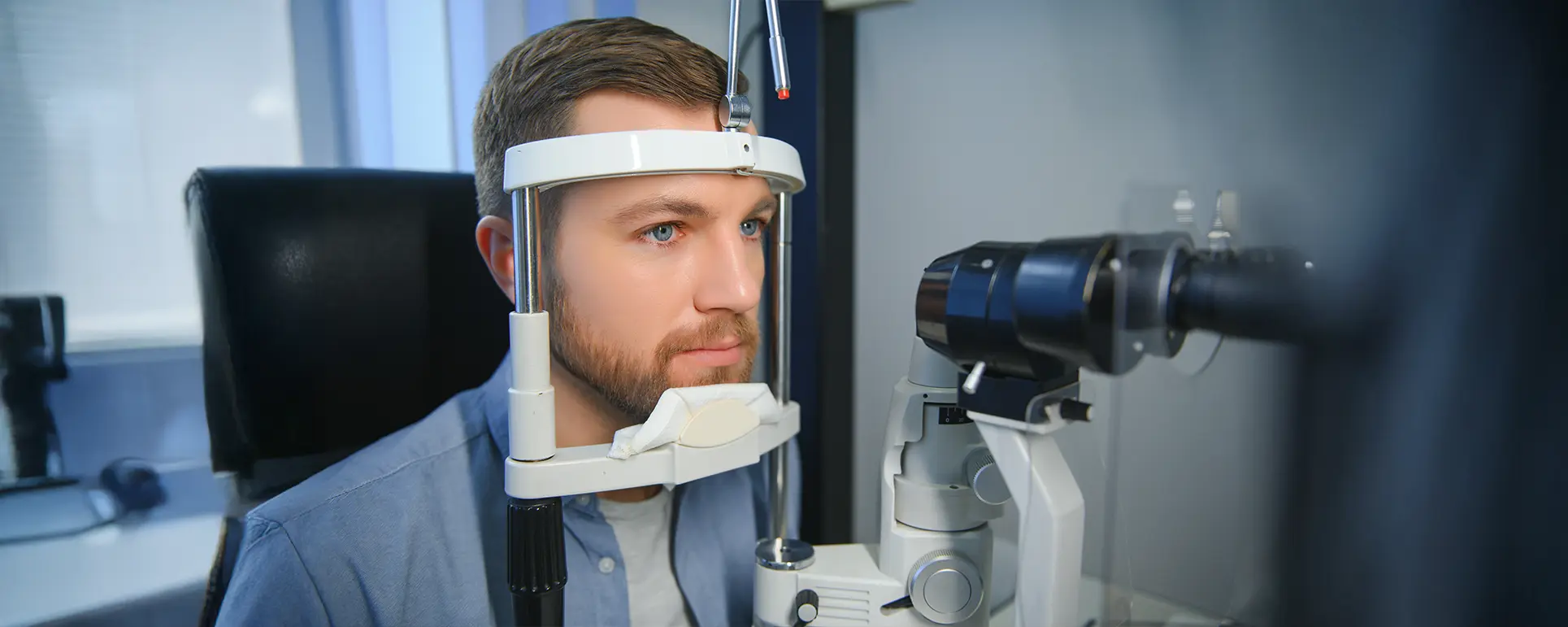
Enhancements are not a sign that your original procedure failed. They’re simply a way to fine-tune your vision if your eyes change over time, which is completely normal. Many patients need small adjustments years after their first treatment, especially if their prescription was higher to begin with or if age-related changes naturally occur.
A laser eye surgery enhancement is a quick, precise procedure designed to sharpen your vision when minor regression happens. It follows the same principles as your original treatment but usually requires less correction and involves a shorter healing period. The goal is to restore the clarity you enjoyed right after your first surgery.
Not everyone will need an enhancement, and surgeons decide suitability based on factors like corneal thickness, stability of your prescription, overall eye health, and the type of procedure you had initially. A thorough examination helps determine whether an enhancement is the safest and most effective option or if another solution like glasses or contact lenses might be better.
In this article, I’ll walk you through what enhancements involve, who might benefit from one, how surgeons determine eligibility, and what recovery typically looks like. By the end, you’ll know exactly when a touch-up might make sense and whether it’s worth considering for your own long-term vision clarity.
What Is a Laser Eye Surgery Enhancement?
A laser enhancement is a secondary procedure performed after an initial LASIK or LASEK treatment to fine-tune your results. Its purpose is to correct small refractive errors that may develop over time, helping restore the sharp vision you had right after your first surgery.
Enhancements are usually much quicker than the original procedure and often require less correction. They use the same advanced laser technology but involve a shorter treatment time and a simpler process overall.
In most cases, results are excellent, and the recovery tends to be easier and more comfortable than the first time around. Most patients return to normal activities quickly and enjoy noticeably clearer, more stable vision.
Why Do Some Patients Need Enhancements?
Most people enjoy sharp, long-lasting vision after laser eye surgery, often for many years. But your eyes can still change naturally over time, which is why some patients eventually need an enhancement.
Here are the most common reasons why you might need a touch-up:
1. Prescription Regression: Regression means your prescription shifts slightly after surgery. This doesn’t mean your surgery “wore off”; it simply means your eyes have changed.
Common reasons include:
Higher prescriptions before surgery: Stronger prescriptions can increase the chance of slight regression over time.
Younger age at treatment: Younger patients may experience more natural vision changes after surgery.
Slight undercorrection: A small amount of undercorrection can leave mild blur or the need for enhancements.
Natural healing variations: Individual healing differences can affect long-term visual stability.
2. Age-Related Vision Changes: As you get older, it’s completely normal for your vision to change especially after 40 when presbyopia (near-vision difficulty) begins. Enhancements don’t fix presbyopia, but they can refine your distance vision so you rely less on glasses.
3. Astigmatism Adjustment: Sometimes, very small amounts of residual astigmatism remain after the initial treatment. A quick enhancement can smooth this out and sharpen your vision.
4. Healing Differences Between Eyes: Your eyes don’t always heal identically. One may respond slightly differently to the laser, leaving a mild difference in clarity. Enhancements help balance both eyes for more consistent results.
How Common Are Laser Enhancements?
Understanding how common laser enhancements are can help you feel more confident about long-term results and what to expect after surgery.
On average:
LASIK enhancement rates: On average, about 2–5% of LASIK patients may need an enhancement.
LASEK enhancement rates: On average, around 3–7% of LASEK patients may require a follow-up correction.
Signs You May Need a Laser Eye Surgery Touch-Up
Knowing the signs that you may need a laser eye surgery enhancement can help you recognise subtle changes in your vision early. If you begin noticing increasing blur, difficulty seeing at night, or a gradual return of your previous prescription, these shifts may indicate that your eyes have changed slightly over time.
Understanding these signs can help you determine whether a touch-up could restore the sharpness you once had. By paying attention to these changes and discussing them with your surgeon, you can decide if an enhancement is the right step for improving or maintaining your long-term vision clarity.
You might be a candidate if:
Blurred distance vision: Distant objects appear less clear than before.
Worsened night vision: Nighttime vision has become more difficult or dim.
Glare or halos: Lights produce unwanted glare or circular halos.
Unequal vision between eyes: One eye seems sharper or clearer than the other.
Decreased visual sharpness: Overall clarity of vision has noticeably dropped.
Vision changes over time: Sight has gradually shifted after several years.
Who Makes a Good Candidate for an Enhancement?
Not everyone is automatically a candidate for a laser eye surgery enhancement. Surgeons carefully assess several factors to determine if a touch-up will be safe and effective.
1. Your Prescription Has Stabilised: Enhancements should never be performed while your vision is still changing. You’re considered suitable if your prescription has remained stable for at least 12 months.
Conversely, you’re not suitable for an enhancement if your prescription is fluctuating or if you are pregnant or breastfeeding, as hormonal changes during these periods can temporarily affect vision and impact the accuracy of the procedure.
2. You Have Enough Corneal Thickness Left: Enhancements require removing a small amount of additional corneal tissue, so your cornea must be thick enough to safely undergo another laser treatment. Surgeons assess this using advanced scans during your suitability evaluation.
You’re suitable if you have healthy corneal thickness and a strong corneal structure. Conversely, you’re not suitable if your corneas are thin or show signs of conditions like keratoconus or early ectasia. In such cases, alternative treatments may be recommended to protect your eye health.
3. Your Eye Health Is Good: Before performing an enhancement, your surgeon will evaluate overall eye health to ensure the procedure is safe and effective. Key factors include the severity of dry eye, presence of corneal scarring, any signs of infection, eye pressure, and potential macular or retinal issues.
Having good overall eye health significantly increases the likelihood of a successful enhancement and helps reduce the risk of complications during or after the procedure.
4. The Original Surgery Healed Well: A well-healed cornea from your initial surgery is an important factor in determining suitability for an enhancement. If your first procedure healed cleanly without complications, your eyes are better prepared for a touch-up.
Good candidates for an enhancement generally have a stable prescription, sufficient corneal thickness, healthy eyes, and a well-healed original surgery. Meeting all these criteria increases the likelihood of a safe and successful enhancement with optimal results.
Enhancements After LASIK vs LASEK: What’s the Difference?

Enhancement procedures vary depending on whether your original surgery was LASIK or LASEK. Understanding these differences can help set expectations for recovery, safety, and visual outcomes.
Enhancements After LASIK
For LASIK patients, enhancements often involve lifting the original flap created during your first surgery, then applying the laser correction underneath.
Advantages: Laser eye surgery enhancements offer several benefits for patients needing a touch-up. The procedure is very quick, often completed in just a few minutes, and provides immediate improvement in vision. Additionally, enhancements typically involve minimal discomfort, making the experience easier and more convenient than the original surgery.
Considerations: Enhancements are not always possible in every situation. For example, if the original LASIK flap is too old, some surgeons may prefer a surface-based procedure instead. These considerations help ensure the safety and effectiveness of the touch-up while minimising potential risks.
Enhancements After LASEK
Since LASEK doesn’t involve a corneal flap, enhancements are performed as a surface-based laser procedure, much like the original surgery. These touch-ups are typically quicker and simpler, making recovery easier while still effectively refining vision.
Advantages: LASEK enhancements offer several advantages over flap-based procedures. They are safe for patients with thin corneas, avoid the risks associated with creating a corneal flap, and generally provide predictable healing and reliable results.
Considerations: LASEK enhancements typically involve a slightly longer recovery period, similar to the original LASEK procedure. While vision gradually improves over several days, most patients find the process manageable and the long-term results well worth the temporary healing time.
What Happens During an Enhancement Consultation?

An enhancement consultation is a crucial step in determining whether a laser touch-up is appropriate and safe for your eyes. It provides a detailed assessment of your corneal health, prescription stability, and overall eye condition.
A comprehensive assessment may include:
Corneal Mapping (Topography and Tomography): To detect thinning, irregularities, or signs of corneal instability.
Corneal Thickness Measurements (Pachymetry): To ensure there’s enough tissue for another procedure.
Prescription Stability Check: To make sure your vision has not changed recently.
Dry Eye Testing: Because dryness can affect healing and vision clarity.
Pupil Size Measurement: To assess night vision risk.
Retinal Examination: To rule out issues unrelated to the cornea.
What an Enhancement Procedure Is Like
Enhancement procedures are generally quick and less involved than the original laser surgery. Knowing what to expect can help you feel more comfortable and prepared for the touch-up.
During the procedure:
Numbing drops: Eye drops are applied to ensure the procedure is painless.
Laser correction: A laser is used to fix the minor refractive error.
Procedure duration: The entire treatment usually takes less than 10 minutes per eye.
What Recovery Looks Like
Recovery after an enhancement procedure varies depending on whether your original surgery was LASIK or LASEK. Knowing what to expect helps you plan your activities and manage your healing period effectively.
LASIK Enhancement Recovery: After a laser eye surgery enhancement, vision often begins to improve within 24–48 hours. Patients may experience mild dryness or light sensitivity for a few days, but these effects are typically temporary. Most people can return to work and normal activities within a day, making the recovery period relatively quick and convenient.
Restrictions:
Avoid rubbing your eyes: Rubbing can disrupt healing and increase infection risk.
Avoid swimming for 1–2 weeks: Pools, hot tubs, and natural water can introduce bacteria during recovery.
Use prescribed drops as instructed: Following your doctor’s drop regimen helps prevent dryness and infection.
LASEK Enhancement Recovery
Restrictions:
Avoid exercise for a few days: Rest prevents strain and protects healing eyes.
Wear sunglasses outdoors: Sunglasses shield eyes from UV light and reduce discomfort.
Follow lubrication and medication schedule: Using drops and medications as directed supports proper healing.
How Long After Surgery Can You Get an Enhancement?
Timing is crucial for a safe and effective laser eye enhancement. Surgeons carefully wait until your eyes have fully healed and your vision has stabilised before performing a touch-up.
Vision fully stabilised: Your eyesight has stopped changing and reached its final clarity.
Internal healing complete: The eye’s internal structures have fully recovered from surgery.
Consistent prescription measurements: Refraction tests show stable and reliable vision correction.
Are Enhancements Safe?
Enhancements are generally safe when conducted by an experienced surgeon and preceded by a thorough suitability assessment. Using the same advanced laser technology as the original procedure, they maintain a similar safety profile.
The biggest risks come from:
Enhancement too early: Performing a touch-up before vision stabilises increases complication risks.
Insufficient corneal thickness: Thin corneas can make additional laser correction unsafe.
Untreated dryness: Dry eyes can slow healing and affect visual outcomes.
Undiagnosed eye conditions: Hidden eye issues may lead to complications if not identified beforehand.
The main risks arise from performing the procedure too early, having insufficient corneal thickness, untreated dryness, or undiagnosed eye conditions. Choosing a trusted clinic that conducts comprehensive assessments ensures your enhancement is both safe and effective.
Alternatives to Enhancement
If a laser enhancement isn’t suitable, there are still several alternatives to correct your vision. Understanding these options can help you choose the most effective solution for your needs.
Glasses for specific tasks: Small corrections may not require another surgery.
Contact lenses: For patients who can wear them comfortably.
PRK instead of LASIK enhancement: If the LASIK flap is no longer suitable.
Lens-based options: For age-related vision changes, lens replacement may be more effective.
Do Enhancements Cost Extra?
Enhancements typically involve additional costs, though these can vary depending on your clinic and the specifics of your procedure. Knowing how pricing works helps you plan financially and avoid surprises.
Others may charge depending on:
Complexity: Fees may vary based on how complicated the enhancement procedure is.
Time since surgery: Costs can depend on how long it’s been since your original procedure.
Additional aftercare: Extra follow-up or care needs may affect the final price.
FAQs:
- What exactly is a laser eye surgery enhancement (touch‑up)?
An enhancement is a secondary procedure performed after an initial LASIK or LASEK treatment when small refractive errors remain or develop over time. It is not a sign that the original surgery failed but rather a fine‑tuning to optimise your vision if your eyes change slightly, for example due to ageing or slight regression. The enhancement uses the same (or very similar) laser technology as your original surgery and aims to correct any residual prescription in either eye to restore sharper vision. - Why might someone need an enhancement after LASIK or LASEK?
Even though modern procedures achieve excellent results, some patients notice their vision isn’t quite as sharp as immediately post‑surgery. This can happen because of a very small amount of regression (your prescription shifting slightly), age‑related vision changes, residual astigmatism, or uneven healing between the two eyes. Over time, what seemed perfect can feel just a little less crisp, and that’s when a touch‑up may be considered to restore the clarity you expected. - How common are enhancements after laser eye surgery?
Enhancements are relatively uncommon thanks to advances in laser technology and surgical technique. Typical reported rates are around 2‑5 % for LASIK and 3‑7 % for LASEK, though these figures vary depending on patient age, prescription strength, and healing characteristics. The key point is that needing one does not mean your original surgery was unsuccessful it simply means your vision is being fine‑tuned. - How do you know whether you might need a touch‑up?
You might be a candidate for an enhancement if you notice slightly blurred distance vision, increased glare or halos at night, a sense that one eye sees better than the other, or if you’ve noticed a visual change several years after your original procedure. The important thing is that your prescription must have stabilised (no longer changing) before an enhancement can be safely performed. Your surgeon will assess your vision, refraction, and eye health to determine suitability. - What factors do surgeons look at to determine enhancement suitability?
Surgeons look at several key criteria: first, your prescription must be stable for a period (often at least 12 months). Second, your corneal thickness must still be sufficient since enhancements require removing a small additional amount of tissue. Third, your overall eye health (including dry eye status, corneal clarity, absence of infection or scarring) must be good. Essentially, the same rigorous screening you underwent prior to your original surgery applies to the enhancement decision as well. - What’s the difference between an enhancement after LASIK vs after LASEK?
For LASIK patients an enhancement often involves lifting the original corneal flap and applying the laser beneath, which allows a fast recovery often vision improves within 24‑48 hours. For LASEK patients, since the original surface ablation technique didn’t create a flap, the enhancement is also done as a surface‑based laser treatment and tends to involve a slightly slower recovery (similar to your original LASEK). Both procedures are safe but the type of original surgery influences recovery and approach. - What does the recovery period look like after an enhancement?
After a LASIK enhancement most patients experience minimal discomfort, rapid vision improvement (often in one to two days), and can return to work very quickly. After a LASEK enhancement the recovery is slower: you may need to use bandage contact lenses, expect some light sensitivity and mild discomfort for a few days, and vision may stabilise over a week or two. In both cases you’ll follow post‑operative instructions (drops, avoid rubbing eyes, protect from water or dust) to ensure optimal healing. - How long should you wait after your original surgery before getting an enhancement?
You should wait until your vision has fully stabilised and your eyes have completely healed from the initial procedure. Many surgeons recommend waiting at least three to twelve months, though in some cases it may be longer. Attempting an enhancement too early can increase risk of unnecessary treatment or less optimal results if your prescription is still shifting. - Are enhancements safe and do they carry extra risk?
Yes when done by an experienced surgeon in a suitable candidate, enhancements are very safe and carry a similar risk profile to the original procedure. The main risks arise if your cornea is too thin, your eye surface is unstable, or the enhancement is done prematurely before vision stabilises. That’s why a full assessment is essential ensuring you are still a good candidate significantly reduces any added risk. - What alternative options exist if I’m not suitable for an enhancement?
If you are not a good candidate for a laser enhancement (for example due to insufficient corneal thickness or unstable eye surface), alternatives include using glasses for specific tasks (especially near vision), contact lenses if you tolerate them, or considering a different surgical approach such as a surface procedure (if a flap was used originally) or lens‑based treatment if age‑related changes are prominent. Your surgeon will discuss the most appropriate backup option and why an enhancement may or may not be recommended.
Final Thoughts: Clear Nights Ahead
Seeing halos or glare after LASEK can feel unsettling at first, especially when you’re adjusting to life without glasses. But these light effects are a completely normal part of healing. As your cornea smooths and your eyes adapt, your night vision becomes sharper, clearer, and more comfortable. Over time, most patients find their vision stabilises, and minor imperfections gradually fade.
Regular follow-ups and proper eye care after surgery help ensure the best long-term results and maintain overall eye health. If you’re considering laser surgery in London, you can contact us at Eye Clinic London to discuss whether this treatment is the right choice for your vision goals, understand the process in detail, and learn how it can help improve your vision safely and effectively.
References:
- Kuryan, J., Corbett, M., Kirwan, C., et al. (2017) ‘Laser‑assisted subepithelial keratectomy (LASEK) versus laser in situ keratomileusis (LASIK) for correcting myopia: systematic review and meta‑analysis’, Eye, 31(4), pp. 515‑522. Available at: https://pmc.ncbi.nlm.nih.gov/articles/PMC5408355/
- Tamimi, A., Sheikhzadeh, F., Ezabadi, S.G., et al. (2023) ‘Post‑LASIK dry eye disease: A comprehensive review of management and current treatment options’, Frontiers in Medicine, 10:1057685. Available at: https://www.ncbi.nlm.nih.gov/pmc/articles/PMC1057685/
- Peyman, A., et al. (2025) ‘Quality of Life After Laser Vision Correction: A Systematic Review’, Investigative Ophthalmology & Visual Science, [online]. Available at: https://www.ncbi.nlm.nih.gov/pmc/articles/PMC11730016/
- Siedlecki, J., et al. (2019) ‘Enhancement Options After Myopic Small‐Incision Lenticule Extraction’, Journal of Refractive Surgery, [online]. Available at: https://www.sciencedirect.com/science/article/pii/S2162098923004784
- Moshirfar, M., Basharat, N.F., Bundogji, N., Ungricht, E.L., Darquea, I.M. & Conley, M.E., 2022. ‘Laser‑Assisted In Situ Keratomileusis (LASIK) Enhancement for Residual Refractive Error after Primary LASIK’, Journal of Clinical Medicine, 11(16), 4832. Available at: https://www.mdpi.com/2077‑0383/11/16/4832