


Can Laser Eye Surgery Be Repeated? (Enhancement Explained)
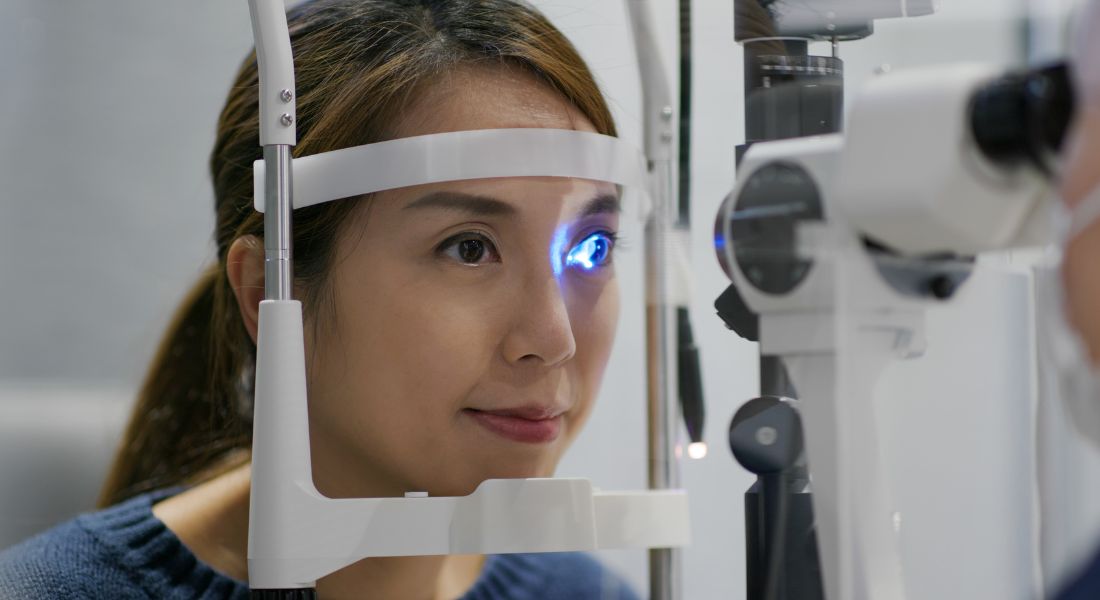
Laser eye surgery is designed to provide long-term vision correction for most patients. However, you may wonder whether the procedure can be repeated if your vision changes over time. This is a common and understandable question. While results are often stable, small changes in vision can still occur.
In some cases, a second procedure known as an enhancement may be possible. This is usually carried out to refine or improve the original outcome. Your surgeon will assess your eyes carefully before recommending any further treatment. Enhancements are only considered when they are safe and beneficial.
Understanding when repeat surgery is appropriate helps you make informed decisions about your eye care. Not everyone will need or be suitable for an enhancement procedure. Several factors, including corneal thickness and overall eye health, will be evaluated. A personalised approach ensures the best possible outcome for your vision.
What Is a Laser Eye Surgery Enhancement?
A laser eye surgery enhancement is a follow-up procedure performed after your initial treatment to further improve your vision. While most people achieve excellent results from their first surgery, a small number may benefit from an additional adjustment. The aim of an enhancement is to fine-tune your visual outcome and provide clearer, more precise vision.
You might be advised to consider an enhancement if your eyesight is not fully corrected or if minor changes occur during the healing process. This does not mean your original procedure was unsuccessful it simply reflects how your eyes have responded individually.
- Refining your visual result: An enhancement focuses on correcting any remaining refractive error. Even small adjustments can make a noticeable difference in clarity and sharpness.
- Why an enhancement may be needed: In some cases, your eyes may heal slightly differently than expected, or your prescription may not settle exactly as planned. Enhancements help address these minor variations.
- A less complex procedure: Compared to the initial surgery, enhancements are usually quicker and more straightforward. The treatment area has already been prepared, so the process often involves minimal additional work.
- Maintaining precision and safety: Careful measurements are taken again before the enhancement to ensure accuracy. Your surgeon will only recommend it if it is safe and likely to improve your vision.
Enhancements are a normal part of modern laser eye care for some patients. By refining your results, they help ensure you achieve the best possible long-term visual outcome.
Why Vision May Change After Surgery

Your vision can change over time due to natural factors, even after laser eye surgery. Ageing is one of the most common reasons, as the eye continues to evolve throughout your life. For example, you may notice changes in near vision as you get older. These shifts are a normal part of long-term eye health.
You may also experience a small degree of regression after surgery. This means that part of the original correction may gradually reduce over time. The extent of this change varies from person to person. In many cases, the change is mild and does not significantly affect daily activities.
Understanding these natural changes helps explain why an enhancement procedure may sometimes be considered. It does not mean the original surgery has failed. Rather, it reflects how your eyes adapt over time. Some variation in vision is completely normal.
How Common Are Enhancements?
Enhancement procedures are relatively uncommon, but they are not rare. Most people achieve stable, long-lasting vision after a single laser eye surgery. However, a small percentage of patients may need further correction at some point. This usually depends on how your eyes respond over time.
You should not assume that you will need an enhancement. Each person’s healing and visual outcome is different. Some patients maintain excellent vision for many years without any additional treatment. Outcomes can vary based on individual factors such as age and prescription.
Modern laser technology has significantly reduced the need for repeat procedures. Advances in precision and customisation have improved accuracy during the initial surgery. This means results are more predictable than ever before. As a result, most patients do not require further treatment.
When an Enhancement May Be Recommended
An enhancement may be recommended if your vision is not as clear as expected after the initial healing period. Your surgeon will usually wait until your vision has stabilised before considering any further treatment. This allows an accurate assessment of your results. Timing plays an important role in deciding the next step.
You may also be considered for an enhancement if your vision changes later in life. This depends on the underlying cause of the change. Not all vision changes require another procedure, as some can be managed in other ways. Your individual situation will guide the decision.
Your specialist will carefully evaluate whether an enhancement is appropriate for you. This includes reviewing your eye health, corneal thickness, and previous treatment results. Every decision is made on a personalised basis. Careful assessment helps ensure safe and effective outcomes.
Importance of Stable Vision Before Repeat Surgery
Before considering a laser eye surgery enhancement, your vision needs to be stable. This means your prescription should no longer be changing and your eyes have fully settled after the initial procedure. Stability is essential because it allows your surgeon to make precise adjustments that will last over time. You may be asked to wait several months after your first surgery before any repeat treatment is considered. This waiting period gives your eyes enough time to heal properly and for your vision to stabilise naturally.
- Ensuring consistent prescription measurements: Your doctor will check that your vision has remained steady over multiple visits. This consistency confirms that it is the right time to plan an enhancement.
- Allowing full healing of the eye: The cornea continues to settle after surgery. Giving it enough time to heal ensures that any further treatment is performed on a stable surface.
- Avoiding early intervention risks: Performing an enhancement too soon can lead to unpredictable results. Waiting reduces the chance of overcorrection or undercorrection.
- Supporting long-term accuracy: When your vision is stable, your surgeon can plan the enhancement more precisely. This improves the likelihood of achieving clear, lasting visual results.
Taking the time to ensure stability is a key part of safe and effective treatment. Although waiting may require patience, it helps deliver the best possible outcome for your vision.
Assessing Corneal Thickness Again
Your corneal thickness must be reassessed before any repeat laser eye procedure. This check ensures there is enough corneal tissue to safely perform further treatment. Since laser surgery removes a small amount of tissue, this step is especially important the second time. Safety always remains the top priority.
If your cornea is found to be too thin, you may not be suitable for an enhancement procedure. In this situation, your surgeon may discuss alternative options that better suit your eye health. These recommendations are made to protect your vision in the long term. Careful evaluation helps avoid unnecessary risks.
Reassessing corneal thickness plays a key role in preventing complications. It allows your surgeon to make informed and precise decisions about your care. Accurate measurement ensures that any additional treatment is both safe and effective. This step is essential for maintaining healthy eyes.
Checking Corneal Health
The health of your cornea is reviewed again before considering an enhancement procedure. Your surgeon will check for any irregularities or changes in the corneal structure. Conditions such as Keratoconus must be carefully ruled out. Identifying any concerns early helps ensure your safety.
You may undergo detailed imaging tests as part of this assessment. These scans provide precise information about the shape and condition of your cornea. They help your surgeon understand whether your eyes are suitable for further treatment. This information plays a key role in decision-making.
A healthy corneal structure is essential for repeat surgery. It ensures that the eye can tolerate additional treatment safely. Thorough checks reduce the risk of complications. Careful evaluation helps achieve the best possible outcome.
Types of Enhancement Procedures
When an enhancement is needed, it is usually performed using techniques similar to your original laser eye surgery. Depending on your eye condition and how your eyes have healed, your surgeon will choose the most appropriate method. The aim is always to refine your vision safely and effectively. In some cases, the same approach used in your first procedure may be suitable, while in others, a different technique may provide better results. Your treatment plan is always tailored to your current eye measurements.
- Using familiar surgical techniques: Enhancements may be carried out using methods such as LASIK or surface-based procedures. These techniques allow your surgeon to make precise adjustments to your vision.
- Adapting to your eye’s current condition: Your eyes may have changed slightly since the initial surgery. Your surgeon will assess factors such as corneal thickness and healing before deciding on the best approach.
- Choosing a personalised treatment method: You may not necessarily have the same procedure again. The decision is based on what will provide the safest and most effective outcome for your eyes now.
- Focusing on safety and precision: Every enhancement is carefully planned using updated measurements. This ensures that the treatment is accurate and that risks are minimised.
By selecting the right technique for your specific situation, your surgeon can refine your vision with a high level of precision. Personalised care plays a key role in achieving the best possible results from your enhancement procedure.
How the Procedure Is Performed
An enhancement procedure is usually quick and carefully controlled. It generally follows a similar process to your original laser eye surgery. Because of this, you may find the experience more familiar and reassuring. The treatment itself typically takes only a few minutes for each eye.
You are unlikely to feel significant discomfort during the procedure. Anaesthetic eye drops are used to numb the surface of your eye. You may notice slight pressure or awareness, but this is usually mild. Your comfort is a priority throughout the treatment.
Understanding how the procedure works can help reduce any anxiety you may have. Knowing what to expect makes the experience feel more manageable. Your surgeon will guide you through each step on the day. Clear information helps you feel more confident and prepared.
Recovery After an Enhancement

Recovery after an enhancement procedure is usually similar to your initial laser eye surgery. You may notice mild discomfort, dryness, or slight irritation in the first few days. These effects are temporary and part of the normal healing process. Most patients find that symptoms improve fairly quickly.
Healing time can vary depending on the technique used and how your eyes respond. Some people experience clear vision within a short period, while others may need a little more time for their sight to stabilise. Your surgeon will monitor your progress during follow-up visits. This helps ensure your recovery is on track.
Following your aftercare instructions is essential for a smooth recovery. This may include using prescribed eye drops and avoiding activities that could strain your eyes. Proper care supports healing and improves your final results. Taking these steps helps ensure the success of your enhancement.
Risks of Repeat Laser Eye Surgery
As with any procedure, there are some risks associated with an enhancement. You may experience temporary dry eyes, glare, or mild visual disturbances after treatment. In most cases, these effects are manageable and improve as your eyes heal. Your surgeon will explain what to expect based on your individual situation.
The risk profile for a repeat procedure can differ slightly from your first surgery. This depends on factors such as your corneal thickness, healing response, and overall eye health. Because your eyes have already undergone treatment, careful assessment is especially important. Individual factors play a key role in determining safety.
Discussing potential risks with your specialist helps you make an informed decision. You will have the opportunity to ask questions and understand both the benefits and limitations of further treatment. Being aware of possible outcomes allows you to feel more prepared. Clear information supports confident decision-making.
Benefits of an Enhancement
An enhancement procedure offers the opportunity to further improve your vision after your initial laser eye surgery. While most patients achieve excellent results the first time, an enhancement can help refine any remaining imperfections. The goal is to optimise your visual clarity and ensure you achieve the best possible outcome. For many people, even a small improvement in vision can make a noticeable difference in daily life. Enhancements are designed to fine-tune your results with precision and care.
- Improved visual clarity: The main benefit is sharper, clearer vision. Small residual prescription errors can be corrected, helping you see more comfortably in everyday situations.
- Reduced dependence on glasses or contact lenses: You may find that you rely even less on corrective eyewear after an enhancement. This added freedom can make activities such as driving, working, or exercising more convenient.
- Better overall quality of life: Clearer vision can enhance confidence and make daily tasks easier. Many patients notice an improvement in how they experience both work and leisure activities.
- Greater satisfaction with your results: Enhancements allow your surgeon to fine-tune your outcome. This helps ensure your vision meets your expectations as closely as possible.
An enhancement is a valuable option if your vision needs a small adjustment. By refining your results, it helps you get the most out of your original procedure and enjoy long-term visual comfort.
Who May Not Be Suitable for Repeat Surgery
Not all patients are suitable for an enhancement procedure. Factors such as thin corneas or certain eye conditions may make repeat treatment unsafe. Your surgeon will carefully assess your eye health before recommending any further surgery. Safety is always the main priority.
You may also not be suitable if your vision changes are related to ageing. For example, Presbyopia cannot usually be corrected with standard laser techniques. In these cases, other treatment options may be more appropriate. Understanding the cause of your vision change is essential.
Your specialist will guide you through your suitability and explain your options clearly. If an enhancement is not recommended, alternative treatments may still be available. These are chosen to suit your individual needs and eye condition. Personalised care ensures the best approach for your long-term vision.
Alternatives to Repeat Laser Surgery
If an enhancement is not suitable for you, there are still effective ways to correct your vision. Glasses or contact lenses can provide clear and reliable vision without the need for further surgery. These options can be tailored to your current prescription and lifestyle. Many patients find them a practical solution.
In some cases, your specialist may recommend a lens-based procedure instead of repeat laser treatment. This depends on factors such as your eye health, age, and the reason for your vision change. Procedures involving implanted lenses can offer an alternative approach to correcting refractive errors. Your surgeon will explain whether this option is appropriate for you.
Exploring alternative treatments ensures that you can still achieve good visual outcomes. Your specialist will guide you through the available choices and help you select the most suitable option. Even if laser enhancement is not recommended, you will still have options. Personalised advice helps you move forward with confidence.
Long-Term Vision Stability
Most patients enjoy stable vision after laser eye surgery for many years. Enhancements are only needed in a small number of cases where changes occur over time. In general, long-term outcomes are very positive. Many people continue to experience clear and reliable vision without further treatment.
You should still attend regular eye check-ups to monitor your vision and overall eye health. These visits help detect any changes early, even if your vision feels stable. Early identification allows simple and effective management when needed. Preventive care plays an important role in maintaining good eyesight.
Looking after your eye health helps support lasting results after surgery. This includes following professional advice and maintaining healthy visual habits. Taking consistent care reduces the likelihood of needing additional treatment. Small steps can make a big difference over time.
Importance of Regular Eye Check-Ups

Even after successful laser eye surgery, regular eye check-ups remain an important part of your long-term care. These appointments help ensure that your eyes stay healthy and that your vision remains stable over time. While you may feel your eyesight is fine, some subtle changes can occur without obvious symptoms. Routine examinations allow your eye specialist to monitor your progress and detect any early signs of concern. This proactive approach helps maintain both your vision and overall eye health.
- Monitoring eye health over time: Your doctor will check the condition of your cornea, retina, and overall eye structure. This helps ensure that your eyes continue to function well after surgery.
- Detecting subtle vision changes early: Small changes in vision may not be noticeable at first. Regular assessments help identify these changes before they begin to affect your daily life.
- Checking the stability of your results: Follow-up visits confirm that your vision remains stable and that the outcomes of your surgery are lasting as expected.
- Ensuring timely intervention if needed: If any issues are detected, they can be managed early. Prompt care often prevents minor concerns from developing into more significant problems.
By attending regular check-ups, you take an active role in protecting your eyesight. Ongoing care supports long-term success and helps you continue to enjoy clear, comfortable vision for years to come.
Setting Realistic Expectations
It is important to understand that an enhancement is not always necessary. Most patients achieve very good results from their initial laser eye surgery. Your outcome will depend on your individual eye characteristics and healing response. Keeping realistic expectations helps you feel more satisfied with your results.
You may notice small imperfections in your vision after surgery. These are often mild and may not require any further treatment. In many cases, they do not interfere with your daily activities. Maintaining a balanced perspective is important when evaluating your vision.
Understanding what the procedure can realistically achieve helps align your expectations with the outcome. Your surgeon will explain what you can expect based on your eyes and prescription. Clear communication ensures you feel informed and prepared. This approach supports a more positive overall experience.
When to Contact Your Specialist
You should contact your specialist if you notice any changes in your vision after laser eye surgery. Symptoms such as blurring, reduced clarity, or signs of regression should be evaluated promptly. Early assessment helps identify the cause and determine whether any action is needed. Addressing concerns sooner can prevent further issues.
It is important not to assume that vision changes will resolve on their own. Seeking professional advice ensures that your eyes are properly assessed and managed. Your specialist can provide guidance based on your specific situation. Timely attention often leads to better outcomes.
Regular follow-up appointments also play a key role in maintaining your vision. These visits allow your specialist to monitor your eye health over time. Ongoing support helps ensure long-term stability and comfort. Keeping open communication with your eye care team is essential.
FAQs:
- Can laser eye surgery really be repeated?
Yes, laser eye surgery can be repeated in some cases through a procedure known as an enhancement. This is only done if it is safe and appropriate for your eyes. Your specialist will assess whether you are a suitable candidate. Not everyone will require or qualify for a repeat procedure. - How long do you need to wait before having an enhancement?
You will usually need to wait several months after your initial surgery. This allows your vision to stabilise fully. The exact timing varies depending on your healing and results. Your specialist will advise when it is safe to proceed. - Why might you need a second laser eye procedure?
You may need an enhancement if your vision is not fully corrected or if it changes over time. This can be due to natural healing responses or ageing. In some cases, a small degree of regression may occur. An enhancement helps refine the outcome. - Is an enhancement procedure safer than the first surgery?
Enhancements are generally considered safe when performed on suitable candidates. They are often less extensive than the original procedure. However, all surgery carries some risk. Careful assessment ensures safety is prioritised. - Will the results of an enhancement last?
In many cases, the results are long-lasting. However, your vision may still change over time due to ageing. Conditions such as presbyopia can develop later in life. Regular eye checks help monitor any changes. - Can everyone have an enhancement after laser eye surgery?
No, not everyone is suitable for repeat surgery. Factors such as corneal thickness and overall eye health are important. If your cornea is too thin, another procedure may not be safe. Your specialist will guide you based on your individual condition. - Is the recovery quicker after an enhancement?
Recovery is often similar to your first procedure, but it can sometimes be quicker. This depends on the technique used. You may experience mild discomfort or dryness. Following aftercare advice supports healing. - What are the risks of having laser eye surgery again?
The risks are similar to the initial procedure and may include dry eyes, glare or temporary visual disturbances. These are usually mild and manageable. The overall risk depends on your eye health. Discussing this with your specialist is important. - What happens if you are not suitable for an enhancement?
If you are not suitable, your specialist will explain why. Alternative options such as glasses, contact lenses, or lens-based treatments may be recommended. The goal is to find the safest and most effective solution. You will still have options available. - How do you know if you need an enhancement?
You may notice blurred vision or a decline in clarity after surgery. A detailed eye examination is needed to confirm this. Your specialist will assess your results and stability. They will then advise whether an enhancement is appropriate.
Final Thoughts: Understanding Laser Eye Surgery Enhancements
Laser eye surgery is designed to provide long-term results, but small changes in vision can occur over time. In selected cases, an enhancement procedure offers a safe and effective way to refine your outcome. The key is careful assessment, as not everyone will need or be suitable for repeat treatment.
Understanding how and why enhancements are performed can help you feel more confident about your options. With modern techniques and thorough follow-up care, most patients achieve stable and satisfactory vision after their initial procedure. Enhancements are simply an additional option when further refinement is needed. If you’d like to find out whether laser surgery in London is suitable for you, feel free to contact us at Eye Clinic London to arrange a consultation.
References:
- Moshirfar, M., Basharat, N.F., Bundogji, N., Ungricht, E.L., Darquea, I.M., Conley, M.E., Ronquillo, Y.C. and Hoopes, P.C., 2022. Journal of Clinical Medicine, 11(16), p.4832. https://www.mdpi.com/2077-0383/11/16/4832
- Moshirfar, M., Basharat, N.F., Bundogji, N., et al., 2022. Journal of Clinical Medicine, 11(16), p.4832. https://pubmed.ncbi.nlm.nih.gov/36013070/
- Bamashmus, M.A., Al-Akhlee, H.A., Al-Azani, Y.A. and Al-Kershy, N.A., 2019. Taiwan Journal of Ophthalmology, 10(4), pp.264–268. https://pubmed.ncbi.nlm.nih.gov/33437599/
- Moshirfar, M., Basharat, N.F., Bundogji, N., et al., 2022. Journal of Clinical Medicine, 11(16), p.4832. https://pmc.ncbi.nlm.nih.gov/articles/PMC9410252/
- Soundarya, B., Sachdev, G.S., Ramamurthy, S., Kumar, S.K. and Dandapani, R., 2023. Indian Journal of Ophthalmology, 71(5), pp.1845–1848. https://pmc.ncbi.nlm.nih.gov/articles/PMC10391394/