


Laser Eye Surgery for Contact Lens Intolerance: Find Relief

The good news is that you no longer have to tolerate the discomfort caused by contact lenses. For many people, dryness, irritation, and the constant maintenance of lenses can become frustrating and interfere with daily life. Laser eye surgery offers a long-term solution by correcting your vision directly, eliminating the need for contacts altogether.
By reshaping the cornea with advanced laser technology, the procedure reduces or removes dependence on lenses, allowing you to enjoy clear vision without the hassles of cleaning, inserting, or adjusting contacts. Many patients find immediate improvements in comfort, while long-term benefits include freedom from irritation and a more natural visual experience.
In this article, we’ll explore why contact lens intolerance happens, how laser eye surgery can provide relief, and what you can expect throughout the process. If you’ve been caught between uncomfortable lenses and glasses you’d rather avoid, this guide will help you understand your options and take the first steps toward clearer, more comfortable vision.
What Is Contact Lens Intolerance (CLI)?
Why Do You Develop Contact Lens Intolerance?
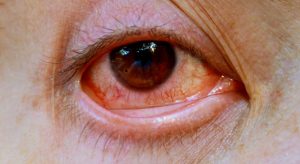
Many long-term contact lens wearers eventually experience discomfort or find lenses difficult to tolerate. This condition, known as contact lens intolerance (CLI), can arise from a variety of factors, ranging from dry eye disease to changes in corneal shape or lens fit. Understanding why intolerance develops is important for identifying effective solutions, whether through improved lens care, medical treatment, or permanent vision correction options like laser eye surgery.
There are several reasons why your eyes may stop tolerating lenses are:
Dry Eye Disease: Dry eye disease is the leading cause of contact lens intolerance (CLI). Contact lenses reduce oxygen flow to the cornea and absorb the eye’s natural tears, which can worsen dryness and irritation over time. Common symptoms include burning sensations, a gritty feeling, blurred vision, and morning discomfort. For many, long-term lens wear simply becomes unsustainable due to chronic dryness.
Allergies and Eye Sensitivity: Seasonal allergies or sensitivities to pollen, dust, or pollution can inflame the eyes, making contact lenses painful or uncomfortable to wear. Additionally, some people develop reactions to lens materials or cleaning solutions over time. These sensitivities can further reduce tolerance for lenses and increase the likelihood of eye irritation.
Overuse of Contact Lenses: Wearing lenses excessively such as all day, overnight, beyond the recommended usage period, or in dry environments can stress the cornea and reduce oxygen delivery. Over time, this cumulative strain can lead to contact lens intolerance, as the eyes become less capable of tolerating lenses safely.
Giant Papillary Conjunctivitis (GPC): GPC is a common inflammatory response on the inner eyelid caused by long-term contact lens wear. Symptoms include mucus buildup, itching, redness, and irritation that can make lens wear unbearable. Patients with recurrent GPC are often advised to consider laser eye surgery as a permanent alternative to lens dependency.
Poor Lens Fit or Old Prescriptions: Over time, changes in eye shape or prescription shifts can make lenses fit poorly or feel unstable. Even minor differences in curvature or prescription can cause discomfort, blurred vision, or frequent lens adjustments, reducing overall wearability.
Corneal Changes: Long-term contact lens use can lead to corneal complications such as dry eye, keratoconus, epithelial erosions, or corneal warpage. These changes may make it unsafe or impossible to continue wearing lenses, often leaving laser eye surgery as the most practical solution for restoring comfort and clear vision.
Why Laser Eye Surgery Is One of the Best Solutions for Contact Lens Intolerance

If you’re experiencing contact lens intolerance, laser eye surgery is one of the most reliable ways to break the cycle of discomfort. Instead of relying on a foreign object to correct your vision, laser surgery reshapes your cornea so you can see clearly without lenses at all.
Here’s why so many people choose this option:
It Eliminates the Need for Contact Lenses Completely: When your cornea is reshaped to correct your vision, contact lenses are no longer necessary. This means you no longer experience dryness, irritation, itching, or the hassle of nightly cleaning routines. Your eyes can receive the full oxygen they were missing while wearing lenses, improving overall ocular health. For many, this is a transformative change, allowing them to forget the daily burden of lens maintenance.
It Improves Comfort by Restoring the Eye’s Natural Tear Balance: Contact lenses disrupt the tear film, reducing natural lubrication and sometimes contributing to chronic dryness. By eliminating lenses, your eyes can recover, and laser eye surgery does not interfere with tear production in the same way. Over time, this helps restore a more natural tear balance, making your eyes feel softer, less irritated, and more comfortable throughout the day.
It Reduces Inflammation and Allergies: Without a lens sitting on the cornea, inflammation and allergic reactions often improve. Symptoms like redness, irritation, and discomfort diminish, and conditions such as giant papillary conjunctivitis (GPC) stop recurring. Your eyelids relax, and the overall ocular surface becomes healthier, reducing the risk of flare-ups or chronic irritation associated with long-term lens use.
It Offers Long-Term Vision Correction: Laser eye surgery provides stable and long-lasting improvements for refractive errors such as myopia, hyperopia, and astigmatism. Dependence on glasses or contact lenses is greatly reduced, often eliminated entirely. Once corrected, your vision remains predictable and reliable, giving you years of clear sight without the recurring costs or inconvenience of lenses.
It Improves Quality of Life: Laser eye surgery allows you to wake up and see clearly without reaching for lenses, shower, swim, or exercise without discomfort, and avoid last-minute lens emergencies. You no longer need to worry about running out of solution, or struggling through long workdays with irritated eyes. The freedom and comfort provided by laser vision correction are unparalleled compared with traditional contact lens wear, offering a significant improvement in daily life and overall convenience.
Which Laser Procedures Are Best for Contact Lens Intolerance?
LASIK: LASIK is the most common procedure for people moving away from contact lenses because it offers fast healing, minimal discomfort, and clear vision often within hours. Its high accuracy allows patients to return to daily activities almost immediately, making it ideal for busy lifestyles or those who cannot tolerate downtime. If your corneas are healthy and thick enough, LASIK is usually the first choice, providing predictable and long-lasting results while reducing dependence on glasses and lenses.
PRK (Photo-Refractive Keratectomy): PRK is particularly suitable for individuals with thinner corneas or mild chronic dryness. Unlike LASIK, it does not create a corneal flap, which reduces disruption to the corneal surface and lowers the risk of flap-related complications. PRK is also ideal for patients who have experienced lens-induced corneal warpage. While the healing process is slower often requiring several weeks for vision to fully stabilise the long-term results are just as reliable and stable as LASIK, offering excellent correction for myopia, hyperopia, and astigmatism.
SMILE (Small Incision Lenticule Extraction): SMILE is a flap-free laser procedure that has become increasingly popular for patients concerned about dry eye. Because it minimally impacts corneal nerves, SMILE carries the lowest risk of post-operative dryness compared with LASIK and PRK. It is suitable for moderate to high prescriptions and provides excellent corneal stability. Recovery is relatively quick, and patients often regain functional vision within a few days. Many individuals with chronic dryness or those who have struggled with contact lens discomfort find SMILE to be the most comfortable and long-term solution for lens-free vision.
How Long Do You Need to Stop Wearing Contact Lenses Before Laser Surgery?
Before laser eye surgery, it’s essential to stop wearing contact lenses to allow your eyes to return to their natural shape. Contact lenses, especially when worn for long periods, can temporarily alter the curvature of the cornea. If these changes are present during pre-surgery measurements, they can affect the accuracy of the laser correction and the overall safety and effectiveness of the procedure.
Soft contact lenses usually require a break of 3–7 days before surgery. Toric lenses, which are designed to correct astigmatism, need a slightly longer rest period of 10–14 days. This extra time ensures the cornea stabilises and provides precise measurements for the laser treatment, reducing the risk of under- or over-correction.
Hard or rigid lenses, such as Rigid Gas Permeable (RGP) or Ortho-K lenses, require the longest period of discontinuation typically 3–4 weeks, and sometimes longer depending on the duration of lens use. This extended rest period is crucial because rigid lenses can significantly reshape the cornea. Allowing the cornea to fully recover ensures that your surgeon can achieve the most accurate and reliable results from the laser procedure.
Are You a Good Candidate for Laser Eye Surgery?
Laser eye surgery can be a life-changing solution for individuals struggling with contact lens intolerance, chronic dryness, or vision that requires constant correction. However, not everyone is an ideal candidate. Suitability depends on factors such as corneal health, eye stability, and underlying medical conditions. A thorough assessment by a qualified surgeon ensures that the procedure is safe and effective for your eyes and lifestyle.
You are likely suitable if:
- You struggle with ongoing dryness from lenses
- You have allergies or GPC
- Your vision is stable
- Your corneas are healthy
- You want long-term freedom from lenses
You may not be suitable if you have:
- Advanced corneal disease
- Uncontrolled dry eye
- Autoimmune issues affecting the eyes
- Extremely thin corneas
What to Expect During Your Consultation
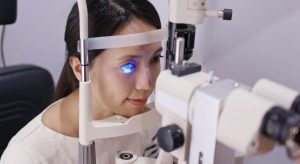
Your consultation is one of the most important steps before undergoing laser eye surgery. It starts with a comprehensive vision assessment to determine your current prescription and identify any fluctuations or irregularities. This ensures that the procedure is based on accurate measurements, which is crucial for achieving the best possible visual outcome.
Next, your surgeon will measure corneal thickness and perform corneal topography. These tests create a detailed map of the cornea’s shape and curvature, helping the surgeon select the safest and most precise laser technique. Understanding the corneal structure is vital for preventing complications and ensuring that the laser reshapes the eye accurately.
Dry eye assessment and tear film evaluation are also essential parts of the consultation. Adequate tear production and eye surface health are critical for comfort during and after surgery. Identifying and managing any dry eye issues beforehand helps improve healing, reduces the risk of complications, and ensures a smoother recovery process.
Finally, your pupil size and prescription stability are carefully evaluated. Pupil size can affect how you experience glare or halos post-surgery, while a stable prescription ensures that your vision correction will remain effective long-term. By combining all these assessments, your surgeon can recommend the most suitable procedure, customised to your eyes, lifestyle, and visual needs.
How Laser Eye Surgery Helps With Dry Eye From Contact Lenses
Contact lenses often contribute to dryness because they can block oxygen from reaching the cornea, disrupt the natural flow of tears, absorb moisture from the eyes, and irritate the eyelids. Over time, these effects can make lens wear uncomfortable or even intolerable.
Laser eye surgery removes the need for contact lenses entirely, eliminating the source of many common irritations. By correcting vision directly, the eyes no longer have to deal with constant foreign material or pressure from lenses.
After surgery, many patients notice a significant reduction in dryness and more stable tear film. Blinking becomes more comfortable, and the corneal surface often feels healthier and less irritated, improving overall eye comfort.
Ultimately, laser eye surgery gives your eyes a chance to rest and recover from the constant strain of contact lens wear. Without lenses, vision becomes clear without discomfort, allowing you to enjoy daily activities without the hassle of dry or irritated eyes.
What Results Can You Expect?
Most people who undergo laser eye surgery experience significantly clearer vision without the need for glasses or contact lenses. This improvement often extends to everyday activities such as reading, driving, working on computers, or using digital devices. Many patients report that simple tasks feel easier and more comfortable without constantly adjusting their eyewear.
For those who previously suffered from contact lens-induced dryness, laser surgery usually leads to a noticeable reduction in irritation and a more stable tear film. Eyes feel healthier and more comfortable throughout the day, with less burning, stinging, or general fatigue. This relief can make a dramatic difference in quality of life, especially for long-time lens wearers.
Additional benefits often include fewer headaches caused by eye strain and, depending on the technique used, better night vision. Many patients notice clearer vision in dim lighting or low-contrast conditions, which can be particularly helpful for driving at night or performing tasks that require precision.
Overall, success rates for laser eye surgery are extremely high, especially for individuals who struggled with contact lens intolerance. The procedure provides freedom from daily lens care, reduces discomfort, and delivers long-term visual clarity. For most people, it represents a permanent solution that combines both comfort and convenience, allowing them to enjoy life without the limitations of glasses or contacts.
The Laser Procedure Step-by-Step
Numbing drops are applied: Before the procedure begins, your surgeon applies numbing drops to your eyes. This ensures the treatment is completely comfortable and pain-free. There are no needles or injections involved, so the experience is minimally invasive and gentle.
The laser reshapes the cornea: Once your eyes are numbed, the laser precisely reshapes the cornea to correct your vision. This step takes only seconds per eye. During the procedure, you may feel light pressure or see flashing lights, but there is no pain. You remain awake throughout the treatment and are fully conscious, allowing the surgeon to guide you safely.
No pain just light pressure: Throughout the surgery, you remain fully awake and able to follow simple instructions. The combination of numbing drops and the careful technique of your surgeon ensures minimal discomfort. Patients often describe this part of the procedure as surprisingly calm and comfortable, with no need for sedation.
Recovery begins immediately: After the laser has reshaped your cornea, the healing process starts right away. Most patients can go home within about 30 minutes. Post-operative care, including prescribed eye drops and protective measures, supports smooth recovery and helps your vision stabilise quickly.
Recovery After Laser Eye Surgery
LASIK Recovery: After LASIK, most patients notice sharp vision within hours, with full clarity usually achieved in a few days. Discomfort is minimal, often described as mild grittiness or slight irritation. Some temporary dryness is normal, but it typically improves over the following weeks as your tear film stabilises. The fast recovery makes LASIK ideal for people with busy schedules or those needing a quick return to work, study, or sports.
PRK Recovery: PRK has a slower initial recovery compared with LASIK. Vision may be blurry for several days as the epithelium heals, and full clarity can take between four and twelve weeks. Despite the slower process, the long-term results are excellent, with very stable and predictable outcomes. PRK is particularly suitable for patients with thinner corneas, mild chronic dryness, or those requiring maximum corneal strength for sports or physical activity.
SMILE Recovery: SMILE combines many of the advantages of both LASIK and PRK. Functional vision is usually clear within one to two days, and discomfort is minimal. SMILE also has a very low risk of post-operative dryness, making it a preferred choice for patients with mild chronic dry eye or those concerned about long-term tear film stability. Recovery is rapid, and corneal stability is excellent, allowing a safe return to normal activities and sports within a short timeframe.
Lifestyle Benefits After Laser Surgery
After laser eye surgery, many people enjoy comfortable, all-day vision without the dryness, irritation, or fatigue often caused by contact lenses. Simple daily tasks such as reading, working on digital screens, or driving become easier, and the eyes feel more relaxed throughout the day. This improvement in visual comfort can have a noticeable impact on overall quality of life.
In addition to comfort, laser surgery eliminates the daily hassle of inserting, removing, and cleaning lenses. There’s no longer a need to worry about lenses drying out, fogging, or slipping during busy workdays or long commutes. This convenience reduces stress and makes everyday routines much simpler and more enjoyable.
The lifestyle benefits extend to sports, travel, and outdoor activities, where glasses or contacts can often be restrictive or uncomfortable. Patients report greater freedom to swim, run, cycle, or engage in adventure sports without worrying about lens issues. Overall, healthier, happier eyes and freedom from dependence on corrective eyewear can feel truly life-changing, giving you confidence and clarity in every aspect of life.
FAQs:
- Can contact lens intolerance really be cured with laser eye surgery?
Yes, in many cases contact lens intolerance can be significantly improved or even fully resolved with laser eye surgery. This is because the surgery removes the need for contact lenses altogether, eliminating the constant friction, irritation and tear disruption caused by wearing them. When your cornea is reshaped to correct your vision directly, your eyes can finally function without a foreign object sitting on the surface all day. As a result, symptoms such as dryness, redness, soreness and fluctuating vision often improve dramatically once contact lenses are no longer needed. - Is laser eye surgery safe for people with dry eye caused by contact lenses?
Laser eye surgery is generally safe for people who experience dry eye due to contact lens wear, but the suitability depends on the severity of the dryness and overall eye health. Many patients with mild to moderate dryness do very well after procedures like PRK or SMILE because these techniques preserve more corneal nerves and are less likely to trigger post-surgery dryness. During your consultation, your surgeon will examine your tear film and corneal surface closely to ensure your eyes are stable enough for treatment. - What if I have GPC can I still have laser eye surgery?
Most people with Giant Papillary Conjunctivitis (GPC) can safely undergo laser eye surgery, provided the inflammation is controlled before the procedure. GPC is often triggered by long-term contact lens wear, and once you stop using lenses, the condition usually begins to settle. Laser eye surgery is actually recommended for many GPC sufferers because it eliminates the cause of the irritation. Your surgeon will wait until the inflammation reduces before scheduling your procedure, ensuring safer and smoother healing. - How long will it take for my eyes to feel comfortable after surgery?
Comfort levels after surgery depend on the type of procedure. Many LASIK patients find that their eyes feel comfortable within a day or two, while SMILE patients often report even faster relief because fewer nerves are disturbed. PRK takes longer because the surface layer of the cornea needs time to regenerate, so some discomfort is expected for several days. However, once the eyes heal, most patients experience a level of comfort they never had while wearing contact lenses. - Will I still experience dry eyes after laser eye surgery?
Some people experience temporary dryness after laser eye surgery, especially after LASIK, but this usually improves within a few weeks to months. The key difference is that this dryness is part of the normal healing process and gradually gets better, unlike contact lens–related dryness, which tends to worsen over time. Procedures like SMILE cause minimal disruption to the eye’s nerves, making them a popular choice for patients who already struggle with dryness. - How soon can I return to work after laser eye surgery?
Most LASIK and SMILE patients can return to work within one to two days because vision recovers quickly and discomfort is minimal. If you undergo PRK, you may need to take several days off because the surface cells require time to heal, and your vision may remain blurry for the first few days. Your surgeon will give you personalised advice, but many people with office-based jobs resume their routine much sooner than expected. - Will laser eye surgery affect my night vision?
Some patients notice halos or glare around lights at night in the early healing stage, but these symptoms usually fade as the eyes stabilise. Modern laser technologies are designed to treat the cornea with high precision, reducing the risk of long-term night vision issues. In fact, many people who struggle with night-time dryness or discomfort while wearing contact lenses find that their night vision actually improves after surgery because their eyes are no longer irritated or strained. - How long do the results of laser eye surgery last?
Laser eye surgery results are designed to be long-lasting. Once the cornea is reshaped, the correction is stable, and most people enjoy clear vision for many years. Natural age-related changes, such as presbyopia in your forties, may still occur, but these happen regardless of whether you’ve had laser surgery. For patients who previously relied heavily on contact lenses, the benefit is significant their eyes stay comfortable and clear without the irritation lenses once caused. - Is there a chance I may still need glasses after surgery?
Some patients may still need very mild prescription glasses for certain tasks, such as night driving or close-up work as they age, but the vast majority enjoy full visual independence for most daily activities. The need for glasses often depends on factors such as your prescription before surgery, your eye anatomy and natural ageing changes. Your surgeon will give you a realistic idea of your expected outcome based on detailed eye measurements. - What if I’m nervous about the procedure does it hurt?
It’s completely normal to feel nervous, but laser eye surgery is designed to be quick, gentle and pain-free. Numbing drops are used so you won’t feel pain during the procedure, just a little pressure or a mild sensation of movement. The laser itself works in seconds, and most people are surprised by how fast and comfortable the experience is. After the procedure, your eyes may feel slightly scratchy or watery depending on the technique, but this usually settles quickly with the help of lubricating drops.
Final Thoughts: Your Path to Comfortable, Clear Vision
If you’re tired of dealing with dry, irritated eyes or contact lenses that no longer feel wearable, laser vision correction can give you the long-term comfort and freedom you’ve been missing. Whether it’s LASIK, PRK or SMILE, each procedure is designed to help you see clearly without relying on lenses that cause constant discomfort.
To explore your options further and understand which treatment is best for your eyes, you can learn more about Laser eye surgery in London through our dedicated page at Eye Clinic London. If you’re exploring whether laser eye surgery in London could benefit you, get in touch with us at Eye Clinic London to schedule your consultation.
References:
- Nair, S., Shah, S. R. & Sachdev, R. (2023) ‘Refractive surgery and dry eye – an update’, British Journal of Ophthalmology, 107(5), pp. 571–579. https://pmc.ncbi.nlm.nih.gov/articles/PMC10276666/
- Denoyer, A., Trinh, L., Faure, J.-F. & Baudouin, C. (2015) ‘Dry eye disease following refractive surgery: a 12-month follow-up of SMILE versus FS-LASIK in high myopia’, Journal of Refractive Surgery, 31(12), pp. https://pubmed.ncbi.nlm.nih.gov/26649190/
- Yahalomi, T., Keren, P., Harris, A. & Shulman, D. (2023) ‘Dry Eye Disease following LASIK, PRK, and LASEK’, Journal of Clinical Medicine, 12(11), article 3761. https://www.mdpi.com/2077-0383/12/11/3761
- Shen, Y., Wang, J., Zhou, X., Yu, Z., Hong, J. & Le, Q. (2023) ‘Impact of Dry Eye Disease on the Uncorrected Distance Visual Acuity after Small Incision Lenticule Extraction’, Journal of Clinical Medicine, 12(19), article 6179. https://www.mdpi.com/2077-0383/12/19/6179
- Wong, A.H.-Y. & Jhanji, V. (2019) ‘Dry Eyes After SMILE’, Asia-Pacific Journal of Ophthalmology. https://pmc.ncbi.nlm.nih.gov/articles/PMC6784859/