


Laser Eye Surgery Consultation: What Happens at Your Assessment?
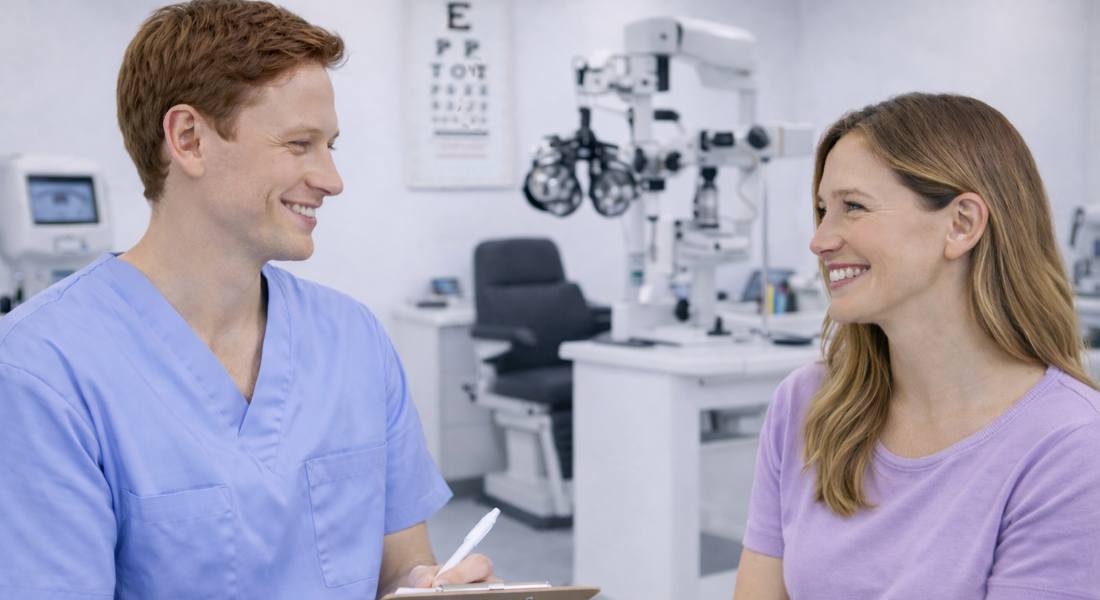
Laser eye surgery can significantly improve your vision, but it’s important to remember that recovery takes time. One of the most common questions patients ask is when they can safely start driving again. Understanding how your eyes heal can help you plan for this key part of daily life.
Driving requires clear and stable vision. After surgery, your eyes need time to adjust to the new shape of your cornea. During this early phase, your vision may fluctuate, and clarity can vary from hour to hour. This temporary change is a normal part of the healing process.
Because of these factors, you will not be able to drive immediately after your procedure. Your ophthalmologist will assess your eyesight during follow-up visits. Once your vision meets the legal standard for driving, you can safely return to the road. Following this guidance is essential for both your safety and the safety of others.
Why Driving Is Restricted Immediately After Surgery
Immediately after laser eye surgery, your vision may appear blurry or hazy. This happens because your cornea has just been reshaped, and your eyes need time to adjust. Healing begins straight away, but clarity usually improves gradually over the first few hours.
Your eyes may also feel sensitive to light during this early period. Bright environments can be uncomfortable, making it difficult to focus properly. Driving under these conditions would not be safe, even if you feel otherwise.
For these reasons, clinics recommend arranging transport home after your procedure. You should have a friend or family member accompany you. Planning ahead helps ensure that your first day of recovery is as smooth and safe as possible.
The First 24 Hours
During the first 24 hours after laser eye surgery, rest is usually recommended. Your eyes are adjusting to the changes made during the procedure, and vision may fluctuate during this period. This is a normal part of the early healing process.
Many patients notice noticeable improvement in their vision within the first day. However, everyone’s experience is slightly different some people recover faster, while others take a little longer to stabilise. It’s important to be patient and allow your eyes to adjust naturally.
Driving is generally not advised during this initial phase. Your surgeon will check your vision at your first follow-up appointment to ensure it is safe. Once your eyesight meets the required standard, you can gradually return to driving.
Legal Vision Standards for Driving
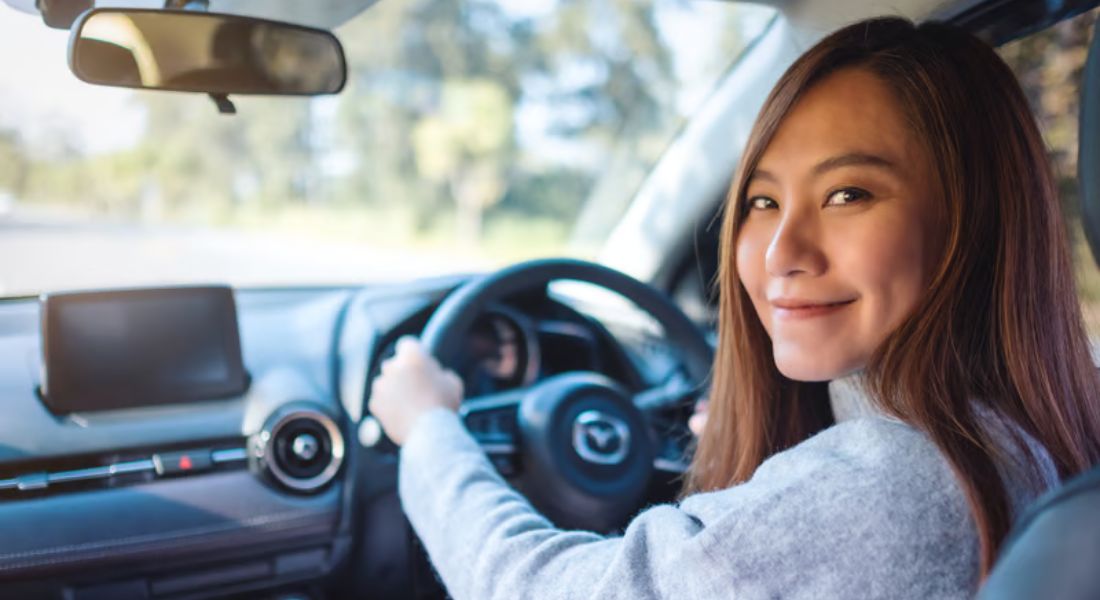
In the UK, you must meet specific vision requirements to drive safely. The Driver and Vehicle Licensing Agency (DVLA) sets these standards, which apply whether or not you have had eye surgery. Meeting these rules is essential for your safety and the safety of others on the road.
You need to be able to read a vehicle number plate from 20 metres away. In addition, you must have sufficient visual acuity in both eyes. These standards ensure that drivers can respond effectively to traffic conditions and hazards.
After laser eye surgery, your vision must meet these legal requirements before you can return to driving. Your ophthalmologist will check your eyesight during follow-up appointments and confirm when it is safe. Prioritising safety is always the most important consideration.
Typical Recovery Timeline
After laser eye surgery, many patients regain functional vision within one to two days. This allows you to carry out everyday activities comfortably, though driving depends on whether your vision meets legal standards. Recovery speed can vary from person to person, so it’s important to follow professional guidance.
- Rapid initial improvement for most patients: Many people notice a significant improvement in their vision within 24 to 48 hours. Tasks such as reading, working on a computer, or watching television often become easier almost immediately.
- Driving readiness can differ: Some patients are able to drive the day after surgery, while others may need a few extra days for their vision to fully stabilise. Your ability to drive should always be confirmed by your surgeon based on your individual recovery.
- Follow-up care supports safe recovery: Post-surgery appointments allow your ophthalmologist to monitor healing and ensure your vision is stabilising as expected. These visits provide personalised advice about when it’s safe to resume driving and other activities.
Recovery times vary between individuals, but most patients experience rapid improvements. Functional vision usually returns quickly, allowing you to resume many daily activities with confidence. Following your surgeon’s guidance ensures both safety and optimal results. Being patient during the healing process helps your eyes stabilise fully and protects long-term vision quality.
Vision Fluctuations During Recovery
During the early healing period after laser eye surgery, your vision can fluctuate slightly. This is normal and happens because your cornea is still settling into its new shape. Temporary changes in clarity are a common part of the recovery process.
You might notice mild blurring, glare, or halos around lights, especially at night. These effects usually improve within a few days to weeks as your eyes continue to heal. It’s important to remember that these changes are typically temporary and part of the normal adjustment period.
Because driving requires clear and stable vision, these fluctuations need to be monitored carefully. Your ophthalmologist will assess your visual clarity during follow-up visits. Ensuring your vision has stabilised helps confirm that it is safe for you to return to the road.
Importance of Follow-Up Appointments
Follow-up appointments are a crucial part of your recovery after laser eye surgery. During these visits, your surgeon checks how your eyes are healing and assesses the quality of your vision. These assessments help guide important decisions, such as when it is safe to drive.
- Early check-ups monitor initial healing: The first follow-up is usually scheduled within 24 hours of surgery. Your surgeon evaluates whether your vision has stabilised enough to meet legal driving standards and performs a thorough examination of your eyes.
- Timing for driving depends on individual recovery: Some patients may be cleared to drive soon after the first visit, while others may need additional days for their vision to stabilise. Your surgeon’s advice ensures that you only resume driving when it is safe for you.
- Regular appointments support long-term recovery: Ongoing check-ups allow your surgeon to monitor healing, identify any issues early, and provide guidance for daily activities. Consistent follow-up helps maintain both your safety and the success of your procedure.
Following your scheduled appointments is essential for a safe and effective recovery. Your surgeon’s guidance ensures that your vision is stabilising correctly. Being patient and attending all check-ups helps protect your eyes and long-term visual outcomes. Ultimately, these appointments provide reassurance and support as you regain confidence in your vision.
Differences Between LASIK, PRK and SMILE
Different types of laser eye surgery can have slightly different recovery timelines. With LASIK, many patients notice clearer vision within a day. This procedure typically provides rapid visual improvement, allowing some people to return to normal activities sooner.
PRK, on the other hand, usually involves a slightly longer healing process. Vision clarity develops more gradually over several days, so driving and other activities may be delayed compared with LASIK. Your eyes need time to adjust as the surface layer of the cornea heals.
SMILE procedures also tend to offer a relatively quick recovery, similar to LASIK. However, individual healing rates can vary depending on your eyes and overall health. Your surgeon will explain the expected timeline and guide you on when it is safe to resume driving.
Light Sensitivity After Surgery
Light sensitivity is common in the early days after laser eye surgery. You may find bright sunlight or headlights feel unusually intense. This is a normal part of the healing process and usually improves fairly quickly as your eyes adjust.
Wearing sunglasses when outdoors can help manage this sensitivity. Protecting your eyes from strong light not only improves comfort but also supports the healing process. Most patients notice a noticeable reduction in light sensitivity within a few days.
Driving, especially at night, may feel different initially. You might see temporary glare, halos, or starbursts around lights. These effects generally resolve as your eyes continue to heal and your vision stabilises.
Night Driving Considerations

Driving at night demands clear and stable vision. During the early stages of recovery, some patients notice visual effects such as halos or glare around lights. These symptoms are usually temporary and tend to improve as your eyes heal.
- Modern technology reduces night vision issues: Advances in laser systems and personalised treatment planning have greatly minimised problems with night vision. Most patients experience excellent clarity even in low-light conditions.
- Adaptation improves comfort: Your brain gradually adjusts to any minor visual disturbances during the healing process. Many patients find that night driving becomes comfortable within a few days to weeks.
- Safety should always come first: If you feel unsure or notice glare or halos while driving at night, it is best to wait until your vision stabilises. Your doctor can provide personalised guidance on when it is safe to resume night driving.
Being cautious during early recovery helps protect both your safety and your eyes. Night vision typically improves as healing progresses, allowing you to drive confidently again. Following your surgeon’s advice ensures a smooth and safe return to normal activities.
Eye Comfort and Driving
Comfort is an important factor for safe and confident driving after laser eye surgery. Many patients experience temporary dryness, mild irritation, or a gritty sensation as their eyes heal. These symptoms are usually short-lived and improve with proper care.
- Artificial tears support recovery: Using preservative-free artificial tears can help keep your eyes moist and comfortable during the healing process. Regular use often reduces dryness and irritation, making everyday tasks, including driving, easier.
- Comfort contributes to safe driving: When your eyes feel comfortable and your vision is clear, you are better able to focus on the road. Driving is safer and less tiring when your eyes are not strained or irritated.
- Following aftercare instructions aids healing: Adhering to your surgeon’s guidance, including eye drop schedules and avoiding strenuous activity, supports optimal recovery. Patience is key, as full visual comfort may take a few days to stabilise.
Ensuring your eyes feel comfortable is just as important as achieving clear vision. Temporary dryness or irritation is normal and usually resolves with proper care. By following aftercare instructions, you can enjoy safer driving and a smoother recovery. Taking the time to let your eyes heal fully helps protect long-term vision quality.
Personal Recovery Differences
Everyone’s eyes heal a little differently after laser eye surgery. Some people regain clear vision very quickly, while others may need more time for their eyesight to stabilise. These differences are completely normal and expected.
Factors such as the strength of your prescription, how your cornea heals, and your overall eye health can all influence recovery. Age and other personal health considerations may also play a role. These variables can affect when it is safe for you to drive again.
Your ophthalmologist will monitor your individual progress during follow-up visits. They will provide personalised guidance to ensure your recovery is safe. It’s important not to compare your healing timeline with others, as everyone’s eyes respond differently.
Returning to Daily Activities
After laser eye surgery, most patients can resume normal daily activities quite quickly. Tasks such as reading, using computers or phones, and walking outdoors are usually possible within a few days. Driving, however, is often one of the last activities to resume, as it requires fully stable vision.
- Gradual return supports healing: Your surgeon may advise avoiding strenuous exercise or heavy lifting for a short period. Giving your eyes time to rest helps prevent strain and ensures a smoother recovery.
- Monitoring comfort and vision: Pay attention to how your eyes feel during daily tasks. Mild dryness or fatigue is common, and gradual adaptation helps your eyes adjust safely.
- Driving requires full visual stability: You should only return to driving once your vision has stabilised and your surgeon confirms it is safe. Clear focus and sharp vision are essential for road safety and confidence behind the wheel.
By gradually resuming activities and following your surgeon’s advice, you can support a smooth recovery. Most patients quickly regain independence in daily life, while ensuring their eyes heal properly. Patience and careful monitoring of comfort and vision are key. Returning to routines safely helps maintain long-term visual outcomes.
Safety First Approach
Safety should always be your top priority after any eye procedure. Even if your vision feels clear, it’s essential to get professional confirmation before driving. Your surgeon will ensure that your eyesight meets the legal requirements for driving.
Driving too soon, before your eyes have fully recovered, could be dangerous. Temporary blurring or fluctuations in vision can reduce your reaction time and make it harder to judge distances. Waiting until your eyes have stabilised helps protect both your safety and the safety of others on the road.
Following your doctor’s advice is key to a responsible recovery. Patience and careful adherence to aftercare instructions can improve your overall outcomes. Taking the time to allow full healing helps prevent complications and ensures the best long-term results.
Managing Expectations
Many patients hope to resume driving immediately after laser eye surgery, but recovery times vary between individuals. Knowing this in advance can help you set realistic expectations and avoid frustration. Understanding that your eyes need time to stabilise is an important part of planning for the post-surgery period.
Most people are able to drive within a few days, though some may require slightly longer depending on how their eyes heal. This short waiting period is essential for safety, ensuring that your vision is clear and reliable before returning to the road.
Planning ahead can make your recovery much easier. Arrange alternative transportation for the first day or two, whether with a friend, family member, or taxi. Being prepared helps reduce stress and allows your eyes to heal without pressure.
Long-Term Vision Stability
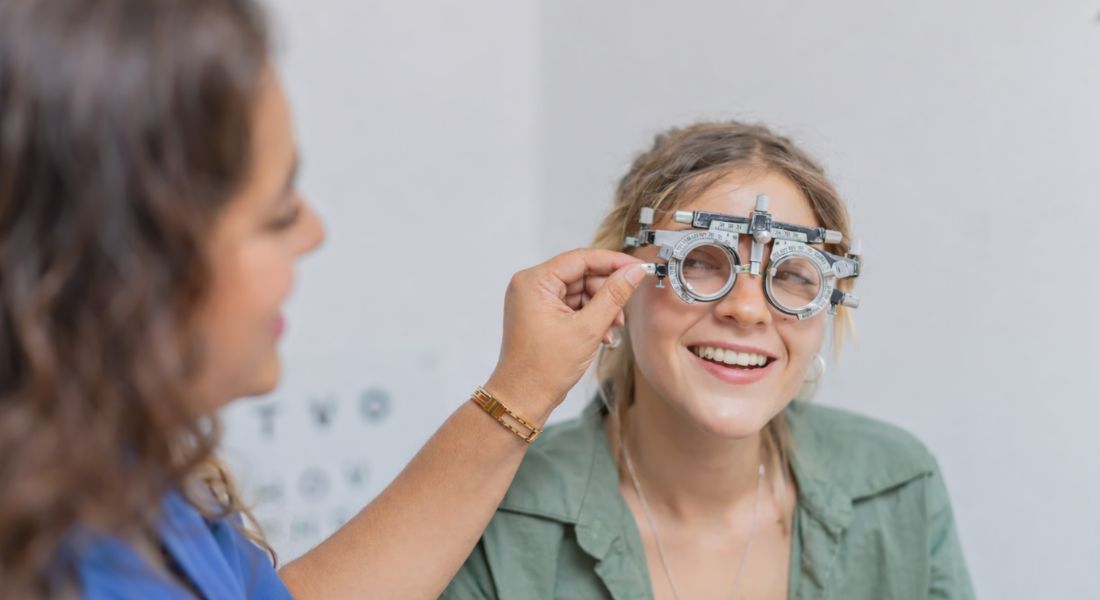
Once your vision has stabilised, driving often becomes easier than it was before surgery. Many patients enjoy clearer distance vision, which can boost confidence behind the wheel. Being able to rely on your natural eyesight makes daily journeys safer and more comfortable.
Reduced reliance on glasses or contact lenses can also simplify your daily routine. You no longer have to deal with fogging, smudging, or discomfort from lenses. Clearer vision often makes commuting, errands, and long drives more convenient.
For most people, long-term stability allows comfortable driving for many years after surgery. Natural ageing may still affect vision later in life, so occasional use of reading glasses might be needed. Regular eye check-ups remain important to maintain eye health and ensure continued safe driving.
Age and Driving Vision
Your age can influence how quickly your vision stabilises after laser eye surgery, which in turn affects when it’s safe to return to driving. Younger patients often notice rapid improvements, while older patients may experience a slightly slower recovery. However, this difference is simply due to natural healing rates and does not mean the surgery is any less effective.
- Younger patients may regain vision faster: If you are younger, your eyes often adapt and stabilise more quickly. This can allow you to resume driving sooner, provided your surgeon confirms your vision meets legal requirements.
- Older patients may require a bit more time: As we age, the healing process can take slightly longer. Your eyes may need additional days or weeks to reach the clarity and stability required for safe driving.
- Personalised guidance ensures safety: Your surgeon will monitor your recovery and advise exactly when it is safe for you to drive. Age is just one factor, and readiness is determined by how well your vision has stabilised.
Following your surgeon’s advice is the safest way to resume driving. Healing times vary, but most patients achieve clear, stable vision suitable for driving. Patience during recovery helps protect your eyes and ensures long-term visual quality. By focusing on how your eyes are healing rather than age alone, you can safely return to the road with confidence.
Importance of Clear Distance Vision
Strong distance vision is essential for safe and confident driving. You need to see road signs, other vehicles, and pedestrians clearly at all times. Laser eye surgery can often improve your distance vision significantly, reducing dependence on glasses or contact lenses.
- Improved clarity enhances driving comfort: Clearer vision allows you to judge distances more accurately and react more confidently on the road. Many patients notice that driving feels easier and less stressful once their distance vision stabilises.
- Reduced reliance on corrective lenses: Not needing glasses or contact lenses while driving can make everyday travel more convenient. You no longer need to worry about lenses slipping, fogging, or restricting your field of view.
- Stable vision is key for safety: Temporary fluctuations in vision can occur during early recovery. Driving should only resume once your distance vision has stabilised, ensuring you can make accurate judgements in all conditions.
Having clear and stable distance vision is crucial for safe driving. Laser eye surgery often delivers this improvement, boosting both comfort and confidence on the road. By waiting until your vision stabilises, you protect yourself and others. Clear, reliable eyesight is the foundation for safe, stress-free driving.
When to Contact Your Doctor
If you experience unusual symptoms after laser eye surgery, it’s important to contact your doctor immediately. Severe pain, sudden changes in vision, or flashes of light require prompt evaluation. While these situations are rare, addressing them quickly is crucial for your eye health.
For most people, recovery is smooth and uneventful. Mild discomfort, dryness, or light sensitivity is common during the early healing phase. These symptoms usually resolve naturally as your eyes adjust and recover.
Maintaining open communication with your doctor is an important part of a safe recovery. Reporting any concerns early allows them to be addressed promptly. Professional guidance ensures your eyes heal properly and supports the best long-term outcomes.
Long-Term Driving Benefits
Many patients find that driving becomes much easier after laser eye surgery. Clearer distance vision reduces your reliance on glasses or contact lenses, making daily journeys more convenient and comfortable. You may notice a greater sense of independence while on the road.
Night driving can also improve once your eyes have fully healed. Modern laser treatments are designed to enhance visual precision, reducing glare and improving clarity in low-light conditions. This can make driving after dark safer and more comfortable.
These long-term improvements are a key reason why patient satisfaction remains high. Vision correction can positively impact many everyday activities, but driving is often one of the most immediately noticeable and appreciated benefits.
Planning Your Recovery
Planning your recovery carefully helps ensure a smooth return to driving after laser eye surgery. Make arrangements for transport on the day of your procedure, as you will not be able to drive yourself home. Giving your eyes time to heal properly is essential for both comfort and safety.
Be sure to attend all scheduled follow-up appointments. These visits allow your ophthalmologist to check that your vision meets legal driving standards and is stable. Professional monitoring throughout the recovery process helps protect your long-term eye health.
Once your doctor confirms that your eyesight has stabilised, you can resume driving with confidence. Taking a cautious, well-planned approach supports the best possible outcomes. Your vision and safety should always remain the top priority.
FAQs:
- How soon can you drive after laser eye surgery?
You usually cannot drive immediately after laser eye surgery because your vision may be blurry and sensitive to light during the first few hours. Most patients are advised to wait until their first follow-up appointment, where the surgeon checks whether their vision meets the legal driving standard. For some people, driving may be possible the next day, while others may need to wait a few more days for their vision to stabilise. - Do you need someone to take you home after laser eye surgery?
Yes, you should arrange for someone to take you home after the procedure. Your eyes may feel uncomfortable and your vision may be temporarily blurred, which makes driving unsafe. Having a friend or family member accompany you ensures that you can travel home safely and begin your recovery without unnecessary strain on your eyes. - What vision standard must you meet before driving in the UK?
In the UK, drivers must be able to read a vehicle number plate from 20 metres away and have sufficient visual acuity to drive safely. These requirements apply whether or not you have had laser eye surgery. Your ophthalmologist will check your vision during follow-up appointments to confirm that it meets the legal standard before you return to driving. - Does the type of laser eye surgery affect when you can drive again?
Yes, the type of procedure can influence the recovery timeline. LASIK often allows for faster visual recovery, which means some patients may be able to drive within a day or two. PRK generally involves a slightly longer healing process, so driving may take a few additional days. SMILE also offers relatively quick recovery, but the exact timing varies depending on individual healing. - Why might your vision fluctuate after laser eye surgery?
Vision fluctuations can occur during the early healing stage because the cornea is still settling after the procedure. Temporary changes in focus or mild blurring are normal as your eyes adjust to their new shape. These fluctuations usually improve gradually over the first few weeks as the healing process continues. - Is it safe to drive at night shortly after laser eye surgery?
Night driving may feel different during the early recovery period. Some patients notice temporary glare, halos or light sensitivity when looking at headlights or streetlights. These symptoms usually improve as the eyes heal, but it is best to avoid night driving until your vision feels comfortable and stable. - What symptoms should make you delay driving after surgery?
If you experience significant blurring, strong light sensitivity, eye discomfort or unstable vision, it is best to delay driving. These symptoms can affect your ability to react quickly and judge distances on the road. Waiting until your eyes feel comfortable and your vision is stable helps ensure safe driving conditions. - Can laser eye surgery improve driving vision in the long term?
Many patients find that driving becomes easier after laser eye surgery because their distance vision improves. Clearer vision can make it easier to read road signs and see vehicles or pedestrians from further away. Reduced reliance on glasses or contact lenses can also improve convenience and comfort while driving. - What role do follow-up appointments play in returning to driving?
Follow-up appointments allow your surgeon to monitor healing and confirm that your eyesight meets the legal driving standard. These visits help ensure that your vision is stable and clear enough for safe driving. Your doctor will advise you when it is appropriate to return to the road. - How can you prepare for the temporary driving restriction after surgery?
Planning ahead can make recovery much easier. Arranging alternative transport for the first few days allows your eyes to heal without pressure to drive too soon. By giving your vision time to stabilise and following your surgeon’s advice, you can return to driving safely and confidently.
Final Thought: Driving After Laser Eye Surgery
Laser eye surgery can significantly improve your vision, giving you greater freedom from glasses or contact lenses. Recovery varies between individuals, but with modern laser technology, careful pre-surgery screening, and experienced surgeons, most patients regain clear and stable vision safely. Understanding the factors that influence recovery such as your prescription, corneal health, age, and the specific procedure helps you plan your return to driving confidently.
Follow-up appointments are essential to ensure your eyesight meets the legal standards for driving, and adhering to aftercare advice supports smooth healing. By taking a cautious and informed approach, you can enjoy the long-term benefits of clearer vision, including enhanced convenience and comfort when driving. If you’d like to find out whether laser surgery in London is suitable for you, feel free to contact us at Eye Clinic London to arrange a consultation.
References:
- Kamiya, K., Shimizu, K., Igarashi, A., Kobashi, H. and Komatsu, M., 2017. A multicentre prospective cohort study on refractive surgery in 15,011 eyes. American Journal of Ophthalmology, 175, pp.159–168. Available at: https://pubmed.ncbi.nlm.nih.gov/28034710/
- Almutairi, M.N., Alshehri, A.M., Alhoumaily, A.Y., Alnahdi, O., Taha, M.A. and Gangadharan, S., 2025. Meta‑analysis of clinical outcomes of LASIK and PRK in hyperopia. BMC Ophthalmology, 25, p.140. Available at: https://pubmed.ncbi.nlm.nih.gov/40102791/
- Schallhorn, S.C., Venter, J.A., Hannan, S.J., Hettinger, K.A. and Teenan, D., 2016. Patient‑reported outcomes 5 years after laser in situ keratomileusis. Journal of Cataract & Refractive Surgery, 42(9), pp.1309–1316. Available at: https://www.sciencedirect.com/science/article/pii/S0886335016301353
- Ikeda, T., Shimizu, K., Igarashi, A. and Kobashi, H., 2008. Five‑year outcome of LASIK for myopia. Ophthalmology, 115(5), pp.839–844. Available at: https://www.sciencedirect.com/science/article/pii/S0161642007007816
- Alió, J.L., Rodríguez, G., Ortiz, D. and Teus, M.A., 2024. Clinical outcomes of LASIK and PRK for refractive error: a comparison of efficacy and visual results. Journal of Refractive Surgery, 40(2), pp.145–152. Available at: https://pmc.ncbi.nlm.nih.gov/articles/PMC11917003/