


Can Laser Eye Surgery Treat Both Eyes on the Same Day?

Laser eye surgery is now one of the most commonly performed vision correction procedures in modern ophthalmology. If you are thinking about having treatment, you may wonder whether both eyes can be treated during the same appointment. In most modern procedures, surgeons usually treat both eyes in a single session. This approach is widely accepted and has become routine in many eye clinics.
Treating both eyes on the same day is considered standard practice for many laser eye procedures. The technology used during treatment is extremely precise and carefully controlled. Because of this accuracy, surgeons can complete the treatment for each eye in just a few minutes. This makes the overall procedure quick and efficient.
Understanding why both eyes are treated together can help you feel more confident about the process. It also means that both eyes recover at the same time, which many people find more convenient. You only need to attend one surgical appointment rather than returning for a second procedure. In this article, you will learn how the process works and what you can expect on the day of surgery.
Why Both Eyes Are Usually Treated Together
Modern laser eye surgery procedures are designed to correct vision quickly and safely. Treating both eyes in the same session allows you to achieve balanced vision correction straight away. This helps prevent any temporary visual imbalance between the two eyes. As a result, your eyes can begin adjusting to the improved vision at the same time.
If only one eye were treated first, the difference in vision between your eyes could feel uncomfortable. You might notice difficulties with depth perception or focusing while waiting for the second procedure. This temporary imbalance can make everyday activities more challenging. Treating both eyes together helps avoid this situation.
Another important advantage is convenience. You only need to attend one surgical appointment instead of returning for a second procedure. Your recovery period also happens at the same time for both eyes. This approach reduces disruption to your daily routine.
The Evolution of Laser Eye Surgery Techniques
Earlier forms of vision correction sometimes treated one eye at a time. This was partly due to older surgical techniques and longer recovery periods. As technology improved, surgeons gained more confidence in performing treatment on both eyes during the same visit. Modern procedures are now designed to be quicker, safer, and more predictable.
Today’s laser systems are extremely precise and supported by advanced imaging technology. Your surgeon can customise the treatment for each eye while still completing both procedures in a single appointment. This level of accuracy helps ensure that each eye receives the exact correction it needs. It also improves the overall consistency of the results.
As these technologies continued to develop, treating both eyes together became the preferred approach in many clinics. Clinical experience has shown that most patients recover well when both eyes are treated on the same day. This method allows your vision to stabilise more evenly. It is now widely accepted as standard practice in modern laser eye surgery.
How Laser Eye Surgery Corrects Vision
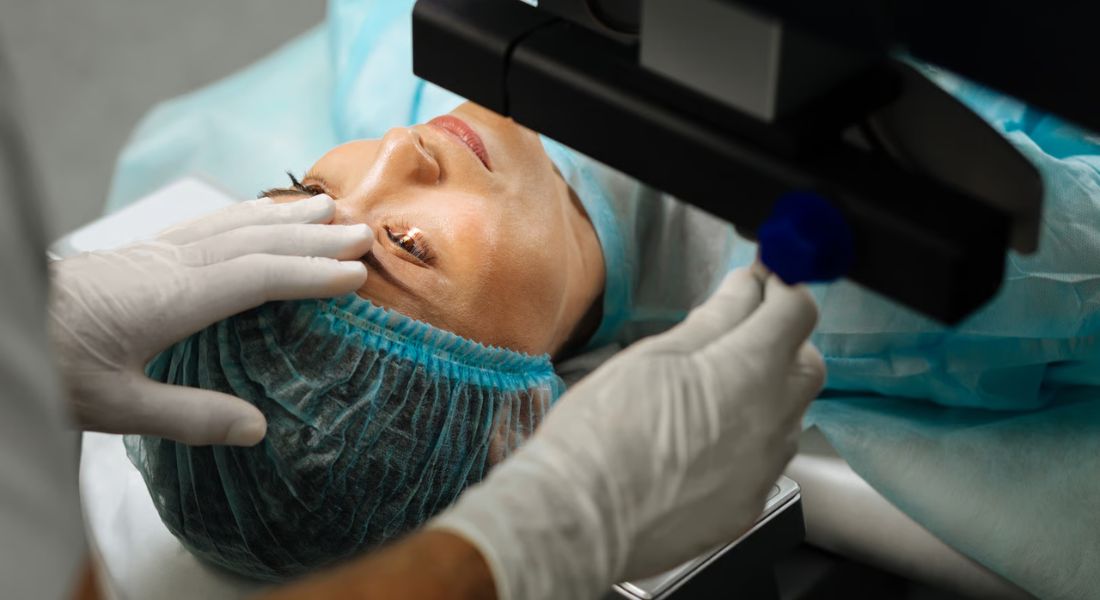
Laser eye surgery works by reshaping the cornea, which is the clear front surface of your eye. The cornea plays an important role in focusing light onto the retina at the back of the eye. If its shape is slightly uneven, light may not focus correctly. By adjusting the shape of the cornea, the procedure can improve how clearly you see.
During treatment, the laser removes microscopic layers of tissue to change the cornea’s curvature. These very small adjustments help light focus more accurately on the retina. When light reaches the retina properly, your vision becomes clearer. The changes made during the procedure are extremely precise.
Before surgery, each of your eyes is measured in detail. Your surgeon uses advanced mapping technology to analyse the exact shape of your cornea. This information is used to customise the laser treatment specifically for you. As a result, each eye receives a precise and personalised correction.
Preparing for Surgery Day
Before your surgery, you will undergo a detailed eye examination. These tests measure factors such as corneal thickness, overall eye health, and the stability of your vision. The results help determine whether laser eye surgery is suitable for you. Careful assessment ensures that the procedure can be performed safely.
Your surgeon will also explain the treatment process and answer any questions you may have. You will receive clear instructions about medications, eye drops, and any preparations needed before the procedure. Following these instructions helps the day run smoothly. It also supports a safer and more comfortable experience.
On the day of surgery, you will usually spend more time preparing than undergoing the actual treatment. The laser portion of the procedure normally takes only a few minutes for each eye. Most appointments are therefore relatively short. After the procedure, you will rest briefly before going home.
What Happens During the Procedure
During the procedure, you will lie comfortably under the laser machine while the surgical team prepares your eyes for treatment. Before the laser is used, your surgeon will apply anaesthetic eye drops to numb the surface of your eyes. This helps ensure that you remain comfortable throughout the procedure. Most people are surprised by how quick and straightforward the process feels once it begins.
- Application of anaesthetic eye drops: Your surgeon will begin by placing special anaesthetic drops in your eyes. These drops numb the surface of the eye so you do not feel pain during the procedure. You may still notice slight pressure or a sensation of touch, but it should not be uncomfortable. The numbing effect works quickly and helps you stay relaxed throughout the treatment.
- Treating one eye at a time: The surgeon will treat one eye first while the other eye remains safely protected. This allows the doctor to focus fully on each eye and maintain precision during the laser treatment. Once the first eye is complete, the same process is carefully repeated for the second eye.
- Use of the laser to reshape the cornea: The laser is then used to reshape the cornea, which is the clear front surface of your eye. This reshaping helps improve how light enters the eye and focuses on the retina. The laser works with extremely high accuracy and typically takes only a short amount of time to complete the correction.
- Guidance throughout the procedure: Although you will remain awake during the treatment, the surgical team will guide you through every step. You may be asked to focus on a small light or remain still for a few seconds while the laser works. Clear instructions help ensure that the procedure runs smoothly and safely.
The entire procedure usually takes only a few minutes for each eye. Because the treatment is so quick, many patients find that their anxiety fades once it begins. By the time the laser treatment is finished, you may be surprised at how simple and manageable the experience was.
Why Treating Both Eyes Improves Visual Balance

Treating both eyes together allows your brain to adjust to the corrected vision immediately. When both eyes are improved at the same time, visual coordination remains balanced. This helps maintain normal depth perception and spatial awareness. As a result, your vision tends to feel more natural after the procedure.
If only one eye were treated, the untreated eye might still produce blurred vision. The difference between the two eyes could feel confusing or uncomfortable. You might notice difficulties with focusing or judging distances. This imbalance can make everyday activities more challenging.
Treating both eyes during the same session helps avoid this issue completely. Both eyes begin healing and adapting to the new vision at the same time. Your brain can adjust more easily to the improved visual input. This often leads to a smoother and more comfortable recovery experience.
Safety of Treating Both Eyes on the Same Day
Many patients wonder whether treating both eyes on the same day is safe. Extensive clinical research and years of surgical experience support this approach. Modern laser systems are designed with advanced safety features and high levels of precision. These technologies help reduce the risk of complications during treatment.
Each eye is treated separately using sterile instruments and carefully calibrated equipment. Your surgeon follows strict safety protocols throughout the procedure. Detailed measurements are taken to ensure the laser treatment is accurate for each eye. These steps are designed to protect your safety at every stage.
Treating both eyes during the same session has become routine practice in clinics around the world. When the procedure is performed by an experienced surgeon, it is considered highly safe. Careful patient screening also plays an important role. By assessing your eye health beforehand, surgeons can minimise potential risks.
The Role of Advanced Laser Technology
Laser eye surgery relies on highly advanced computer-guided technology. These systems monitor your eye position continuously during the procedure. This real-time tracking helps ensure that the laser remains precisely aligned with your eye. As a result, the treatment can be performed with exceptional accuracy.
Many modern systems are capable of tracking eye movements hundreds of times per second. If your eye moves slightly during the procedure, the laser automatically adjusts its position. This rapid response helps maintain precise targeting throughout the treatment. It also increases the overall safety and reliability of the procedure.
Technology also allows your surgeon to customise the treatment for your specific vision needs. Detailed measurements of your eyes are used to create an individualised correction plan. The laser then follows this personalised pattern during the procedure. This tailored approach helps improve visual outcomes for many patients.
What Patients Feel During Treatment
Most patients feel very little during laser eye surgery. Before the procedure begins, numbing eye drops are used to prevent pain. You may still feel a mild sensation of pressure or awareness around the eye. However, the treatment itself is generally comfortable for most people.
During the procedure, some patients notice a faint smell. This happens when the laser reshapes microscopic layers of corneal tissue. The smell is normal and only lasts for a few seconds. It disappears quickly once the laser step is complete.
The procedure itself is very quick. Many patients are surprised by how short the treatment feels. Your surgeon and clinical team will guide you through each stage of the process. Clear instructions help you remain calm and comfortable throughout the procedure.
Immediately After Surgery
After the procedure, your eyes may feel slightly watery or sensitive. It is also common to experience some blurred vision during the first few hours. These effects are a normal part of the early healing process. Your eyes simply need a little time to adjust after the treatment.
Your surgeon will provide protective eyewear and prescribe eye drops to use during recovery. These drops help prevent infection and support proper healing. You will also receive instructions about how often to use them. Following these guidelines carefully is important for a smooth recovery.
Most patients are able to return home shortly after the procedure. Resting your eyes for the remainder of the day can help the healing process. You may be advised to avoid screens or bright lights for a short period. In many cases, vision begins to improve within the first day.
Early Recovery After Surgery
The first few days after surgery are an important part of your recovery. Your eyes need a little time to adjust to the changes made during the procedure. During this period, you may notice small changes in how clearly you can see. This is a normal part of the healing process, and most people begin to see steady improvement as the days pass. During early recovery, you may notice a few temporary symptoms while your eyes heal.
- Fluctuating vision during the first few days: Your vision may change slightly from time to time during the first day or two. At one moment things may look clear, while at another moment they may appear a little blurry. This happens because the cornea is adjusting to its new shape after the laser treatment. As healing continues, your vision usually becomes more stable and clearer each day.
- Dryness in the eyes: It is common to experience dryness shortly after surgery. Your eyes may feel slightly irritated, gritty, or tired. Lubricating eye drops help keep the surface of your eyes moist and comfortable. Using these drops as recommended can make a big difference during the early healing stage.
- Sensitivity to light: You may also notice that bright lights feel stronger than usual. Sunlight, screens, or indoor lighting may seem slightly uncomfortable at first. Wearing sunglasses when you go outside can help protect your eyes and reduce glare. This sensitivity normally improves as your eyes recover.
- Following aftercare instructions carefully: Aftercare plays a key role in helping your eyes heal properly. Your surgeon will give you specific instructions about using medicated eye drops and protecting your eyes. It is important to avoid rubbing your eyes, even if they feel slightly itchy or irritated. Following these instructions carefully supports smooth healing and helps prevent complications.
Most early recovery symptoms improve fairly quickly. Many patients notice better comfort and clearer vision within just a few days. By taking care of your eyes and following your surgeon’s advice, you help ensure that the healing process goes as smoothly as possible.
Why Recovery Is Often Quick
Recovery after laser eye surgery is often quick because the procedure is minimally invasive. The laser reshapes the cornea with extremely precise adjustments rather than large surgical incisions. This allows the surface of the eye to heal more efficiently. As a result, many patients experience a relatively smooth recovery process.
Many people begin to notice clearer vision within the first few days. With your surgeon’s approval, you may be able to return to normal daily activities fairly quickly. However, recovery can vary slightly from one person to another. Your eyes may continue to stabilise over the following weeks.
Treating both eyes during the same session also helps simplify recovery. Both eyes begin healing at the same time rather than separately. This means you avoid going through two different healing periods. For many patients, this makes the overall process more convenient and easier to manage.
Temporary Side Effects
Some temporary side effects can occur after laser eye surgery. You may notice dryness, glare around lights, or mild sensitivity to bright light during the early stages of recovery. These symptoms are usually temporary and part of the normal healing process. Most people find that they gradually improve over time.
Dryness can often be relieved with lubricating eye drops or artificial tears recommended by your surgeon. Wearing protective sunglasses outdoors may also help reduce light sensitivity. Following your post-surgery care instructions carefully supports a smoother recovery. Small lifestyle adjustments during the first few days can also make your eyes feel more comfortable.
Your surgeon will monitor your progress through scheduled follow-up appointments. These visits allow your eye specialist to check that the eyes are healing properly. If you have any concerns, they can be discussed during these reviews. Regular monitoring helps ensure the best possible outcome for your vision.
Follow-Up Appointments

Follow-up appointments are an important part of your recovery after laser eye surgery. During these visits, your surgeon checks how well your eyes are healing and assesses your vision. These examinations help confirm that the recovery process is progressing as expected. They also allow any early concerns to be identified quickly.
Most clinics schedule the first follow-up visit within the first few days after surgery. Additional appointments are usually arranged over the following weeks. These visits allow your surgeon to monitor changes in your vision as your eyes continue to stabilise. Regular assessments provide a clear picture of your long-term results.
Ongoing monitoring helps support the best possible outcome for your vision. If any small adjustments or additional guidance are needed, they can be discussed during these visits. Your surgeon can also answer any questions you may have about recovery. This careful follow-up helps ensure lasting success after the procedure.
When Patients Notice Vision Improvement
After surgery, many patients begin to notice improvements in their vision quite quickly. In some cases, clearer vision can appear within the first 24 hours. However, your eyes still need time to fully adjust after the procedure. The cornea continues subtle healing during the following weeks, which allows vision to stabilise gradually. During this period, vision usually improves step by step rather than all at once.
- Initial improvement within the first day: Many people notice clearer vision within the first 24 hours after surgery. Objects may appear sharper and more defined than before the procedure. However, your vision may not feel perfectly stable yet. Small fluctuations are normal during the early healing phase.
- Gradual stabilisation of vision: While early improvements can happen quickly, full visual stabilisation often takes several weeks. The cornea needs time to settle into its new shape after the laser treatment. As healing progresses, your vision usually becomes more consistent and reliable.
- Daily progress during recovery: Vision recovery often happens gradually. Each day may bring small improvements in clarity and focus. You might notice that reading, driving, or using digital screens becomes easier as your eyes continue to heal.
- Importance of following recovery guidance: Your surgeon will provide specific instructions to support proper healing. This may include using prescribed eye drops, protecting your eyes, and attending follow-up appointments. Following these recommendations helps ensure the best possible visual outcome.
Patience is an important part of the recovery process. While improvements may appear quickly, your eyes still need time to fully settle. By allowing your eyes to heal naturally and following medical advice, you give yourself the best chance of achieving clear and stable vision.
Who Is Suitable for Laser Eye Surgery
Not everyone is suitable for laser eye surgery, so a detailed assessment is always required first. Your eye health, corneal thickness, and the stability of your prescription all need to be evaluated. These factors help determine whether the procedure is safe and appropriate for you. A comprehensive eye examination provides the information needed for this decision.
Patients with healthy corneas and stable vision prescriptions are often good candidates for treatment. However, certain eye conditions or medical factors may mean that another vision correction option is more suitable. Your surgeon will carefully review your results and discuss the available choices with you. This helps ensure you receive the most appropriate treatment.
Suitability testing plays an important role in protecting patient safety. The screening process allows surgeons to identify any potential risks before surgery is considered. It also helps improve the likelihood of successful results. A personalised evaluation is therefore essential before moving forward with treatment.
Advantages of Same-Day Treatment
Treating both eyes on the same day offers several practical advantages. You only need to schedule one surgical appointment rather than planning two separate procedures. This also means there is just one recovery period to manage. For many patients, this makes the overall process simpler and less stressful.
Another important benefit is immediate visual balance. When both eyes are corrected at the same time, they begin adjusting to the improved vision together. This helps maintain coordination between the eyes. Many patients find this more comfortable than having one eye treated before the other.
Convenience is also a major factor. You do not need to return for a second surgery at a later date. This reduces disruption to your work, travel, and daily activities. For many people, same-day treatment makes laser eye surgery easier to fit into their schedule.
Addressing Patient Concerns
It is completely normal to feel nervous before laser eye surgery. Many patients worry about possible discomfort or the idea of having both eyes treated during the same appointment. Learning more about how the procedure works can often ease these concerns. Clear information helps you feel more prepared and reassured.
Before the treatment begins, your surgeon will explain each step of the procedure. You will understand what will happen during the surgery and how long it is likely to take. This preparation helps you feel more confident about the process. Knowing what to expect can make the experience feel much less intimidating.
Many people later say the procedure was easier than they had imagined. The treatment itself is very quick and carefully controlled by advanced technology. Your surgical team will guide you throughout the process. Modern techniques are designed to prioritise both safety and comfort.
Long-Term Vision Results
Laser eye surgery can provide long-lasting improvements in vision for many patients. Once your cornea has fully healed, the results often remain stable for many years. Many people find that they no longer need glasses or contact lenses for most daily activities. This can make everyday tasks more convenient and comfortable.
Long-term results can still vary depending on individual factors. Natural vision changes may occur over time, particularly as you age. For example, some people may eventually develop age-related vision changes such as presbyopia. Regular eye examinations remain important to monitor your eye health.
Overall satisfaction rates for laser eye surgery are very high. Many patients report that clearer vision improves their quality of life. Activities such as driving, reading, or using digital devices often become easier. For many people, the procedure offers lasting visual freedom.
Why Modern Clinics Prefer Same-Day Treatment
Most modern eye clinics now treat both eyes during the same surgical session. Advances in technology and years of clinical experience support this approach. Performing the procedure on both eyes at the same time allows vision to recover more evenly. It also helps ensure balanced visual results.
Before recommending surgery, your surgeon will carry out a thorough evaluation of your eyes. Factors such as corneal health, prescription stability, and overall eye condition are carefully assessed. Patient safety always remains the highest priority. Once suitability is confirmed, same-day treatment is often recommended.
This approach has become standard practice in modern refractive surgery. Treating both eyes together allows patients to benefit from greater convenience and a single recovery period. Many people also find the process easier to manage. As a result, same-day treatment is widely trusted in today’s eye clinics.
FAQs:
- Can laser eye surgery treat both eyes on the same day?
Yes, laser eye surgery is usually performed on both eyes during the same appointment. Treating both eyes together allows your vision to improve evenly and avoids the temporary imbalance that could occur if only one eye were treated first. Because the procedure for each eye takes only a few minutes, surgeons can complete both treatments safely in a single session. - Why do surgeons prefer treating both eyes during the same session?
Surgeons typically recommend treating both eyes together because it allows your vision to recover at the same pace. If one eye were treated first and the other later, you might experience differences in clarity between the eyes, which can feel uncomfortable. By correcting both eyes during the same visit, your brain adapts to the improved vision more smoothly. - Is it safe to have laser eye surgery on both eyes at once?
Yes, modern laser eye surgery is designed to treat each eye safely during the same session. Surgeons follow strict safety protocols and use highly advanced laser technology that allows precise control throughout the procedure. Each eye is treated separately, and careful preparation ensures that the treatment remains safe and effective. - How long does the procedure take for both eyes?
The laser portion of the procedure usually takes only a few minutes per eye. However, your entire appointment may last longer because it includes preparation, safety checks, and recovery instructions. In most cases, the full visit takes less than an hour. - Will I feel pain during the procedure?
You should not feel pain during laser eye surgery because numbing eye drops are used before the treatment begins. You may notice mild pressure or awareness while the laser reshapes the cornea, but this sensation is usually brief. Most patients describe the procedure as surprisingly comfortable. - What will my vision be like immediately after surgery?
Your vision may be slightly blurred or watery during the first few hours after surgery. This is a normal part of the healing process as your eyes begin to adjust. Many patients start to notice clearer vision within the first day, although full stabilisation can take a little longer. - Why might treating only one eye feel uncomfortable?
If only one eye were corrected, the difference in vision between the treated and untreated eye could feel unusual. Your brain relies on both eyes working together to maintain depth perception and balance. When one eye sees clearly and the other remains blurred, everyday tasks such as reading or walking may feel awkward until the second eye is treated. - How soon can I return to normal activities?
Many patients are able to return to light daily activities within a day or two after surgery. However, your surgeon will give specific instructions about when it is safe to resume work, exercise, and screen use. Following these recommendations helps protect your eyes while they heal. - Are there side effects after laser eye surgery?
Some temporary side effects can occur while your eyes recover. You may notice dryness, mild light sensitivity, or glare during the early stages of healing. These symptoms usually improve within a short period as your eyes continue to adjust. - How long do the results of laser eye surgery last?
Laser eye surgery provides long-lasting vision improvement for many people. Once your cornea has healed, the corrected shape usually remains stable for years. However, natural age-related changes in vision can still occur over time, which is why regular eye examinations remain important.
Final Thought: Same-Day Laser Eye Surgery
Laser eye surgery has transformed the way vision correction is performed. Modern techniques allow surgeons to treat both eyes during the same appointment with remarkable precision. For most patients, this approach provides balanced vision, a single recovery period, and a more convenient overall experience.
Treating both eyes on the same day also helps your brain adjust more quickly to the improved vision. Instead of dealing with temporary differences between the eyes, both begin healing and adapting together. With advanced laser technology and careful patient screening, this method has become standard practice in many leading clinics.
If you are considering vision correction, understanding how the procedure works can help you feel more confident about the process. Learning about preparation, recovery, and expected results allows you to make an informed decision about your eye health. If you’d like to find out whether laser surgery in London is suitable for you, feel free to contact us at Eye Clinic London to arrange a consultation.
Reference:
- Chan, C. and Hodgkinson, T., 2018. Visual outcomes and management after corneal refractive surgery: a review. Progress in Retinal and Eye Research, 65, pp.1–22. https://www.sciencedirect.com/science/article/pii/S1888429617300705
- Avunduk, A.M., Senft, C.J., Emerah, S., Varnell, E.D. and Kaufman, H.E., 2004. Corneal healing after uncomplicated LASIK and its relationship to refractive changes: a six‑month prospective confocal study. https://pubmed.ncbi.nlm.nih.gov/15111586/
- Wilson, S.E., 2001. The wound healing response after laser in situ keratomileusis and photorefractive keratectomy. https://jamanetwork.com/journals/jamaophthalmology/fullarticle/266845
- Yahalomi, T., 2023. Dry Eye Disease following LASIK, PRK, and LASEK. Journal of Clinical Medicine, 12(11). https://www.mdpi.com/2077-0383/12/11/3761
- Ying, J. and colleagues, 2024. Complications in patients who have undergone laser refractive surgery. British Journal of Ophthalmology. https://pmc.ncbi.nlm.nih.gov/articles/PMC11921254/