


Laser Eye Surgery Before and After: What Results Can You Expect?

Laser eye surgery has helped millions of people reduce their dependence on glasses and contact lenses. If you are considering the procedure, you probably want to know what your vision could look like afterwards. Understanding the results you might achieve can help you feel more confident about your decision. It also allows you to approach treatment with realistic expectations.
Before surgery, you may rely on glasses or contact lenses for many everyday activities. Blurred vision caused by refractive errors such as short-sightedness or astigmatism can affect how clearly you see the world. Laser eye surgery works by reshaping your cornea so that light focuses more accurately on your retina. This correction aims to improve the clarity of your vision.
After treatment, you may start to notice clearer vision as your eyes begin to heal. Many people experience significant improvements, although results can vary from one person to another. Your vision may continue to stabilise gradually over several weeks. Knowing what to expect before and after surgery helps you prepare for the overall experience.
Vision Before Laser Eye Surgery
Before laser eye surgery, the clarity of your vision depends largely on your refractive error. If you are short-sighted, distant objects may appear blurred, while nearby objects remain clearer. If you are long-sighted, you may struggle more with close-up tasks such as reading. These vision issues occur when light does not focus correctly on your retina.
Astigmatism can affect both near and distant vision. You may notice that objects appear distorted, stretched, or slightly blurred at different distances. This usually happens because the cornea has an irregular shape rather than a smooth curve. Glasses or contact lenses are commonly used to correct this distortion.
Many people find these visual limitations inconvenient in everyday life. You may rely on glasses or contact lenses for work, driving, exercise, or social activities. This constant dependence can sometimes feel restrictive. Laser eye surgery is designed to reshape the cornea and reduce your need for corrective lenses.
The Goal of Laser Eye Surgery
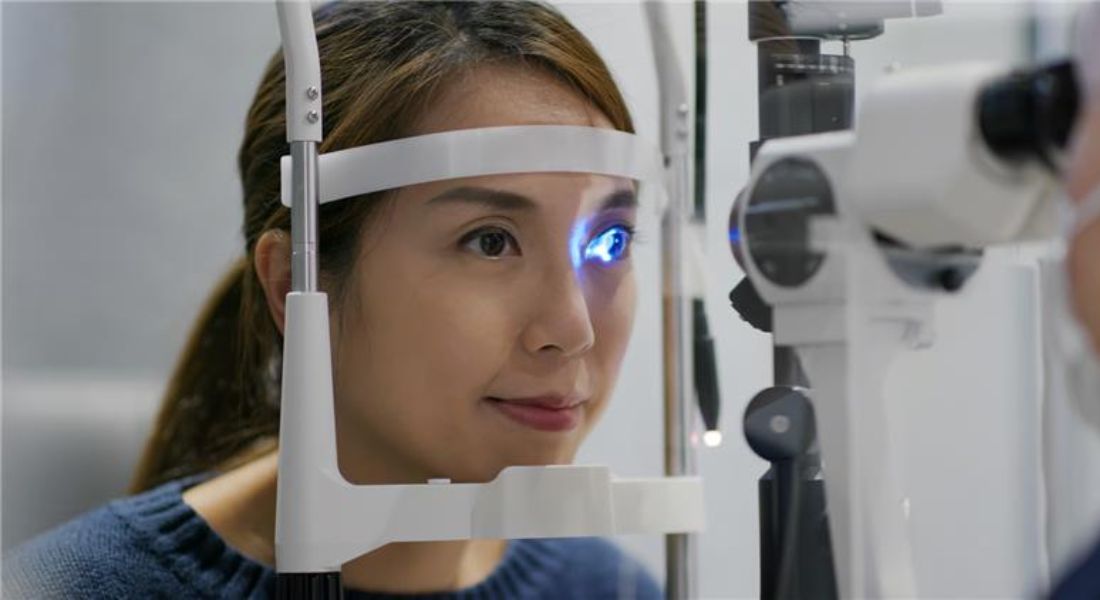
The primary goal of laser eye surgery is to improve how light focuses on your retina. This is done by carefully reshaping your cornea using advanced laser technology. The procedure adjusts the focusing power of your eye. As a result, your vision can become clearer and more stable.
By changing the curvature of your cornea, the laser corrects refractive errors such as short-sightedness, long-sightedness, and astigmatism. This allows light entering your eye to focus more precisely on the retina. When this happens, images appear sharper and clearer. Many people notice a significant improvement in how well they see.
It is important to understand that the goal is not always perfect vision without glasses. Instead, the aim is to achieve a meaningful improvement in your eyesight. In many cases, patients can carry out most daily activities without relying on corrective lenses. A large number of people achieve excellent visual outcomes after treatment.
Understanding “20/20 Vision”
Many people considering laser eye surgery hope to achieve “20/20 vision.” This term refers to a standard measurement of visual clarity. It means you can see at 20 feet what a person with normal vision is expected to see at that distance. Doctors use this measurement to assess how clearly you can see after treatment.
However, 20/20 is not the only measure of success. Some people may achieve even sharper vision, such as 20/16. Others may reach slightly lower levels but still notice a significant improvement in their daily vision. What matters most is how well you can see during normal activities.
Visual quality also involves more than just reading letters on an eye chart. Factors such as contrast sensitivity and image clarity affect how you perceive fine details. These elements influence how well you see in different lighting conditions. When planning your treatment, your surgeon aims to optimise your overall visual performance.
Pre-Surgery Assessment
Before laser eye surgery, a detailed assessment is essential to ensure the procedure is safe and suitable for you. During this stage, your ophthalmologist performs a series of specialised tests to understand the health and structure of your eyes. This careful evaluation helps create a personalised treatment plan.
- Comprehensive eye examinations: Your surgeon will measure important factors such as corneal thickness, corneal curvature, and your current prescription. These measurements help determine whether laser surgery can safely correct your vision.
- Advanced corneal imaging: Modern diagnostic technologies create highly detailed maps of your cornea. These scans guide the laser during treatment, allowing the procedure to be precisely customised to the unique shape of your eye.
- Expectation setting during consultation: The consultation also gives you the opportunity to discuss your goals and ask questions. Your surgeon will explain the likely outcomes based on your prescription and eye health, helping you understand what results you can realistically expect.
A thorough pre-surgery assessment is one of the most important steps in the entire process. It ensures that the treatment plan is accurate and tailored specifically to your eyes. Careful evaluation also reduces the risk of complications and improves predictability. When planning is done properly, your chances of achieving excellent visual results are significantly higher.
The Day of Surgery
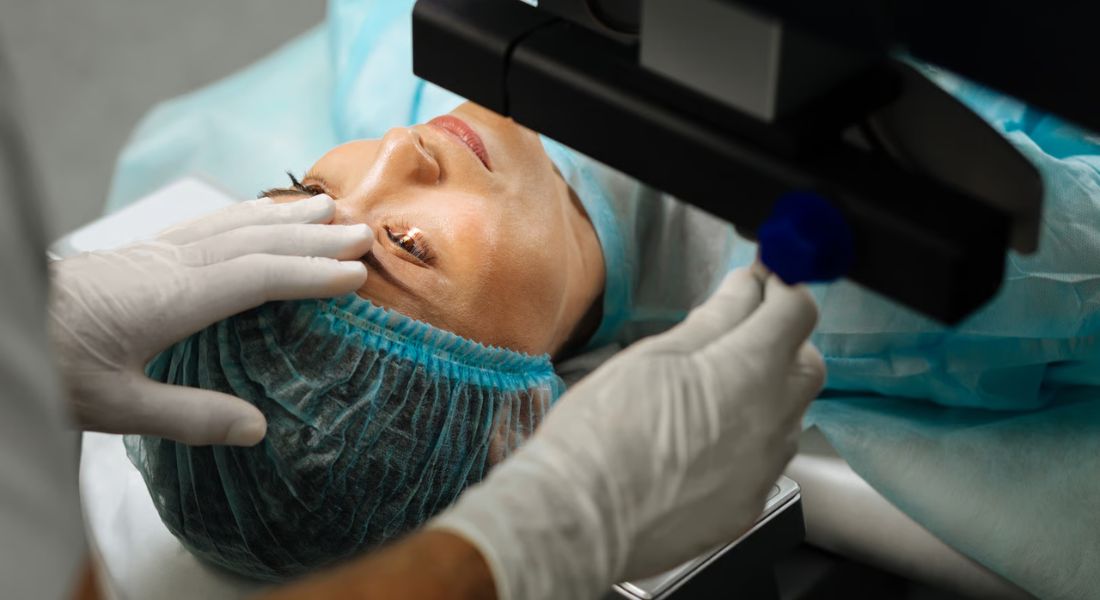
On the day of your laser eye surgery, the procedure is usually quick and performed on an outpatient basis. The laser itself typically works for only a few seconds on each eye. However, your entire appointment may take less than an hour, including preparation and post-treatment checks. You can usually return home shortly afterwards.
During the procedure, your surgeon uses numbing eye drops to keep you comfortable. You may feel a slight sensation of pressure, but most people do not experience pain. The treatment is carefully controlled and monitored throughout the process. Many patients are surprised by how fast the procedure is.
Immediately after surgery, your vision may appear slightly blurry or hazy. This is a normal part of the early healing stage. Your eyes need time to adjust and recover from the treatment. As healing progresses over the following days, you should begin to notice clearer vision.
Immediate Post-Surgery Vision
Many people notice an improvement in their vision within a few hours after laser eye surgery. However, your eyesight may fluctuate during the first day or two. You might experience temporary blur, haze, or mild sensitivity to light. These changes are common in the early stages of healing.
Your eyes need time to adjust after the cornea has been reshaped. During this period, your vision may seem clearer at times and slightly blurred at others. This is a normal part of the recovery process. In most cases, your vision continues to improve gradually over the next several days.
After the procedure, you are usually advised to rest your eyes as much as possible. Limiting screen time and avoiding eye strain can help support healing. You should also follow all aftercare instructions provided by your clinic. Proper care during this stage plays an important role in achieving the best possible results.
The First Week After Surgery
The first week after laser eye surgery is an important stage in your recovery. During this time, your vision usually continues to improve as your eyes heal. While most patients notice rapid progress, some temporary symptoms are normal.
- Gradual vision improvement: Your eyesight often becomes clearer over the first few days. However, you may still notice mild dryness, light sensitivity, or slight fluctuations in vision as the eyes adjust and heal.
- Use of lubricating eye drops: Your surgeon will usually prescribe lubricating drops to keep your eyes comfortable and support the healing process. Using them as directed helps reduce dryness and irritation.
- Return to normal activities: Many people are able to resume most daily activities within a few days. However, you may still be advised to avoid activities that strain the eyes, such as excessive screen time or swimming.
Follow-up appointments are an essential part of early recovery. Your surgeon will check that your eyes are healing as expected and address any concerns. Careful monitoring during this stage helps ensure the best possible results. With proper aftercare, your vision should continue to stabilise over the following weeks.
Vision Stabilisation
Your vision usually stabilises gradually over several weeks after laser eye surgery. During this time, your cornea settles into its new shape as it continues to heal. You may notice small fluctuations in clarity from time to time. This is a normal part of the recovery process.
As healing progresses, many people notice steady improvements in how clearly they can see. Everyday tasks such as reading, driving, or using digital devices often become easier without corrective lenses. You may also begin to feel more confident relying on your natural vision. These changes tend to develop gradually rather than all at once.
For most patients, vision becomes stable within one to three months after the procedure. However, healing speed can vary from person to person. Your ophthalmologist will monitor your progress during follow-up appointments. These visits help ensure your eyes are healing properly and that your results continue to improve.
Typical Visual Outcomes
If you are considering laser eye surgery, one of the first questions you probably ask is what your vision might look like afterwards. Most patients experience significant improvement once their eyes have healed. While individual results vary, the majority achieve vision that greatly reduces their dependence on glasses or contact lenses.
- Many patients reach driving-standard vision: A large proportion of patients achieve vision that meets the legal driving standard without glasses. This level of clarity can make everyday tasks much more convenient, from commuting to watching television or enjoying outdoor activities.
- Your original prescription influences the final result: Patients with mild to moderate prescriptions often achieve the sharpest outcomes because less correction is required. Higher prescriptions can still improve substantially, but results may vary slightly depending on the eye’s starting point.
- Improved visual freedom is a common outcome: Many patients find they rely far less on glasses or contact lenses after surgery. Everyday activities such as exercising, travelling, or waking up and seeing clearly become much simpler.
Overall satisfaction with laser eye surgery remains very high. Many patients describe the change as genuinely life-enhancing. Clearer vision often improves confidence and daily convenience. Understanding the typical outcomes helps you approach the procedure with realistic expectations.
Reduction in Glasses Dependence
Laser eye surgery can significantly reduce your reliance on glasses or contact lenses. After treatment, many people no longer need corrective lenses for most daily activities. This can make everyday life more convenient and flexible. Tasks such as driving, exercising, or travelling often become easier without constantly thinking about glasses or contacts.
However, some people may still need glasses occasionally. For example, you might require reading glasses later in life as part of the natural ageing process. This condition, known as age-related near vision changes, can affect everyone regardless of previous laser eye surgery. It does not mean that the procedure was unsuccessful.
Even if you occasionally use glasses, your overall dependence on them is usually much lower. Most patients enjoy a significant improvement in visual freedom. The benefits often extend to work, hobbies, sports, and travel. Many people find that their daily routines become simpler and more comfortable.
Visual Quality Improvements
Beyond improving basic clarity, laser eye surgery can also enhance the overall quality of your vision. Modern laser technology is able to correct subtle optical imperfections in your eyes. This can lead to better contrast, sharper details, and a clearer visual experience. Many people notice that their vision feels more natural after treatment.
You may also experience improvements in how you see in different lighting conditions. Some patients report clearer night vision compared with what they experienced while wearing contact lenses. Colours may appear more vivid, and fine details can become easier to notice. These changes can make everyday visual tasks feel more comfortable.
Advanced techniques such as wavefront-guided laser treatments help support these improvements. This technology analyses the unique characteristics of your eyes before treatment. Your surgeon can then personalise the correction specifically for you. By tailoring the procedure to your eye’s optical profile, the treatment aims to refine your visual results as much as possible.
Night Vision Changes
After laser eye surgery, you may notice temporary changes in your night vision. Some people experience halos, glare, or starbursts around lights, particularly when driving at night. These effects are usually mild and occur during the early stages of healing. They are a common part of the adjustment period for many patients.
As your eyes continue to heal, these symptoms typically become less noticeable. Your brain also adapts to the new way your eyes focus light, a process known as neural adaptation. Over time, this adjustment helps your vision feel more natural. Most people see clear improvement within a few months.
Modern laser technology has significantly reduced the likelihood of long-term night vision issues. Advanced systems are designed to treat the cornea more precisely and evenly. As a result, outcomes are generally more predictable than in the past. Most patients adapt quickly and experience comfortable vision both during the day and at night.
Long-Term Vision Stability
One of the main advantages of laser eye surgery is that it permanently reshapes the cornea. Once this change has been made, it does not simply reverse over time. For many people, this means enjoying clear and stable distance vision for many years after the procedure.
- The corneal reshaping is permanent: Laser eye surgery alters the shape of your cornea to correct the way light focuses on the retina. This structural change is designed to last, which is why many patients experience long-term stability in their vision.
- Natural ageing can still affect your eyes: As you get older, normal age-related changes can still occur. One common example is presbyopia, a condition that gradually reduces your ability to focus on near objects.
- These changes happen whether you had surgery or not: Age-related vision changes are part of the natural ageing process and affect everyone eventually. Laser eye surgery does not cause them, nor can it completely prevent them.
In many cases, distance vision remains strong for years after treatment. Some patients may eventually need reading glasses as they age. This does not mean the surgery has failed. It simply reflects how the eye naturally changes over time.
Presbyopia and Ageing Vision
As you move into your 40s and beyond, you may notice that reading small text or focusing on close objects becomes more difficult. This change is known as presbyopia and is a normal part of ageing. It happens gradually and affects nearly everyone, whether they have had vision correction surgery or not.
- Presbyopia usually develops after the age of 40: Over time, the natural lens inside your eye becomes less flexible. This reduced flexibility makes it harder for your eyes to adjust focus when looking at nearby objects such as books, phones, or labels.
- Laser eye surgery does not prevent presbyopia: While laser eye surgery can correct distance vision, it does not stop the natural ageing process of the eye. As presbyopia develops, you may eventually need reading glasses for close-up tasks.
- Some patients consider monovision as an option: Monovision is a strategy where one eye is corrected for distance vision and the other for near vision. This can reduce reliance on reading glasses for some people, although not everyone adapts comfortably to this approach.
Presbyopia is a normal and expected part of ageing. It does not mean that your previous vision correction has stopped working. Many people still maintain excellent distance vision after laser eye surgery. Understanding this helps you plan for future vision changes with realistic expectations.
Enhancement Procedures
In some cases, your surgeon may recommend an enhancement procedure after your initial laser eye surgery. This is a minor treatment designed to refine the original correction if your vision is not as clear as expected. Not everyone requires an enhancement, and many patients achieve excellent results from the first procedure. The decision depends on your individual healing and visual outcome.
Enhancements are usually considered several months or sometimes years after the original surgery. Your surgeon will first make sure that your vision has fully stabilised before recommending any additional treatment. Careful assessment is important to ensure the procedure is safe and appropriate for your eyes. Patient safety always remains the top priority.
If an enhancement is needed, the procedure is typically straightforward and similar to the original treatment. It aims to make small adjustments that further improve your visual clarity. Many clinics offer enhancement procedures if they are clinically appropriate. For patients who need them, they can help achieve even better long-term results.
Psychological Benefits
Clear vision can influence more than just how well you see. For many people, it also affects how confident and comfortable they feel in everyday situations. Reducing your dependence on glasses or contact lenses can create a noticeable sense of freedom.
- Greater confidence in daily life: When you can see clearly without constantly adjusting glasses or handling contact lenses, everyday situations often feel easier. Many patients say they feel more confident during work, social events, and physical activities.
- More freedom during hobbies and travel: Activities such as swimming, exercising, or travelling can become more convenient when you are not relying on corrective eyewear. Many people appreciate the simplicity of being able to wake up and see clearly straight away.
- Relief from contact lens discomfort: If you previously wore contact lenses, you may have experienced dryness or irritation after long days. Improved vision without lenses can reduce these issues and make your eyes feel more comfortable overall.
These lifestyle changes often have a positive effect on how you feel day to day. Many patients describe a greater sense of independence once they no longer depend on glasses or lenses. Small improvements in convenience can add up to meaningful changes in your routine. Over time, clearer vision often contributes to a more relaxed and confident lifestyle.
Lifestyle Improvements

Laser eye surgery can improve many aspects of your daily life. You may find everyday tasks at work more convenient without needing to rely on glasses or contact lenses. Using screens for long periods can also feel easier for some people. This added convenience can make your routine more comfortable.
Outdoor activities often become more enjoyable after treatment. You may find it easier to take part in sports without worrying about glasses slipping or contact lenses drying out. Activities such as swimming, running, or travelling can feel more straightforward. Not having to manage corrective lenses can make these experiences simpler.
These lifestyle improvements often contribute to high patient satisfaction. Clearer vision can support greater independence in your daily routine. Many people appreciate the freedom that comes with reduced reliance on glasses or contacts. Over time, this change can have a positive impact on overall quality of life.
Importance of Realistic Expectations
Having realistic expectations is important before you undergo laser eye surgery. The procedure can significantly improve your vision, but it may not always result in perfect eyesight. Your results will depend on factors such as your prescription, eye health, and how your eyes heal. Understanding this helps you approach the treatment with a balanced perspective.
During your consultation, your surgeon will explain the results you are most likely to achieve. You will have the opportunity to discuss your vision goals and ask questions about the procedure. Honest communication helps you understand what the surgery can and cannot do. This conversation is an important part of preparing for treatment.
When you clearly understand the process and expected outcomes, you are more likely to feel confident about your decision. Good knowledge can reduce uncertainty and anxiety before the procedure. Being well informed also helps you follow the recommended aftercare more effectively. Proper preparation often leads to a more positive overall experience.
Role of Follow-Up Care
Follow-up care plays an important role in your recovery after laser eye surgery. While the procedure itself is quick, the healing process continues over the following weeks and months. Regular check-ups allow your surgeon to monitor how your eyes are responding and ensure everything is progressing as expected.
- Follow-up visits allow careful monitoring of healing: During these appointments, your surgeon checks how your cornea is healing and how your vision is stabilising. These assessments help confirm that your eyes are recovering properly after the procedure.
- Early detection helps prevent complications: If any minor concerns appear during the healing process, they can often be addressed quickly. Identifying issues early greatly improves the chances of maintaining excellent visual outcomes.
- Professional guidance supports long-term stability: Follow-up visits also give you the opportunity to discuss any changes you notice in your vision. Your surgeon can provide reassurance, advice, or adjustments to ensure your eyes remain healthy.
Attending every scheduled follow-up appointment is essential for the best results. These visits help protect both your short-term recovery and long-term eye health. Ongoing monitoring ensures that your vision continues to stabilise as expected. With proper care and supervision, most patients achieve excellent and lasting outcomes.
Long-Term Patient Satisfaction
Patient satisfaction with laser eye surgery remains very high around the world. Many people report significant improvements in convenience and confidence after the procedure. Being less dependent on glasses or contact lenses can make everyday life easier. As a result, the treatment continues to grow in popularity.
Long-term research has shown strong and stable visual outcomes for most patients. Many people maintain clear distance vision for many years after surgery. While natural age-related changes can still occur, the overall results remain positive for the majority of patients. These findings help demonstrate the reliability of modern laser eye treatments.
Understanding the before-and-after journey can help you prepare more confidently for the procedure. When you know what to expect, it becomes easier to make informed decisions about your eye health. Good preparation and clear communication with your surgeon are important parts of the process. For many people, laser eye surgery offers long-lasting visual and lifestyle benefits.
FAQs:
- How soon will my vision improve after laser eye surgery?
You will often notice improved vision within hours, but it is normal for your eyesight to fluctuate during the first few days. Your cornea needs time to settle into its new shape, and full visual clarity usually develops over several weeks. - Will I achieve perfect 20/20 vision?
While many patients reach 20/20 vision, it is not guaranteed. Some people see even sharper than this, whereas others may achieve slightly lower levels yet still experience a meaningful improvement. Visual quality involves more than just clarity, including factors like contrast sensitivity and detail perception. - Can laser eye surgery correct all types of refractive errors?
Laser surgery can treat short-sightedness, long-sightedness, and astigmatism effectively in many cases. However, your suitability depends on your prescription, corneal thickness, and overall eye health. Your ophthalmologist will evaluate these factors during your consultation. - How long does the procedure take?
The laser part of the surgery usually lasts only a few seconds per eye, and the entire appointment, including preparation, typically takes under an hour. You will be awake, and numbing drops will keep you comfortable throughout the procedure. - Will I experience any discomfort after surgery?
Most patients feel only mild pressure during the procedure. Immediately afterwards, you may experience slight blur, dryness, or light sensitivity, but these symptoms usually improve quickly as your eyes heal. Lubricating eye drops can help maintain comfort. - How long before I can resume normal activities?
Many people return to their usual routines within a few days. However, it is important to avoid eye strain and follow your surgeon’s aftercare instructions. Your follow-up appointments will ensure your eyes are healing as expected. - Will I still need glasses in the future?
Laser eye surgery reduces dependence on glasses or contact lenses, especially for distance vision. However, natural ageing may still lead to presbyopia, meaning you might eventually need reading glasses. Some patients also choose monovision correction to balance distance and near vision. - Are night vision issues common after surgery?
Temporary halos, glare, or light sensitivity can occur, particularly during the early weeks. These effects usually improve as your eyes heal and your visual system adapts. Modern laser technology has greatly reduced the likelihood of long-term night vision disturbances. - Can I have a second procedure if needed?
Enhancement treatments are sometimes recommended to refine vision after the initial surgery. These are usually minor procedures performed once your eyes have fully stabilised, often months or years later. Not all patients require enhancements. - How satisfied are patients with their results?
Patient satisfaction is generally very high, with many reporting life-changing improvements in convenience, confidence, and overall quality of life. Understanding realistic expectations and following aftercare instructions helps ensure the best possible outcome.
Final Thought: Laser Eye Surgery Results
Understanding what to expect before and after laser eye surgery can help you feel more confident about the procedure and its potential benefits. While results vary between individuals, many patients experience clearer vision, reduced dependence on glasses or contact lenses, and improvements in visual quality and lifestyle convenience. Recovery takes time, so knowing the stages of healing and following aftercare instructions is essential for the best outcome.
If you’d like to find out whether laser surgery in London is suitable for you, feel free to contact us at Eye Clinic London to arrange a consultation. This allows you to receive personalised advice and understand how the procedure could benefit your vision and daily life.
References:
- Sommer, A., Safir, M., Nasser, W., Ben Ephraim Noyman, D., Sela, T., Munzer, G., Kaiserman, I., Cohen, E. and Mimouni, M. (2025) Impact of pupil‑decentration on visual and refractive outcomes in myopic patients undergoing high astigmatic PRK surgery, Journal of Clinical Medicine, 14(7), 2282. https://www.mdpi.com/2077-0383/14/7/2282
- Ang, E.K. et al. (2009) Outcomes of laser refractive surgery for myopia (long‑term stability study), Journal of Cataract and Refractive Surgery, 36(10), pp. 1709–1717. https://www.sciencedirect.com/science/article/abs/pii/S0886335009001886
- Murueta‑Goyena, A. and Cañadas, P. (2018) Visual outcomes and management after corneal refractive surgery: a review, Optometry and Vision Science, 95(12), pp. 1100–1108. https://www.sciencedirect.com/science/article/pii/S1888429617300705
- Castro‑Luna, G. et al. (2020) Postoperative efficacy, predictability, safety and visual quality of laser corneal refractive surgery: a meta‑analysis, International Journal of Environmental Research and Public Health, 17(23), 8729. https://www.mdpi.com/1660-4601/17/23/8729
- Solomon, K.D., Fernández de Castro, L.E., Sandoval, H.P., Biber, J.M., Groat, B., Neff, K.D., Ying, M.S., French, J.W. and Donnenfeld, E.D. (2016) A multicenter prospective cohort study on refractive surgery in 15,011 eyes, Ophthalmology, 123(4), pp. 871–879. https://pubmed.ncbi.nlm.nih.gov/28034710/