


Laser Eye Surgery After Cataract Surgery: Is It Possible?
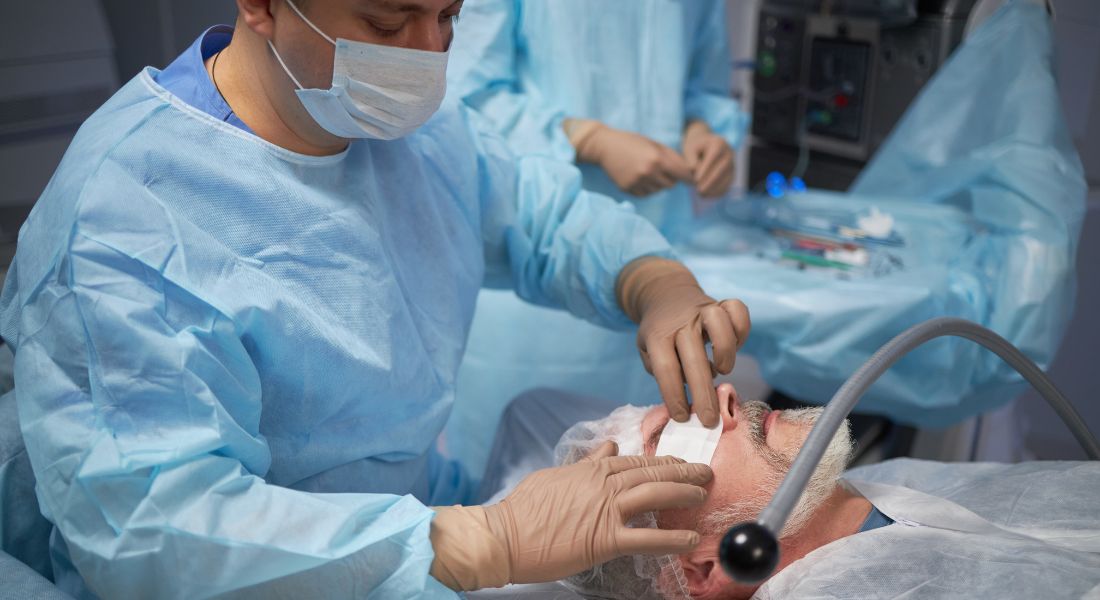
If you’ve already had cataract surgery and your vision still isn’t as sharp as you’d hoped, you’re definitely not alone. Even though cataract surgery replaces the cloudy lens and usually delivers excellent results, your eyes may still need a fine-tuning procedure to help you see more clearly. Sometimes that means glasses. Sometimes that means contact lenses. And sometimes the best option is a small laser enhancement.
You might be wondering whether laser eye surgery is even possible after cataract surgery and the good news is that it usually is. Many people choose to have a quick laser procedure afterwards to refine their vision so they can enjoy clearer distance, near or intermediate vision without depending on glasses.
In this guide, I want to walk you through exactly how it works, whether it’s safe, what your options are, and what you can expect during the process. If you’re considering a post-cataract laser enhancement, you’ll find everything you need to feel informed and confident about taking the next step.
Can You Have Laser Eye Surgery After Cataract Surgery?
Yes, you can absolutely have laser eye surgery after cataract surgery. Laser enhancement in these cases is a common and well-established procedure, used to correct small residual refractive errors that may remain after the initial surgery.
Typical issues addressed include minor myopia (short-sightedness), hyperopia (long-sightedness), astigmatism, blurred distance or near vision, and slight imbalance between the two eyes. These small imperfections can affect visual comfort and clarity even after a successful cataract procedure.
Cataract surgery replaces your natural lens with an artificial intraocular lens (IOL), but every eye heals differently. Occasionally, the IOL settles slightly differently than planned, creating minor refractive errors. Laser enhancement is an effective way to fine-tune vision and achieve sharper, more balanced sight.
Why Some People Need Laser Enhancement After Cataract Surgery
Common reasons you may need a laser touch-up include:
Residual Refractive Error: Even with precision measurements, the eye sometimes heals differently than predicted.
Astigmatism Not Fully Corrected by the IOL; If you didn’t have a toric lens implanted or if there was a small rotation of the toric IOL, you may still experience astigmatism.
Natural Healing Variations: Everyone heals differently, and minor differences in corneal shape can influence final results.
Desire for Sharper Focus Without Glasses: Even if your vision is good, you may want it sharper or more comfortable for specific tasks like driving, reading, or working.
Which Laser Procedures Can Be Performed After Cataract Surgery?
Even after successful cataract surgery, some patients may notice residual refractive errors or minor visual imperfections that affect clarity and comfort. Laser enhancements can fine-tune vision, optimising distance, near, and intermediate sight. The choice of procedure depends on corneal thickness, surface health, dryness, and individual visual needs, ensuring that patients achieve the best possible outcome safely.
There are three main techniques used to enhance vision after cataract surgery are:
LASIK: LASIK is often the preferred enhancement option after cataract surgery when the cornea is sufficiently thick and healthy. The procedure involves creating a small, precise flap in the cornea, reshaping the underlying tissue with a laser, and then repositioning the flap. This method allows for very accurate corrections of residual refractive errors, providing clear vision quickly. Patients benefit from fast healing, minimal discomfort, and highly predictable outcomes, making LASIK an attractive choice for those seeking a comfortable, rapid recovery. If your cornea meets the necessary thickness and health criteria, LASIK is usually the quickest and most convenient option for fine-tuning vision after lens replacement.
PRK (Photo-Refractive Keratectomy): PRK is a surface-based laser procedure that reshapes the top layers of the cornea without creating a flap, which makes it ideal for patients with thinner corneas or mild corneal irregularities. This approach also minimises disruption to the tear film, which can be beneficial for those prone to dry eyes. Although PRK has a slightly longer healing period than LASIK, the long-term results are comparable in clarity and stability. Surgeons may recommend PRK after cataract surgery for patients whose corneas are less suitable for a flap-based procedure, ensuring a safe and effective visual enhancement.
SMILE (Small Incision Lenticule Extraction): SMILE is less commonly used for post-cataract enhancements but can still be suitable for select patients. It is a flap-free procedure that involves creating a small lenticule within the cornea, which is then removed through a tiny incision. SMILE offers the benefits of minimal dryness, strong corneal stability, and quick functional recovery, making it appealing for patients sensitive to flap-related complications or dryness. The suitability of SMILE after cataract surgery depends on the individual’s specific refractive error and corneal anatomy.
How Long After Cataract Surgery Can You Have Laser Enhancement?
After cataract surgery, most surgeons recommend waiting at least three months before considering a laser enhancement. Many prefer a period of three to six months to ensure the eye has fully stabilised and is ready for precise correction.
During this time, it’s important that your prescription remains steady and the corneal surface has completely healed. Any lingering dryness or irritation should also be resolved to allow for accurate laser measurements and a comfortable procedure.
Additionally, the position of the intraocular lens (IOL) must settle completely. Your surgeon will evaluate your eye through postoperative measurements and assessments to determine the optimal timing for enhancement, ensuring the best possible visual outcome.
Is Laser Eye Surgery After Cataract Surgery Safe?
Yes, laser eye surgery after cataract surgery is very safe when performed by an experienced surgeon. These enhancements are among the most predictable and low-risk vision correction procedures available, thanks to advances in laser technology and precise preoperative planning.
Safety relies on several key factors, including the health of your cornea, stable postoperative healing, and the absence of significant dryness or inflammation. Accurate measurements of your eye’s shape and prescription are critical to achieving the best possible outcome.
The procedure itself is precise and minimally invasive, requiring much smaller corrections than typical refractive surgery performed before cataract removal. With a skilled surgical team and proper postoperative care, patients can enjoy sharper vision and improved comfort with minimal risk.
Common Vision Issues Improved by Post-Cataract Laser Surgery
You may benefit from a laser enhancement if your vision feels slightly blurred after cataract surgery. Even minor residual refractive errors can make everyday activities like reading, using a computer, or watching television less comfortable. Laser enhancement targets these small imperfections, helping you achieve clearer and sharper vision.
If your eyes are not balanced, meaning one eye sees better than the other, laser enhancement can help restore symmetry. Balanced vision improves depth perception and overall visual comfort, reducing strain and making it easier to focus on tasks at various distances.
Dependence on glasses more than anticipated is another common reason for seeking laser correction. Many patients hope to minimise or eliminate their reliance on corrective lenses after cataract surgery. By fine-tuning the corneal shape, laser enhancement can significantly reduce the need for glasses for distance, near, or intermediate vision.
Vision in dim lighting or challenging environments may also improve with a laser enhancement. Tasks like night driving, reading in low light, or working on screens become easier as the procedure smooths corneal irregularities and reduces optical distortions. Overall, laser enhancements refine your vision and maximise the benefits of your new intraocular lens.
What Happens During a Laser Enhancement Consultation?
During a laser enhancement consultation after cataract surgery, your surgeon will perform a comprehensive eye examination. This ensures that both your cornea and intraocular lens (IOL) are stable and suitable for further correction. Vision testing is carried out to assess your current prescription and identify any residual refractive errors. This helps determine exactly what adjustments are needed to optimise clarity and balance between your eyes.
Your corneal health is carefully evaluated through thickness measurements, topography, tomography, and astigmatism mapping. These tests provide detailed information about the corneal surface and curvature, ensuring that the laser can safely reshape it without compromising integrity.
Additional checks include dry eye assessment and pupil size measurement, as these factors can affect both surgical safety and visual outcomes. The consultation ultimately helps your surgeon create a personalised plan for refinement, maximising your visual improvement while minimising risks.
Not Everyone Is a Candidate Who Should Avoid Post-Cataract Laser Surgery?

While laser enhancements can significantly improve vision after cataract surgery, they are not suitable for everyone. Certain eye conditions, corneal abnormalities, or systemic health issues can increase the risk of complications or reduce the effectiveness of the procedure. Understanding these limitations helps patients make informed decisions and ensures that any post-cataract intervention is both safe and effective.
Laser enhancement may not be suitable if you have:
- Uncontrolled dry eye
- Corneal disease (e.g., keratoconus)
- Irregular astigmatism
- Corneal scarring
- Unstable prescription
- Autoimmune or inflammatory active disease
- Very thin corneas
- Retinal instability
In these situations, your surgeon may recommend alternative options such as corrective lenses or lens-based adjustments.
Alternatives to Laser Enhancement After Cataract Surgery
Glasses or Contact Lenses: For patients with only a mild residual refractive error, the simplest and least invasive option is often conventional glasses or contact lenses. This allows for precise correction without any surgical intervention, making it a practical choice for those who prefer a non-surgical approach or have minor visual discrepancies that do not significantly impact daily life.
Piggyback Lens (Secondary IOL): A piggyback lens involves implanting a second artificial intraocular lens in front of the primary IOL to fine-tune vision. This approach is useful when the first lens did not fully correct the prescription or if residual refractive errors remain. The procedure is minimally invasive compared with a full lens exchange and can provide excellent long-term stability and clarity.
IOL Exchange: In rare circumstances, the original intraocular lens can be replaced with a new lens that better suits your vision goals. This option is typically considered when the residual refractive error is significant or if the patient has changed their visual needs since the original surgery. While more invasive than a laser touch-up, IOL exchange can achieve precise correction and is sometimes the only option for certain lens types or complex prescriptions.
Light Adjustable Lens (for Earlier Patients): For patients who received a Light Adjustable Lens during cataract surgery, vision can be fine-tuned non-invasively using controlled UV light. This innovative approach allows the lens to be reshaped after implantation to achieve the desired prescription, providing a level of customisation that traditional lenses or laser enhancements cannot. The LAL option is especially advantageous for patients seeking highly personalised visual outcomes without additional incisions or laser treatment.
What Happens During the Laser Enhancement Procedure?
A laser enhancement after cataract surgery is generally quick, comfortable, and minimally invasive. Anaesthetic eye drops are applied first to numb the eye, ensuring the procedure is virtually painless and stress-free.
During the enhancement, a precise laser reshapes the cornea within seconds, correcting residual refractive errors and smoothing any irregularities. Patients usually feel only mild pressure or a gentle sensation as the laser works, with no need for injections or stitches.
Most laser enhancement procedures take about 10–15 minutes per eye. After the treatment, patients can often notice improved vision almost immediately, with full visual clarity developing over the following days to weeks as the cornea heals and stabilises.
Recovery After Laser Eye Surgery Following Cataract Surgery
Recovery after a laser enhancement is usually quicker and smoother than standard laser eye surgery, mainly because the amount of correction needed is much smaller. Your eye has already adapted to the artificial lens from your cataract surgery, so the laser only needs to make a fine adjustment to the surface of the cornea. This means healing tends to be more predictable, and most people notice improvements in their vision fairly quickly.
In the first few hours, it’s normal to experience some mild symptoms as your eye begins to settle. You might notice slight dryness, which often improves with lubricating drops. Many people also report a few hours of blurriness, especially right after the procedure, as the corneal surface starts healing. Mild irritation, such as a gritty or scratchy feeling, can happen too, but this usually settles within the same day. Light sensitivity is another common temporary effect, particularly if your eyes were already prone to dryness or irritation after cataract surgery.
Most people find that their vision becomes clearer within the first day, and you can typically get back to your normal routine within 24–48 hours. If you’ve had LASIK, the recovery is often even faster, while PRK may take a little longer as the surface layer needs more time to regenerate. Your surgeon will give you personalised aftercare instructions, including which drops to use, what activities to avoid, and signs to look out for. Following these guidelines closely helps ensure a smooth recovery and gives you the best chance of achieving the sharp, refined vision you’re aiming for.
How Effective Is Laser Eye Surgery After Cataract Surgery?
Most people achieve:
Clearer Distance Vision: Laser eye surgery fine-tunes the cornea to provide sharp and precise distance vision, allowing you to see objects far away without blur or strain. This improvement enhances activities such as driving, watching movies, or recognising faces from a distance.
Reduced Dependence on Glasses: By correcting refractive errors, laser procedures can significantly reduce or even eliminate the need for prescription glasses or contact lenses, giving you the freedom to enjoy daily life without constantly relying on eyewear.
More Comfortable Everyday Vision: With properly corrected vision, your eyes experience less strain, dryness, or fatigue throughout the day. Tasks like reading, working on a computer, or engaging in sports become more comfortable and less tiring.
Sharper Focus: Laser correction improves visual clarity across different distances, enhancing your ability to focus quickly and accurately. This is especially useful for activities requiring attention to detail, such as studying, crafting, or driving.
Better Night Driving: Enhanced corneal shaping reduces issues like glare, halos, and starbursts around lights at night. This allows for safer and more comfortable night-time driving, improving confidence and reaction time on the road.
More Natural Reading Ability: For those undergoing presbyopia or blended vision corrections, laser treatments can provide clearer near vision. This makes reading books, smartphone screens, or menus easier and more natural without the constant need for reading glasses.
FAQs:
- Can I really have laser eye surgery after cataract surgery?
Yes, you can. Once your eye has fully healed and your prescription has stabilised, laser enhancement is often a safe and reliable way to fine-tune your vision. Surgeons commonly use it to correct small refractive errors that remain after your artificial lens has settled. It doesn’t interfere with your cataract implant at all; it simply reshapes your cornea to help you see more sharply. - How soon after cataract surgery can I have a laser enhancement?
Most surgeons prefer to wait at least three months, but many recommend waiting three to six months to ensure everything has settled properly. Your cornea needs to heal, your IOL must be stable, and your prescription has to stop fluctuating. Once your eye measurements become consistent over multiple visits, that’s usually the point where your surgeon can safely plan a laser enhancement. - Is laser eye surgery after cataract surgery safe?
Yes, it’s considered very safe when performed by an experienced surgeon. The procedure is quick, controlled, and uses highly sophisticated technology that removes only a tiny amount of corneal tissue. Because the corrections after cataract surgery are usually small, the risks are even lower compared with standard laser eye surgery. Your surgeon will check factors like corneal health, dryness, inflammation, and IOL stability before approving you, which further increases safety. - Will the laser procedure affect my artificial lens?
No, it won’t. The artificial lens sits deep inside your eye, behind the iris, while the laser works only on the front surface of the cornea. These areas don’t interfere with each other. Your IOL stays exactly where it is, and the laser simply fine-tunes how light enters the eye so that the lens can focus more accurately. It’s a complementary adjustment, not a replacement or modification of your existing lens. - What if I still have dry eyes after cataract surgery can I still get laser?
It depends on how severe your dryness is. Mild dryness is extremely common after cataract surgery and usually manageable with drops or treatment before your enhancement. However, if your dryness is significant or unstable, your surgeon may delay or avoid laser because dryness can affect both healing and accuracy. The good news is that dry eye treatment has improved a lot, and many patients become suitable once their symptoms are controlled. - What does the laser enhancement feel like?
Most people describe it as surprisingly quick and comfortable. You’ll have numbing drops before the procedure, so you shouldn’t feel pain. In LASIK, you may feel a little pressure for a few seconds when the flap is created. In PRK, you might feel a light brushing sensation on the surface of your eye. The laser itself is silent and painless, and the entire procedure usually takes less than 15 minutes for both eyes. - How long does recovery take?
Recovery after a post-cataract laser enhancement is generally faster because only a small correction is needed. Many people notice clearer vision within hours if they’ve had LASIK, while PRK may take a few days to settle. You might experience mild irritation, light sensitivity, or dryness temporarily, but these usually improve quickly. Most people return to work and normal activities within one to two days. - What results can I realistically expect?
Most patients achieve noticeably sharper vision and reduced dependence on glasses. If your distance vision was slightly blurred or your reading vision didn’t feel completely comfortable, laser can often refine this to a level you were originally hoping for. It’s important to understand that the goal is refinement, not a complete transformation. Your surgeon will explain what level of precision your eye can safely achieve based on your corneal structure and IOL type. - Are there people who should avoid laser after cataract surgery?
Yes, some conditions make laser unsafe or ineffective. If you have significant dry eye that isn’t controlled, corneal disease like keratoconus, irregular astigmatism, corneal scarring, an unstable prescription, active autoimmune disease, very thin corneas, or certain retinal problems, your surgeon may recommend alternatives. The purpose of screening is to make sure the treatment will genuinely benefit you without causing complications later. - If I’m not suitable for laser, what other options do I have?
You still have several ways to improve your vision. Many people do well with glasses or contact lenses if their remaining refractive error is mild. In some cases, a piggyback lens can be inserted to adjust your prescription without touching the cornea. Rarely, an IOL exchange may be recommended if the implanted lens isn’t giving the result you need. If you had a Light Adjustable Lens inserted during cataract surgery, your surgeon can also fine-tune your vision using UV light instead of laser. You and your surgeon can discuss which option best aligns with your vision goals.
Final Thoughts: Is Laser Refinement Right for You?
If your vision isn’t quite where you want it to be after cataract surgery, you don’t have to settle. A small laser enhancement can often give you the clarity you were hoping for, whether that means sharper distance vision, more comfortable reading, or simply reducing your need for glasses. The key is making sure your eyes have fully healed, your prescription is stable, and your cornea is healthy enough for the procedure. Once your surgeon confirms these, a laser touch-up can be a safe, precise, and reliable way to fine-tune your vision.
If you’re thinking about taking the next step, it really helps to sit down with a specialist who can assess your eyes in detail and explain what kind of results you can realistically expect. If you’d like to find out whether laser eye surgery in London is suitable for you, feel free to contact us at Eye Clinic London to arrange a consultation.
References:
- Moshirfar, M., Thomson, A. C., Thomson, R. J., Martheswaran, T. & McCabe, S. E. (2014) “Refractive enhancements for residual refractive error after cataract surgery”, Current Opinion in Ophthalmology, 25(4), pp. 288-293. Available at: https://journals.lww.com/co-ophthalmology/Abstract/2014/07000/Refractive_enhancements_for_residual_refractive.11.aspx
- Moshirfar, M., Basharat, N. F., Bundogji, N., Ungricht, E. L., Darquea, I. M., Conley, M. E., Ronquillo, Y. C. & Hoopes, P. C. (2022) “Laser-Assisted In Situ Keratomileusis (LASIK) Enhancement for Residual Refractive Error after Primary LASIK”, Journal of Clinical Medicine, 11(16): 4832. Available at: https://www.mdpi.com/2077-0383/11/16/4832
- Moshirfar, M., Villarreal, A., Thomson, A. C. et al. (2021) “PRK Enhancement for Residual Refractive Error After Primary PRK: A Retrospective Study”, Ophthalmology and Therapy, 10, pp. 175–185. Available at: https://link.springer.com/article/10.1007/s40123-021-00331-8
- Refractive enhancements for residual refractive error after cataract surgery. Ophthalmology Clinics of North America. (Review) Available at: https://pubmed.ncbi.nlm.nih.gov/33122488/
- A comparison of LASIK versus PRK enhancement outcomes in eyes with prior cataract surgery. Journal of Cataract & Refractive Surgery. Available at: https://pubmed.ncbi.nlm.nih.gov/37738490/