


LASEK Surgery Statistics: Success Rates, Risks, and Long-Term Outcomes
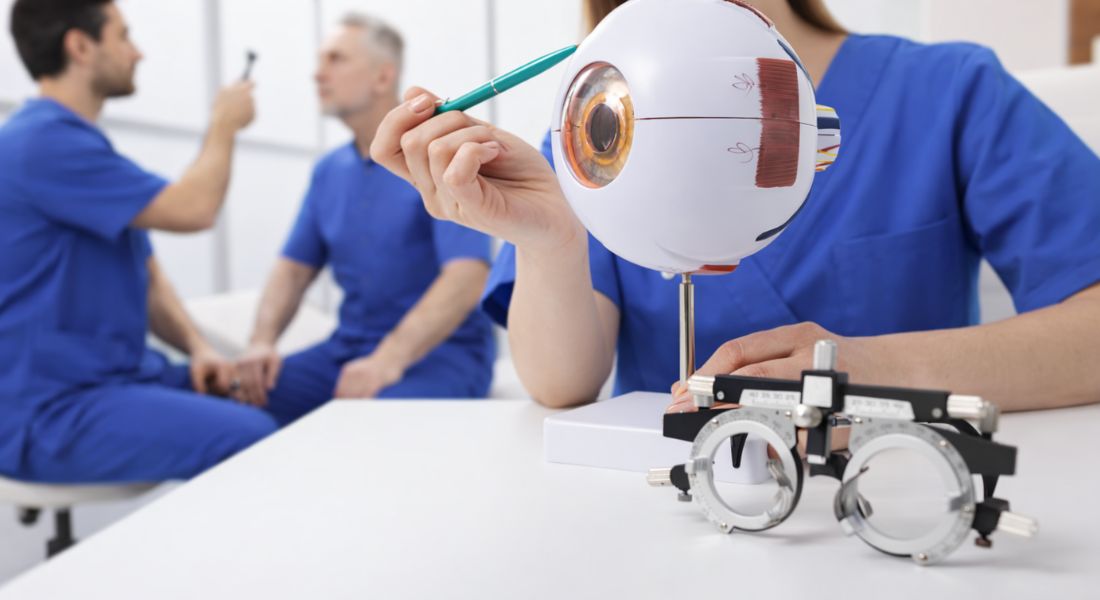
If you are considering LASEK eye surgery, it is natural to want clear, evidence-based information rather than promises or promotional claims. Many patients ask us how successful LASEK really is, what the risks look like in real numbers, and how vision holds up years after treatment. At Eye Clinic London, we believe statistics should inform decisions, not oversell outcomes.
LASEK is often discussed alongside LASIK and PRK, which can make the picture confusing.
In this article, we focus specifically on LASEK surgery statistics and explain what the numbers mean in practical terms. Our aim is to help you understand success rates, risks, enhancement likelihood, and long-term satisfaction in a realistic and reassuring way.
Why Patients Ask for LASEK Statistics Rather Than Opinions
When it comes to eye surgery, reassurance alone rarely feels sufficient. We often see patients wanting clear evidence about how frequently LASEK works and where limitations exist. Large clinical series involving thousands of treated eyes show why statistics provide structure in situations where opinions can feel conflicting.
Balanced data helps us move away from extremes. Some sources focus only on ideal outcomes, while others emphasise rare complications occurring in well under 1–2% of cases. Looking at statistics allows us to place both within realistic boundaries.
By relying on data rather than anecdotes, we can guide expectations responsibly. Numbers help us explain probability, not promises. This approach supports informed and confident decision-making.
What LASEK Surgery Is Designed to Achieve
LASEK is a surface-based laser eye procedure that corrects refractive error by reshaping the cornea without creating a deep corneal flap. This structural difference is central to how the procedure works and how outcomes are measured. LASEK is designed with specific eye characteristics in mind, which is why context matters when interpreting results.
LASEK is designed to achieve the following:
- Preserve corneal integrity – By avoiding a deep flap, LASEK maintains more of the cornea’s structural strength, which is important in certain eyes.
- Provide stable, long-term vision correction – The goal is reliable refractive correction that remains consistent over time.
- Suit specific patient groups – LASEK is commonly chosen for patients with thinner corneas or surface considerations, rather than the general population.
- Deliver outcomes within the right context – Success should be assessed based on the patients LASEK is intended for, not by direct comparison with other procedures without context.
By focusing on purpose as well as performance, we can assess LASEK outcomes more accurately and make better-informed treatment decisions.
Overall Success Rates Reported for LASEK Surgery
Modern studies consistently report high success rates for LASEK when patients are carefully selected. Over 90–95% of patients achieve unaided vision within one line of their intended correction, making outcomes comparable to other surface-based procedures.
| Outcome Measure | Reported Clinical Range | What This Means for You |
| Patients within ±1.00 D of target | 90–95% | Most achieve intended correction |
| Patients achieving 20/20 or better | 85–90% | Strong final visual outcomes |
| Long-term refractive stability | >90% at 5+ years | Vision remains stable once healed |
| Need for enhancement | 5–10% | Fine-tuning rather than failure |
| Loss of best-corrected vision | <1% | Very uncommon |
Clinical context: These figures reflect outcomes in appropriately selected patients and are comparable to other modern surface-based procedures.
Success is usually defined as vision within one line of the target prescription. When this standard is applied, reported results remain strong across multiple studies with follow-up beyond 12 months. What matters most is not the laser alone but the assessment process. Appropriate selection underpins success. Statistics repeatedly reinforce this principle.
Visual Acuity Outcomes After LASEK
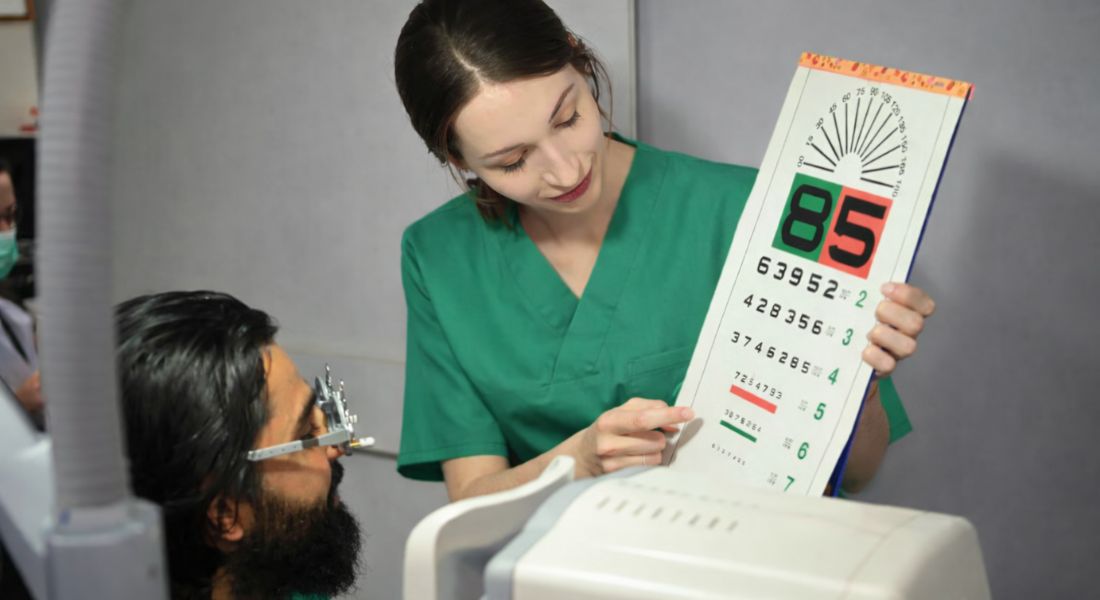
Visual acuity is one of the most important outcomes patients care about after refractive surgery. With LASEK, final visual results are strong, but the journey to that endpoint looks slightly different compared to other procedures. Understanding this helps align expectations and reduce unnecessary worry.
Here’s what visual acuity data shows:
- Final Visual Outcomes Are Excellent – Once healing is complete, the majority of patients achieve 20/20 or better distance vision. Long-term results are comparable to LASIK and PRK.
- The Difference Lies in the Recovery Timeline – LASEK does not compromise final vision quality, but early recovery is slower. This reflects the surface-healing nature of the procedure rather than reduced effectiveness.
- Vision Improves Gradually Over Several Weeks – Measurable gains in visual acuity continue over weeks rather than days. This gradual improvement is expected and consistently supported by clinical data.
- Slower Early Recovery Does Not Predict Poor Results – Early blur or fluctuation is part of normal healing. It does not indicate a problem with the final outcome.
When expectations align with biological healing, confidence increases. LASEK delivers strong long-term visual acuity, just on a different timeline. Statistics help explain this clearly and reassure patients that patience is part of the process, not a sign of compromise.
How Long Visual Recovery Takes According to Data
LASEK recovery follows a gradual improvement curve. Vision is often blurred during the first few days and improves steadily over the following weeks. This pattern is typical for surface-based treatments.
By around 3–4 weeks, most patients report functional vision suitable for daily activities. Further refinement continues as healing progresses, with full stabilisation commonly occurring by 3 months.
Long-term outcomes are assessed after this period. Evaluating results too early can underestimate final visual quality. Timing matters in interpretation.
| Recovery Phase | Typical Timeframe | What You Can Expect |
| First 24–72 hours | Blurred or fluctuating vision | Normal surface healing phase |
| 1 week | Gradual clarity improvement | Discomfort and blur reduce |
| 2 weeks | Functional vision emerging | Suitable for light daily tasks |
| 3–4 weeks | Stable functional vision | Most patients comfortable for work |
| 6–12 weeks | Continued refinement | Contrast and sharpness improve |
| 3 months | Visual stabilisation | Final vision outcome assessed |
Clinical context: LASEK recovery is progressive, not instant. Early blur is expected and does not predict poor results. We assess outcomes after stabilisation, not during early healing, because timing strongly influences how statistics should be interpreted.
Reported Rates of Corneal Haze After LASEK
Corneal haze is one of the most discussed LASEK-related concerns. Early studies reported higher rates, sometimes exceeding 5–10%, particularly with older technology and protocols.
Modern data paints a different picture. With current techniques, clinically significant haze is reported in well under 1–2% of cases, and when present, it is usually mild and temporary.
| Haze Severity | Modern Reported Rate | Clinical Interpretation |
| Mild, transient haze | 1–2% | Usually resolves with treatment |
| Clinically significant haze | <1% | Rare with current protocols |
| Persistent haze affecting vision | <0.5% | Very uncommon |
| Early studies (older techniques) | 5–10% | Not reflective of modern practice |
| Impact of post-op care | Significant | Steroids & follow-up reduce risk |
Why this matters: Modern haze rates are much lower than older data suggests. Context and technique matter when interpreting statistics.
Post-operative care plays an important role in risk reduction. Statistics reflect outcomes when protocols are followed correctly. Context is essential when reading haze data.
How Modern Techniques Have Reduced Haze Risk
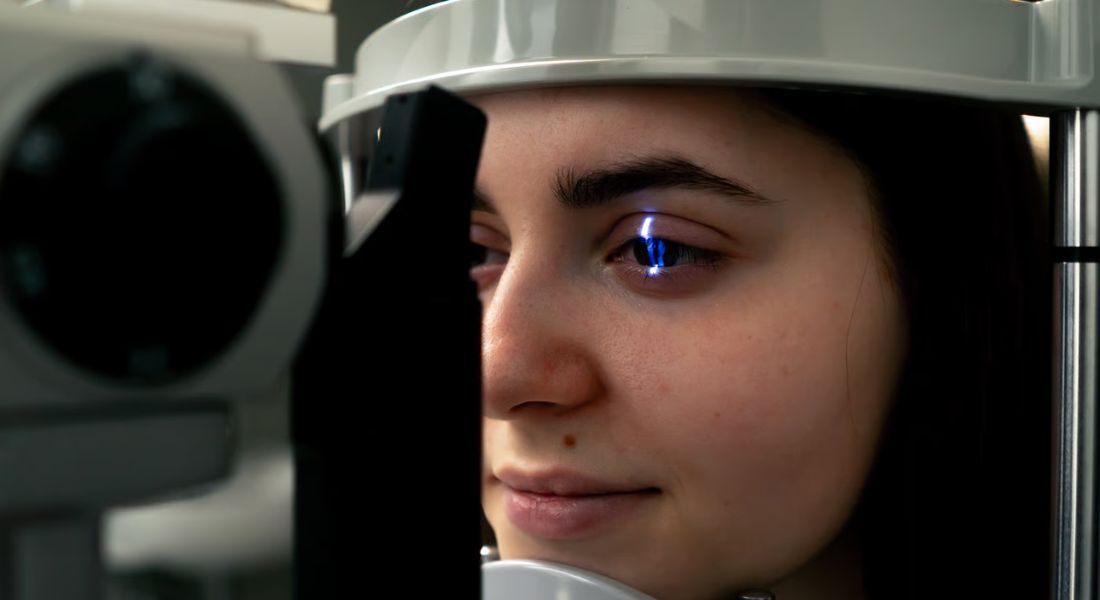
Advances in laser accuracy and surface healing strategies have improved clarity outcomes. Refined laser profiles and protective medications have reduced haze rates by several-fold compared to early reports.
This is why older statistics should be interpreted carefully. Data from more than a decade ago may not reflect current practice and can cause unnecessary concern.
We always rely on recent evidence when advising patients. Current statistics better represent what patients can expect today. Evidence evolves alongside technique.
Dry Eye Statistics After LASEK Surgery
Dry eye symptoms can occur after any laser eye procedure, and LASEK is no exception. In the early phase, dryness is usually linked to surface healing rather than permanent change. Understanding when dryness is expected and when it is less likely helps set realistic expectations.
Dry eye patterns after LASEK are understood because:
- Temporary dryness is common early on – During the first few weeks, surface healing can reduce tear stability, leading to short-term dryness.
- Long-term dryness appears less frequent in some groups – Compared with flap-based surgery, persistent dry eye is reported less often in selected patients.
- Reduced nerve disruption plays a role – Preserving deeper corneal nerves may explain lower long-term dry eye rates seen in some studies.
- Most symptoms improve with healing – As the surface recovers, dryness usually settles gradually, especially when surface care is optimised.
By assessing surface health carefully and managing healing proactively, we can reduce the likelihood of persistent dry eye and support more comfortable long-term outcomes.
Enhancement Rates Following LASEK
Enhancement refers to additional laser treatment if residual refractive error remains. Reported enhancement rates after LASEK typically range between 5–10%, depending on prescription strength and individual healing.
Higher prescriptions are associated with a greater likelihood of enhancement. This trend is seen across all laser procedures, not just LASEK, and reflects shared biological limits.
An enhancement does not mean initial failure. It represents fine-tuning rather than correction of error. Understanding this helps reduce unnecessary anxiety.
Long-Term Stability of Vision After LASEK
Long-term studies provide reassuring data for LASEK. Follow-up extending 5–10 years shows stable refractive outcomes in the majority of patients once healing is complete, with low regression rates.
Preservation of corneal biomechanics contributes to this stability. Because no deep flap is created, structural integrity is maintained more effectively, supporting durability.
These findings explain why LASEK remains relevant today. Stability matters as much as short-term convenience. Long-term data continues to support its role.
Patient Satisfaction Statistics After LASEK
Patient satisfaction after LASEK is shaped as much by expectations as by visual outcomes. When we prepare patients for a gradual recovery, studies show satisfaction scores are consistently higher, often exceeding 85–90% at long-term follow-up. Understanding the process reduces unnecessary concern during early healing.
Clinical studies regularly report high overall satisfaction among LASEK patients. Those who anticipate slower early recovery tend to feel more positive about their final results. Satisfaction scores often rise between 3 and 12 months as vision stabilises.
Dissatisfaction most often relates to unexpected recovery timelines rather than poor vision. Reports consistently show dissatisfaction rates remain low when pre-operative counselling is thorough. When patients are well informed, perceived success improves significantly.
Comparing LASEK Statistics With LASIK Outcomes
When comparing LASEK and LASIK statistics, it is important that we compare similar patient groups. LASIK often shows faster early visual recovery, with functional vision commonly achieved within days rather than weeks. This difference can influence short-term experience.
Final visual outcomes, however, are very similar between the two procedures. Long-term studies show over 90–95% of patients in both groups achieve comparable unaided vision once healing is complete. The distinction lies in recovery speed rather than outcome quality.
LASEK also shows lower rates of certain flap-related complications, which occur in a small minority of LASIK cases. This trade-off is central to decision-making. Statistics help us explain these differences objectively and clearly.
How LASEK Compares Statistically With PRK
LASEK and PRK share many similarities in clinical data. Both are surface-based procedures with reported success rates exceeding 90% in appropriately selected patients. Long-term visual outcomes are nearly identical in most studies.
Differences between the two procedures are usually subtle and relate more to healing experience. From a statistical standpoint, no consistent difference in final visual acuity has been demonstrated. Outcomes depend more on patient factors than technique.
Selection is therefore based on corneal surface characteristics and clinical judgement. Statistics support either approach when patients are appropriately assessed. Context remains essential.
| Outcome Metric | LASEK | PRK |
| Overall success rate | >90% | >90% |
| Final visual acuity | Comparable | Comparable |
| Time to visual stabilisation | Slower early recovery | Similar |
| Long-term stability | High | High |
| Complication profile | Low | Low |
Clinical takeaway: Statistically, LASEK and PRK deliver equivalent long-term outcomes. Choice is guided more by surface characteristics than performance.
Complication Rates Beyond Haze and Dry Eye
When looking beyond haze and dryness, it’s important to understand the broader safety profile of LASEK. Large modern datasets show that serious complications are uncommon when current protocols are followed. Most issues that do occur are mild, manageable, and temporary.
Complication data highlights that:
- Serious complications are rare – Infection rates are reported well below 1% when modern surgical and hygiene protocols are used.
- Most issues are mild and treatable – The majority of reported complications resolve with appropriate care and do not affect long-term vision.
- Post-operative care plays a critical role – Adherence to medications and follow-up schedules significantly reduces complication risk.
- Early detection improves safety – Regular review allows timely intervention before minor issues escalate.
By focusing on careful monitoring rather than alarm, we rely on evidence to guide reassurance. Modern outcomes support confidence through proactive care, not assumption.
Why Patient Selection Influences Statistics So Strongly
Statistics represent averages rather than guarantees. Outcomes improve significantly when patient selection is thorough, with higher success and lower enhancement rates reported in well-screened patients. Corneal thickness, prescription stability, and surface health all influence results.
| Selection Factor | Impact on Outcomes | Why It Matters |
| Corneal thickness | Higher success rates | Preserves biomechanics |
| Prescription stability | Lower enhancement rates | Reduces regression |
| Ocular surface health | Fewer dry eye symptoms | Improves comfort |
| Healing profile | Better predictability | Supports recovery |
| Pre-op assessment quality | Consistent results | Explains clinic-to-clinic variation |
Key insight: Statistics improve dramatically when patient selection is thorough. Numbers reflect biology as much as technology.
Variation between clinics often reflects differences in assessment quality. Studies consistently link experienced pre-operative evaluation with better outcome consistency. Numbers alone never tell the full story.
When statistics are viewed in context, they become more meaningful. Selection explains why reported success rates vary. Interpretation matters as much as data.
How Specialists Use Statistics in Real-World Decision Making
Statistics are an important part of how we discuss treatment, but they are never used in isolation. Numbers help explain likelihoods and set expectations, not replace clinical judgement. The goal is clarity, not persuasion.
We use statistics effectively by:
- Guiding discussion rather than dictating decisions – Data helps explain probabilities, such as success rates above 90% in suitable candidates, while individual factors still determine suitability.
- Interpreting numbers in personal context – What matters most is how the data applies to each person’s eyes, health, and circumstances.
- Framing realistic expectations – Statistics help explain what is likely, what is less likely, and where uncertainty exists.
- Supporting informed consent – Evidence-led discussion builds understanding and confidence, rather than pressure to proceed.
By using statistics thoughtfully and transparently, we help patients make decisions that feel informed, balanced, and grounded in evidence.
Why Marketing Claims Often Misrepresent LASEK Data
Marketing materials often focus on ideal outcomes alone, sometimes highlighting best-case vision results without recovery timelines. Recovery patterns and selection criteria are rarely discussed, which can distort expectations.
| Marketing Focus | What Data Actually Shows | Why This Matters |
| Immediate vision | Gradual improvement | Surface healing takes time |
| Best-case outcomes | Average population results | Sets realistic expectations |
| Ignoring recovery | Recovery affects experience | Timeline matters |
| Comparing without context | Patient-specific suitability | Procedures are not interchangeable |
| Promises over probabilities | Evidence-based likelihoods | Supports informed consent |
Clinical perspective: Statistics are most helpful when used to educate rather than persuade. Honest data improves trust and satisfaction.
Evidence-based conversations feel more balanced. They acknowledge both strengths and limitations reflected in long-term outcome data. This honesty supports better satisfaction. When data is presented responsibly, trust improves. Patients feel guided rather than sold to. Transparency benefits everyone.
Choosing the Right Setting for LASEK Surgery

Where LASEK is performed has a meaningful impact on outcomes. Centres experienced with surface-based procedures tend to deliver more consistent results because they understand the nuances of healing and follow-up. This experience shapes both safety and long-term vision quality.
Choosing the right setting matters because:
- Experience with surface procedures improves outcomes – Published data shows lower complication and enhancement rates in high-volume specialist centres.
- Familiarity with healing patterns makes a difference – Understanding surface recovery allows earlier intervention and more predictable results.
- Evidence-based assessment supports consistency – Centres that prioritise structured evaluation over speed achieve more reliable outcomes.
- Judgement is guided, not replaced, by data – At Eye Clinic London, we use statistics to inform care while keeping clinical judgement central.
By prioritising experience, evidence, and thoughtful planning, we protect both vision and confidence, with long-term outcomes always guiding decisions.
FAQs:
- How successful is LASEK surgery overall?
LASEK surgery has a high overall success rate when patients are carefully selected, with studies consistently showing that more than 90% of patients achieve vision within one line of their intended correction. Most people reach excellent unaided distance vision once healing is complete, and long-term follow-up data confirms that these results remain stable for many years. - How long does it really take to see clear vision after LASEK?
Vision recovery after LASEK is gradual rather than immediate because the surface of the cornea needs time to heal. Most patients experience blurred or fluctuating vision during the first few days, with functional vision usually developing over two to four weeks. Final visual sharpness and stability are typically assessed at around three months, once healing has fully settled. - Is LASEK less effective than LASIK in the long term?
LASEK is not less effective than LASIK in terms of final visual outcomes. Long-term studies show that both procedures achieve very similar levels of unaided vision once healing is complete. The main difference lies in the speed of recovery rather than the quality or durability of the final result. - What are the real risks of complications after LASEK surgery?
Serious complications after LASEK are uncommon when modern techniques and follow-up protocols are followed. Issues such as infection or loss of best-corrected vision occur in well under 1% of cases, while most reported side effects are mild, temporary, and resolve with appropriate care. Current statistics reflect a strong safety profile in experienced centres. - How common is corneal haze after LASEK today?
With modern laser technology and post-operative care, clinically significant corneal haze is now rare. Current data shows that mild haze occurs in a small percentage of patients and usually resolves over time, while persistent haze affecting vision is reported in less than 1% of cases. Older studies showing higher haze rates no longer reflect current practice. - Will I need an enhancement procedure after LASEK?
Enhancement procedures are required in a small minority of patients, typically around 5–10%, depending on prescription strength and healing response. An enhancement does not mean the original surgery failed, but rather that fine-tuning is needed to optimise the final result. This likelihood is similar across all laser eye procedures. - Does LASEK cause permanent dry eye problems?
Temporary dry eye symptoms are relatively common in the early healing phase after LASEK, as the corneal surface recovers. However, long-term dry eye appears less frequent in some patients compared with flap-based procedures, particularly when surface health is carefully assessed before surgery. Most dryness improves steadily over the weeks following treatment. - How stable is vision years after LASEK surgery?
Long-term studies following patients for five to ten years show that vision after LASEK is generally very stable once healing is complete. Regression rates are low, and most patients maintain their corrected vision over time. Preserving corneal structure plays an important role in this long-term stability. - Why do satisfaction rates depend so much on expectations with LASEK?
Patient satisfaction after LASEK is closely linked to understanding the recovery timeline in advance. Studies show that people who expect gradual improvement tend to report higher satisfaction once their vision stabilises. Dissatisfaction is far more often related to unexpected recovery speed than to poor visual outcomes. - Why does patient selection have such a strong impact on LASEK statistics?
LASEK statistics are most meaningful when they are applied to the right patient group. Factors such as corneal thickness, prescription stability, and surface health strongly influence outcomes. At Eye Clinic London, careful pre-operative assessment is considered essential because appropriate selection consistently leads to higher success rates, fewer enhancements, and better long-term satisfaction.
Final Thoughts: Making Sense of LASEK Statistics With Confidence
When you look closely at the statistics, LASEK emerges as a highly reliable and well-established option for the right patients. Success rates above 90%, low complication figures, and strong long-term stability all point to a procedure that delivers predictable outcomes when patient selection and follow-up are done properly. The key message from the data is that LASEK is not about instant results, but about safe, durable vision correction that settles gradually as the eye heals.
If you’re exploring whether Lasek surgery in London could benefit you, get in touch with us at Eye Clinic London to schedule your consultation. We focus on careful assessment, clear explanation of the statistics, and realistic guidance, so you can decide with confidence and understand exactly what the numbers mean for your own eyes.
References
- Yahalomi, T., et al. 2023. Dry eye disease following LASIK, PRK, and LASEK: comparative outcomes and implications for corneal nerve recovery, Journal of Clinical Medicine (MDPI). https://www.mdpi.com/2077-0383/12/11/3761
- Urban, B. & Bakunowicz‑Łazarczyk, A. 2024. Refractive surgery in myopic children: indications, outcomes, and complications including surface ablation techniques (PRK/LASEK), Journal of Clinical Medicine (MDPI). https://www.mdpi.com/2077-0383/13/15/4311
- S. Taneri, et al. 2004. Evolution, techniques, clinical outcomes, and pathophysiology of LASEK: review of the literature, Ophthalmology (ScienceDirect). https://www.sciencedirect.com/science/article/abs/pii/S0039625704001353
- A.E. Partal, et al. 2004. Analysis of the efficacy, predictability, and safety of LASEK for myopia and astigmatism correction, Journal of Refractive Surgery (ScienceDirect). https://www.sciencedirect.com/science/article/abs/pii/S0886335004004031
- Long‑term excimer surface ablation outcomes 2015. Four‑ to seven‑year follow‑up of advanced surface ablation (LASEK/PRK) for high myopia: safety, refractive stability and patient satisfaction outcomes. Journal of Cataract and Refractive Surgery. https://pubmed.ncbi.nlm.nih.gov/25582070/