


LASEK Surgery Recovery: Common Misconceptions and What No One Tells You
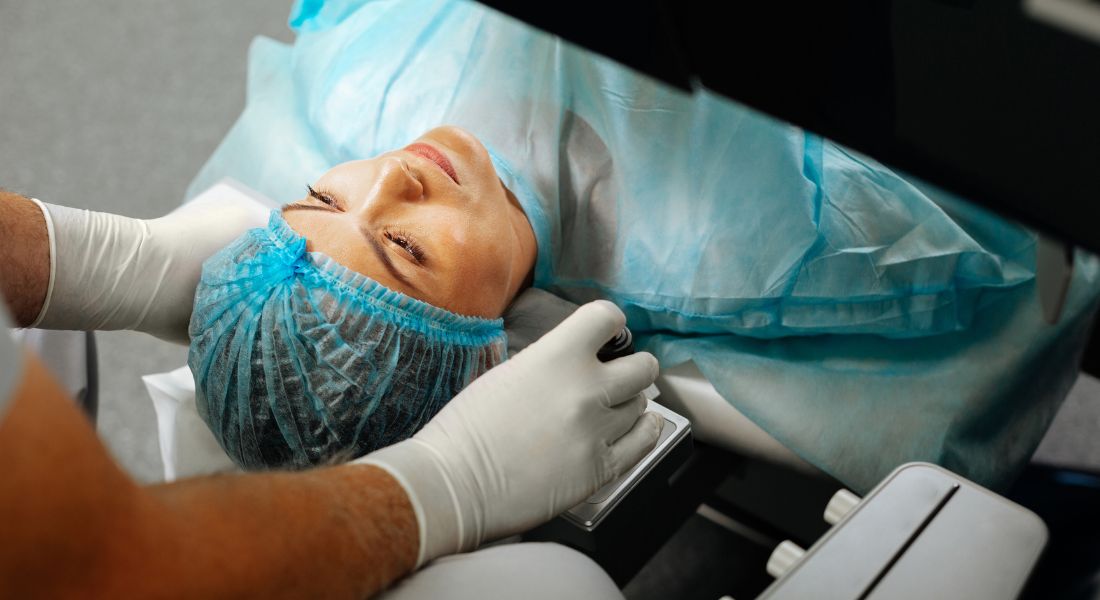
LASEK recovery rarely follows a perfectly linear or predictable path, and it’s important to know that day-to-day experiences can vary significantly from patient to patient. Some mornings you might wake up with remarkably clear vision, only to find it slightly blurry or hazy the next day. Pain and discomfort also differ widely while some people experience almost no sensation at all, others are caught off guard by a burning, gritty, or scratchy feeling during the first 24 hours. The pace of healing can vary too: some eyes stabilize remarkably quickly, while others take a bit longer to reach full clarity. Both scenarios are completely normal, and neither indicates that anything is wrong with your eyes or the procedure.
In this article, I’m going to take a deep dive into the most common misconceptions about LASEK recovery. I’ll explain what the healing process actually looks like, highlight the details that most clinics don’t usually share beforehand, and provide guidance on how to navigate every stage of recovery with confidence. My goal is to reassure, educate, and prepare you so that nothing about your healing process feels confusing or alarming. By understanding the realities of recovery, you’ll know what to expect, how to respond to changes in your vision, and how to support your eyes as they heal. To start, let’s explore some of the biggest myths patients hear about LASEK and why they aren’t entirely accurate.
Misconception 1: “Recovery Takes Only a Few Days.”
Many people enter LASEK with the expectation of a rapid recovery, often influenced by the quick healing times associated with LASIK. While LASIK patients may experience near-immediate visual improvement, LASEK follows a different, slower timeline. This mismatch in expectations can lead to frustration, disappointment, or unnecessary anxiety when the recovery process doesn’t feel “instant.” It’s important to recognise from the outset that LASEK is a more gradual journey, and understanding this sets the stage for a smoother, more confident healing experience.
In reality, LASEK recovery takes longer than LASIK. Most patients need around 1–2 weeks before they feel fully “functional,” meaning they can comfortably return to work, driving, or other daily activities. However, visual improvement continues beyond this initial period, gradually refining over weeks to months as the eye stabilises. The procedure involves removing and sometimes carefully repositioning the epithelium, the thin outer layer of the cornea. This delicate layer must regenerate and fully adhere, while the deeper corneal layers continue to adjust, smooth out, and settle into their final shape. By understanding that LASEK recovery is layered and progressive, patients can interpret every change from temporary blurriness to fluctuating vision calmly, knowing it is all part of the normal healing process. This perspective helps manage expectations and reduces anxiety, making the overall experience far more manageable and reassuring.
Misconception 2: “LASEK Is Extremely Painful.”
Misconception 3: “Your Vision Should Be Perfect by the End of Week One.”
One of the most common misunderstandings about LASEK is the expectation of instant visual clarity. Many patients assume that their vision will be crystal clear within days, but LASEK involves surface ablation of the cornea, which requires the epithelium the cornea’s outer layer to heal completely. Recovery is gradual, and fluctuations are normal. Understanding this process helps you set realistic expectations and reduces unnecessary anxiety during the first few weeks.
Early vision is often blurry: Immediately after surgery, your vision may appear cloudy, hazy, or wavy. This is caused by the natural swelling and healing of the corneal surface as well as the temporary bandage contact lenses used to protect the epithelium. Some patients describe a “foggy” or “smudged” view during the first few days. This initial blurriness is completely normal and should improve steadily over time.
Vision stabilises gradually, not immediately: Over the first several days to weeks, your cornea undergoes continuous healing. The new epithelial layer regenerates and smooths out, while minor fluctuations in clarity are part of the normal adjustment. You might notice that your vision improves one day, seems slightly worse the next, and then clears again these ups and downs are entirely expected.
Sharpness improves over days, weeks, and even months: Unlike LASIK, which typically provides faster recovery, LASEK requires a longer healing period because the corneal flap is not created. Your visual sharpness improves gradually as the cornea remodels and your brain adapts to the updated prescription. Even after vision feels stable, subtle improvements in clarity, depth perception, or contrast sensitivity can continue for several months.
Most patients achieve:
Functional vision by days 4–7: Most patients can perform essential daily activities such as walking, using digital devices lightly, reading, or watching TV. Vision may still be slightly blurry or hazy, especially for fine details or in low-light conditions.
Clear distance vision by week 2–4: At this stage, many patients can resume work, driving, and routine tasks. While distance vision becomes clearer, near vision or night vision may still fluctuate, and some patients may experience temporary glare or halos.
Stable clarity by months 1–3: The majority of corneal healing has occurred, and vision stabilises. Patients typically reach their target prescription, and fluctuations become less noticeable. Activities such as reading, driving, or sports can be performed comfortably without significant visual interference.
Refined, final results by months 3–6: The cornea continues subtle remodelling, allowing for further improvements in visual sharpness, contrast sensitivity, and night vision. By six months, most patients achieve their ultimate, refined vision, and any remaining minor fluctuations resolve.
Fluctuating vision in the first weeks after LASEK is completely normal and is a sign that your eyes are healing correctly. Blurriness, haziness, or temporary changes in sharpness should not be interpreted as a complication or failure. Patience and adherence to post-operative care instructions are essential. Understanding that full visual clarity develops gradually helps manage expectations, reduces anxiety, and ensures a more confident and comfortable recovery.
Misconception 4: “If Your Vision Fluctuates, Something Is Wrong.”
One of the most common worries patients have after LASEK is that fluctuating vision indicates a problem. In reality, almost every patient experiences changes in visual clarity during the recovery period. You may notice that your vision is blurrier in the morning, sharper in the evening, or that random fluctuations occur throughout the day. Some people see temporary ghosting, halos around lights, or intermittent periods of perfect sharpness followed by slight blur. These experiences are entirely normal and are not a sign that something has gone wrong with your procedure.
These fluctuations happen because your eyes are actively healing and adjusting. The epithelium the thin outer layer of your cornea is regrowing, the corneal surface is smoothing out, corneal nerves are repairing themselves, and your tear film is stabilising. All of these processes take time, and as they progress, your vision gradually becomes more consistent. In fact, these temporary changes are a positive sign that your cornea is remodelling correctly, which is essential for achieving long-term, stable, and sharp vision. Understanding that vision fluctuations are a normal part of the recovery journey can help you stay patient, manage expectations, and approach each day with confidence as your eyes continue to heal.
Misconception 5: “Healing Happens Evenly Across Both Eyes.”
It’s very common for:
One eye to feel more comfortable: After LASEK surgery, it’s very common for one eye to experience less irritation, dryness, or foreign-body sensation than the other. This difference is usually due to slight variations in corneal nerve distribution, sensitivity, or the way each eye responds to healing and medications. For example, one eye may tolerate the bandage contact lens better or produce tears more efficiently, leading to less discomfort. Over time, both eyes typically achieve similar comfort levels as healing progresses.
One eye to see more clearly: Visual clarity can develop unevenly between the eyes because each cornea may heal at a slightly different rate. One eye might regain sharpness faster, while the other remains slightly blurry or hazy. This asymmetry is entirely normal and is part of the brain’s natural adaptation to the updated vision. Often, the brain compensates by prioritising input from the clearer eye until the other catches up, which balances overall visual perception over days or weeks.
One eye to recover faster: Differences in corneal thickness, epithelial regeneration, or the subtle way the laser reshaped each cornea can cause one eye to stabilise sooner than the other. For instance, minor variations in how the laser energy interacts with corneal tissue can make one eye’s healing slightly quicker. Even if one eye seems fully functional while the other is still adjusting, this usually resolves naturally over time, and final vision typically becomes balanced once both eyes complete the healing process.
Asymmetrical healing is completely normal after LASEK. Most patients notice temporary differences in comfort, clarity, or recovery speed between eyes, but these differences naturally even out. Understanding this helps reduce anxiety and sets realistic expectations for the healing timeline, reinforcing that uneven early recovery is a sign of normal, healthy corneal repair rather than a complication.
Misconception 6: “You Can Return to Normal Life Immediately.”
While it’s true that LASEK is a minimally invasive procedure and you will be able to take care of yourself soon after surgery, your eyes are still healing, and not all activities can be resumed immediately. Jumping straight back into your usual routine can increase the risk of irritation, infection, or complications, and may even affect the final visual outcome. Understanding the necessary adjustments can help you recover safely and comfortably.
You may need to adjust:
Screen time: Using computers, smartphones, tablets, or watching television for extended periods can strain the eyes and worsen dryness or discomfort during the early healing phase. After LASEK, the corneal epithelium is regenerating, and prolonged screen exposure can slow this process and increase the likelihood of fatigue or blurred vision. Limiting screen time, taking frequent breaks, and using lubricating drops as advised by your surgeon can help your eyes heal more efficiently and prevent unnecessary strain.
Driving: Your vision may fluctuate in the first days or weeks, with occasional blurriness, glare, halos, or reduced depth perception. Driving before your visual acuity is stable can be unsafe for both you and others on the road. Most surgeons advise waiting until both eyes provide clear, functional vision, which may take from a few days to a few weeks depending on your healing speed. Even after you feel comfortable, check with your surgeon before resuming driving to ensure it’s safe.
Exercise: Physical activity, especially high-intensity workouts, contact sports, or swimming, can increase the risk of trauma, infection, or delayed epithelial healing. Heavy lifting or vigorous exercise can also raise eye pressure, which may interfere with the healing process. Light walking or gentle stretching is generally acceptable, but strenuous or impact activities should be avoided for at least 1–2 weeks, and water-based activities like swimming pools, hot tubs, or lakes should be delayed even longer to reduce infection risk.
Makeup use: Applying eye makeup immediately after LASEK can introduce bacteria or irritants to the delicate, healing cornea. Even mascara, eyeliner, or eyeshadow can pose a risk of infection or cause particles to scratch the surface. Surgeons typically recommend waiting at least 1–2 weeks before resuming makeup, using only fresh, clean products, and taking care to avoid contact with the eyes. This precaution helps prevent complications and ensures that your cornea heals smoothly.
UV exposure: The cornea is especially sensitive to sunlight during the first few weeks after surgery. Ultraviolet (UV) rays can cause photophobia, irritation, or even contribute to long-term complications such as corneal haze. Wearing UV-protective sunglasses whenever outdoors, and avoiding direct sun exposure during peak hours, protects the healing tissue and reduces discomfort. Extended exposure without protection can slow recovery and increase the risk of light sensitivity or inflammation.
Outdoor activities: Environmental factors like dust, wind, pollen, smoke, or air pollution can irritate the healing cornea and increase the risk of infection. Activities such as gardening, hiking, or cycling should be approached cautiously in the first few weeks. Protective eyewear, limiting exposure to harsh conditions, and avoiding environments where particles or debris are present can help your eyes heal safely and comfortably.
After LASEK, while you’ll be able to manage self-care and light daily tasks, returning fully to your normal lifestyle is a gradual process. Observing restrictions on screen use, driving, exercise, makeup, UV exposure, and outdoor activities is critical to protect your healing cornea, reduce the risk of complications, and achieve optimal long-term vision results. Patience and careful adherence to post-operative guidance are essential rushing recovery can compromise outcomes and prolong discomfort.
Misconception 7: “LASEK Is Just a Mild Version of LASIK.”
It’s a common belief that LASEK is a gentler alternative to LASIK because it doesn’t involve creating a corneal flap, and from a structural standpoint, that’s true. LASEK preserves the deeper layers of the cornea, which can be advantageous for patients with thinner corneas or certain risk factors. However, when it comes to recovery, LASEK is not necessarily “milder” or quicker. Unlike LASIK, which primarily reshapes the cornea beneath a flap, LASEK involves more extensive surface healing, meaning the epithelium the outer layer of the cornea must regenerate and stabilise. This process naturally takes more time and requires careful attention to post-operative care.
Because of this surface healing, patients may experience temporary discomfort during the early stages, including mild burning, grittiness, or light sensitivity, which can feel more noticeable than the brief discomfort often reported with LASIK. Vision also stabilises more gradually, often taking several weeks to months to reach its final clarity. This doesn’t indicate that LASEK is inferior or less effective it simply follows a different healing trajectory. Understanding that LASEK has a layered, progressive recovery helps patients manage expectations, stay patient during early fluctuations in vision, and approach the procedure with confidence. With proper post-operative care and follow-up, LASEK provides excellent long-term outcomes, offering safe, precise, and lasting vision correction that is comparable to LASIK, just along a slightly different path.
Misconception 8: “Redness Means Something Is Wrong.”
Many patients become concerned when their eyes appear red after LASEK, fearing that this is a sign of a complication. In reality, redness is extremely common and usually a normal part of the healing process. It can result from a range of typical post-operative factors, including inflammation as the corneal tissue repairs itself, temporary dryness, light sensitivity, or even mild irritation caused by the bandage contact lens that protects the eye during the initial recovery period. These factors are all part of the eye’s natural response to the procedure and indicate that healing is underway.
Redness can last for several days, and in some cases, even weeks, without indicating a problem. The degree of redness varies from person to person, depending on individual healing responses, the thickness of the cornea, and overall eye sensitivity. While it may look alarming, mild to moderate redness is generally harmless and gradually diminishes as the eye stabilises. Following your surgeon’s post-operative instructions such as using prescribed lubricating drops, avoiding rubbing your eyes, and protecting them from bright light can help reduce redness and promote comfort. Of course, any sudden or severe increase in redness, especially if accompanied by pain, discharge, or vision changes, should be reported immediately to your eye care professional. For most patients, however, post-LASEK redness is simply a temporary, visible sign that the eye is healing as expected.
Misconception 9: “If You See Halos or Glare, They Will Never Go Away.”
After LASEK surgery, it’s common for patients to notice visual phenomena such as halos around lights, glare, starbursts, or increased sensitivity to bright lighting. While these effects can feel unsettling at first, they are normal and typically temporary aspects of the healing process. These symptoms occur because the cornea is regenerating and the optical surface is still smoothing out, which can temporarily scatter light in unusual ways. For most patients, these visual disturbances gradually improve over days to weeks as the epithelium stabilises and the cornea settles into its final shape. Understanding that such effects are expected and usually short-lived can help patients remain calm and patient during recovery, rather than becoming anxious or assuming something has gone wrong. With proper post-operative care and follow-up, these temporary visual quirks almost always resolve, leaving clearer, more stable vision.
They occur because:
Your corneal surface is temporarily uneven: During the early stages of healing, the corneal epithelium (the outer layer of the cornea) is regenerating and smoothing out. Even minor surface irregularities can cause light to scatter, leading to halos, glare, or starbursts, especially at night or in low-light conditions. This unevenness is not permanent and improves as the corneal surface fully heals and becomes uniform.
Your tear film is unstable: Tear production and distribution may be temporarily altered after surgery. A slightly irregular tear film can cause light to refract unevenly across the cornea, intensifying visual phenomena like glare or halos. As your eyes recover and the tear film stabilises, these visual disturbances generally diminish. Using lubricating drops as recommended by your surgeon can also help reduce early symptoms.
Healing is still in progress: Even after the initial days or weeks, the cornea continues to remodel, and subtle changes in shape occur as healing progresses. The brain gradually adapts to the new visual input, further reducing the perception of halos, glare, or starbursts. For most patients, these visual effects improve significantly over weeks to months, and many eventually disappear entirely.
Seeing halos, glare, or starbursts in the early stages of LASEK recovery is completely normal and usually temporary. They are a natural consequence of corneal healing, tear film adjustments, and visual adaptation. While they can be bothersome initially, these visual effects typically improve as the epithelium regenerates, the cornea smooths, and your brain adapts to the new visual input. Patience and adherence to post-operative care are essential for achieving optimal long-term results.
Misconception 10: “Dry Eye Means You’re Healing Poorly.”
A common concern among LASEK patients is that experiencing dryness after surgery signals a complication or poor healing. In reality, dry eye is a completely normal part of the recovery process. During LASEK, the corneal nerves are temporarily disrupted, which can interfere with tear production and the stability of the tear film. This means your eyes may feel dry, gritty, or irritated in the days and weeks following the procedure even though the cornea is healing perfectly. Dryness can manifest in several ways, including blurred vision, a hazy appearance, irritation, or temporary ghosting of images.
The intensity varies from person to person, depending on individual tear production and corneal sensitivity. Regularly using lubricating eye drops, as prescribed by your surgeon, helps maintain moisture, reduce discomfort, and support visual clarity while the cornea regenerates. Over time, the corneal nerves recover, the tear film stabilises, and these symptoms usually diminish completely. Understanding that dry eye is a normal, expected part of healing can help you manage your expectations, follow post-operative care diligently, and approach recovery with patience and reassurance, knowing that comfort and clear vision will gradually return.
Now Let’s Talk About What No One Tells You About LASEK Recovery
What No One Tells You (But You Should Know)
Recovering from LASEK can be a surprising journey, full of unexpected sensations and ups and downs. While most patients are prepared for the immediate effects of surgery, there are aspects of the healing process that often go unspoken. From sudden shifts in vision to the role of a simple bandage contact lens, understanding what’s “normal” can make the recovery experience far less stressful. In this guide, we’ll highlight the key things no one usually tells you but you absolutely should know so you can navigate the first days and weeks after LASEK with confidence and realistic expectations.
Day 2 Is Often the Hardest Day: On the first day after LASEK, many patients are still feeling the effects of the numbing drops used during surgery, so discomfort may be minimal or masked. By day two, however, the full intensity of the healing process often becomes noticeable. This is typically when pain and swelling peak, tearing increases, and light sensitivity is at its highest. While these symptoms can feel intense, they are a normal part of the early recovery phase and usually begin to improve steadily after this peak period. With proper post-operative care, including the use of prescribed drops and rest, most patients start to feel more comfortable and notice gradual improvement in the days that follow.
Your Vision May Improve and Then Get Worse: This is perfectly normal healing after LASEK is rarely a straight, linear process. Even several weeks into recovery, you may notice slight shifts in your vision from day to day. These fluctuations can be influenced by factors such as air quality, prolonged screen use, temporary dryness, or even hormonal changes. Understanding that these variations are a normal part of corneal remodelling can help you stay patient and reassured as your eyes continue to stabilise and your vision gradually becomes clearer and more consistent.
The Bandage Contact Lens Helps More Than You Expect: The bandage contact lens placed after LASEK is essential for protecting your healing corneal surface, reducing friction from blinking, and shielding the delicate epithelium as it regenerates. When the lens is removed, it’s normal to experience temporary blurriness or mild irritation because the cornea is still adjusting, but these sensations usually settle quickly. Using lubricating drops as prescribed helps stabilise the surface and minimise discomfort. Understanding the purpose of the bandage lens and what to expect when it’s removed can make this stage of recovery feel more manageable and reassuring.
Your Tear Film Controls a Lot of Your Vision: Even after the corneal surface has healed, the clarity of your vision still depends heavily on proper moisture levels. Factors such as staying well-hydrated, using lubricating eye drops, maintaining regular blinking, and being in environments with adequate humidity all play a role in how sharp and comfortable your vision feels. Dryness or insufficient tear film can temporarily blur vision or cause discomfort, so maintaining eye moisture is an important part of long-term visual clarity after LASEK.
Your Vision May Look Better in the Morning and Worse at Night: It’s common for your vision to appear sharper in the morning and slightly blurrier by the evening after LASEK. This fluctuation occurs because your cornea can swell slightly overnight, while dryness tends to build up throughout the day. Both of these factors are normal and typically improve as your eyes continue to heal and stabilise, so occasional day-to-night changes in clarity are expected during recovery.
Reading Might Feel Harder in the First Few Weeks
In the weeks following LASEK, many patients notice that reading and other close-up activities feel more challenging than before. This is a normal part of recovery, as your cornea adjusts to its new curvature and the visual system recalibrates to the changes. Near vision may feel slightly blurred or require more effort, but these effects are temporary and typically improve as the eye continues to heal and stabilise. Another common experience during early recovery is increased light sensitivity. Many patients find that bright sunlight, indoor lighting, or screens feel more intense than usual. This heightened sensitivity can last anywhere from a few days to a couple of weeks, and in some cases even longer, depending on individual healing patterns. Sunglasses or tinted lenses often become essential companions during this phase, helping reduce discomfort and protect the eyes while they adjust.
It’s important to remember that full results from LASEK take time, but the gradual improvement is part of achieving optimal vision. By roughly 8–12 weeks, most patients report vision that feels clear, stable, and comfortable for everyday activities. However, the cornea continues to refine itself, and subtle enhancements in sharpness and visual quality can occur for up to six months after surgery. Understanding that recovery is a progressive, layered process allows patients to approach each stage with patience and confidence, appreciating the gradual improvements as their eyes heal and their vision reaches its full potential.
The Real LASEK Recovery Timeline
Here’s what recovery realistically looks like without sugar-coating it.
Day 1–3 (The Tough Phase): The first few days after LASEK are often the most challenging as your eyes begin the healing process. During this period, it’s common to experience blurry vision, a burning or stinging sensation, excessive tearing, heightened light sensitivity, and a gritty or scratchy feeling in the eyes. These symptoms are normal responses as the epithelium regenerates and the cornea adjusts. Most patients naturally spend more time resting during these initial days, allowing their eyes to recover while minimising strain and discomfort. Proper use of prescribed eye drops and following your surgeon’s care instructions can help ease symptoms and support a smoother recovery.
Day 4–7 (Functional Vision Returns): By days four to seven after LASEK, most patients notice significant improvement and begin regaining functional vision. During this phase, you’ll typically be able to move around comfortably, work from home, and perform light daily activities with ease. However, it’s important to remember that your vision won’t be fully sharp or stable yet. Some blur, mild fluctuations, or light sensitivity may still persist as your cornea continues to heal and the epithelium settles into place. Patience and continued adherence to post-operative care instructions remain key during this stage.
Week 2–4 (The Improvement Phase): During weeks two to four after LASEK, most patients enter the improvement phase, where vision gradually becomes clearer and more reliable. Light sensitivity typically decreases, distance vision improves, and dryness becomes less noticeable as the tear film stabilises. Vision fluctuations become less frequent, and overall clarity and consistency continue to build. By this stage, many patients feel more confident moving around, resuming daily activities, and engaging in work or hobbies, though full visual refinement is still ongoing. This period marks a noticeable shift from the early recovery discomfort to a more comfortable and functional level of vision.
Month 1–3 (The Stabilisation Phase): Between one and three months after LASEK, your cornea continues to smooth and settle into its new shape, and visual clarity steadily improves. During this stabilisation phase, many patients begin to notice the long-term benefits of the procedure, including sharper, more consistent vision and reduced dependence on corrective lenses. While subtle fluctuations may still occur, overall vision becomes increasingly reliable, and daily activities feel easier and more comfortable. This phase marks the transition from early recovery to the gradual achievement of your final visual outcomes.
Month 3–6 (Final Results) : Between three and six months after LASEK, your vision typically reaches its final stage of healing. During this period, the cornea completes its remodelling, and your vision becomes crisp, sharp, and fully stable. Most patients notice that fluctuations have disappeared, light sensitivity has largely resolved, and both near and distance vision are functioning optimally. Many describe this stage as life-changing, as the full benefits of the procedure freedom from glasses or contacts, enhanced clarity, and improved confidence in daily activities become truly evident.
What Helps Speed Up Recovery
FAQs:
- How long does LASEK recovery actually take?
LASEK recovery is a gradual process that unfolds over several weeks to months. While many patients regain functional vision within the first week, complete healing and visual refinement continue for several months. The cornea heals in layers: the epithelium regrows first, followed by deeper structural adjustments in the cornea itself. Because of this, vision often improves incrementally, with fluctuations along the way, rather than stabilising immediately after surgery. - Is LASEK painful?
The procedure itself is generally painless due to the use of numbing eye drops, but some discomfort can occur during the first one to two days after surgery. Patients commonly describe a burning, stinging, or gritty sensation as the epithelium regenerates and the cornea adjusts. Light sensitivity and watery eyes are also normal during this early period. However, most patients find the discomfort manageable with prescribed drops and the protective bandage lens provided by their surgeon. - When will my vision be clear?
Vision after LASEK does not improve in a straight line. Some patients notice significant improvement within a few days, while others experience fluctuations for several weeks. Initial functional vision typically returns around days four to seven, but sharp, stable distance vision often takes two to four weeks. Full visual stability and refinement, including improvement in night vision, clarity, and contrast, can take three to six months. - Why does my vision fluctuate during recovery?
Vision fluctuations are entirely normal after LASEK and occur because the cornea is actively healing and remodelling. The regrowth of the epithelium, the smoothing of the corneal surface, and adjustments in the tear film all contribute to temporary changes in clarity. These variations do not indicate a problem; rather, they reflect healthy healing as the eye adjusts to its new shape and prescription. - Can both eyes heal at the same rate?
It is common for one eye to feel more comfortable or see more clearly than the other in the early stages of recovery. Each eye may respond differently to surgery due to minor anatomical differences, previous strain, or healing patterns. This asymmetry is usually temporary, and vision in both eyes typically balances out as healing progresses over the following weeks. - When can I resume normal activities?
Patients can generally resume light daily activities within the first week, but certain precautions are recommended. Screen time, driving, exposure to bright sunlight, exercise, and the use of makeup should be moderated initially to prevent irritation or injury to the healing cornea. Full return to normal routines is usually safe by the end of the first month, depending on individual recovery and comfort levels. - Will I experience dry eyes after LASEK?
Dryness is a common part of the LASEK healing process because the corneal nerves are temporarily affected, and the tear film may be disrupted. This can lead to intermittent blur, irritation, or ghosting. Regular use of lubricating eye drops, maintaining hydration, and avoiding rubbing the eyes can significantly improve comfort and help restore visual clarity during the recovery period. - Are halos, glare, or starbursts normal?
Some patients notice halos, glare, or starbursts around lights after LASEK, especially at night. These visual effects are caused by temporary irregularities in the corneal surface and changes in the tear film. They typically improve as the epithelium regenerates and the cornea stabilises, often resolving fully within several weeks to months. - How important is the bandage contact lens?
The protective contact lens plays a crucial role in recovery. It shields the regenerating epithelium, reduces discomfort, and supports smooth healing of the corneal surface. Once removed, patients may notice temporary blur or mild irritation, but these effects subside quickly. The lens significantly improves comfort and reduces the risk of complications during the initial healing phase. - When will I see the final results?
Final visual results after LASEK are usually achieved between three and six months post-surgery. By this stage, patients often experience clear, stable, and comfortable vision with reduced glare and improved night-time clarity. While recovery requires patience, most patients find that the gradual improvements are worth the wait, providing long-lasting enhancement of their vision.
Final Thought: LASEK Recovery
Understanding what to expect during LASEK recovery can make a huge difference in how comfortable and confident you feel after surgery. While the process can involve some discomfort, vision fluctuations, and patience, these experiences are a normal part of healing. By following your surgeon’s guidance, taking care of your eyes, and managing expectations, you can navigate each stage of recovery more smoothly and enjoy the long-term benefits of sharper, clearer vision.
If you’re considering Lasek surgery in London and want to find out whether it’s the right choice for your eyes, you’re welcome to reach out to us at Eye Clinic London to book a consultation and discuss your options in detail.
References:
- Francoz, M., Gatinel, D. & Bouheraoua, N. (2015) ‘Anterior segment optical coherence tomography evaluation of corneal epithelium healing time after 2 different surface ablation methods’, Journal of Refractive Surgery, 31(7), pp. 447–452. Available at: https://pmc.ncbi.nlm.nih.gov/articles/PMC4362180/
- Denoyer, A., Landman, R., Rabinowitz, Y. S., et al. (2018) ‘Visual outcomes and management after corneal refractive surgery: a review’, Clinical Ophthalmology, 12, pp. 1765–1777. Available at: https://pmc.ncbi.nlm.nih.gov/articles/PMC5904824/
- Husein-ElAhmed, H., Allam, A. & Khalil, S. (2022) ‘Dry Eye Disease following LASIK, PRK, and LASEK: A Cross-Sectional Study’, Journal of Clinical Medicine, 12(11), 3761. Available at: https://www.mdpi.com/2077-0383/12/11/376
- Siganos, D. S. & Droutsas, K. (2005) ‘Evolution, techniques, clinical outcomes, and pathophysiology of LASEK: review of the literature’, Survey of Ophthalmology, 50(5), pp. 521–549. Available at: https://pubmed.ncbi.nlm.nih.gov/15530945/
- Solomon, K. D., Fernández de Castro, L., Sandoval, H. C., et al. (2009) ‘A randomized prospective clinical trial comparing laser‑subepithelial keratomileusis (LASEK) and photorefractive keratectomy (PRK)’, JAMA Ophthalmology, 127(9), pp. 1097–1104. Available at: https://pubmed.ncbi.nlm.nih.gov/19625721/