


LASEK Surgery for Near-Sightedness (Myopia): What to Expect
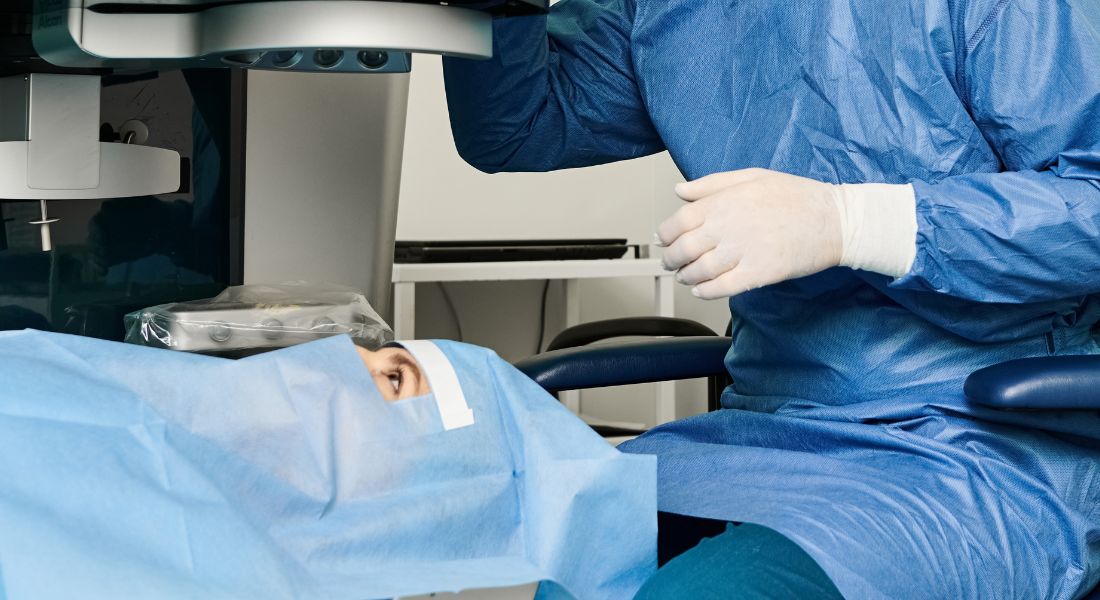
For many people living with near-sightedness (myopia), laser eye surgery represents the possibility of finally stepping away from the constant dependence on glasses or contact lenses. If you’ve spent years starting each morning with a blurred view of the world or dealing with the discomfort that can come with long-term contact lens wear, the idea of waking up to clear vision can feel genuinely life-changing. Most people begin their research with LASIK because it’s the most widely known procedure, but suitability isn’t guaranteed for everyone. Factors such as thin corneas, dry eyes, slightly irregular corneal shapes, or certain prescription levels can make LASIK less safe or less effective. When this happens, patients are often introduced to LASEK a flap-free, surface-based technique that has been quietly delivering safe, stable, and highly effective results for short-sighted individuals for more than two decades. It’s a method that prioritises corneal preservation and can be a better match for those who need a gentler approach.
Naturally, this raises several important questions: what exactly is LASEK, how does it correct myopia, what does the procedure feel like, and how long will recovery take before your vision feels reliable again? In this article, I’ll walk you through each of these points so you can build a clear, confident understanding of what to expect. Whether your myopia is mild, moderate, or leaning towards the higher end, I’ll explain how LASEK works, how it compares with LASIK, why surgeons often recommend it for certain eye types, and what your vision and comfort level might look like during the healing process. My goal is to give you a realistic, honest overview so you can decide whether LASEK aligns with your vision goals and day-to-day lifestyle, without any confusion or guesswork.
What Is Myopia (Near-Sightedness)?
Common symptoms include: Common symptoms of myopia include difficulty seeing road signs, blurry whiteboards or screens from a distance, frequent eye strain, headaches, and the need to squint just to bring distant objects into focus, which often leads to relying heavily on glasses or contact lenses for activities like driving, studying, or sports. Myopia is incredibly common, affecting billions of people worldwide, but the reassuring news is that LASEK can correct it very effectively, often providing results comparable to LASIK while offering a safer option for certain eye types.
What Is LASEK and How Does It Work?
In LASIK: In LASIK, the surgeon creates a thin flap in the cornea using either a blade or a femtosecond laser, gently lifts that flap out of the way, and then applies the laser to reshape the underlying corneal tissue. Once the reshaping is complete, the flap is carefully placed back into position, where it naturally seals without stitches and acts as a protective layer during the fast recovery period.
In LASEK: In LASEK, no corneal flap is created at all. Instead, a diluted alcohol solution is applied to soften the epithelium, which is then gently moved aside as a thin sheet so the laser can precisely reshape the corneal surface and correct your prescription. After the laser work is done, the epithelium is carefully repositioned and a protective contact lens is placed over the eye to support comfort and healing during the early recovery period. By avoiding the creation of a flap, LASEK preserves more of the cornea’s natural strength, making it a particularly good option for people who aren’t ideal candidates for LASIK due to thin corneas, dryness, or specific structural considerations.
Why LASEK Is a Popular Option for Treating Myopia
LASEK Removes Less Tissue Than LASIK: LASEK removes less corneal tissue than LASIK, which is one of the main reasons it’s often recommended for treating myopia, especially in people whose corneas are naturally on the thinner side. Because LASIK requires additional tissue to create and lift a flap, it reduces the amount of remaining corneal thickness, whereas LASEK avoids this completely by working on the surface. By preserving more of the cornea’s natural structure, LASEK lowers the risk of corneal weakening, supports better long-term stability, and provides a safer option for anyone with thin or borderline-thin corneas.
LASEK Reduces the Risk of Flap Complications: LASEK also reduces the risk of flap-related complications because no corneal flap is created in the first place. This means there’s no possibility of flap dislodgement, no chance of flap wrinkling, and far fewer concerns for people who take part in contact sports, military training, or physically demanding activities where eye impacts can occur. Without a flap to protect long-term, patients generally have fewer lifestyle restrictions once healing is complete, which is especially reassuring for near-sighted individuals who want clear vision without having to worry about flap sensitivity years down the line.
LASEK Is Excellent for Patients With Dry Eyes: LASEK is also an excellent choice for patients who struggle with dry eyes, which is very common among near-sighted people, especially those who have worn contact lenses for many years. Because LASIK involves creating a corneal flap, it disrupts more of the corneal nerves responsible for tear production, which can temporarily or even persistently worsen dryness. LASEK, on the other hand, affects far fewer nerves because it works on the surface without a flap, making long-term dryness much less likely and offering greater comfort for patients who already experience irritation or reduced tear quality.
Better Option for People with Thin or Flat Corneas: Even if your corneas aren’t extremely thin, they may still be slightly thinner or flatter than what is considered ideal for LASIK, and in these cases LASEK is generally the safer and more suitable option. By avoiding flap creation and preserving more natural corneal structure, LASEK reduces the risk of weakening the cornea and provides a more stable long-term outcome for people with borderline measurements. This makes it especially reassuring for near-sighted patients who want effective correction without compromising corneal safety.
Works Well for a Wide Range of Myopia: LASEK is effective for correcting a wide range of myopia, making it a versatile option for many patients. It can treat mild near-sightedness, typically around -1.00, moderate prescriptions ranging from about -3.00 to -6.00, and even higher levels of myopia depending on the thickness and health of the cornea. This flexibility allows surgeons to tailor the procedure to each individual’s eye, providing reliable visual improvement for a broad spectrum of short-sighted patients.
How LASEK Corrects Near-Sightedness
LASEK corrects near-sightedness by precisely reshaping the cornea so that light entering the eye focuses accurately on the retina. In myopia, the cornea is naturally too curved or the eye is slightly too long, causing light to focus in front of the retina and making distant objects appear blurry. The laser gently flattens the central cornea, reducing its focusing power and effectively shifting the focal point back onto the retina. This correction restores clear distance vision while maintaining the overall structure and strength of the cornea.
The procedure is highly controlled and personalised to each patient’s prescription, allowing surgeons to achieve precise results for mild, moderate, and even higher degrees of myopia, depending on corneal thickness. By adjusting the corneal curvature in this way, LASEK not only improves clarity for far vision but also minimises long-term risks associated with more invasive flap-based procedures like LASIK. This makes it a safe, effective option for those seeking reliable vision correction without compromising corneal health.
What this means for you: One of the main benefits of LASEK is achieving clearer distance vision, which can dramatically improve daily life. Many patients notice they no longer need to squint at road signs, whiteboards, or screens, and activities like driving, watching sports, or attending lectures become much easier and more comfortable. Along with clearer vision, LASEK often reduces reliance on glasses or contact lenses, giving you more freedom and flexibility in your everyday routine. Beyond convenience, the procedure can also improve overall visual comfort and reduce eye strain. For those who have relied on corrective lenses for years, experiencing life without them can feel genuinely transformative. Simple tasks like reading, using digital devices, or enjoying outdoor activities can become far more enjoyable, with less fatigue and irritation, offering a sense of independence that many patients describe as life-changing.
Who Is a Good Candidate for LASEK for Myopia?
You may be a good candidate for LASEK if you are 18 or older, have a stable prescription, and overall healthy eyes. It’s particularly well-suited for people with thinner corneas or mild to moderate myopia, as well as those who struggle with dry eyes and might not tolerate LASIK as well. LASEK is also ideal for individuals who prefer a flap-free procedure, whether for peace of mind or lifestyle reasons. People with active lifestyles, including athletes, military personnel, or anyone regularly involved in contact sports, often choose LASEK because it avoids the long-term risks associated with a corneal flap. In addition, your cornea needs to have sufficient thickness and the right shape, and you should not have any conditions that weaken or distort the cornea, such as keratoconus or corneal instability.
Determining suitability for LASEK isn’t just about meeting general criteria; it requires a detailed, personalised assessment using advanced diagnostic tests. These tests measure corneal thickness, curvature, and the overall health of your eyes, allowing the surgeon to evaluate whether the procedure can be performed safely and effectively. They also help predict the likely visual outcome and recovery process. Later in this guide, I’ll walk you through what these tests involve, how they shape your treatment plan, and why they’re so important in ensuring that LASEK delivers the best possible results for your vision.
Who Is NOT a Good Candidate?
LASEK may not be the right option for everyone, and understanding who isn’t suitable is just as important as knowing who is. People with an irregular corneal shape or conditions like keratoconus are usually advised against LASEK because these issues can compromise the cornea’s stability and increase the risk of complications. Extremely high levels of myopia can also make the procedure less effective or unsafe. Additionally, anyone with active eye infections, those who are pregnant, or individuals with autoimmune conditions that affect healing should avoid LASEK, as these factors can interfere with recovery and increase the likelihood of side effects. Corneas that are extremely thin, below a safe threshold, are also a limiting factor, since there may not be enough tissue to reshape safely.
For patients who fall into these categories, there are several alternative treatments that can still offer excellent visual outcomes. PRK, a surface-based laser procedure, can be a safer option for some patients who cannot undergo LASIK or LASEK. SMILE, a minimally invasive laser treatment, and implantable lenses (ICL) are also effective for correcting higher prescriptions or cases where the cornea isn’t ideal for surface reshaping. A thorough eye examination and detailed measurements allow your surgeon to recommend the safest, most appropriate method for your eyes, ensuring you can still achieve clear, stable vision while minimising risks.
What to Expect on the Day of Your LASEK Procedure
Knowing what to expect on the day of your LASEK procedure can make the experience far less stressful and help you feel more in control. On arrival at the clinic, you’ll typically undergo a quick pre-operative assessment to confirm your prescription and ensure your eyes are healthy and ready for surgery. Eye drops will be applied to numb the surface of your eyes, so you shouldn’t feel pain during the procedure, and a mild sedative may be offered if you’re feeling particularly anxious. You’ll then be comfortably positioned under the laser, and the surgeon will begin by gently loosening the epithelium before the laser reshapes your cornea according to your personalised treatment plan.
The procedure itself is relatively quick, usually taking only 10 to 15 minutes per eye, and most patients describe feeling only mild pressure or a slight burning sensation during the laser work. Once the cornea has been reshaped, the epithelium is carefully repositioned, and a protective contact lens is placed to support healing and comfort. After the surgery, you’ll spend a short time in recovery, during which your vision may be blurry and your eyes slightly sensitive to light. Your surgeon will provide detailed instructions for post-operative care, including eye drops, rest, and follow-up visits, to help ensure a smooth and safe recovery.
Pre-Surgery Checks: Before your procedure begins, your surgeon will perform a detailed review of your eye scans and measurements. This includes checking corneal thickness, curvature, pupil size, and overall eye health. These assessments ensure that LASEK is safe for you and help determine the precise amount of corneal reshaping required. You’ll also discuss your prescription, lifestyle needs, and expectations to make sure the procedure will achieve the best possible visual outcome. Any pre-existing eye conditions, such as dry eyes or early keratoconus, are carefully evaluated at this stage to prevent complications.
Numbing Drops Applied: Special anesthetic eye drops are used to numb your eyes and ensure you remain comfortable throughout the procedure. Once applied, these drops act quickly to eliminate pain sensations, so you feel little to no discomfort during the surgery. You may notice a brief stinging or cooling sensation when the drops are first applied, but this usually fades within seconds. Because the drops are temporary and fully safe, you remain awake and alert, able to follow the surgeon’s instructions, such as looking at a fixed light.
The Epithelium Is Loosened: A mild alcohol solution is placed on the surface of your cornea for around 20–30 seconds. This softens and loosens the epithelium, which is the thin, protective outer layer of the cornea. Loosening it carefully allows the surgeon to lift or slide it aside without causing damage. The epithelium is crucial for protecting your eye from infection and irritation, so preserving it is essential for a smooth recovery. You may feel a slight pressure or cool sensation, but the process is painless thanks to the numbing drops.
The Laser Reshapes Your Cornea: Once the epithelium is moved aside, the excimer laser is used to precisely reshape the cornea. This step corrects your refractive error by steepening or flattening the corneal curvature so that light focuses correctly on the retina. The laser works in seconds, removing microscopic layers of tissue with extreme precision. During this process, you may hear clicking sounds or see flashing lights. This is completely normal; it is part of the laser’s operation and does not indicate any problem. You simply need to keep your eyes focused on the target light while the laser does its work.
Epithelium Repositioned: After the corneal reshaping is complete, the surgeon carefully repositions the epithelium over the treated area. This acts as a natural bandage, covering the delicate corneal tissue and promoting faster healing. Repositioning the epithelium helps reduce discomfort, prevents infection, and ensures a smoother surface for clear vision. The epithelium will gradually adhere to the new corneal shape over several days, forming a protective layer while the deeper tissue continues to remodel.
A Bandage Contact Lens Is Applied: A soft, protective bandage contact lens is placed over the cornea to shield it during the initial healing phase. This lens reduces irritation, maintains the epithelium in place, and protects the cornea from friction with your eyelids. The contact lens also helps stabilise vision during the first few days when the epithelium is reattaching. You will usually leave it in place for several days, and your surgeon will monitor healing before removing it.
You Go Home the Same Day: LASEK is an outpatient procedure, so you can return home the same day once your eyes are stable. Because vision may be temporarily blurry and your eyes sensitive to light, it is essential to have someone drive you home. You will be given detailed post-operative care instructions, including how to use prescribed eye drops, manage discomfort, avoid rubbing your eyes, and protect your eyes from sunlight or dust. Follow-up appointments will be scheduled to monitor healing, remove the bandage lens, and ensure your vision is stabilising properly.
Does LASEK Hurt?
The LASEK procedure itself is virtually painless thanks to numbing eye drops, which keep the cornea fully comfortable throughout the surgery. Patients remain awake and alert, sometimes with a mild sedative to help them relax, while the laser precisely reshapes the cornea according to their prescription. Because LASEK avoids creating a corneal flap, it preserves more of the cornea’s natural structure, making it a safer option for people with thinner or flatter corneas, dry eyes, or active lifestyles where flap-related complications could be a concern. Many patients appreciate this added safety and find the brief procedure, usually only 15–20 minutes per eye, straightforward and well-tolerated.
The recovery period for LASEK, however, is typically more uncomfortable than LASIK. During the first few days after surgery, it’s common to experience a gritty or sandy sensation in the eyes, increased light sensitivity, mild pain or discomfort, watering, blurry vision, and a burning feeling as the epithelium heals. These symptoms gradually improve, with most patients noticing significant relief within 3–5 days, although complete visual clarity may take a bit longer. While LASIK often allows for quicker recovery and faster return to normal activities, LASEK’s flap-free approach provides superior long-term corneal stability and safety, making the slightly longer healing period a worthwhile trade-off for many patients seeking reliable, lasting correction.
Recovery Timeline: What You Should Expect
LASEK recovery is generally slower than LASIK, but it follows a steady and predictable timeline that most patients find manageable. Because the procedure works on the surface of the cornea and involves repositioning the epithelium, your eyes need time to heal fully before vision stabilises. During the first few days, discomfort, light sensitivity, and blurry vision are common, but these symptoms gradually improve as the epithelium regenerates and the cornea adjusts to its new shape.
Most patients notice significant improvement within the first week, with vision continuing to sharpen over the following weeks. Protective contact lenses worn after surgery are typically removed within 3–5 days, and eye drops are used regularly to support healing and reduce dryness or irritation. While LASIK may offer faster visual recovery, LASEK’s gradual healing process is predictable and safe, allowing the cornea to regain strength and stability while ultimately providing excellent long-term results.
Here’s a breakdown:
Day 1–3: Discomfort and Light Sensitivity: This is usually the most uncomfortable stage of recovery. Your eyes may feel gritty, watery, or sore, and sensitivity to light is common due to the healing epithelium. Bright sunlight, fluorescent lighting, and screens can worsen discomfort, so sunglasses or tinted lenses are highly recommended. Prescribed lubricating and anti-inflammatory eye drops help reduce irritation and prevent infection. Rest is important, and you may find it helpful to limit reading, screen time, and strenuous activity during this period. Many patients experience blurred vision during these first few days, but this is normal as the cornea begins to settle.
Day 3–5: Bandage Lens Removal: Around this time, your surgeon will remove the protective bandage contact lens. Many patients notice an immediate improvement in comfort after the lens is taken out. The epithelium has adhered sufficiently to the cornea, reducing soreness and light sensitivity. Vision may still fluctuate slightly, and some mild irritation can remain, but most people feel significantly more comfortable compared with the first few days. Continued use of prescribed eye drops supports the final stages of epithelial healing and helps prevent dryness or infection.
Week 1–2: Early Vision Improvement; During the first couple of weeks, your vision gradually stabilises. You may notice that distant objects are clearer, but intermediate or near vision may still require glasses or extra focusing effort. Minor fluctuations in vision are normal at this stage, especially with changes in lighting or when your eyes are tired. It’s important to continue following your surgeon’s instructions for eye drops, avoid rubbing your eyes, and protect your eyes from bright sunlight or dust. Most patients can resume light daily activities, but strenuous exercise or swimming is usually discouraged until cleared by your surgeon.
Week 3–6: Clearer, Crisper Vision: By this stage, the epithelium is mostly healed, and your vision becomes sharper and more predictable. Many patients notice that reading, computer work, and other intermediate tasks are easier without glasses. Light sensitivity and minor glare typically decrease, although some fluctuation may still occur. This period is crucial for the cornea to stabilise in its new shape, so patients are advised to continue protective measures and maintain follow-up visits to monitor progress. Visual tasks that require fine detail, such as sewing or intricate work, become more comfortable during this phase.
3 Months: Final Vision: Most patients reach their best vision around the three-month mark. By now, the cornea has largely stabilised, and fluctuations are minimal. Glasses are rarely needed for distance, and most near tasks are manageable without correction (depending on age and any presbyopia). Any minor residual refractive error can be discussed with your surgeon at follow-up appointments to determine if enhancement procedures are necessary.
6–12 Months: Long-Term Results: The corneal shape continues to settle over the first year, and vision typically remains stable once this period is complete. Long-term results show that LASEK provides clear, sharp vision with minimal regression in most patients. Regular eye exams are recommended to monitor overall eye health, ensure stability, and maintain optimal vision. By the end of this period, patients usually experience the full benefits of the procedure with long-lasting visual improvement.
Results: How Well Does LASEK Work for Myopia?
LASEK provides excellent long-term results for the majority of people with myopia, offering sharp distance vision and a significant reduction in the need for glasses or contact lenses. Many patients experience a dramatic improvement in their ability to perform everyday tasks, from reading road signs and using digital devices to driving, watching movies, or playing sports. The procedure is particularly effective for mild to moderate myopia, though higher prescriptions can also be corrected in suitable candidates depending on corneal thickness and overall eye health. By reshaping the cornea precisely and preserving its natural structure, LASEK creates a reliable visual outcome that patients can enjoy for years.
One of the key advantages of LASEK is its long-term stability. Because no flap is created, the cornea maintains more of its natural strength, reducing the risk of complications that can affect vision later in life. While the recovery period is slower than LASIK and vision may take a few weeks to fully stabilise, the results are predictable and durable. Patients often find that the combination of safety, reliability, and excellent visual improvement makes the slightly longer healing process well worth it. With proper post-operative care and regular follow-ups, LASEK can deliver life-changing clarity, allowing near-sighted individuals to enjoy their daily lives with freedom and confidence.
You can expect: After LASEK, you can expect several key benefits that significantly improve daily life. Most patients enjoy clear distance vision, a marked reduction in reliance on glasses or contact lenses, and better visual performance at night. The results are generally stable over the long term, with minimal risk of regression, and the procedure’s flap-free approach helps maintain corneal strength and long-term safety. Together, these benefits make LASEK a reliable and life-enhancing option for people looking to correct their myopia.
Success rates are high: LASEK has very high success rates, with around 95–98% of patients achieving 20/20 vision or something very close to it. Most people are highly satisfied with the overall quality of their vision after the procedure, enjoying sharper clarity and reduced dependence on corrective lenses. In many cases, customised laser settings tailored to an individual’s eye can even deliver results that surpass standard expectations, providing exceptionally crisp and precise vision for daily activities and long-term visual comfort.
Comparing LASEK vs LASIK for Myopia
LASIK: LASIK offers the advantage of fast recovery, often providing immediate or near-immediate improvement in vision with minimal discomfort during the first few days. It is particularly popular because many patients can return quickly to work, driving, and daily activities. However, LASIK is not suitable for everyone those with thin corneas, certain corneal shapes, or severe dry eyes may face increased risks. The procedure involves creating a corneal flap, which can slightly weaken long-term corneal stability and introduces the possibility of flap-related complications. Additionally, LASIK has a higher risk of worsening dry eye symptoms compared with surface-based procedures like LASEK.
LASEK: LASEK avoids creating a corneal flap, which makes it a safer option for patients with thinner corneas or those concerned about long-term corneal stability. It is also well-suited for people with dry eyes and for individuals with active lifestyles, such as athletes or those in physically demanding professions, because there is no risk of flap-related complications. While the procedure provides excellent, long-lasting visual outcomes, recovery is slower than LASIK, and patients may experience more discomfort, light sensitivity, and blurred vision during the first few days. Despite the initial inconvenience, the long-term benefits of safety, stability, and reliable results make LASEK a compelling choice for many near-sighted patients.
Why LASEK May Be Better Than LASIK for Some Near-Sighted Patients
For certain near-sighted patients, LASEK can be a safer and more appropriate option than LASIK, especially when specific eye or lifestyle factors are involved. People with thinner corneas, dry eyes, higher levels of myopia, or flatter corneas may not tolerate the flap creation required in LASIK, making LASEK’s surface-based approach much gentler on the eye. Large pupils, a family history of keratoconus, or concerns about flap-related complications are also reasons why LASEK might be the better choice. Additionally, patients with active lifestyles, including athletes or those engaged in contact sports, often benefit from LASEK because it eliminates the long-term risk of flap displacement or injury, preserving both safety and corneal integrity over time.
Many patients initially assume LASIK is the only effective laser procedure for correcting myopia, only to discover that LASEK offers equally excellent visual outcomes while addressing their specific concerns. While the early recovery period may involve more discomfort, light sensitivity, or blurred vision, the long-term benefits are significant: predictable, stable results, minimal risk of complications, and stronger corneal health. For those who prioritise safety, durability, and the ability to maintain an active lifestyle without compromising vision, LASEK often emerges as the more thoughtful and reliable choice.
How Surgeons Determine Whether You Are Suitable for LASEK
Before considering LASEK, a laser eye surgery used to correct vision problems such as long-sightedness, short-sightedness, or astigmatism, it is essential to determine if your eyes are suitable for the procedure. Not everyone is an ideal candidate, and careful evaluation helps ensure both safety and effective results. Surgeons conduct a series of specialised tests to examine the shape, thickness, and overall health of your cornea, as well as other key aspects of your vision. These assessments provide a detailed understanding of your eyes, allowing your surgeon to identify any potential risks that could affect the outcome of the surgery.
These evaluations also help customise the treatment to your unique needs. By analysing factors like how light passes through your eye, the stability of your prescription, and the quality of your tear film, surgeons can predict your visual outcomes and minimise complications such as glare, halos, or regression of vision. Understanding these preoperative tests not only reassures patients but also ensures that LASEK can provide safe, precise, and long-lasting improvements in vision.
Corneal topography: This scan maps the surface curvature of your cornea in high detail. It allows the surgeon to see any irregularities, steep or flat areas, or subtle asymmetries that could affect the precision of the laser treatment. A smooth, regular corneal surface is essential for achieving sharp, predictable vision after LASEK.
Corneal tomography: Unlike topography, corneal tomography provides a three-dimensional view of both the surface and deeper structural layers of the cornea. This helps the surgeon detect hidden conditions such as early keratoconus or other structural weaknesses that might make LASEK unsafe or less effective.
Pachymetry: Pachymetry measures the thickness of your cornea. Since LASEK involves reshaping corneal tissue, having adequate thickness is crucial to avoid weakening the cornea or causing long-term complications. This test ensures there is enough tissue for safe correction of your prescription.
Wavefront analysis: Wavefront analysis detects subtle imperfections in how light passes through your eye, including higher-order aberrations. These imperfections can affect visual quality, causing glare, halos, or reduced contrast sensitivity. Knowing these details allows the surgeon to customise the laser treatment for the best possible outcome.
Tear film assessment: This test evaluates the quality and stability of your tear film. Dry eyes can slow the healing process after LASEK and may cause temporary fluctuations in vision. By assessing tear film beforehand, the surgeon can manage or treat dryness to improve comfort and visual results post-surgery.
Pupil size measurement: Measuring your pupil size under different lighting conditions helps the surgeon predict how you will see at night. Large pupils can increase the risk of glare, halos, or starbursts after surgery. This measurement informs the choice of optical zone size and treatment plan to minimise night-time visual disturbances.
Prescription stability: Confirming that your prescription has been stable for at least 12 months ensures predictable results. If your vision is still changing, correcting it too early may lead to under- or over-correction. Ensuring stability helps maintain long-term clear vision after LASEK.
What Prescriptions Can LASEK Correct?
LASEK is highly versatile and can correct a wide range of myopic prescriptions, making it suitable for many patients who want to reduce their dependence on glasses or contact lenses. It is particularly effective for mild myopia, generally ranging from around -1.00 to -3.00, and moderate myopia, from -3.00 to -6.00. In many cases, LASEK can also treat higher levels of myopia, depending on the thickness and overall health of the cornea. In addition, the procedure can often correct astigmatism, helping to improve clarity for patients whose vision is affected by an irregular corneal shape.
However, if your prescription is extremely high, LASEK may not be the safest or most effective option. In such cases, alternatives like implantable contact lenses (ICL) can offer better visual outcomes while avoiding excessive corneal tissue removal. A thorough evaluation by your surgeon, including measurements of corneal thickness and shape, will determine whether LASEK can safely achieve the best possible results for your specific prescription.
Possible Side Effects and Risks
Although LASEK is considered very safe and effective, like any surgical procedure, it does carry some potential risks and side effects. During the early recovery period, it’s common to experience temporary discomfort such as a gritty or burning sensation, light sensitivity, watering, and blurry vision. These symptoms usually improve within a few days as the epithelium heals, but they can be more noticeable than with LASIK due to the surface-based nature of the procedure.
In addition to temporary discomfort, there are a few other risks to be aware of. These can include mild undercorrection or overcorrection, dry eye symptoms, glare or halos around lights at night, and in rare cases, delayed epithelial healing. Most of these issues are temporary and manageable with proper post-operative care, eye drops, and follow-up visits. Overall, the combination of careful patient selection, precise laser treatment, and diligent aftercare makes serious complications uncommon, and many patients achieve excellent long-term vision with minimal lasting effects.
Temporary side effects include: Temporary side effects after LASEK are common and usually resolve as the eyes heal over the first few days to weeks. These can include dryness, glare or halos around lights, increased sensitivity to bright light, blurry vision, and general discomfort such as a gritty or burning sensation. While these symptoms can be inconvenient, they are typically mild and short-lived, and most patients notice steady improvement with proper use of prescribed eye drops, protective contact lenses, and rest during the initial recovery period.
More serious risks (rare): More serious risks after LASEK are rare but important to be aware of. These can include infection, inflammation, prolonged corneal haze, undercorrection or overcorrection of your prescription, and slow epithelial healing. While uncommon, these complications can affect visual clarity and may require additional treatment or careful monitoring. Choosing an experienced surgeon, following all pre- and post-operative instructions, and attending scheduled follow-ups greatly reduces the likelihood of these issues and helps ensure a safe, successful outcome.
Alternatives If You Are Not Suitable for LASEK
If LASEK is not suitable for your eyes, there are several other highly effective options for correcting myopia. PRK, which is very similar to LASEK, also works on the corneal surface but may be recommended in certain cases depending on corneal thickness and healing factors. SMILE, a minimally invasive laser procedure, can correct moderate to high myopia with a small incision, preserving corneal strength and reducing recovery time. For patients with very high prescriptions or corneas that aren’t ideal for laser reshaping, implantable contact lenses (ICL) offer another excellent alternative. These lenses are placed inside the eye to provide sharp vision without removing corneal tissue, making them suitable for a wider range of prescriptions and eye conditions. Your surgeon will assess your eyes thoroughly and guide you toward the safest and most effective option, ensuring you can achieve clear, stable vision even if LASEK isn’t the best fit.
PRK: Photorefractive keratectomy (PRK) is very similar to LASEK, but the epithelium is completely removed rather than repositioned. The laser then reshapes the cornea beneath it. PRK is often a preferred alternative for patients with thinner corneas or those at higher risk of flap-related complications. While the recovery can be slightly longer and more uncomfortable than LASIK, PRK produces excellent long-term visual outcomes and avoids cutting a corneal flap entirely.
SMILE: Small Incision Lenticule Extraction (SMILE) is a minimally invasive, flapless laser procedure. It uses a small incision to remove a tiny piece of corneal tissue (lenticule) to correct refractive errors. SMILE offers fast recovery, minimal disruption to corneal nerves, and excellent results for mild to moderate myopia. Adequate corneal thickness is required, but it is an effective alternative when LASEK is unsuitable due to surface or corneal considerations.
ICL (Implantable Collamer Lens): An implantable lens is placed inside the eye, behind the iris, without removing any corneal tissue. ICL is ideal for patients with high myopia, thin corneas, or other conditions that make laser surgery risky. It is reversible, stable over time, and provides sharp vision for distance and near tasks. Recovery is quick, and because it doesn’t alter the cornea, the natural corneal structure remains intact.
Modern Contact Lenses: For patients who are not candidates for surgery, modern contact lenses remain an excellent non-surgical alternative. Options include soft lenses, toric lenses for astigmatism, and rigid gas-permeable lenses for higher prescriptions. Advances in lens materials and designs have improved comfort, oxygen permeability, and visual quality, making contacts a reliable solution for everyday use.
FAQs:
- Is LASEK suitable for all degrees of near-sightedness?
LASEK can treat a wide range of myopia, from mild to moderate and, in some cases, higher prescriptions depending on the thickness and shape of the cornea. Patients with mild myopia generally experience rapid improvement in distance vision, while those with moderate or higher prescriptions may see more gradual results. Extremely high myopia may require alternative treatments, such as implantable collamer lenses (ICL), to achieve optimal vision safely. Your surgeon will assess your corneal thickness, prescription stability, and overall eye health to determine the safest approach. - How does LASEK compare with LASIK in terms of safety?
LASEK is considered safer than LASIK for patients with thinner corneas or those prone to dry eyes because it does not involve cutting a corneal flap. The procedure preserves more of the cornea’s structural integrity and affects fewer corneal nerves, which reduces the likelihood of long-term dryness and flap-related complications. While LASIK may offer faster recovery and less initial discomfort, LASEK provides long-term corneal stability, making it a better option for individuals whose eyes are not ideally suited to LASIK. - Will LASEK be painful during or after the procedure?
The procedure itself is painless due to the use of numbing drops, which ensure patient comfort throughout. However, recovery can be more uncomfortable compared with LASIK. Patients commonly experience a gritty sensation, mild pain, light sensitivity, watering, and blurry vision for the first few days. Discomfort typically peaks in the first three days and gradually improves, with most patients reporting significant comfort once the protective contact lens is removed around day three to five. - How long does it take to recover from LASEK?
LASEK recovery is slower than LASIK because the epithelium, which is repositioned during surgery, needs time to heal. Usable vision is often noticeable within one to two weeks, though clarity continues to improve for several weeks. Most patients achieve their best vision by around three months, with full corneal stabilization occurring between six to twelve months. During the initial recovery, patients are advised to protect their eyes from bright light and avoid strenuous activities that could disrupt the healing process. - Can LASEK correct astigmatism as well as myopia?
Yes, LASEK can correct certain levels of astigmatism in addition to myopia. The procedure reshapes the corneal surface so that light focuses correctly on the retina, which can address both nearsightedness and irregular corneal curvature caused by astigmatism. The degree of correction achievable depends on the patient’s prescription, corneal thickness, and overall eye health. Your surgeon will evaluate whether LASEK can fully address your astigmatic error or if an alternative treatment is better suited. - Are there any long-term side effects of LASEK?
Long-term complications are rare, but patients may experience temporary dryness, glare, or halos during the first few months. Most of these issues resolve as the cornea heals completely. Serious risks, such as infection, prolonged haze, undercorrection, or overcorrection, are uncommon when the procedure is performed by an experienced surgeon. Proper follow-up care and adherence to prescribed post-operative eye drops and protective measures help minimise the likelihood of any lasting problems. - How do surgeons determine if LASEK is the best option for my eyes?
Surgeons assess suitability by combining multiple diagnostic tests, including corneal topography to analyse shape, corneal tomography to assess structural integrity, pachymetry to measure thickness, wavefront analysis for visual quality, and tear film evaluation to identify dry eye issues. They also consider prescription stability, pupil size, lifestyle, and overall eye health. Only when all factors indicate sufficient safety and effectiveness will LASEK be recommended over alternatives such as LASIK, PRK, SMILE, or ICL. - Can LASEK worsen dry eye symptoms?
LASEK is generally less likely to worsen dry eye than LASIK because it preserves more corneal nerves, which are important for tear production. While some patients may experience temporary dryness during the initial recovery period, this usually improves as the cornea heals. Patients with pre-existing dry eyes should have a thorough evaluation, and appropriate post-operative lubricating drops are typically recommended to maintain comfort and support healing. - Is LASEK safe for athletes or people with active lifestyles?
Yes, LASEK is often preferred for active individuals because it avoids creating a corneal flap, which can be dislodged or damaged in high-contact sports or vigorous activities. The absence of a flap also means fewer restrictions during the recovery phase, making LASEK a suitable option for military personnel, athletes, and others with physically demanding lifestyles. Patients should still follow their surgeon’s advice on recovery timelines to ensure safe and stable outcomes. - What are the alternatives if LASEK is not suitable?
If LASEK is not a viable option due to extremely thin corneas, irregular corneal shapes, or very high prescriptions, patients can explore several alternatives. PRK, a closely related surface laser procedure, may be safer for thin corneas, although recovery is slower. SMILE surgery offers a flapless laser option for mild to moderate myopia but requires adequate corneal thickness. Implantable collamer lenses (ICL) are ideal for high prescriptions or very thin corneas, as they do not remove corneal tissue and provide excellent long-term vision correction. For patients who prefer non-surgical approaches, modern contact lenses and glasses can also deliver high-quality vision with minimal risk.
Final Thought: Choosing the Safest Path to Clearer Vision
If you’ve lived with near-sightedness for years, choosing the right vision correction procedure can make a remarkable difference to your day-to-day comfort and clarity. LASEK offers a safe, effective alternative for people who may not be suitable for LASIK particularly those with thin corneas, dry eyes, or active lifestyles. Although the recovery can take a little longer, the long-term stability and safety often make it an excellent choice for many patients.
If you’re exploring whether Lasek surgery in London could be the right solution for you, feel free to book a consultation with us at Eye Clinic London to discuss your personalised treatment plan.
References:
- Eskina, E., et al. (2022) ‘Visual Outcomes of Small-Incision Lenticule Extraction (SMILE) in Thin Corneas’, Journal of Clinical Medicine, 11(14): 4162. https://www.mdpi.com/2077-0383/11/14/4162
- Margarit, D.A., et al. (2024) ‘One-Year Visual and Refractive Outcomes of SmartPulse® Trans-PRK for Myopia and Myopic Astigmatism’, Journal of Clinical Medicine, 13(20): 6182. https://www.mdpi.com/2077-0383/13/20/6182
- Damgaard, I.B., et al. (2018) ‘Review of Corneal Biomechanical Properties Following LASIK, SMILE and Surface Ablation: Implications for Refractive Surgery Risk Assessment’, Journal of Ophthalmology, 2018: 5162315. https://pmc.ncbi.nlm.nih.gov/articles/PMC6062908/
- Lalgudi, V.G., Shetty, R., Hossain, O., Sanjay, S., & Mukhopadhyay, C. (2021) ‘Corneal Biomechanical Assessment Following Laser Vision Correction: A Meta-analysis of Changes after LASIK, PRK, and SMILE’, International Ophthalmology, 41: 2251–2262. https://pmc.ncbi.nlm.nih.gov/articles/PMC8597506/
- Yu, Y., Zhou, X., Fu, D., & Zhao, Y. (2025) ‘Comparison of Corneal Biomechanics After SMILE, Surface Ablation, and LASIK in Thin Corneas’ [Retrospective Study]. Journal of Refractive Surgery. https://www.researchgate.net/publication/397452237_Comparison_of_Corneal_Biomechanics_After_SMILE_versus_LASEK_in_Moderate_to_High_Myopia_with_Relatively_Thin_Corneas_A_Retrospective_Comparative_Study