


LASEK Eye Surgery Side Effects and Risks: What Should You Expect?
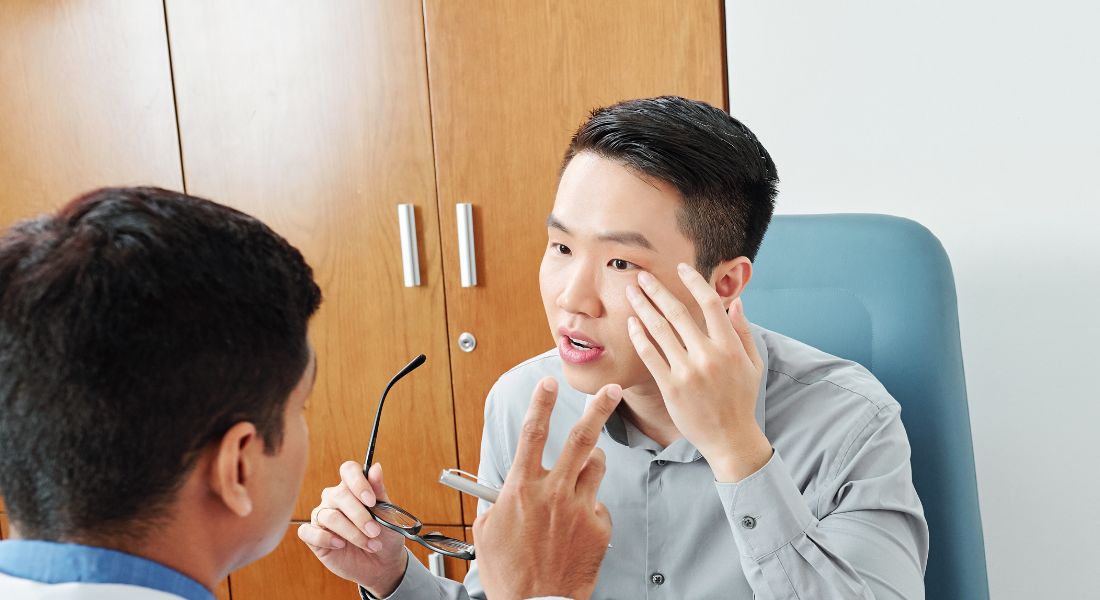
If you’re considering LASEK eye surgery, you’re probably looking forward to clearer vision and the freedom that comes from not relying on glasses or contact lenses. But at the same time, it’s completely normal to wonder about the side effects, risks, and how your eyes might feel in the days and weeks after the procedure. You might be asking yourself what sensations are normal, what symptoms should worry you, and how long the healing process will truly take.
In this article, I’ll walk you through everything you should expect before and after LASEK eye surgery. I’ll cover common side effects, less common issues, and rare complications. I’ll also explain how reputable clinics reduce risk, what recovery typically looks like, and which symptoms are part of the normal healing journey. My goal is to help you feel informed, prepared, and confident about your decision.
LASEK is a highly refined technique, and when performed by an experienced surgeon using advanced technology, it has an excellent safety profile. Still, no medical procedure comes without potential side effects, so it’s important for you to understand the full picture. By knowing what to expect, you can approach the process with peace of mind and realistic expectations.
Understanding LASEK and Why Side Effects Happen
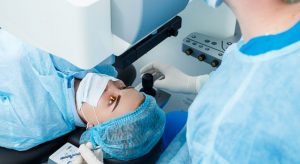
LASEK (Laser-Assisted Subepithelial Keratectomy) is a surface laser vision correction procedure. Unlike LASIK, which creates a corneal flap, LASEK preserves the corneal surface by loosening the thin outer layer (epithelium) before reshaping the underlying tissue with an excimer laser. The epithelium is then repositioned to protect the eye during healing.
Because LASEK involves the surface layer of the cornea rather than creating a deeper flap, the recovery process can feel slightly different, and the early side effects often relate to the regeneration of surface cells. Your body naturally repairs the epithelium, and during this process, it’s common to experience sensations that wouldn’t occur after flap-based procedures.
Side effects occur for several reasons:
- Your nerves need time to regenerate and adjust.
- The epithelium must heal and smooth out.
- The eye responds to the treatment with dryness or inflammation.
- Your vision fluctuates as the cornea stabilises.
This doesn’t mean anything is wrong; it simply reflects how the eye heals after surface laser procedures. The more you understand this healing process, the easier it becomes to recognise what’s normal.
Common Side Effects You Should Expect
Almost everyone who undergoes LASEK experiences certain side effects during the early phase of recovery. These effects are temporary, expected, and part of the natural healing timeline. They indicate that your eyes are adjusting to the new corneal shape and that the epithelium and nerves are regenerating as intended. Understanding these common experiences can help you feel more prepared and confident during the first few weeks after surgery.
Temporary Blurred or Fluctuating Vision: One of the most common early experiences after LASEK is blurry vision. You may notice fluctuations throughout the day as your epithelium regenerates. This variation can last for several weeks, though most people see steady improvements after the first seven to ten days. Your brain also needs time to adapt to the new optical surface. Even though your vision may not be crisp immediately, you should gradually see improvement. Many people reach driving standard within a week, while the final clarity settles over a few months.
Light Sensitivity: LASEK commonly causes increased sensitivity to bright lights or glare. This happens because your corneal nerves are adjusting, and your eye may momentarily overreact to illumination. Light sensitivity usually improves significantly as the epithelium smooths and stabilises. Wearing sunglasses outdoors helps immensely, and your surgeon may recommend preservative-free lubricating drops to ease discomfort.
Dry Eyes: Dryness is one of the most common after-effects of all laser eye procedures, including LASEK. The corneal nerves, which help control tear production, temporarily reduce their signalling after surgery, leading to a dry or irritated feeling. You may experience a gritty sensation, mild burning, a sense of heaviness around the eyes, or the need to use lubricating drops more frequently. Most patients notice significant improvement within three months, although some mild dryness can persist a little longer as the nerves continue to regenerate and the tear film stabilises.
Mild Discomfort or Foreign Body Sensation: LASEK does not usually cause sharp pain, but it is common to feel mild stinging, irritation, or a sensation as if something is in your eye. These symptoms are most noticeable during the first 72 hours while the epithelium is still healing. During this time, your clinic will typically provide pain relief and protective eye drops to help keep your eyes comfortable and support the healing process.
Hazy Vision During Healing: Some haze or cloudiness can occur as your cornea remodels itself. This haze is different from infection; it’s a natural response during surface healing. For most patients, it improves steadily and resolves within the healing period without needing any intervention.
Less Common Side Effects You May Experience
While not everyone experiences these, they are still well-documented and generally temporary. Being aware of them can help you recognise normal healing patterns and know when to seek advice from your eye care professional if needed.
Night Vision Disturbances: In the early stages of recovery, you may notice changes in your night vision, such as halos around lights, starbursts, glare, or difficulty seeing in dim environments. These effects are typically temporary and improve as your cornea smooths and your brain adapts to the new visual input. Many patients find that these symptoms decrease significantly within the first few months after surgery, allowing for clear and comfortable vision even in low-light conditions.
Increased Tearing: Even though dry eyes are common, some people experience periods of excessive tearing. This is often your eye’s natural response to compensate for dryness or irritation. It’s not a sign of damage, and it usually settles as the epithelium stabilises. Using lubricating drops as recommended can help balance moisture and comfort during this phase.
Redness or Visible Blood Vessels: The surface of your eye may appear red in certain areas. This is usually due to the placement of a bandage contact lens or mild inflammation. Redness typically diminishes within days or weeks. If it persists or worsens, your surgeon can evaluate it to ensure proper healing.
Temporary Difficulty Focusing: Your eyes may feel slightly uncoordinated or strained as they adapt to their new focusing power. This usually improves quickly, especially if you follow the recommended aftercare schedule. Gentle visual exercises, like alternating focus between near and distant objects, can also help your eyes adjust more comfortably.
Minor Corneal Haze: Although modern laser techniques have reduced haze significantly, some residual haze can occur in the early phase of recovery. Surgeons often use medications during the procedure to minimise this. Most haze improves on its own and doesn’t affect long-term vision. Keeping up with follow-up appointments ensures that any lingering haze is monitored and managed appropriately.
Rare Side Effects: What You Should Know
Although rare, you should be aware of these possibilities so you can recognise symptoms early and seek prompt guidance.
Infection: Infection is very uncommon, especially when you follow the aftercare instructions and attend your follow-up appointments. Symptoms may include increasing pain, worsening redness, or vision changes that don’t fit the expected pattern. Early detection and treatment usually resolve the issue without long-term effects.
Delayed Epithelial Healing: Some patients take slightly longer to fully regrow the surface layer. This may prolong discomfort or blurriness but usually doesn’t affect final outcomes. Surgeons monitor this closely during early check-ups.
Over-correction or Under-correction: Laser technology is extremely precise, but in rare cases, your vision may settle slightly off the intended target. Enhancement procedures can correct this if needed, although many patients adjust without further treatment.
Corneal Haze Affecting Vision: Significant haze that affects vision is rare with modern LASEK methods. If it occurs, it can often be treated with medicated drops or additional laser polishing. Most people never experience this level of haze due to improved protocols.
Persistent Dry Eye: A small percentage of patients may continue to experience dryness beyond six to twelve months. This usually improves with tailored treatments like lubricants, gels, or tear-stimulating drops.
Refractive Regression: Regression means your eye shifts slightly back towards its original prescription. It’s uncommon, especially with stable prescriptions and precise planning. Enhancements can correct regression if necessary.
Understanding the Healing Timeline
It’s helpful for you to know what to expect at each stage of LASEK recovery. Healing after LASEK takes longer than after LASIK, but the long-term results are comparable and, for some patients, even safer due to the nature of the procedure.
The First 24 Hours: During the first 24 hours after LASEK, you may experience mild stinging, blurred vision, sensitivity to light, and general discomfort. To support healing, your surgeon will place a protective bandage contact lens over the eye. Resting your eyes, avoiding bright light, and using the prescribed drops as directed are essential during this initial recovery period.
Days 2 to 4: This is often the point of peak discomfort. You may feel increased irritation or tearing as the healing accelerates, and your vision may be very blurry. This is a normal part of the healing process, and symptoms usually improve quickly with rest and prescribed drops.
Days 5 to 10: The epithelium continues to repair itself, and your symptoms should start to improve. The bandage contact lens is usually removed around this time, and vision begins to settle, although it may still fluctuate. It’s important to follow your surgeon’s aftercare instructions carefully to support smooth healing.
Weeks 2 to 6: You’ll likely notice clearer and more stable vision, though dryness may still occur. Most discomfort has reduced significantly, and many people feel confident returning to normal activities. Maintaining eye hydration and avoiding excessive strain helps ensure continued improvement.
Months 2 to 6: Your cornea continues to refine its shape, and night vision symptoms such as halos or glare often decrease during this stage. This is also when the majority of patients achieve their best visual clarity. Regular check-ups during this period confirm that healing is progressing as expected.
After 6 Months: Most long-term results are stable by this point. Any lingering dryness or mild haze typically resolves, and follow-up appointments help ensure everything stays on track. Continuing healthy eye habits supports comfort and long-term vision stability.
Why LASEK Remains a Safe and Trusted Procedure
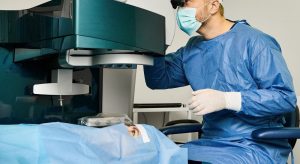
Although side effects are part of the healing experience, LASEK remains a trusted and safe option for people who may not be ideal candidates for LASIK. This includes individuals with thinner corneas, dry eyes, or certain lifestyle factors that make flap-based surgery less suitable.
Several factors contribute to the excellent safety profile of LASEK:
No Corneal Flap: Because no flap is created, you eliminate flap-related complications completely. This makes the procedure especially suitable for contact sports, high-risk professions, or patients with thinner corneas.
Proven Laser Technology: LASEK uses advanced excimer lasers with precise algorithms that adapt to the unique shape of your eye. These lasers are designed to minimise tissue removal while maximising clarity.
Low Risk of Ectasia: Ectasia a weakening of the cornea is a rare complication of certain laser eye procedures. LASEK significantly reduces this risk due to its surface-based nature.
Controlled Healing Environment: Surgeons use a bandage contact lens and medicated drops to protect the eye and promote smoother healing. Your follow-up care is structured to catch any changes early.
Long-term Stability: LASEK outcomes are highly stable, and many patients enjoy excellent vision for years without the need for glasses or contact lenses.
How Surgeons Minimise Side Effects and Risks
A reputable eye clinic takes multiple steps to reduce risks and give you the safest possible experience. These steps start long before the actual procedure.
Comprehensive Pre-Operative Assessment: You’ll undergo advanced diagnostic tests to map the thickness, shape, and biomechanics of your cornea. This ensures that LASEK is the right procedure for your eyes.
Personalised Treatment Planning: Modern technology allows your laser treatment to be customised to your individual prescription and corneal profile. This minimises the chance of over-correction or under-correction.
Medication to Reduce Haze: Your surgeon may use mitomycin-C selectively to reduce the risk of corneal haze during healing.
Protective Bandage Contact Lens: This temporary lens helps shield your healing epithelium, reduces discomfort, and stabilises the corneal surface.
Structured Follow-Up Schedule: Regular check-ups allow your surgeon to track healing and address any issues promptly. Any unusual symptoms are evaluated right away to prevent complications.
When You Should Contact Your Clinic
Most post-LASEK symptoms are temporary and expected, but it’s important to contact your clinic if you notice any concerning changes. You should reach out if your pain increases instead of improving, if your vision suddenly becomes significantly worse, or if you observe unusual discharge. Severe redness or a sudden increase in eye sensitivity are also reasons to seek advice promptly. Communicating quickly with your clinic helps ensure that your healing stays on track and any potential issues are addressed without delay.
How to Make Your Recovery Smoother
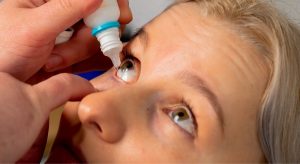
You can support a smoother recovery and reduce discomfort by following a few practical steps. Regularly using your prescribed lubricating drops, wearing sunglasses outdoors, and avoiding rubbing your eyes all help protect the healing cornea. Following your clinic’s drop schedule, avoiding swimming or hot tubs for the recommended period, and using artificial tears during extended screen time can further improve comfort. Giving your eyes rest when needed also plays an important role. These small habits together make a significant difference in how comfortable and successful your recovery feels.
Frequently Asked Questions:
- How long does it take to recover from LASEK?
Recovery after LASEK generally takes longer than LASIK because the procedure involves the corneal surface rather than creating a flap. The first few days usually involve discomfort, light sensitivity, and blurry vision. Most patients notice significant improvement within the first week, with vision continuing to stabilise over the next several weeks. By around two to three months, the majority of patients achieve their best visual clarity, although minor fluctuations can occur as the cornea fully heals and the epithelium smooths. Regular follow-ups with your surgeon ensure that your recovery stays on track. - Is LASEK painful?
LASEK is generally well-tolerated, though mild stinging, irritation, or a sensation of something in the eye is common during the first 72 hours. These symptoms are related to the healing of the surface layer of the cornea and are usually managed effectively with protective bandage contact lenses and prescribed drops. Most patients find that discomfort is short-lived and manageable, and sharp pain is rare. As the epithelium regenerates and the nerves recover, the eye becomes more comfortable over the first week. - Can everyone have LASEK?
Not everyone is an ideal candidate for LASEK. People with thinner corneas, certain corneal irregularities, or dry eyes may benefit more from LASEK than LASIK because the procedure preserves the corneal surface and reduces flap-related risks. A thorough pre-operative assessment, including mapping corneal thickness and measuring visual acuity, helps determine suitability. Your surgeon will evaluate your overall eye health, prescription stability, and lifestyle factors to ensure LASEK is safe and appropriate for your eyes. - How long will side effects last?
Side effects vary depending on the individual and the stage of healing. Common symptoms such as blurred vision, light sensitivity, and mild discomfort usually improve significantly within the first few weeks. Dryness or mild haze may persist for several months, but these are generally manageable with lubricating drops and careful follow-up. Less common effects, such as night vision disturbances or temporary focusing difficulties, typically resolve within the first three to six months. Rare complications may take longer to address, but proper aftercare and timely communication with your clinic minimise long-term risks. - Will I need glasses after LASEK?
Most patients achieve excellent distance vision and do not require glasses for routine activities. However, some people may still need reading glasses after their 40s due to presbyopia, which is an age-related decline in near vision. In rare cases, a mild prescription drift or regression can occur, but this is not a failure of the procedure. Enhancements are possible if necessary, and many patients maintain excellent vision for years without relying on corrective lenses. - Can LASEK correct high prescriptions?
LASEK can correct a wide range of prescriptions, including mild, moderate, and some high myopia, as well as certain levels of hyperopia and astigmatism. The higher the prescription, the slightly higher the chance of minor long-term shifts, but outcomes remain generally stable. Advanced laser technology allows precise reshaping of the cornea, and pre-operative planning ensures that high prescriptions are treated safely. Most patients with strong prescriptions still achieve excellent visual clarity for many years after the procedure. - How long should I avoid activities like swimming or contact sports?
It is important to protect your eyes while the epithelium heals. Swimming pools, hot tubs, and any activity with potential eye contamination should be avoided for several weeks, as recommended by your surgeon, to reduce the risk of infection. Contact sports may require additional caution for a longer period, especially if there is a risk of trauma to the eyes. Wearing protective eyewear when resuming sports is strongly advised until your surgeon confirms full corneal recovery. - Is it possible to have LASEK more than once?
Yes, enhancements after LASEK are possible, but they are generally rare. An enhancement may be considered if your vision drifts, mild astigmatism develops, and your cornea has sufficient thickness and stability. The timing of an enhancement is important, as your prescription should be stable before undergoing any additional procedure. Enhancements are usually minor and tend to heal more quickly than the initial surgery, allowing patients to fine-tune their long-term visual outcome. - How do I know if a symptom is normal or concerning?
Mild stinging, tearing, blurred vision, and light sensitivity are expected during the early healing stages. However, you should contact your clinic if you notice pain that worsens instead of improving, sudden changes in vision, unusual discharge, severe redness, or a rapid increase in eye sensitivity. Prompt communication with your surgeon ensures that any potential complications are addressed quickly and helps maintain a smooth recovery process. - Will LASEK affect my long-term eye health?
LASEK preserves the corneal structure and is considered safe for long-term eye health, especially for patients with thinner corneas or those at risk for flap-related complications. While the cornea heals and stabilises after surgery, natural ageing of the eye still occurs, including presbyopia, lens stiffening, and cataract development. Regular eye exams and healthy habits, such as wearing sunglasses, staying hydrated, and managing screen time, help maintain comfort and visual clarity for many years after LASEK.
Final Thought: Is LASEK Right for You?
LASEK is a safe and effective procedure that can help many patients achieve clear, stable vision without the need for glasses or contact lenses. While side effects such as blurred vision, dryness, or light sensitivity are common in the early stages of healing, most are temporary and improve steadily with proper care. Understanding what to expect, following your surgeon’s aftercare instructions, and attending scheduled follow-ups are key to a smooth recovery. If you’re considering Lasek surgery in London and want to know if it’s the right option, you’re welcome to reach out to us at Eye Clinic London to book a consultation and discuss your personalised treatment plan.
References:
- Hersh, P.S., Stulting, R.D., Waring, G.O. 3rd, et al., 2004. Evolution, techniques, clinical outcomes, and pathophysiology of LASEK: review of the literature. Survey of Ophthalmology, 49(3), pp.265–285. https://pubmed.ncbi.nlm.nih.gov/15530945/
- Spadea, L., Forcella, M., Capasso, L., Centofanti, M. and Lofoco, G., 2017. Long-term visual and refractive stability and ocular biometric changes after LASEK for correction of myopia: an eight‑year follow-up. Journal of Current Ophthalmology, 33(3), pp.288–295. https://journals.lww.com/joco/fulltext/2021/33040/long_term_visual_and_refractive_stability_and.8.aspx
- Mencucci, R., Pucci, A., Ambrosini, E., et al., 2017. Long-term follow-up of LASEK with mitomycin C performed to correct myopia in thin corneas. Journal of Refractive Surgery, 33(12), pp.813–819. https://pubmed.ncbi.nlm.nih.gov/29227509/
- Bar, N., Ben‑Eli, H., Trokel, S.L., Kenigsberg, S. and Yehezkel, O., 2023. Dry eye disease following LASIK, PRK, and LASEK: An observational cross‑sectional study. Journal of Clinical Medicine, 12(11), 3761. https://www.mdpi.com/2077-0383/12/11/3761
- Pniakowska, Z., Jurowski, P. & Wierzbowska, J., 2023. Clinical Evaluation of Corneal Biomechanics following Laser Refractive Surgery in Myopic Eyes: A Review of the Literature. Journal of Clinical Medicine, 12(1), 243. https://www.mdpi.com/2077-0383/12/1/243