


LASEK Eye Surgery for Strong Prescription Differences Between Eyes

Living with anisometropia can feel exhausting, especially if your prescriptions differ significantly. You might find yourself relying heavily on your stronger eye, which can lead to fatigue and problems with focus. Many people also find that glasses do not fully solve the issue because they magnify each image differently, which disrupts binocular vision. Contact lenses can help more, but they are not always comfortable or ideal for long-term use.
In this guide, I’ll walk you through everything you need to know about LASEK for uneven prescriptions, including how the treatment works, who it’s suitable for, what benefits you can expect, and what your recovery might look like. My aim is to give you a clear and honest understanding so you can decide whether this life-changing procedure is right for you.
What Is Anisometropia and Why Does It Matter?
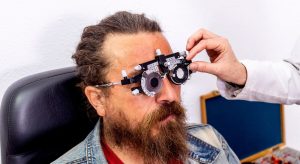
Anisometropia occurs when each eye has a different refractive error. This difference can be mild or severe, and depending on the size of the gap between prescriptions, it can cause several visual challenges. You may experience blurred depth perception, headaches, or eye strain, especially when tasks require both eyes to work together. Many people notice that reading, driving, or focusing on digital screens becomes uncomfortable.
- It affects how well your eyes work together.
When the prescriptions are uneven, both eyes struggle to focus at the same time. This imbalance often leads to strained binocular vision, making tasks like reading or driving feel more difficult than usual. - It can cause blurred depth perception, headaches, and eye strain.
Your brain tries to merge two mismatched images, which demands extra effort. This constant visual workload can lead to discomfort during activities that require fine focus or long periods of concentration. - The brain may suppress the weaker eye.
If one eye is significantly stronger, the brain may “switch off” the blurrier one to avoid confusion. Over time, this can contribute to amblyopia (lazy eye) in children, and in adults it often reduces visual comfort and clarity. - Everyday tasks can feel more challenging.
People with anisometropia often describe difficulty with reading small text, judging distances while driving, or maintaining focus on digital screens. The imbalance can also affect confidence in activities that rely heavily on depth perception. - It can occur in different forms.
One eye may be more short-sighted or long-sighted than the other, or only one eye may have astigmatism. Sometimes a mix of these refractive errors creates a bigger mismatch, making the difference even more noticeable in daily life. - It can limit your corrective options.
Glasses may cause distortion between the two eyes, and contact lenses might not always be tolerated. Because of this, many people start exploring long-term, stable vision correction options such as LASEK to reduce the imbalance and improve overall comfort.
How LASEK Works for Uneven Prescriptions
LASEK is uniquely effective for correcting uneven prescriptions because it treats each eye with precision while preserving the natural structure of the cornea. Below is a simple breakdown of how the procedure works to restore clarity and balance.
- The epithelium is gently loosened to access the corneal surface.
During LASEK, the surgeon softens the thin outer layer of the cornea rather than creating a flap. This allows them to reach the underlying tissue safely while keeping the natural structure of the cornea intact. - The excimer laser reshapes the cornea based on your exact prescription.
Once the surface is prepared, the laser precisely adjusts the curvature of the cornea. This reshaping changes how light enters the eye, helping each eye achieve clearer, more accurate focus. - The epithelium is repositioned to protect the eye during healing.
After the laser work is complete, the epithelium is carefully placed back over the cornea. A protective contact lens is usually applied to support comfort and healing in the first few days. - Each eye receives personalised correction based on its own needs.
LASEK allows the surgeon to fully customise the treatment for both eyes. If one eye is significantly more short-sighted or long-sighted, the laser settings are individually adjusted to bring both eyes to a more balanced level. - It preserves corneal thickness, making it safer for thinner corneas.
Because no flap is created, more of the natural corneal structure remains untouched. This makes LASEK a strong option for people who may not qualify for LASIK due to thin corneas or certain corneal features. - It suits patients who prefer or require a no-flap procedure.
LASEK is ideal for individuals with active lifestyles or specific occupations where flap-related risks must be avoided. It also benefits those with irregular corneal surfaces or dryness concerns. - LASEK helps restore binocular harmony in anisometropia.
By equalising or closely matching the focusing power of both eyes, the procedure makes it easier for the brain to merge images comfortably. This leads to better depth perception, smoother visual coordination, and reduced strain during everyday tasks.
Are You a Suitable Candidate?
Before choosing LASEK for uneven prescriptions, it’s important to confirm that your eyes are healthy and that the treatment aligns with your visual goals. Your surgeon will assess corneal thickness, shape, prescription stability and tear film quality to determine whether LASEK is safe and effective for you.
You may be a good candidate if you have a clear difference between your prescriptions and want long-term correction without relying on glasses or contact lenses. It’s particularly helpful if glasses cause distortion or discomfort because of image size differences between your eyes.
LASEK is often recommended for people with thinner corneas or for those who prefer to avoid flap-based procedures. This includes individuals who play contact sports or work in environments where eye trauma is a risk.
Your prescription must be stable for at least a year before surgery. Most people with moderate to high anisometropia do well with LASEK, though very large prescription differences may require alternative treatment based on your surgeon’s advice.
Benefits of LASEK for Strong Prescription Differences
One of the biggest advantages of LASEK for strong prescription differences is the improvement in binocular vision. When both eyes focus more evenly, everyday tasks like reading, driving and screen work feel more comfortable, and depth perception becomes noticeably clearer.
Long-term stability is another major benefit. Once healing is complete, most people enjoy consistent, sharp vision for years, which reduces dependence on glasses or contacts and offers more freedom in work, travel and sports.
LASEK also provides comfort for those who struggle with contact lenses. By correcting the prescription directly on the cornea, you avoid the image distortion and headaches that often come from magnification differences in lenses.
Safety is an added advantage. As a surface-based procedure without a corneal flap, LASEK lowers the risk of flap-related complications, making it suitable for people with active lifestyles or high-risk environments.
How LASEK Addresses Anisometropia Specifically
When your prescriptions differ significantly, vision can feel unbalanced. LASEK corrects each eye individually based on its exact refractive error, giving your short-sighted or long-sighted eye the precise treatment it needs. Once both eyes are aligned, your brain can process visual information more smoothly.
This tailored correction reduces the strain caused by anisometropia. Tasks that rely on depth perception, such as driving or sports, often feel easier. Reading also becomes more comfortable because your eyes no longer switch between mismatched focusing strengths.
LASEK improves binocularity by helping both eyes work together without conflict. With each eye corrected appropriately, you’re less likely to experience visual fatigue from one eye compensating for the other.
It also helps relieve symptoms linked to anisometropia, such as headaches, dizziness or fluctuating clarity. When both eyes function in harmony, everyday visual tasks feel steadier, more natural and less tiring.
Your Recovery Experience: What to Expect
Recovering from LASEK for uneven prescriptions is a gradual process, and it’s normal for each eye to heal at its own pace. Because both eyes begin with different levels of correction, your clarity and comfort may develop slightly differently from side to side. Understanding what to expect during this period can help you feel more prepared, more relaxed, and more confident as your vision settles into balance.
Recovery follows the same pattern as standard surface laser procedures.
LASEK healing is gradual, and the first few days involve surface regeneration rather than instant clarity. This steady process is normal and part of how the epithelium naturally restores itself.
Each eye may heal at a slightly different pace.
Because both eyes started with different prescriptions, their recovery timelines may not be identical. One eye may clear earlier or feel more comfortable sooner, but this has no impact on the final visual result.
Expect blurriness, sensitivity, or mild discomfort in the early days.
As the epithelium repairs itself, vision may fluctuate and light sensitivity can be noticeable. The bandage contact lens helps protect the eye and reduces irritation during this phase.
Healing is manageable but slower than LASIK.
Many patients describe LASEK recovery as safe and predictable, though not as fast as flap-based procedures. The trade-off is its added suitability for thin corneas and uneven prescriptions.
Vision improves steadily over the first few weeks.
You might find that one eye becomes sharper before the other, especially if the pre-treatment prescriptions were very different. This is expected and simply reflects the way each cornea responds individually.
Fluctuations in clarity are normal, especially during visual tasks.
Screen work, reading, or long periods of near focus may temporarily increase blurriness. These ups and downs typically settle as the corneal surface smooths out.
Dryness is common, and lubricating drops are essential.
Regular artificial tear use helps ease irritation and stabilise the tear film. Most people need drops consistently for several weeks, gradually reducing usage as nerve recovery continues.
Binocular vision becomes more balanced by month two or three.
As both eyes stabilise, depth perception begins to feel more natural, and the strain caused by uneven prescriptions starts to fade. This is when many patients notice the biggest improvement in everyday comfort.
Final clarity continues refining over the first six months.
Although many people achieve excellent functional vision early on, small refinements continue with ongoing healing. By the end of this phase, both eyes typically work together smoothly and comfortably.
Balancing the Eyes: How the Brain Adapts After LASEK
One of the most interesting aspects of LASEK is how your brain adjusts to more balanced vision. If you’ve lived with uneven prescriptions for years, your visual system learns to compensate, so receiving equal input from both eyes after surgery can feel noticeably different at first.
This early change is a good sign. It shows that your visual cortex is adapting and learning to process clearer images without the usual strain. As this happens, tasks involving depth perception begin to feel more natural and stable.
For some people, adaptation is quick. For others, it develops gradually over days or weeks. Both responses are perfectly normal and simply reflect how your brain integrates new visual signals.
Once both eyes provide evenly corrected input, your brain can merge the images smoothly. This improved balance is one of the most important benefits of using LASEK to correct anisometropia.
Long-Term Results You Can Expect
Once your eyes fully heal, your vision typically stabilises into a more balanced, comfortable state. The strain caused by uneven prescriptions fades, and many people feel more confident without relying on glasses or contacts. Over the long term, LASEK results are very stable as long as your prescription was steady before surgery. The corneal reshaping holds well, and while age-related changes like presbyopia can still occur, they’re unrelated to anisometropia.
You may also find that depth perception, reading comfort, and overall visual awareness improve noticeably. With less distortion and no dependence on lenses, everyday tasks often feel clearer and more natural.
Risks and Considerations
Although LASEK is safe and effective, it’s still important for you to understand the potential risks. The healing process is longer compared to LASIK, and you may experience discomfort in the first few days. Vision fluctuates as the epithelium heals, and dryness can be persistent for several weeks or months.
Rare risks include infection, haze, or under-correction, but these are well-managed with modern techniques and strict aftercare. With anisometropia specifically, the biggest consideration is the possibility that your brain may take time to adapt to the new balance between your eyes. However, most patients adjust well and enjoy the long-term benefits.
It’s essential to follow your surgeon’s recommendations closely during the recovery period. Doing so helps minimise risk and ensures your vision settles in the smoothest way possible.
FAQs:
- Can LASEK fully correct uneven prescriptions between my eyes?
Yes, LASEK can correct uneven prescriptions very effectively because each eye is treated individually based on its own refractive error. The laser reshapes each cornea with precise measurements, allowing the surgeon to bring both eyes to a similar focusing level. While the goal is to equalise the vision between the eyes as closely as possible, the exact outcome depends on your starting prescription, corneal thickness, and overall eye health. Most people with anisometropia achieve excellent balance after healing, which significantly improves depth perception and reduces the strain they used to experience. - How is LASEK different from LASIK for treating anisometropia?
The main difference lies in how the surgeon accesses the cornea. LASIK involves creating a flap, while LASEK gently loosens and preserves the surface layer instead. When treating uneven prescriptions, LASEK offers an advantage for people with thinner corneas or those who want to avoid flap complications. Both procedures provide precise correction, but LASEK tends to be safer for those with anatomical limitations. The trade-off is that vision recovery is slower with LASEK compared to LASIK, though the long-term results are similarly stable. - Will both eyes recover at the same speed?
Not necessarily. Because each eye starts with a different prescription, they may heal at different speeds. One eye may become clearer before the other, or you may feel more discomfort in one eye during the early days. This variation is completely normal and does not affect your final results. Over the first few weeks, the differences become less noticeable, and by the time your vision stabilises, both eyes typically work together comfortably. - Does correcting uneven prescriptions improve depth perception?
Yes, depth perception often improves significantly after LASEK. When your prescriptions are mismatched, your brain struggles to merge the two images, resulting in distorted or unreliable depth cues. Once both eyes are corrected to similar focusing levels, the brain receives more balanced information and can combine the images more effectively. This improvement becomes more noticeable as healing progresses, especially around the second or third month when binocular vision begins to stabilise. - Is LASEK painful during or after the procedure?
The procedure itself is not painful because numbing drops are used to keep your eyes comfortable. Most people describe only mild pressure or awareness of the instruments. After surgery, it’s normal to feel some discomfort, dryness, or light sensitivity during the first few days while the epithelium heals. The protective bandage lens helps reduce irritation, and prescribed drops make the healing process easier. While LASEK recovery takes longer than LASIK, the discomfort is temporary and manageable. - What happens if my brain takes longer to adapt to the new balance?
Adaptation times vary from person to person, especially for those who lived with uneven prescriptions for many years. If your brain takes longer to adjust, you may notice temporary imbalance, slight dizziness, or awareness that one eye still feels “different.” This phase is part of neuro-adaptation and gradually improves as the visual cortex learns to integrate the new, clearer inputs. Eye doctors often reassure patients that this transition is normal and resolves as the brain strengthens binocular coordination. - Will I still need glasses after LASEK?
Many people with uneven prescriptions become fully independent of glasses for most daily activities after LASEK. However, the need for glasses can depend on age, prescription strength, and your visual goals. If you are over 40, you may still require reading glasses eventually due to presbyopia, which is a natural age-related change and unrelated to anisometropia. Some people also choose a small enhancement in the future if their eyes undergo minor prescription changes over time. - Is LASEK safe for someone with a very large prescription difference?
LASEK is often suitable even when the prescription difference between the eyes is significant. Surgeons customise the laser treatment to address each eye individually, focusing on achieving the safest and most balanced outcome. However, extremely large differences may require a more cautious approach, and your surgeon might consider alternative options depending on your corneal thickness, stability, and ocular health. A thorough assessment ensures the treatment is both safe and effective for your unique situation. - How long will it take for my vision to feel fully stable?
Most people achieve functional clarity within the first few weeks, although fine details and complete stability continue to develop over several months. The early period often includes fluctuations, especially for screen work or reading. By the second or third month, most patients feel that their binocular vision has become more comfortable and balanced. Full healing, including the last refinements in sharpness, typically occurs within three to six months, depending on individual factors. - What long-term results can I expect after LASEK?
Long-term results are generally excellent, especially if your prescription was stable before surgery. Once healed, people notice clearer, more balanced vision and a significant reduction in the strain caused by uneven prescriptions. Depth perception improves, everyday visual tasks feel easier, and reliance on glasses or contact lenses decreases. The results tend to remain stable for many years, and while natural ageing changes may occur, the correction of anisometropia itself remains durable.
Final Thought: Finding Visual Balance
Living with uneven prescriptions can affect far more than just clarity it can shape your comfort, confidence, and how your eyes work together every day. LASEK offers a reliable, carefully tailored solution that treats each eye based on its exact needs, helping restore balance, reduce strain, and improve your overall visual experience. While recovery takes patience, the long-term benefits are often transformative, especially for anyone who has struggled with headaches, distorted depth perception, or reliance on glasses and contact lenses. If you’re exploring whether lasek surgery in London could benefit you, get in touch with us at Eye Clinic London to schedule your consultation.
References:
- Urban, B. et al. (2024) “Refractive Surgery in Myopic Children,” Journal of Clinical Medicine, 13(15), 4311. https://www.mdpi.com/2077-0383/13/15/4311
- Castro-Luna, G., Jiménez-Rodríguez, D., Pérez-Rueda, A. & Alaskar-Alani, H. (2020) “Long Term Follow-Up Safety and Effectiveness of Myopia Refractive Surgery,” International Journal of Environmental Research and Public Health, 17, 8729. https://www.mdpi.com/1660-4601/17/23/8729
- Dirani, M. et al. (2010) “Long-term refractive outcomes and stability after excimer laser surgery,” [Journal unspecified]. https://pubmed.ncbi.nlm.nih.gov/20870117/
- Cavuoto, K. M. et al. (2022) “Effectiveness of Laser Refractive Surgery to Address Anisometropic Amblyogenic Refractive Error in Children: A Report by the American Academy of Ophthalmology,” Ophthalmology, 129(11), 1323–1331. https://pubmed.ncbi.nlm.nih.gov/35987663/
- Shapira, Y. et al. (2016) “Effect of Anisometropia on the Predictability and Accuracy of Refractive Surgery,” Cornea (journal). https://pubmed.ncbi.nlm.nih.gov/27467042/