


LASEK Eye Surgery for People Who Cannot Take Time Off Work

If you are thinking about LASEK eye surgery but feel unable to take time away from work, you’re not alone. Many people want clearer vision without glasses or contact lenses, but their schedules leave no space for extended recovery. You may worry that LASEK takes too long to heal, that your vision will not be usable for work, or that you will fall behind on essential tasks. These concerns are understandable, especially when you have responsibilities that cannot wait.
The truth is that you can undergo LASEK even when you cannot take multiple days off, as long as you plan carefully and understand what the first week of recovery feels like. LASEK is a safe and effective surface procedure, but its recovery timeline is slower than LASIK because the corneal epithelium needs time to regenerate.
This guide will give you a clear idea of what to expect, how to schedule your surgery around work, and what adjustments help minimise downtime. You’ll also learn how LASEK fits into a busy lifestyle and how to protect your long-term results without sacrificing your job.
Why LASEK Recovery Takes Longer
LASEK does not involve creating a corneal flap. Instead, the thin epithelial layer is gently loosened and repositioned after the laser reshaping. This surface-based approach preserves corneal strength and avoids flap-related complications but requires more healing time. Your epithelium rebuilds gradually, which creates temporary blur, dryness, and sensitivity.
You may find that your eyes feel gritty or watery during the early days because the regenerated cells are still smoothing out. This is normal and expected. While LASIK patients often return to work the next day, LASEK patients need a little more patience. However, this doesn’t mean you cannot return to work quickly; it only means that you must approach the first week with realistic expectations.
Here is the healing difference explained more simply:
- Surface healing – The epithelium needs several days to regrow, leading to more initial blur and discomfort.
- Slower clarity – Vision improves day by day instead of immediately.
- Long-term stability – Once healed, LASEK results remain highly stable and dependable.
Understanding this helps you plan your working days around your comfort levels.
Planning LASEK When You Have No Time Off
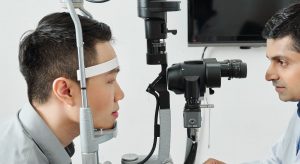
If your job doesn’t allow much leave, scheduling your surgery strategically is key. Many people choose a Friday procedure so the most sensitive healing days fall over the weekend. By Monday, discomfort is usually reduced, and while your vision may still be soft, it’s often sufficient for many work tasks.
Consider how your job affects your eyes during recovery. Computer users may need to adjust screen brightness and text size, outdoor workers should wear strong sunglasses and protective eyewear, and those in physical or dusty environments should take extra care to protect their eyes in the first days after surgery.
Useful Planning Points
- End-week surgery – A Friday appointment gives you two full days of healing without work pressure and reduces your need for leave.
- Workload adjustment – Scheduling lighter tasks for your first few workdays helps you ease in while your epithelium stabilises.
- Environment prep – Preparing screen settings, workplace lighting, or protective eyewear ensures smoother early recovery.
Good planning allows you to continue working while your eyes heal gradually.
Understanding the First Week After Surgery
The first seventy-two hours after LASEK are the most sensitive. During this phase, the epithelium begins to regenerate, and your eyes may feel watery, irritated, or light-sensitive. The protective bandage contact lenses help, but you will still need rest and reduced visual effort. Most people prefer dim environments and minimal screen time during the first two days.
By day three to five, your discomfort usually decreases, and your surgeon removes the bandage lens. Vision may still feel hazy, but daily tasks become easier. If your job does not require fine detail or heavy reading, you may feel comfortable returning at this stage. If your job is screen-heavy or visually demanding, you may require small adjustments to manage the early blurriness.
Key First-Week Experience Points
- Initial discomfort – The first two to three days involve irritation and blur as the epithelium regenerates, which is completely normal.
- Bandage lens removal – Once removed, comfort improves noticeably, although vision may still fluctuate.
- Functional vision – Many people can return to work within three to five days, depending on job type and healing speed.
Knowing what happens in each stage helps you plan a smoother return to work.
Returning to Work With Fluctuating Vision
Even after the first few healing days, your vision won’t feel perfect. It improves gradually, but fluctuations are normal. You may notice clearer vision in the morning that becomes softer by afternoon. Dryness or screen glare may make your eyes feel tired more quickly. This does not indicate a problem; it simply reflects natural healing.
If you work in front of screens, you may need more breaks than usual. Brief pauses every twenty to thirty minutes allow your eyes to rehydrate and relax. If your job requires reading small text, increasing the size temporarily reduces strain. If lighting in your workplace is harsh, adjusting your environment or using a warm tint can make a big difference.
If you work in an active environment, you may need protective eyewear for the first week. Bright lights, dust, or wind may irritate healing eyes, so taking simple precautions helps maintain comfort while preventing unnecessary strain.
Healing while working is absolutely possible, but you must give your eyes the flexibility they need.
Working in Screen-Based Roles
Many people who undergo LASEK are concerned about working with screens soon afterwards. Screens can feel brighter than usual during early healing, and your eyes may tire more easily. The best approach is to modify your workstation temporarily. Reducing your screen brightness, increasing text size, and switching to warmer colour tones helps reduce sensitivity.
Blinking consciously keeps the tear film stable, which is important because dryness is common after LASEK. Keeping lubricating drops nearby allows you to hydrate your eyes whenever needed. If your role requires long periods of focus, breaking your tasks into smaller segments helps you remain productive without overwhelming your healing eyes.
Over time, your screen tolerance improves as your nerves regenerate and dryness subsides. Most people adapt well within the first one to two weeks.
Working in Outdoor or Physically Active Jobs

If your work environment exposes you to sunlight, wind, movement, or debris, you’ll need to make additional adjustments. Coming from LASEK, your corneas are more sensitive for the first few weeks, so protecting them becomes important. Sunglasses with strong UV protection reduce discomfort from bright outdoor conditions. If dust or wind is present, wraparound protective eyewear is useful.
During action-heavy tasks, your eyes may become dry or irritated more easily. Taking short breaks allows you to reset your vision comfortably. If your job involves lifting, bending, or shifting focus repeatedly, these movements may feel slightly more tiring for the first few days, but this improves as your vision stabilises.
With proper protection and pacing, most people in physically active jobs return to work safely and comfortably within a few days.
Normal Recovery vs. Signs You Should Not Ignore
During recovery, your eyes will send many signals. Most of them are harmless and expected. Soft blur, dryness, mild redness, tearing, and sensitivity to light are all normal. Vision improvement comes in waves; some days feel clearer than others. This pattern is part of the healing process.
However, you should monitor your symptoms carefully because your schedule is busy, and you may continue working through discomfort. If you experience increasing pain, worsening blur instead of gradual improvement, thick discharge, or sudden light sensitivity accompanied by redness, you should contact your clinic. These symptoms are rare but require early attention.
Working with awareness helps you protect your results without interrupting your healing.
Reducing Downtime: Smart Recovery Strategies

If you want to keep working continuously, you can support your healing by preparing your body and environment ahead of time. Completing visually demanding tasks before surgery reduces stress when you return to work. Preparing your workspace by adjusting lighting, bringing lubricating drops, and pre-setting screen preferences allows a more comfortable transition.
You can also support your healing by staying hydrated, getting enough sleep, and avoiding eye strain. If your job allows flexible hours, starting with shorter shifts during the first few workdays may give your eyes the breathing space they need.
Helpful Downtime-Reduction Points
Workload preparation – Completing detail-heavy tasks before surgery eases your return and reduces strain on early healing days.
Environment setup – Adjusting lighting, screen settings, and seating positions before surgery ensures a smoother first week.
Rest prioritisation – Staying hydrated and well-rested accelerates epithelial recovery and reduces dryness.
These small steps help you continue working while protecting your healing eyes.
Long-Term Outlook for Busy Professionals
The initial healing period may feel slow, but the long-term benefits of LASEK are worth the effort. Once the cornea stabilises, your vision becomes clearer and more consistent. You no longer juggle contact lenses, glasses, or corrective routines that interrupt your workflow. Your dependence on eyewear decreases significantly, and your day-to-day tasks feel more natural.
Most people find that their clarity improves steadily over the first few weeks, and the final sharpness develops over the first few months. Even if your early recovery feels challenging because of work commitments, the long-term stability makes the experience worthwhile. Your eyes eventually reach a point where you no longer think about them throughout the day, which is often the goal of having vision correction in the first place.
FAQs:
- Can I have LASEK if I cannot take several days off work?
Yes, you can undergo LASEK even if taking extended leave is difficult. While LASEK recovery is slower than LASIK due to the need for the corneal epithelium to regenerate, careful planning allows you to manage your healing alongside work responsibilities. Many patients schedule their surgery at the end of the workweek, such as on a Friday, so the initial days of sensitivity and discomfort fall over the weekend. By the time work resumes, your eyes are usually more comfortable, and although vision may still be slightly hazy, it is often functional for many work-related tasks. Understanding the expected recovery timeline and making practical adjustments to your work environment helps you continue working safely. - How soon after LASEK can I expect to see clearly enough to work?
Visual recovery after LASEK happens gradually. Most people notice significant improvement after the first few days, particularly once the protective bandage contact lenses are removed. Initial vision may feel blurry or fluctuate throughout the day, and it is common to experience light sensitivity and dryness. For jobs that are less visually demanding, functional vision can be sufficient within three to five days. However, for screen-heavy or highly detailed tasks, you may require minor modifications such as increased font size, adjusted lighting, or more frequent breaks to accommodate the ongoing healing process. Full sharpness and long-term clarity usually develop over several weeks to months. - Will LASEK affect my ability to use a computer or other screens immediately after surgery?
Working with screens is possible, but it requires adjustments during the early recovery phase. Eyes may feel more fatigued, dry, or sensitive to brightness. It is important to reduce screen glare and brightness, enlarge text or display size, and take regular breaks to rest your eyes. Lubricating eye drops can help maintain comfort, and consciously blinking during work can reduce dryness. Over the first week, these measures allow you to continue working productively while your cornea regenerates. Most patients find that their tolerance for screens improves steadily after the first week. - What should outdoor or physically active workers consider when returning to work?
If your role exposes you to sunlight, wind, dust, or physical activity, additional precautions are necessary. Sunglasses with strong UV protection are essential, and wraparound eyewear can prevent debris from irritating the eyes. It is normal to feel slightly more tired when moving your head or shifting focus repeatedly, and short rest breaks can help reduce strain. Protective measures and pacing your movements enable most people to safely resume physically active jobs within a few days, although sensitivity may persist for a few weeks. - Is discomfort or blurry vision normal during recovery?
Yes, mild irritation, dryness, light sensitivity, and fluctuating vision are all normal aspects of healing after LASEK. The corneal epithelium regenerates gradually, which causes temporary blur and occasional fluctuations in clarity throughout the day. Most people notice that their vision is clearer in the morning and slightly softer in the afternoon, and these variations are expected. Persistent worsening of vision, severe pain, thick discharge, or sudden sensitivity accompanied by redness is uncommon but should be addressed promptly by contacting your clinic. - Can I reduce downtime and still protect my eyes?
Downtime can be minimised by careful preparation. Completing visually demanding tasks before surgery reduces stress on your eyes in the early recovery period. Preparing your workspace, adjusting lighting and screen settings, and keeping lubricating drops handy make it easier to return to work. Staying hydrated, getting enough sleep, and avoiding eye strain are important for faster epithelial healing. If possible, shorter shifts or lighter workloads during the first few workdays give your eyes the necessary flexibility while maintaining productivity. - How does the healing timeline differ from LASIK?
Unlike LASIK, LASEK does not involve creating a corneal flap. The laser reshapes the cornea at the surface level, and the epithelium is gently repositioned. Because surface healing takes longer, vision is not immediately crisp, and discomfort may be slightly more pronounced in the first few days. LASIK patients often resume work almost immediately, while LASEK patients may need a few days before functional vision returns. Long-term results are very stable, and once fully healed, LASEK provides dependable, high-quality vision. - Will my vision fluctuate during the first few weeks?
Yes, fluctuations are normal and part of the healing process. You may notice clearer vision in the mornings that softens as the day progresses. Dryness, screen glare, and natural nerve adaptation in the cornea contribute to these changes. Functional vision usually improves day by day, and most people adapt within the first one to two weeks. Full visual sharpness and stability continue to develop over the following weeks to months. - Are there special precautions for protecting eyes at work?
Yes, protecting your eyes helps maintain comfort and supports healing. For screen-based roles, adjustments such as reducing brightness, enlarging text, and incorporating warm tints can reduce strain. In outdoor or physically active environments, sunglasses, wraparound protective eyewear, and periodic breaks prevent irritation. Conscious blinking and regular use of lubricating drops keep the tear film stable. Paying attention to your eyes’ signals and adapting tasks to your comfort level ensures a safe recovery while maintaining work performance. - What are the long-term benefits for busy professionals?
Despite the slower initial recovery, LASEK provides lasting advantages for those with demanding work schedules. Once the cornea stabilises, vision becomes clearer and more consistent, reducing reliance on glasses or contact lenses. Everyday tasks become more natural and less interrupted, and over time, the initial sensitivity and fluctuation fade. The long-term stability and quality of vision often make the temporary inconvenience of the first week worthwhile, allowing busy professionals to enjoy improved vision without ongoing daily management.
Final Thought: LASEK While Managing a Busy Work Schedule
Planning LASEK when you have limited time off work is entirely possible with careful preparation and realistic expectations. By understanding the first week of recovery, making adjustments to your workspace, and pacing your tasks, you can maintain productivity while supporting your eyes as they heal. The initial days may involve temporary blur, dryness, or light sensitivity, but with proper care, these symptoms gradually improve, allowing you to return to your routine safely.
If you’d like to find out whether lasek surgery in London is suitable for you, feel free to contact us at Eye Clinic London to arrange a consultation. Taking the first step toward clearer, hassle-free vision can fit seamlessly into even the busiest of schedules, helping you enjoy long-term benefits without sacrificing your work.
References:
- Abad, J.C., Misser, S., and Marshall, J., 2004. Evolution, techniques, clinical outcomes, and pathophysiology of LASEK: review of the literature. Survey of Ophthalmology, 49(3), pp.303–320. https://www.mdpi.com/2227-9059/12/10/2289
- Yahalomi, T., et al., 2023. Dry Eye Disease following LASIK, PRK, and LASEK: A Prospective Study. Journal of Clinical Medicine, 12(11), 3761. https://www.mdpi.com/2077-0383/12/11/3761
- Yuksel, N., 2014. Long term results of Epi‑LASIK and LASEK for Myopia. Ophthalmology and Therapy, 3(1‑2), pp. 41–48. https://www.sciencedirect.com/science/article/abs/pii/S1367048413002750
- Li, M., et al., 2019. Clinical Evaluation of LASEK for High Myopia Correction. Journal of Ophthalmology, 2019, 8645850. https://pmc.ncbi.nlm.nih.gov/articles/PMC6466896/
- Zhao, L.Q., et al., 2010. Meta‑analysis: Clinical outcomes of laser-assisted subepithelial keratectomy (LASEK) vs PRK. Ophthalmology, 117(11), pp. 2024–2030. https://pubmed.ncbi.nlm.nih.gov/20709406/