


LASEK Eye Surgery for Mixed Astigmatism: Can It Help?
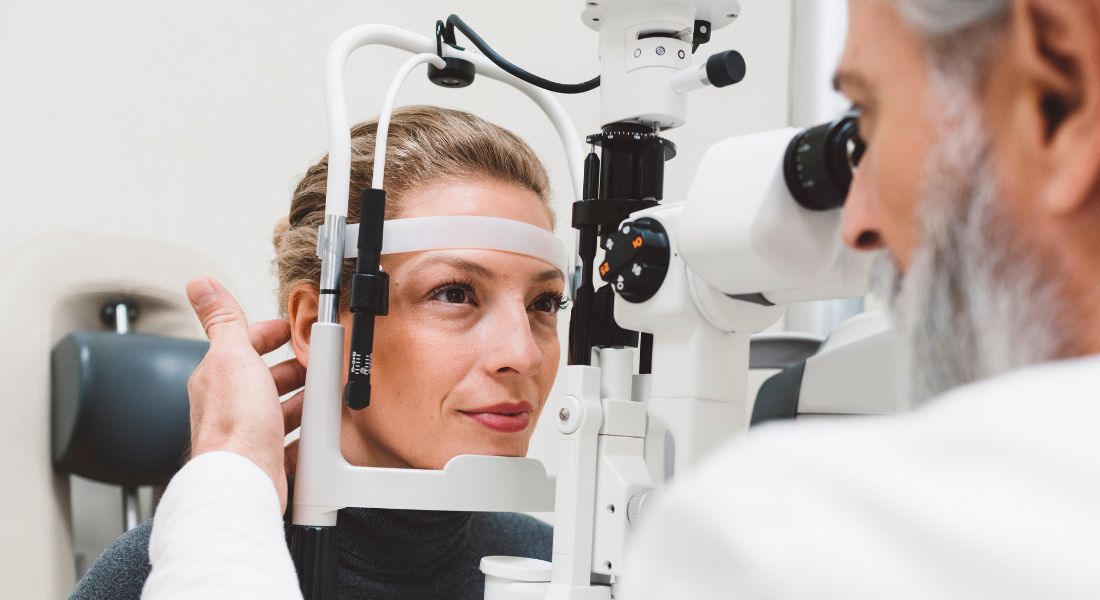
Mixed astigmatism behaves differently from the more common types of astigmatism, and this difference plays a big role in how your cornea is shaped and how your eyes focus light. Because of this complexity, you might be questioning whether your condition is treatable, or whether your prescription makes you a less ideal candidate for surgery.
In this guide, I’ll explain what mixed astigmatism actually means, how it differs from other eye conditions, and how LASEK reshapes your cornea to improve your vision. I’ll also walk you through the assessment process, the typical patient experience, and the long-term results you can expect if you choose to proceed with treatment.
Understanding Mixed Astigmatism
To understand how LASEK helps, you first need to understand what mixed astigmatism is. Many people think that astigmatism simply means blurred or distorted vision, but the reality is more nuanced. Astigmatism occurs when your cornea or lens has an uneven curve, causing light to focus unevenly on the retina. With regular astigmatism, one part of the cornea is steeper and the other is flatter. With myopic astigmatism, the eye is focused too far in front of the retina. With hyperopic astigmatism, the eye is focused too far behind.
Mixed astigmatism is different. In mixed astigmatism, one meridian of your eye is focused in front of the retina (myopic) while the perpendicular meridian is focused behind the retina (hyperopic). This creates a unique focusing pattern where your eyes are producing two opposite refractive errors at the same time. This is why mixed astigmatism often causes more noticeable distortion than regular astigmatism.
When you have mixed astigmatism, you may experience:
- Blurred vision at all distances
- Difficulty focusing
- Increased eye strain
- Distorted or stretched images
- Frequent headaches
- Trouble reading for prolonged periods
People with mixed astigmatism often feel frustrated because glasses and contact lenses can correct their vision, but not always consistently across different activities or distances. This is partly why so many look into laser eye surgery for a more stable long-term solution.
Why Mixed Astigmatism Is More Complex to Treat
Mixed astigmatism is considered more complex than regular astigmatism because the laser must flatten one meridian while steepening the other. This dual correction requires precise planning and a highly accurate laser system. In the past, mixed astigmatism was more challenging to correct surgically, but modern excimer lasers have advanced significantly. They are now capable of treating complex curves with remarkable precision.
When surgeons treat mixed astigmatism with LASEK, they need to ensure that the cornea is reshaped in a way that balances both refractive errors. This is why detailed corneal mapping and pre-operative measurements are essential. The goal is to create a smooth optical surface that enables light to focus properly onto your retina from every angle.
How LASEK Works for Mixed Astigmatism
LASEK is a surface laser procedure that reshapes the cornea without creating a flap. Instead, the thin outer epithelial layer is loosened and gently moved aside before the laser reshapes the corneal tissue underneath. After the laser treatment, the epithelium is repositioned to protect the eye while it heals.
This method is particularly helpful for people with:
- Thinner corneas
- Irregular corneal shapes
- Higher levels of astigmatism
- Lifestyles that involve risk of eye trauma
- Concerns about flap-based procedures like LASIK
For mixed astigmatism, the laser removes tissue in a customised pattern to flatten the steep meridian and steepen the flatter meridian. This dual reshaping corrects the refractive imbalance. Because LASEK allows for very controlled and precise sculpting of corneal tissue, it is a strong option for those who need complex corrections.
When you undergo the procedure, your surgeon uses detailed topography, aberrometry, and high-resolution scans to map your eye’s exact shape. These scans guide the laser during the procedure to ensure every micron of tissue is adjusted correctly.
Who Qualifies for LASEK When They Have Mixed Astigmatism?
Not everyone with mixed astigmatism automatically qualifies for LASEK. The decision depends on several factors, including the strength of your prescription, the thickness of your cornea, and the stability of your vision over time.
You may be a good candidate if:
- Your prescription is within the treatable range
- Your cornea is thick enough for safe reshaping
- Your prescription has been stable for at least 12 months
- You do not have underlying eye diseases that affect healing
- Your eyes are healthy aside from the astigmatism
- You understand the recovery timeline and expectations
Your surgeon will examine your corneal thickness, the shape of your cornea, your tear film stability, and your overall eye health. If your cornea is too thin for LASIK, LASEK may still be suitable because it removes less tissue and doesn’t involve creating a flap.
People who rub their eyes frequently, those who play contact sports, or those with thin corneas often benefit from LASEK instead of LASIK. Mixed astigmatism patients commonly fall into this group because their corneas may already have subtle irregularities that make surface procedures a safer option.
What You Can Expect During Your LASEK Assessment
Your assessment is an essential part of determining whether LASEK is right for your mixed astigmatism. The better the assessment, the more predictable your visual outcome will be. During your appointment, you’ll undergo several diagnostic tests that help your surgeon create a personalised treatment plan.
You can expect measurements such as:
- Corneal topography
- Pachymetry (corneal thickness analysis)
- Wavefront aberrometry
- Tear film evaluation
- Pupil size assessment
- Retinal examination
Each of these tests plays a vital role in understanding your unique eye structure. When you have mixed astigmatism, the surgeon must analyse your refractive error from multiple angles to make sure that the correction is accurate. These measurements allow the laser to create a smooth, even corneal surface that reduces distortion and improves clarity.
The LASEK Procedure Step by Step
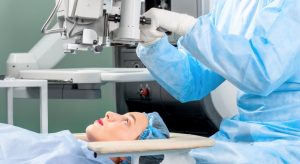
Understanding the procedure can help you feel more comfortable on the day of surgery. Even though LASEK is a complex treatment, the process itself is straightforward and typically lasts only a few minutes per eye.
Here’s what you can expect:
First, your surgeon will apply anaesthetic drops to numb your eyes. You’ll feel pressure but no pain. Next, the thin epithelial layer is loosened using a mild alcohol solution and gently moved aside. This exposes the corneal tissue for reshaping. The excimer laser then precisely reshapes the cornea according to your customised treatment plan. You may hear a clicking sound during this part, but it’s normal.
Once the reshaping is complete, the epithelium is repositioned to protect your eye. Your surgeon will then place a soft, protective contact lens to help with comfort and healing. This lens acts as a natural bandage and stays on for several days. After the procedure, you’ll rest and go home with instructions on how to care for your eyes.
What Recovery Is Like for Mixed Astigmatism Patients
Recovery after LASEK is slower than LASIK, but for many people, the long-term results are worth the extra healing time. Because the procedure works on the surface of the cornea rather than beneath a flap, the epithelium needs time to regenerate.
During the first few days, you may feel discomfort, light sensitivity, and blurred vision. These sensations will gradually improve as the epithelium heals. It’s normal for your vision to fluctuate throughout the first week. You may notice periods of blur followed by moments of clarity. This is all part of the natural healing process.
Because mixed astigmatism involves correcting two different refractive errors, your brain also needs time to adapt to the new way light focuses in your eyes. Many patients notice steady improvements during the first two to four weeks. The final visual result may take several months to fully stabilise, especially if your pre-operative astigmatism was moderate to high.
Your surgeon will monitor your progress closely with follow-up appointments to ensure that your healing is progressing as expected.
What Results Can You Expect from LASEK for Mixed Astigmatism?
Many people with mixed astigmatism achieve excellent results with LASEK. Advances in laser technology have made it possible to correct complex prescriptions with remarkable accuracy. Your results will depend on the exact nature of your refractive error, your corneal thickness, and your healing response, but most patients enjoy significantly clearer vision.
You may notice that your vision is sharper across all distances, and objects appear more natural and less distorted. Many people no longer need glasses for daily activities, although you may still require reading glasses later in life due to natural age-related changes in the lens.
It’s important to understand that LASEK aims to reduce your dependence on glasses, but outcomes can vary. Your surgeon will discuss realistic expectations with you during your consultation so that you understand the capabilities of the procedure.
Why LASEK Is Often Recommended Over LASIK for Mixed Astigmatism
While LASIK is a popular procedure, LASEK offers unique benefits for patients with mixed astigmatism. Because LASEK does not involve creating a flap, it reduces the risk of flap-related complications. This makes it an excellent choice for people who rub their eyes frequently, those who play contact sports, or those with thinner corneas.
Mixed astigmatism sometimes occurs in eyes that already have subtle corneal irregularities. Surface procedures like LASEK are often safer for these eyes because they allow the surgeon to preserve more corneal tissue. The predictable nature of LASEK’s reshaping process is also ideal for treating complex prescriptions.
How Your Surgeon Designs a Personalised Treatment Plan
A personalised treatment plan is essential for correcting mixed astigmatism effectively. Your surgeon will analyse your corneal shape, the strength of your astigmatism, the interaction between your two refractive errors, and the thickness of your cornea.
Every detail matters. Your surgeon needs to understand how steep and how flat your meridians are, and how much tissue needs to be reshaped to bring your focus onto the retina. Your laser treatment map is created using detailed imaging equipment that captures thousands of data points from your eyes.
Once your plan is finalised, your surgeon will explain how your specific correction works, what results you can expect, and how long your recovery is likely to take.
Frequently Asked Questions:
- What makes mixed astigmatism different from other types of astigmatism?
Mixed astigmatism is unique because one meridian of the eye focuses light in front of the retina while the perpendicular meridian focuses light behind it. This creates a situation where your eye has both myopic and hyperopic refractive errors simultaneously. Unlike simple or regular astigmatism, where a single correction can improve clarity, mixed astigmatism often causes more noticeable distortion, blurred vision at multiple distances, and difficulty focusing, which makes it more challenging to correct with glasses or contact lenses alone. - How does LASEK correct mixed astigmatism?
LASEK corrects mixed astigmatism by reshaping the cornea in a highly precise, customised pattern. The laser flattens the steep meridian while steepening the flatter meridian, balancing the two opposing refractive errors. The procedure starts by gently loosening and moving aside the epithelial layer, then the excimer laser reshapes the corneal tissue beneath according to detailed measurements from topography and wavefront aberrometry. After treatment, the epithelium is repositioned to protect the cornea during healing, allowing light to focus properly on the retina. - Who is considered a suitable candidate for LASEK with mixed astigmatism?
Not every patient with mixed astigmatism is automatically eligible for LASEK. Suitability depends on factors like corneal thickness, stability of the prescription, and overall eye health. Patients whose prescriptions are stable for at least 12 months, whose corneas are thick enough to allow safe reshaping, and who do not have underlying eye diseases generally qualify. LASEK is particularly suitable for those with thinner corneas, irregular corneal shapes, or lifestyles that involve higher risk for eye trauma, making it safer than flap-based procedures like LASIK for these individuals. - How long does the LASEK procedure take, and what can I expect during it?
The LASEK procedure is relatively quick, typically lasting only a few minutes per eye. On the day of surgery, anaesthetic drops are applied to numb the eyes. The surgeon then loosens the thin epithelial layer with a mild alcohol solution and moves it aside to access the corneal tissue. The excimer laser reshapes the cornea precisely according to the pre-planned map. Patients may hear a clicking sound during laser activity, which is normal. After reshaping, the epithelium is repositioned, and a soft protective contact lens is placed to aid healing. Most patients are able to go home shortly after the procedure. - What is recovery like after LASEK for mixed astigmatism?
Recovery from LASEK is slower than LASIK because the epithelium needs time to regenerate fully. Patients often experience blurred vision, light sensitivity, and mild discomfort during the first few days. Vision can fluctuate during the initial week as the cornea heals and the brain adapts to the corrected refractive pattern. Over the first two to four weeks, vision steadily improves, with final stability usually achieved over several months, especially in cases of moderate to high mixed astigmatism. Follow-up appointments are important to monitor healing and ensure the best visual outcome. - How soon can I expect to see results after LASEK?
Initial visual improvements are often noticeable within the first week, but it can take several weeks for vision to stabilise fully. Mixed astigmatism requires dual correction of two opposing errors, so the brain may need extra time to adapt to the new focusing pattern. Many patients report gradual improvements in clarity and reduced distortion over the first month, with full visual outcomes achieved over three to six months depending on individual healing rates and the complexity of the prescription. - Are there any risks or complications specific to LASEK for mixed astigmatism?
Like any surgical procedure, LASEK carries some risks, but it is considered very safe when performed by experienced surgeons. Temporary discomfort, light sensitivity, fluctuating vision, and dry eye are common during early recovery. Rarely, irregular healing of the epithelium can occur, which may affect vision temporarily. Long-term complications are uncommon, and flap-related issues that can occur with LASIK are avoided entirely because LASEK does not create a corneal flap, making it a safer option for patients with thinner or irregular corneas. - How does LASEK compare to LASIK for treating mixed astigmatism?
LASEK is often preferred over LASIK in cases of mixed astigmatism where the cornea is thin, irregular, or patients have higher risk lifestyles. LASIK involves creating a flap, which can complicate healing in irregular corneas, whereas LASEK works on the surface and preserves more tissue. While LASIK generally offers faster recovery, LASEK provides a safer and more controlled reshaping process for complex prescriptions, reducing the risk of flap complications and allowing for precise correction of both meridians in mixed astigmatism. - Will I still need glasses after LASEK for mixed astigmatism?
Many patients achieve significant reduction in dependence on glasses after LASEK. Most notice clearer vision across distances for daily activities. However, age-related changes in the lens can still necessitate reading glasses in later years. LASEK aims to reduce the need for corrective eyewear for most activities, but it cannot prevent normal presbyopia or age-related visual changes. Your surgeon will discuss realistic expectations based on your prescription and eye health. - How is a personalised treatment plan created for mixed astigmatism?
A personalised plan begins with a comprehensive assessment of the cornea using topography, wavefront aberrometry, and pachymetry. The surgeon analyses the curvature and thickness of each meridian, the interaction between the myopic and hyperopic components, and overall eye health. Thousands of data points guide the laser’s reshaping pattern to ensure the cornea is adjusted accurately. The plan is tailored to achieve balanced vision correction while maintaining corneal integrity and supporting optimal long-term results.
Final Thought: Considering LASEK for Mixed Astigmatism
If you’re considering options to correct mixed astigmatism, LASEK offers a precise, surface-based approach that can address complex prescriptions safely and effectively. The procedure is particularly suitable for patients with thinner or irregular corneas, those who play contact sports, or anyone seeking to minimise the risks associated with flap-based laser surgeries. With detailed pre-operative assessments and a personalised treatment plan, LASEK can significantly reduce your dependence on glasses while providing long-term visual clarity.
If you’re exploring whether lasek surgery in London could benefit you, get in touch with us at Eye Clinic London to schedule your consultation and find out what this advanced procedure can do for your vision.
References:
- Yahalomi, T. et al., 2023. “Dry Eye Disease following LASIK, PRK, and LASEK: A Prospective Study.” Journal of Clinical Medicine, 12(11), 3761. https://www.mdpi.com/2077-0383/12/11/3761
- Pniakowska, Z. et al., 2022. “Clinical Evaluation of Corneal Biomechanics following FS‑LASIK and PRK‑MMC Refractive Surgeries.” https://www.mdpi.com/2077-0383/12/1/243
- Cavuoto, K.M. et al., 2022. “Effectiveness of Laser Refractive Surgery to Address Myopia and Astigmatism: A Systematic Review.” Journal of Cataract & Refractive Surgery, 48(11), pp. https://www.sciencedirect.com/science/article/abs/pii/S016164202200481X
- Murueta‑Goyena, A. et al., 2018. “Visual outcomes and management after corneal refractive surgery: wound healing‑related complications.” https://www.sciencedirect.com/science/article/pii/S1888429617300705
- Yüksel, N. et al., 2014. “Long Term Results of Epi‑LASIK and LASEK for Myopia.” Journal of Refractive Surgery, 30(8), pp. 570–577. https://pubmed.ncbi.nlm.nih.gov/24128385/