


LASEK Eye Surgery for People Sensitive to Bright Light

If you’re someone who struggles with bright-light sensitivity, you already know how challenging it can be to navigate everyday situations. Whether it’s stepping outside on a sunny day, facing bright headlights at night, or sitting in front of a screen with harsh glare, photophobia can make your eyes feel uncomfortable, strained, or overwhelmed. When you start thinking about laser eye surgery, it’s only natural for these concerns to increase.
The good news is that LASEK eye surgery is often a suitable option for people with pre-existing light sensitivity, and many patients actually find that their symptoms improve over time. However, it’s important to understand what the experience is like, what you can expect during healing, and how to manage light exposure in the days and weeks after the procedure.
In this article, I’ll walk you through everything you need to know about LASEK and light sensitivity. I’ll explain how LASEK works for people with photophobia, whether it’s safe, how your eyes may react after surgery, and what you can do to reduce discomfort during recovery.
Understanding Light Sensitivity Before Treatment
Photophobia can arise for many reasons, and understanding the underlying cause can help you predict how your eyes may respond to LASEK. People experience light sensitivity for a wide range of reasons, including dry eyes, migraines, inflammation, or irregularities in the cornea.
When you think about LASEK, it’s important to recognise that the surface of your eye plays a central role in how you process light. The cornea is responsible for focusing light into your eye, and if its surface is irregular, excessively dry, or inflamed, your sensitivity may increase.
Many people assume photophobia automatically makes them unsuitable for laser surgery, but this isn’t the case. In fact, some surgeons recommend LASEK specifically for patients who already experience sensitivity because it avoids creating a deeper corneal flap and preserves more of the natural corneal structure.
Is LASEK Safe for People with Light Sensitivity?
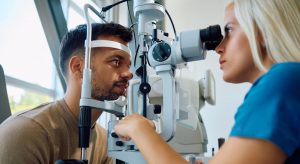
If you’re naturally sensitive to bright light, it’s normal to worry about how laser eye surgery might affect your symptoms. LASEK, however, is designed with surface-level precision that minimises nerve disruption and long-term dryness. Understanding how the procedure interacts with light sensitivity can help you feel more confident about whether it’s the right option for you.
LASEK is generally safe for people with photophobia.
Because it works on the surface of the cornea rather than creating a deeper flap, it avoids disrupting the corneal nerves as much as LASIK does. This reduced nerve interference helps lower the risk of long-term dryness, which is a common trigger for ongoing light sensitivity.
The epithelium is gently loosened, not cut.
This controlled approach leads to a softer, more gradual healing process with minimal alteration to corneal structure. For people who already struggle with brightness, this can mean a more comfortable recovery and fewer long-term sensitivity issues.
Temporary light sensitivity after LASEK is expected.
You may notice increased brightness sensitivity in the first days or weeks as the surface heals, but this typically settles as the cornea smooths out. Most patients report clearer, more comfortable vision as stability returns.
Long-term outcomes are usually positive for sensitive eyes.
As the epithelium regenerates and the tear film stabilises, photophobia often improves rather than worsens. Many people notice that light feels less harsh once dryness and surface irregularities have reduced.
Suitability depends on the underlying cause of your sensitivity.
If your photophobia is linked to dry eye disease, inflammation, or corneal irregularities, your surgeon will assess whether these issues can be treated before surgery. Addressing them early helps create a stronger, more stable ocular surface.
Pre-surgery dry eye optimisation is often recommended.
Many clinics offer targeted treatment plans like lubricants, anti-inflammatory drops, or gland therapy to minimise post-surgery discomfort. Strengthening your tear film beforehand improves healing and makes the light sensitivity phase easier to manage.
How LASEK Affects Photophobia During Healing
After LASEK, it’s normal for your eyes to be temporarily more sensitive to light, even if you had photophobia beforehand. Understanding why this happens and what to expect during the healing process can help you manage discomfort and feel more confident as your vision gradually stabilises.
- Temporary increase in light sensitivity is normal.
Most patients notice that bright lights feel more intense in the first few days after LASEK. This happens because the corneal surface is still healing and the nerves are beginning to regenerate. - Healing tissue is more reactive to light.
As the epithelium regenerates, the newly exposed surface cells can make your eyes more sensitive to screens, sunlight, or indoor lighting. This heightened response is expected and does not indicate a complication. - Discomfort is part of the natural recovery process.
You may experience glare, squinting, or mild irritation in bright environments. These symptoms typically peak early and gradually reduce as the corneal surface stabilises. - Sensitivity improves over several weeks.
As the epithelium fully rebuilds and the corneal nerves settle, your tolerance to light increases. Daily activities like using screens or going outdoors become easier and more comfortable. - LASEK can reduce pre-existing photophobia in the long term.
For patients with sensitivity caused by surface irregularities or refractive strain, restoring a smooth, balanced corneal surface often leads to noticeable relief. Many people find that their eyes feel more comfortable and light tolerance improves once healing is complete.
What You Can Expect Immediately After Surgery
The first few days after LASEK are crucial for healing and can feel quite sensitive, especially if your eyes are prone to light discomfort. Understanding what to expect immediately after surgery helps you manage recovery more comfortably.
Immediate Sensitivity – The first few days after LASEK are often the most noticeable for people with light sensitivity. Bright lights, sunlight, or reflections may feel uncomfortable while the epithelium begins to heal.
Protective Lens – A bandage contact lens is placed on your eye to shield the healing surface. Even with this protection, mild discomfort, tearing, or a gritty sensation is normal.
Eye Rest – Limiting bright light exposure and resting your eyes helps reduce strain. Wearing sunglasses indoors can also make the early recovery period more comfortable.
Lubrication – Frequent use of artificial tears soothes dryness and protects the healing cornea. Most patients need drops regularly during the first week or two.
Improving Comfort – Sensitivity usually peaks in the first few days and starts to decrease once the bandage lens is removed, typically between days three and five. The cornea gradually stabilises, making light more tolerable.
Fluctuating Vision – Some days may feel better than others, especially with prolonged screen use or outdoor exposure. Over time, these fluctuations become less noticeable as healing progresses.
How Long Light Sensitivity Usually Lasts After LASEK
Light sensitivity is a common part of the LASEK recovery process, but its duration can vary from person to person. Knowing the typical timeline helps you manage expectations and care for your eyes effectively.
Initial Sensitivity – Light sensitivity is usually at its peak during the first week after LASEK. The epithelium is still regenerating, so bright lights, sunlight, or reflections may feel uncomfortable. Your eyes are adjusting to the reshaped cornea, which can make even normal indoor lighting seem intense. This early phase is temporary and part of the normal healing process.
Lens Removal – The protective bandage contact lens is usually removed between days three and five. Once it is removed, the corneal surface begins to stabilise, and you may notice a gradual improvement in visual comfort. Bright lights may still feel noticeable, but overall irritation often decreases.
Weeks Two to Three – By the second or third week, many patients experience a significant reduction in sensitivity. While occasional discomfort may still occur in direct sunlight, during screen use, or from headlights at night, these episodes are usually brief and less intense than in the first week. This period allows your corneal nerves to continue adjusting.
Ongoing Fluctuations – Even after initial improvement, light sensitivity can fluctuate as the corneal nerves continue regenerating. Some days may feel more sensitive than others, especially with prolonged visual tasks or outdoor exposure. These ups and downs are normal and do not indicate a complication.
Long-Term Outlook – For people who had pre-existing photophobia, the recovery timeline may feel slightly longer. However, once the cornea stabilises and the eyes no longer compensate for refractive differences, most patients notice a marked improvement in light tolerance. Over time, sensitivity often becomes less noticeable than before surgery, allowing for more comfortable daily vision.
Why Some People Are More Sensitive to Light Than Others
Everyone’s eyes react differently to light, and if you’re considering LASEK with existing photophobia, it may help to understand why your sensitivity exists in the first place. Several factors can influence how your eyes respond to brightness. For example, dry eyes reduce the protective tear film that helps buffer light entering the eye.
Corneal irregularities can also scatter light in different directions, creating glare or halos that make bright environments overwhelming. If your cornea isn’t perfectly smooth or if you have astigmatism, you may find that certain lighting conditions feel more intense.
Another factor is nerve sensitivity. The cornea contains a high concentration of nerves, making it very responsive to external stimuli. Some people naturally have more sensitive nerves, while others develop increased sensitivity due to inflammation, dryness, or past trauma.
How Surgeons Evaluate Photophobia Before LASEK
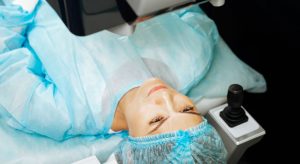
Before LASEK, your surgeon will assess your eye health, focusing on the tear film, corneal surface, and any signs of inflammation. Tests may include measuring tear stability, corneal thickness, and nerve function to identify factors that could worsen light sensitivity.
If issues like dryness or inflammation are present, a tailored pre-treatment plan can improve comfort before and after surgery. Being open about your symptoms helps your surgeon personalise your care, ensuring the procedure is as comfortable and effective as possible.
Managing Light Sensitivity Safely After LASEK
If you’re sensitive to bright light, coping strategies like wearing high UV protection sunglasses and keeping your environment softly lit are especially important after LASEK. Regular use of lubricating eye drops also helps reduce discomfort by maintaining a healthy tear film.
It’s wise to limit screen use during the first week, keep brightness low, and take frequent breaks to minimise digital glare. Avoid night driving initially, as headlights and reflections can feel intense, and follow your surgeon’s guidance on when it’s safe to resume normal activities.
What Patients Commonly Experience During Recovery
People with pre-existing photophobia often wonder how their experience compares to those without sensitivity issues. Interestingly, many patients with light sensitivity report that their recovery feels manageable and consistent with expectations.
During the first few days, your eyes may feel irritated, watery, or overwhelmed by bright environments. This is normal and typically improves once the bandage contact lens is removed.
By the end of the first month, most patients find that sensitivity reduces significantly. If you had photophobia before surgery, the improvement may feel even more dramatic. This is because correcting surface irregularities, reducing refractive strain, and promoting nerve regeneration all contribute to a more balanced and comfortable visual experience.
Long-Term Outlook for Light Sensitivity After LASEK
One of the biggest concerns for people with photophobia is whether light sensitivity will persist long-term after LASEK. The reassuring reality is that most patients see significant improvement once healing is complete. As the cornea stabilises and the nerves regenerate, your eyes become better equipped to handle bright environments.
If your sensitivity was caused by refractive errors, corneal irregularities, or chronic squinting due to blurred vision, LASEK often reduces these triggers. Once your visual clarity improves, your eyes no longer need to strain, which helps soften your response to light.
In some cases, mild sensitivity may persist, especially in people with long-standing dry eye or migraine-related photophobia. However, these cases are less common, and they often respond well to additional treatments such as tear supplements, eyelid hygiene, or lifestyle adjustments.
The long-term outlook is especially positive when you follow your aftercare plan closely and attend all your follow-up appointments. These visits allow your surgeon to monitor your healing and address any ongoing sensitivity or dryness before it becomes a long-term concern.
FAQs:
- Can LASEK worsen my existing light sensitivity?
For most people with pre-existing light sensitivity, LASEK does not worsen the condition long-term. Immediately after surgery, temporary sensitivity can increase because the corneal epithelium is healing and the nerves are regenerating. This is a normal part of recovery and generally peaks during the first few days. Over the following weeks, as the cornea stabilises and the tear film improves, most patients find that their light tolerance actually improves compared to their pre-surgery experience. - How long will my eyes be more sensitive after LASEK?
The duration of heightened light sensitivity varies depending on individual healing rates. Typically, the first week sees the most noticeable sensitivity, especially while the bandage contact lens is in place. Once the lens is removed, the corneal surface becomes more stable, and comfort gradually improves. By the second or third week, most people notice a significant reduction in light sensitivity. Even after this period, occasional fluctuations may occur while the corneal nerves continue to adjust, but these are temporary and part of normal healing. - Is LASEK suitable for people with severe photophobia?
LASEK can be suitable for individuals with significant light sensitivity, provided the underlying causes are evaluated and managed. Surgeons typically assess the tear film, corneal surface, and any inflammatory conditions before surgery. If pre-existing issues like dry eye or surface irregularities are optimised beforehand, patients with severe photophobia often tolerate LASEK well and may experience long-term improvement in light tolerance. - Will I need to take extra precautions after LASEK if I have photophobia?
Yes, patients with light sensitivity should be mindful of eye protection and environmental conditions after surgery. Wearing high UV-protection sunglasses, keeping indoor lighting soft, and limiting screen exposure during the first week can reduce discomfort. Following the surgeon’s guidance on lubricating drops, rest, and gradual exposure to bright light ensures smoother recovery and helps the eyes adjust more comfortably. - Can LASEK permanently reduce light sensitivity?
Many patients find that LASEK has a positive impact on long-term light tolerance. By reshaping the cornea and addressing refractive differences or surface irregularities, the eyes no longer need to compensate as much, which can reduce strain and photophobia. While mild sensitivity may persist in rare cases, especially in patients with chronic dry eye or migraine-related photophobia, most people experience lasting improvement once healing is complete and the corneal nerves stabilise. - Are there specific types of light that are more bothersome after LASEK?
After LASEK, bright sunlight, reflections, and digital screens are typically the most noticeable triggers for sensitivity. Headlights at night or highly reflective surfaces can also cause temporary discomfort. These sensitivities tend to decrease gradually as the corneal epithelium heals and the tear film stabilises, but patients may notice that certain environments remain more challenging than others during the first few weeks of recovery. - How do surgeons assess photophobia before LASEK?
Before performing LASEK, surgeons evaluate the eyes thoroughly to understand the causes of light sensitivity. Tests often include measuring tear film stability, assessing corneal surface smoothness, and examining corneal nerve function. These assessments help identify treatable issues such as dry eye or inflammation. By addressing these factors before surgery, the surgeon can reduce post-operative discomfort and optimise the patient’s visual outcome. - Can pre-existing dry eye affect light sensitivity recovery after LASEK?
Yes, pre-existing dry eye can prolong the period of light sensitivity after surgery. Dry eyes reduce the protective tear film that helps buffer incoming light, making the cornea more reactive during healing. Surgeons often recommend pre-treatment measures such as lubricating drops, anti-inflammatory therapies, or gland treatments to improve tear film quality before surgery. This preparation supports faster healing and more comfortable visual recovery. - Will my eyes feel the same on both sides after LASEK?
During the initial recovery, it is normal for one eye to feel more sensitive than the other, especially if pre-existing light sensitivity varies between eyes. Each cornea heals independently, and nerve regeneration can differ slightly from side to side. Over time, as the epithelium stabilises and both eyes adjust, the differences usually even out, resulting in more balanced vision and consistent light tolerance. - Is follow-up care important for managing light sensitivity after LASEK?
Follow-up care is crucial for anyone with photophobia undergoing LASEK. Regular post-operative visits allow the surgeon to monitor healing, adjust lubricating treatments, and address any persistent sensitivity. By following the recommended check-ups and aftercare plan, patients ensure that their eyes recover optimally, light tolerance improves steadily, and the long-term benefits of LASEK are maximised.
Final Thought: LASEK and Light Sensitivity
If you’re considering Lasek surgery in London and want to understand how it might affect your sensitivity to bright light, it’s important to have a clear picture of what to expect before, during, and after the procedure. LASEK can be a suitable option for people with pre-existing photophobia, and with proper pre-surgery evaluation and aftercare, many patients notice improved comfort and long-term reduction in light sensitivity.
If you’re considering lasek surgery in London and want to know if it’s the right option, you’re welcome to reach out to us at Eye Clinic London to book a consultation. Our team can assess your eyes, discuss your concerns about light sensitivity, and guide you through the best approach for a safe and comfortable visual outcome.
References:
- Abad, J.C. et al. (2004) ‘Evolution, techniques, clinical outcomes, and pathophysiology of LASEK: review of the literature’, Journal of Cataract & Refractive Surgery, 30(7), pp. https://www.sciencedirect.com/science/article/abs/pii/S0039625704001353
- Schoenberg, A. & Frucht‑Peng, M. (2014) ‘Corneal regeneration after photorefractive keratectomy: A review’, Journal of Optometry & Vision Science, 29(5), pp. https://www.sciencedirect.com/science/article/pii/S1888429614000867
- Darwish, T. et al. (2023) ‘How long does the recovery of corneal sensitivity in different corneal regions take after LASEK?’, International Journal of Ophthalmology, 16(5), pp. https://pubmed.ncbi.nlm.nih.gov/38111940/
- Mann, A. et al. (2007) ‘Subbasal nerve fiber regeneration after LASIK and LASEK assessed by non‑contact esthesiometry and in vivo confocal microscopy: prospective study’, Investigative Ophthalmology & Visual Science, 48(7), pp. 302–308. https://pubmed.ncbi.nlm.nih.gov/17720064/
- “Dry Eye Disease following LASIK, PRK, and LASEK: An Observational Cross‑Sectional Study.” (2022) Journal of Clinical Ophthalmology, 12(11). https://pmc.ncbi.nlm.nih.gov/articles/PMC10253504/