


LASEK Eye Surgery for Irregular Corneal Shape (Non-Keratoconus)
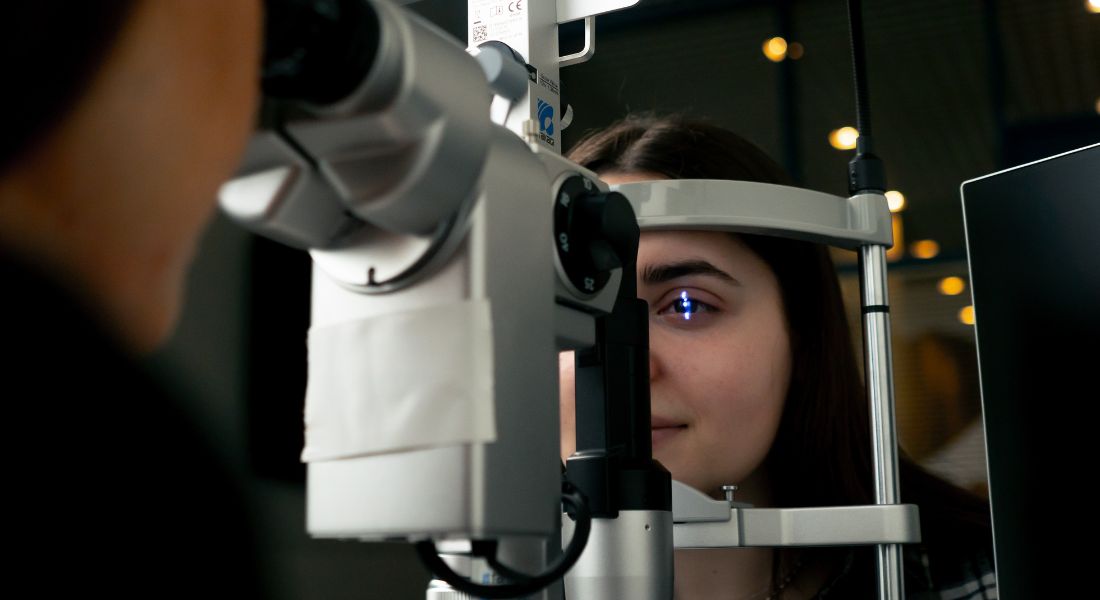
If you’ve been told that you have an irregular corneal shape but not keratoconus, you may be unsure what this means for your vision and whether laser eye surgery is a safe option for you. Many people assume that any irregularity in the cornea automatically disqualifies them from procedures like LASEK, but that isn’t always the case. Irregular corneas exist on a spectrum, and not all irregularities are dangerous or progressive like keratoconus.
You may be reading this because you’ve experienced blurry vision, ghosting, shadowing around lights, or difficulty achieving clear sight even with glasses or contact lenses. You might also have been told in the past that your corneal shape is “not perfectly regular,” leaving you confused about your options.
In this guide, I’ll walk you through what an irregular corneal shape means, how it differs from keratoconus, and why LASEK may still be suitable for you. I’ll explain the role of detailed corneal imaging, the importance of stability, and how your surgeon determines whether LASEK is safe in cases of irregularity.
By the end of this article, you’ll feel more informed about your condition and better prepared to have a meaningful discussion with your surgeon about your treatment options.
Understanding Irregular Corneal Shape
Your cornea, which is the clear front layer of your eye, is designed to be smooth and evenly curved. This smooth curvature allows light to enter your eye and focus properly on your retina. When your cornea has an irregular shape, the surface may have uneven elevations or subtle distortions that affect how light travels through it. As a result, your vision may appear blurry or distorted even when wearing glasses.
Irregular corneal shape can occur for several reasons, and in many cases, it does not indicate disease. Some people are simply born with slightly uneven corneas, while others develop subtle irregularity over time due to environmental factors, mild trauma, or long-term contact lens wear. This type of irregularity is different from keratoconus, which is a progressive condition that causes the cornea to thin and bulge outwards in a cone-like shape.
When your cornea is irregular but stable and not thinning, it may still respond well to laser reshaping. The key is determining whether your irregularity is within safe limits for treatment.
How Irregular Corneas Affect Your Vision
The cornea is the clear, dome-shaped surface at the front of your eye, and it plays a crucial role in focusing light onto the retina. When your cornea isn’t perfectly smooth or symmetrical, light entering your eye can scatter instead of focusing properly. This leads to various visual imperfections that can significantly affect daily life, from reading and computer work to night driving. Many people with irregular corneas experience difficulties such as:
- Blurry or distorted images: Objects may appear stretched, wavy, or out of focus, making everyday tasks like reading or using a computer challenging.
- Double or multiple ghost images: You might see faint duplicates of objects, especially in bright light, which can make night driving or reading signs difficult.
- Glare or haloes around lights: Lights may appear to bloom or have rings around them, causing discomfort and reducing clarity in dim environments.
- Reduced contrast sensitivity: Fine details can become harder to distinguish, so edges and textures may look washed out or less sharp.
- Difficulty seeing clearly in low-light conditions: Your eyes may struggle to adapt in dimly lit environments, leading to unsafe situations when driving or navigating at night.
- Vision that doesn’t correct fully with glasses: Even the most precise prescription may not fully compensate for irregularities, leaving residual blur or distortion.
These symptoms can be incredibly frustrating, especially if you’ve tried different glasses prescriptions or contact lenses without achieving crisp vision. Standard lenses can correct regular astigmatism, but they struggle to correct irregular astigmatism or uneven corneal surfaces. This is why some people turn to laser surgery to improve the way their cornea refracts light.
Irregular Corneal Shape vs Keratoconus: Understanding the Difference
It’s important to distinguish between a naturally irregular cornea and keratoconus. While both conditions involve irregular curvature, they behave very differently.
In keratoconus, the cornea progressively thins and weakens, leading to increasing bulging and steepening. This makes the cornea structurally unstable, and laser eye surgery is generally not recommended. Instead, cross-linking or specialised contact lenses may be used to stabilise or manage the condition.
But not all irregularity is keratoconus. Modern diagnostic tools allow surgeons to evaluate corneal thickness, curvature, symmetry, and biomechanical strength in detail. Many patients show mild asymmetry or surface irregularity but without any signs of thinning, weakness, or progression. These non-keratoconic irregularities may be suitable for LASEK if the cornea is stable and healthy.
This distinction is crucial. Just because your cornea isn’t perfectly round doesn’t mean you have a disease or that surgery is unsafe.
How LASEK Reshapes an Irregular Cornea
LASEK is a surface-based laser procedure that works by reshaping the cornea to improve how light focuses on the retina. In people with irregular corneas, the goal is to smooth out the uneven surface and correct any refractive errors caused by the irregularity.
During LASEK, the thin surface layer of the cornea (epithelium) is gently loosened and moved aside. The excimer laser then reshapes the underlying tissue with precision, correcting the uneven curvature and reducing distortions. Once the laser treatment is complete, the epithelium is repositioned, and the cornea begins to heal.
This process can help:
- Smooth out irregular elevations
- Improve the uniformity of the corneal surface
- Enhance the quality of light entering the eye
- Reduce starbursts, ghosting, and visual scatter
- Improve overall clarity
Because LASEK does not involve creating a flap, it preserves more corneal tissue and is often recommended for eyes that require careful structural consideration.
Why LASEK May Be Suitable for Irregular Corneal Shape
LASEK has several advantages when dealing with corneal irregularities that fall outside keratoconic patterns. It offers a safer approach for borderline or irregular corneas because it removes less tissue and avoids weakening the cornea through flap creation.
Here’s why surgeons often consider LASEK in such cases:
LASEK preserves the structural stability of your cornea by reshaping only the surface layers. This makes it a gentler option for eyes with mild irregularities. It also allows surgeons to treat irregularities that cause visual distortion and improve light distribution across the eye. In many cases, LASEK is combined with wavefront-guided or topography-guided technology to fine-tune the surface of the cornea.
This type of personalised treatment improves visual quality beyond what standard glasses or lenses can provide. If your irregular shape is stable and your corneal thickness is sufficient, LASEK may be a safe and effective option.
Who Qualifies for LASEK When the Cornea Is Irregular?
To determine your suitability, your surgeon will perform a comprehensive assessment using high-resolution imaging and biomechanical analysis. LASEK may be appropriate if:
- Your corneal irregularity is mild to moderate: Severe irregularities may not respond well to LASEK, but mild to moderate changes can often be safely treated to improve vision.
- There is no evidence of thinning or ectasia: A stable cornea without structural weakness reduces the risk of post-surgical complications like bulging or progressive distortion.
- Your corneal thickness is within safe limits: Adequate thickness ensures that enough tissue remains after reshaping, which is crucial for maintaining corneal integrity.
- Your prescription has been stable for at least a year: Stability indicates that your vision is unlikely to change significantly after surgery, improving the likelihood of lasting results.
- Your eyes are otherwise healthy: Conditions such as severe dry eye, infection, or inflammation must be absent to reduce the risk of complications and promote proper healing.
- You do not have progressive changes that resemble keratoconus: Progressive corneal disorders may worsen after surgery, so ruling them out is essential for safety and effectiveness.
The assessment process is essential because even slight variations in corneal structure can influence how well you respond to treatment. Your surgeon needs to rule out any hidden risks to ensure your safety and the best possible outcome.
The Importance of Corneal Mapping and Stability
Corneal topography and tomography are key tools in identifying whether LASEK is a safe option for your irregular cornea. These imaging techniques create detailed maps showing the shape, curvature, thickness, and elevation of your cornea.
Your surgeon will look for:
- Symmetrical thickness across the cornea
- Regular patterns of curvature
- Stable mapping over time
- Absence of cone-like steepening
- Healthy biomechanical strength
If your irregularity is mild and stable, LASEK may be recommended. If your cornea shows any signs of instability, your surgeon will likely advise an alternative treatment.
Stability is the deciding factor. Even if your cornea is slightly irregular, it may still be suitable for treatment as long as it isn’t thinning or changing over time.
Wavefront- and Topography-Guided LASEK for Irregular Corneas
When dealing with an irregular corneal shape, one of the most important advantages of modern LASEK is the availability of guided treatments. These techniques allow the laser to correct not only basic refractive errors but also subtle imperfections that affect the quality of your vision.
Wavefront-guided LASEK uses measurements of how light travels through your entire eye. This helps identify higher-order aberrations that cause ghosting, streaking, or loss of clarity. Meanwhile, topography-guided LASEK focuses on the front surface of your cornea, correcting the exact irregularities seen on your corneal map.
Together, these technologies help smooth the optical surface and improve the quality of your vision. This is especially helpful if your irregularity causes noticeable distortion or if standard laser treatments might not fully address your needs.
How the LASEK Procedure Works in These Cases
The procedure is the same whether your cornea is regular or irregular, but the planning phase is much more customised when irregularity is present.
Your surgeon begins by applying anaesthetic drops. The epithelial layer is loosened using a mild alcohol solution or specialist device, then gently moved aside. The laser reshapes the cornea according to your personalised map. The epithelium is repositioned afterward, and a bandage lens is placed to support healing.
Because the laser treatment is customised for irregularity, the goal is not just to correct your prescription but also to improve the quality of your corneal surface. This helps reduce visual scatter and improves the clarity and sharpness of your sight.
Recovery After LASEK for Irregular Corneas
LASEK recovery is slower than LASIK because the surface layer of the cornea needs time to regenerate. You may experience discomfort, blurred vision, and light sensitivity during the first few days. This improves steadily as the epithelium heals and the surface smooths out.
Because irregular corneas often require more customised reshaping, your vision may take a little longer to stabilise. Many patients notice significant improvements within the first month, while full clarity can take several months.
It’s completely normal to experience fluctuations, especially in low-light environments or after long days using digital screens. Your surgeon will monitor your healing to ensure everything progresses as expected.
What Results Can You Expect If You Have an Irregular Cornea?
Your results will depend on the level of irregularity, the treatment plan, and your healing response. Many patients enjoy clearer vision, reduced distortion, and improved night-time clarity. For some people, the improvement in visual quality is even more noticeable than the improvement in prescription strength.
You may see:
- Better sharpness and contrast
- Reduced ghosting or duplicate images
- Improved clarity in low-light conditions
- More stable focus across different distances
The goal of LASEK is to improve both the quantity and quality of your vision. However, it’s important to have realistic expectations. Some irregular corneas cannot be fully normalised, but significant improvements are common.
When Alternative Treatments Are Recommended
Not every irregular cornea is suitable for LASEK. If your corneal shape suggests early or subtle keratoconus, your surgeon may recommend other treatments such as corneal cross-linking. Cross-linking strengthens the cornea and prevents progression, but it is not designed to reshape the surface for vision correction in the same way laser surgery is.
Other alternatives include:
- Specialised rigid contact lenses
- Scleral lenses
- Implantable collamer lenses (ICLs)
- Combined cross-linking and laser treatments (CXL + PRK in selected cases)
Your surgeon will carefully explain which treatment gives you the safest and most predictable outcome.
Why Careful Diagnosis Is Essential
Irregular corneas require a higher level of diagnostic precision. Even small irregularities can affect your suitability for surgery and the predictability of your results. This is why reputable clinics rely on advanced topographers, tomographers, and imaging tools. These devices detect subtle changes that older machines would have missed, helping surgeons tailor treatment to your unique corneal shape.
When evaluating your cornea, your surgeon will check for warning signs such as:
- Inferior steepening: Steepening at the lower part of the cornea can signal early keratoconus or other irregularities that may compromise surgical outcomes.
- Thinning patterns: Uneven corneal thickness can indicate structural weakness, which increases the risk of complications after laser surgery.
- Asymmetric bowtie patterns: Uneven astigmatism patterns can make standard laser corrections less effective and require specialized treatment planning.
- Skewed radial axes: Misalignment of corneal curvature can distort vision and affect how light is focused onto the retina.
- Posterior elevation abnormalities: Changes on the back surface of the cornea may reveal early ectatic disorders that are not visible on the front surface.
The presence of these signs may indicate keratoconus or a predisposition to corneal instability. Accurate diagnosis ensures that you receive the safest and most appropriate treatment for your condition, helping to optimise visual outcomes and reduce the risk of post-surgical complications.
Frequently Asked Questions:
- What does it mean to have an irregular corneal shape without keratoconus?
Having an irregular corneal shape means that the surface of your cornea is not perfectly smooth or symmetrical. This can cause light entering the eye to scatter, resulting in blurred or distorted vision. Unlike keratoconus, which is a progressive disease where the cornea thins and bulges into a cone-like shape, non-keratoconic irregularities are typically stable and do not worsen over time. Many people have minor irregularities naturally or develop them due to environmental factors, mild trauma, or long-term contact lens use. These irregularities may cause visual disturbances but generally do not compromise the structural integrity of the cornea. - How does an irregular cornea affect vision?
An irregular cornea can cause several visual issues, including ghost images, glare, halos around lights, and reduced contrast sensitivity. Objects may appear stretched or wavy, making tasks like reading or using a computer more difficult. Night vision may also be affected because scattered light creates starbursts or halos around light sources, complicating driving in low-light conditions. Even with glasses or contact lenses, vision may not fully correct, leaving residual blur or distortion. The severity of these symptoms depends on the degree of irregularity and how the light refracts through the uneven surface of the cornea. - Why is it important to distinguish irregular corneas from keratoconus?
Distinguishing between a naturally irregular cornea and keratoconus is essential because treatment approaches differ significantly. Keratoconus is progressive and can lead to corneal thinning and weakening, which makes laser eye surgery unsafe. Non-keratoconic irregularities, on the other hand, are usually stable and may be suitable for surface laser procedures like LASEK. Modern imaging techniques, including corneal topography and tomography, allow surgeons to evaluate thickness, curvature, and biomechanical strength to ensure that the cornea can safely undergo reshaping. Proper diagnosis prevents complications and ensures that patients receive the most effective and safe treatment. - Can LASEK improve vision in irregular corneas?
Yes, LASEK can improve vision in cases of mild to moderate corneal irregularities. The procedure works by reshaping the cornea’s surface, smoothing uneven areas, and correcting refractive errors caused by irregularity. During the procedure, the epithelial layer is gently moved aside, and a laser precisely reshapes the underlying tissue. This helps reduce visual distortions such as ghosting, starbursts, or halos and improves overall clarity. The use of wavefront- or topography-guided LASEK allows for customized correction tailored to the unique irregularities of the cornea, enhancing both the quality and quantity of vision. - Who is a good candidate for LASEK when the cornea is irregular?
Patients with mild to moderate irregularities, stable corneas without thinning, and sufficient corneal thickness are generally considered good candidates for LASEK. The stability of the prescription is also important; the vision should not have changed significantly for at least a year. Eyes must be healthy overall, free of severe dry eye, infection, or inflammation. Patients whose irregularities resemble early keratoconus or other progressive conditions may not be suitable. A thorough evaluation ensures that the procedure can be performed safely and effectively. - What role does corneal mapping play in determining suitability for LASEK?
Corneal mapping, including topography and tomography, provides detailed information about the cornea’s shape, thickness, and curvature. These measurements help surgeons identify irregularities, detect subtle thinning or bulging, and assess biomechanical stability. For patients with irregular corneas, mapping is crucial for creating a personalized laser treatment plan that addresses both refractive errors and surface irregularities. Without precise imaging, it would be difficult to predict outcomes or avoid potential complications, especially in corneas that are slightly asymmetrical. - How do wavefront- and topography-guided LASEK differ from standard LASEK?
Wavefront- and topography-guided LASEK use advanced imaging to measure higher-order aberrations and the exact shape of the cornea. Wavefront-guided LASEK focuses on the entire optical system of the eye, detecting distortions caused by subtle irregularities. Topography-guided LASEK targets the front surface of the cornea specifically, smoothing irregular elevations and correcting asymmetrical curvature. These guided approaches allow for more precise correction, improving visual quality beyond simple prescription adjustments. They are particularly useful when dealing with irregular corneas where standard laser reshaping may not address all visual distortions. - What should I expect during the LASEK procedure for irregular corneas?
The procedure itself is similar to standard LASEK, but planning is highly individualized. On the day of surgery, anesthetic drops are applied, and the epithelial layer is carefully loosened and moved aside. The laser reshapes the corneal tissue according to a customized map that addresses both refractive errors and surface irregularities. After reshaping, the epithelium is repositioned, and a bandage contact lens is placed to protect the cornea during healing. The procedure is typically painless, although patients may hear laser sounds and feel mild pressure on the eye during treatment. - What is recovery like after LASEK for an irregular cornea?
Recovery after LASEK is generally slower than LASIK because the surface layer of the cornea needs time to regenerate. Patients may experience blurred vision, discomfort, and light sensitivity for several days, which gradually improves as the epithelium heals. Vision may fluctuate during the first few weeks, and full stability can take several months. Patients with irregular corneas may notice longer recovery times because more customized reshaping is involved, but many report significant improvements in visual quality within the first month. Regular follow-up is essential to monitor healing and ensure optimal outcomes. - Are the results of LASEK permanent for irregular corneas?
Results are generally long-lasting, particularly when the cornea is stable and non-progressive. LASEK corrects the surface irregularities and refractive errors present at the time of treatment, which can significantly improve vision quality. However, age-related changes to the lens or other eye structures may still affect vision over time. Patients should maintain regular eye check-ups to monitor stability, and realistic expectations should be discussed with the surgeon, as not all irregularities can be completely normalised.
Final Thought: LASEK for Your Irregular Cornea
If you’re considering LASEK for an irregular corneal shape, understanding your cornea’s stability and mapping is essential to achieving safe and effective results. Modern techniques such as wavefront- and topography-guided LASEK allow for highly customised treatments, helping to reduce visual distortions and improve overall clarity even in non-keratoconic irregular corneas. While not all irregularities can be fully corrected, many patients experience significant improvements in both the sharpness and quality of their vision.
If you’re considering Lasek surgery in London and want to know whether it’s the right option for your eyes, you’re welcome to reach out to us at Eye Clinic London to book a consultation. Our team can assess your cornea, discuss suitability, and guide you through the most appropriate treatment plan for your vision needs.
References:
- McCormick, G. J., Porter, J., Cox, I. G., & MacRae, S., 2005. “Higher‑order aberrations in eyes with irregular corneas after laser refractive surgery.” Ophthalmology, 112(10), pp. 1699–1709. https://pubmed.ncbi.nlm.nih.gov/16095700/
- Na, K.-S., Chung, S.-H., Kim, J.‑K., Jang, E. J., Lee, N. R., & Joo, C.-K., 2012. “Comparison of LASIK and surface ablation by using propensity score analysis: a multicenter study in Korea.” https://pubmed.ncbi.nlm.nih.gov/22991419/
- Kwitko, S., Cabral, F. P., de Araújo, B. S., & Jung, Y. P., 2019. “Topography-guided ablation for the treatment of irregular astigmatism.” https://www.sciencedirect.com/science/article/pii/S2452403417300158
- Alió, J. L., et al., 2001. “Correction of irregular astigmatism with excimer laser surface ablation.” https://www.sciencedirect.com/science/article/abs/pii/S0161642001006029
- Ning, J., 2024. “Surface ablation laser surgery: Bibliometric and visualized analysis.” Journal of Clinical & Translational Ophthalmology. https://pmc.ncbi.nlm.nih.gov/articles/PMC11557019/