


LASEK Eye Surgery After Long-Term Contact Lens Wear
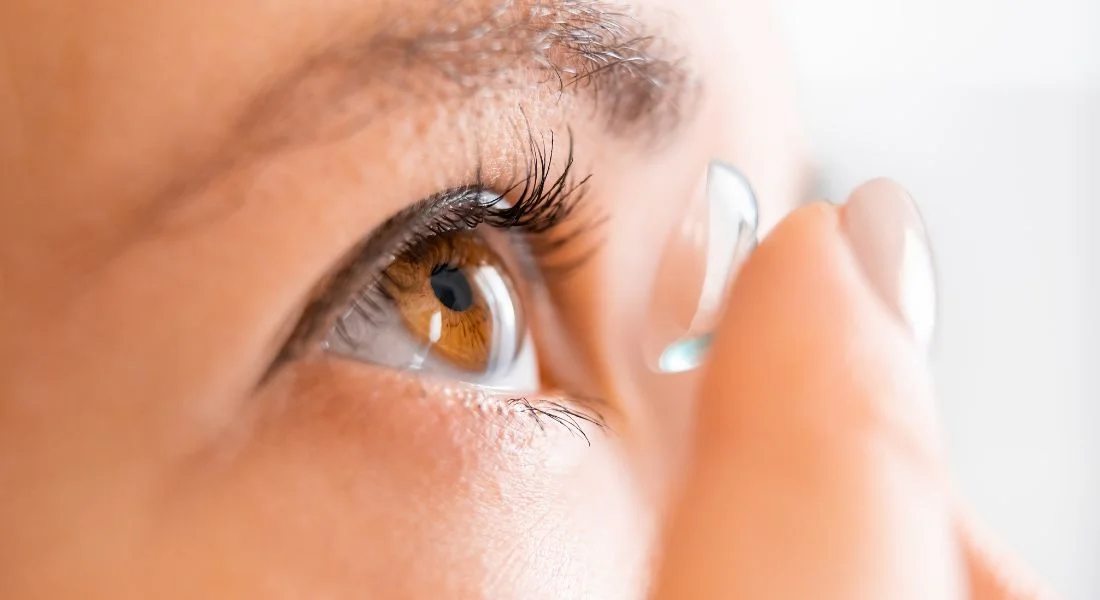
If you’ve been wearing contact lenses for many years, it’s completely natural to question whether laser eye surgery is still a suitable option. Many people assume that long-term lens use automatically makes procedures like LASEK unsafe or less effective. This misconception often leads to unnecessary worry or hesitation when exploring vision correction.
Long-term contact lens wear can influence the surface of the eye, particularly the shape and health of the cornea. These changes are often subtle and may not cause noticeable symptoms, which is why they can go unnoticed during everyday wear. However, they can affect pre-surgery measurements, making it essential for surgeons to see the cornea in its natural state.
Why Long-Term Contact Lens Wear Is Important Before LASEK
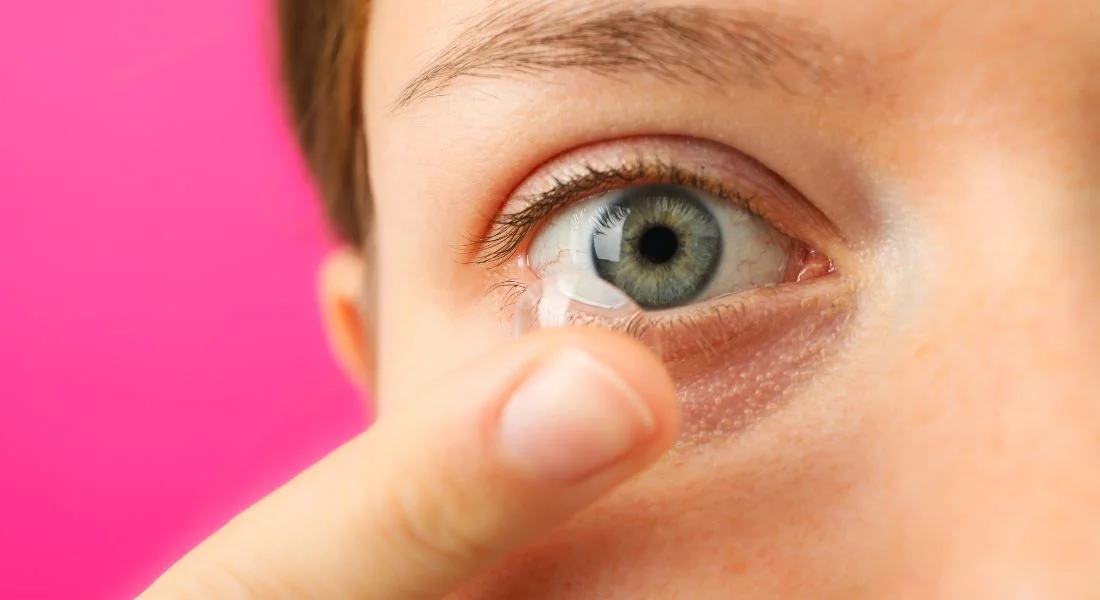
Contact lenses sit directly on the cornea every day, often for many hours at a stretch. Over months and years, this constant contact can subtly influence how the cornea behaves, distributes pressure, and maintains its natural curvature. These changes usually develop gradually, which is why many wearers are unaware they are happening.
The cornea is not a rigid or fixed structure. It responds continuously to external factors such as pressure from contact lenses, oxygen availability, and surface hydration. When lenses are worn long term, these factors can temporarily alter corneal shape and thickness.
This is why surgeons place significant importance on your contact lens history during a LASEK assessment. Even if your prescription has remained unchanged for years, lens-induced corneal changes may still be present beneath the surface.
How Contact Lenses Affect the Corneal Surface Over Time
Long-term contact lens wear can lead to subtle corneal reshaping, often referred to as corneal warpage. This does not mean that permanent damage has occurred, but rather that the cornea may temporarily hold a shape influenced by the lens.
Oxygen delivery to the cornea is another important consideration. Although modern contact lenses are far more breathable than older designs, they still reduce oxygen exposure compared to the naked eye.
The outermost layer of the cornea, known as the epithelium, can also be affected by prolonged lens use. Since LASEK works directly on this surface layer, its condition must be carefully evaluated before surgery.
Why LASEK Is Often Recommended for Long-Term Lens Wearers
LASEK is often recommended when preserving corneal tissue is a key consideration. Unlike LASIK, it avoids creating a deeper corneal flap, making it a safer option for certain eye profiles. This approach is especially relevant for patients whose corneas may already be affected by long-term contact lens wear.
- LASEK preserves more corneal tissue because it does not involve cutting a deep flap, which is important for long-term corneal strength
- Patients with thinner corneas or surface irregularities may be better suited to LASEK than LASIK
- Long-term contact lens wearers are often advised against LASIK based on corneal measurements, but LASEK remains a viable alternative
- Although recovery is slightly slower, final visual outcomes with LASEK are comparable and highly predictable
While LASEK requires more patience during the early healing phase, it offers excellent long-term safety and stability. For many patients, especially those who have worn contact lenses for years, this trade-off is worthwhile.
Why a Lens-Free Period Is Essential Before LASEK
Before LASEK can be planned safely and accurately, your corneas must be completely free from the influence of contact lenses. A dedicated lens-free period allows the cornea to gradually return to its natural shape and thickness.
Accurate corneal measurements form the foundation of successful laser eye surgery. Even very small changes in corneal curvature can affect how the laser is programmed and how much tissue is treated.
Skipping or shortening this lens-free period increases the risk of unpredictable visual outcomes. Although waiting can feel inconvenient, this step is essential for protecting your long-term results.
How Long You Need to Stop Wearing Contact Lenses
The length of time you need to stop wearing contact lenses depends largely on the type of lenses you use. Soft contact lenses generally require a shorter break, while rigid gas-permeable or hard lenses often need a longer recovery period.
In many cases, corneal measurements are repeated more than once during the assessment process. This allows your surgeon to confirm that the cornea has fully stabilised and is no longer changing shape.
Rushing this stage is never recommended. If measurements are still shifting, surgery will be postponed avoiding unnecessary risk.
Key Pre-Surgery Assessments for Long-Term Contact Lens Wearers
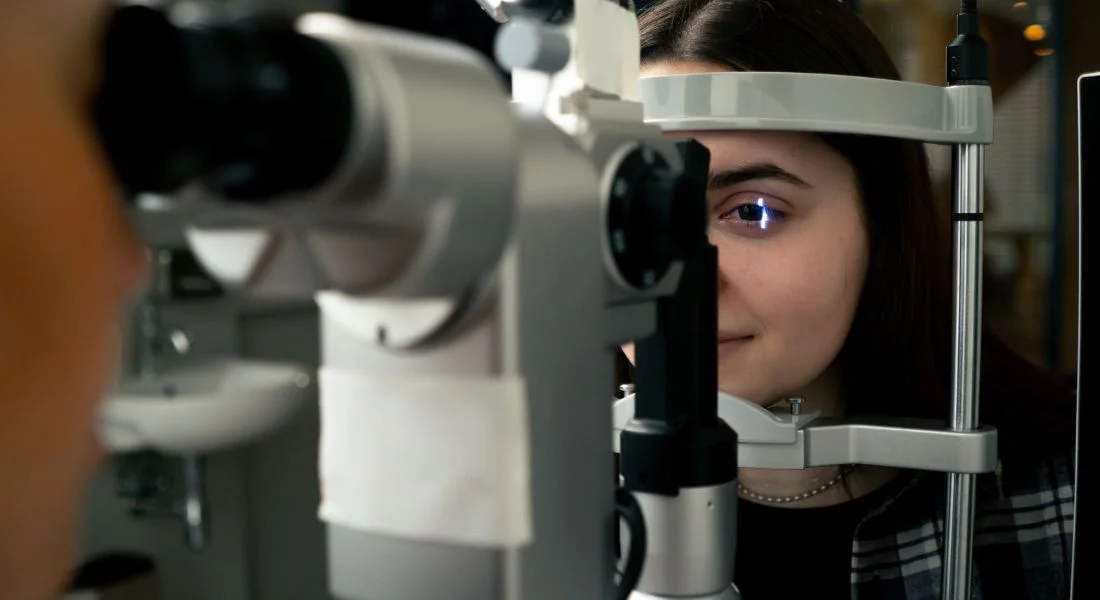
Before confirming suitability for LASEK, surgeons carry out a series of detailed tests.
These assessments go beyond a standard eye exam. They are designed to build a complete picture of your corneal health. The following checks are particularly important for patients with a long history of contact lens wear:
- Corneal topography scans are performed repeatedly to ensure the surface shape is stable and free from lens-induced distortion.
- Corneal thickness measurements are carefully analysed to confirm that laser treatment can be performed safely.
- Epithelial health is closely examined, as surface healing plays a major role in LASEK recovery.
- Tear film and dry eye assessments are completed, since dryness can affect comfort and healing.
Together, these tests ensure that LASEK is planned to use reliable data.
They also reduce the risk of complications and enhance long-term outcomes.
Nothing is left to assumption.
Dry Eye Considerations After Years of Contact Lens Use

Dry eye symptoms are common among long-term contact lens wearers, even if discomfort has been mild or intermittent. Prolonged lens use can disrupt the tear film and affect corneal hydration over time, which is particularly important when planning LASEK surgery.
Ignoring dryness can lead to slower healing, increased discomfort, and fluctuating vision after surgery. To optimise outcomes, your surgeon may recommend pre-treatment strategies such as lubricating eye drops, eyelid hygiene, or other interventions to stabilise the ocular surface. Addressing dry eye early helps ensure smoother recovery, better visual results, and greater comfort during the healing process.
How Surgeons Decide When You Are Ready for LASEK
Readiness for LASEK is determined by stability rather than speed. Your surgeon will assess multiple measurements of your cornea to confirm that any lens-induced changes have fully resolved. Consistent results across scans indicate that the cornea has returned to its natural shape, which is critical for accurate laser treatment.
Prescription stability is another key factor. If your vision has been fluctuating or changing recently, surgery may be postponed until refraction is stable.
Overall eye health is also carefully evaluated to identify any unrelated conditions that could affect surgery or recovery. The goal is to proceed only when all factors corneal stability, prescription, and ocular health align to ensure safe and predictable outcomes.
Recovery Expectations After LASEK
Recovery after LASEK follows a gradual and carefully monitored timeline. Initial discomfort, light sensitivity, and mild irritation are normal during the first few days as the corneal surface begins to heal. Vision may fluctuate during this early phase due to ongoing epithelial regeneration, which is a natural part of the recovery process.
Most patients can return to normal daily activities within a week, though final visual clarity continues to improve over several weeks. Follow-up visits are essential to monitor healing, manage any temporary symptoms, and ensure that the eyes are recovering as expected. Understanding this gradual progression helps patients set realistic expectations and feel more confident throughout the post-surgery period.
Long-Term Outcomes After LASEK for Former Contact Lens Wearers
When properly planned and executed, LASEK delivers excellent long-term results, even for patients with a history of extended contact lens use. Success depends on thorough preoperative assessment and careful surgical planning. Many patients notice meaningful improvements in daily life, enjoying both convenience and consistent vision.
- Previous long-term contact lens wear does not compromise final visual outcomes after LASEK, provided the cornea is healthy and measurements are suitable
- Patients often experience significant lifestyle benefits, particularly freedom from daily lens cleaning and insertion routines
- Vision after LASEK tends to feel more natural, stable, and consistent compared with habitual contact lens use
- Results are designed to be long-lasting, though routine eye check-ups remain important to monitor eye health
Overall, satisfaction rates among former contact lens wearers are high, with many valuing both the convenience and quality of vision that LASEK provides. Careful planning and realistic expectations are key to maximizing the benefits of this procedure.
Choosing the Right Clinic for LASEK
Selecting the right clinic is crucial, especially for patients with a long history of contact lens wear. Experience, thorough assessments, and clear communication are key indicators of quality care. A reputable clinic ensures you feel informed and confident throughout the process, rather than rushed into decisions.
- Clinics experienced with long-term contact lens wearers understand the specific corneal considerations and can guide preoperative preparation effectively
- Clear, transparent communication about the procedure, recovery, and expected outcomes is a strong sign of high-quality care
- Look for clinics that prioritize thorough assessments over quick approvals, particularly when evaluating corneal health and suitability for LASEK
- You should feel encouraged to ask questions and discuss concerns, as a reputable clinic will welcome patient involvement
Ultimately, choosing the right clinic ensures your vision is treated with the care and attention it deserves, supporting both safe surgery and long-term satisfaction.
FAQs:
- How does long-term contact lens wear affect eligibility for LASEK?
Long-term contact lens wear can subtly alter the cornea’s shape and thickness, a phenomenon sometimes referred to as corneal warpage. These changes do not automatically make LASEK unsafe, but they can affect pre-surgery measurements. Surgeons need to see the cornea in its natural, lens-free state to ensure accurate planning, predictable outcomes, and long-term visual stability. - Why is a lens-free period necessary before LASEK?
A lens-free period allows the cornea to gradually return to its natural shape and thickness, removing any temporary distortions caused by contact lens wear. Accurate measurements of corneal curvature and surface health are essential for the laser to be programmed correctly. Without this recovery period, there is a risk of unpredictable visual outcomes, so surgeons always recommend a dedicated break from lenses to ensure safety and precision. - How long should I stop wearing contact lenses before LASEK?
The duration of the lens-free period depends on the type of lenses previously used. Soft lenses usually require a shorter break, whereas rigid gas-permeable or hard lenses may need several weeks or even months to allow full corneal recovery. Surgeons often repeat corneal scans during this time to confirm stability. - What changes can long-term contact lens wear cause to the cornea?
Prolonged contact lens use can temporarily reshape the cornea, influence oxygen delivery, and alter surface hydration. The epithelial layer, which LASEK directly treats, may also be affected, impacting healing and comfort post-surgery. While these changes are usually reversible, identifying them is important to avoid inaccuracies in laser programming and to achieve optimal visual outcomes. - Why is LASEK often preferred over LASIK for long-term lens wearers?
LASEK preserves more corneal tissue because it does not involve creating a deep flap, making it safer for patients with thinner corneas or minor surface irregularities caused by long-term lens use. While recovery may be slower compared with LASIK, the procedure offers predictable and stable visual outcomes, maintaining long-term corneal strength and reducing the risk of complications associated with flap-based procedures. - What pre-surgery assessments are performed for long-term contact lens wearers?
Surgeons perform a comprehensive series of tests beyond a standard eye exam. These include repeated corneal topography scans to ensure the surface shape is stable, precise corneal thickness measurements, evaluation of epithelial health, and assessments of tear film and dry eye. Together, these tests provide a complete picture of corneal readiness, allowing for safe and accurate LASEK planning while minimizing the risk of complications. - How does dry eye affect LASEK outcomes after long-term lens wear?
Dry eye is common among long-term contact lens users, even if symptoms are mild. Reduced tear film quality and corneal hydration can slow healing, increase discomfort, and affect vision after surgery. Pre-treatment strategies, such as lubricating drops or eyelid hygiene, are often recommended to stabilise the ocular surface before LASEK. Addressing dry eye early ensures a smoother recovery and enhances visual results. - How do surgeons determine when the eyes are ready for LASEK?
Readiness for LASEK is assessed based on corneal stability rather than the passage of time alone. Surgeons look for consistent measurements across multiple scans to confirm that lens-induced changes have resolved. They also evaluate prescription stability and overall eye health. Surgery is only scheduled when these factors align, ensuring safe, predictable outcomes and reducing the risk of complications. - What is the recovery process like after LASEK for former contact lens users?
Recovery after LASEK is gradual, with initial discomfort, light sensitivity, and fluctuating vision during the first few days as the epithelial layer heals. Most patients can resume normal daily activities within a week, but final visual clarity continues to improve over several weeks. Regular follow-up visits are important to monitor healing, manage temporary symptoms, and ensure the eyes recover as expected. Patience during this period is essential for achieving the best outcomes. - Can long-term contact lens wear compromise the long-term success of LASEK?
When proper preoperative assessments and a lens-free period are observed, previous long-term contact lens wear does not compromise final visual outcomes. Patients often enjoy improved quality of vision, greater stability, and freedom from daily lens routines. Success depends on careful planning, realistic expectations, and thorough evaluation of corneal health to ensure that LASEK results are safe, predictable, and long-lasting.
Final Thoughts: Preparing for LASEK After Long-Term Contact Lens Wear
Long-term contact lens wear does not automatically rule out laser eye surgery, but it does require careful preparation and assessment. Allowing a lens-free period ensures your cornea returns to its natural shape, enabling accurate measurements and safer treatment planning. By understanding how contact lenses can affect the cornea and following your surgeon’s guidance, you can approach LASEK with confidence and realistic expectations. If you’d like to find out whether lasek surgery in London is suitable for you, feel free to contact us at Eye Clinic London to arrange a consultation.
References:
- Sher, N.S. & Gimbel, H.V. (2003) Laser‑assisted subepithelial keratectomy for myopia: Two‑year follow‑up, Ophthalmology, 110(7), pp. 1267–1274. https://pubmed.ncbi.nlm.nih.gov/12686232/
- Yahalomi, T., et al. (2023) Dry Eye Disease following LASIK, PRK, and LASEK: A Comparative Prospective Study, Journal of Clinical Medicine, 12(11), 3761. https://www.mdpi.com/2077-0383/12/11/3761/
- Abad, J.C., et al. (2004) Evolution, techniques, clinical outcomes, and pathophysiology of LASEK: review of the literature, Survey of Ophthalmology. https://www.sciencedirect.com/science/article/abs/pii/S0039625704001353/
- Pniakowska, Z., Jurowski, P. & Wierzbowska, J. (2023) Clinical Evaluation of Corneal Biomechanics following Laser Refractive Surgery in Myopic Eyes: A Review, Journal of Clinical Medicine, 12(1), 243. https://www.mdpi.com/2077-0383/12/1/243/
- Siganos, C.S., Tsiklis, N., Kymionis, G.D., Pallikaris, I.G. & Astyrakakis, N.I. (2000) Laser epithelial keratomileusis (LASEK): Outcome of initial cases performed by an experienced surgeon, Journal of Cataract and Refractive Surgery, 26(8), pp. https://pubmed.ncbi.nlm.nih.gov/12899471/