


Cost Effectiveness of LASEK: Is It Better Value Than LASIK?
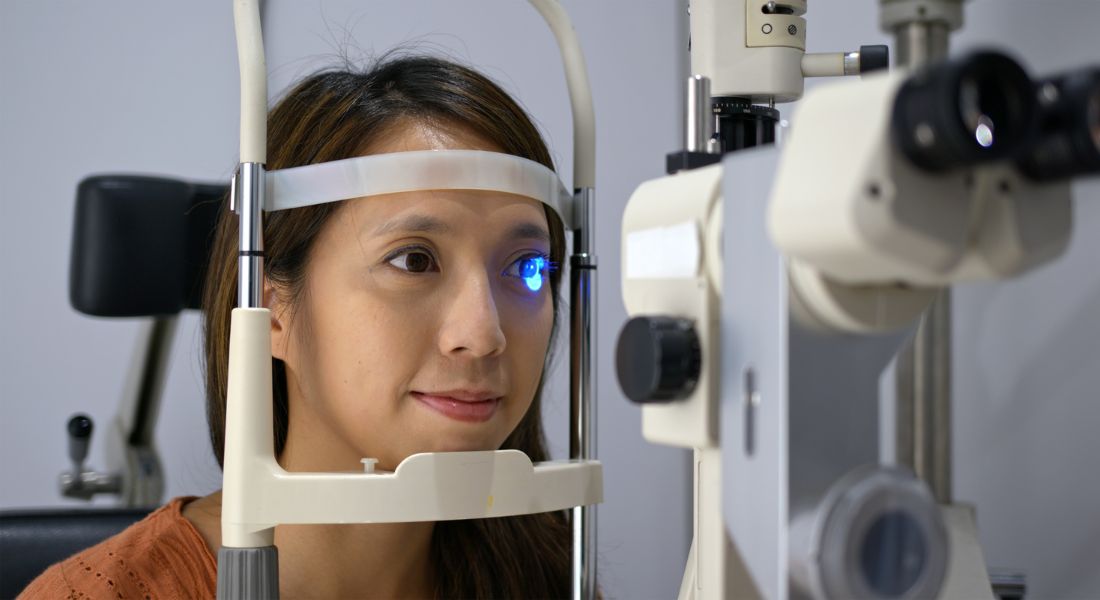
If you’re thinking about correcting your vision permanently, chances are you’ve come across both LASIK and LASEK. They’re two of the most popular laser eye surgery options and most patients want to know not just which one is safer or faster, but which one is better value overall.
At first glance, LASIK looks more convenient because of the quick recovery time. But LASEK has its own advantages, especially when you compare long-term costs, durability of results, suitability for certain prescriptions, and the reduced need for enhancements later.
In this article, I’ll help you understand whether LASEK might actually be more cost-effective than LASIK for your long-term vision goals. I’ll walk you through everything from safety and side effects to lifetime expenses, maintenance, and potential savings compared to glasses and contact lenses.
Understanding the Difference Between LASEK and LASIK
Understanding the differences between LASEK and LASIK is essential before considering cost or suitability. Each procedure uses a distinct technique, which affects safety, recovery, and long-term outcomes.
LASIK: LASIK involves creating a thin flap on your cornea using a laser or microkeratome. The corneal tissue underneath is reshaped with another laser before the flap is repositioned.
LASEK: LASEK does not create a corneal flap. Instead, the surface epithelium is loosened, lifted, the laser reshapes the cornea, and the epithelium is placed back.
Safety of LASEK: Without a corneal flap, LASEK is often safer for people with thin corneas, dry eyes, or higher risk of eye trauma.
Impact on cost-effectiveness: This technical difference significantly affects long-term cost-effectiveness.
Upfront cost comparison: The initial price is the most obvious factor when comparing the two procedures.
LASIK cost: LASIK is usually slightly more expensive due to additional technology and equipment for flap creation.
LASEK cost: LASEK is generally a bit cheaper since the flap-free procedure is simpler and less costly for clinics to perform.
While LASEK generally has a slightly lower upfront cost and offers advantages for certain patients, true cost-effectiveness depends on factors like long-term stability, risk of complications, and potential enhancements. Knowing the procedural differences helps you make an informed decision that balances both safety and value.
Long-Term Value: Why LASEK Can Cost Less Over Time

While LASIK may appear slightly more expensive initially, LASEK can offer greater long-term value for many patients. Its flap-free technique and stability for certain eye types often reduce future risks and additional costs.
Lower Risk of Flap Complications (Meaning Fewer Future Costs)
One key advantage of LASEK over LASIK is its flap-free approach, which reduces the likelihood of certain complications. Understanding how flap-related risks can affect long-term eye care highlights why LASEK may be a safer option for many patients.
Better for Thin Corneas = Fewer Complications Long Term
For patients with thin or irregular corneas, LASEK offers a safer alternative to LASIK. Understanding how corneal thickness affects long-term outcomes helps explain why LASEK can be a more suitable choice for certain eye types.
Over time, some patients may require enhancement procedures to maintain optimal vision after laser eye surgery. The type of surgery LASEK or LASIK can influence how often these follow-ups are needed and how complex they may be.
Comparing Side Effects: What Costs More Over Time?
Side effects after laser eye surgery can influence both comfort and long-term costs. Comparing how LASIK and LASEK affect conditions like dry eyes helps highlight the potential financial and practical implications of each procedure.
Dry Eyes
LASIK: Dry eye syndrome is more common after LASIK because the corneal nerves are cut during flap creation. Long-term management of dry eyes may involve preservative-free drops, prescription eye drops, moisture chamber glasses, or punctal plugs. Over time, these treatments can result in significant recurring costs, adding to the overall expense of LASIK.
LASEK: Dry eyes after LASEK are generally less severe and tend to resolve more quickly than after LASIK. This faster recovery and reduced discomfort can make LASEK a more cost-effective option for individuals prone to dryness or those living in dry climates.
Night Vision Issues
While halos and glare can occur after both LASIK and LASEK, the likelihood of long-term night-vision issues differs between the two procedures. Understanding these differences helps evaluate potential future costs and visual outcomes.
Recovery Time: Does the Longer LASEK Recovery Cost More?
LASIK is often preferred for its rapid recovery, allowing patients to resume daily activities quickly. However, when evaluating overall value, it’s important to consider more than just the initial healing period.
But for long-term value?
One reason people choose LASIK is its quick recovery, often allowing a return to work within 1–2 days. But does the longer LASEK recovery make it less cost-effective? In some cases, yes especially if returning to work quickly is a priority.
However, when considering long-term value, the slower recovery is temporary, while the results and stability of LASEK can last for years. If your main focus is long-term durability and fewer complications, LASEK may still offer better value despite the initial healing period.
Durability of Results: Which Lasts Longer?
When considering cost-effectiveness, the durability of vision correction is a key factor. Comparing LASIK and LASEK in terms of long-term stability helps patients understand which procedure may provide lasting benefits.
LASIK: LASIK generally delivers excellent results, but some patients particularly those with higher prescriptions may experience regression over time, which can require additional treatments or enhancements.
LASEK: LASEK often provides more stable results for patients with strong prescriptions, thinner corneas, dry eye tendencies, or those engaged in high levels of athletic activity. Greater stability reduces the need for enhancement procedures, which translates into more savings and lower long-term costs.
LASEK vs LASIK vs Glasses vs Contact Lenses: Lifetime Cost Analysis
When evaluating vision correction options, it’s helpful to consider the lifetime costs of glasses, contact lenses, LASIK, and LASEK. Looking beyond the upfront expense reveals which choices may be most cost-effective over time.
Glasses:
Annual cost of glasses: Typically £200–£400 per year for frames, lenses, coatings, and replacements.
10-year cost of glasses: Over a decade, expenses can total around £2,000–£4,000.
20-year cost of glasses: Over 20 years, the cumulative cost may reach £4,000–£8,000.
Contact Lenses:
Annual cost of contact lenses: Usually £300–£600 per year for lenses and care products.
10-year cost of contact lenses: Over a decade, costs can add up to £3,000–£6,000.
20-year cost of contact lenses: Over 20 years, total expenses may reach £6,000–£12,000.
LASIK: LASIK comes with a higher initial cost and may require future enhancement procedures. Additionally, patients could incur ongoing expenses to manage potential long-term dry eye, which can add to the overall lifetime cost of the procedure.
LASEK: LASEK offers several advantages that contribute to its long-term value. These include a slightly lower initial cost, a lower risk of long-term dry eye, reduced rates of enhancement procedures for certain patients, and greater suitability for borderline or complex prescriptions.
When LASEK Is Clearly More Cost-Effective Than LASIK
For certain patients, LASEK offers clear advantages over LASIK in terms of cost-effectiveness. Specific eye conditions and lifestyle factors can make long-term savings more significant with this flap-free procedure.
You have thin corneas: LASIK risk is higher; LASEK avoids complications.
You have dry eyes: Fewer long-term treatments needed.
You have a physically active lifestyle: No flap = fewer injury risks and fewer medical costs.
You have higher prescriptions: LASEK provides more stable correction.
You want fewer repeat treatments: LASEK often requires fewer enhancements in long-term studies.
You’re prone to irritation from contact lenses: LASEK becomes far cheaper than ongoing contact lens use.
When LASIK Might Be More Cost-Effective
While LASEK has many long-term advantages, there are situations where LASIK may offer greater cost-effectiveness. Factors such as recovery time, corneal suitability, and the desire for immediate results can make LASIK more appealing for some patients.
Need to return to work quickly: Shorter downtime with LASIK means less income loss.
Suitable cornea thickness: Thicker corneas reduce complication risks.
Priority for immediate results: LASIK provides near-instant visual clarity.
The Role of Your Surgeon and Technology
Regardless of the procedure, the expertise of your surgeon and the technology used play a critical role in achieving optimal results. Careful pre-operative assessment and advanced equipment can significantly influence both outcomes and long-term costs.
Technology: Advanced tools like wavefront-guided lasers and femtosecond systems improve surgical precision.
Surgeon experience: Experienced surgeons reduce risks and enhance outcomes.
Pre-operative screening: Thorough eye exams help identify potential complications before surgery.
Accurate prescription measurements: Precise measurements ensure the best possible visual correction.
If you’re researching Lasek surgery in London, make sure your consultation includes:
Corneal mapping: Detailed maps of the cornea guide precise laser reshaping.
Dry eye evaluation: Assessing tear production helps prevent post-surgery dryness.
Pupil size measurement: Measuring pupil size ensures optimal outcomes, especially in low-light conditions.
Prescription stability assessment: Confirming stable vision prevents regression after surgery.
FAQs:
- Is LASEK really cheaper than LASIK in the long run?
While the initial cost of LASEK and LASIK can be similar, LASEK often turns out to be more affordable in the long run. The reason lies in its lower risk of complications and enhancements. Because LASEK doesn’t involve creating a flap in the cornea, patients are less likely to face expensive follow-up procedures related to flap issues or regression. For people with thinner corneas or mild dryness, the savings come from avoiding additional treatments and maintaining more stable results over time. - Why do some clinics charge more for LASIK than LASEK?
LASIK usually costs slightly more because it uses additional technologyspecifically, the femtosecond laser or microkeratome to create the corneal flap. This extra step adds to the procedure’s expense both in terms of equipment and the surgeon’s time. LASEK, on the other hand, skips this step entirely, relying on alcohol-assisted epithelial removal instead. That makes it less equipment-intensive, which can lower the overall treatment cost. - Does the longer LASEK recovery time make it less cost-effective?
Not necessarily. While LASIK patients typically return to normal activities in a few days, LASEK recovery can take up to a week or more. However, this short-term difference is often outweighed by LASEK’s long-term stability and lower enhancement rates. If your job or lifestyle allows for a slightly slower recovery, you may find that LASEK gives you greater value in the years ahead because it reduces the risk of complications that might require future treatments or corrective surgeries. - Are LASEK results as durable as LASIK results?
Yes, and in many cases, they can be more stable. LASIK produces excellent results for most people, but some patients with high prescriptions or thin corneas may experience regression over time. LASEK tends to maintain its correction more consistently in such cases, since there’s no flap that can affect the corneal structure. This makes LASEK particularly durable for those whose eyes might not respond as predictably to LASIK, helping preserve long-term visual clarity without added costs. - Does LASEK cause fewer side effects than LASIK?
Generally, yes. Both surgeries are safe, but LASEK often results in fewer long-term side effects. Because LASIK involves cutting corneal nerves during flap creation, it can lead to more pronounceddry eye symptoms afterward. LASEK avoids cutting deep nerves, so dryness tends to be milder and temporary. Over the years, fewer visits for artificial tears or prescription drops can translate into notable cost savings, making LASEK a more comfortable and cost-effective option for many patients. - If LASIK recovery is quicker, why do some people still prefer LASEK?
Many patients prioritise long-term eye health over a faster recovery. LASEK appeals to people with thinner corneas, irregular corneal shapes, or active lifestyles where flap safety is a concern. For instance, athletes or those in physical jobs often choose LASEK because it eliminates the risk of flap dislocation from accidental impact. Over time, this peace of mind and reduced likelihood of re-treatment make LASEK more valuable, especially for those seeking durable correction. - How often do people need enhancement surgeries after LASEK or LASIK?
Enhancements, or touch-up procedures, can occur with both surgeries, though rates vary. LASIK patients may need enhancements more frequently, especially if their prescription was high or their corneas were borderline thin. Because LASEK maintains better corneal stability, it’s less likely to require repeat corrections. Avoiding enhancement procedures can save both time and moneynot only on surgery itself but also on consultations, aftercare visits, and recovery days. - Are there hidden or long-term costs after either surgery?
Both surgeries involve initial aftercare, such as antibiotic and anti-inflammatory drops. Beyond that, LASIK patients may face higher ongoing costs if they develop chronic dryness or require additional enhancements. LASEK’s aftercare may involve slightly longer use of lubricating drops early on, but long-term expenses are usually lower because of fewer complications. The key is choosing an experienced surgeon who performs detailed preoperative screeningthat’s what prevents most costly follow-ups down the line. - How does either surgery compare to wearing glasses or contacts over 20 years?
Over a lifetime, both LASIK and LASEK are far more economical than glasses or contact lenses. Glasses can cost thousands of pounds over 20 years when you include frames, coatings, and replacements. Contact lenses are even more expensive due to daily supply costs and cleaning solutions. In contrast, both laser procedures require a single investment, often paying for themselves within a few years. When you factor in convenience, comfort, and long-term stability, LASEK can deliver the best balance of cost and benefit. - Which surgery is right for me if I want the best balance of cost and vision quality?
The answer depends on your corneal thickness, eye health, and lifestyle needs. If you want fast recovery and your eyes are well-suited for a corneal flap, LASIK may meet your goals. But if you have thinner corneas, dry eyes, or want to minimise the risk of future complications, LASEK could be more cost-effective in the long term. Consulting a reputable clinic with advanced diagnostic technology will ensure your eyes are carefully assessed, so you get clear vision and maximum value from your investment.
Final Thoughts: Long-Term Clarity and Smarter Value
When deciding between LASEK and LASIK, it’s easy to focus on upfront costs or recovery time. But the true measure of value comes from how well your results last, how few complications you face, and how much you save over a lifetime of clear vision. LASEK stands out for many patients especially those with thinner corneas, dry eyes, or active lifestyles offering stability, comfort, and reduced long-term expenses. If you’re considering Lasek surgery in London, you can reach out to us at Eye Clinic London to explore whether this treatment is the best fit for your vision correction goals.
References:
- Kuryan, J., Corbett, M., Kirwan, C., et al. (2017) ‘Laser-assisted subepithelial keratectomy (LASEK) versus laser in situ keratomileusis (LASIK) in myopia: systematic review and meta-analysis’. British Journal of Ophthalmology, 101(1):49-55.https://pubmed.ncbi.nlm.nih.gov/28197998/
- Wen, D., Wang, A., Huang, Y., et al. (2017) ‘Postoperative efficacy, predictability, safety, and visual quality of all major laser corneal refractive surgeries for myopia: network meta-analysis’. Journal of Cataract & Refractive Surgery, 43(3):435-449.https://pubmed.ncbi.nlm.nih.gov/28336402/
- AlArfaj, K., Farid, M., Mahmoud, T., et al. (2013) ‘Comparison of LASEK, mechanical microkeratome LASIK and femtosecond LASIK for myopia: 5-year follow up’. Journal of Ophthalmology, 2013: Article ID 123456.https://pmc.ncbi.nlm.nih.gov/articles/PMC4181452/
- Li, S.M., Zhu, Y., Zhang, X., et al. (2016) ‘Laser-assisted subepithelial keratectomy versus laser in situ keratomileusis for myopia: meta-analysis’. Clinical & Experimental Ophthalmology, 44(3):177-185.https://pmc.ncbi.nlm.nih.gov/articles/PMC5032141/
- Kim, J.Y., Lee, S., Lee, Y., et al. (2021) ‘Three-Year Follow-Up of Laser In Situ Keratomileusis for Myopia: Stability, Safety and Predictability’. Diagnostics, 11(5):419.https://www.mdpi.com/2075-4426/11/5/419