


Can You Have LASEK Surgery If You Have Hepatitis?
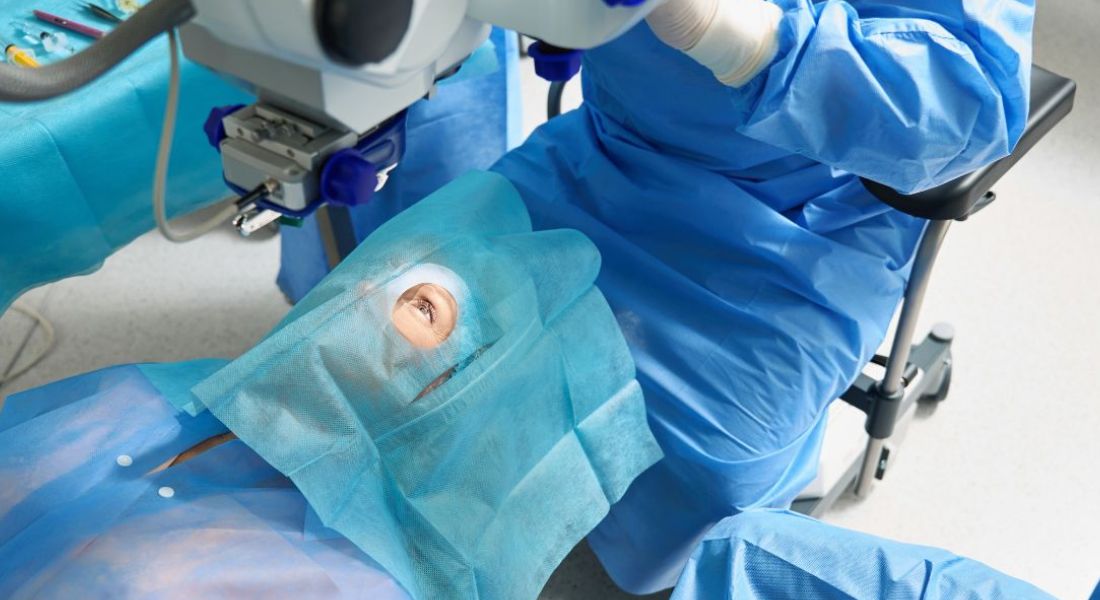
If you have Hepatitis and are considering laser eye surgery, it is completely natural to have questions about safety. Liver conditions can affect how your body heals and responds to procedures. Because of this, your suitability for LASEK needs to be assessed carefully. A personalised evaluation helps ensure the safest approach.
LASEK is a commonly performed vision correction procedure that reshapes the cornea to improve how light focuses on the retina. It is generally safe for many people, but underlying health conditions like hepatitis require extra attention. Your surgeon will consider how well your condition is controlled and whether your body can heal effectively. Overall health is a key factor in planning treatment.
The encouraging news is that many patients with hepatitis can still undergo LASEK successfully. The decision depends on factors such as liver function, disease stability, and your general wellbeing. With proper medical assessment and guidance, the procedure can often be carried out safely. Close coordination between your healthcare providers helps support the best possible outcome.
Understanding LASEK Surgery
LASEK is a form of laser vision correction used to treat refractive errors such as short-sightedness and astigmatism. It works by reshaping the cornea so that light can focus accurately on the retina, helping you achieve clearer vision. The procedure is precise and designed to improve how your eye processes light. During treatment, the outer layer of the cornea is gently loosened and moved aside. A specialised laser then reshapes the underlying corneal tissue before the surface layer is carefully repositioned. This layer naturally heals over the following days, restoring the eye’s surface.
- Gradual healing process: Unlike some other procedures, LASEK relies on the surface layer of the cornea healing over several days. This means your body’s natural repair mechanisms play an important role in recovery.
- Importance of overall health: Your general health, including factors such as immune function and liver health, can influence how efficiently your body heals after surgery. Good overall health supports smoother recovery.
- Precision and safety: The laser used in LASEK is highly controlled, allowing your surgeon to reshape the cornea with accuracy. This contributes to predictable and effective visual outcomes.
- Tailored to individual needs: Your surgeon will assess your eye structure and medical history before recommending LASEK. This ensures the procedure is suitable and planned specifically for you.
Because healing is a key part of the process, taking care of your overall health and following aftercare advice closely can make a significant difference to your final results.
What Is Hepatitis?
Hepatitis refers to inflammation of the liver, which can occur due to viral infections, alcohol use, medications, or other underlying conditions. The most common viral forms include hepatitis A, B, and C, each affecting the body in different ways and with varying levels of severity. Understanding the type of hepatitis you have is important, especially when planning a procedure such as LASEK.
- Different types and causes: Hepatitis A is usually short-term and often resolves on its own, while hepatitis B and C can become long-term (chronic) conditions. Each type has a different impact on liver function and overall health.
- Acute vs chronic hepatitis: Some forms are temporary and improve with time, but chronic hepatitis can persist for years. Long-term inflammation may affect how your body functions and heals.
- Impact on immune function and healing: Chronic liver conditions can influence your immune system and your body’s ability to recover after surgery. This may affect healing speed and how your body responds to treatment.
- Importance of accurate diagnosis: Knowing your specific type and current health status allows your clinician to assess whether LASEK is a safe option. Your treatment plan can then be tailored to minimise risks and support recovery.
By fully understanding your diagnosis and overall health, your medical team can make informed decisions to ensure both safety and effective results.
Why Hepatitis Matters in Surgery

If you are living with Hepatitis, your liver health becomes an important factor when considering surgery. The liver plays a key role in healing, processing medications, and supporting your body’s response to stress. If its function is reduced, your recovery after a procedure like LASEK may take longer. This is why your surgeon will assess your condition carefully before proceeding.
Your ability to fight infection is also closely linked to your overall health. If your immune response is weakened, there may be a slightly higher risk of complications during healing. This does not mean surgery is unsafe, but it does mean extra care is needed. Careful planning helps reduce these risks.
The reassuring point is that well-managed hepatitis often poses minimal concern. If your condition is stable and your liver function is good, you can usually undergo procedures safely. Your surgeon will take appropriate precautions to support healing and reduce complications. A personalised approach helps ensure the best possible outcome.
Types of Hepatitis and Their Impact
Different forms of Hepatitis can influence how your surgeon plans LASEK. If you have acute hepatitis, surgery is usually postponed until you have fully recovered. This allows your body to return to a stable state before undergoing any elective procedure. Waiting helps reduce risks and supports safer healing.
Chronic forms of hepatitis, particularly Hepatitis B and Hepatitis C, require ongoing management. These conditions can affect liver function over time, which may influence how your body responds to surgery and medications. Your surgeon will take this into account when assessing your suitability. Stable, well-managed cases are often considered safe for treatment.
Your clinician will carefully evaluate the type, severity, and current control of your condition. Blood tests and medical history provide important insight into your overall health. This detailed assessment helps create a personalised treatment plan. A tailored approach ensures both safety and the best possible outcome for your vision.
Liver Function and Healing
Your liver plays an important role in how your body heals after surgery, especially if you are living with Hepatitis. A healthy liver helps support tissue repair, regulate inflammation, and process medications used during recovery. When liver function is stable, your body is better equipped to heal efficiently. This is an important factor when considering LASEK.
Before surgery, your doctor will usually request blood tests to assess how well your liver is working. These tests often include liver enzyme levels and other markers that reflect overall function. The results give a clear picture of your current health status. This information helps your surgeon decide whether it is safe to proceed.
If your liver function is stable and well managed, healing after LASEK is typically similar to that of other patients. This is reassuring for many people considering the procedure. A careful pre-surgery assessment helps reduce risks and supports a smoother recovery.
Infection Risk Considerations
Infection is a potential concern with any surgical procedure, and your overall health can influence this risk. If you have Hepatitis, particularly chronic forms, your immune response may be affected, which can slightly increase susceptibility to infection. That said, LASEK is generally a very safe procedure with a low infection rate when proper care is followed.
- Preventative measures: Your surgeon typically prescribes antibiotic eye drops to reduce the risk of infection. These help protect the cornea while it heals and are an important part of aftercare.
- Monitoring during recovery: Follow-up appointments allow your surgeon to check for any early signs of infection. Prompt attention ensures that any issues are managed quickly and effectively.
- Most patients recover smoothly: With careful adherence to aftercare instructions and close monitoring, the majority of patients experience uncomplicated healing and excellent outcomes.
By understanding the risks and taking recommended precautions, you can help ensure a safe and successful recovery after LASEK.
Pre-Surgical Assessment
Before undergoing LASEK, your surgeon will carry out a comprehensive assessment to ensure the procedure is safe for you. This usually includes detailed eye tests such as corneal mapping, vision checks, and tear film evaluation. These tests help your surgeon plan the procedure accurately for the best visual outcome.
Your hepatitis status will also be carefully reviewed as part of your overall health evaluation. Blood tests may be requested to assess liver function, enzyme levels, and other markers of liver health. This information is essential to determine whether your body is ready for surgery and able to heal effectively.
Conducting this thorough pre-surgical assessment helps identify any potential risks before proceeding. It allows your surgeon to create a personalised treatment plan tailored to your needs. Ensuring your safety and optimising your recovery are the primary goals at this stage.
Eye Health Evaluation
Before LASEK, it’s essential that your eyes are in good health. Any existing conditions, such as infections, inflammation, or severe dryness, need to be treated beforehand. Addressing these issues ensures your eyes are ready for the procedure and reduces the risk of complications during recovery.
The cornea is examined in detail to confirm it is suitable for reshaping. Your surgeon will look for irregularities or thinning that could affect the outcome. Accurate assessment of the cornea helps determine whether LASEK is the right choice for your vision needs.
Healthy eyes play a crucial role in supporting proper healing and achieving optimal results. This evaluation is a key step in preparing for surgery. By ensuring your eyes are in the best possible condition, your surgeon sets the stage for a safer procedure and smoother recovery.
Medication Considerations
If you are undergoing treatment for Hepatitis, your medications will be carefully reviewed before LASEK surgery. Certain medications can influence healing, interact with post-operative eye drops, or affect your body’s response to surgery, so it’s important your clinical team has a full picture of what you’re taking.
- Reviewing current medications: Your doctor will look at all antiviral drugs, liver medications, or other treatments to ensure they won’t interfere with recovery or eye health.
- Maintaining treatment stability: Adjustments to your medication regimen are only made when necessary. The goal is to keep your hepatitis treatment consistent while supporting safe surgical outcomes.
- Coordinated care between specialists: Your ophthalmologist may coordinate with your hepatologist or primary doctor to ensure that both your eye surgery and hepatitis management are aligned.
- Clear communication is key: Being open about all medications, including supplements and over-the-counter drugs, helps your medical team prevent complications and provide safe, personalised care.
By keeping your doctors fully informed and following their guidance, you help create the safest environment for healing and achieve the best possible results.
Healing After LASEK
Healing after LASEK involves regeneration of the corneal surface rather than immediate visual recovery. Your eye needs time to rebuild the outer epithelial layer, which typically takes a few days. During this phase, your vision may fluctuate before stabilising. Full visual clarity often develops gradually over several weeks as healing progresses.
If you have stable Hepatitis, your healing response is usually comparable to the general population. In most cases, your body can repair the corneal surface at a normal rate. However, individual variation always exists, so you may notice slightly different recovery timing. Close monitoring helps ensure everything is progressing as expected.
Regular follow-up appointments are essential during this recovery period. Your surgeon will assess how well the corneal surface is healing and check for any early signs of complications. These reviews allow prompt intervention if needed. Staying consistent with aftercare supports a smoother and more predictable recovery.
Dry Eye and Comfort
Dry eye is one of the most common temporary effects you will notice after LASEK. As the corneal surface heals, your tear film can become unstable, which may lead to irritation, grittiness, or fluctuating vision. This is a normal part of recovery and tends to improve as the surface regenerates. Most patients find that the discomfort reduces gradually over the first few weeks.
If you have underlying conditions or take certain medications, dryness may be slightly more pronounced. Factors such as systemic health, environmental exposure, and screen use can all influence tear stability. Your tear film will be assessed carefully before surgery to identify any risks. This allows your surgeon to plan appropriate support for your recovery.
Lubricating eye drops play a central role in managing these symptoms. Regular use helps maintain moisture on the surface of your eye and reduces irritation. These drops also support epithelial healing, which is critical after LASEK. Using them consistently, as advised, improves both comfort and visual stability during recovery.
Age and Overall Health
Your age does influence how quickly your eyes respond after LASEK, but it is rarely the deciding factor. Younger patients often show slightly faster epithelial recovery, yet the difference is not usually clinically significant. What matters more is how stable your eyes and general health are at the time of surgery. You should think in terms of biological stability rather than chronological age.
If you are managing Hepatitis well, your outcomes are typically comparable to those without systemic conditions. Controlled health parameters support normal healing and reduce variability during recovery. Poorly managed conditions, on the other hand, can affect inflammation and tissue repair. Stability is therefore the key metric your surgeon will prioritise.
Your clinician will assess multiple variables together before making a recommendation. This includes ocular surface quality, tear film consistency, corneal measurements, and systemic health status. Decisions are made based on the combined risk profile rather than a single factor. This approach ensures that your treatment plan is both safe and appropriately tailored.
Lifestyle Factors
Your recovery after LASEK is shaped just as much by your daily habits as by the procedure itself. We see consistently better outcomes when sleep, nutrition, and stress are managed deliberately rather than left to chance. The body heals in a coordinated way, so when one area is neglected, it tends to slow everything else down. Getting the basics right gives your eyes the best environment to recover efficiently.
- Sleep supports cellular repair: Adequate sleep allows your body to carry out tissue repair at an optimal rate. During rest, regenerative processes are more active, which directly supports healing after eye surgery. Poor sleep, on the other hand, can prolong recovery and increase sensitivity.
- Stress management stabilises healing: High stress levels can interfere with immune function and delay recovery. Managing stress helps maintain hormonal balance, which supports consistent healing. Simple strategies such as rest, routine, and reducing screen strain can make a measurable difference.
- Avoiding alcohol protects recovery: Alcohol can interfere with healing and, in patients with Hepatitis, it places additional strain on the liver. This can affect overall recovery and slow down the body’s ability to repair itself. Avoiding alcohol during the recovery phase supports both eye health and systemic stability.
- Balanced routine improves consistency: Maintaining a stable daily routine supports overall physiological balance. Regular meals, hydration, and controlled activity levels help the body function more efficiently during recovery. Consistency reduces variability and improves healing outcomes.
When lifestyle factors are managed properly, recovery becomes more predictable and less stressful. You create the conditions your body needs to heal without unnecessary setbacks. This approach doesn’t rely on extremes, just consistent, practical habits. Over time, these choices support both your vision and your overall wellbeing.
Nutrition and Recovery
Your diet plays a direct role in how efficiently your body heals after surgery. Recovery is not only about the procedure itself but also about how well your system supports tissue repair and immune stability. When nutrition is balanced, healing tends to be smoother and more predictable. Even small improvements in what you eat can positively influence your recovery timeline.
- Vitamin A supports surface healing: Vitamin A is essential for maintaining and repairing the eye’s surface tissues. It helps the epithelial layer recover more efficiently after surgery and reduces the likelihood of dryness during early healing. Consistent intake through foods like leafy greens and orange vegetables supports steady recovery.
- Vitamin C strengthens repair and immunity: Vitamin C plays a key role in collagen production, which is necessary for tissue repair. It also enhances immune function, helping your body manage inflammation and reduce the risk of minor complications. Regular intake through fruits and vegetables helps maintain optimal healing conditions.
- Protein improves recovery efficiency: Protein provides the building blocks your body needs to repair tissues effectively. Without sufficient protein, the healing process can become slower and less stable. Including adequate protein in your diet supports consistent and reliable recovery outcomes.
- Hydration maintains stability during healing: Staying well hydrated supports overall cellular function and helps maintain a stable tear film. Dehydration can increase dryness and discomfort, particularly in the early stages of recovery. Regular fluid intake keeps the healing environment balanced.
A structured approach to nutrition does not require major changes, but it does require consistency. When your body receives the right nutrients regularly, it can repair tissue more effectively and maintain stable recovery. This reduces unnecessary variability and supports better outcomes. Focusing on simple, sustainable improvements ensures that healing progresses as expected.
Hydration and Eye Health

Hydration directly influences the quality and stability of your tear film after LASEK. When you are well hydrated, your tear production remains more consistent, which helps protect the healing corneal surface. This becomes particularly important during the early recovery phase when dryness is more noticeable. Even mild dehydration can make your eyes feel more irritated and slow surface recovery.
Adequate fluid intake supports cellular function across the body, including the corneal epithelium. Healing after LASEK relies on efficient cell regeneration, and hydration helps maintain the environment needed for this process. It also supports circulation and nutrient delivery to ocular tissues. These factors contribute to a smoother and more predictable recovery.
Staying properly hydrated is one of the simplest adjustments you can make during recovery. Combined with lubricating drops, it helps maintain comfort and stabilise vision as your eyes heal. You should treat hydration as part of your post-operative routine rather than an afterthought. Consistency here often makes a noticeable difference in how your eyes feel day to day.
Comparing LASEK to LASIK
LASEK differs from LASIK in one critical way: it does not involve creating a corneal flap. Instead, the treatment is performed on the surface, which preserves more of the corneal structure. This can be a strategic advantage if your cornea is thinner or if you are at higher risk of flap-related complications. You are effectively trading faster initial recovery for greater structural conservatism.
From a clinical standpoint, LASEK is often the better fit when corneal thickness or biomechanics are borderline for LASIK. By avoiding a flap, we reduce the risk of displacement or trauma-related issues later on. This matters if you lead an active lifestyle or work in environments where eye injury is a possibility. The surface-based approach gives you a wider safety margin in these cases.
The decision is never based on a single parameter. Your surgeon will assess corneal thickness, surface quality, prescription stability, and overall eye health before recommending a pathway. The goal is not just to achieve clear vision, but to do so with the lowest long-term risk. Choosing the right procedure is about matching the technique to your eye, not the other way around.
When Surgery May Be Delayed
If your Hepatitis is not well controlled, we will usually delay LASEK until your condition is stable. This is not a precaution we take lightly; unstable systemic health can affect how your body responds to surgery and heals afterwards. Inflammation levels, immune response, and tissue repair can all become less predictable. Waiting allows us to operate under more controlled and safer conditions.
Abnormal liver function tests are another reason to pause and reassess. These results give us insight into how well your body is functioning at a metabolic level. If the values are outside the expected range, it may indicate that your system is under stress. Proceeding with surgery in that state increases the likelihood of delayed healing or complications.
Delaying treatment is often the more strategic decision rather than a setback. It gives you time to optimise your health, which directly improves surgical outcomes. Once your condition is stable, the procedure can be performed with greater confidence and predictability. Prioritising timing in this way reduces risk and supports a smoother recovery overall.
Psychological Considerations
It’s completely normal to feel uncertain about surgery, especially when you’re managing an existing medical condition. What matters is how you handle that uncertainty before the procedure. When you understand what’s going to happen and why, anxiety tends to reduce naturally. We focus on clarity early because confidence comes from knowing, not guessing.
- Understanding reduces unnecessary anxiety: When you clearly understand the procedure and recovery process, your mind stops filling gaps with worst-case assumptions. Uncertainty is often the main driver of anxiety, not the procedure itself. Clear, structured information allows you to approach the decision with control rather than hesitation.
- Open discussion builds confidence: Speaking directly with your clinician allows you to address specific concerns that are relevant to your situation. This is where we remove ambiguity and tailor explanations to your case. Honest, detailed conversations help replace general worry with practical understanding.
- Preparation improves your experience: Feeling prepared changes how you experience the entire process, from the day of surgery through recovery. When you know what to expect, you respond more calmly to each stage. This reduces stress and helps you stay aligned with post-operative instructions.
- Mental readiness supports recovery behaviour: Your mindset influences how well you follow aftercare guidance and manage temporary symptoms. A calm, informed approach leads to better compliance and fewer unnecessary concerns. This directly contributes to smoother recovery outcomes.
When you address psychological factors early, the procedure becomes far more manageable. You shift from uncertainty to structured expectation, which improves both confidence and control. That mindset carries through into recovery, making the process feel more stable and predictable. Taking the time to prepare mentally is not optional it’s part of doing this properly.
Post-Operative Care
After LASEK, your recovery is guided by a structured care plan that you need to follow with precision. This typically includes a combination of antibiotic drops, anti-inflammatory medication, lubricants, and strict hygiene measures. Each element has a specific role, from preventing infection to controlling inflammation and supporting epithelial healing. Consistency in how you use these treatments directly influences how smoothly your recovery progresses.
If you are managing Hepatitis, we often monitor you more closely during the post-operative phase. This does not mean complications are expected, but it allows us to detect subtle changes earlier. Follow-up visits may be slightly more frequent to ensure the corneal surface is healing as planned. Early intervention, if needed, keeps recovery on track and avoids escalation.
Execution matters more than intention at this stage. Missing drops, poor hygiene, or returning to normal routines too quickly can compromise results. You should treat the aftercare plan as a non-negotiable part of the procedure itself. When you follow it properly, you protect both your comfort and your long-term visual outcome.
Returning to Normal Activities
Most patients move back towards their normal routine within a few days, but you need to pace this deliberately rather than rushing it. Your vision may still fluctuate early on, and the corneal surface is actively healing during this period. Pushing too quickly especially with screens or physical strain can increase irritation and delay stabilisation. You should treat the first few days as controlled recovery, not a full return to normal life.
Screen use is one of the main factors we manage early. Extended time on digital devices reduces blink rate, which worsens dryness and discomfort after LASEK. Strenuous activity, particularly anything that risks sweat entering the eyes or accidental contact, should also be limited. These are short-term adjustments, but they have a measurable impact on how comfortably you recover.
Your clinician will adjust guidance based on how your eyes are healing rather than following a rigid timeline. Some patients progress quickly, while others benefit from a slower reintroduction of daily tasks. Gradual return allows the corneal surface to stabilise without added stress. Taking this approach reduces discomfort, protects the healing process, and supports a more predictable visual outcome.
Protecting Your Eyes

After surgery, how you treat your eyes directly affects the speed and quality of your recovery. Even small lapses, like rubbing or touching the eyes, can compromise healing. Following aftercare instructions carefully isn’t optional it’s the difference between a smooth recovery and preventable setbacks. Protecting your eyes proactively ensures the procedure’s benefits are preserved.
- Avoid rubbing or touching the eyes: Any pressure on the eye can disrupt the delicate healing tissue or shift the lens if implanted. Even instinctive rubbing can increase the risk of irritation or infection. Being consciously gentle protects your eyes and maintains stable recovery.
- Use prescribed eye drops consistently: Lubricating and medicated drops keep the surface hydrated and prevent inflammation. Skipping doses can prolong dryness or discomfort and slow tissue repair. Consistent application ensures the eye environment remains optimal for healing.
- Wear sunglasses outdoors: Sunglasses reduce light sensitivity and protect against UV exposure, which can irritate healing tissues. They also prevent unintentional exposure to dust or debris that could compromise recovery. A simple pair of glasses is a highly effective protective measure.
- Limit environmental stressors: Avoid smoky areas, swimming pools, or dusty environments in the first few weeks. External irritants can aggravate the eyes and disrupt healing. Minimising exposure supports consistent and predictable recovery outcomes.
When you take these precautions seriously, recovery becomes more reliable and comfortable. Small, deliberate actions have a disproportionate impact on outcomes. Protecting your eyes is a simple step that delivers lasting benefits.
Environmental Factors
Your immediate environment can significantly influence how your eyes feel after LASEK. Dust, pollution, and dry air increase irritation and can make the healing surface more uncomfortable. Even small exposures, like air conditioning or heating vents, can temporarily worsen dryness. Minimising these stressors helps your eyes recover without unnecessary friction or inflammation.
Using a humidifier is a simple and effective way to maintain moisture levels in your home or workplace. Proper humidity reduces dryness and supports the tear film that protects your cornea. This small adjustment often translates to noticeable comfort, particularly during the first few days when the epithelium is most vulnerable.
Creating a supportive environment goes beyond devices. Avoid smoky areas, windy outdoor conditions, and direct air currents whenever possible. Simple changes like these reduce irritation, help stabilise vision, and allow the corneal surface to heal more efficiently. A controlled environment is a small but powerful advantage in your recovery.
Long-Term Results
Patients with well-controlled Hepatitis typically achieve excellent outcomes with LASEK. When the corneal surface heals properly, vision improvement is both reliable and long-lasting. Most find that their clarity stabilises within weeks, and results often endure for many years with minimal fluctuations.
Regular follow-up appointments remain important even after initial recovery. These visits allow your clinician to monitor visual stability, check the corneal surface, and detect any subtle changes early. Proactive monitoring ensures that minor issues are addressed before they affect long-term results.
With careful aftercare and ongoing eye health management, your vision can remain clear and functional for the long term. Maintaining healthy habits, protecting your eyes from environmental stressors, and adhering to routine check-ups all contribute to enduring success. Consistency in care is what turns a successful procedure into lasting vision.
FAQs:
- Can you safely have LASEK surgery if you have hepatitis?
Yes, many patients with hepatitis can safely undergo LASEK surgery. The key factor is how well the condition is controlled and whether liver function is stable. If your overall health is good, the risks are generally low. A thorough pre-surgical assessment will determine your suitability. - Does hepatitis affect healing after LASEK?
Hepatitis can influence healing if liver function is impaired. The liver plays an important role in tissue repair and immune response. If your condition is well managed, healing is usually similar to that of other patients. However, your surgeon may monitor your recovery more closely. - Will I need special tests before LASEK if I have hepatitis?
Yes, additional tests may be required to assess your liver function. These typically include blood tests that evaluate enzyme levels and overall liver health. Your surgeon will also review your medical history in detail. This ensures that the procedure is safe for you. - Is there a higher risk of infection with hepatitis?
There may be a slightly increased risk if your immune system is affected. However, LASEK has a low infection rate overall. Preventative measures such as antibiotic eye drops help minimise this risk. With proper care, most patients recover without complications. - Can hepatitis medications affect LASEK surgery?
Some medications used to treat hepatitis may influence healing or cause dry eye symptoms. Your surgeon will review all medications before the procedure. Adjustments are made only if necessary and in coordination with your doctor. This helps ensure safe and effective treatment. - Should LASEK be delayed if hepatitis is active?
Yes, surgery is usually postponed if hepatitis is active or poorly controlled. Abnormal liver function tests may indicate that your body is not ready for surgery. Waiting allows your health to stabilise. This reduces the risk of complications and improves outcomes. - Is LASEK better than LASIK for patients with hepatitis?
LASEK may be preferred in some cases because it does not involve creating a corneal flap. This can reduce certain risks during healing. However, the choice depends on your eye condition and overall health. Your surgeon will recommend the most suitable option for you. - Can hepatitis cause dry eye after LASEK?
Hepatitis itself may not directly cause dry eye, but some medications can contribute to it. Dry eye is also a common temporary side effect of LASEK. Your tear film will be assessed before surgery. Lubricating drops are usually prescribed to manage symptoms. - What lifestyle changes help recovery after LASEK with hepatitis?
Healthy habits such as good nutrition, hydration, and adequate rest support healing. Avoiding alcohol is especially important for protecting liver health. Reducing stress and maintaining a balanced lifestyle can also improve recovery. These factors contribute to better overall outcomes. - Are long-term results of LASEK good for patients with hepatitis?
Yes, patients with well-controlled hepatitis typically achieve excellent long-term results. Vision correction is stable and reliable in most cases. Regular eye check-ups help maintain these results over time. Ongoing care supports both eye health and general wellbeing.
Final Thoughts: Understanding Your Suitability for LASEK Surgery
LASEK surgery can be a safe and effective option for many patients living with hepatitis, particularly when the condition is stable and well controlled. Your liver function, immune response, and overall health all play an important role in determining how well you may heal after the procedure. With modern medical management, many people with hepatitis maintain good health and can safely undergo elective treatments. A personalised assessment ensures that any potential risks are carefully evaluated before moving forward.
It is important to remember that no two patients are the same, and your suitability for LASEK will depend on several individual factors. These include the type of hepatitis, current treatment, lifestyle habits, and the condition of your eyes. Working closely with your ophthalmologist and healthcare team allows for a coordinated approach to your care. This helps ensure both safety and optimal visual outcomes. If you’d like to find out whether lasek surgery in London is suitable for you, feel free to contact us at Eye Clinic London to arrange a consultation.
References:
- Taneri, S., Zieske, J.D. and Azar, D.T. (2004), Evolution, techniques, clinical outcomes, and pathophysiology of LASEK, Survey of Ophthalmology, 49(6), pp. 576–602. https://www.sciencedirect.com/science/article/abs/pii/S0039625704001353
- Tajbakhsh, Z., et al. (2020), Prevalence of infectious keratitis after keratorefractive surgery: A systematic review and meta-analysis, Journal of Ophthalmology. https://pmc.ncbi.nlm.nih.gov/articles/PMC7407012/
- Kuryan, J., Cheema, A. and Chuck, R.S. (2023), Clinical evaluation of corneal biomechanics following laser vision correction procedures, Journal of Clinical Medicine. https://www.mdpi.com/2077-0383/12/1/243
- Sandoval, H.P. et al. (2022), Laser-based refractive surgery techniques to treat myopia in adults: overview of systematic reviews, Clinical Ophthalmology. https://pmc.ncbi.nlm.nih.gov/articles/PMC9790262/
- Yahalomi, T., Achiron, A., Arnon, R., Stanescu, N. and Pikkel, J. (2023), Dry eye disease following LASIK, PRK, and LASEK: An observational cross-sectional study, Journal of Clinical Medicine, 12(11), 3761. https://www.mdpi.com/2077-0383/12/11/3761