


LASEK After LASIK: A Safe Option for Enhancing or Refining Results
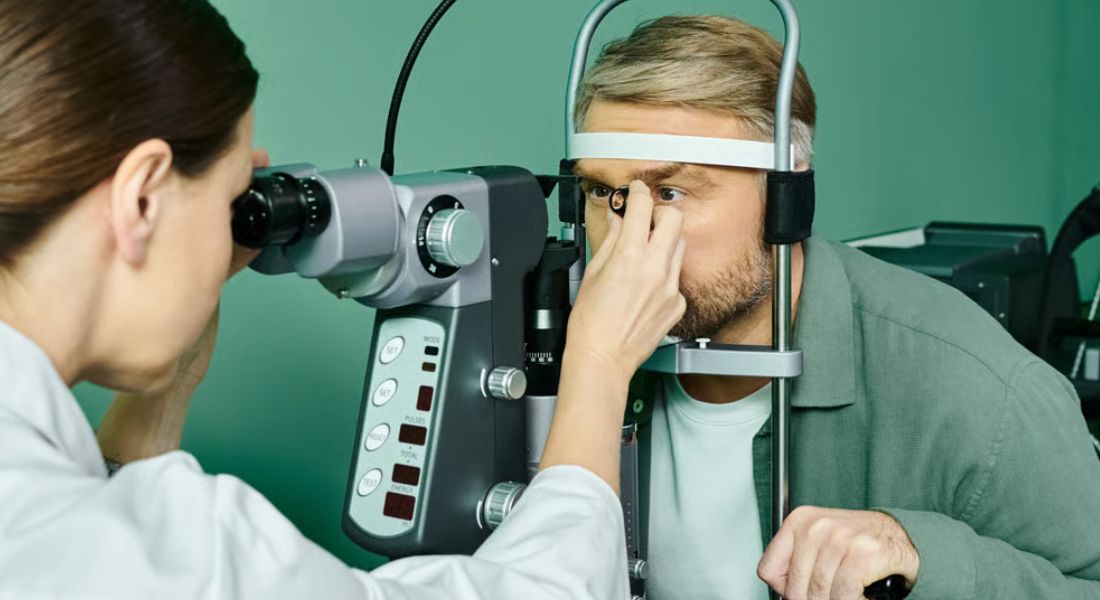
If you have already undergone LASIK and are now considering an enhancement to refine your vision, you may be wondering whether repeating LASIK is possible or whether LASEK is the safer option. Many people assume LASIK can be repeated as easily as the first procedure, but the reality is that the structure of your cornea plays a major role in determining which enhancement method is safest.
LASEK is a surface treatment technique, which means it does not involve lifting the LASIK flap created during your previous surgery. This alone makes it a preferred option for many enhancements. If your flap is thin, your cornea is thinner than average, or your surgeon believes that flap manipulation could introduce unnecessary risk, LASEK becomes the safer, more controlled alternative.
In this guide, I will walk you through why LASEK is commonly performed after LASIK, how it works, whether you’re a suitable candidate, and what you can realistically expect after surgery. I’ll also share practical points about healing, comfort and long-term stability so you can make a confident decision about your vision.
Why Repeat LASIK Isn’t Always the Right Choice
Most people who enjoyed great results from LASIK naturally assume that repeating the same technique is the best way to refine their vision. However, a second LASIK procedure is not as straightforward as the first because the corneal flap from your previous surgery is permanent. Manipulating it again can increase the risk of complications such as epithelial ingrowth or flap instability.
By contrast, LASEK offers a flap-free method of enhancement. Since no new flap is created and the original flap is left untouched, the structural integrity of your cornea remains more stable.
Why Repeat LASIK Is Avoided
- Flap instability – Lifting the flap again increases the risk of disturbance, wrinkles or epithelial cells migrating underneath.
- Tissue limitations – A second flap-based treatment removes more stromal tissue, which may not be safe if your cornea is thin.
- Higher complication risk – Epithelial ingrowth and irregular healing are more common after repeat flap manipulation.
LASEK avoids these risks, which is why it is often the safer enhancement method.
Why Surgeons Recommend LASEK After LASIK
After a full assessment, many surgeons advise their patients to undergo LASEK enhancement rather than a second LASIK treatment. This recommendation is based on long-established clinical experience and evidence showing that LASEK allows for precise correction without compromising the integrity of the original LASIK flap.
Because LASEK reshapes the cornea through a surface-based method, it eliminates the need for flap lifting entirely. This makes it ideal for patients whose corneal structure may not permit further LASIK correction.
Reasons Surgeons Choose LASEK
- Flap is preserved – The original LASIK flap remains untouched, reducing structural risks.
- Greater safety margin – Surface treatment avoids weakening the cornea further.
- High accuracy – Modern excimer lasers allow fine-tuning to correct minor residual refractive errors.
These advantages make LASEK a dependable enhancement method when safety is the priority.
Understanding How LASEK Works After LASIK
LASEK after LASIK follows a similar process to standard LASEK, but with one important difference: the surgeon takes extra care to protect the integrity of your original flap. Instead of lifting or manipulating it, the surface epithelium is gently loosened and moved aside. The laser then reshapes the underlying corneal tissue with precision to correct any remaining refractive error.
The adjusted laser treatment is tailored to your unique needs. Whether you have slight under-correction, over-correction, astigmatism or visual regression, LASEK allows your surgeon to refine your vision safely. Once the laser treatment is complete, the epithelium is repositioned and a protective bandage contact lens is applied to support healing.
Even though recovery is slower than LASIK, the procedure prioritises long-term stability. This is particularly valuable if your cornea already has reduced thickness after your first LASIK treatment.
Suitability: Who Is a Good Candidate for LASEK After LASIK?
Not everyone requires enhancement after LASIK, but for those who do, suitability for LASEK depends on several factors. Your surgeon will conduct a comprehensive eye examination to evaluate your corneal thickness, flap condition, prescription stability and eye health. LASEK is often recommended for people whose corneas cannot safely accommodate another flap-based procedure.
You may be suitable for LASEK enhancement if your vision has regressed slightly, if you have mild residual refractive error, or if your visual clarity is not as sharp as expected after your initial LASIK procedure. Many patients consider enhancement years after their original treatment, and LASEK provides a safe method to restore clarity without disrupting previous surgical work.
Suitability Indicators
- Thin corneas – LASEK avoids removing additional stromal tissue, making it ideal for thinner corneas.
- Stable prescription – Enhancements are safest once your prescription has remained unchanged for several months.
- Residual refractive error – Small degrees of blur, astigmatism or under-correction respond extremely well to LASEK.
Your assessment determines whether LASEK is the safest and most effective method for refining your vision.
Is LASEK Safe After LASIK?
LASEK is widely considered safe after LASIK because it does not involve lifting or altering the original flap. This protects your cornea from flap-related complications. Studies show that LASEK offers highly predictable outcomes when used as an enhancement technique. It also preserves more corneal tissue, which reduces the risk of ectasia or thinning issues.
Because LASEK is a surface procedure, you may experience slightly more discomfort than LASIK during early healing. However, the safety benefits often outweigh the slower recovery timeline. Many patients appreciate knowing that their flap remains untouched and that the enhancement is done in the safest way possible.
What to Expect During Recovery
Recovery after LASEK enhancement follows the standard surface-healing timeline. The first forty-eight to seventy-two hours are typically the most sensitive. You may feel irritation, dryness, blurred vision or light sensitivity. These symptoms occur because the epithelium needs time to heal and fully regenerate.
Over the next few days, your vision gradually becomes clearer as the surface smooths out. Even though clarity may fluctuate, most people notice meaningful improvement within the first week. Your bandage lens is usually removed around day four or five, which often brings additional comfort.
Full clarity develops steadily over the first several weeks and continues refining over a few months. Unlike LASIK, where vision often improves immediately, LASEK enhancement requires patience. However, the slow and steady healing process ultimately supports long-term stability.
Key Recovery Notes
- Early sensitivity – Mild discomfort and blur are normal as the surface heals during the early days.
- Gradual clarity – Vision improves progressively and becomes stable over the first few weeks.
- Long-term stability – Once healed, LASEK offers reliable results without affecting your original flap.
Understanding the recovery timeline helps set realistic expectations while appreciating the long-term benefits.
Expected Visual Results
LASEK enhancement is highly effective at refining residual refractive error. If you have mild blur, ghosting, uneven sharpness or astigmatism after your initial LASIK treatment, LASEK can provide smoother, clearer vision. Most patients achieve excellent outcomes and feel satisfied with the improvement.
Because LASEK reshapes the cornea from the surface, your final results depend on how smoothly the epithelium regenerates. Modern techniques and advanced excimer lasers help ensure accuracy, and your surgeon will design your enhancement specifically for your needs. Over time, your eyes adapt to the refined corneal shape, making your vision more consistent and comfortable.
Advantages of Choosing LASEK for Enhancements
Many patients appreciate the safety and precision of LASEK, especially when performed after LASIK. The procedure avoids disturbing the flap, which is one of its biggest advantages. It also offers flexibility in correcting various refractive issues without compromising corneal structure.
Benefits of LASEK Enhancement
Flap-Free Safety – LASEK does not require lifting the original LASIK flap, which greatly reduces the risk of flap-related complications such as dislocation or irregular healing. This flap-free approach is particularly important for patients who have had previous laser surgery, as it avoids disturbing the cornea’s existing structure. The result is a safer enhancement procedure with fewer potential long-term risks.
Thin Cornea Friendly – Because LASEK reshapes the cornea from the surface, it preserves more corneal tissue than repeat LASIK. This makes it an excellent option for patients with thinner corneas who may not be suitable for a second LASIK procedure. Maintaining corneal integrity also supports long-term eye health and reduces the risk of structural complications.
High Precision – LASEK allows surgeons to make very precise corrections to the cornea’s shape, making it ideal for fine-tuning residual refractive errors. Each eye can be treated individually to achieve balanced vision, and the surface-based technique ensures minimal disruption to existing corneal tissue. This precision often leads to sharper, more reliable visual outcomes.
Flexible Enhancement Option – The procedure is highly adaptable, allowing correction of a variety of refractive issues including myopia, hyperopia, and astigmatism. Surgeons can customise the treatment plan for each patient, making LASEK a versatile solution for enhancing vision after prior laser surgery.
Recommended by Surgeons – Because of its safety, tissue preservation, precision, and adaptability, many eye surgeons consider LASEK the preferred method for post-LASIK enhancements. Patients often achieve excellent results with minimal risk, making it a reliable choice for those seeking to refine their vision.
FAQs:
- Can I have LASEK if I’ve already had LASIK?
Yes, LASEK can be performed after LASIK and is often the preferred method for enhancement. Because LASEK is a surface procedure, it does not involve lifting or manipulating the original LASIK flap. This means the structural integrity of your cornea is maintained while allowing precise correction of any residual refractive errors. Your suitability will depend on factors such as corneal thickness, flap condition, and prescription stability, which your surgeon will assess during a comprehensive evaluation. - Why isn’t repeating LASIK always safe after a previous procedure?
Repeating LASIK involves lifting the original corneal flap, which carries increased risk. Manipulating the flap a second time can result in complications such as epithelial ingrowth, flap wrinkles, or irregular healing. Additionally, a second LASIK treatment removes more stromal tissue, which may compromise corneal strength if your cornea is thin. For these reasons, surgeons often recommend surface-based procedures like LASEK for enhancements, particularly when tissue preservation is essential. - How does LASEK work differently from LASIK when used as an enhancement?
In LASEK, the surface epithelium is carefully loosened and temporarily moved aside to expose the underlying corneal tissue. The excimer laser then reshapes the cornea with precision to correct residual refractive errors. The original LASIK flap remains untouched, which significantly reduces structural risk. After the laser treatment, the epithelium is repositioned, and a protective bandage contact lens supports healing. The process allows refinement of vision while maintaining long-term corneal stability. - Who is a good candidate for LASEK after LASIK?
Candidates for LASEK enhancement are typically those with residual refractive errors after LASIK, such as mild under-correction, over-correction, or astigmatism. People with thinner corneas or flap concerns may benefit the most, as LASEK preserves existing tissue. Prescription stability is also important, as enhancements are safest once your vision has been stable for several months. Your surgeon will conduct a full eye assessment to determine whether LASEK is the safest and most effective option for your individual circumstances. - Is LASEK safe for people with thin corneas?
Yes, LASEK is considered safe for patients with thin corneas because it avoids removing additional stromal tissue and does not involve flap creation or manipulation. This flap-free approach reduces the risk of structural complications, such as corneal weakening or ectasia. Surgeons often choose LASEK over repeat LASIK for patients with thin corneas to maintain long-term stability and provide safe visual correction. - What can I expect during recovery after LASEK enhancement?
Recovery after LASEK is slower than LASIK because the corneal epithelium needs time to regenerate. During the first two to three days, patients typically experience mild irritation, dryness, blurred vision, and light sensitivity. A bandage contact lens is used to improve comfort. Vision gradually improves over the first week, although clarity may fluctuate. Full sharpness and long-term stability usually develop over several weeks to months, which requires patience but ultimately supports optimal results. - How soon will I see meaningful visual improvement?
Most patients notice meaningful improvement in vision within the first week after bandage lens removal. Initially, vision may still feel slightly hazy or fluctuate throughout the day, but the gradual recovery process allows the epithelium to smooth over the cornea. Over the next few weeks, the visual clarity continues to improve as your eyes adjust to the refined corneal shape, and long-term results are highly stable once healing is complete. - Does LASEK involve more discomfort than LASIK?
Generally, yes. Because LASEK is a surface-based procedure, the early recovery period can involve mild irritation, sensitivity to light, and blurred vision. Unlike LASIK, where most patients experience rapid visual improvement, LASEK requires a period of surface healing. However, the safety advantages, including preservation of the original LASIK flap and reduced risk of complications, often outweigh the temporary discomfort associated with the procedure. - Will LASEK enhance my vision permanently?
LASEK provides long-term stability and predictable outcomes when used as an enhancement after LASIK. While initial healing may involve temporary fluctuations, the cornea gradually stabilises, and the refined shape produces sharper, clearer vision. The results are typically long-lasting, particularly for small residual refractive errors, and the risk of regression is minimal compared to the risks of repeat flap-based surgery. - How does LASEK compare to other enhancement options?
Compared to repeating LASIK, LASEK offers a safer approach for patients who have limited corneal thickness or flap concerns. PRK is another surface-based option, but LASEK often allows more precise epithelial handling and can provide slightly faster comfort with the use of a bandage lens. The key advantage of LASEK lies in its ability to refine vision without disturbing the original LASIK flap, making it a reliable and widely recommended enhancement technique for those seeking safe, long-term results.
Final Thought: Why LASEK Might Be Right for You
Choosing the right enhancement method after LASIK is crucial for achieving the best long-term results while protecting your corneal health. LASEK provides a safe, precise, and flap-preserving option for patients who require refinement of their vision. While recovery may take slightly longer than LASIK, the procedure’s advantages in preserving tissue and reducing complications make it a reliable choice for many.
If you’re exploring whether lasek surgery in London could benefit you, get in touch with us at Eye Clinic London to schedule your consultation. Our team can assess your eyes, discuss your suitability, and help you make an informed decision about enhancing your vision safely and effectively.
References:
- Chiou, A.S., and AlMahmoud, A., 2014. “Long‑term results of Epi‑LASIK and LASEK for myopia.” Journal of Refractive Surgery / techniques/clinical ophthalmology literature, 30(5), pp. 345–352. https://www.sciencedirect.com/science/article/abs/pii/S1367048413002750
- Guo, H., Hosseini‑Moghaddam, S. M., & Hodge, W., 2019. “Corneal biomechanical properties after SMILE versus FLEX, LASIK, LASEK, or PRK: a systematic review and meta‑analysis.” BMC Ophthalmology, 19, 167. https://pmc.ncbi.nlm.nih.gov/articles/PMC6676534/
- Yahalomi, T. et al., 2023. “Dry Eye Disease following LASIK, PRK, and LASEK: A Prospective Study.” Journal of Clinical Medicine, 12(11), 3761. https://www.mdpi.com/2077-0383/12/11/3761
- Pniakowska, Z., Jinks‑Rębiewska, E., and Brzozowska, A., 2022. “Clinical Evaluation of Corneal Biomechanics following Laser Vision Correction A Literature Review.” Journal of Clinical Medicine, 12(1), 243. https://www.mdpi.com/2077-0383/12/1/243
- G. Castro‑Luna et al., 2020. “Long Term Follow-Up Safety and Effectiveness of Myopia Refractive Surgery” comparison of PRK and FS-LASIK over 10 years. https://pmc.ncbi.nlm.nih.gov/articles/PMC7727822/