


Keratoconus Progression in Children & Teens: What Parents Should Know

If your child or teenager has been diagnosed with keratoconus, you’re probably feeling a mix of worry, confusion and urgency. It’s completely understandable. Keratoconus can sound frightening when you first hear the diagnosis, especially because most parents haven’t encountered the condition before. You may have heard that it progresses faster in younger people, that early treatment is essential, or that vision can worsen quickly if the condition isn’t monitored closely.
The truth is this: keratoconus behaves very differently in children and teens compared with adults. Younger corneas are softer, more flexible and more biologically active. That means the disease can progress rapidly during childhood and adolescence sometimes changing significantly in a matter of months. But here’s the reassuring part: with early diagnosis and the right treatment plan, you can dramatically reduce the risk of long-term vision loss. In fact, many young patients today maintain stable, healthy vision because their parents recognised the early signs and took action quickly.
This guide is designed to help you understand exactly what to expect, what signs you should watch for, which treatments can slow or stop progression, and how you can support your child through this journey. My goal is to give you the clarity and confidence you need to make the best decisions for your child’s vision and future.
What Is Keratoconus? A Simple Explanation for Parents

Keratoconus is an eye condition where the cornea the clear, curved front window of the eye gradually becomes thinner and weaker. As this thinning continues, the cornea begins to lose its smooth, round shape and slowly pushes forward into a cone-like shape. Because of this change, light entering the eye can’t focus properly, which leads to blurry, distorted, or constantly changing vision.
Parents often notice that their child’s glasses stop helping as much, even after new prescriptions. This happens because keratoconus affects the shape of the cornea itself, not just the power of the glasses. The surface becomes uneven and irregular, so standard lenses can’t fully correct the problem. Children may rub their eyes more than usual, complain about ghosting around objects, or say lights look stretched or doubled.
A few key things happen in keratoconus:
- The cornea becomes thinner over time.
- Its round shape slowly becomes cone-like.
- Vision becomes more distorted, even with new glasses.
It’s important to understand that keratoconus is not caused by screen time, diet, or bad eye habits alone. It is mainly a structural condition influenced by several factors. Genetics can play a part, especially if a family member has a history of corneal problems. Allergies, eczema, and frequent eye rubbing can speed up progression. In many children, it’s a mix of inherited tendencies, inflammation, and environmental triggers.
While the condition may sound serious, early diagnosis can make a huge difference. Today’s treatments can strengthen the cornea, slow progression, and improve vision. With proper care and monitoring, most children with keratoconus continue schoolwork, sports, and daily activities without major difficulty.
Why Keratoconus Progresses Faster in Younger Patients
For parents, one of the most important things to understand is that keratoconus tends to be more aggressive in children and teenagers. Their eyes are still developing, which makes the cornea much more sensitive to any changes. What may stay stable in an adult can progress quickly in a younger patient.
Younger corneas are naturally softer and more flexible. Because they haven’t fully strengthened yet, they can be more easily affected by pressure, inflammation, or rubbing. Even small triggers can cause the cornea to steepen or thin faster than expected. Hormonal changes during puberty also play a role. Hormones influence collagen the main structural fibre in the cornea and this can make the tissue more elastic, increasing the risk of faster progression.
A few key reasons keratoconus progresses faster in children and teens:
-
Their corneas are softer and more easily distorted.
-
Hormonal shifts during adolescence affect corneal strength and elasticity.
-
Frequent eye rubbing (often due to allergies or irritation) accelerates thinning.
Another challenge is that early keratoconus can stay hidden for a long time. Many children compensate extremely well, so their vision may appear acceptable until one day it suddenly worsens. By the time symptoms become obvious, significant changes may already have occurred.
Because of these combined factors, untreated keratoconus in teenagers can progress four to ten times faster than in adults. This is why early detection, regular monitoring, and timely treatment are absolutely essential.
Early Warning Signs Parents Should Watch For
Detecting keratoconus early can make a big difference in protecting your child’s long-term vision. The challenge is that most children and teenagers don’t realise their vision is abnormal. They assume what they see is “normal,” so they rarely complain. This is why parents play a crucial role in spotting early warning signs.
Blurry or Distorted Vision That Keeps Changing: One of the first signs is vision that becomes blurry, shadowy, or distorted and keeps changing even after new glasses. Keratoconus causes the cornea to take on an uneven, cone-like shape, which leads to irregular astigmatism. This kind of blurring cannot be fully corrected with normal glasses.
You may notice:
- blurred or shadowed outlines around objects
- double vision in one eye
- wavy or distorted text, especially while reading
If your child’s prescription changes more often than expected, it is an early red flag.
Increasing Astigmatism: Astigmatism that suddenly increases or becomes irregular is another warning sign. Children with keratoconus may go from mild to high astigmatism within months. Parents often notice that their child struggles again shortly after getting new glasses, which suggests the cornea is changing shape.
Eye Rubbing: Frequent eye rubbing is one of the strongest risk factors for keratoconus progression. Even when children think they’re rubbing gently, the pressure on a soft, developing cornea can cause further thinning and steepening.
Common reasons children rub their eyes include:
-
allergies
-
dry or irritated eyes
If your child rubs their eyes daily, the underlying cause needs to be addressed quickly.
Light Sensitivity: Children with keratoconus may become more sensitive to bright light. They might squint outdoors, avoid looking at the classroom whiteboard, or complain that indoor lights feel too strong. This happens because an irregular cornea scatters light rather than focusing it clearly.
Ghosting, Halos and Glare at Night: As the corneal surface becomes more uneven, children may notice ghost images, haloes around lights, or more glare at night. Teens often report difficulty with night-time visibility or say that headlights look “streaky” or “spiky.”
One Eye Seeing Worse Than the Other: Keratoconus rarely affects both eyes equally. Many children may say one eye “doesn’t see properly” or feels weaker. You may notice them closing one eye, tilting their head, or changing their position to see better. These habits are important clues.
Difficulty With Contact Lenses: Soft contact lenses may become uncomfortable or stop giving clear vision as the cornea becomes more irregular. Teens who play sports often notice this change first because they rely heavily on sharp vision during activities.
Headaches or Eye Fatigue: As the eyes struggle to compensate for distorted vision, children may develop headaches, especially after reading or using screens. Eye fatigue is a common early symptom and should not be ignored.
Sudden Drop in School Performance: Children who cannot see clearly can struggle with reading, writing, copying notes, or concentrating in class. A sudden, unexplained drop in school performance is often linked to vision problems and should prompt an immediate eye exam.
Why Early Diagnosis Matters More in Children and Teens
Early diagnosis is absolutely crucial when it comes to keratoconus in younger patients. Unlike adults, children and teenagers have corneas that are still developing. This makes their eyes far more vulnerable to rapid changes. What may stay stable for years in an adult can worsen quickly in a child if it isn’t detected and managed in time.
One of the biggest challenges is that keratoconus in young people is often silent in the beginning. Children rarely complain because they assume their vision is normal. By the time they start noticing problems, the cornea may already have changed significantly. This is why routine eye checks and early screening are so important.
Keratoconus also progresses much faster in teenagers compared to adults. Their corneas are softer, more flexible, and more easily affected by inflammation, allergies, or eye rubbing. Without early detection, there is a higher risk of advanced thinning, scarring, or vision loss problems that can become harder to treat later on.
Early diagnosis ensures:
-
treatment can begin before the cornea becomes too thin
-
progression can be slowed or stopped with cross-linking
-
vision can be protected during crucial learning and development years
The earlier the condition is found, the more options your child has. Today, treatments like corneal cross-linking can stabilise the cornea and prevent worsening, but they work best when done early not after the cornea has already become severely distorted.
Early diagnosis also helps avoid emotional and academic impact. Children with undetected keratoconus can struggle with reading, sports, confidence, and school performance. When the condition is identified early, they can receive the right correction, support, and monitoring to stay comfortable and keep performing well.
In simple terms:
Early detection protects your child’s vision, prevents rapid worsening, and gives the best chance for normal daily life.
How Keratoconus Is Diagnosed in Children and Teens
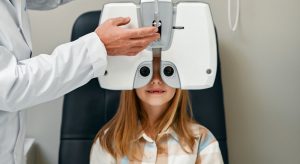
Diagnosing keratoconus in young patients requires careful, detailed testing. Unlike adults, children often hide or overlook symptoms because they adapt quickly. They assume their vision is normal, even when it isn’t. This makes proper screening and specialised testing absolutely essential.
Eye specialists use several advanced tools to detect keratoconus at its earliest – even before noticeable symptoms appear.
Corneal Topography: This test creates a detailed, colour-coded map of the cornea’s surface. It shows areas that are becoming steeper or irregular. Topography is one of the most sensitive ways to catch keratoconus early, often long before your child notices any change in vision.
Corneal Tomography: Tomography goes even deeper. It provides a full 3D image of the cornea, including the front and the back layers. This helps detect changes in corneal shape and early thinning that may not be visible on standard tests. It is especially useful in mild or borderline cases.
Pachymetry: This measures the thickness of the cornea. Because thinning is one of the main signs of keratoconus, pachymetry helps see how much thickness has been lost and whether progression is continuing.
Epithelial Mapping: The outer layer of the cornea (the epithelium) changes shape to try and “mask” deeper irregularities. Epithelial mapping shows these subtle adjustments and is extremely valuable in detecting very early keratoconus especially in children where the disease can be aggressive.
Autorefraction and Manifest Refraction: These tests measure your child’s prescription. Specialists look for irregular patterns, rapid changes, or increasing astigmatism, all of which are signs that the cornea may be changing shape.
Retinoscopy: This is a simple but important test where a light beam is moved across the eye. In keratoconus, it creates a distinctive “scissoring” reflex a classic early sign that helps confirm the diagnosis.
Family History Review:
Genetics play a key role. Keratoconus is more likely if a close family member has:
-
keratoconus
-
severe allergies
-
eczema
-
asthma
A strong family history, combined with symptoms or changes in prescription, raises suspicion even further. Early diagnosis gives children the best chance to protect their vision. Because keratoconus progresses more quickly in younger eyes, identifying it early allows timely treatment such as corneal cross-linking often preventing severe distortion, scarring, or the need for more invasive procedures later in life.
Typical Keratoconus Progression in Teenagers
Although every child’s experience can vary, keratoconus often follows a somewhat predictable pattern during adolescence. Because the cornea is softer and more reactive in young patients, changes can occur faster than in adults. Understanding the stages helps parents recognise warning signs and the importance of early treatment.
Stage 1: Early / Mild Keratoconus
In the earliest stage, changes are usually subtle. Teenagers often still see well with glasses, and most do not notice any problem. Prescription changes are mild, astigmatism may increase slightly, and occasional ghosting can appear. Vision with glasses remains mostly normal. This is the ideal time to intervene, as early treatment can help stop progression before the cornea changes significantly.
Stage 2: Moderate Keratoconus
As keratoconus progresses, the cornea becomes more irregular. Glasses no longer fully correct vision, and teens may rub their eyes more frequently. Night vision can become reduced, and sensitivity to bright light often increases. This stage is when keratoconus typically becomes noticeable, making timely treatment especially important.
Stage 3: Advanced Keratoconus
In advanced keratoconus, the cornea thins and steepens considerably, causing obvious visual distortion. Soft contact lenses often become uncomfortable or fail to correct vision due to the irregular surface. Early scarring may appear, and the cornea’s shape is highly irregular. At this stage, rigid gas-permeable or scleral lenses are usually needed to restore functional vision.
Stage 4: Severe / End-Stage Keratoconus
This stage is rare in teenagers today, especially with early detection and modern treatments like corneal cross-linking. Severe thinning, corneal hydrops, and scarring can occur, leading to a significant loss of functional vision. Avoiding progression to this stage is the main goal of early diagnosis and treatment, and with timely care, most young patients never reach this level.
How Fast Does Keratoconus Progress in Children and Teens?
Keratoconus behaves very differently in younger patients compared with adults. While adult cases often progress slowly over several years, children and teenagers can experience noticeable changes much more quickly. In some cases, the cornea may change shape over just a few months, and during periods of allergies or frequent eye rubbing, these changes can even occur within weeks or days. This rapid pace makes keratoconus in young eyes particularly concerning, as small delays in diagnosis or treatment can lead to more significant visual problems.
On average, keratoconus in teenagers progresses two to ten times faster than in adults. The softer, more flexible corneas of children, combined with environmental factors such as eye rubbing, allergies, and inflammation, contribute to this accelerated progression. Even mild symptoms, if left unmonitored, can quickly evolve into moderate or advanced stages, making daily activities like reading, studying, or playing sports more difficult.
Because keratoconus can progress so rapidly in younger patients, specialists almost always recommend early evaluation and timely intervention. Detecting the condition at an early stage allows treatments such as corneal cross-linking to stabilise the cornea, slow or stop progression, and protect long-term vision. Early action is especially important during the teenage years when the eyes are still developing and are more vulnerable to structural changes.
What Treatment Options Are Available for Young Patients?
Modern eye care has made great progress, and today there are several effective ways to manage keratoconus in children and teenagers. The goal of treatment is to slow or stop progression, stabilise the cornea, and improve vision so that young patients can continue their daily activities comfortably. Choosing the right treatment depends on the stage of the condition and the individual needs of the child.
Corneal Cross-Linking (CXL): Corneal Cross-Linking (CXL) is a crucial treatment for children and teens with keratoconus, as it strengthens the cornea by creating new bonds in the collagen fibres, helping to prevent further thinning and bulging. Early intervention with CXL can stabilise the corneal shape, reduce the risk of severe vision problems, and often delay or even avoid the need for a corneal transplant. Because keratoconus can progress unpredictably in younger patients, doctors highly recommend CXL even at the earliest stages to protect long-term vision.
Specialised Contact Lenses: Once the cornea is stabilised, vision can often be improved with specially designed contact lenses that create a smooth surface for light to focus properly, correcting vision that glasses alone cannot fully address. Depending on the severity of keratoconus, options include soft toric lenses for mild astigmatism, hybrid lenses that combine a rigid centre with a soft outer skirt for comfort and clarity, and rigid gas permeable lenses that provide a smooth optical surface for moderate cases. Scleral lenses, which vault over the cornea and rest on the white of the eye, are often the most comfortable and effective choice for moderate to advanced keratoconus. These lenses allow children to see clearly during school, sports, and daily life, but regular follow-ups are essential to ensure the lenses continue to fit well and provide optimal vision.
Glasses: Glasses may help in the early stages of keratoconus, particularly if the cornea is only slightly irregular. They can improve vision for many daily tasks, but as the cornea gradually changes shape, glasses alone often become insufficient. Regular eye exams are essential to monitor progression and determine the right time to switch to specialised contact lenses or other treatments. Early detection ensures that vision is maintained as effectively as possible.
Topography-Guided Laser Treatments: In select cases, topography-guided laser procedures can be used to smooth the corneal surface, improve symmetry, and enhance vision. These treatments can also help reduce glare, halos, and other visual distortions that affect quality of life. They are typically combined with corneal cross-linking to stabilise the cornea and maintain long-term results, making the overall treatment more effective and predictable.
Intracorneal Ring Segments (ICRS): Intracorneal ring segments are small, curved implants inserted into the cornea to flatten steep areas, improve the fit of contact lenses, and reduce irregularities. They are often recommended for moderate keratoconus when lenses alone cannot provide clear vision. ICRS can delay the need for more invasive procedures and help patients achieve better visual function for everyday activities.
Corneal Transplants: Corneal transplants are reserved for severe cases that cannot be managed with other treatments. Modern therapies like cross-linking, specialised contact lenses, and laser treatments have greatly reduced the need for transplants. As a result, most young patients can maintain good vision without undergoing surgery, though transplants remain an important option for those with advanced or rapidly progressing keratoconus.
The Role of Eye Rubbing in Progression: What Parents MUST Know
One of the most important things parents need to understand is that eye rubbing can seriously worsen keratoconus in children and teens. Even gentle rubbing increases pressure on an already thin cornea, which can accelerate thinning and bulging. Over time, this can lead to faster progression and more severe vision problems. Fortunately, there are effective ways to help children reduce or stop eye rubbing. Teaching healthy habits early can make a real difference in slowing the disease.
Ways to prevent eye rubbing include:
-
Treat allergies promptly: Managing sneezing, itching, or irritation reduces the urge to rub.
-
Use cold compresses: Gently cooling the eyes can relieve discomfort without pressure.
-
Lubricating eye drops: Keep the eyes moist to reduce irritation and rubbing.
-
Antihistamines (if recommended): Help control allergy symptoms that trigger rubbing.
-
Teach alternative habits: Encourage blinking or gently pressing the eyes instead of rubbing.
-
Keep nails short: This reduces the risk of accidental injury during rubbing.
Even stopping eye rubbing alone can slow the progression of keratoconus and protect your child’s vision. Combining this with regular check-ups and treatment makes a significant difference in long-term eye health.
How to Support a Child or Teen Emotionally After Diagnosis
Receiving a keratoconus diagnosis can be overwhelming for children and teenagers. They may feel anxious or uncertain about their vision, the need for glasses or contact lenses, and how the condition might affect their daily life, school, or sports activities. Some may worry about their independence or future vision, which can feel stressful at any age. As a parent or caregiver, your support is just as important as medical treatment. Being open, reassuring, and proactive helps your child feel safe and understood.
Ways to provide emotional support include:
-
Answering questions honestly: Let your child know it’s okay to ask anything about their eyes or treatment.
-
Explaining the condition in simple terms: Use clear language they can understand without causing unnecessary worry.
-
Attending appointments together: Being present can reduce fear and help them feel supported.
-
Encouraging honesty about symptoms: Teach them to speak up if their vision changes or if they feel discomfort.
-
Reminding them about treatment options: Emphasise that effective treatments exist and can protect their vision.
Providing reassurance, understanding, and practical support helps children and teens cope better. Emotional care is a key part of managing keratoconus, ensuring they stay confident and engaged in everyday life while following their treatment plan.
Lifestyle Tips to Protect Vision
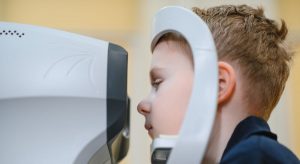
Alongside medical treatments, simple daily habits can make a meaningful difference in slowing keratoconus progression. While they may seem small, being consistent with these actions helps protect your child’s eyes and supports long-term vision health.
Key habits to encourage include:
-
Avoid eye rubbing: Even gentle rubbing can worsen the cornea’s shape.
-
Manage allergies promptly: Treating itchiness or irritation reduces the urge to rub.
-
Follow prescribed drop routines: Lubricating or medicated drops help keep the eyes comfortable and healthy.
-
Use sunglasses outdoors: Protecting the eyes from UV light reduces stress on the cornea.
-
Avoid sleeping on the face: Pressure during sleep can affect corneal shape over time.
-
Take regular screen breaks: Give eyes a rest to reduce strain, especially during long study or screen sessions.
-
Stay hydrated: Proper hydration helps maintain eye health.
-
Keep regular eye exams: Ongoing monitoring ensures early detection of any changes.
Consistency is key. These lifestyle habits, combined with treatments and professional care, give children and teens the best chance of maintaining clear vision and slowing keratoconus progression.
Frequently Asked Questions:
- Can keratoconus go away on its own in children and teens?
Keratoconus does not go away on its own at any age, and this is especially true for children and teenagers. In younger patients, the cornea is softer and more biologically active, which means the condition naturally tends to progress rather than stabilise. Without treatment, the steepening and thinning of the cornea usually continue over time, often at a much faster rate than in adults. This is why early monitoring and timely intervention, such as corneal cross-linking, are essential to prevent long-term vision decline. - How quickly should parents act after a diagnosis?
Parents should take action as soon as keratoconus is diagnosed, ideally within weeks rather than months. Because young corneas can change rapidly, delaying treatment increases the risk of sudden progression that may significantly affect vision. Consulting a specialist early helps establish a personalised treatment plan, ensures progression is monitored closely and allows interventions like cross-linking to be performed before the cornea becomes too thin or irregular for optimal results. - Can children still play sports after being diagnosed with keratoconus?
Most children and teens can continue playing sports normally, but a few sensible precautions can help protect their eyes. If glasses are required, impact-resistant lenses are safer for activities like cricket, football and basketball. Many children choose contact lenses such as scleral or rigid gas permeable lenses because they offer more stable vision and are less likely to fall out during movement. Activities involving direct eye contact, such as certain martial arts, may require protective eyewear. With proper care, keratoconus rarely prevents participation in sports. - Is corneal cross-linking painful for young patients?
Corneal cross-linking is generally well tolerated. During the procedure, numbing eye drops are used, so children typically feel pressure or mild discomfort rather than pain. After the treatment, the eye may feel gritty, watery or sensitive to light for several days while the surface heals. Most young patients manage the recovery period comfortably with prescribed medications and protective bandage contact lenses. Parents often find the emotional aspect reassuring their child and preparing them for the process more challenging than the physical discomfort itself. - Will my child need glasses after treatment?
Even after treatment such as cross-linking, many children still require glasses or contact lenses because the procedure’s primary goal is to stop the cornea from worsening, not to reverse existing irregularities. However, once the cornea is stabilised, vision often becomes more predictable, making glasses or specially designed lenses easier and more comfortable to use. In some cases, vision may improve slightly as the cornea heals, but parents should expect that some form of visual correction will still be part of daily life. - Can keratoconus cause blindness if not treated?
Keratoconus does not usually lead to complete blindness, but it can cause severe vision impairment if left untreated especially in young patients. As the cornea becomes very thin and irregular, vision can deteriorate to the point where normal daily activities become difficult. In advanced cases, complications such as corneal scarring or hydrops may occur, and some teenagers may eventually require a corneal transplant. Early treatment drastically lowers these risks and helps preserve clear functional vision into adulthood. - Is keratoconus hereditary, and should siblings be checked?
Keratoconus often runs in families, which means siblings of an affected child may also have a higher risk, even if they show no obvious symptoms. Many specialists recommend screening siblings, especially if they have allergies, frequently rub their eyes or have unexplained changes in vision. Early detection can identify subtle signs long before vision becomes affected, giving doctors the chance to intervene early and reduce the risk of rapid progression. - Can screen time worsen keratoconus?
Screen time does not directly cause keratoconus, but it can indirectly make the condition worse by increasing eye strain, dryness and rubbing behaviours that can accelerate progression. Children often rub their eyes more when they are tired or when their eyes feel dry after long sessions on phones, tablets or laptops. Encouraging regular breaks, proper lighting and good blinking habits can help relieve strain. While screens do not damage the cornea structurally, they can trigger habits that contribute to worsening symptoms. - How often should a child with keratoconus have eye check-ups?
Children and teenagers with keratoconus typically need more frequent monitoring than adults. Many specialists recommend check-ups every three to six months, depending on how quickly the condition is changing. During these visits, detailed scans such as topography or tomography are performed to detect even small changes in corneal thickness or curvature. Regular monitoring ensures that treatment decisions are made at the right time, reducing the risk of unexpected deterioration. - Can my child live a normal life with keratoconus?
Yes, most children with keratoconus live completely normal, active lives especially when the condition is diagnosed early and treated promptly. Modern treatments like cross-linking have transformed outcomes, allowing many young patients to maintain stable vision long-term. They can continue their studies, sports, hobbies and other activities without significant limitations. The key is consistent follow-up, avoiding harmful habits such as eye rubbing and ensuring emotional reassurance so the child feels supported rather than overwhelmed by the diagnosis.
Final Thought: Supporting Your Child with Keratoconus
Keratoconus in children and teenagers can feel overwhelming for parents, but early diagnosis and timely treatment make a world of difference. With today’s advanced options, most young patients go on to enjoy clear, stable vision and a completely normal lifestyle. Regular monitoring, avoiding eye rubbing and following specialist advice help keep the condition under control in the long run. If you’d like to explore whether Keratoconus treatment in London could be the right step for your child, you can always reach out to Eye Clinic London for personalised guidance and expert care.
References:
- Mukhtar, S. (2018) ‘Pediatric keratoconus: a review of the literature’, Journal of Ophthalmology, [online] Available at: https://pmc.ncbi.nlm.nih.gov/articles/PMC5856649/
- Salman, A., Darwish, T., Ghabra, M., Kailani, O., Khalil, H. & Shaaban, R. (2021) ‘Clinical Outcomes of Accelerated Corneal Cross‑Linking for Pediatric Keratoconus’, Journal of Ophthalmology, 2021:1851883. https://pmc.ncbi.nlm.nih.gov/articles/PMC8616643/
- Kobashi, H., Hieda, O., Itoi, M., Kamiya, K., Kato, N., Shimazaki, J. & Tsubota, K. (2021) ‘Corneal Cross-Linking for Paediatric Keratoconus: A Systematic Review and Meta-Analysis’, Journal of Clinical Medicine, 10(12):2626. https://www.mdpi.com/2077-0383/10/12/2626
- Wójcik-Niklewska, B. (2024) ‘Corneal cross‑linking is an effective method for preventing keratoconus progression in children’, [journal], [online] Available at: https://pmc.ncbi.nlm.nih.gov/articles/PMC11393866/
- Shojaei‑Zadeh, S. et al. (2017) ‘Pediatric keratoconus: a review of the literature’, Int Ophthalmol. Available at: https://pubmed.ncbi.nlm.nih.gov/28852910/