


Is LASEK Eye Surgery Safe Long-Term?
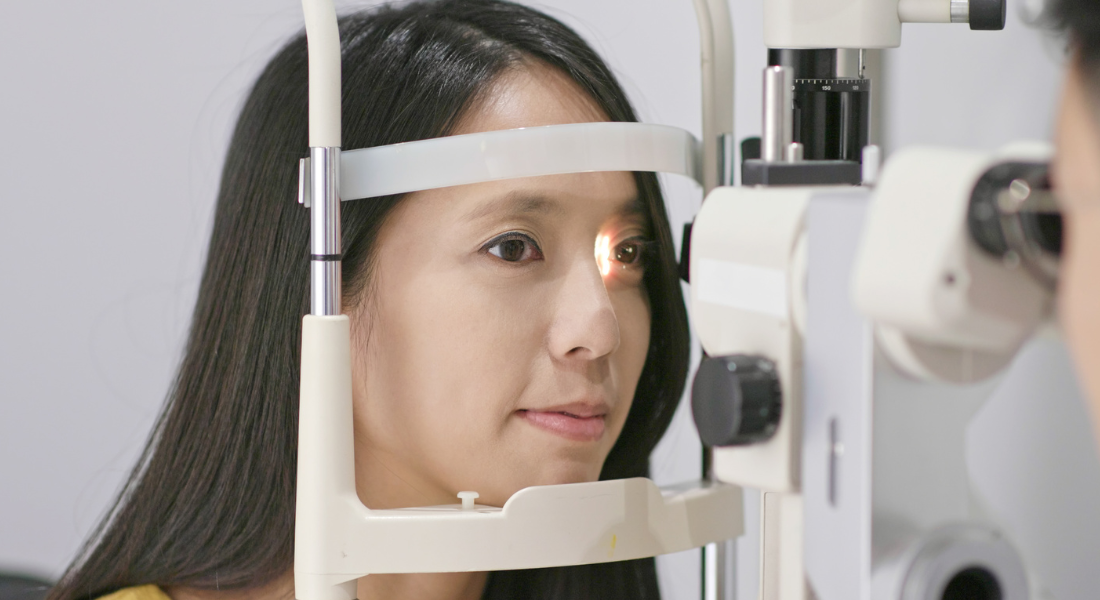
If you’re thinking about LASEK eye surgery, or you’ve had it done already, one of the biggest questions you might have is about long-term safety. You may be wondering whether your vision will stay stable as you age, whether your cornea remains strong years later, and whether any late complications develop long after the initial healing period. These concerns are completely understandable, because choosing eye surgery is a big decision and you naturally want to feel confident that it’s safe not just today, but also ten, twenty, or even thirty years down the line.
The good news is that LASEK has one of the strongest long-term safety profiles among vision-correction procedures. It’s been performed for decades, refined with modern technology, and studied across long time periods with positive outcomes. But to understand long-term safety properly, you need a clear picture of how the cornea heals, what changes are normal over time, what potential risks exist, and how LASEK compares with procedures like LASIK as the years go by.
In this guide, I’ll walk you through everything you need to know about the long-term safety of LASEK. You’ll learn what happens to your cornea in the months and years after surgery, how stable your vision tends to be, what complications are possible, how dryness and night vision truly evolve, and what the latest long-term research shows. My aim is to give you a complete, honest, and reassuring view so you can feel confident about your decision.
Let’s start with the fundamentals how LASEK actually affects the cornea in the long run.
How the Cornea Heals After LASEK: Understanding Long-Term Stability
To appreciate the long-term safety and stability of LASEK, it helps to understand exactly what the procedure does to your eye. Unlike LASIK, which involves creating a flap in the cornea, LASEK is a surface-based procedure. No flap is created, the deeper corneal layers remain untouched, and the structural integrity of the cornea is preserved. This approach ensures high long-term biomechanical stability and reduces certain risks associated with flap-based procedures.
The Epithelium Fully Regenerates – During LASEK, the surface layer of the cornea, known as the epithelium, is gently loosened and moved aside so the laser can reshape the underlying tissue. After surgery, this layer regenerates completely. Initial closure occurs within three to seven days, while the surface gradually smooths over several weeks, and full structural normalisation takes a few months. Once fully healed, the epithelium regains its strength, providing a stable, protective surface for the eye.
The Stroma Retains Its Strength Long-Term – Because LASEK does not involve a flap, the deeper layers of the cornea, collectively called the stroma, remain intact. This preserves the cornea’s natural strength and significantly lowers the risk of long-term complications such as biomechanical weakening, ectasia (corneal bulging), or future instability. For this reason, LASEK is often recommended for patients with thinner corneas or those seeking a highly stable long-term outcome.
No Flap Means No Flap Complications – Unlike LASIK, where the flap remains for life and can rarely cause issues years later, LASEK avoids all flap-related complications. Problems such as flap displacement, epithelial ingrowth, wrinkles in the flap, or sensitivity to trauma are completely eliminated. This represents one of the most important long-term safety advantages of LASEK.
Nerve Regeneration Occurs Smoothly Over Time – The corneal nerves, which play a key role in tear production and overall ocular comfort, regenerate effectively after LASEK. This contributes to a lower long-term risk of dry eyes, a more stable tear film, and more comfortable vision overall. While some temporary dryness may occur during the healing phase, it is significantly less common and less severe than what can be experienced after LASIK.
How Safe Is LASEK in the First Year?

Most safety concerns with LASEK occur during the early months of recovery rather than years later. Understanding what to expect can help you feel more confident and prepared for the healing process. During this period, your eyes are adjusting to the new corneal shape, and it’s normal to notice temporary changes such as mild discomfort, light sensitivity, or fluctuating vision. Following your surgeon’s post-operative instructions carefully can make recovery smoother and reduce the risk of complications. Regular check-ups during the first year also ensure that any minor issues are identified and managed promptly.
Initial Discomfort and Light Sensitivity: Mild discomfort, irritation, or sensitivity to bright light is common immediately after LASEK. These sensations are a normal part of the healing process as the epithelium regenerates. Most patients notice gradual improvement over days to weeks, and using lubricating drops or following post-operative care instructions can make this phase more comfortable.
Vision Fluctuations: It is normal for vision to fluctuate during the first one to three months after surgery. Some days may appear sharper than others, and occasional blurriness can occur as the cornea stabilises. Over time, the epithelium smooths out and vision generally becomes consistent and clear.
Dryness: Temporary dryness is common because the surface nerves, which help regulate tear production, are still healing. This can cause mild irritation, especially when reading or using screens. Most patients find that dryness improves significantly over the first year as the nerves regenerate and the tear film stabilises.
Haze Formation (Rare): Although uncommon with modern laser technology, a mild haze can sometimes develop on the cornea. When it does occur, it is generally temporary and can be treated effectively with medications or minor interventions. Advances in laser precision and post-operative care have made this complication much less frequent than in earlier surface laser procedures.
Long-Term Safety: What Happens Years After LASEK?
Once the initial healing phase is complete, patients often want to know how their vision will hold up over the years. LASEK is known for its excellent long-term safety and stability, and understanding what to expect can help set realistic expectations.
Long-Term Vision Stability Is Excellent: Most patients enjoy stable distance vision for many years after LASEK. Research indicates that vision remains strong even 5–10 years after surgery, with only a small percentage experiencing mild prescription drift. The majority of patients do not require any additional procedures, making LASEK a reliable and predictable long-term solution for correcting refractive errors.
Low Risk of Corneal Weakening: One of LASEK’s strongest safety advantages is that the deeper layers of the cornea remain untouched. This preserves the cornea’s natural strength and dramatically reduces the risk of long-term weakening, or ectasia. As a result, patients with thinner corneas or higher prescriptions often choose LASEK for its long-term structural stability.
Very Low Long-Term Complication Rate: Because LASEK does not create a corneal flap, complications associated with flaps—such as late dislocation, trauma, ingrowth, or inflammation—are completely avoided. This absence of flap-related risks contributes to the exceptionally low long-term complication rate, providing peace of mind for patients years after surgery.
Dryness Improves Over Time: Unlike LASIK, where dry eye can occasionally persist, LASEK typically allows for faster nerve recovery. Most patients experience fewer long-term tear film issues and enjoy more comfortable eyes years after the procedure. If dryness does occur, it is generally mild and manageable with simple treatments such as lubricating drops or eyelid care.
Night Vision Issues Usually Fade With Time: Some patients notice halos, glare, starbursts, or subtle changes in contrast sensitivity during the early months after surgery. These symptoms are common but usually resolve within a few months as the eye fully heals. Persistent night vision issues are uncommon and often linked to pre-existing prescriptions, large pupils, or low-light environments. Even in these cases, improvement continues gradually over time.
Your Eyes Still Age Normally: It’s important to remember that while LASEK corrects the cornea’s shape, it does not prevent the natural ageing of your eyes. Over the years, you may still experience presbyopia (difficulty reading up close after age 40), cataract development, lens stiffening, or subtle tear film changes. These age-related changes occur regardless of surgery. LASEK’s long-term safety is excellent, but like everyone else, your vision will continue to evolve naturally with age.
Is LASEK Safer Than LASIK Long-Term?

This is a common and important question for anyone considering laser eye surgery. While both procedures are generally safe and effective, many long-term risks tend to be lower with LASEK compared with LASIK, making it a preferred option for certain patients.
No Flap, No Flap Risks: LASIK involves creating a corneal flap, which, although rare, can lead to complications such as flap dislocation, wrinkling, or ingrowth years after surgery. LASEK avoids all flap-related risks entirely, providing peace of mind for the long term.
LASEK Preserves More Corneal Tissue: Because LASEK does not require a flap, more of the natural corneal tissue is preserved. This helps maintain the cornea’s long-term strength, reduces biomechanical issues, and lowers the risk of ectasia, particularly in patients with moderate or high myopia.
Reduced Risk of Dry Eye: Fewer corneal nerves are cut during LASEK compared with LASIK, which means dryness tends to resolve faster and more completely. Most patients enjoy more comfortable eyes in the months and years following surgery.
Potentially Smoother Ageing: A stable corneal surface can contribute to fewer long-term complaints as the eyes naturally age. Because LASEK preserves corneal integrity, some patients experience fewer vision fluctuations or complications related to age-related changes in the cornea.
Safer for Thin Corneas: For patients with thinner corneas, LASIK carries a higher risk of weakening over time. LASEK protects corneal structure more effectively, making it a safer option for those with reduced corneal thickness.
Do LASEK Results Fade Over Time?
LASEK does not “fade,” but it’s normal for vision to change over the years due to factors unrelated to the surgery. The cornea retains its reshaped form permanently, so any changes in vision are typically the result of natural ageing rather than the procedure itself. Common myths, such as LASEK stopping its effect after 10 years or wearing off entirely, are not true.
Older adults may eventually need reading glasses as the natural lens stiffens with age, which is unrelated to LASEK. A small number of patients might experience mild regression over time, but this is uncommon. If necessary, minor enhancements can correct these changes, allowing patients to maintain the benefits of their original procedure.
When Might Long-Term Enhancements Be Needed?
Enhancements after LASEK are uncommon but can be considered if minor changes occur over time. You might need an enhancement if your prescription drifts slightly, mild astigmatism develops, or your cornea remains thick enough to allow safe additional treatment. These procedures are typically small adjustments rather than full repeat surgeries and generally heal more quickly, helping you maintain clear, stable vision for the long term.
Before considering an enhancement, your surgeon will carefully evaluate your eyes to ensure your prescription has stabilised and that the cornea is healthy enough for further treatment. Not everyone will need an enhancement, and many patients enjoy excellent, stable vision for decades after their initial LASEK procedure. When enhancements are necessary, they are typically minor and focused, allowing most patients to return to their normal activities quickly.
Long-Term Eye Health After LASEK

Your eyes can remain healthy and your vision stable long after LASEK, especially if you maintain regular eye check-ups. Supporting your eye health with simple habits can make a big difference. Wearing sunglasses outdoors protects against UV damage, staying hydrated and taking regular breaks from screens helps reduce strain, and maintaining clean contact lens habits (if used later) prevents infections. Treating dryness early and attending routine eye exams ensure that any changes are caught promptly. By combining these habits, you can enjoy the benefits of LASEK while keeping your eyes comfortable and healthy for years to come.
Frequently Asked Questions:
- Does LASEK permanently change your vision?
Yes, LASEK permanently reshapes the cornea, which is what corrects your vision. The laser removes microscopic amounts of tissue to adjust how light focuses on the retina. This reshaping is permanent, meaning the cornea does not return to its old shape. What can change over time is the natural lens inside your eye, especially as you get older. These age-related changes may affect your vision later in life, but they are not caused by LASEK and do not mean the surgery has worn off. - Can LASEK cause problems years later?
For most people, LASEK does not cause late problems. Once the early healing phase is complete and the cornea has stabilised, long-term complications are very uncommon. Because LASEK does not involve a corneal flap, it avoids many of the long-term risks associated with LASIK, such as flap movement or trauma years later. The most common long-term experience people report is mild dryness, and even that tends to improve rather than worsen over time. If any issues do develop years later, they are usually related to natural ageing rather than the surgery itself. - How long does it take for vision to fully stabilise after LASEK?
Most people notice significant improvement within the first few weeks, but it can take several months for vision to fully stabilise. This is because the epithelium continues to smooth and strengthen gradually. Some people may experience small fluctuations, particularly in the first three months, especially in low light or after long hours on screens. Once the corneal surface has completely matured, typically within six to twelve months, long-term vision tends to remain stable for many years. - Is long-term dryness common after LASEK?
Long-term dryness is much less common after LASEK than after LASIK. This is mainly because LASEK preserves more corneal nerves, allowing the tear reflex to recover more naturally. Some dryness may persist for a few months after surgery, and a smaller number of people may notice mild symptoms long-term, especially in air-conditioned environments or after screen-heavy days. Most dryness responds well to simple treatments such as lubricating drops, environmental changes, or managing screen habits, and it rarely becomes a significant long-term problem. - Will I still need reading glasses after getting LASEK?
Even with perfect distance vision after LASEK, most people will eventually need reading glasses after the age of 40 or 45. This is due to presbyopia, a completely normal ageing process that affects the eye’s internal lens. LASEK corrects the cornea but does not stop or delay these natural lens changes. The good news is that presbyopia is not a sign of regression or failure of your original LASEK procedure; it is simply a part of ageing that everyone goes through, whether they’ve had laser eye surgery or not. - Can LASEK lead to night-vision problems long-term?
Night-vision symptoms such as glare or halos are common in the early healing period, but they almost always improve significantly as the cornea stabilises. Most people find their night vision returns to normal within a few months. Long-term night-vision problems are rare, and when they do happen, they are usually associated with large pupils, high original prescriptions, or very low-light environments rather than the surgery itself. In most cases, the visual system adapts, and these symptoms become much less noticeable over time. - Is LASEK safer than LASIK for the long term?
Many specialists consider LASEK to be safer long-term for certain individuals, especially those with thinner corneas, mild irregularities, or occupations involving potential eye trauma. Because LASEK does not create a corneal flap, it avoids lifelong flap-related risks and preserves more of the eye’s natural structure. This means the cornea remains biomechanically stronger over time. While LASIK is also very safe, the structural advantages of LASEK often make it the preferred choice for patients who want maximum long-term stability. - Can LASEK affect future eye surgeries like cataract surgery?
LASEK does not prevent you from having cataract surgery later in life, and it does not make cataract surgery riskier. Many people who had LASEK when they were younger eventually undergo routine cataract removal as they age. The main difference is that your surgeon will need accurate pre-operative measurements to calculate the right lens power, since the shape of your cornea was modified during LASEK. Modern clinics use advanced formulas and technologies to ensure this calculation is precise, so long-term outcomes remain excellent. - Is regression common many years after LASEK?
Significant regression after LASEK is not common, especially in people who had mild to moderate prescriptions before surgery. Some individuals may experience a very small shift over many years, but this is typically minimal and does not interfere with daily activities. When noticeable regression does happen, it is often influenced by factors such as natural ageing, hormonal changes, or a very high original prescription. If needed, many people can safely undergo a small enhancement procedure once their eyes are fully assessed. - Can I get LASEK again if my vision changes later?
Yes, in many cases, an enhancement is possible if the cornea remains thick and healthy enough. Before recommending repeat treatment, your surgeon will perform detailed scans to assess corneal thickness, stability, and overall eye health. Enhancements tend to be quicker and involve a smoother recovery compared with the original procedure. Not everyone needs a second treatment, and most people maintain stable vision for many years, but it’s reassuring to know that enhancements are an option if they become necessary.
Final Thought: Is LASEK Truly Safe in the Long Run?
LASEK continues to stand out as one of the safest long-term vision-correction procedures available today. Its surface-based approach, lack of a permanent flap, and excellent corneal stability make it a strong choice for people who want clear vision that holds up well over many years. While your eyes will still undergo normal age-related changes such as presbyopia or cataract formation later in life, these are not caused by LASEK and occur regardless of whether you have laser eye surgery.
Most people who undergo LASEK enjoy stable, comfortable vision long-term with minimal complications. Dryness typically improves rather than worsens, night-vision symptoms tend to fade as healing progresses, and the deeper corneal structure remains strong because it was never disturbed by a flap. This combination of stability, predictability, and safety is why so many patients especially those with thinner corneas or higher prescriptions prefer LASEK over other procedures. If you’re considering Lasek surgery in London and want to know if it’s the right option, you’re welcome to reach out to us at Eye Clinic London to book a consultation.
References:
- Taneri, S., Oehler, S. & Dick, H.B. (2011) ‘Long-term results of laser epithelial keratomileusis (LASEK)’, Journal of Cataract & Refractive Surgery, 37(8), pp. 1401–1410. Available at: https://www.sciencedirect.com/science/article/pii/S088633501100476X
- Ghadhfan, F., Al-Rajhi, A. & Wagoner, M.D. (2007) ‘Laser in situ keratomileusis versus surface ablation: long-term safety and efficacy’, Journal of Cataract & Refractive Surgery, 33(12), pp. 2041–2048. Available at: https://www.sciencedirect.com/science/article/pii/S0886335007009751
- Kamiya, K., Oshika, T., Igarashi, A. & Shimizu, K. (2014) ‘Factors affecting long-term regression after PRK and LASEK for myopia’, Scientific Reports, 4, pp. 1–6. Available at: https://pubmed.ncbi.nlm.nih.gov/25341900/
- Chen, S., Wang, J., Li, X., Zheng, Q. & Chen, Y. (2017) ‘Corneal nerve regeneration and dry eye symptoms after surface ablation’, BMC Ophthalmology, 17(1), pp. 1–8. Available at: https://www.ncbi.nlm.nih.gov/pmc/articles/PMC5359880/
- Kanellopoulos, A.J. & Asimellis, G. (2014) ‘Long-term stability of refractive outcomes after surface ablation using high-resolution aspheric profiles’, Journal of Clinical Medicine, 3(4), pp. 1365–1377. Available at: https://www.mdpi.com/2077-0383/3/4/1365